1.1.3 Using DNA to Identify Pathogens
 Call Kai
 Learn
Learn Practice Test
 Spaced Repetition
 Match
Match Flashcards
 Knowt Play
1/8

There's no tags or description
Looks like no tags are added yet.
Name | Mastery | Learn | Test | Matching | Spaced | Call with Kai | Chat |
|---|
No analytics yet
Send a link to your students to track their progress
9 Terms
What is Bioinformatics?
the
-collection
-classification
-storage
-analysis of biochemical and biological information using computers, especially as applied in molecular genetics and genomics
What is an overview of the Human genome project?
-The human genome project was a 13 year long project publicly funded by the congress and was completed in 2003.
-It aimed to sequence the entire human genome, identify all the genes, and understand their functions.
What is a genome?
-The complement of an organism’s genes
-A organism’s genetic material
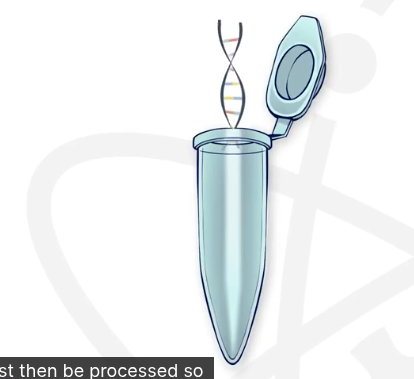
What is the first step in cycle sequencing?
The first step is to isolate the DNA from the sample. This is done so that you are only working with the pathogen’s DNA.
What process is used to isolate this DNA?
PCR- Polymerase Chain Reaction-PCR produces millions of copies of a specific DNA sequence in just a couple of hours.
What is a primer and how is it used in Polymerase Chain Reaction?
Primer-Short segment of DNA,specific segments of DNA that attach to genes that are only present in bacteria and viruses.
Now that copies of the Pathogen’s DNA are copied, What is the next step?
This process is called cycle sequencing it is similar to a process developed in 1977
-It is similar to PCR and uses a thermal cycle but is unique in a couple of ways.
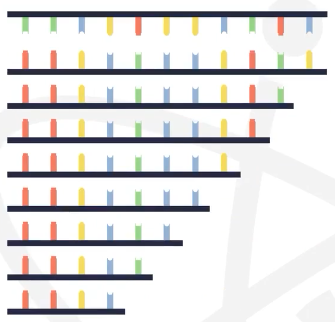
What is the unique thing about cycle sequencing?
Instead of producing multiplies copies of the template DNA strand the goal of a sequencing reaction is to produce a set of DNA fragments that differ in length from each by a single base.They are then separated by size.
How are the bases at the end identified in organised strands of DNA for cycle sequencing?