Exam 1 Microbiology Unit 1-3
 Call Kai
 Learn
Learn Practice Test
 Spaced Repetition
 Match
Match Flashcards
 Knowt Play
1/80

Earn XP
Description and Tags
Only the content I need memorized before exam 1
Name | Mastery | Learn | Test | Matching | Spaced | Call with Kai | Chat |
|---|
No analytics yet
Send a link to your students to track their progress
81 Terms

Sphere shape
Coccus (cocci)

Rod shape
bacillus (bacilli)

curved rod
Vibrio (vibrios)

short rod, oval-shaped
Coccobacillus (coccobacilli)

Spiral
spirillum (spirilla)

long, helical spiral
spirochete (spirochetes)
Rough measure of animal cells
10 µm
Rough measure of bacteria
1 µm
Most bacteria cell walls are composed of this sugar.
Peptidoglycan
Most archaea cell walls are composed of this:
Pseudopeptidoglycan
Unicellular eukaryotes
Protists (like algae and protozoa)
These structures aid the motility of protozoa
cilia (hair-like)
flagella (whip-like)
pseudopods (false feet)
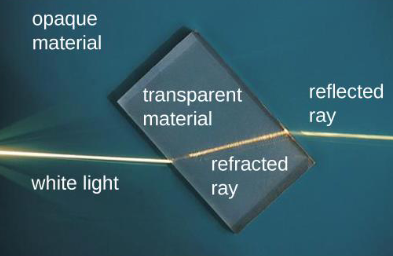
the 3 ways in which light waves interact with materials
reflection, absorbed, transmitted
Reflection
occurs when wave lengths bounce off a material
Absorbance
when materials capture the energy of a light wave
transmission
occurs when a wave travels through a material
Refraction
When light waves change directions as they enter a new medium
Refractive index
The extent to which a material slows transmission speed relative to empty space
Image point
the point at which all light refracted through a lens meets
Early concepts of disease
Miasma theory and divine punishment/fate, supernatural forces
Early practices of disease prevention
quarantine, sewage systems
Father of Western Medicine
Dismissed the idea that disease was b/c supernatural forces
Hippocrates
Fermentation
Microbes converting sugars into alcohol, gases, organic acids
early production of alcohol, cheese, bread
Antonie van Leeuwenhoek
Father of Microbiology
First single-lens microscope
microbes named animalcules
Louis Pasteur
disproved spontaneous generation via swan0neck flask experiment
developed pasteurization and vaccines
Robert Kock
Kock’s postulates supported germ theory of disease
first to use oil immersion lens in microscopy
What are Kock’s postulates?
Carolus Linnaeus
taxonomist who established binomial nomenclature (Genus, specific epithet)
3 domains of life
archaea, bacteria, eukarya
What do all cells have in common?
Cell membrane
DNA-based genome
Ribosomes
Cytoplasm
Unique to eukaryotes*
nucleus
membrane-bound organelles
Protists
Unicellular eukaryotes ex: algae and protozoa
Describe how our ancestors improved food with the use of invisible microbes.
Fermented sugars for products like beer, wine, bread, and cheese with yeast and bacteria.
Fermentation would turn sugars into alcohol, gases, and organic acids.
Older generations took advantage of fermentation to enhance taste and preserve food for longer.
Describe how the causes of sickness and disease were explained in ancient times, prior to the invention of the microscope
disease traveled through things we cannot see
evidence of quarantine
urban sanitation systems
“mal’aria”
Thucydides
460-395 BC
advocated for evidence-based analysis of cause-and-effect reasoning for disease
Describe how microorganisms are classified and distinguished as unique species.
through taxonomy
Linnaeus established binomial nomenclature, proposed 3 kingdoms: animal, plant, mineral
Compare historical and current systems of taxonomy used to classify microorganisms
Early phylogenetic trees based the relatedness of species by their visible similarities
Modern phylogenic analyses include genetic, biochemical, and embryological comparisons
Haeckel
proposed kingdom protista (unicellular organisms) and monera (unicellular organisms that lack a nuclei)
Whittaker
proposed fungi kingdom, empire prokaryota and eukaryota
List the various types of microorganisms and describe their defining characteristics.
bacteria, archaea, protists, viruses, fungi, plants, animals
Pathogens
disease causing bacteria
Give examples of different types of cellular and viral microorganisms and infectious agents.
pathogens, viruses, helminths, protists
Describe the similarities and differences between archaea and bacteria
Archaea are extremists, membranes made up of pseudopeptidoglycan
Bacterial membranes made up of peptidoglycan and are described by their general shapes. Can be photosynthetic or nonphotosynthetic.
Provide an overview of the field of microbiology.
cyanobacteria
photosynthetic
Protists
all protozoa, algae
eukaryotes that are not fungi, animals, or plants
Haekel
Proposed kingdom protista and monera
Whittaker
Proposed fungi, and empire eukaryota and prokaryota
Woese
Proposed three kingdoms of archaea, bacteria, and eukarya
Algae
mostly made up of protists that can be uni or multi cellular
waste products can be used by other organisms
used in lab
source of biofuel
Protozoa
protists that makeup the backbone of many food webs by providing nutrients to other organisms (basically food for everyone else)
can have cilia, flagella, or psuedopods
photosynthetic, or feed off organic material, OR are parasitic like Giardia lamblia
Fungi
nonphotosynthetic, cell walls made of chitin, uni and multi cellular
yeasts, molds
molds
a type of fungi
decomposition, cause allergies, mycotoxins, other in pharmaceuticals.
Helmniths
parasitic worms
guinea worm
Guinea worm
typically occurs when host drinks contaminated water containing water fleas infected by guinea-worm larvae. Grow internally as the worms works its way out of the skin via ulcers.
Viruses
ACELLULAR, consists of either proteins or genetic material (DNA OR RNA, not both)
need a host to live
Responsible for numerous diseases
wavelength
the distance between one peak of a wave and the next peak
frequency
the rate of vibration of the wave
What are the three main interactions of light and what do they do?
Absorbance - when a material captures the energy of a light wave
Reflection - when a wave bounces off of a material
Transmittance - when a wave travels through a material
interference
the rate of vibration of the wave
diffraction
the changing of direction (bending or spreading) that occurs when a light wave interacts with an opening or barrier
refraction
when light waves change direction as they enter a new medium
refractive index
The extent to which a material slows transmission speed relative to empty space
image point (focus)
a property of the lens and the distance of the object to the lens; the point at which an image is in focus (the image point is often called the focus)
Why is a convex lens used to magnify an object?
because it can focus at closer range than the human eye, producing a larger image
EMR
Electromagnetic Radiation
High energy
short wavelengths
Low energy
long wavelengths
highest frequency color
purple
lowest frequency color
red
Leeuwenhoek microscope
credited as being the first person to observe microbes, including bacteria, which he called “animalcules” with a single-lens microscope
Compare and contrast the features of simple and compound microscopes
simple - single lens
compound - two lenses
Galileo
used compound microscope (two lenses)
Hooke
was the first to observe the structures that we now know as cells
Lister
modern light microscope
advances led to improvements in magnification, contrast, and resolution
brightfield microscope
a compound light microscope with two lenses; it produces a dark image on a bright background
ocular lens
typically magnifies 10 times (10x)
objective lens
on rotating nosepiece
magnifies between 4x to 100x
total magnification
ocular magnification X objective magnification