Physio 5: Membrane Potential
 Call Kai
 Learn
Learn Practice Test
 Spaced Repetition
 Match
Match Flashcards
 Knowt Play
1/40

There's no tags or description
Looks like no tags are added yet.
Name | Mastery | Learn | Test | Matching | Spaced | Call with Kai | Chat |
|---|
No analytics yet
Send a link to your students to track their progress
41 Terms
what is membrane potential
separation of charge that gives rise to voltage across the membrane

what is electrical potential
the push or pull felt between positive and negative charges
measured in volts
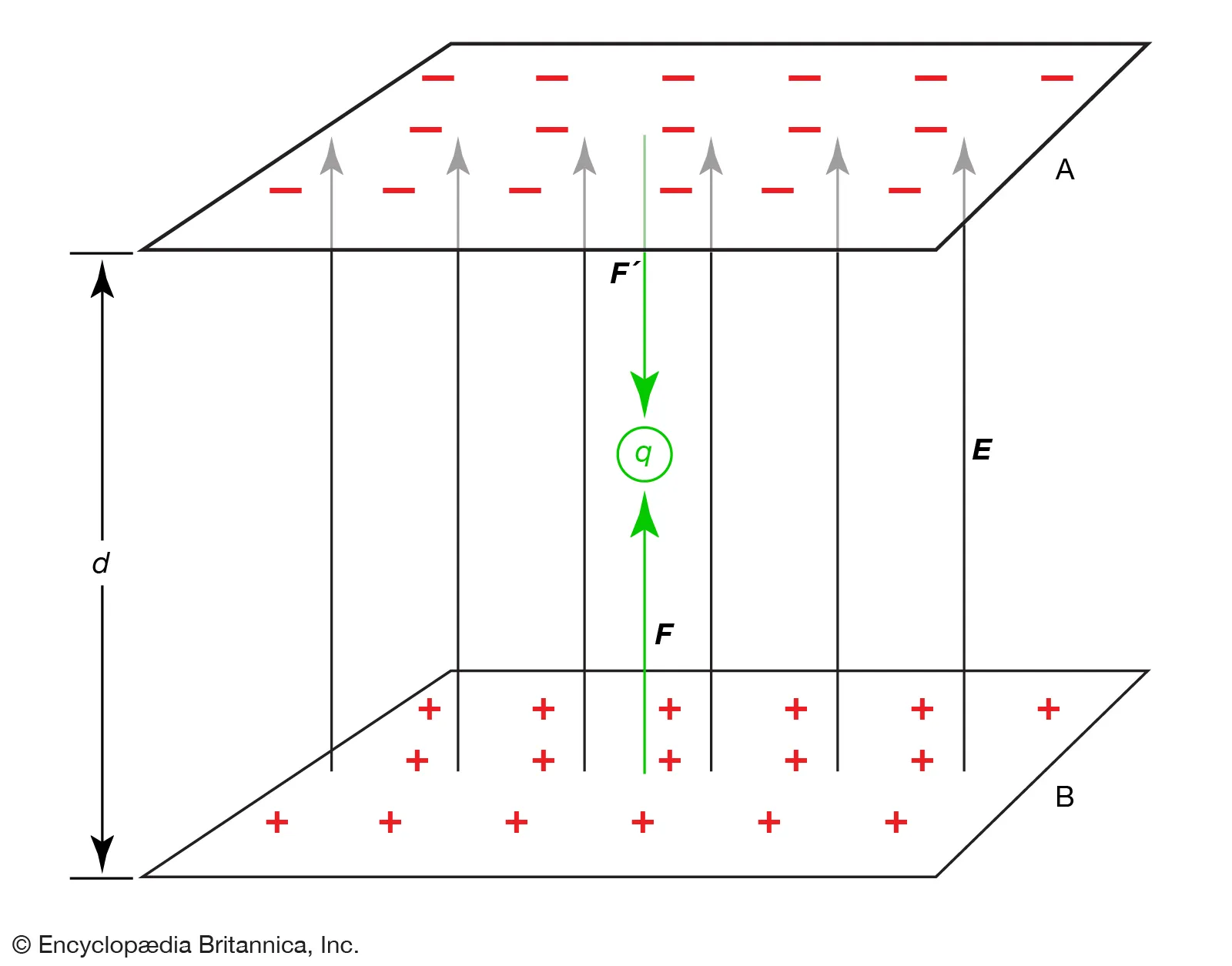
what happens to the voltage if the difference in charges increases?
magnitude of the voltage increases
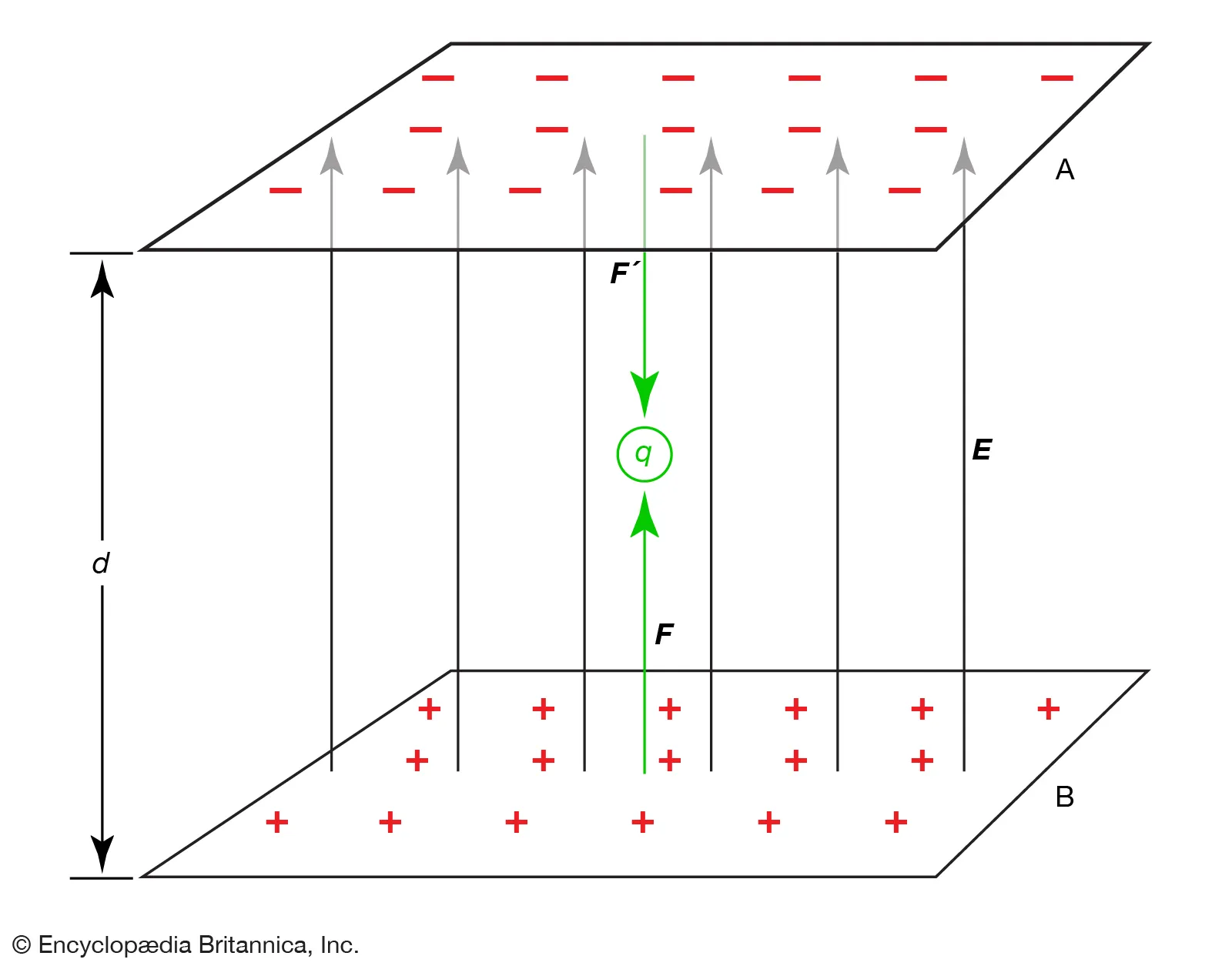
what is membrane gradients
a difference in electrical charge across a cell membrane
created by closing or opening ion channels
what is a membrane current
produced by allowing charges to move across the membrane
what is the direction of current defined as
direction of net movement of positive charge
even if anions were moving, it would be described as movement of cations
the inside of the cell is … charged
negatively charged
the outside of the cell is … charged
positively
when all ions are accounted for, what is the charge of the whole solution?
neutral
how is membrane potential measured
placing 2 electrodes inside and outside of cell
potential outside of cell is 0
difference of inside potential from the outside potential
more negative inside
what is the resting membrane potential
between -40 to -90 mV
what are the two types of ion channels
resting channels
gated channels
describe resting channels
carry current across cell membranes
normally always opened
not significantly influenced by extrinsic factors
what is normally responsible for the charge of resting membrane potentials
resting channels
set movement of ions
what are gated channels
opened in response to changes in membrane potential
what type of channels are responsible for cell depolarization/polarization
gated channels
what is the resting membrane potential
voltage difference between the inside and outside of a cell
in absence of excitatory or inhibitory stimuli
what are the 2 main things responsible for the resting membrane potential
open K+ ion channels
Na+/K+ ATPase
describe open K+ ion channels
K+ ions are constantly flowing through the cell membrane
contribute to resting membrane potential
describe the Na/K ATPase voltage gated ion channels
responsible for maintining ionic difference
more K+ inside (145 mM)
less Na+ inside (5 mM)
more Na+ outside (145 mM)
less K+ outside (5 mM)
what is mainly responsible for the equilibrium potential of a cell
K+
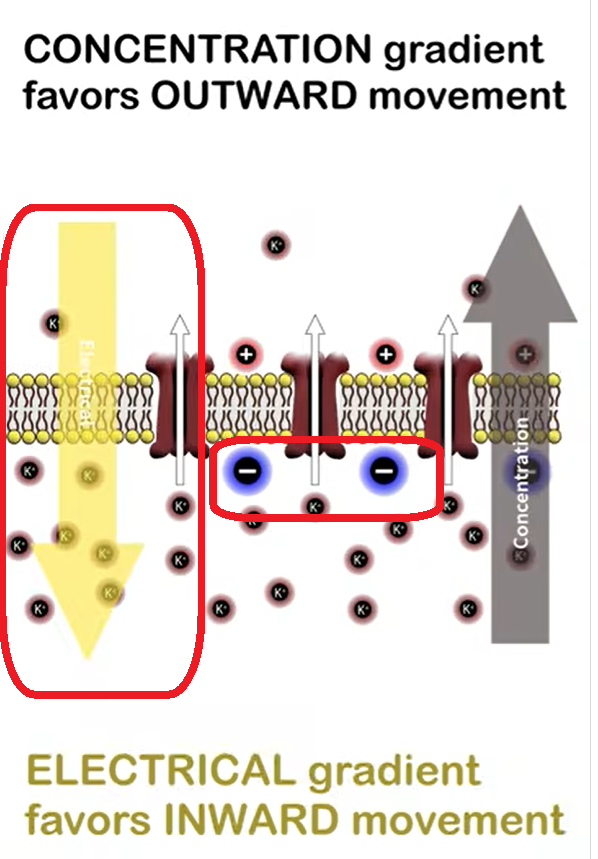
potassium leaks out of the cell down its concentration gradient
negativity pulled K+ back in, creating equilibrium voltage
K+ moves until membrane voltage equals equilbirum potential (Ek) for K+
why is K+ high inside the cell even though it has leaky channels?
K+ leaves cell through leaky channels
leaves behind negative charge
electrostatic gradient trumps in getting K+ back in for negative charge
goes against concentration gradient
membrane potential = K+ equilibrium potential
what does the equilibrium potential measure?
equilibrium potential (E) of a specific ion
what is the simplified nernst equation?
Z (valence) for K+ or Na+ = 1

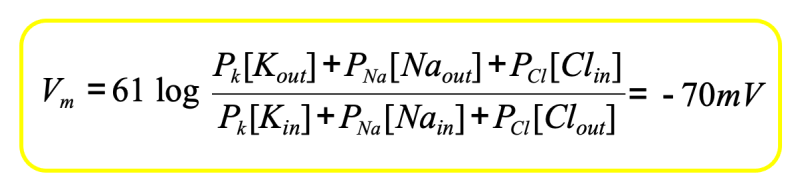
the _____ equation is an expended version of the nernst equation that takes into account several individua ion permeabilities
goldman hodgkin katz
what are the two things the movement of k+ ions are dependent on
concentration
charge
describe what would happen in this sceneraio
more K+ on the right cell than left cell
right cell K+ will migrate to the left cell
movement of right cell will leave an excess positive charge in left cell and excess negative charge in right cell
some K+ will migrate back to right cell
what is the Ek for K+
-90 mV
there is more inside than there is outside
what happens to the membrane potential when the concentration flux of an ion exceeds its electrical flux?
membrane potential will increase
there is an excess positive on one side
ions move down their concentration gradient faster than the opposing electrical gradient can stop them (like charges repel one another)
net movement of charge until electrochemical equilibirum is reached

what are the two opposing forces in equilibrium membrane potential
concentration flux
ions want to go from high to low concentration
electrical flux
as the ions move, they build a charge that repels them

as ions move down their concentration gradient, the potential difference….
increases
like charges are repelling and want to go to the other side
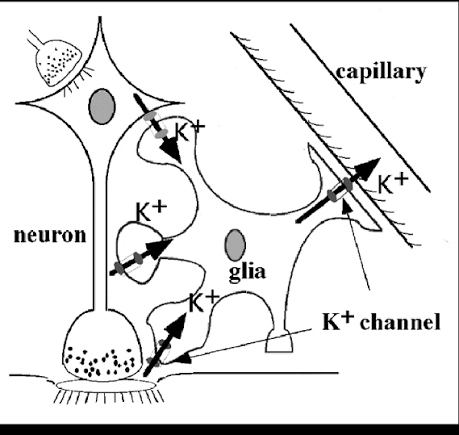
what is the membrane potential of glial cells
-90
selectively permeable to mainly K+
Ek = MP
what is the equilibrium potential for Na+
60+ mV
what is the equilibrium potential for Cl-
-70 mV
if a cell is selectively permeable only for an ion, then the resting membrane potential will equal the…
equilibrium potential
why is the equilibrium potential for K+ negative and Na+ positive
K+ is higher inside the cell
Na+ is higher outside the cell
why is the resting membrane potential closer to the Ek of potassium?
K+ permeability is about 50x larger than the Na+ permeability
membranes have K+ leak channels
What would happen if the Na+/K+ ATPase was impaired?
the resting membrane potential will be changed to less negative from -70 until 0
No restoration of membrane potential

what establishes membrane potential
leaky potassium channels
describe this
High Na+ outside, high K+ inside
Leaky potassium channels leak out K+ ions
K+ ions leave behind a negative charge
Negative charge pulls K+ back into cell
Na+ has both chemical and electrical force pull for inside cell
Na+ is pulled in
Na+/K+ ATPase pump restores concentration gradients
steady state with leakage flows and Na+ and K+ gradients
