Wk 1: Ergonomics, Mirror & Grasp, Terminology , Operator & Patient Positioning Terminology
 Call Kai
 Learn
Learn Practice Test
 Spaced Repetition
 Match
Match Flashcards
 Knowt Play
1/134

There's no tags or description
Looks like no tags are added yet.
Name | Mastery | Learn | Test | Matching | Spaced | Call with Kai | Chat |
|---|
No analytics yet
Send a link to your students to track their progress
135 Terms
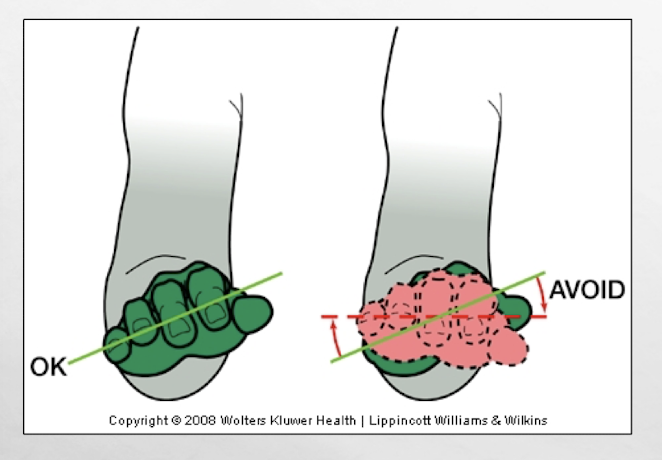
What is the goal of a neutral hand position?
Pinky side of palm is slightly lower than the thumb side of the palm
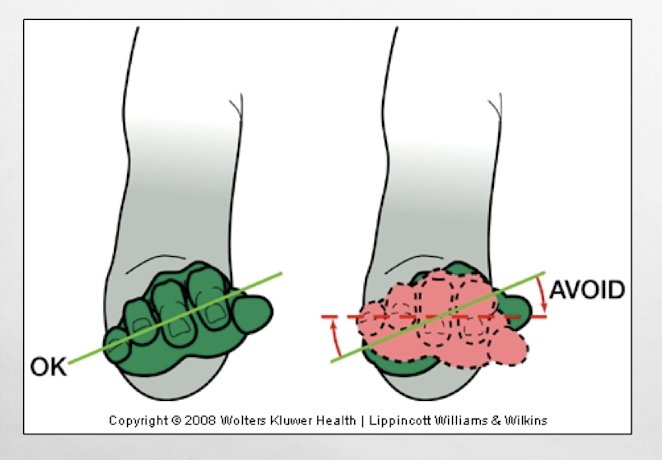
What should you avoid when doing a neutral hand position?
Palms parallel to the floor
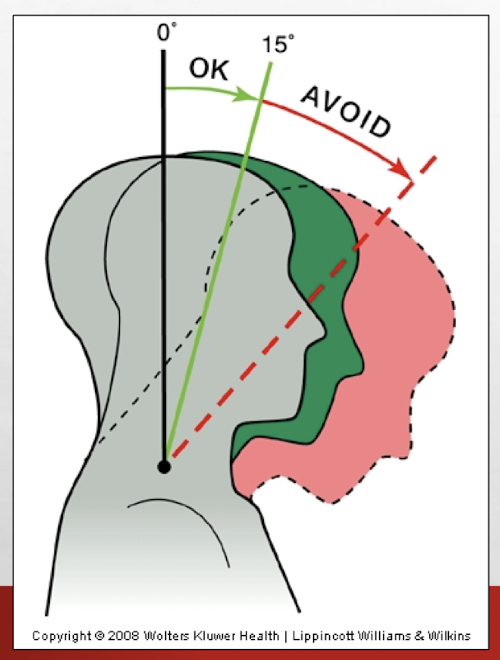
What is the goal of a neutral neck position?
Head is tilting 0 to 15 degrees
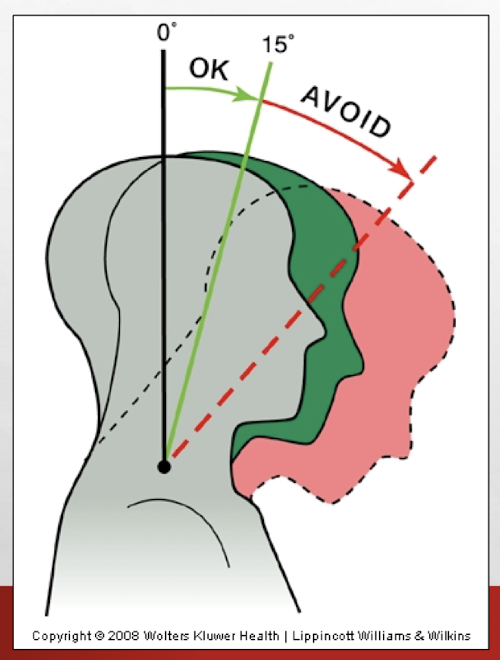
What should be avoided when maintaining a neutral neck position?
Head tips too far forward or tilted to one side
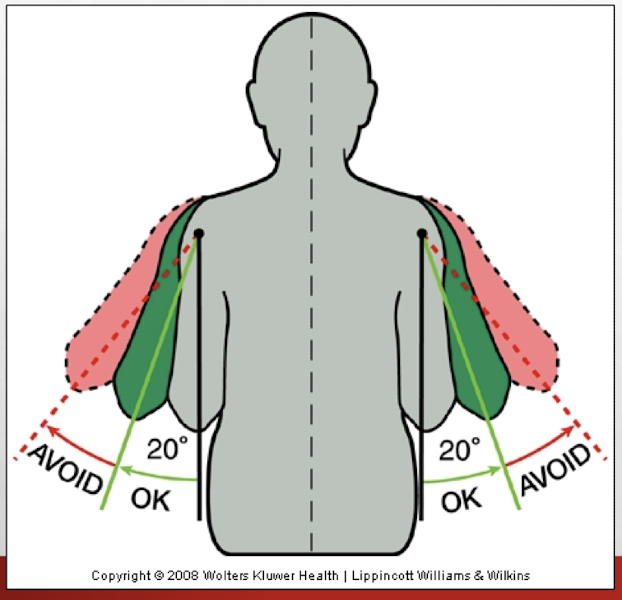
What is the goal for a neutral upper arm position?
Elbows are at waist level held slightly away from the body
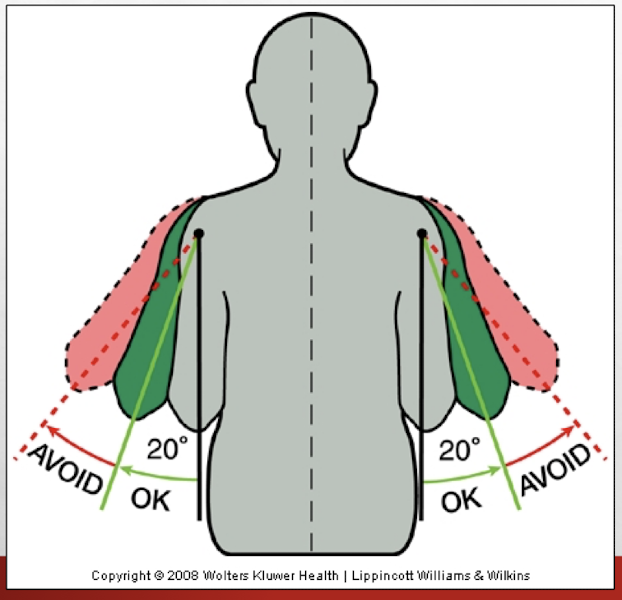
What should you avoid when maintaining a neutral upper arm position?
Elbows held at or above waist level
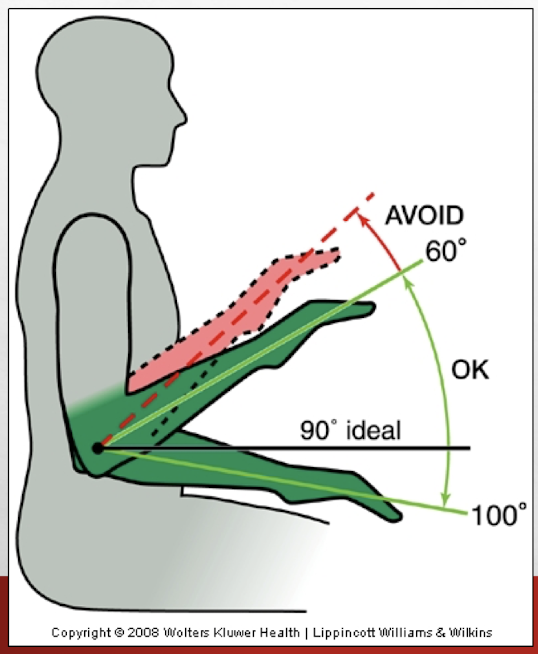
What is the goal for a neutral forearm position?
Forearm is parallel to the floor
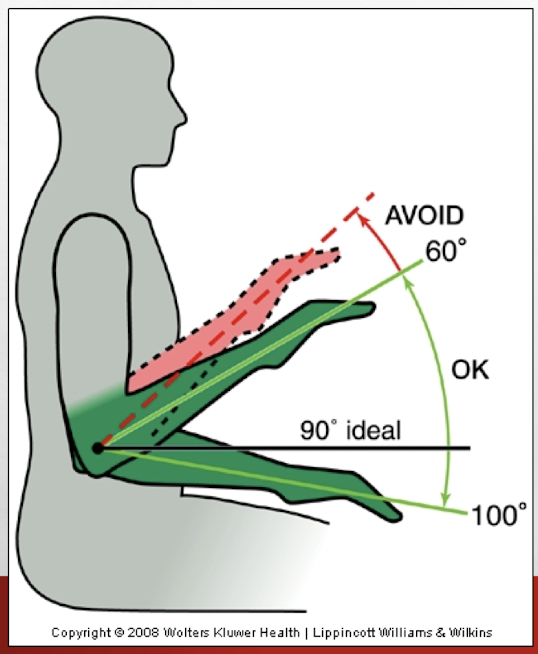
What should you avoid when maintaining a neutral forearm position?
The angle between the forearm and upper arm is less than 60 degrees
What is neutral positioning?
No twisting or turning, forearms and thighs are parallel to the floor, hip angle is 90 degrees, and heels of feet are touching the floor
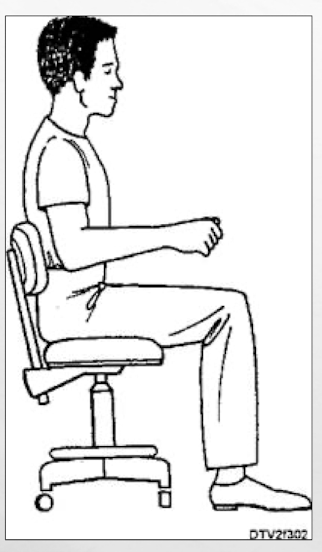
What is the neutral back position?
0-20 degrees of trunk flexion and leaning slightly forward from waist or hips
What is the goal for neutral shoulder position?
Shoulders in a horizontal line and balanced weight

What should you avoid when maintaining a neutral shoulder position?
Avoid lifting shoulders or hunching
What is the goal for a neutral upper arm position?
Hang arms parallel to long axis of the torso, elbows at waist level slightly away from the body
What should you avoid when maintaining a neutral upper arm position?
Chicken wing!
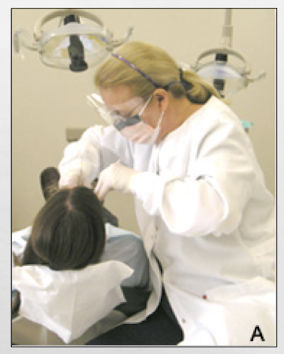
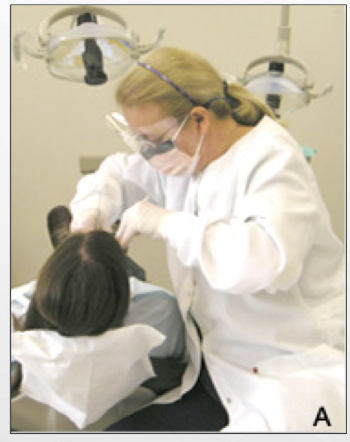
Is this a correct position?
no
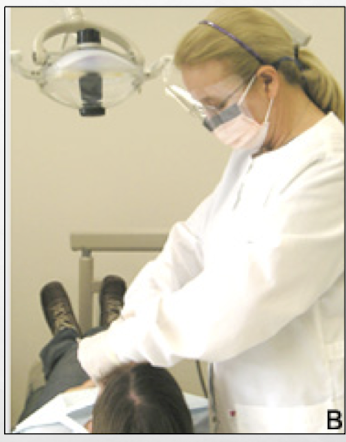
Is this a correct position?
yes
How should you adjust the height of a clinician chair?
Establish a hip angle of 90 degrees
How should you position the patient chair in relation to your body?
Lower the patient chair till the tip of their nose is below the clinicans waist level
What angle should your elbows be when we are in a patient’s mouth?
90 degrees
What should happen to the chair when you are in the proper position?
The wheels of your chair will move
What should you do to maneuver the chair around the patient easily?
Clear the area
What is good practice to have your body move into another position?
standing for a patient or two
What does MSD stand for?
Musculoskeletal disorders
What does WMSD stand for?
Work related musculoskeletal disorders
What does RSI stand for?
Repetitive strain injury
What is carpal tunnel syndrome?
Disorder of the wrist and hand due to compression of the median nerve in the wrist
What 3 things can cause carpal tunnel syndrome?
Poor posture, repeated bending of the hand at the wrist, and pinch gripping an instrument without resting the muscles
What are the symptoms of carpal tunnel syndrome?
Numbness, pain, tingling in thumb, index and middle fingers
What is Ulnar nerve entrapment?
A disorder of the lower arm and wrist caused by compression of the ulnar nerve at the wrist
What are 2 causes of ulnar nerve entrapment?
Repeatedly bending the hand, holding the little finger a full span away from the hand
What are the symptoms of ulnar nerve entrapment?
Numbness, tingling and or loss of strength in the lower arm or wrist
What is pronator syndrome?
A disorders of the wrist and hand caused by compression of the median nerve by the pronator teres muscle
What can cause pronator syndrome?
Holding the lower arm away from the torso of the body
What are the syndromes of pronator syndrome?
Numbness, pain, tingling in thumb, index, and middle finger
What is tendinitis?
Painful inflammation of the tendons of the wrist
What causes tendinitis?
Repeatedly bending the hand up, down or side to side at the wrist.
What is tenosynovitis?
A painful inflammation of the tendons on the side of the wrist and base of the thumb
What 3 things can cause tenosynovitis?
Hand twisting, forceful gripping. bending the hand back or to the side
What are the symptoms of tenosynovitis?
Pain on side of wrist and base of thumb, often movement of the wrist is accompanied by cracking
What is extensor wad strain?
A disorder of the fingers as a result of injury to the extensor muscles
What causes extensor wad strain?
Extending the fingers independently of each other
What are the symptoms of extensor wad strain?
numbness, pain and loss of strength in fingers
What is thoracic outlet syndrome?
A disorder of the fingers, hands, and or wrist due to compression of the brachial nerve plexus and vessels
What can cause thoracic outlet syndrome?
Tilting the head forward, hunching the shoulders forward, continuously reaching overhead
What are symptoms of thoracic outlet syndrome?
Numbness, tingling, and or pain in the fingers, hand or wrist
What is rotator cuff tendinitis?
Painful inflammation of the muscle tendons in the shoulder region
What can cause rotator cuff tendinitis?
Holding the elbow above waist level, holding the upper arm away from the body
What are the symptoms of rotator cuff tendinitis?
Severe pain and impaired function of the shoulder joint
When are dental health care providers at high risk of musculoskeletal injuries?
When is forceful movements are combined with awkward postures
What is key to musculoskeletal injuries?
Prevention!
What are the different types of mirror surfaces?
front surface, concave, plane (flat), double sided
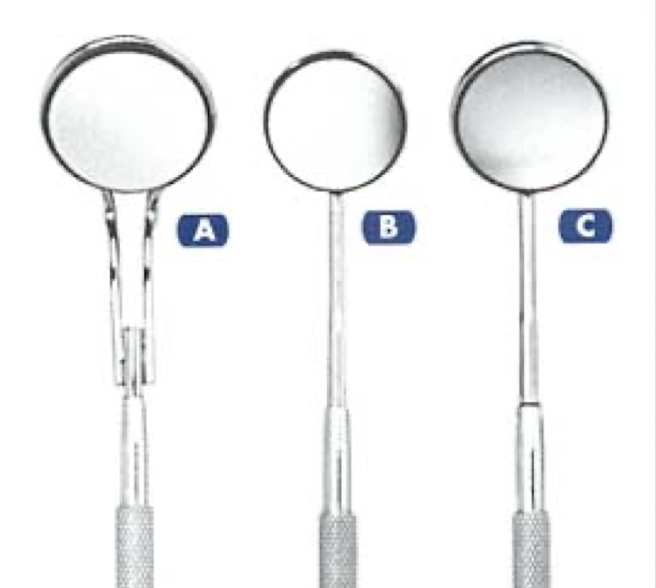
What are the different ways you can use a mirror?
Indirect vision, illumination, transillumination, and retraction
What is indirect vision?
View a tooth surface that can’t be seen directly
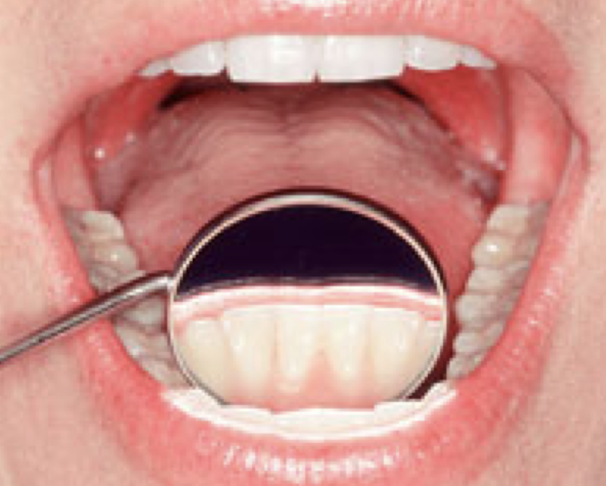
What is indirect illumination?
Reflect light from dental light into mouth
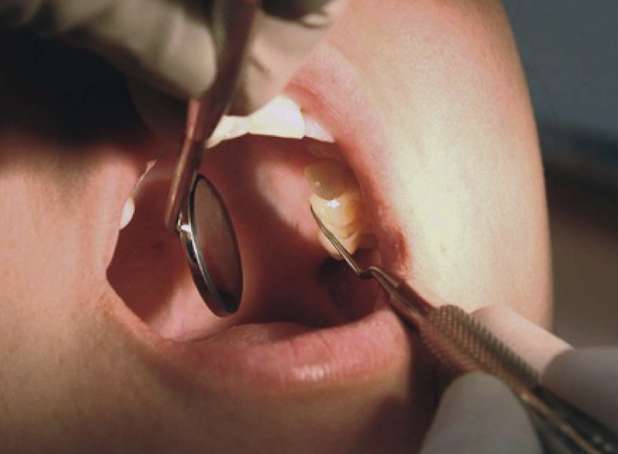
What is retraction?
Hold patient’s tongue, cheek or lip to prevent interference or protection
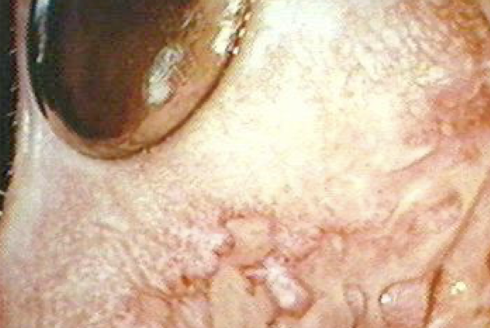
What is transillumination?
Directing light off the mirror surface through the anterior teeth
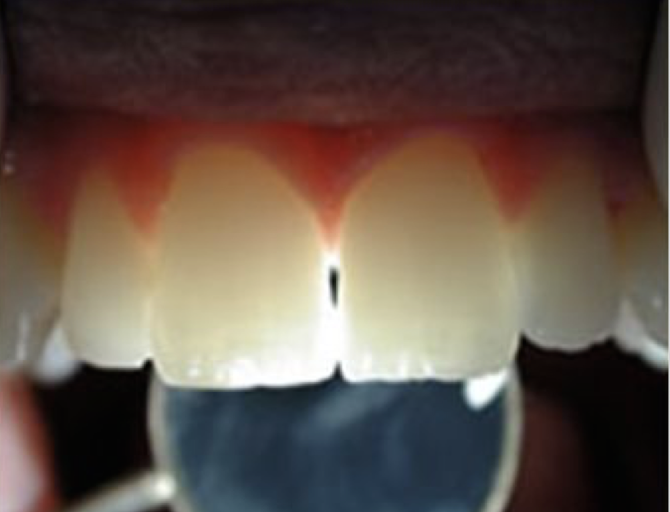
What are some de-fogging techniques?
Patient can nose breathe, swipe with buccal mucosa, wipe with gauze moistened with mouthwash, or dip into mouthwash or commercial defogging product
Which hand will you use to hold your mirror 99% of the time?
In your non-dominant hand
What should you do when are not using your mirror?
Palm it or put in back on bracket tray
What should you not do when using your mirror?
Rest you mirror hand on your thigh
How do you place the mirror in a patient’s mouth?
Place it between dental arches, like in a “frisbee-position,” and then turn it to where it is parallel to the buccal mucosa of the cheek
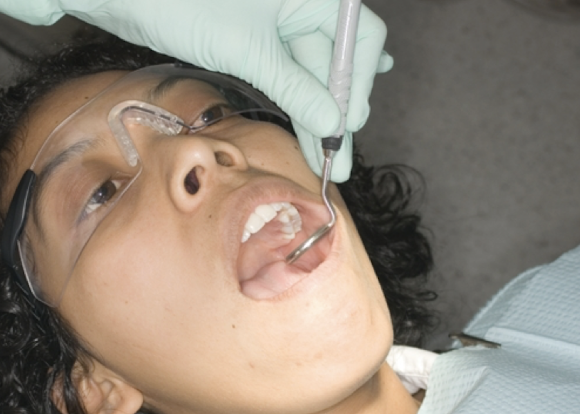
What do you do once the mirror is placed in the patient’s mouth?
Establish an extraoral finger rest and use arm muscles to retract the cheek
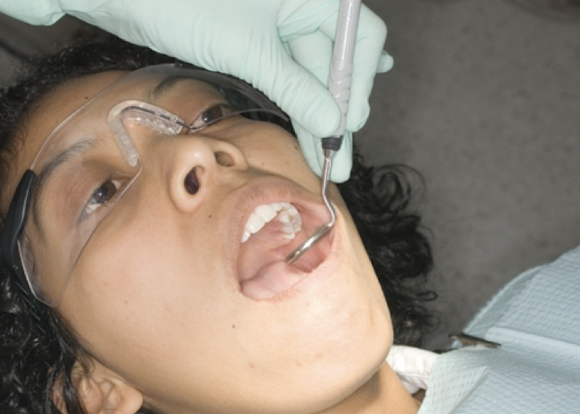
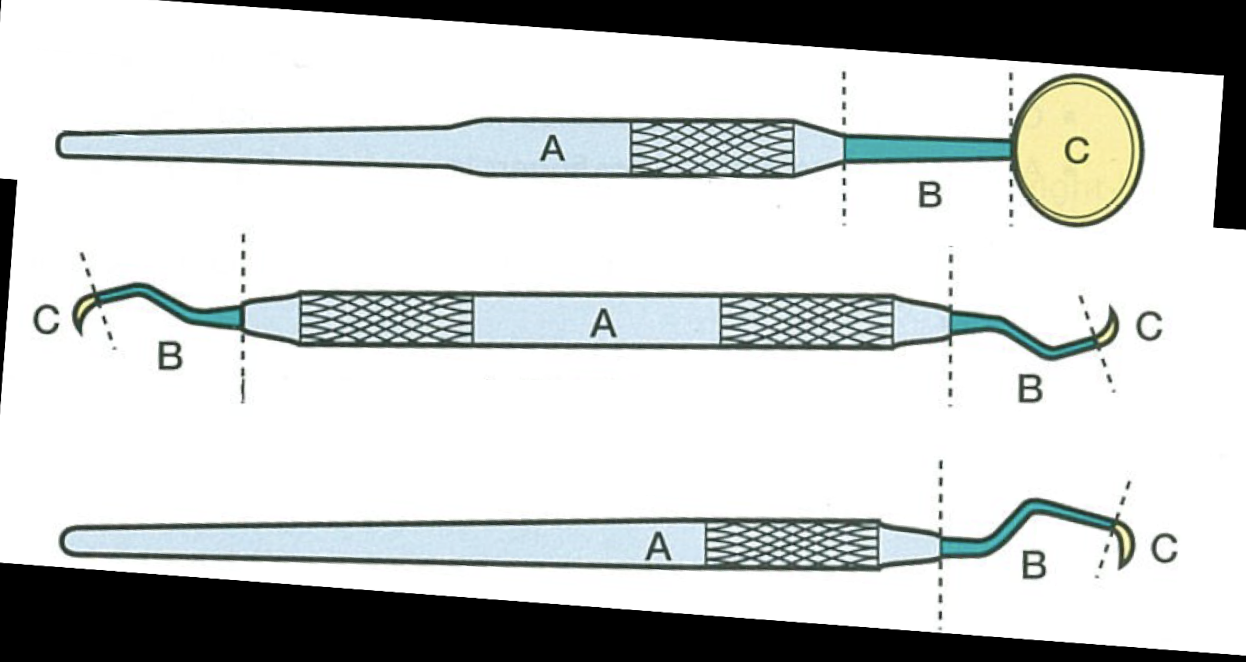
What is the handle of an instrument?
The longest part of the instrument where we hold
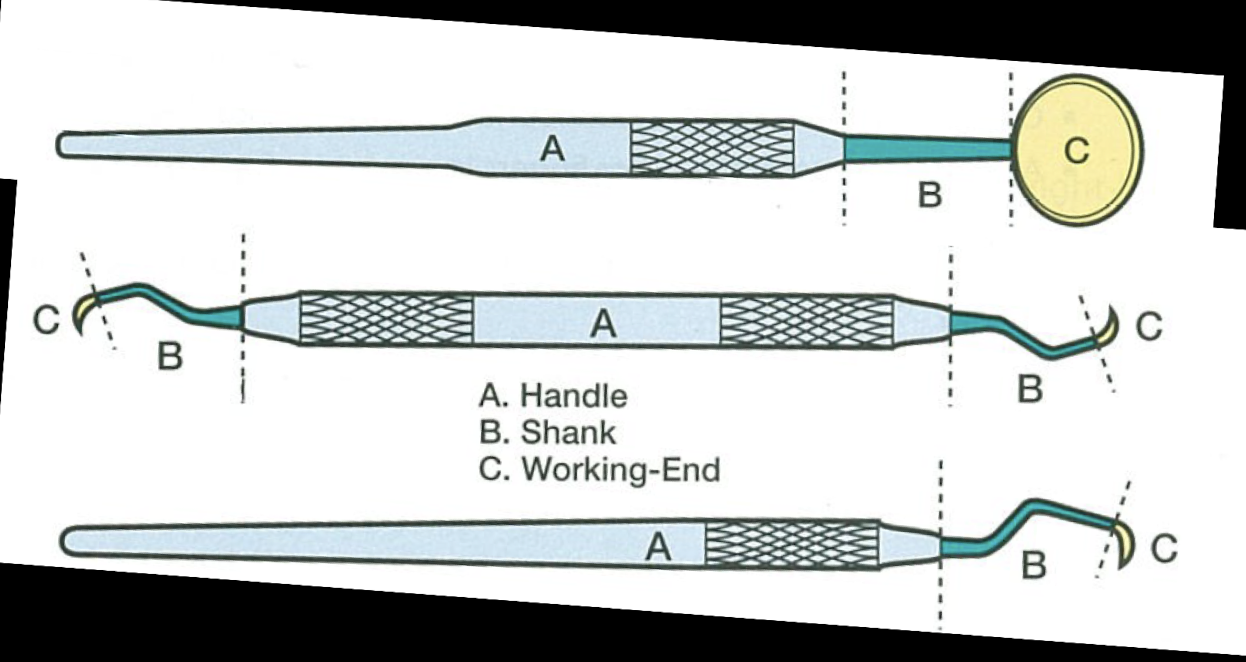
What is the shank of the instrument?
Middle part that connects the handle to the working end
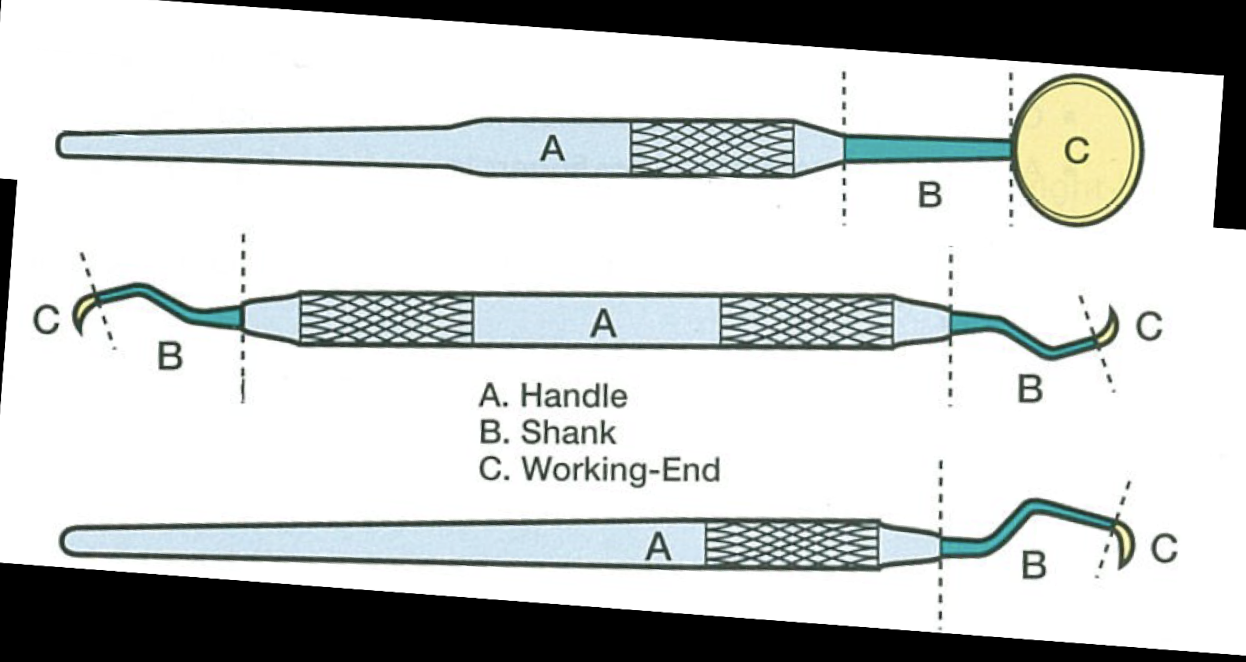
What is the working end of an instrument?
The specific part that performs the actual clinical task
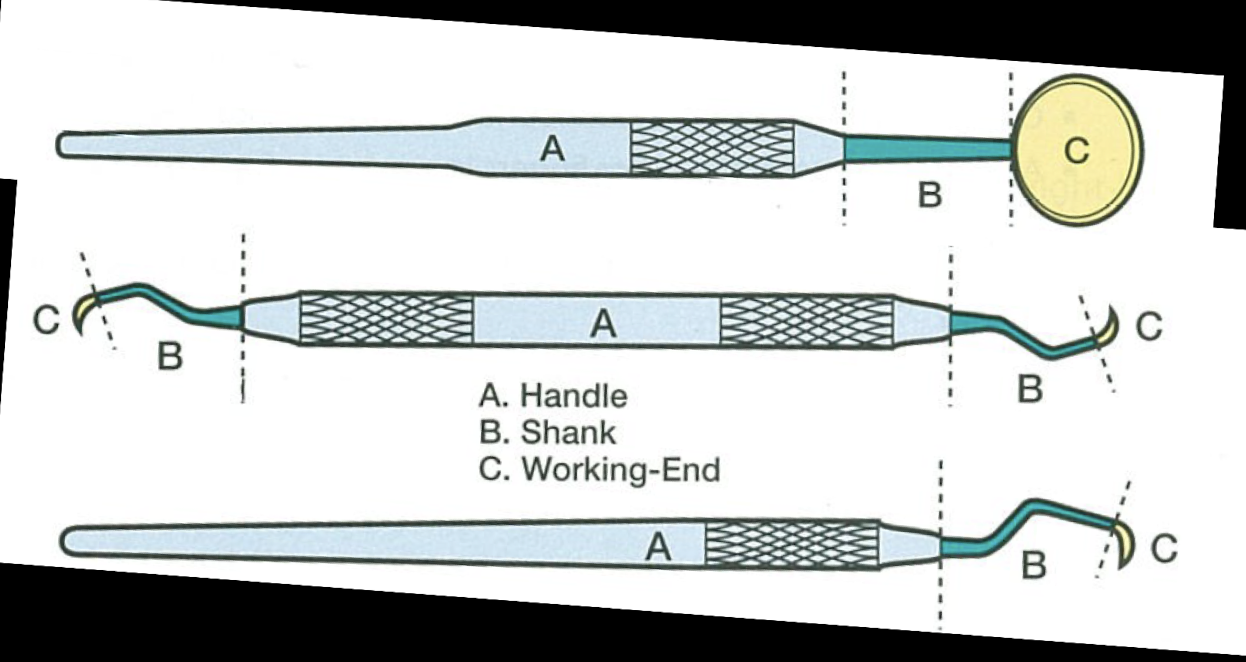
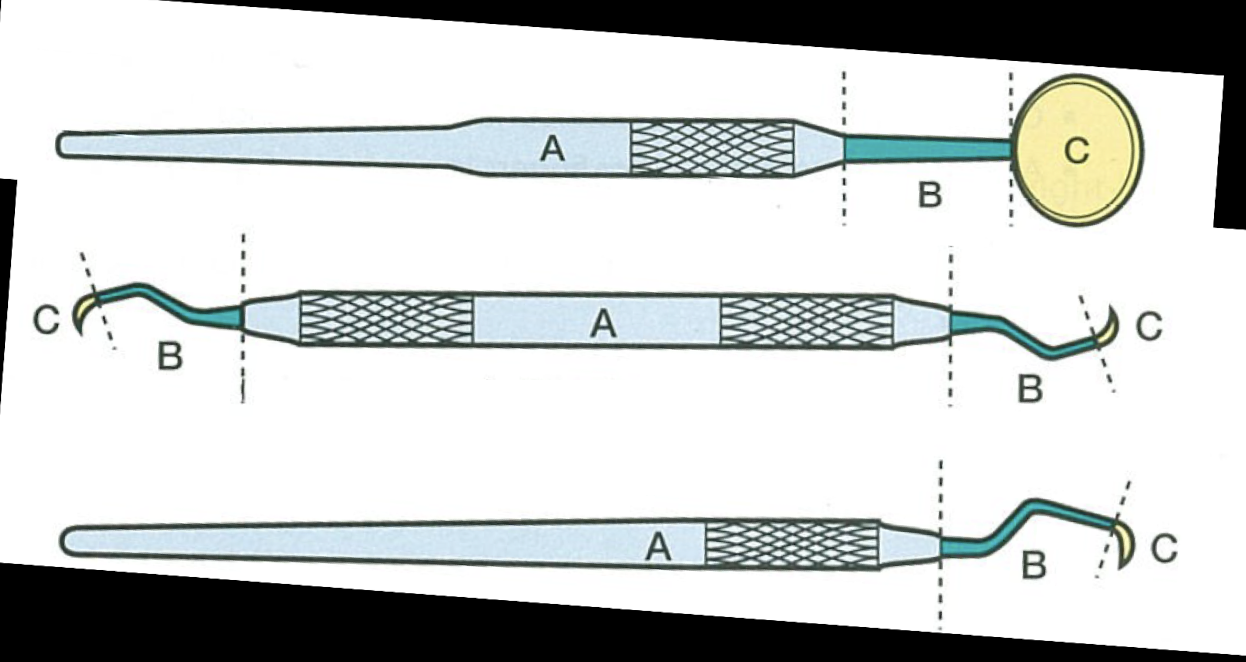
What is C labeling?
Working-end
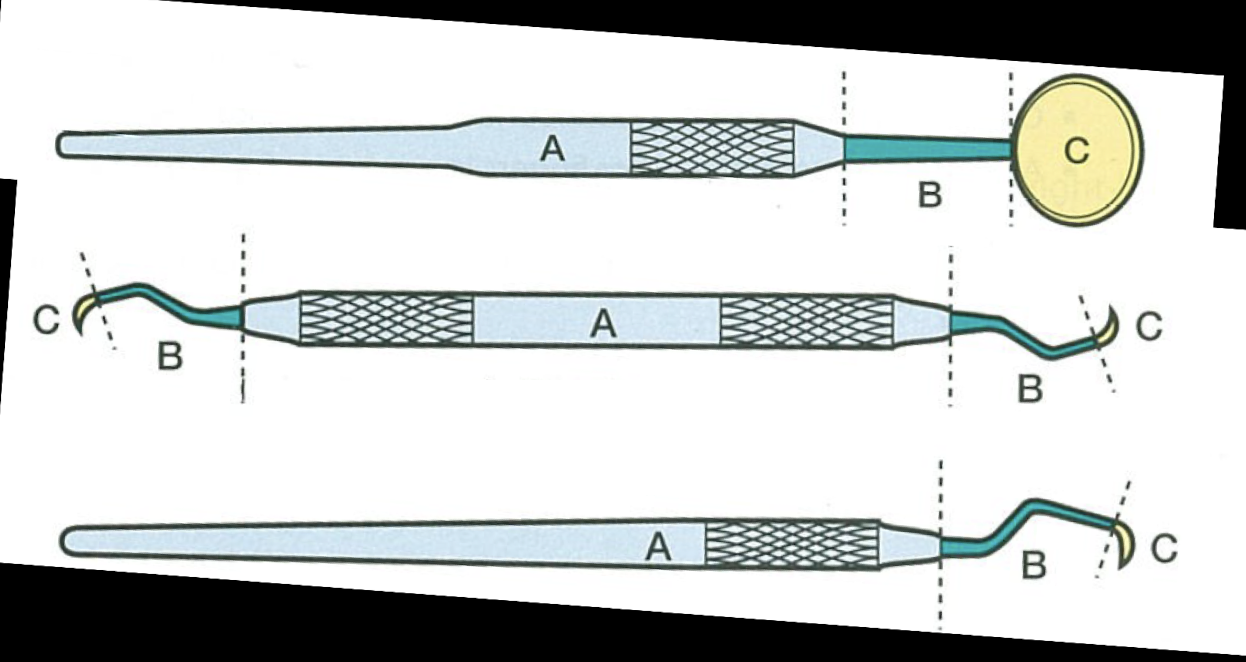
What is B labeling?
Shank
What is A labeling?
Handle
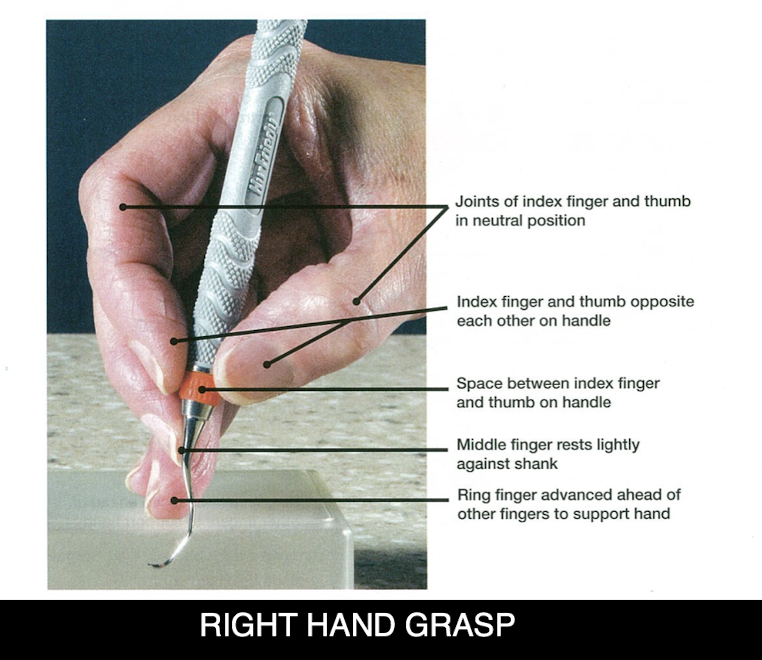
How do you do a modified pen grasp?
Joints of the index finger and thumb are neutral; the index and thumb are opposite on the handle, and there is a space between them.
The middle finger rests lightly on the shank; the ring finger is ahead of the other fingers to support the hand on a fulcrum
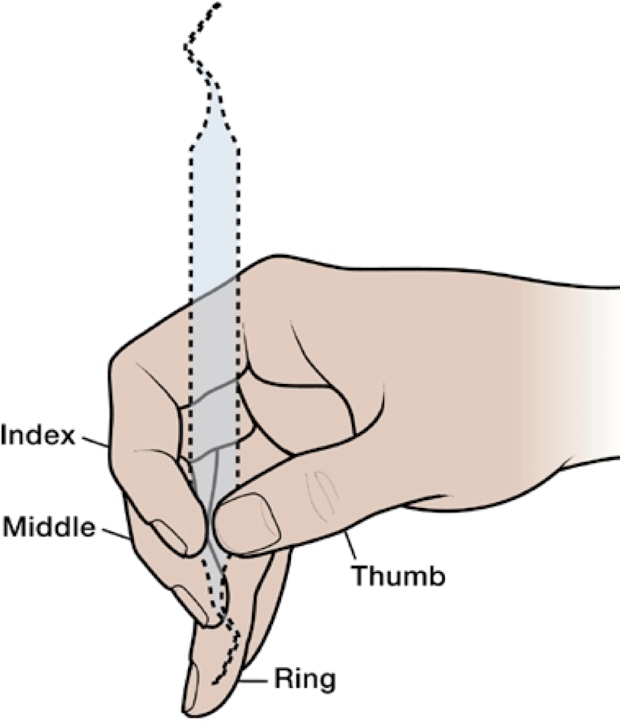
What is this?
modified pen grasp
What should your fulcrum location be?
As close to the working area as possible, like 1-4 teeth away from the working place, on the incisal edge, occlusal surface or other embrasure spaces
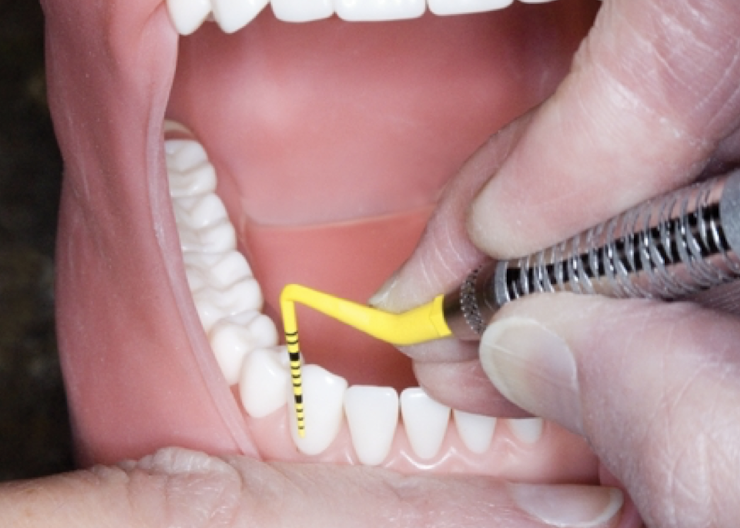
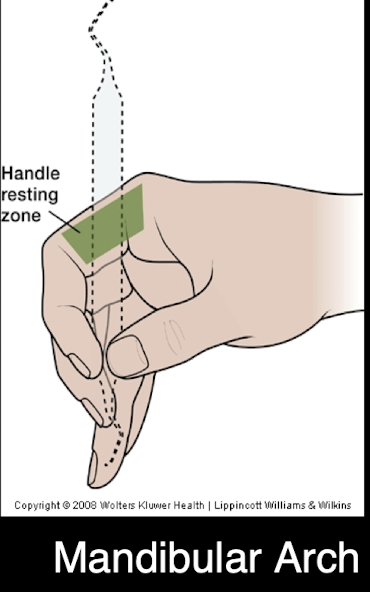
How should you have your handle and palm positioned when cleaning the mandibular arch?
Palm down, rest handle against your hand somewhere between your first finger’s top joint
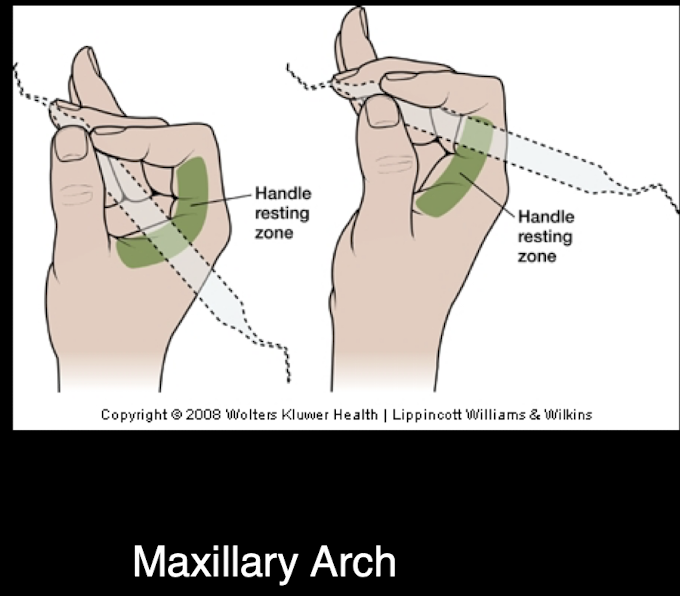
How should you have your handle and palm positioned when cleaning the maxillary arch?
Palm up, rest the handle against your hand somewhere between your first finger’s top joint and the space between your thumb and first finger.
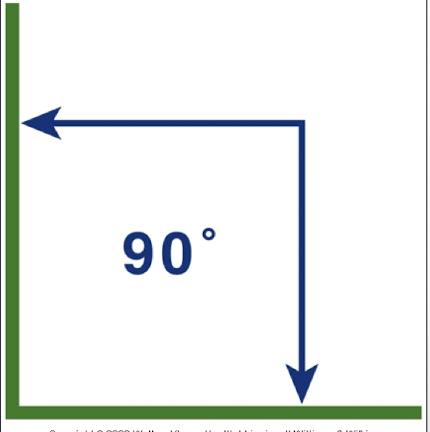
What is a 90 degree angle?
An angle formed by two straight lines that meet at an endpoint.
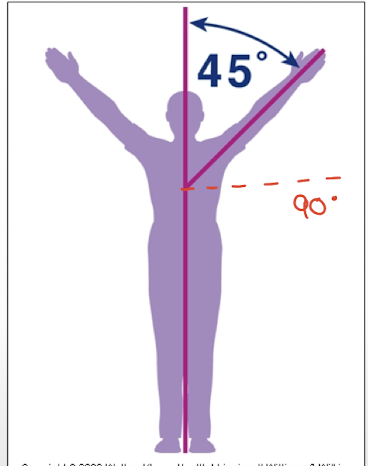
What is a 45-degree angle?
Half way of a 90 degree angle
Why are angles in instrumentation important?
It is vital for effective calculus removal
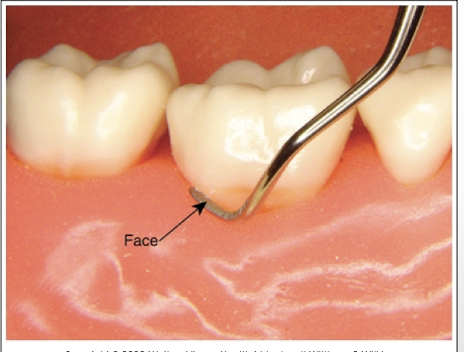
What are parallel lines?
Lines that run in the same direction and never meet or intersect one another
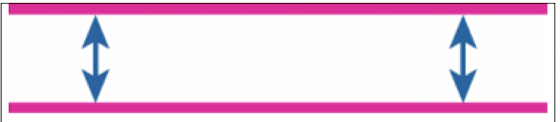
How does a clinician choose the correct working end for use on a posterior tooth?
When the shank of the instrument is parallel to the long axis of the tooth.
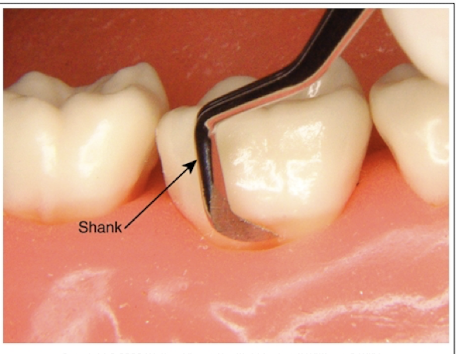
How is a cross section exposed?
By cutting through an object at the right angles to its longest dimensions
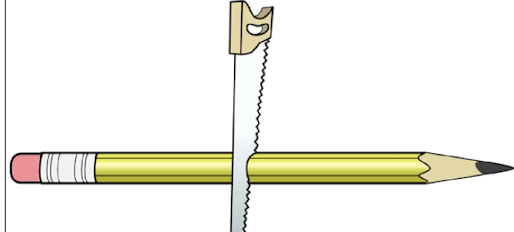
What are the two types of cross sections of instruments?
Triangular or semi-circular
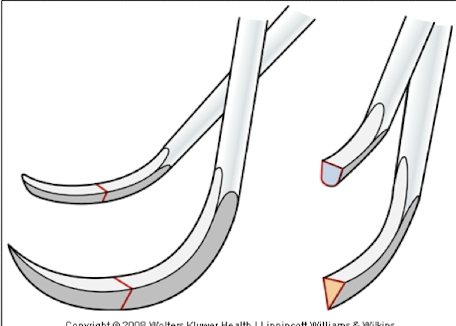
What units are the anatomic features of the tooth measured in?
Millimeter (mm)
What is a probe use for?
Takes measurements in the mouth
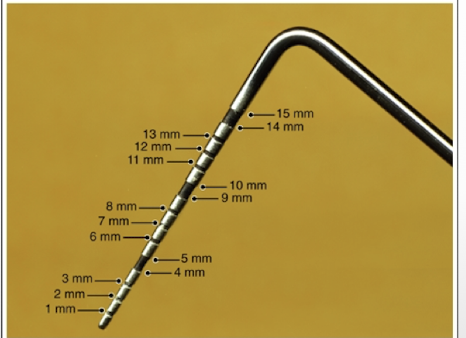
What are probes marked in?
Millimeter units
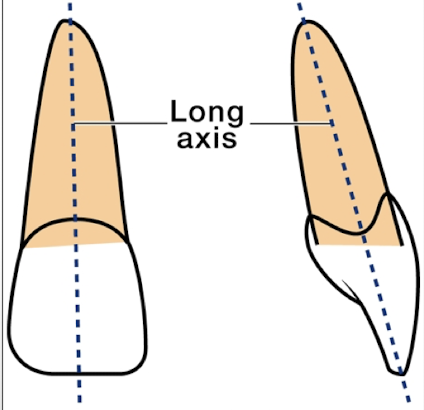
What is the long axis?
An imaginary line that passes through the center of the tooth
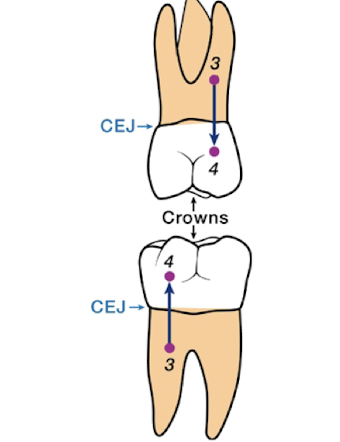
What is apical?
Towards the apex of the tooth
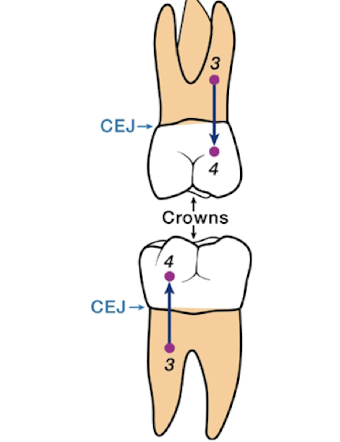
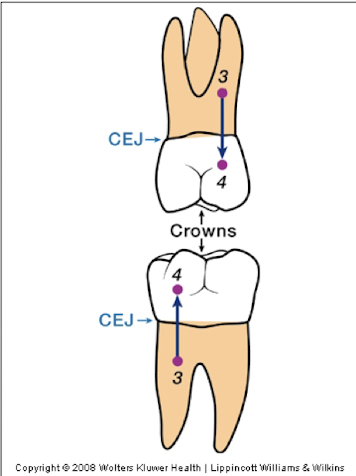
Which number is apical to the other?
3 is apical to 4
What is coronal?
Toward the crown of the tooth
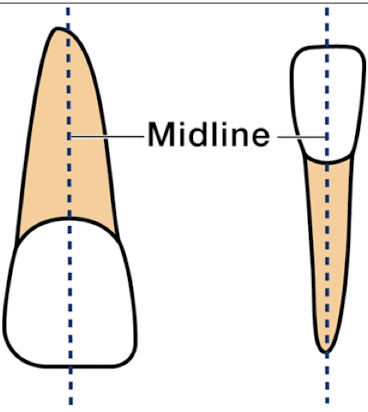
What is the midline of a tooth?
The line that divides the tooth into two equal halves
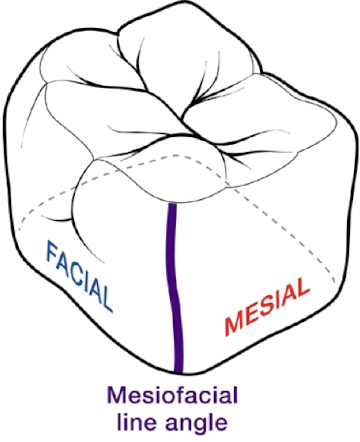
What are line angles?
An imaginary line formed where two tooth surfaces meet
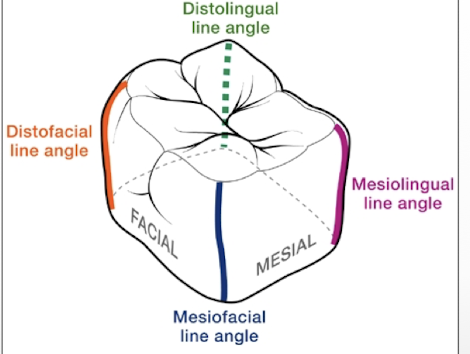
How many line angles do tooth have?
4 line angles
Where is the mesiofacial line angle formed?
Where the facial and mesial surfaces meet
What are sextants?
When dentition is divided into six areas
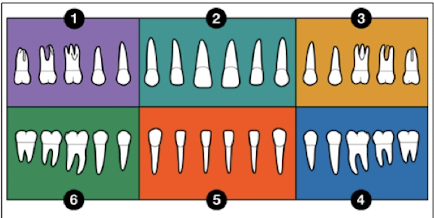
What is Q1?
UR
What is Q2?
UL
What is Q3?
LL
What is Q4?
LR
What are aspects?
surfaces
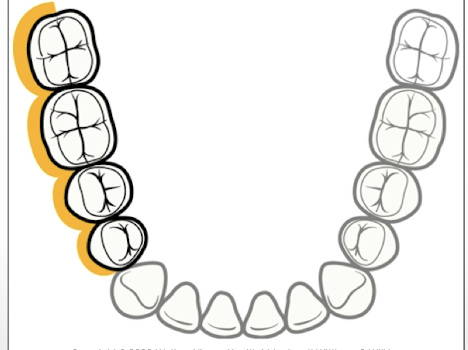
What aspect is this?
Facial aspect
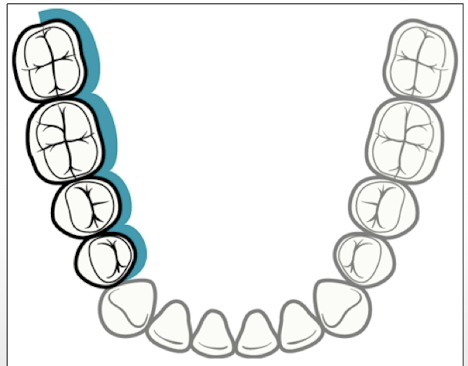
What aspect is this?
Lingual aspect
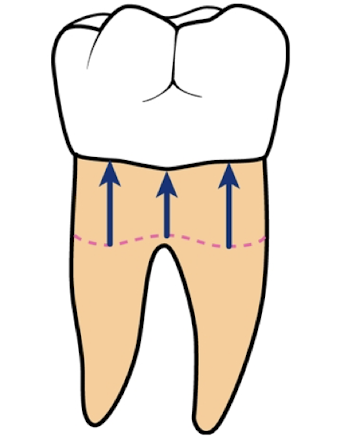
What are stroke direction is this?
vertical