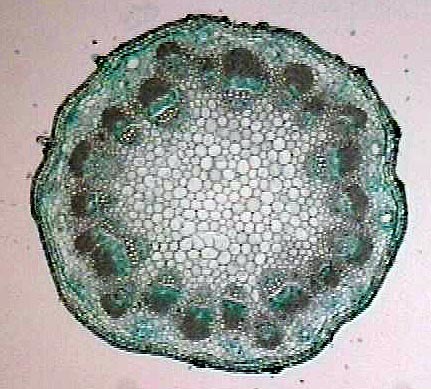
Biodiversity Lab Practical 1
0.0(0)
Studied by 2 people Call Kai
 Learn
Learn Practice Test
 Spaced Repetition
 Match
Match Flashcards
 Knowt Play
Card Sorting
1/52

Earn XP
Description and Tags
Last updated 11:36 AM on 10/11/22
Name | Mastery | Learn | Test | Matching | Spaced | Call with Kai | Chat |
|---|
No analytics yet
Send a link to your students to track their progress
53 Terms
1
New cards
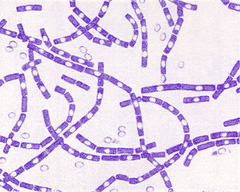
Bacillus
rods
2
New cards
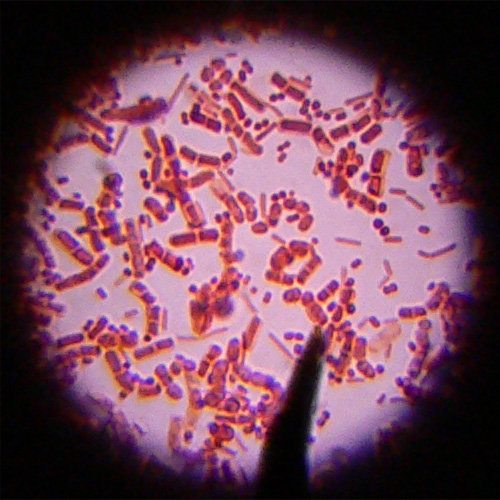
Coccus
spheres
3
New cards
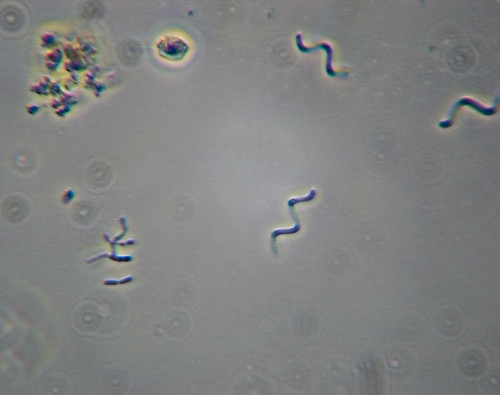
Spirilla
spirals
4
New cards
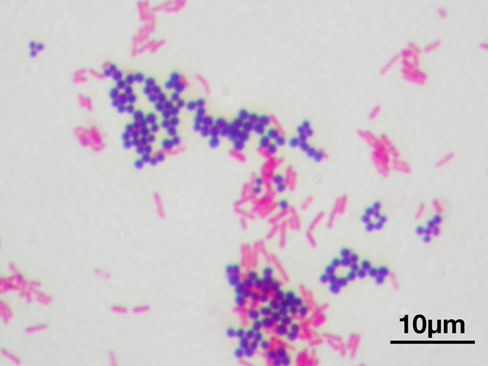
Gram-positive bacteria
Cell walls rich in peptidoglycan
No outer lipopolysaccharide layer
After staining: appear blue or purple
example slides are:
Bacillus substilis, Micrococus luteus,
Streptococus lactis, Staphylococus
No outer lipopolysaccharide layer
After staining: appear blue or purple
example slides are:
Bacillus substilis, Micrococus luteus,
Streptococus lactis, Staphylococus
5
New cards
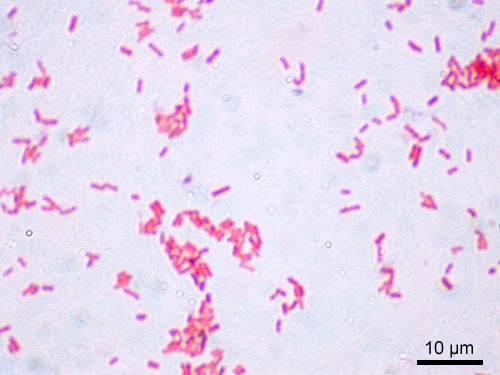
Gram-negative bacteria
More complex cell walls
Less pepidoglycan
Have an outer lipopolysaccharide layer
After staining: appear red
example slides:
esherichia coli, Spirillum volutans, Proteus vulgaris
Less pepidoglycan
Have an outer lipopolysaccharide layer
After staining: appear red
example slides:
esherichia coli, Spirillum volutans, Proteus vulgaris
6
New cards
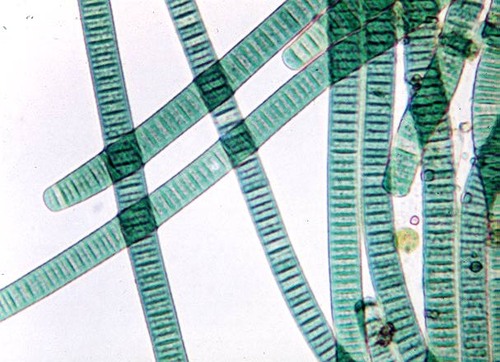
Cyanobacteria
Small, single-celled aquatic prokaryotes that photosynthesize
Kingdom monera
Kingdom monera
7
New cards
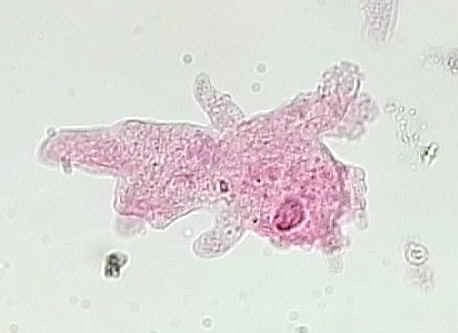
pseudopodia
8
New cards
Flagella
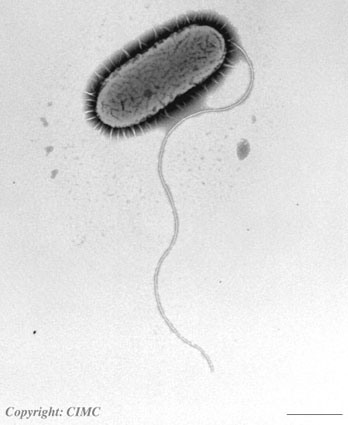
9
New cards
cilia
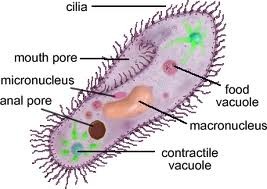
10
New cards
Phylum Foraminifera
Calcium carbonate (shells)
locomotion is pseudopodia
Ex: Foarms
locomotion is pseudopodia
Ex: Foarms
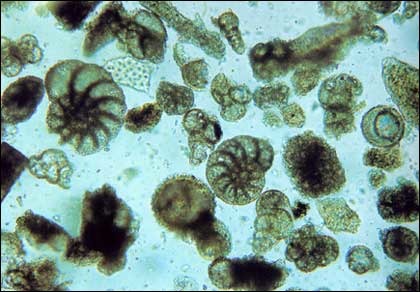
11
New cards
Phylum Actinopoda
Silicon dioxide
locomotion is pseudopodia
Ex: radiolarians
locomotion is pseudopodia
Ex: radiolarians
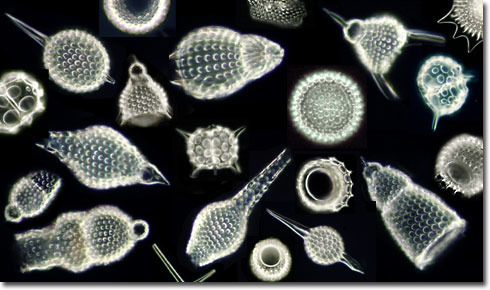
12
New cards
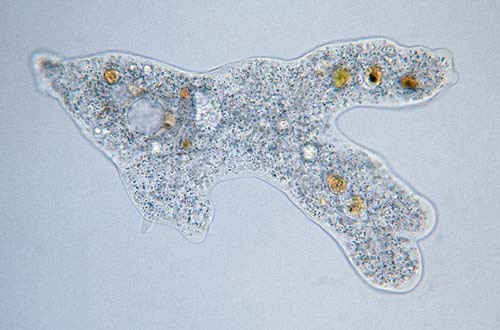
Phylum Rhizopoda
Naked amoebas
Free living
locomotion is pseudopodia
Free living
locomotion is pseudopodia
13
New cards
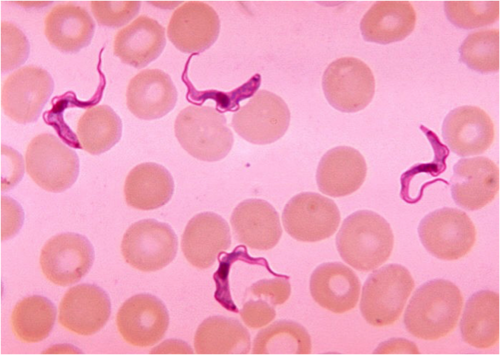
Phylum Sarcomastigophora
Flagellated, unicellular, symbiotic organisms
EX: Trypanosoma levisi which refers to African sleeping sickness
EX: Trypanosoma levisi which refers to African sleeping sickness
14
New cards
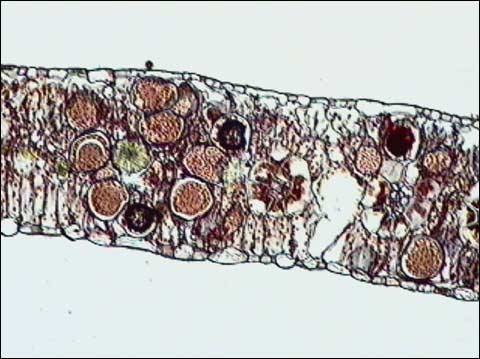
Phylum Oomycota
No chloroplasts
Move with two flagella
Water molds
White rusts and downy mildews
Move with two flagella
Water molds
White rusts and downy mildews
15
New cards
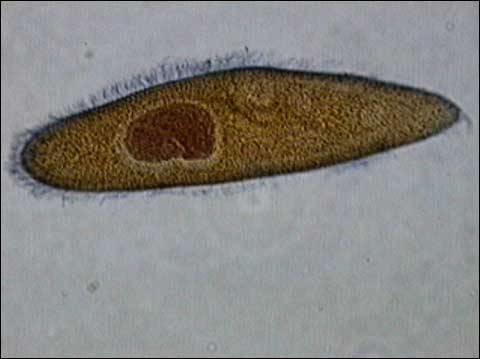
Phylum ciliophora
composed of two nuclei:
macronucleus
micronucleus
Feature: trichocyst
Ex: Paramecium caudatum
macronucleus
micronucleus
Feature: trichocyst
Ex: Paramecium caudatum
16
New cards
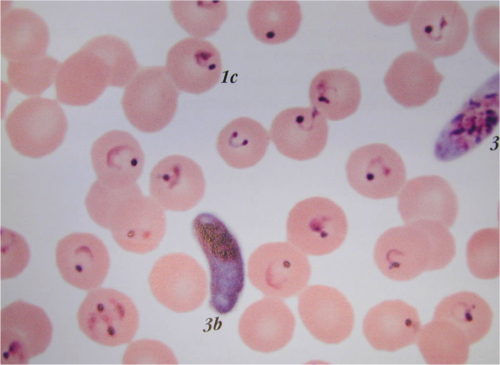
Phylum Apicomplexa
All are parasitic
No true means of locomotion
Ex: Malaria
No true means of locomotion
Ex: Malaria
17
New cards
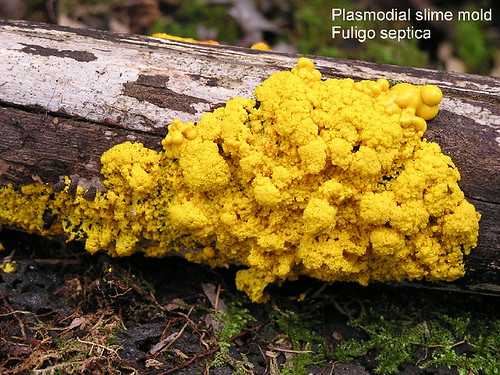
Phylum Myxomycota
Plasmodial slime molds
Ex: Physarum
Ex: Physarum
18
New cards
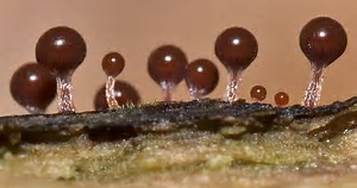
Phylum Acrasiomycota
Cellular slime molds
19
New cards
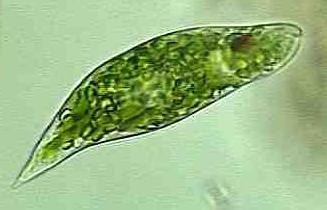
Phylum Euglenophyta
Mixotrophic
Has an eyespot
Has an eyespot
20
New cards
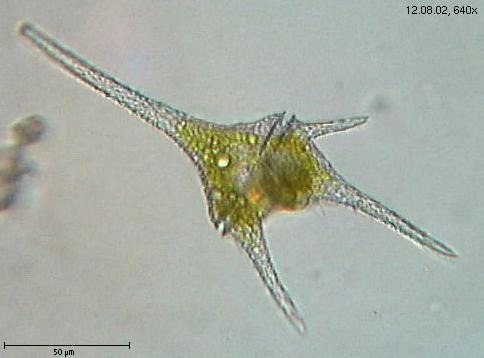
Phylum Dinoflagellata
Free living, symbiotic or parasitic
Red tides
Also known as Phylum Pyrrophyta
Red tides
Also known as Phylum Pyrrophyta
21
New cards
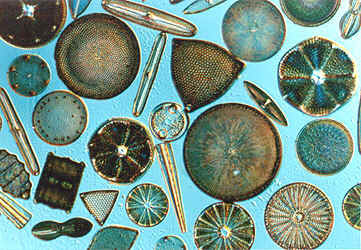
Phylum Bacillariophyta
Silica shells consisting of two halves with pores
Ex. Diatoms
Ex. Diatoms
22
New cards
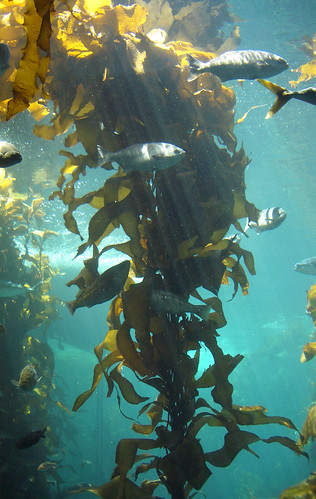
Phylum Phaeophyta
Brown algae
Ex. Sargassum
Ex. Sargassum
23
New cards
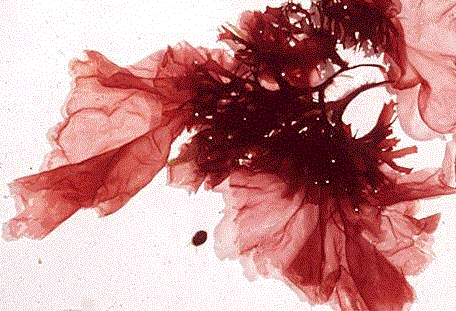
Phylum Rhodophyta
Red algae
Phycocyanin and phycoerythrin
Phycocyanin and phycoerythrin
24
New cards
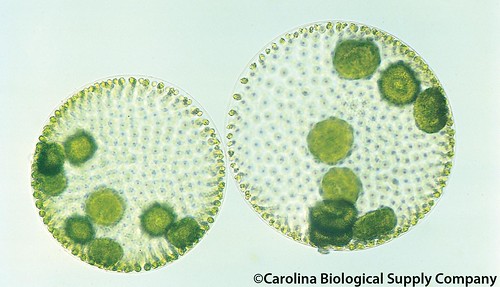
Phylum Chlorophyta
Green algae
Thought to share a common ancestor with land plants
Volvox (circles) and Ulva (thin film)
Thought to share a common ancestor with land plants
Volvox (circles) and Ulva (thin film)
25
New cards
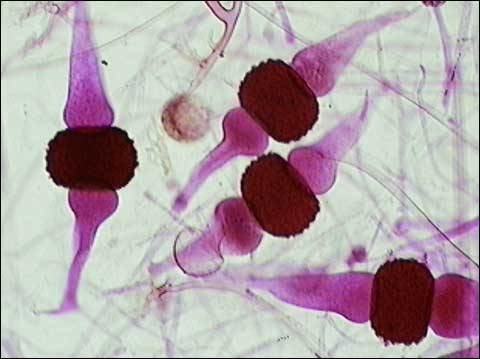
Phylum Zygomycota
saprobes (eats dead nutrients)
Zygote Fungi
Ex. Rhizopus bread mold
Zygote Fungi
Ex. Rhizopus bread mold
26
New cards
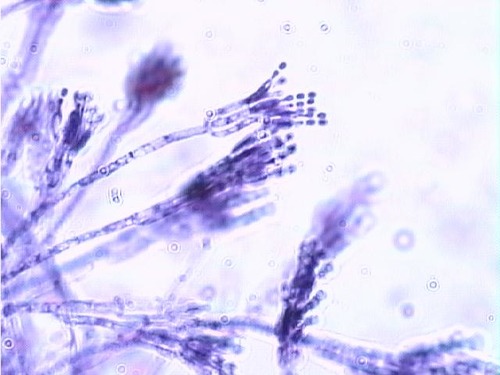
Phylum Ascomycota
Sac fungi-cup or ascocarp
27
New cards
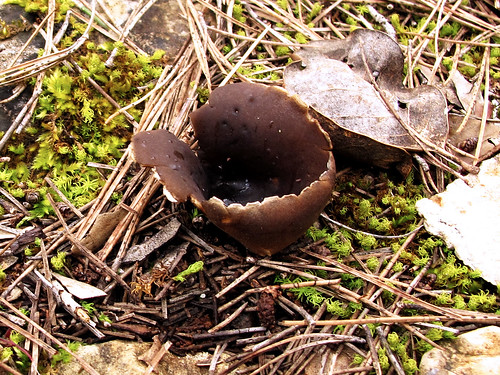
Peziza
grow on decaying plants, animals, and dung
Ascomycota
Ascomycota
28
New cards
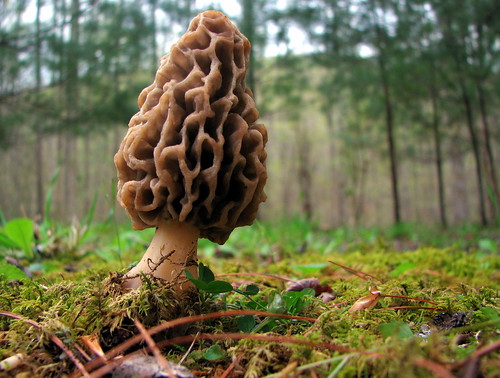
Morels
Edible, considered a delicacy in some parts of the world
Ascomycota
Ascomycota
29
New cards
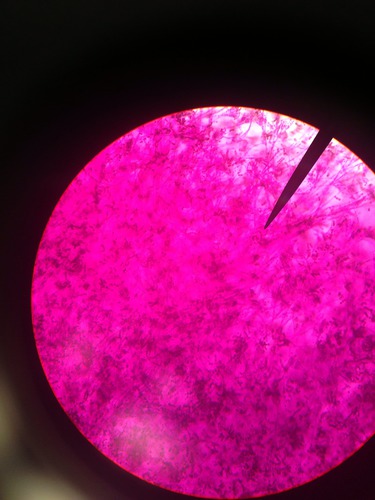
Penicillium
Use as an antibiotic
(conidiophore stem w round conidia branching off)
Ascomycota
(conidiophore stem w round conidia branching off)
Ascomycota
30
New cards
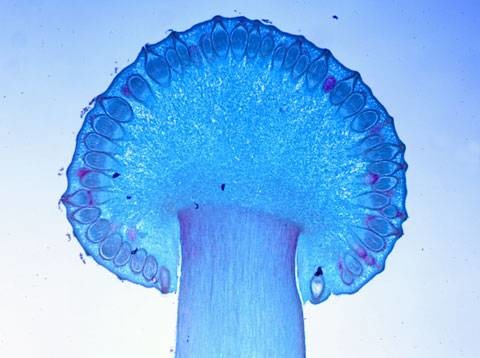
claviceps purpurea
rye ergot (asci w ascospores)
Ascomycota
Ascomycota
31
New cards
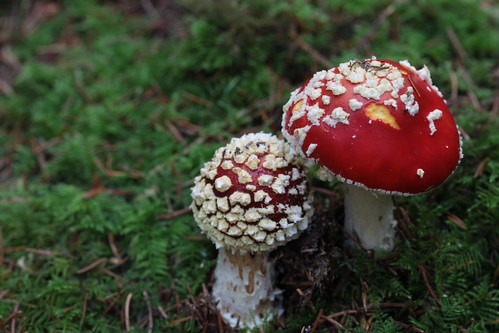
Phylum Basidiomycota
club fungi-basidium is club shaped
include mushrooms, puffballs, toadstools
include mushrooms, puffballs, toadstools
32
New cards
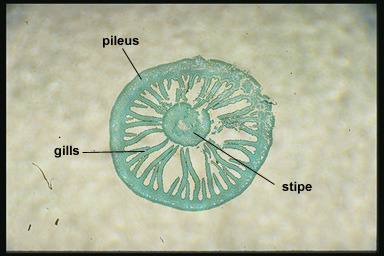
Coprinus pileus
basidiomycota
33
New cards
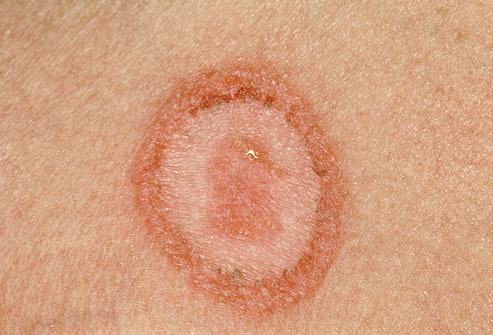
Phylum Deuteromycota
Imperfect fungi
'ringworm'
'ringworm'
34
New cards
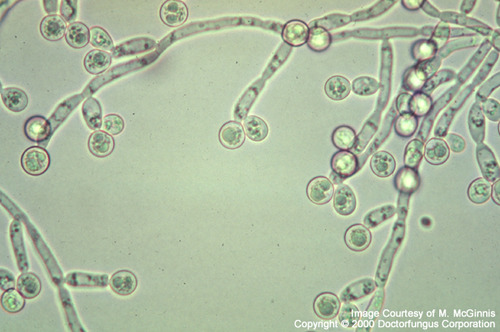
candida albicans
deuteromycota
35
New cards
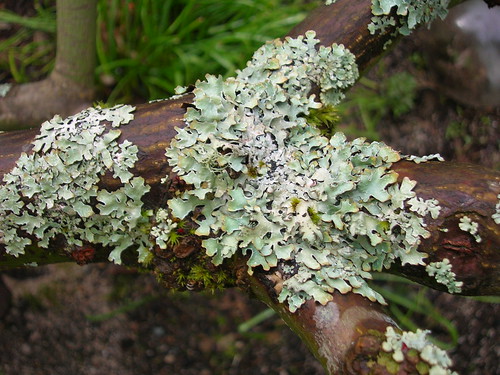
Lichens
mutualistic relationship of fungi with algae or cyanobacteria
36
New cards
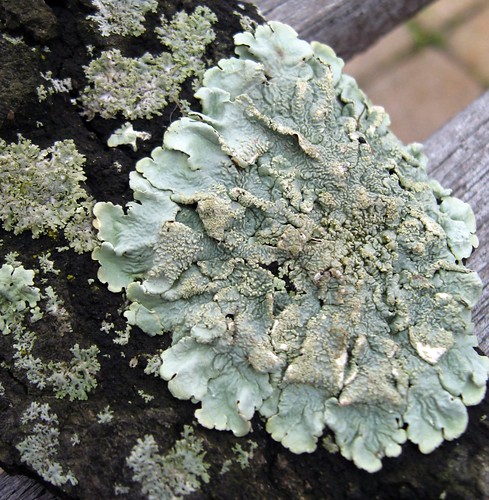
Foliose
Leafy thallus
37
New cards
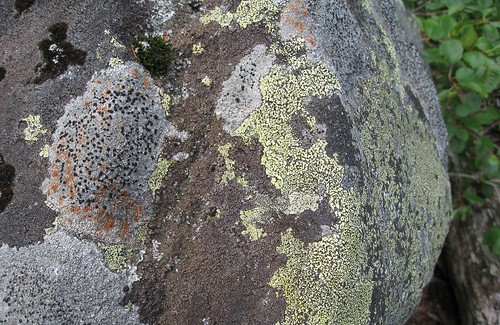
Crustose
crust-like thallus
38
New cards
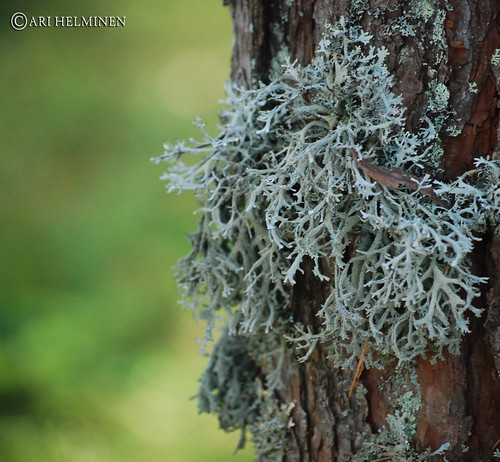
Fruiticose
shrub-like thallus
39
New cards
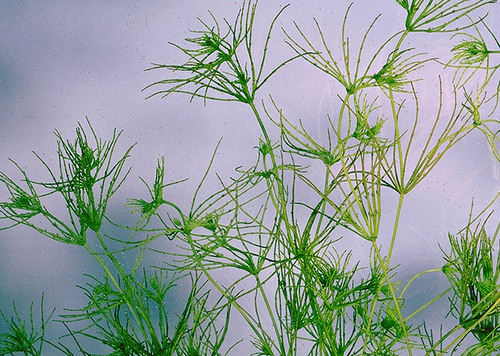
charophyte
closest to green algae
40
New cards
Phylum Bryophyta (Mosses)
living moss specimens are Mnium, Polytrichum, and Sphagnum
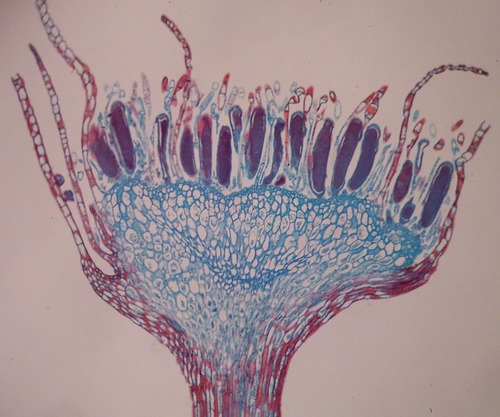
41
New cards
Phylum Hepatophyta
-liverworts
Living specimens are Marchantia, Porella, Conocephalum, Riccia)
Rhizoids, thallus, perianth, seta, capsule
Living specimens are Marchantia, Porella, Conocephalum, Riccia)
Rhizoids, thallus, perianth, seta, capsule
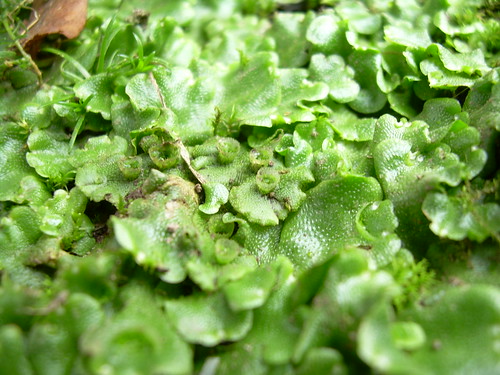
42
New cards
Phylum Anthocerophyta
-Hornworts
Example is Anthoceros
Example is Anthoceros
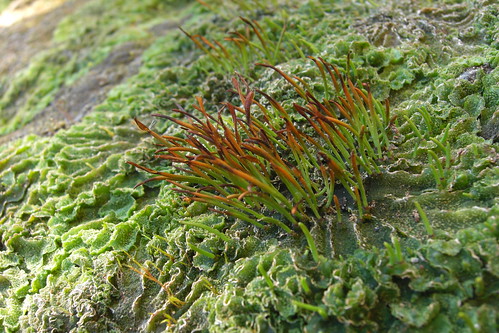
43
New cards
Phylum Lycophyta
-club mosses
-living specimens Selaginella and Lycopodium
-living specimens Selaginella and Lycopodium
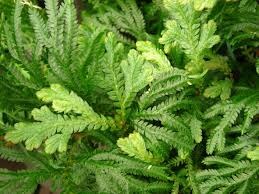
44
New cards
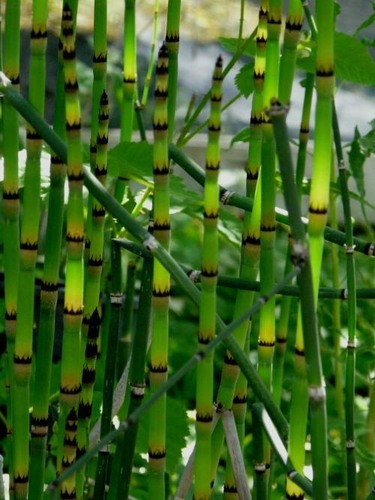
Phylum Sphenophyta
-Horsetails
Ex. Equisetum
Ex. Equisetum
45
New cards
Phylum Pteridiophyta
ferns

46
New cards
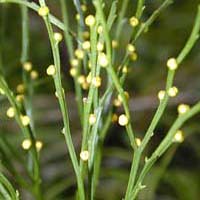
Phylum Psilophyta
whisk fern
47
New cards
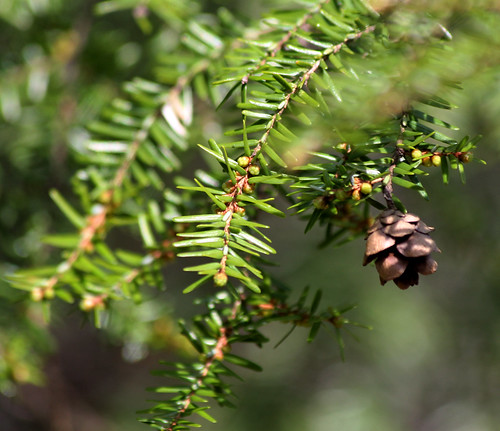
Division Coniferophyta
conifers and shrubs
48
New cards
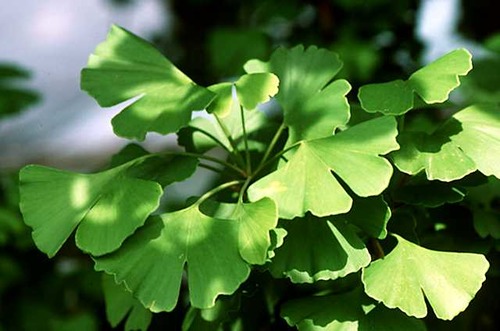
Division Ginkgophyta
Ginkgo biloba
49
New cards
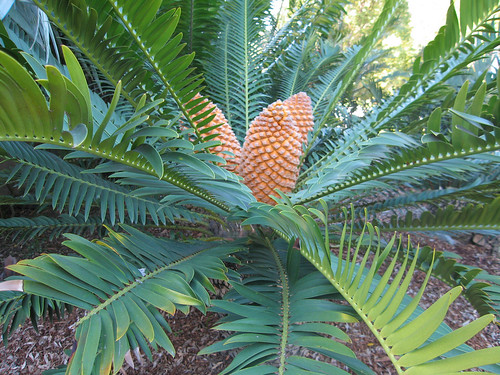
Division Cycadophyta
cycads
50
New cards
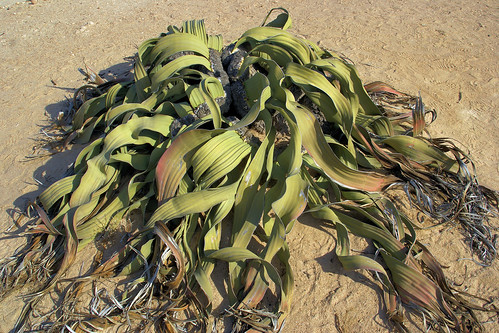
Division Gnetophyta
Gnetum, Ephedra
51
New cards
Angiosperms
produces flowers
attract pollinators
double fertilization
attract pollinators
double fertilization

52
New cards
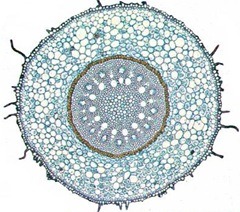
monocots
53
New cards
dicots