AP BIO ECOLOGY
 Call Kai
 Learn
Learn Practice Test
 Spaced Repetition
 Match
Match Flashcards
 Knowt Play
1/48

Earn XP
Description and Tags
AP BIO ecology review for Quiz 1
Name | Mastery | Learn | Test | Matching | Spaced | Call with Kai | Chat |
|---|
No analytics yet
Send a link to your students to track their progress
49 Terms

Logistic growth graph
Biotic potential
maximum rate at which a population size increases without limits
Exponetial Growth
(Population growth models)
Exponential Growth
Growth without constraints
NO carrying capacity
NO limit to growth
J-shaped graph
Biotic potential is realized: maximum rate at which a population size increases without limits
Rate increases logrithmically
Resource exploiitation
No competition
(Population growth models)
Logistic Growth
Growth is limied by various factors
Has carrying Capacity- maxium amount of individuals a population can maintain/support by the environment
Population becomes stable as carrying capacity is reached
WHat type of growth is a k-selected species
Logistic growth (carrying capacity)
What type of growth is a r-selected species
Exponentia growth
(reproductive strategies)
R-selected species
Short life spans
SHort generation times
Many offsprings per reproductive event
One reproductive event per life cycle
Little Pariental care
Lower survival chances
Type III (insects)
Short maturation times
Exponential growth
(Rapid reproduction, short life span, only reproduce once)
Reproduction without constraints results in….
Exponetial growth of population = Biotic potential (maximum growth)
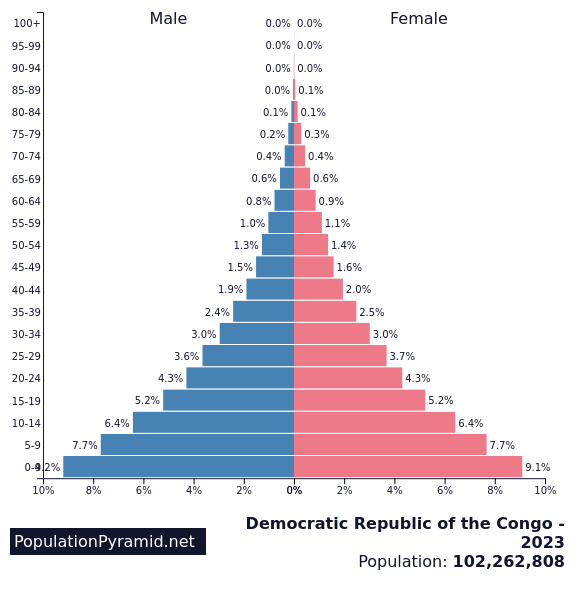
Rapid growth chart

Slow growth chart
How are communities composed?
Communities are composed of population of organism that interact in complex ways
How is the structure of a community messured and described?
In terms of species composition and species diversity
What happes when two organishm occupy thge same niche?
competition occurs
When two populatios attempt to occupy the same niche, what happens to their growth and carry capafity?
They both suffer for the successful one and the elimiated one in the competition
Slow groth and slow carrying capacity
Competitive Exculsion
Ehrn two species attempt to occupy the same niche.
Once species is eliminated due to competition
Niche
The role an organism plays in the habitat in which they live in
usually baseed on nutrition and food
slow Growth =
Low reproductive potential
Rapid growth =
High reproductive potential
The population can produce a density of individuals that…
exceeds the systems resource avalibity (over the carring capacity)
As limits to growth dute to density - independent factrs and density - dependent factors are imposed…..
Logistic growth model generally ensures
Limits to growth are due to…
Density-depentent factors and density independent factors
(reproductive strategies)
K-selected species
Long life spans
Long generation times
Fewer offsprings per reproductive event
Multiple reproduction events per life cycle
Pariental care
Greater chance of survival
Type 1 (Humans)
Long maturation times
(things that take a long time to grow, long life spans, can reproduce multiple times)
Reproductive Strategies
K-selected species
r-selected species
Population growth models
Exponental growth (J shaped)
Logistic Growth (S shaped)
Whay type of Graphy does Logistic growth have?
S-shaped curve
Carrying Capacity
What type of Graph does Exponnetial growth have?
J- shaped curev
NO carrying capacity
=
Unlimited resources and growth
No competetion
Booming population
k=Carrying Capacity
the maximum number individuals of a specific species that an environment can support indefinitely without being damaged. This limit is set by available resources like food, water, and shelter.
Follows seasonal and food availability
(inc) spring (dec) winter
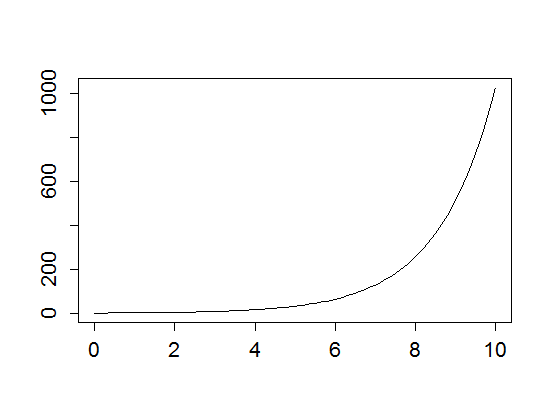
Exponential Growth Graph
Populations
Groups of individuals of the same species that live in the same space, members can interbreed
Greater diverity within a population promotes…
greater survival chances for the population.
3 important aspects of a population
The range in which a population occurs- where they live and how much area thet cover
The pattern of spacing (density) of indivduals throughout their range
The size a population attains (based on density and range)
Factors that affect population growth
Sex rato
generation time
Age structure
(Factors that affect population growth) Sex ratio
The number of births is directrly related to the number of females.
(Factors that affect population growth)
Gerneration time
Interval between the birth of an organism and the birth of its offspring
The shorter the generation time, results in faster growth
(How long it takes for you to have babies)
(Factors that affect population growth)
Age structure
The relative number ofn individulas in each age range
A larger proportion of young people within a population results in fater growth
More individuals will be reproducing in time
A larger porportion of older individuals in a populatoon resukts in slower growth across the population
Fewer individuals will reproduce
Most reproduction occurs in the past
Example of Type I Surviviorship curves
Humans
LONG
(Surviviorship curves)
Type I
Long
Organisms with long life spans, long generation times
Most live to full life expectancy
Ex. Humans
Example of type II Surviviorship curves
Birds
MODERATE (50/50)
(Surviviorship curves)
Type II
50/50
Organishms with moderate life spans
Equal chanced of living to full life expectancy
EX. Birds
Examople of type III Surviviorship curves
insects, mice
SHORT
(Surviviorship curves)
Type III
Organisms with short life spans
most die befire reaching ¼ of its fukl life span
short generation times
EX. Insects, mice
Surviviorship curves
Type I
Type II
Type III
A larger porportion of older individuals in a populatoon resukts in….
slower growth across the population
Fewer individuals will reproduce
Most reproduction occurs in the past
A larger proportion of young people within a population results in…
fater growth
More individuals will be reproducing in time

Survivorship curve graph
Carring capacity is determined by…
Limiting factors
Limiting Factors
Density Dependent
Density-Independent
(limiting Factors) Density Dependent
Factors whose effect is realized as population size increases
Competition
Disease
Predation
Resiurce availability
(limiting factors) Density Independent
Factors whose effect is realized Regardless of population size
Drought
Storms
Seasonal extremes
Humans