PLS 6V UC DAVIS
 Call Kai
 Learn
Learn Practice Test
 Spaced Repetition
 Match
Match Flashcards
 Knowt Play
1/103

There's no tags or description
Looks like no tags are added yet.
Name | Mastery | Learn | Test | Matching | Spaced | Call with Kai | Chat |
|---|
No analytics yet
Send a link to your students to track their progress
104 Terms
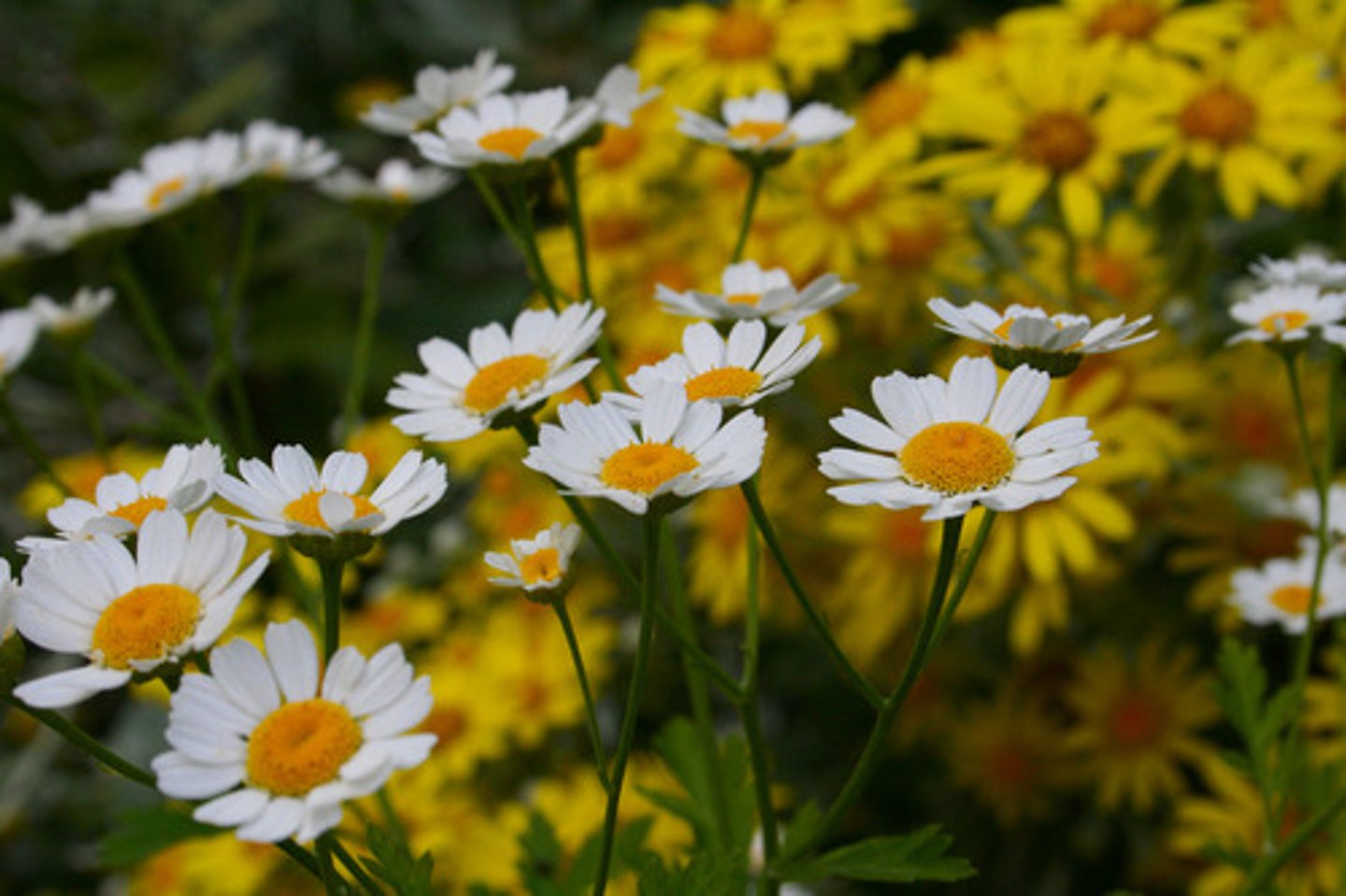
Crysanthemum types
Daisy, Incurve, Quill, Decorative, Anemone
Crysanthemum (daisy)
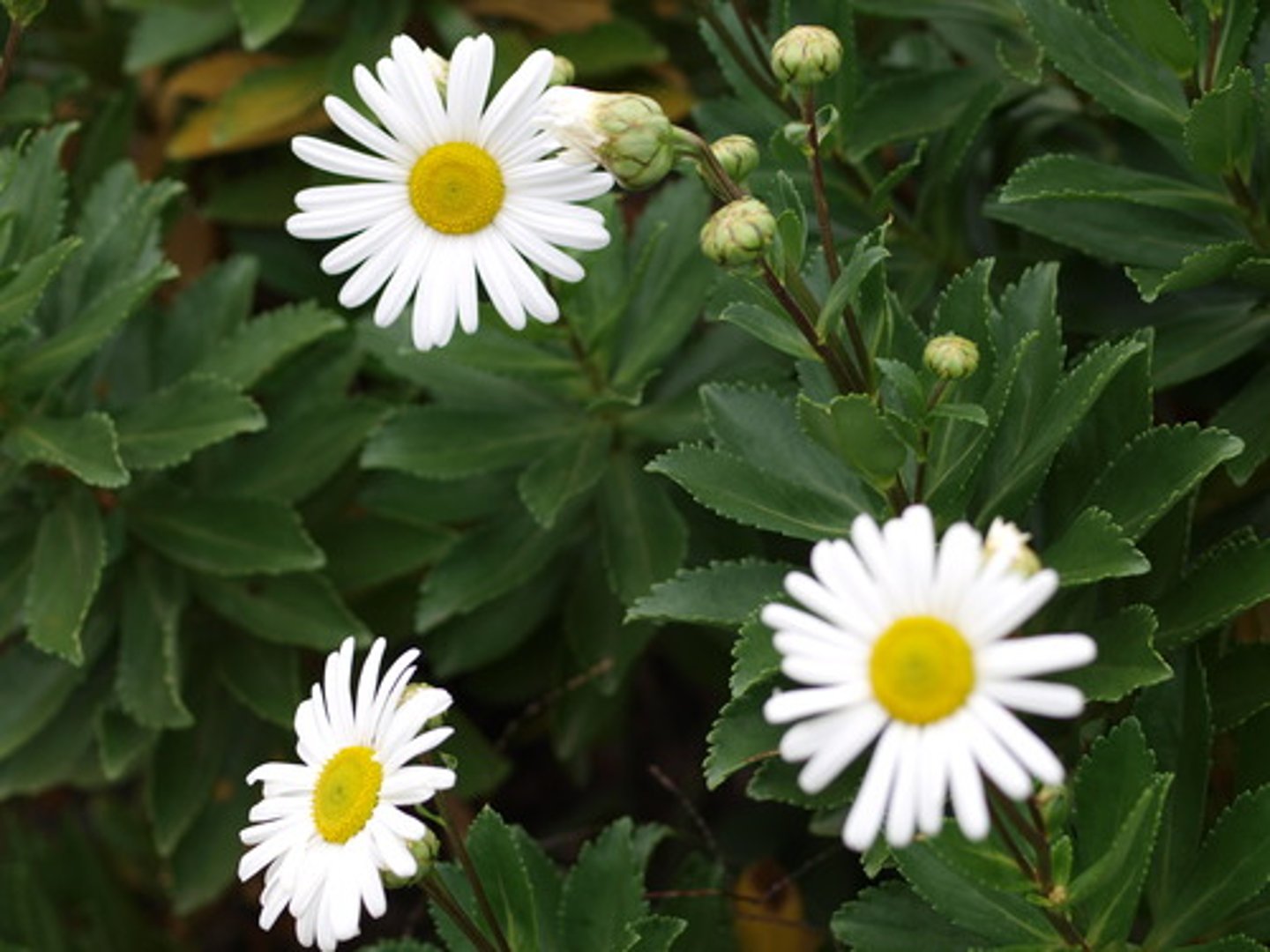
Crysanthemum (Incurve)
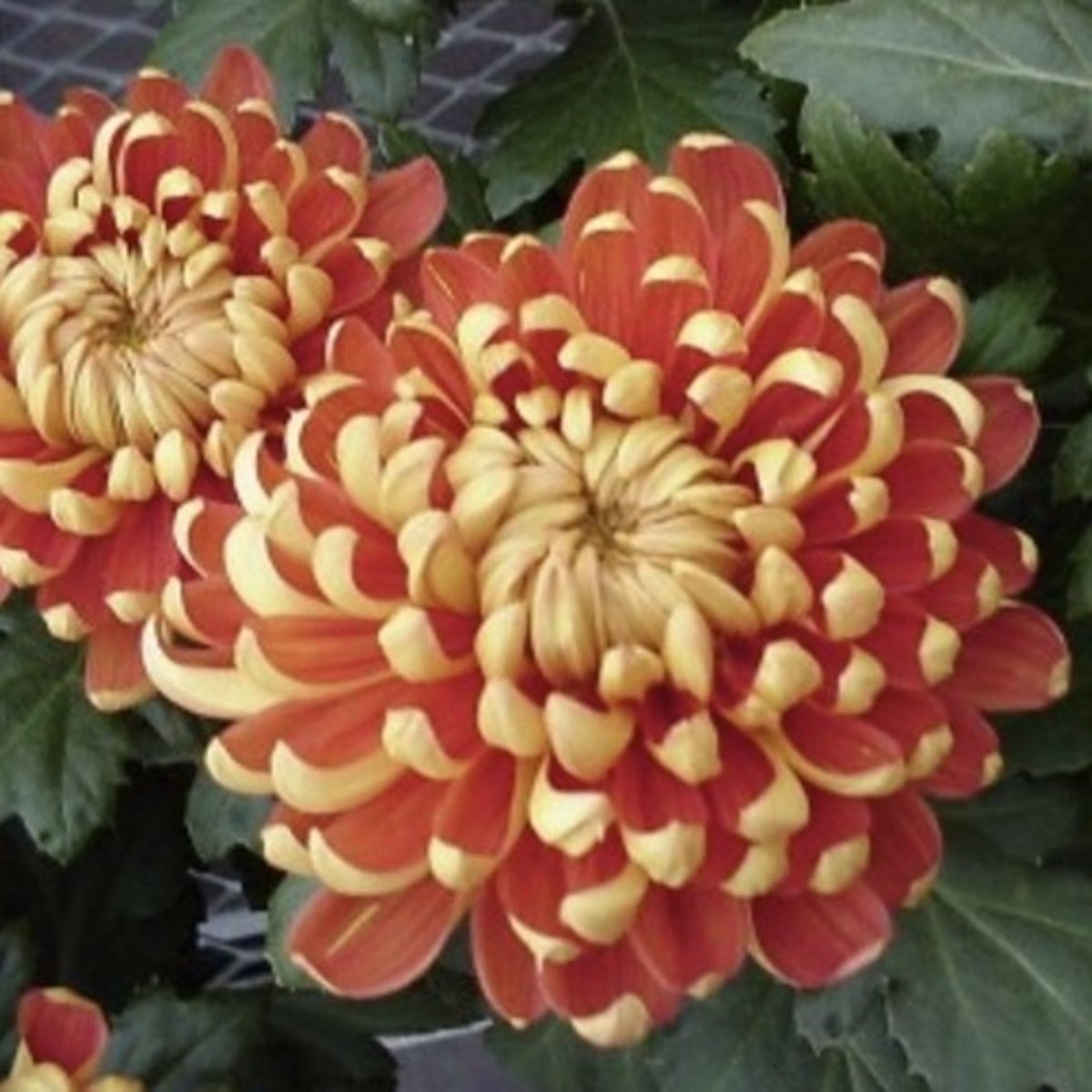
Crysanthemum (quill)
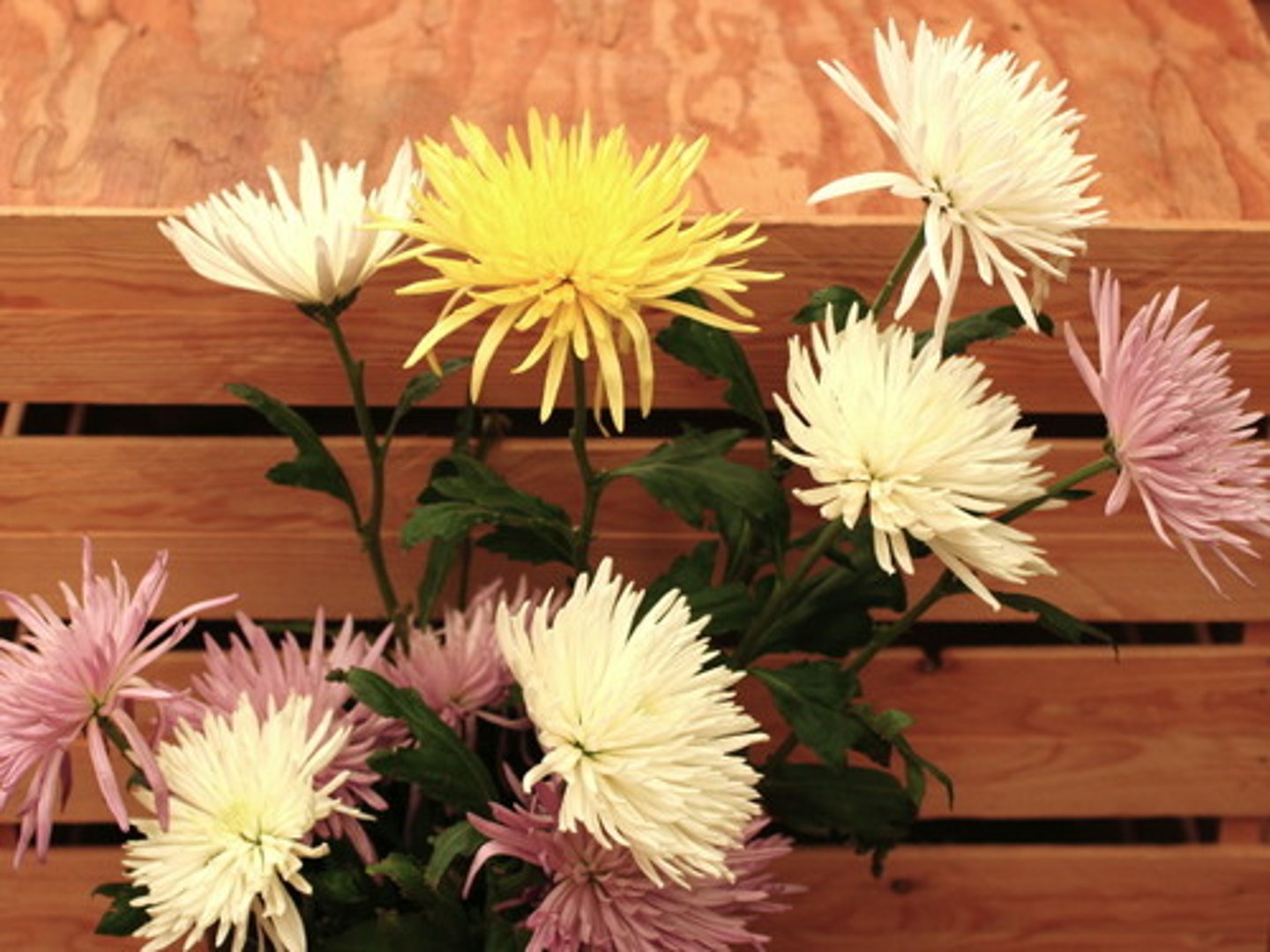
Crysanthemum (decorative)
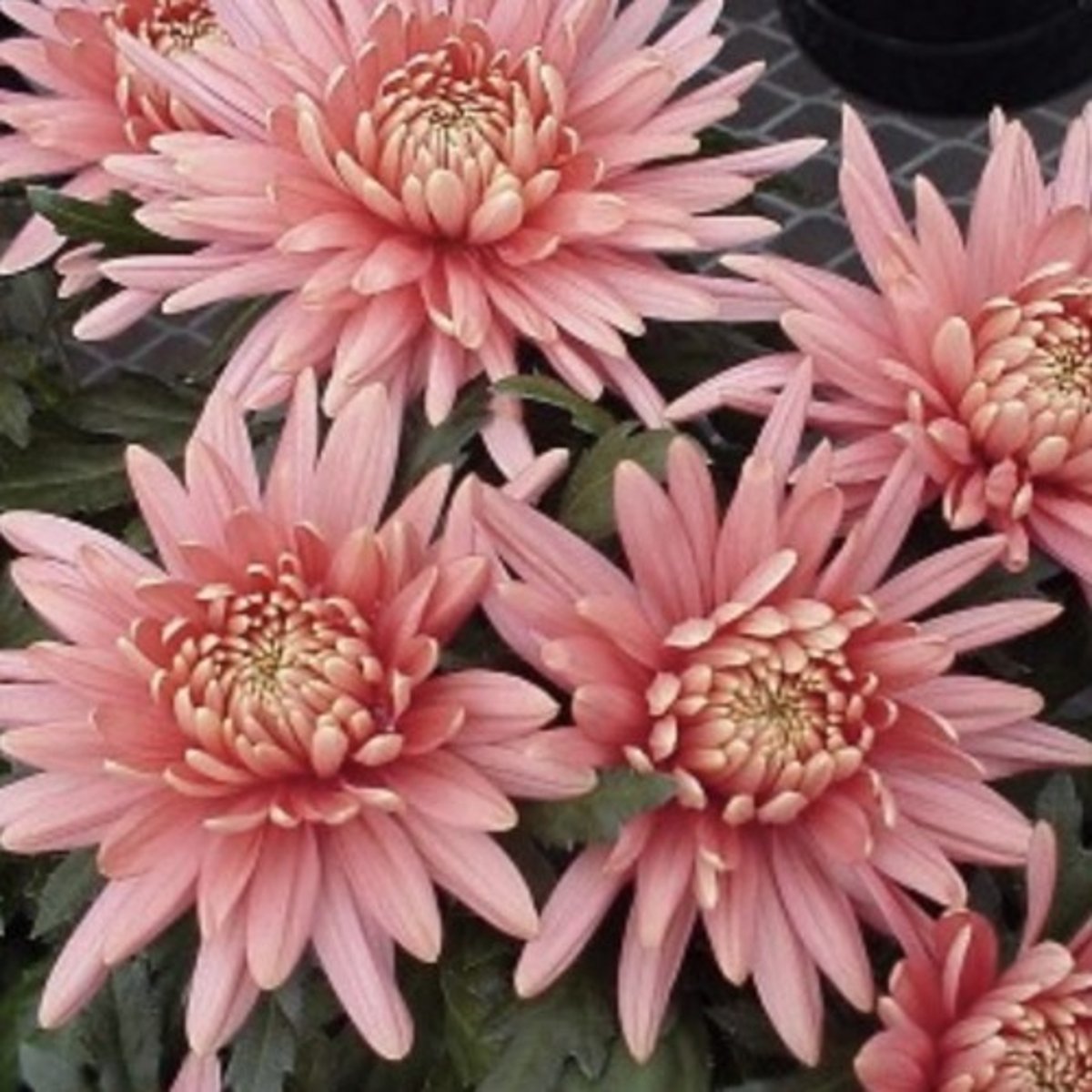
Crysanthemum (anemone)
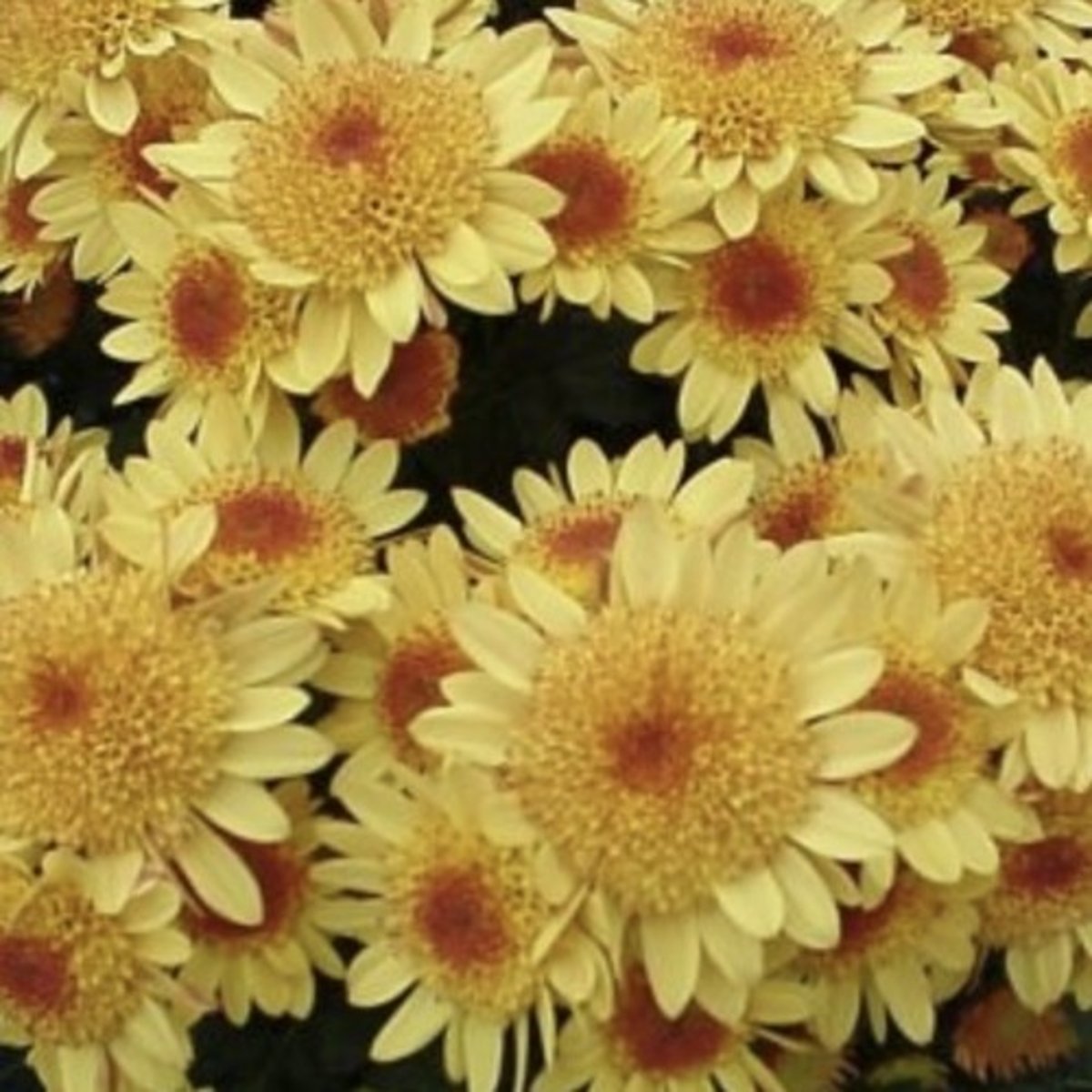
Which parts are the stamen?
Anther and Filament
Which parts are the Carpel?
Stigma and Style
True or False?
A carpel can consist of multiple pistils
False
True or False?
A pistil can consist of multiple carpels?
True
Monoecious
male and female flowers appear on the same plant (eg. squash)
Dioecious
a specimen of the plant is either male or female (eg. ginko trees)
Complete flower
has sepals, petals, stamens, and carpels (pistils)
Incomplete flower
A flower that lacks one or more of the four organs: sepals, petals, stamens, or pistils
True or False?
All imperfect flowers are also incomplete
True
"Flower"
Dictionary non-technical
"The blossom of a plant"
"Flower"
Dictionary technical
"the part of a seed plant comprising the reproductive organs and their envelopes if any, especially when such envelopes are more or less conspicuous in form and color"
Blossom
"The flower of the plant"
"Inflorescence"
Dictionary technical
the arrangement of flowers on the axis, or the flowering part of a plant, or a flower cluster or a group of flowers collectively
Simple
One single flower per stalk
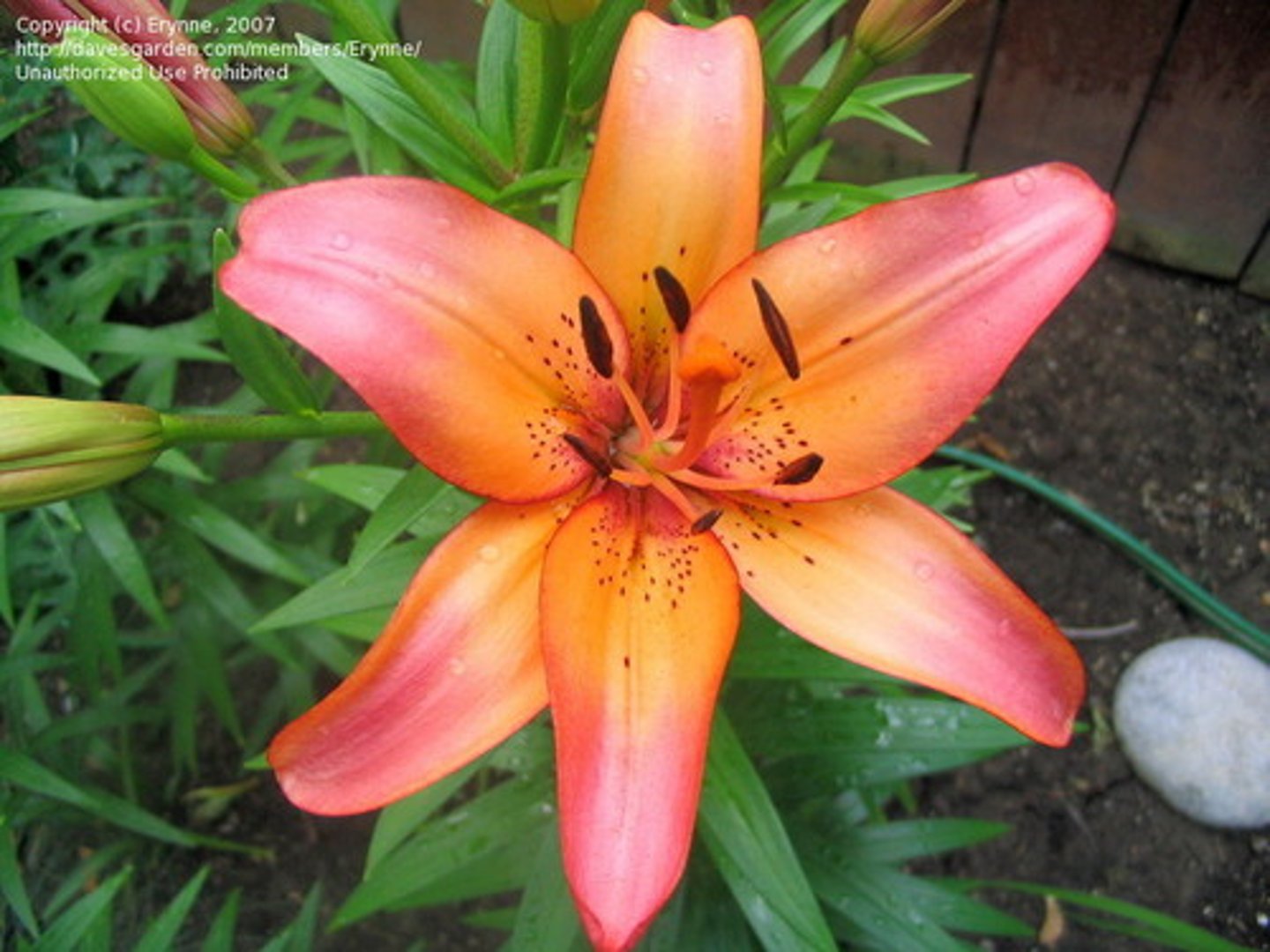
Compound
Inflorescence looks like many flowers
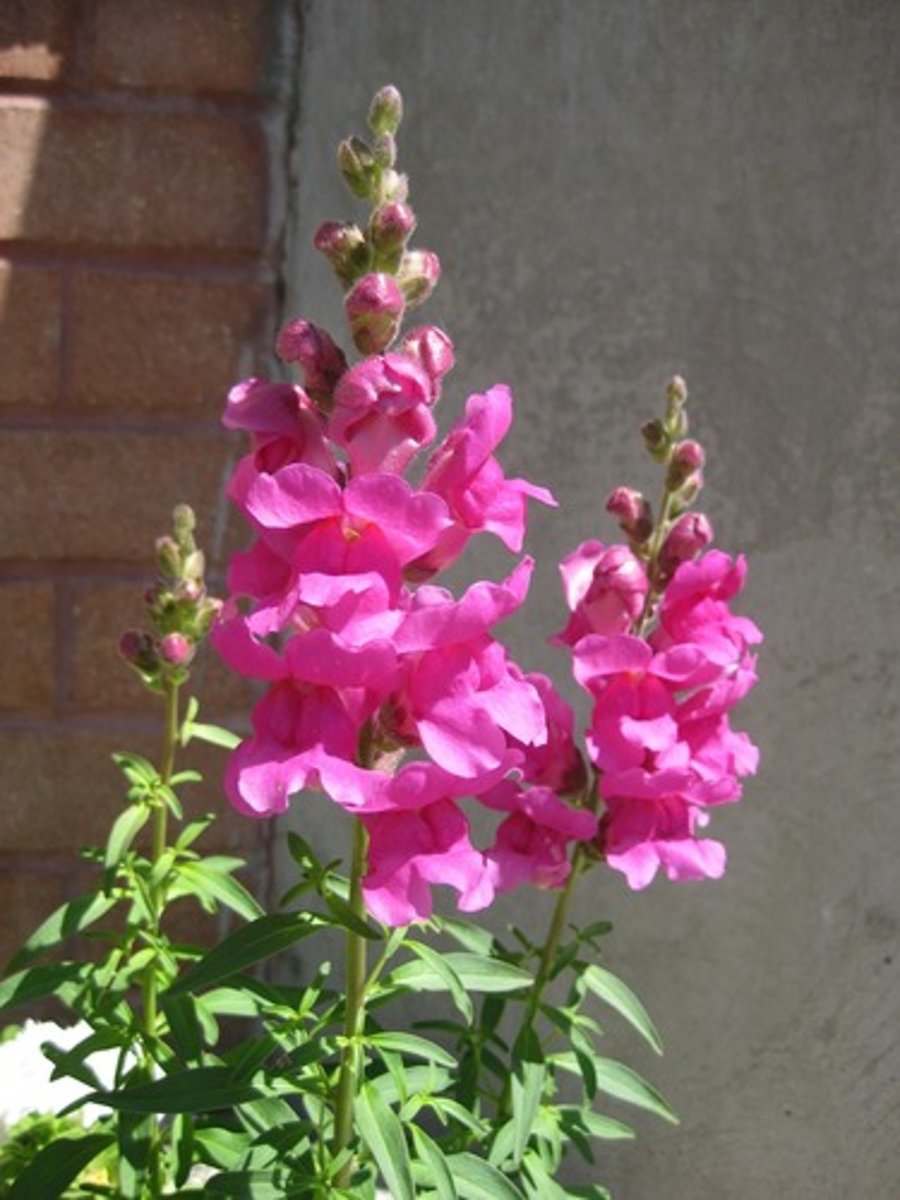
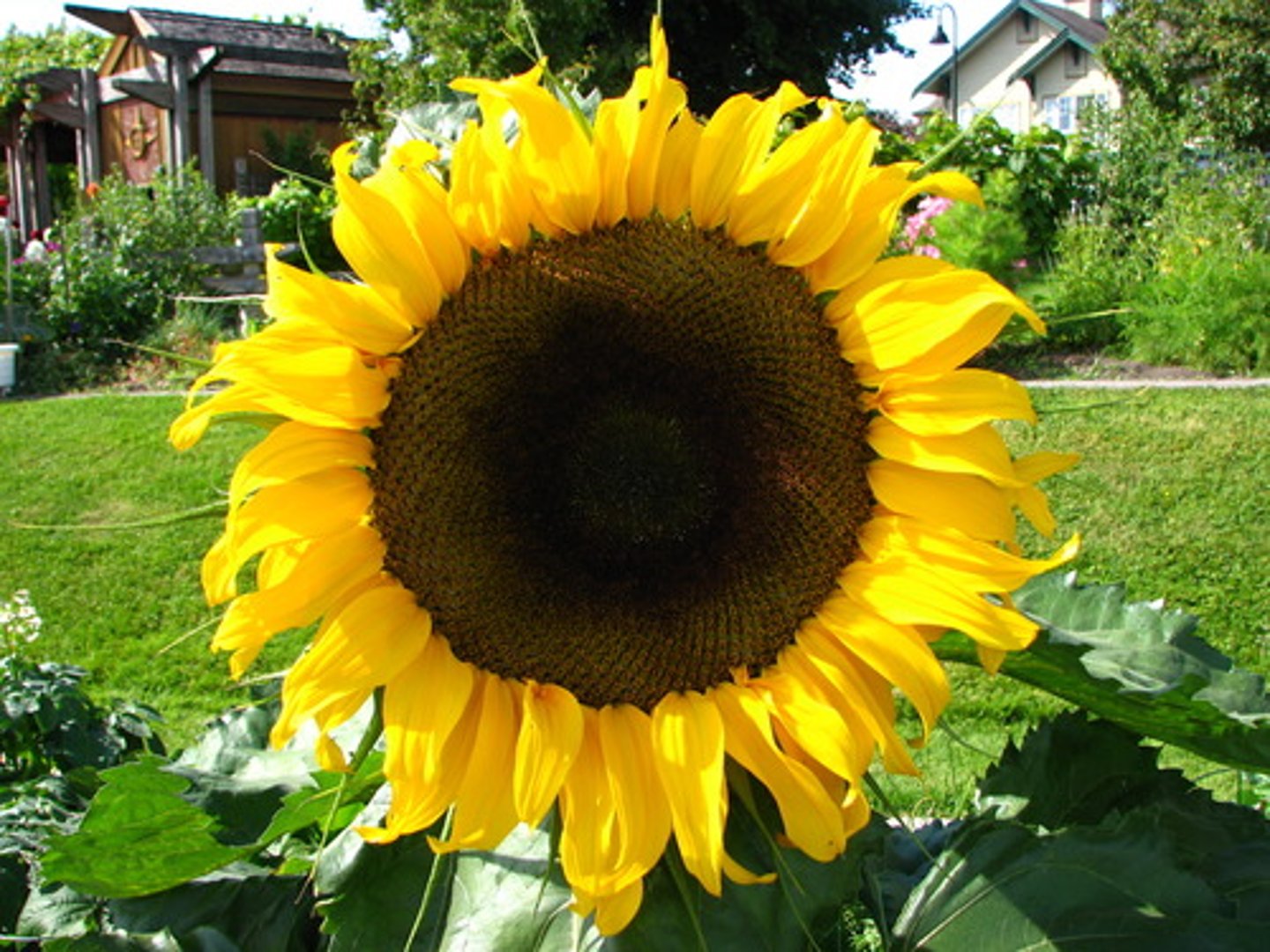
Composite
Inflorescence looks like one blossom/flower
multiple "florets" per receptacle, asteraceae family (daisy, sunflower, chrysanthemums, dandelions)
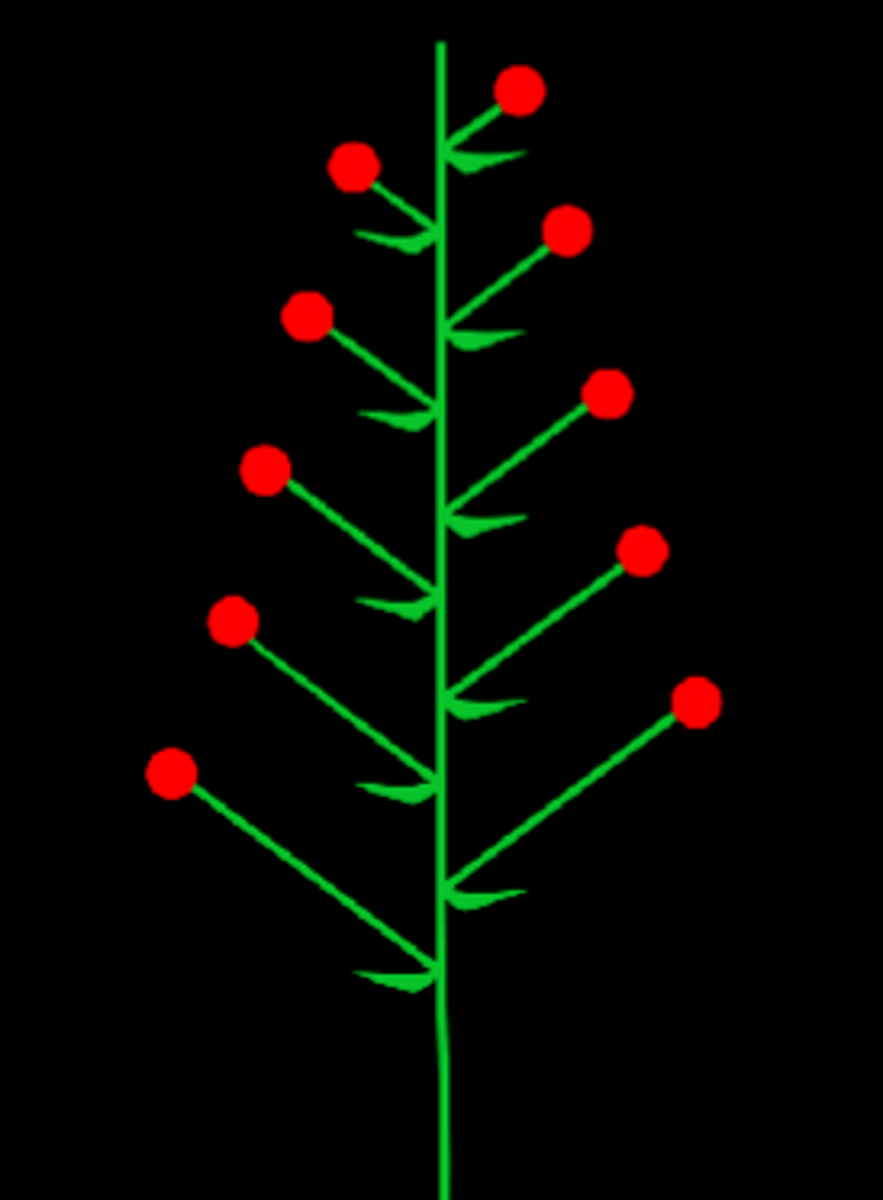
Raceme (compound flower)
unbranched, indeterminate inflorescence with pedicellate (short floral stalk) flowers along the axis
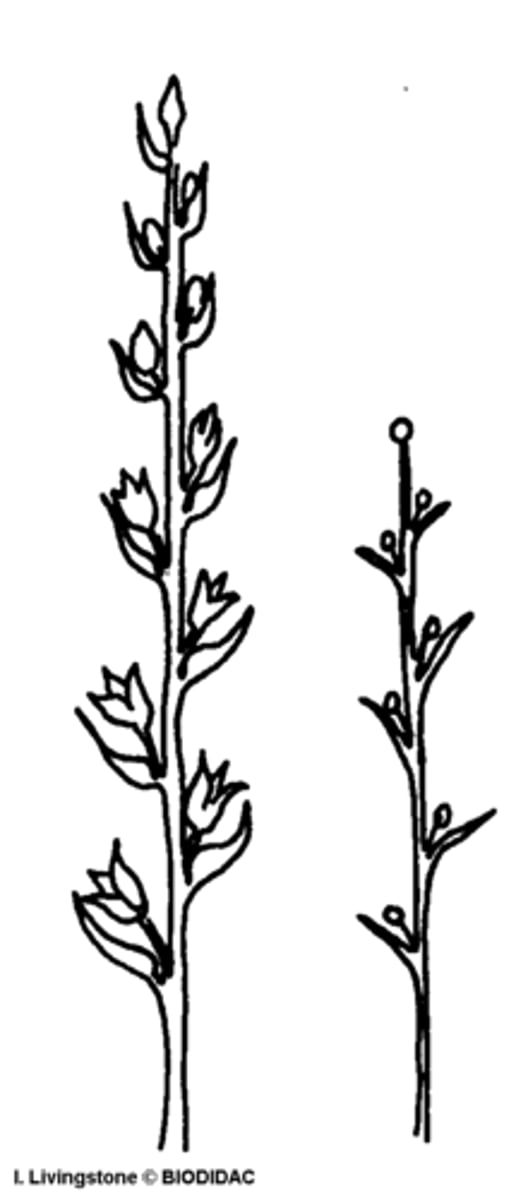
Spike (compound flower)
Type of raceme that do not have a pedicel
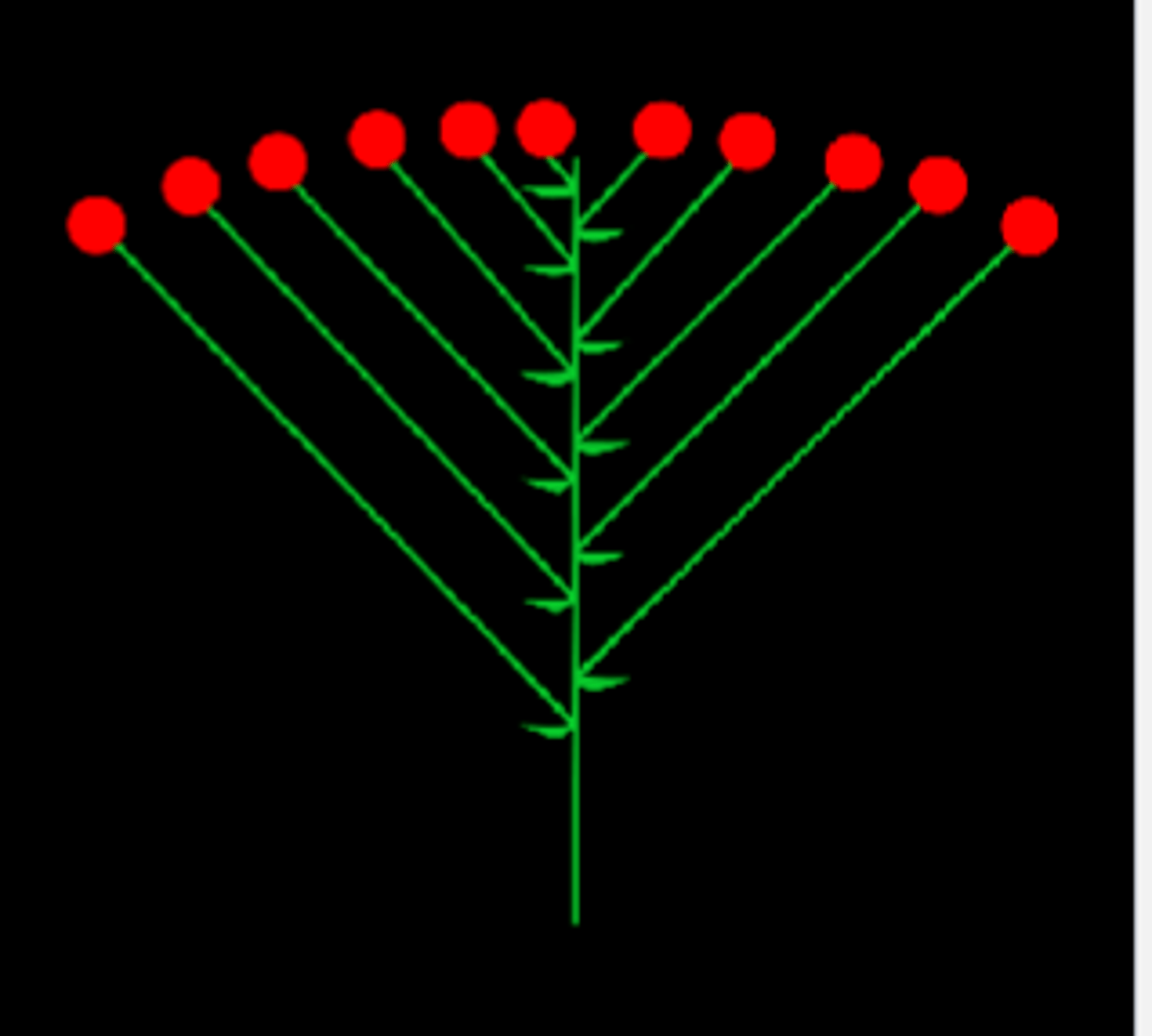
Corymb (compound flower)
unbranched, indeterminate inflorescence that is flat topped or convex
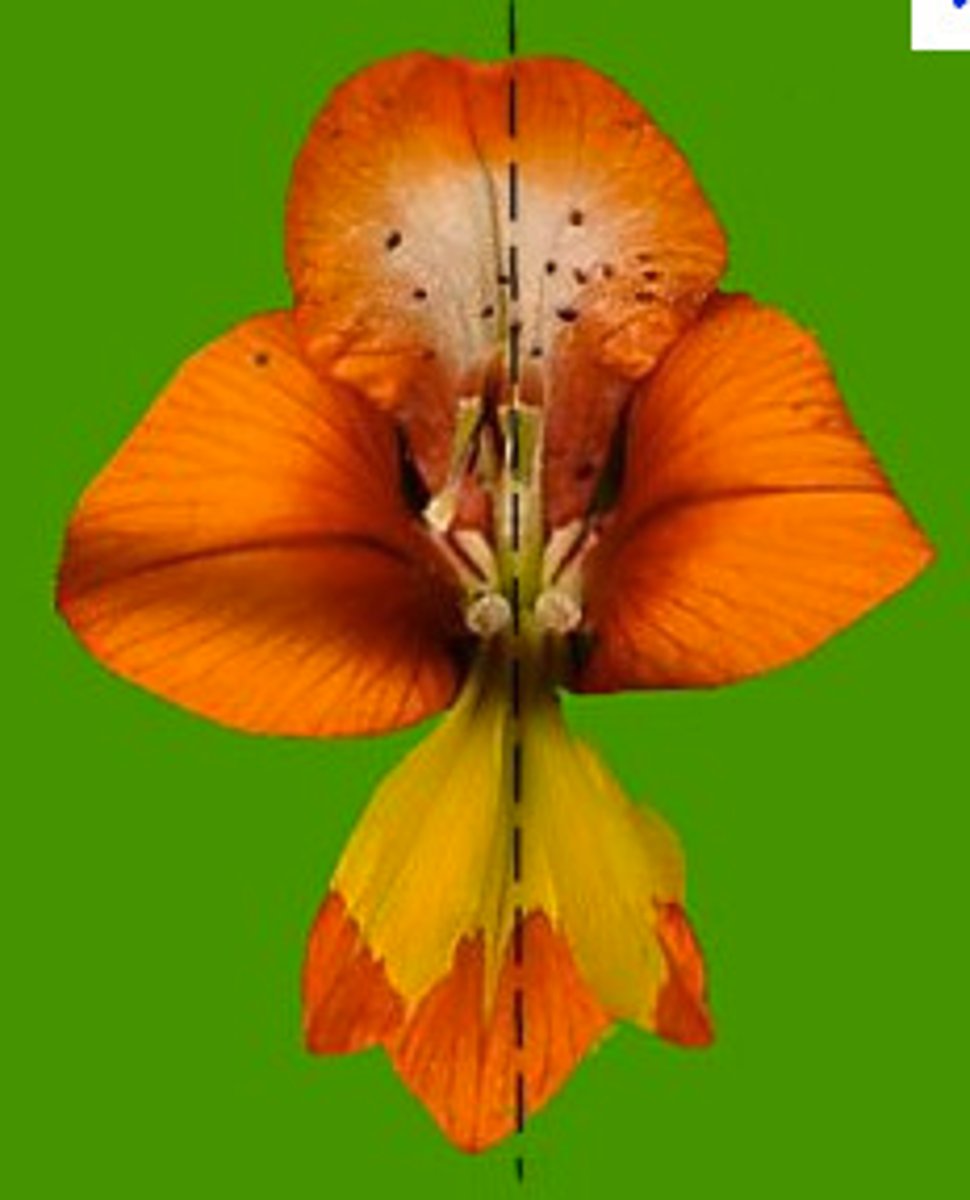
Bilateral (zygomorphic)
Divided into only a single plane into two mirror image halves
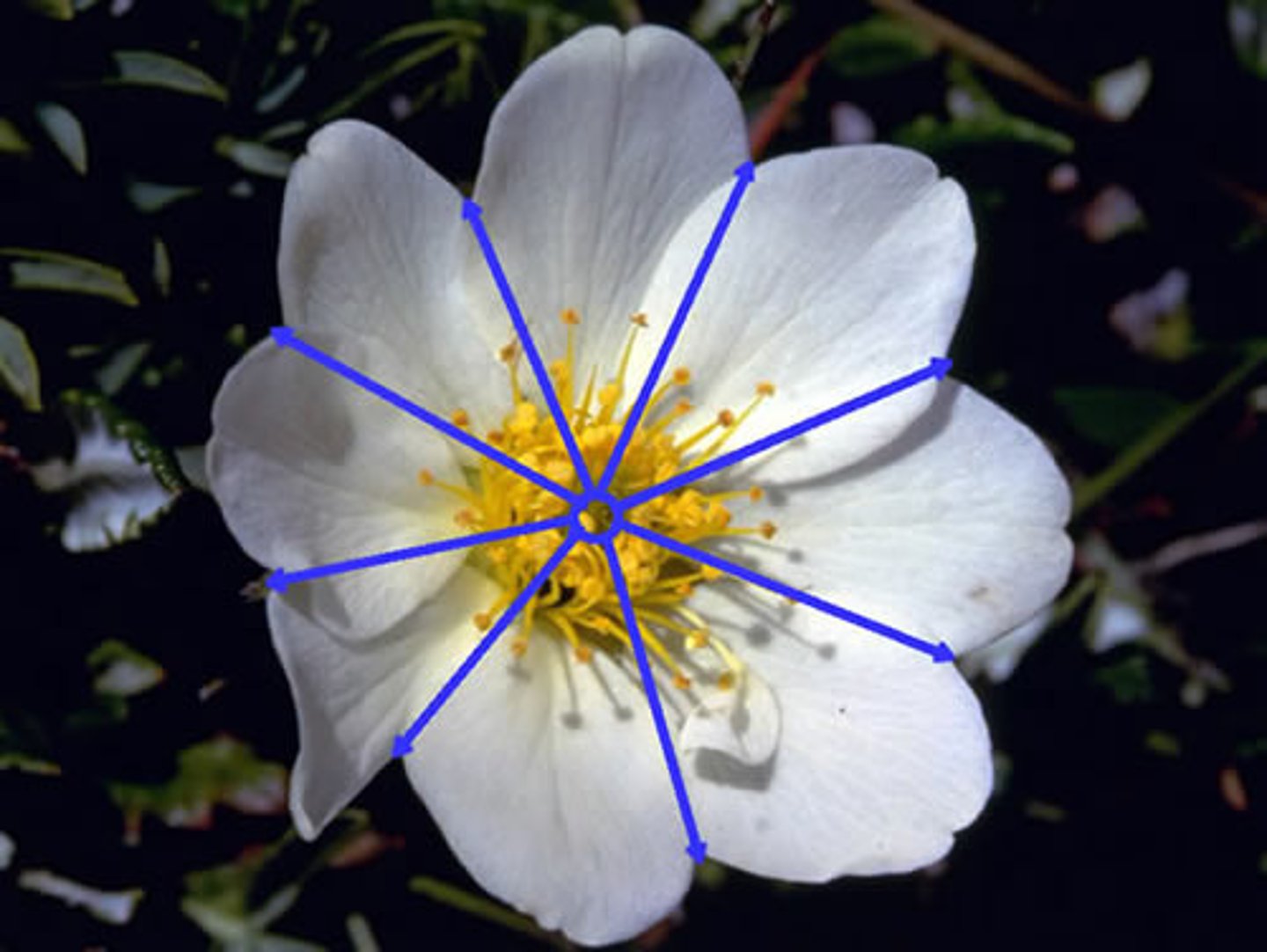
Radial (Actinomorphic)
Capable of being divided into equal halves along any diameter
Carl Linnaeus
- Sweedish Botanist
- Developed the modern scheme for classifying plants
- Wrote the book Systema Naturea published in 1735
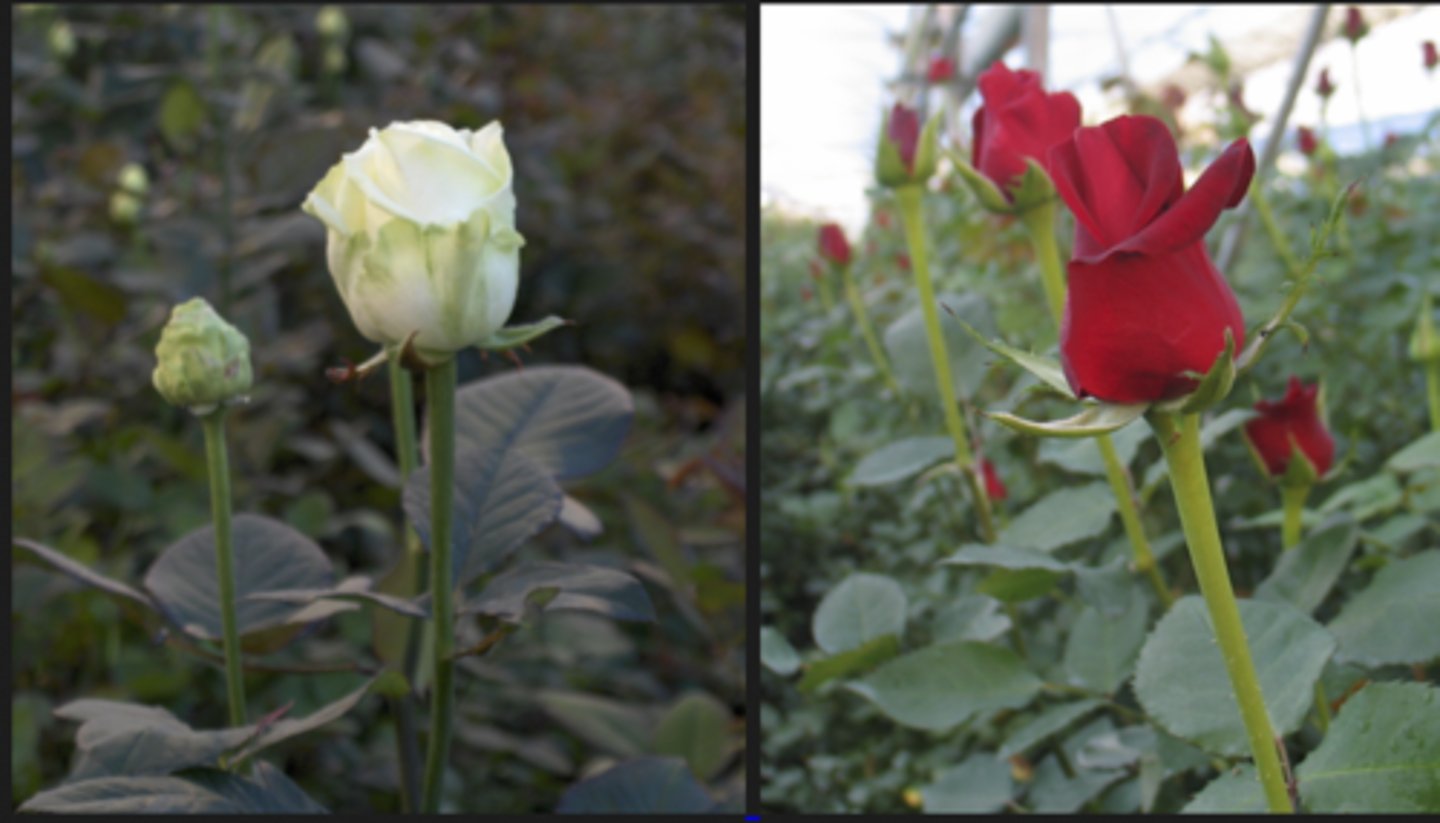
Cut Flower Roses
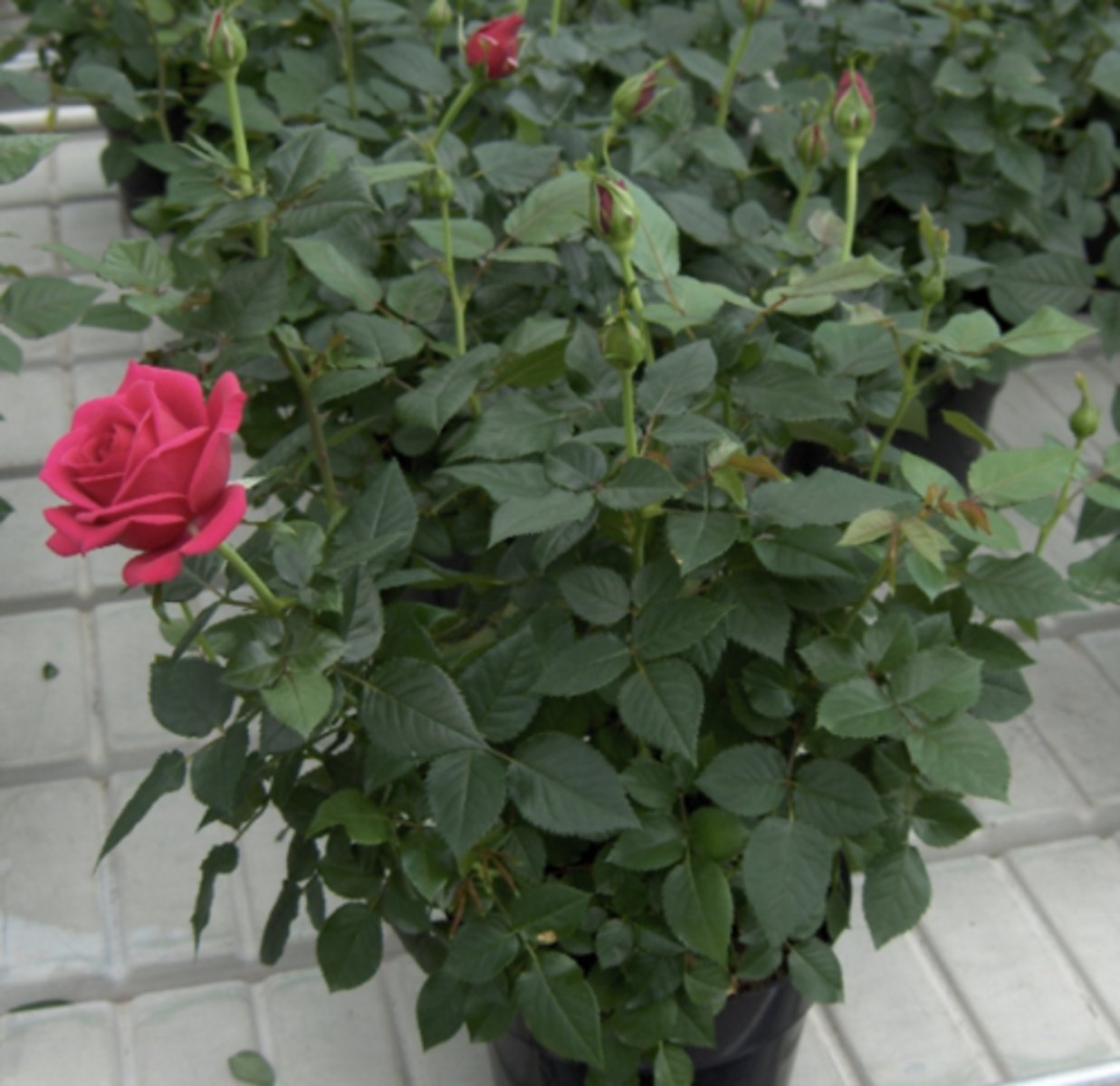
Potted Roses
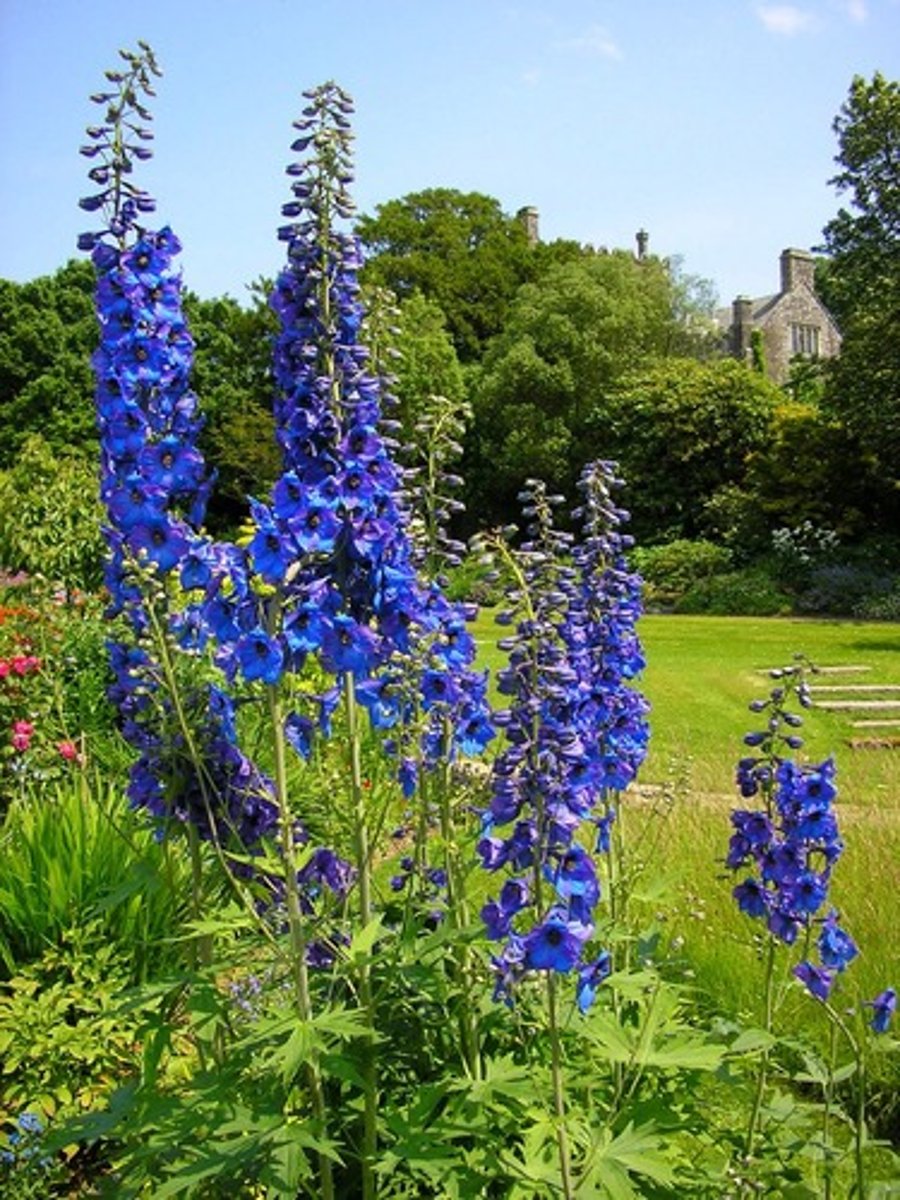
Delphinium
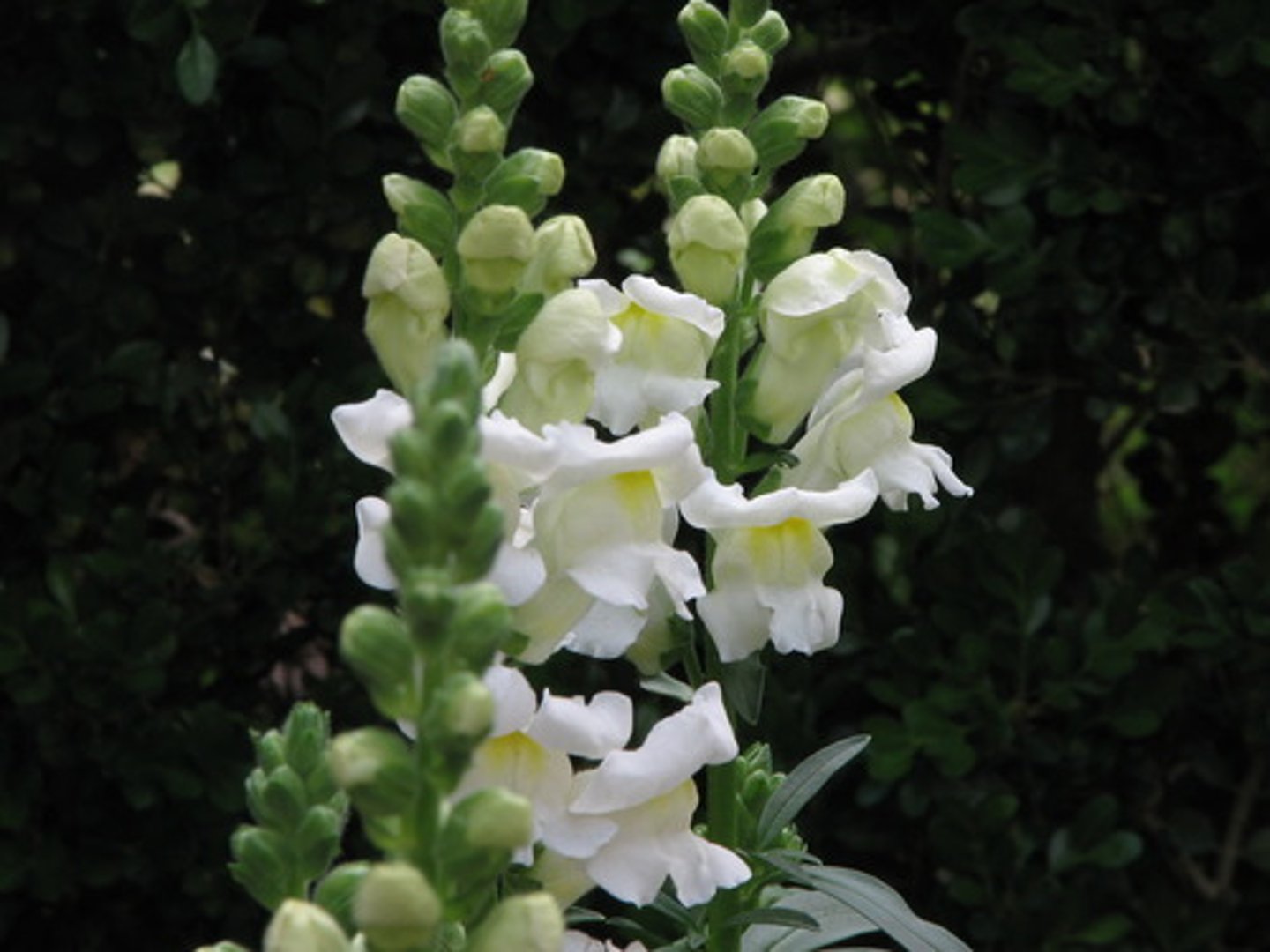
Snap Dragon
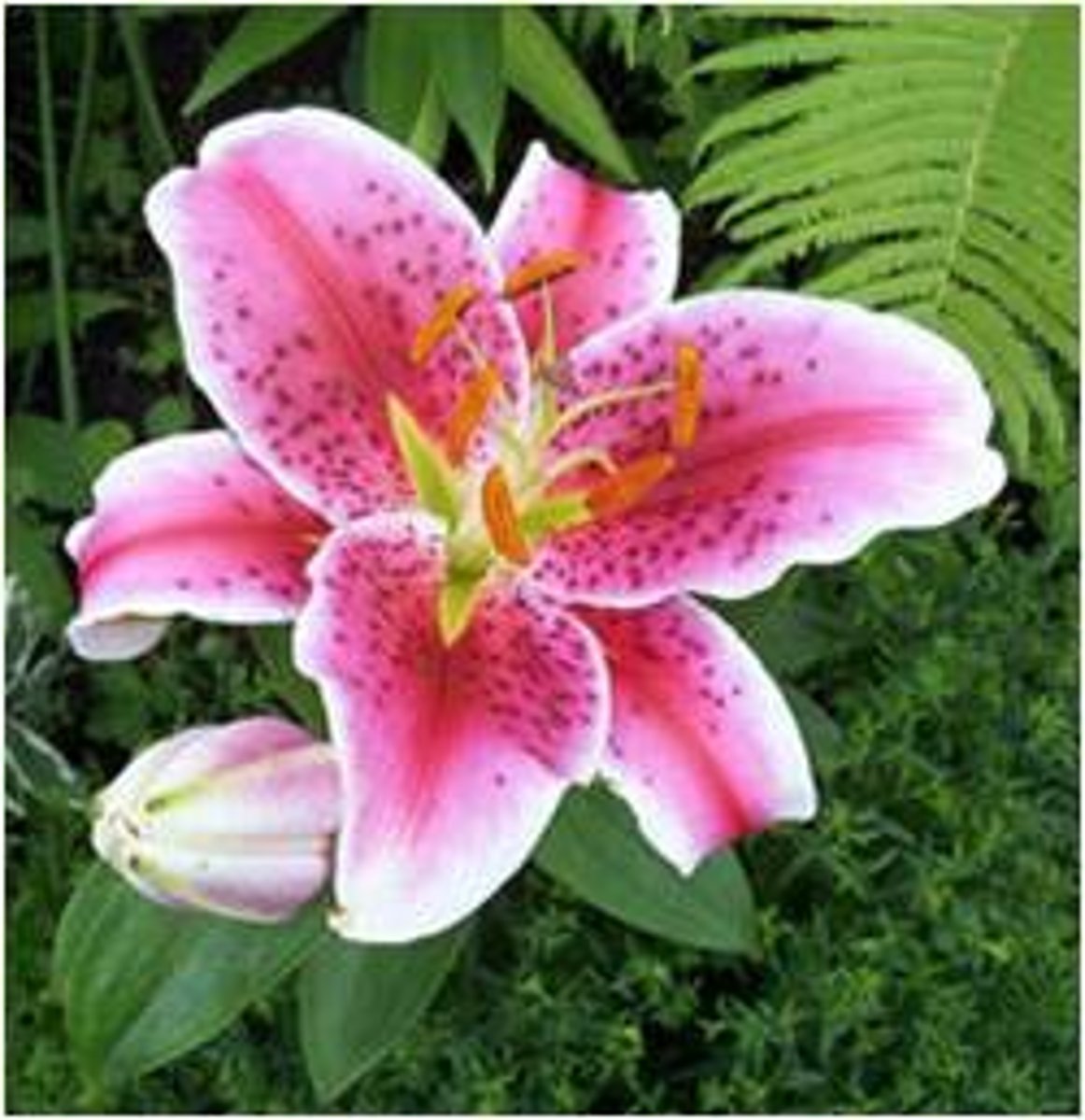
Stargazer lily
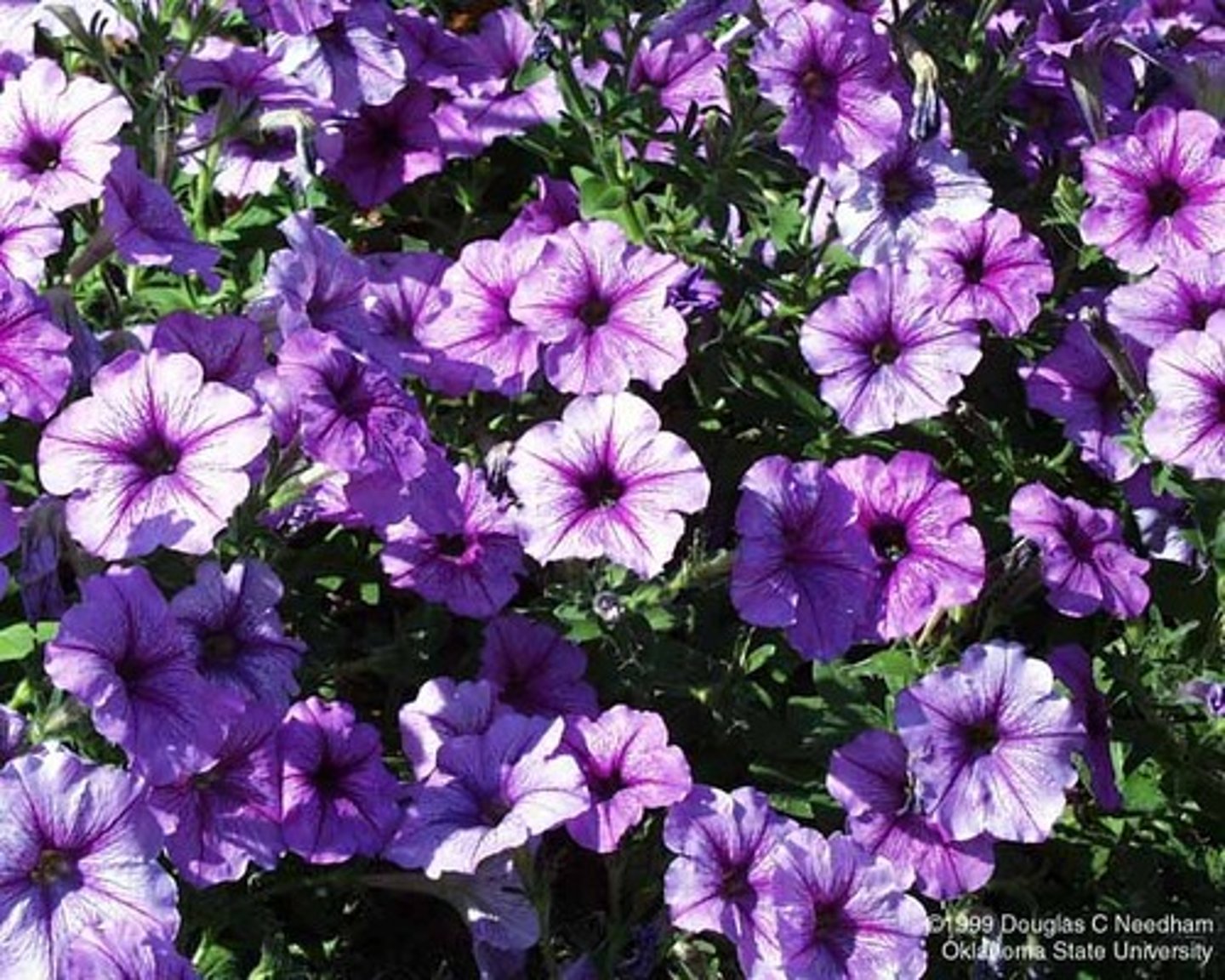
Petunia
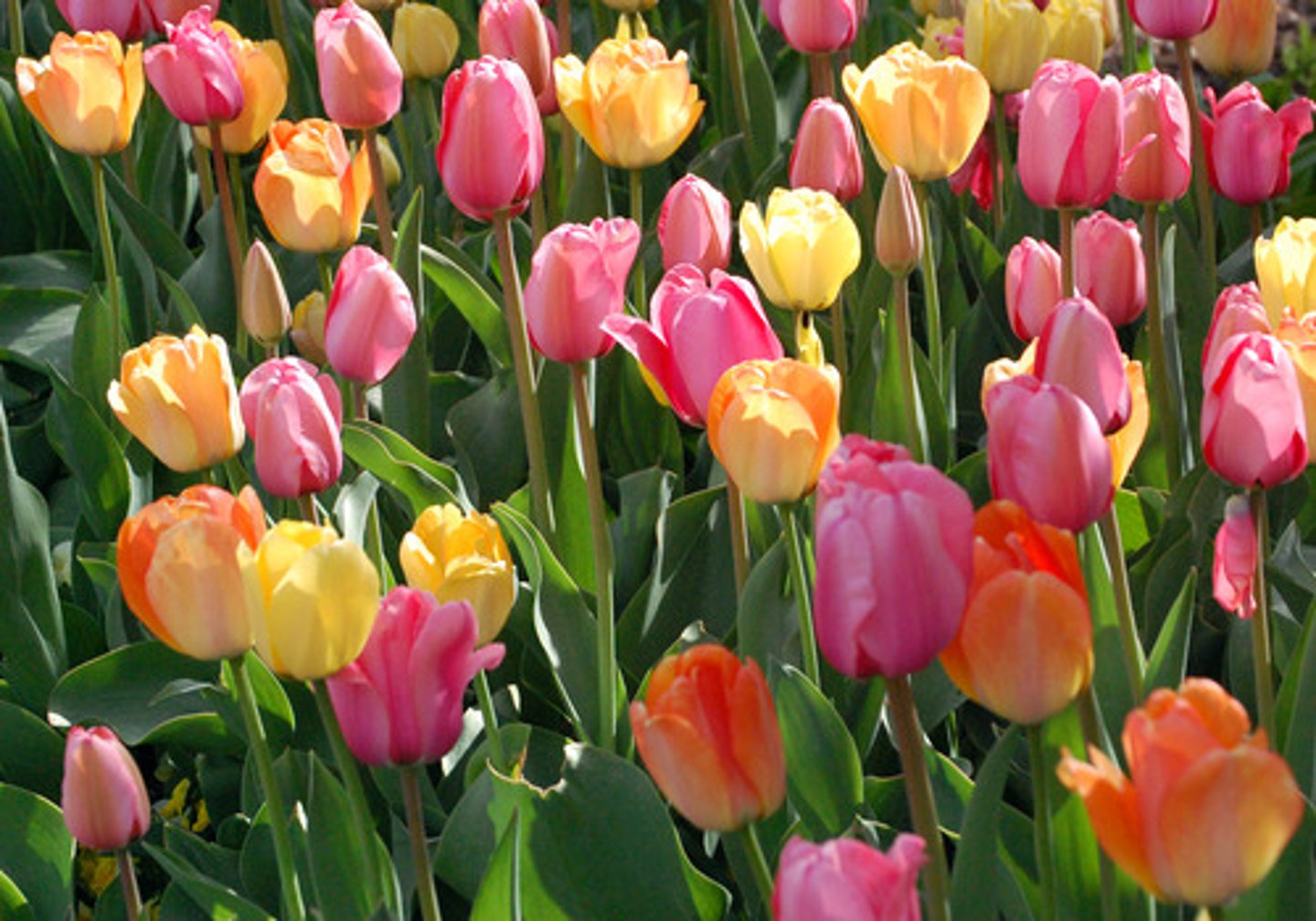
Tulip
Taxonomy
The scientific work of defining groups of organisms based on shared characteristics (physical, shapes of leaves, how they sexually reproduce)
Taxonomist
Someone who comes up with the names for the specific groups
Tissue culture
cells or groups of cells are manipulated to grow and form a new plant tissue in a vessel that is otherwise sterile
Asexual propagation
Making cuttings and turning those into whole plants, when cells and stems are exposed roots are formed
True or False?
Every propagule is a clone
True
Sexual Propagation
- uses the organisms male and female parts to grow seed
- male and female parts combine in the process called fertilization
- Seed germinates when some set of conditions and stimuli are present (eg. water, temperature)
Hybridization
breeders use sexual propagation; manipulating the male and female
Hybrid
result of sexual propagation
Crosses
Take pollen from one flower on one plant and place that on the stigma of a flower on a different plant of the same species
Pollen Transfer
The movement of pollen from the anther to the stigma
- Wind - for many plants this does not work, also called "wind pollinated"
- Self pollination - sometimes pollen can fall into itself, some plants have mechanisms to prevent this inbreeding from happening
Gregor Mendel
- German Monk, current day Austria
- Considered the "Father of modern genetics"
GMO (Genetically Modified Organisms)
Organisms which have genetic material that was modified through "genetic engineering" techniques
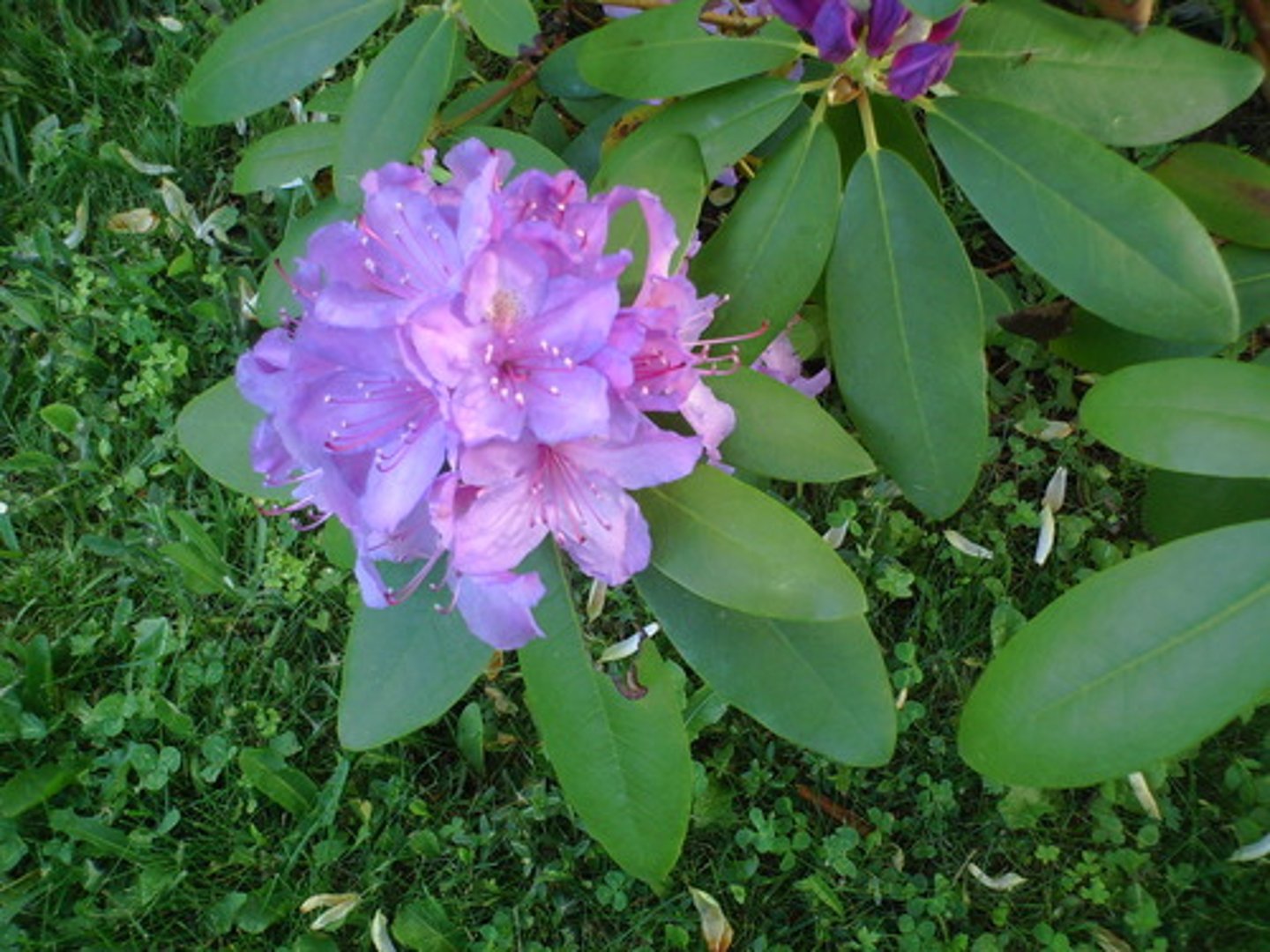
Azalea
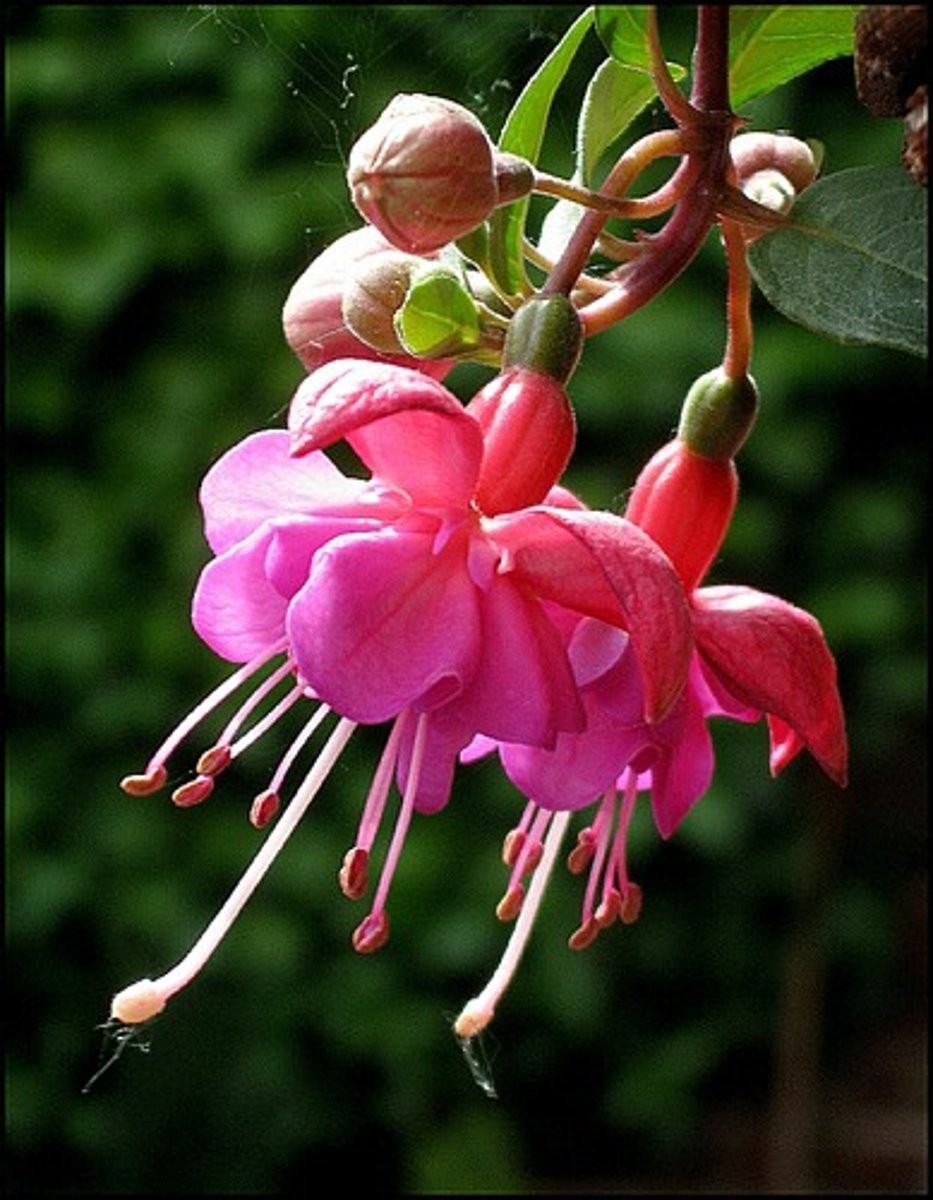
Fuchsia
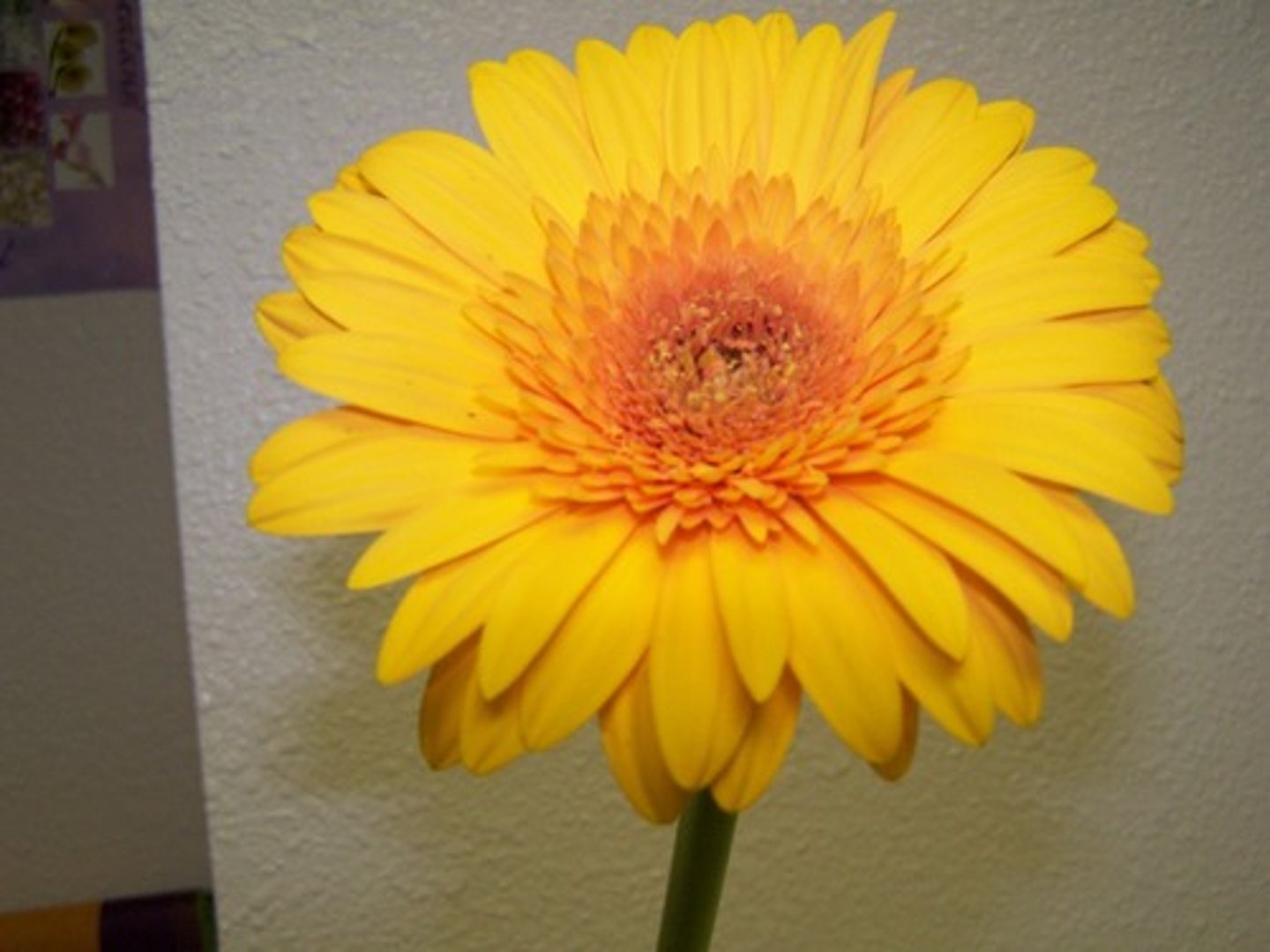
Gerbera
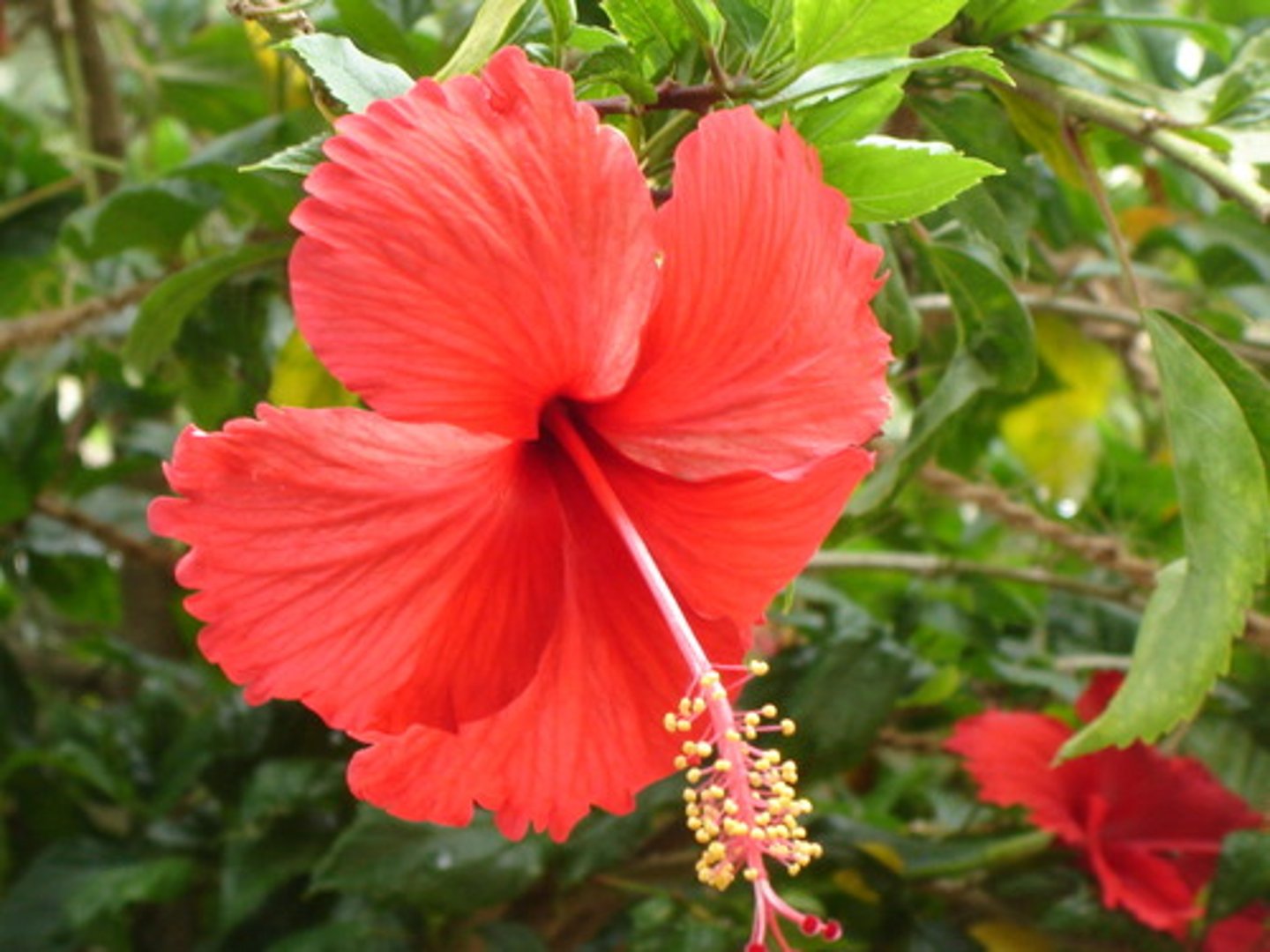
Hibiscus
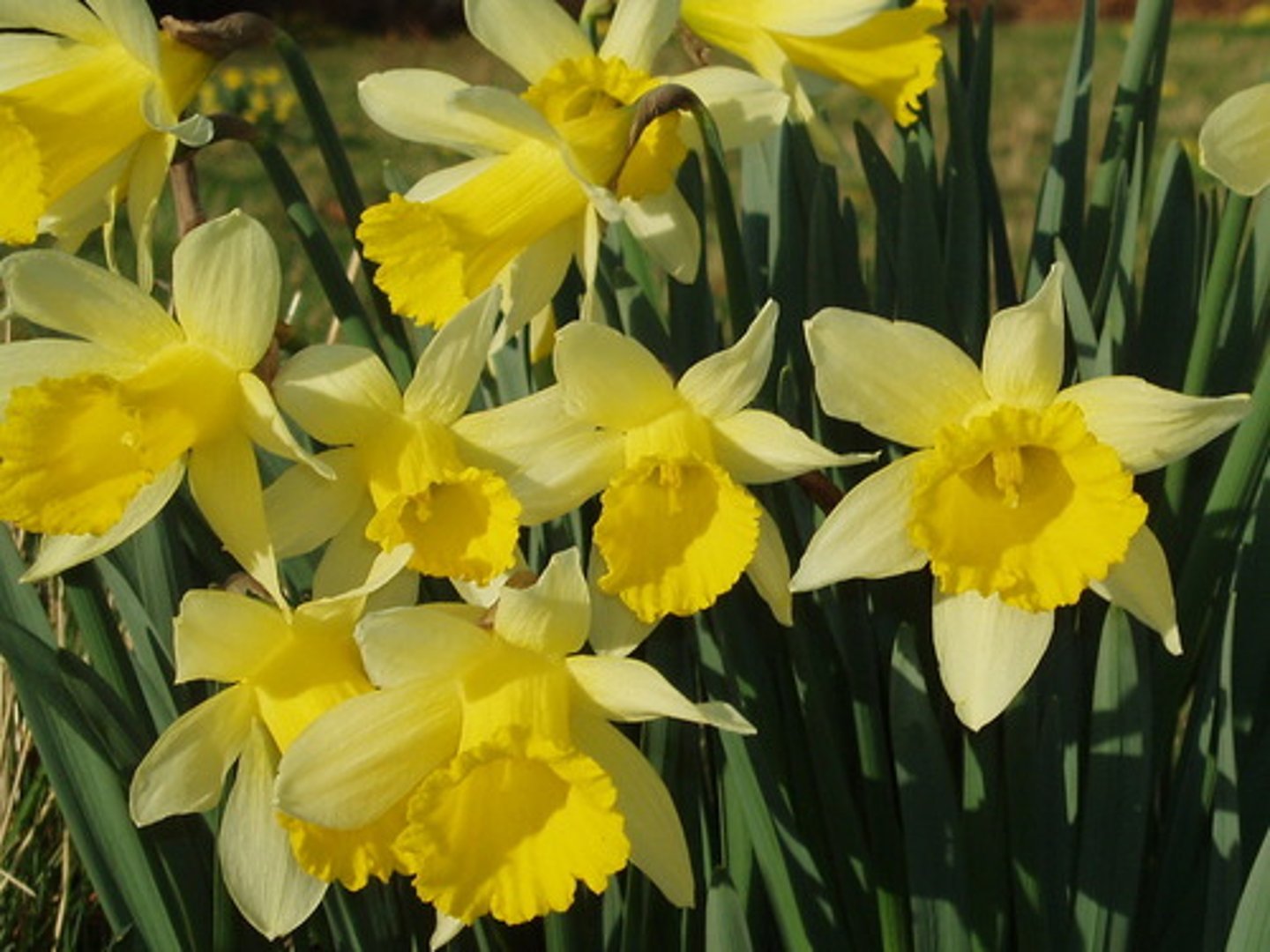
Narcissus (Daffodil)
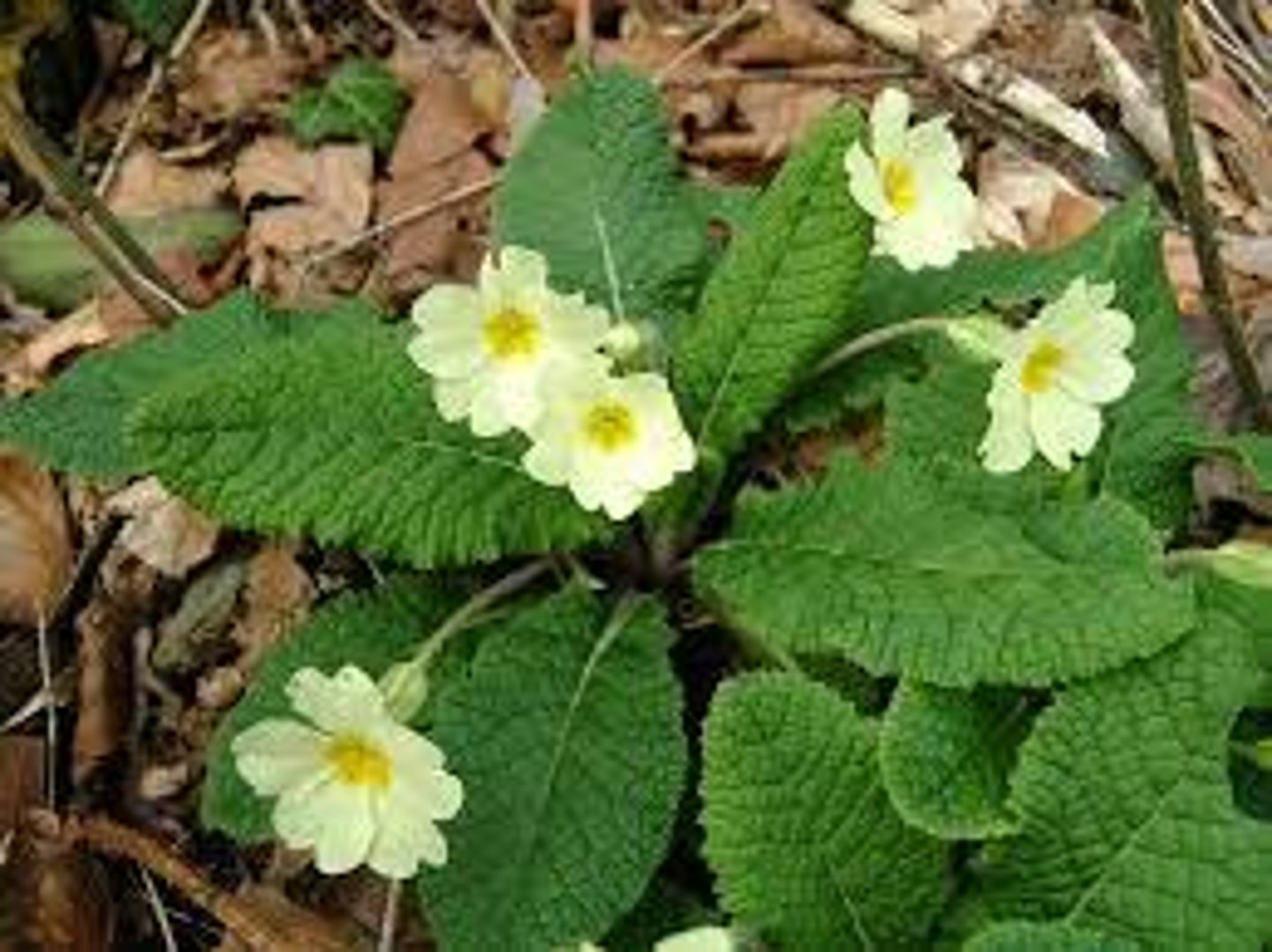
Primula
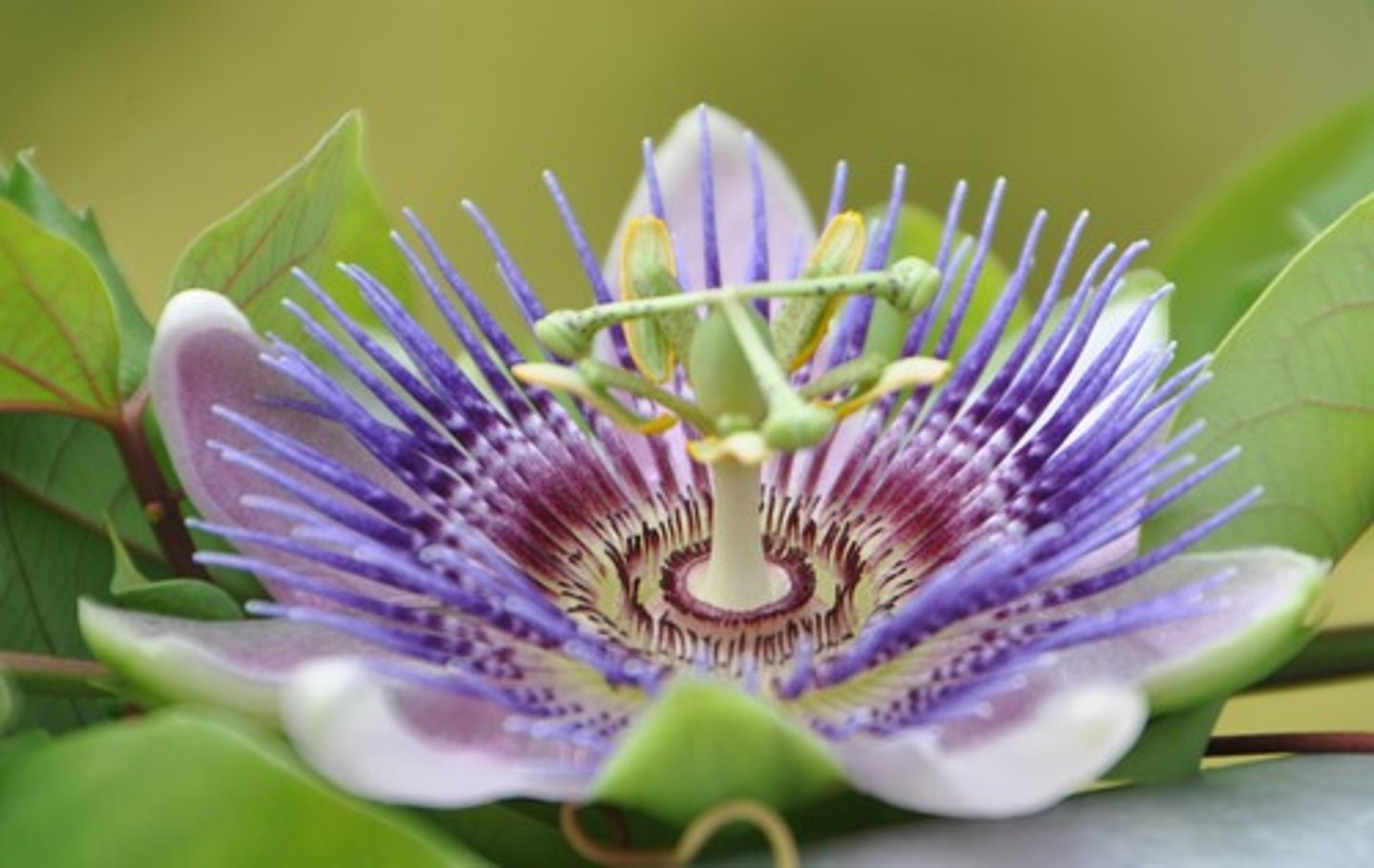
Passiflora or Passion Flower
Botanical Art
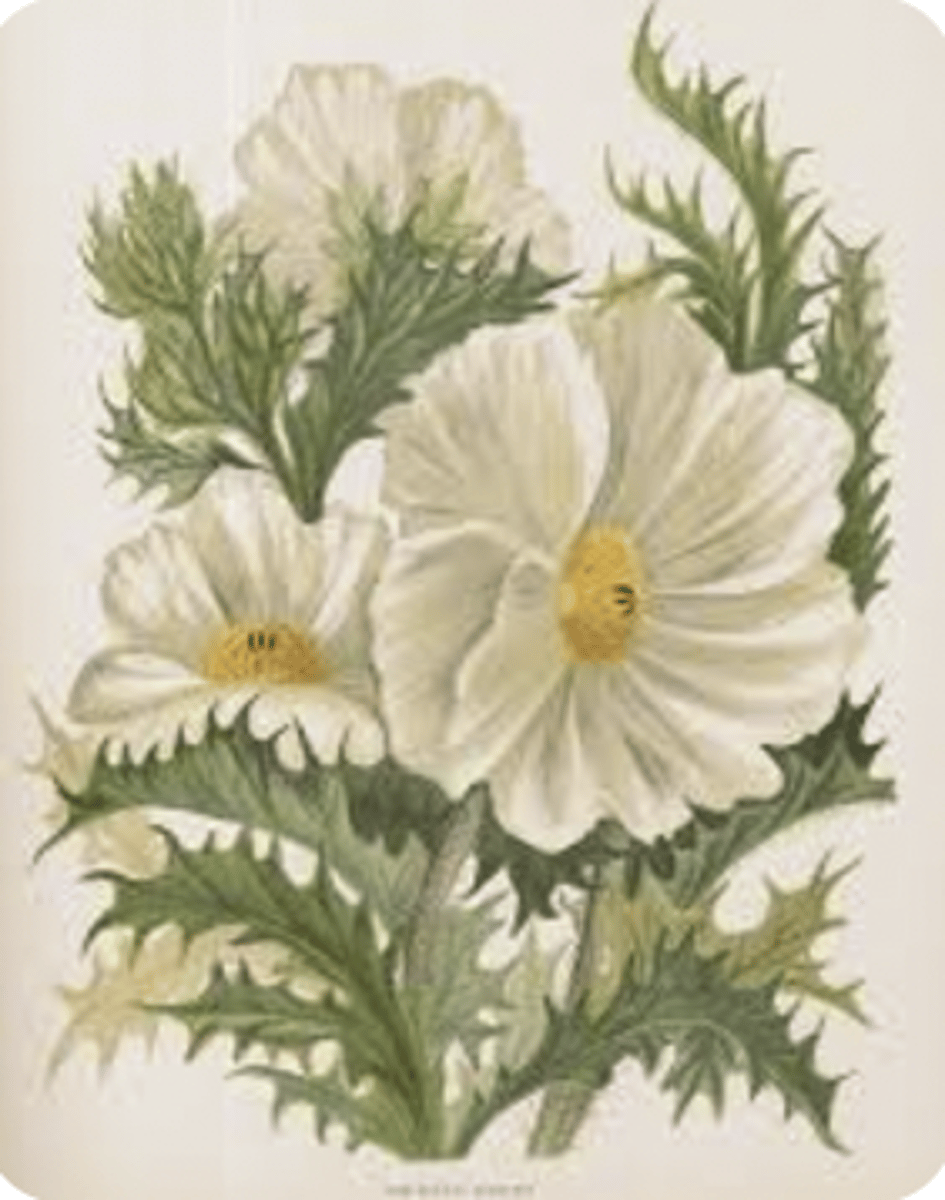
Purposes for Botanical Art and Illustration
- Most people could not read, even with a written language it was hard to translate over and over again
- There could be small differences between plants that could mean life or death
- You can also compare the art and drawings to see how they change throughout time or according to their climate, there could be different strains or species that aren't so different from each other
Georgia O'Keeffe
"Lily Lady"
Sashae
has a chemical in it that specifically captures the Ethylene
Production Floriculture
Not like gardening, a very engineered process from start to finish, lots of environmental control, grown for a specific holiday or target date
vernalization period
usually in a cooler, the time when plants are exposed to cold temperatures to promote flowering
Potted Chrysanthemum "Pot Mums"
- Cuttings are taken from mother blocks
- plants typically grow potted
- photoperiodic control
- They use blackout curtains along with incandescent lights
- This flower is not attached to a special holiday so they are year round
Photoperiodic control
plants initiate flowers if night (dark) period is long and uninterrupted
Cut Rose Production
Mostly greenhouse production! Field production possible in some areas but quality is usually poor.
Strongly driven by market, production must be geared to produce a lot of flowers on peak days.
Strong demand all the time with lesser fluctuations at holidays
Hydroponics
a technique of growing plants (without soil) in water containing dissolved nutrients
Rocket Farms
- Flowers are grown on trays to make sure that it's more area efficient
- glass greenhouses
- highly automated
-
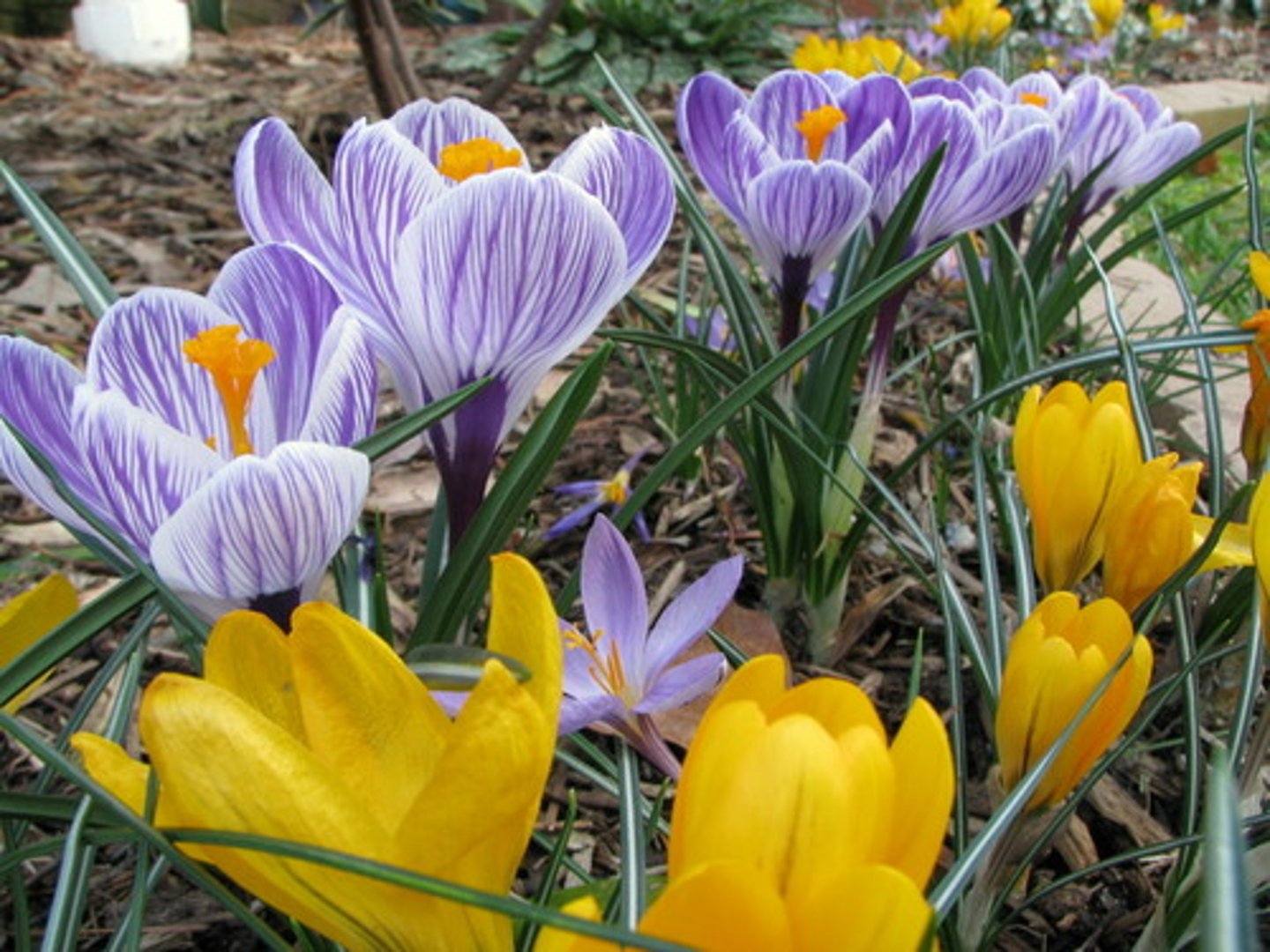
Crocus
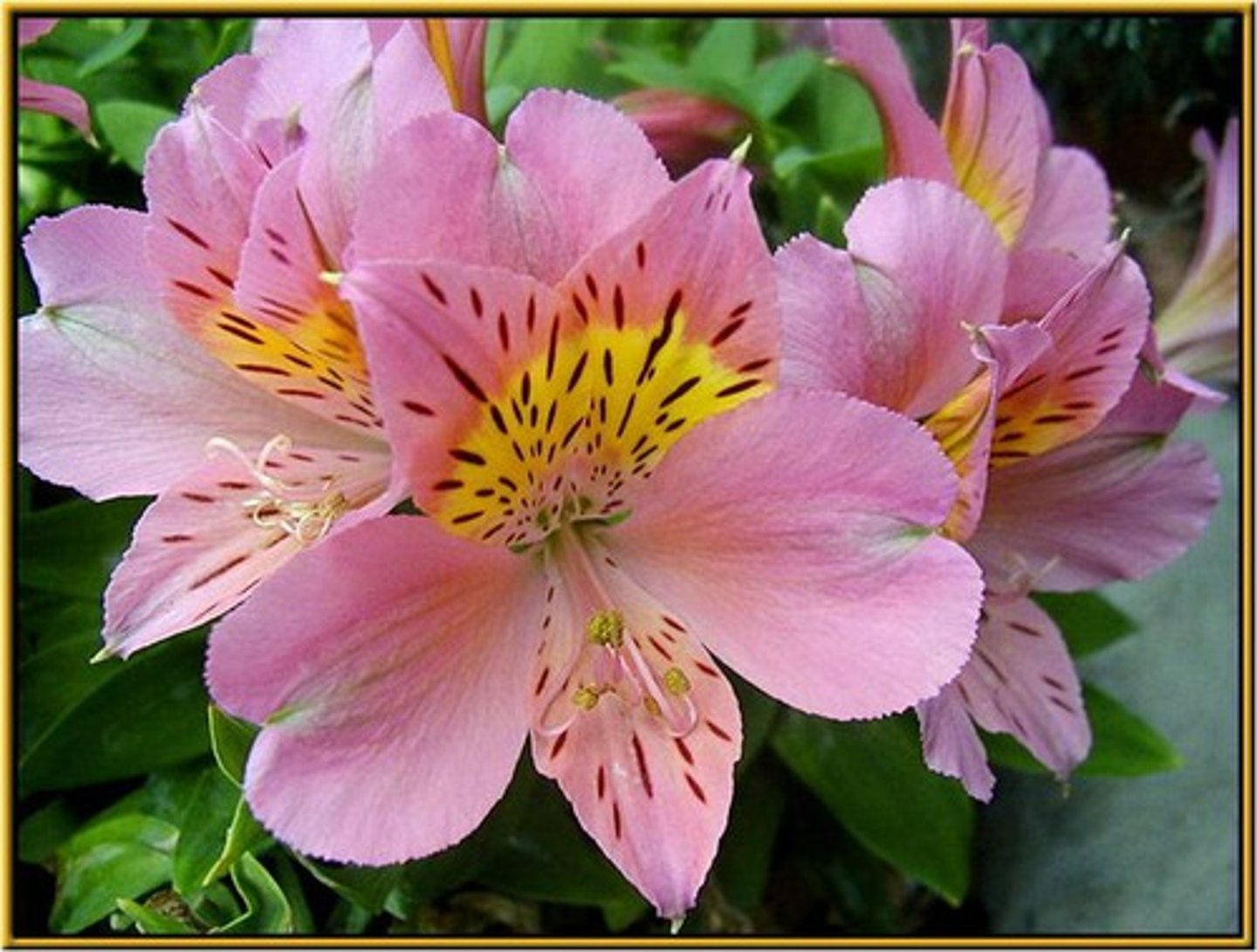
Alstroemeria
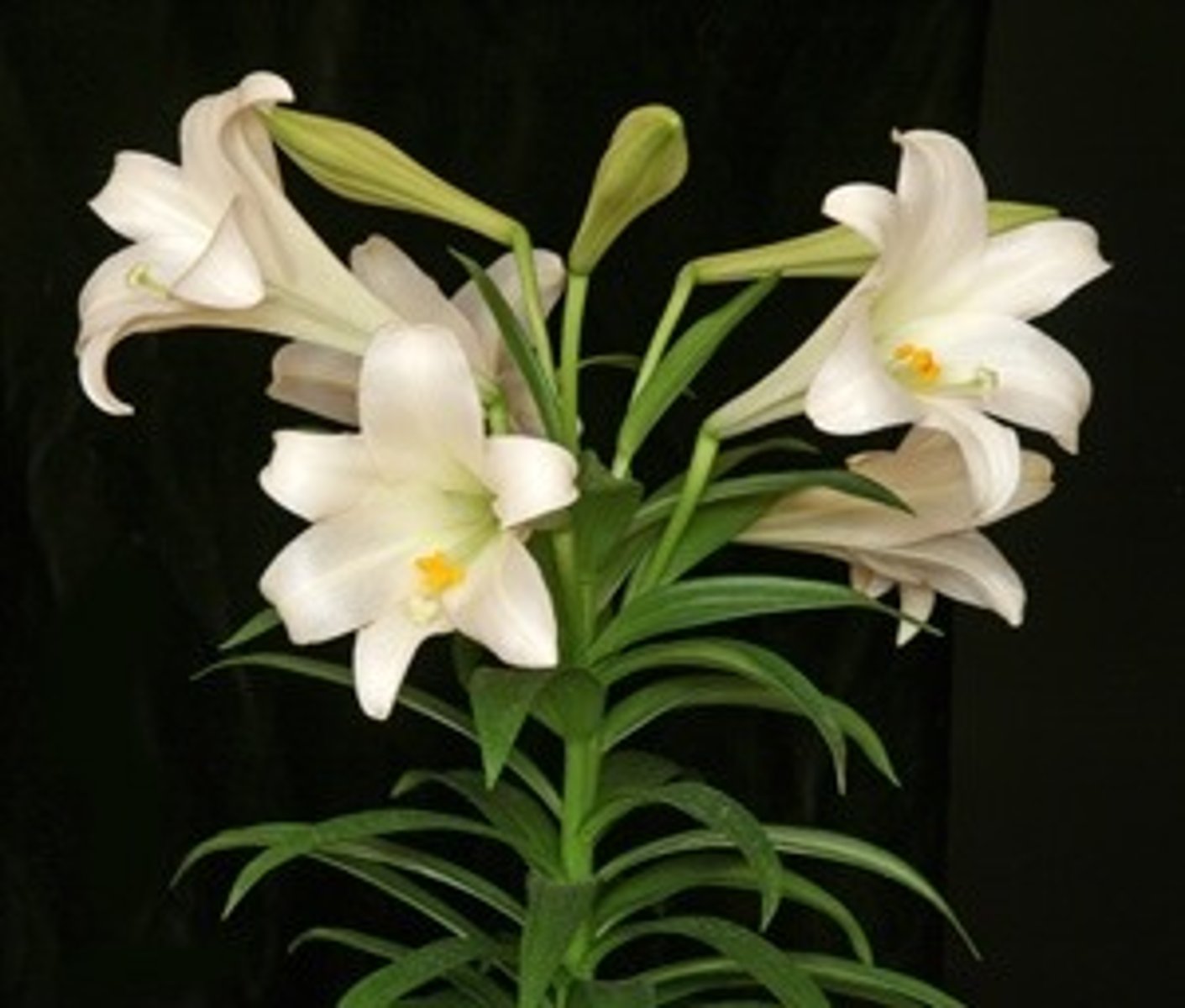
Easter Lily
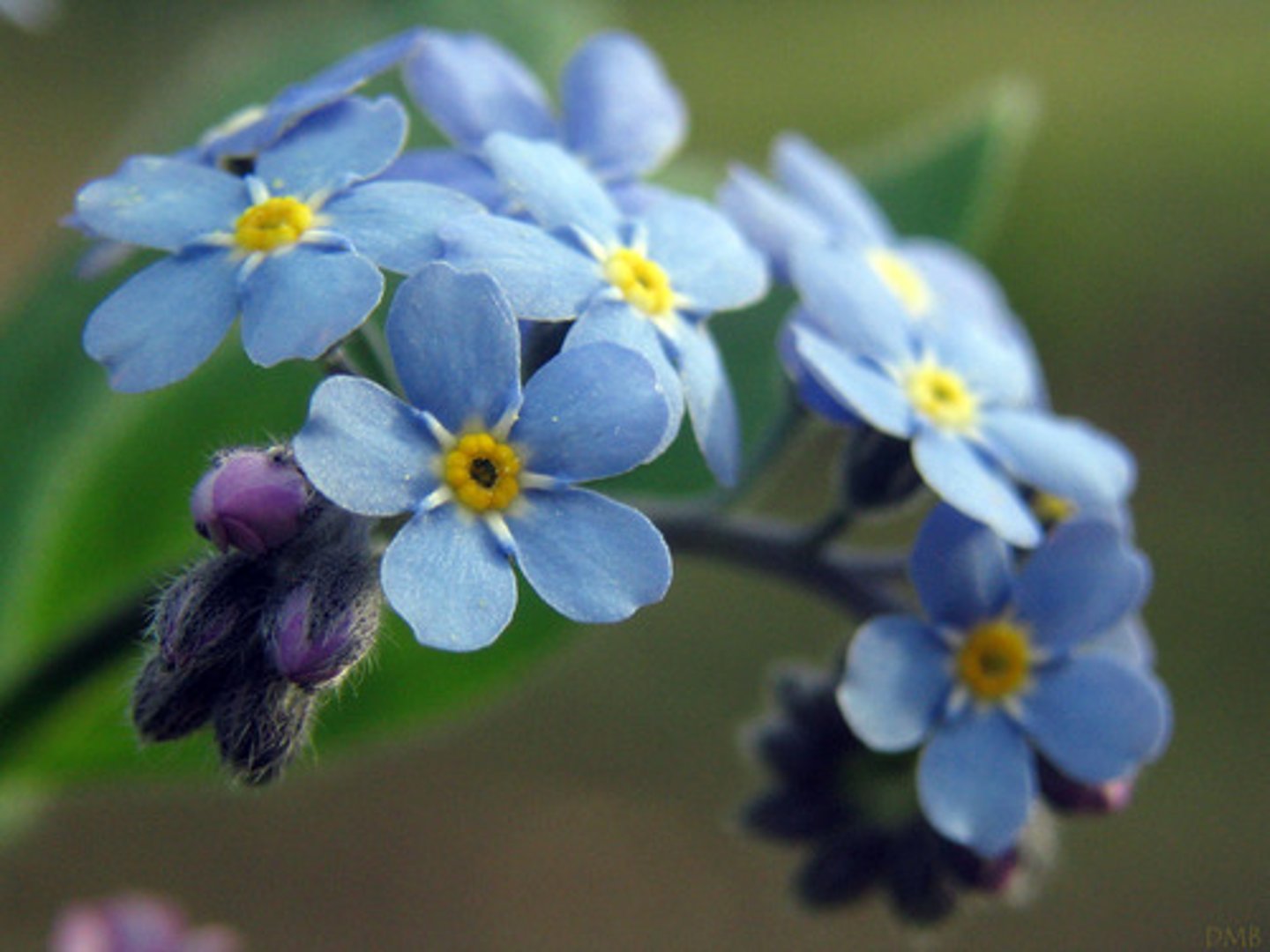
Forget-me-not
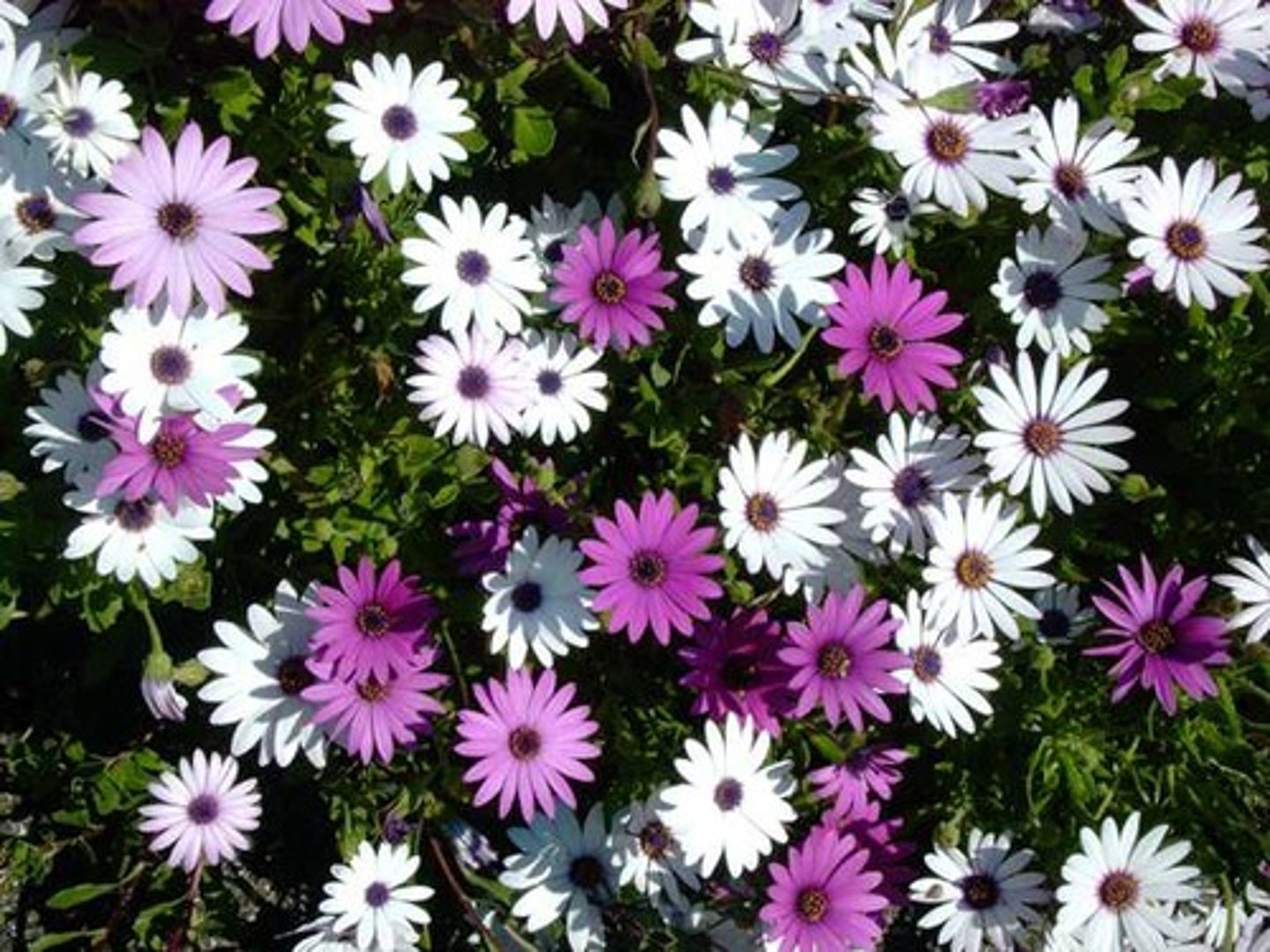
Osteospermum
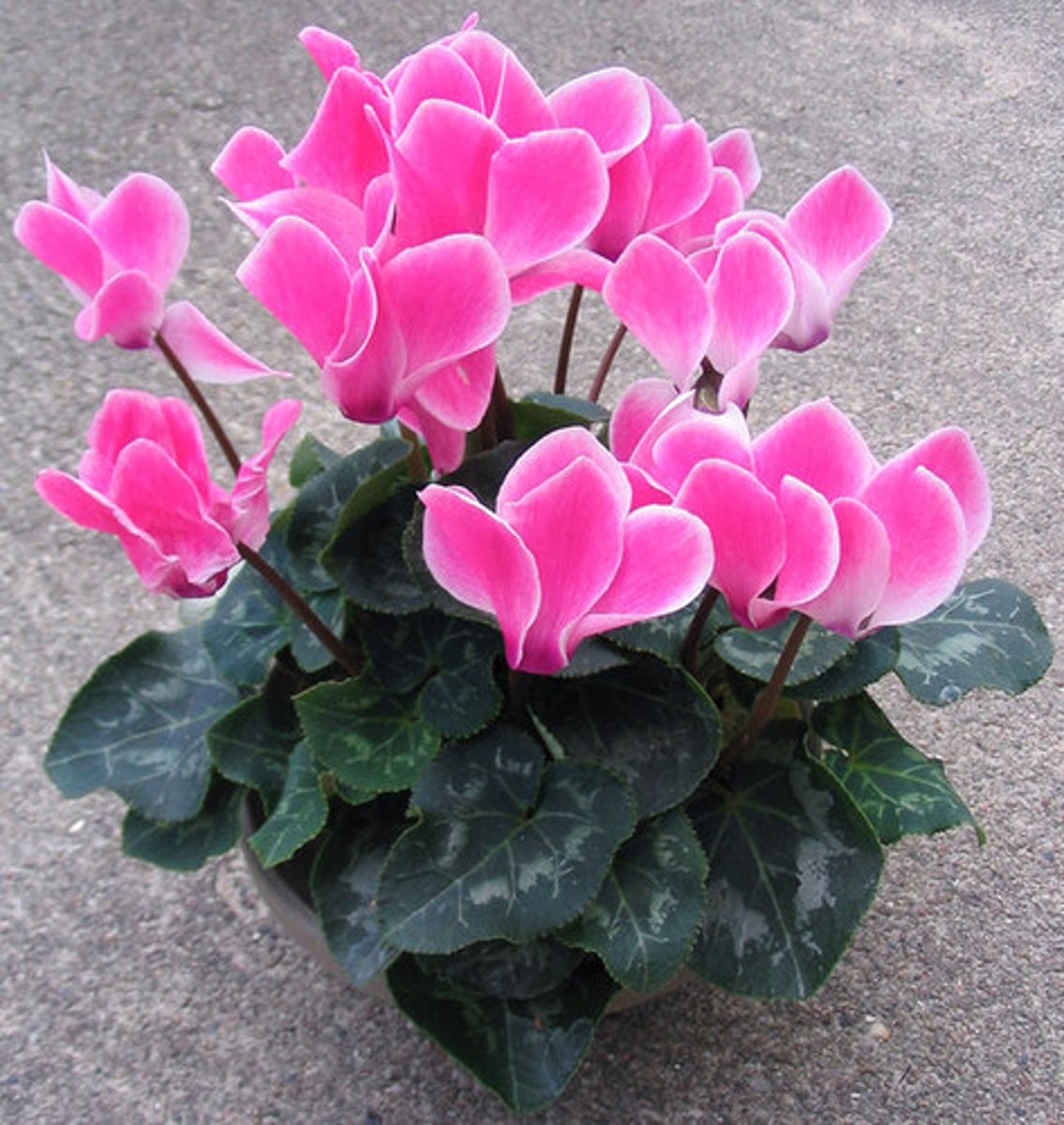
Cyclamen
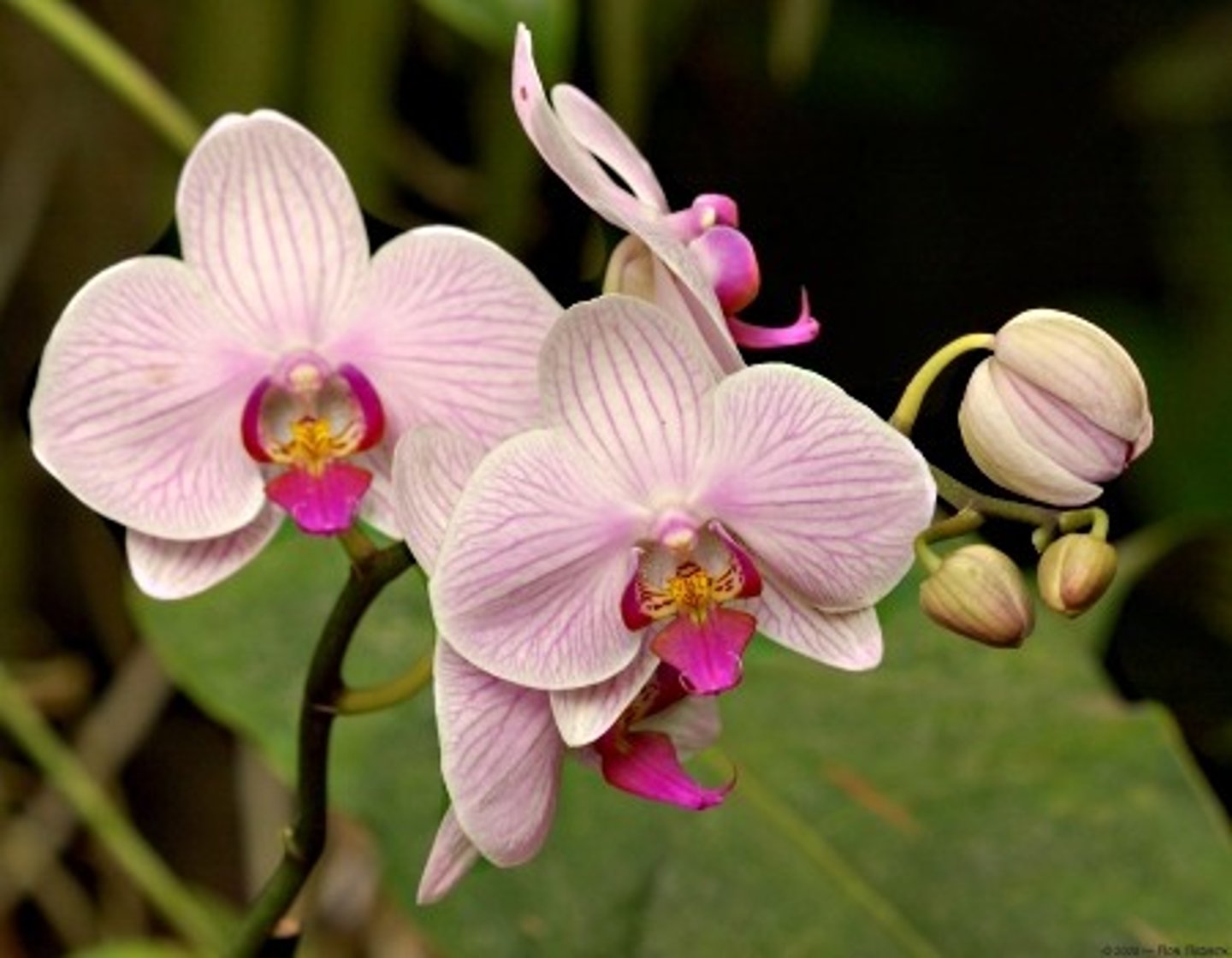
Phalaenopsis orchid (common name: Moth orchid)
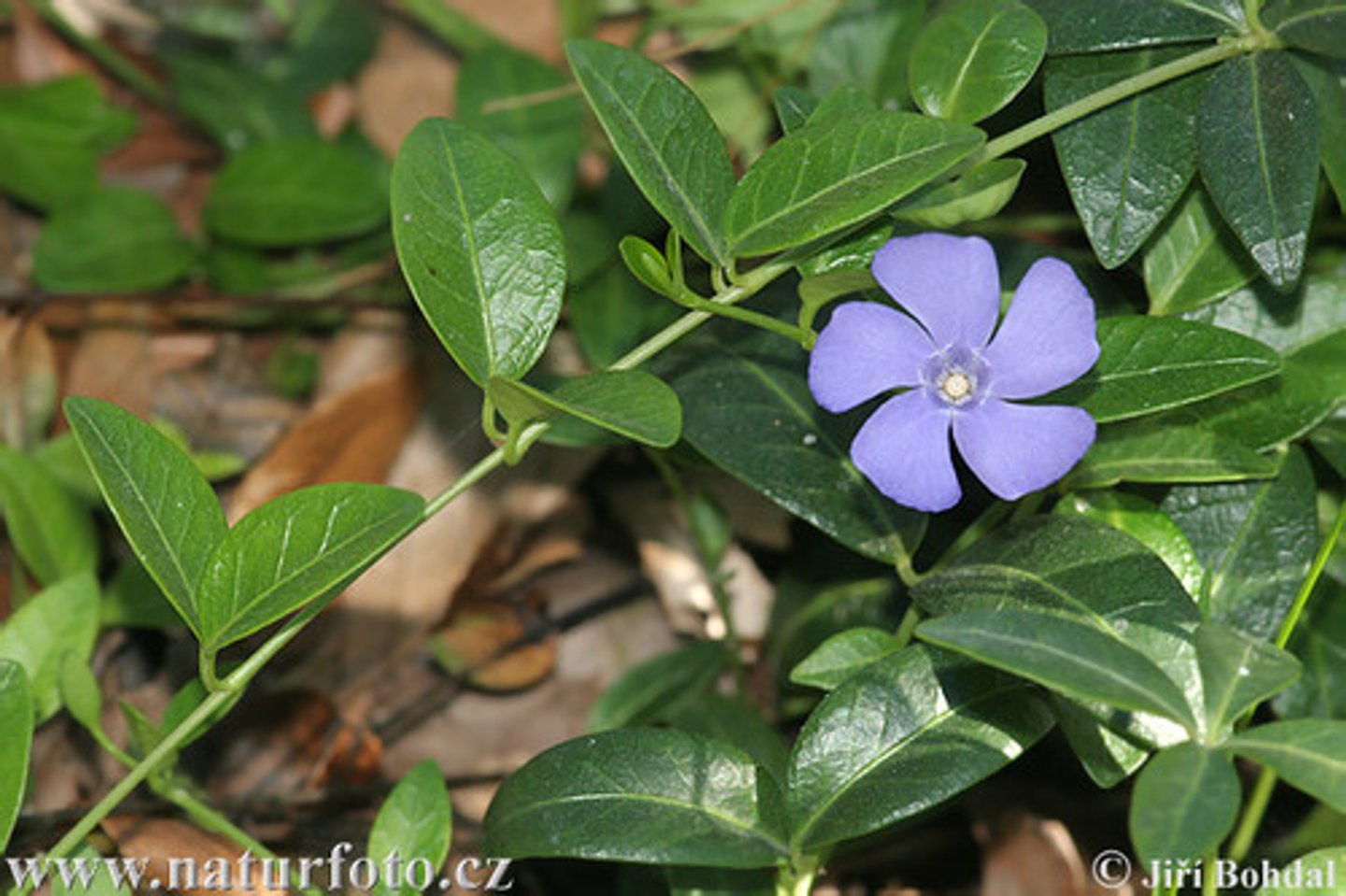
Vinca
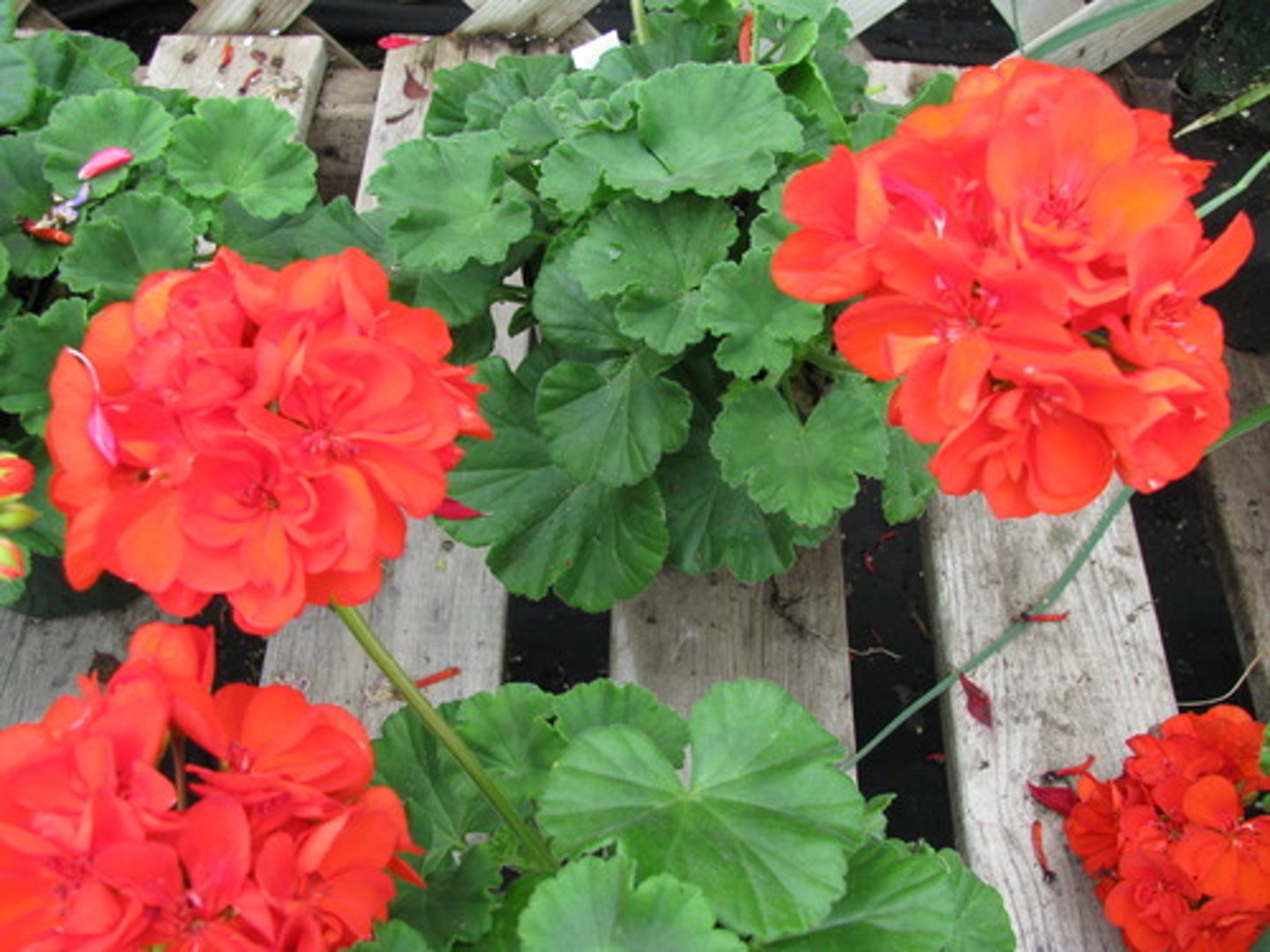
Geranium (a.k.a. Pelargonium)
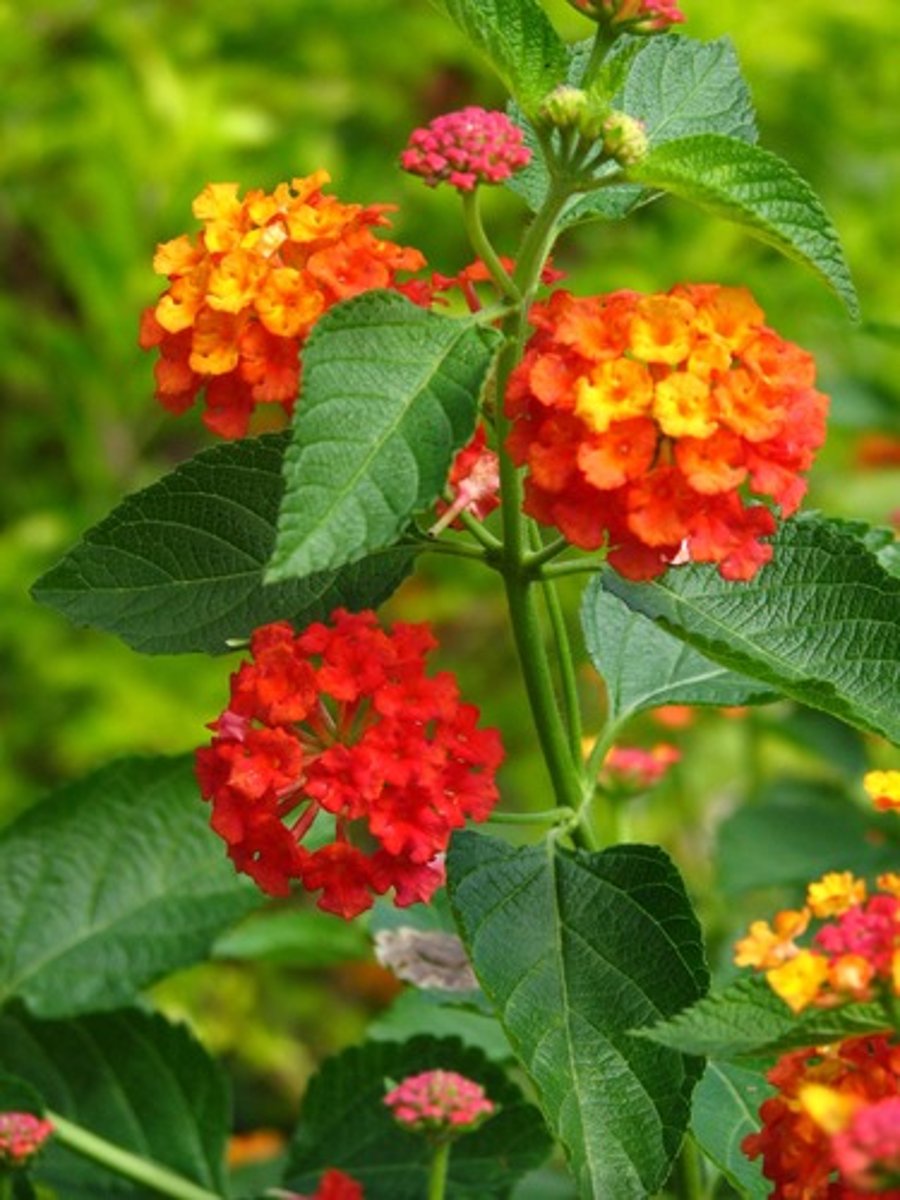
Lantana
Red Flowers mean....
Love, passion
Yellow Flowers mean....
Friendship
White Flowers mean....
Purity
Deep Pink Flowers mean....
Can also mean love, gratitude, appreciation
Light Pink Flower mean....
Admiration, sympathy, love
Light Blend Flowers mean....
Sociability
Orange Flowers mean...
Enthusiasm, attraction
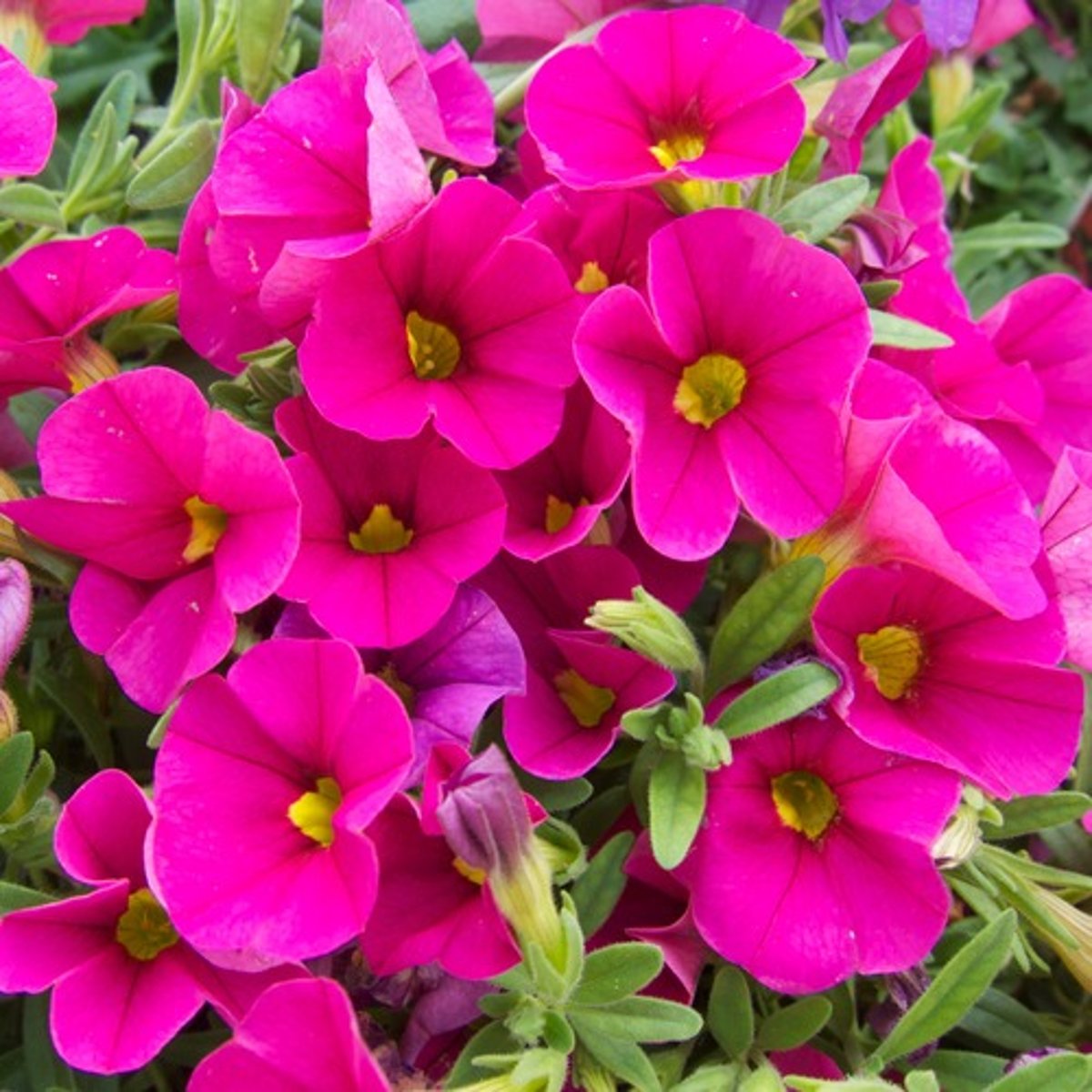
Calibrachoa
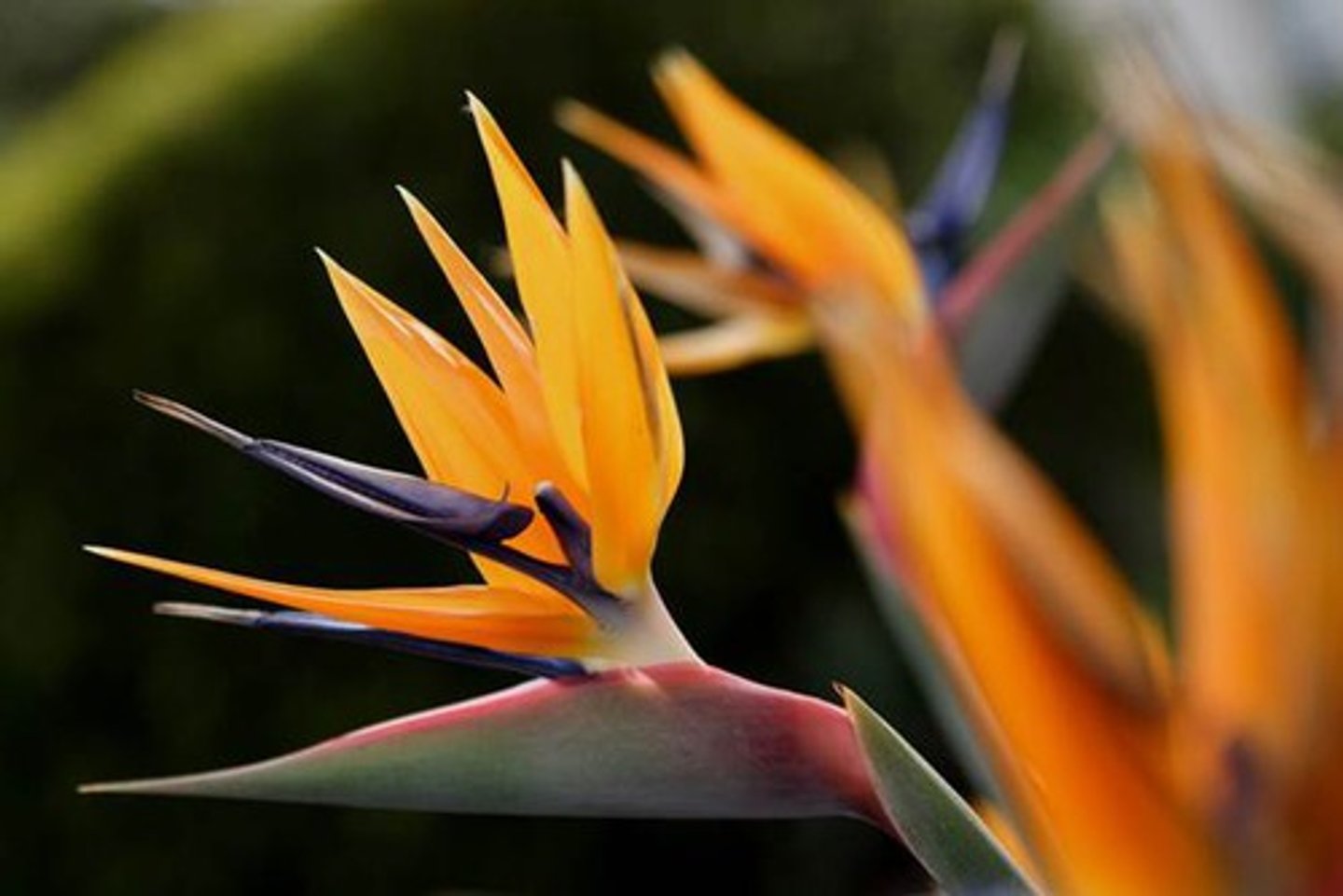
"Bird of Paradise", Strelizia
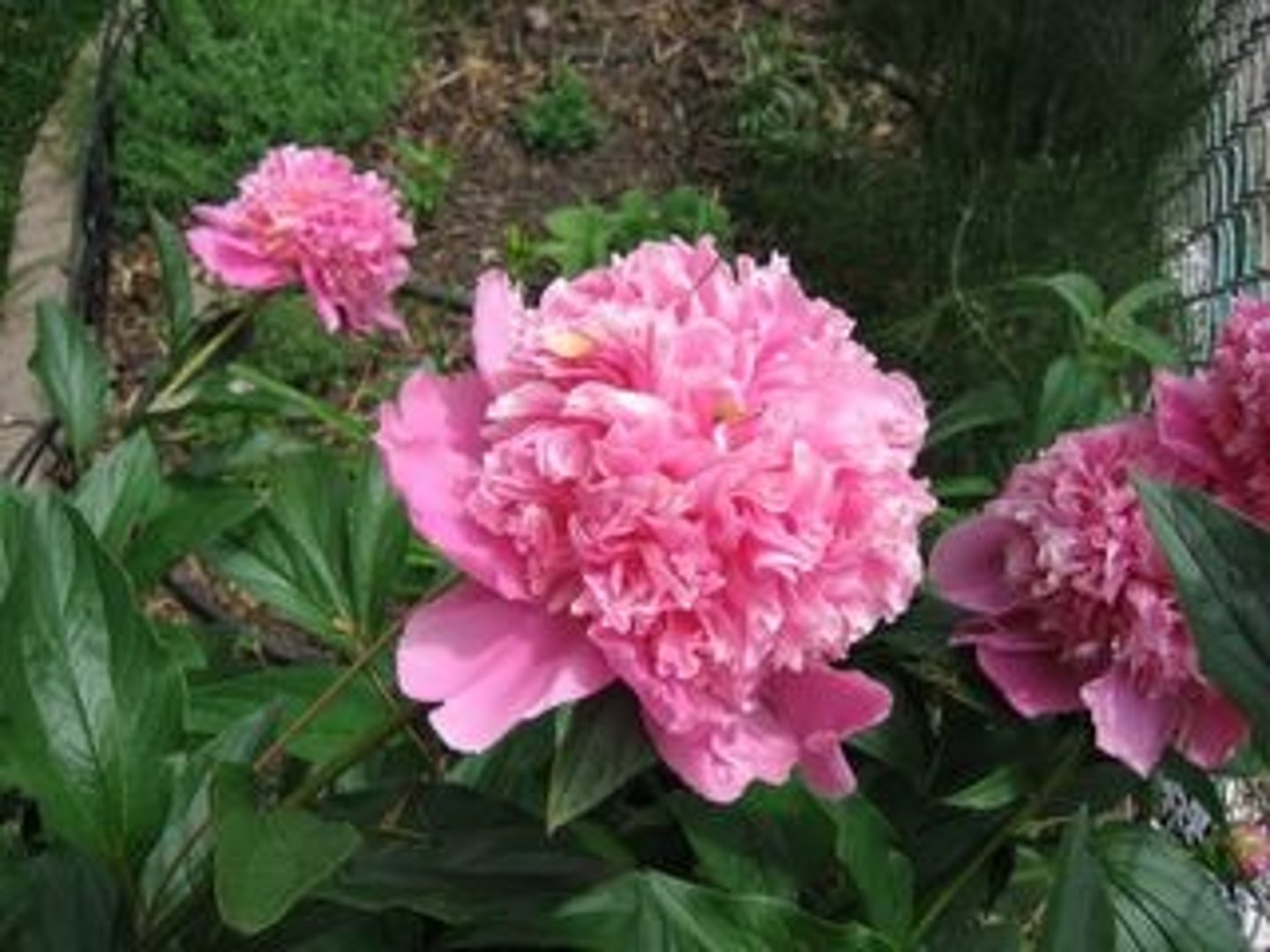
Peony
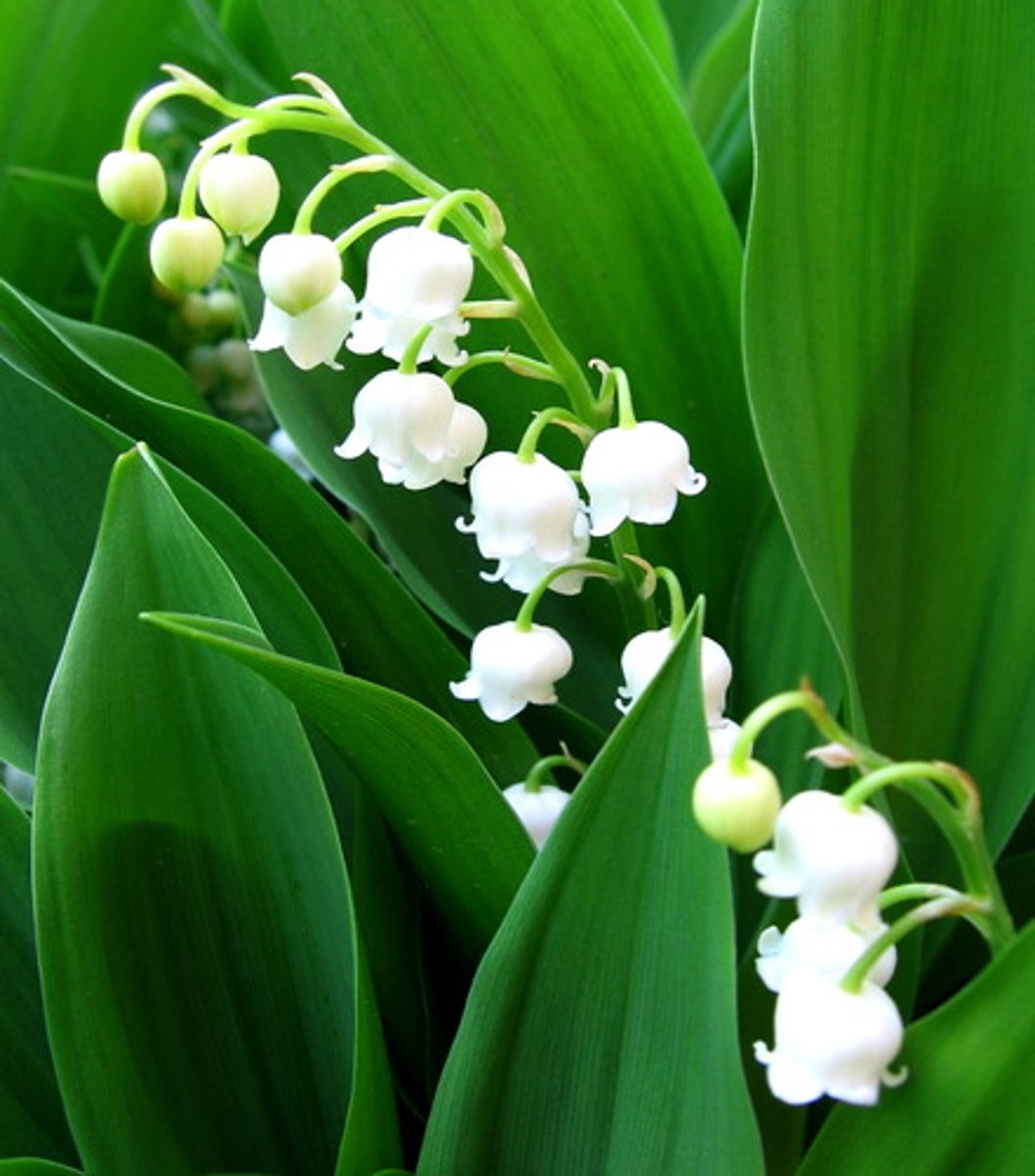
Lily of the Valley
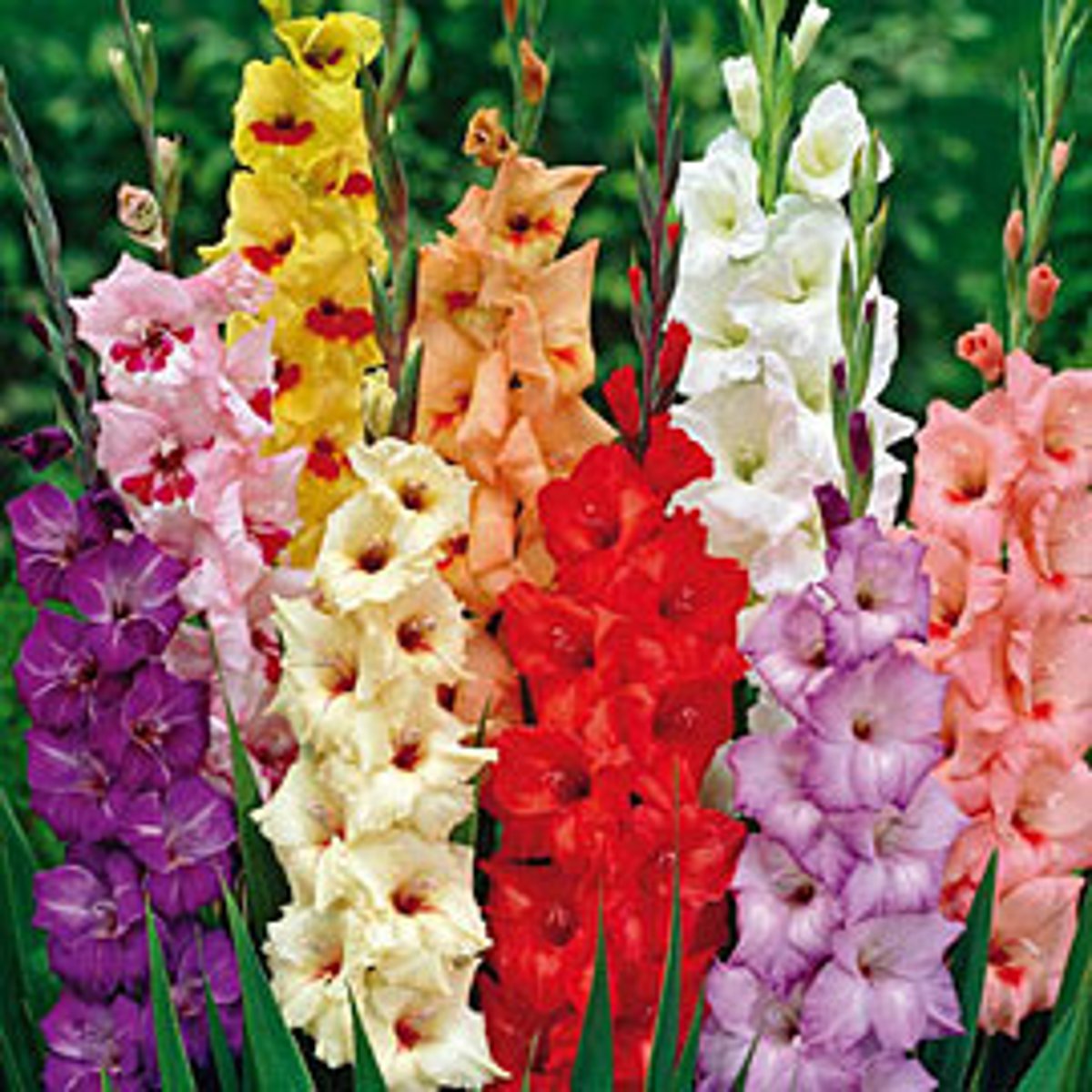
Gladiolous
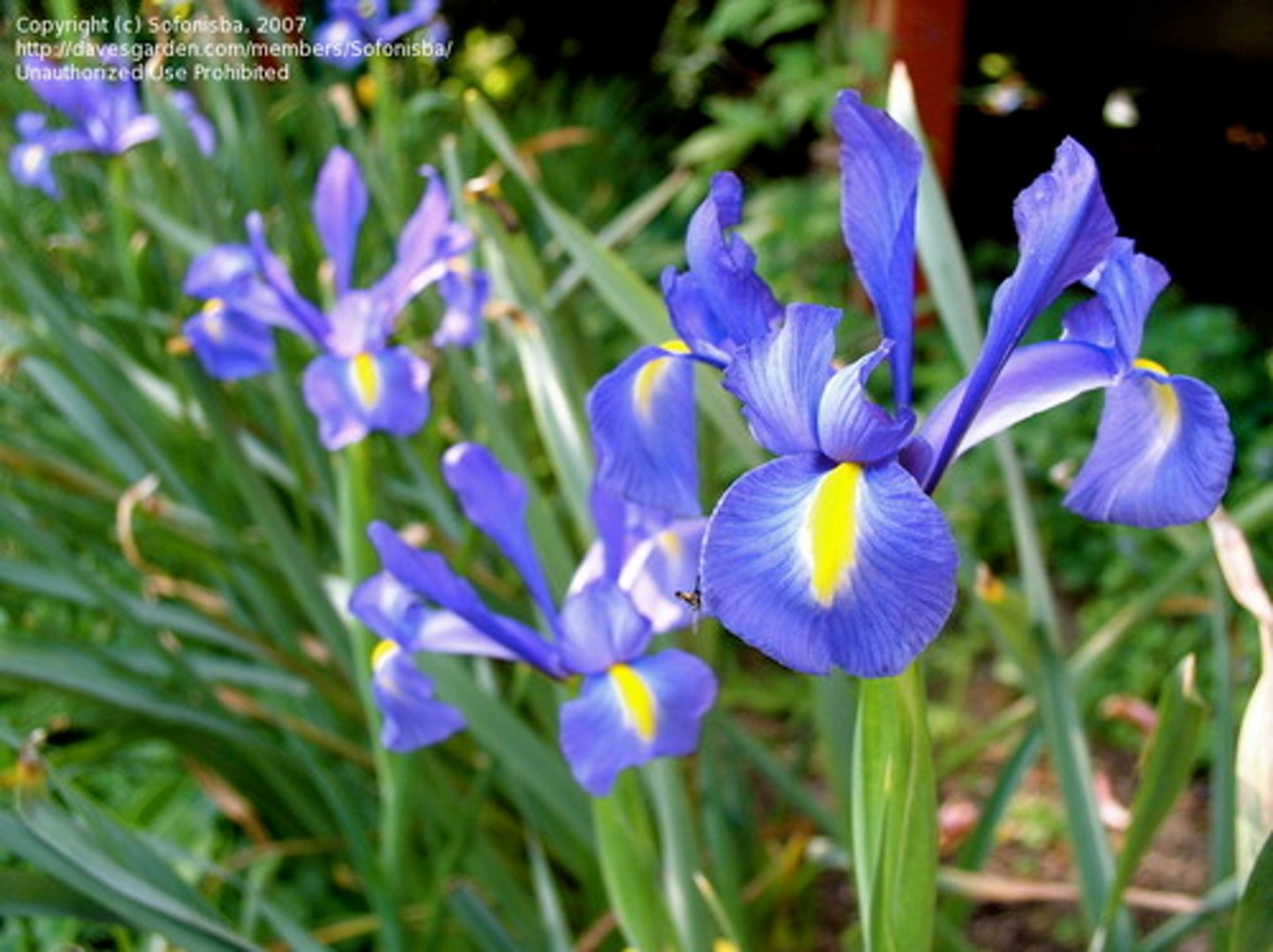
iris
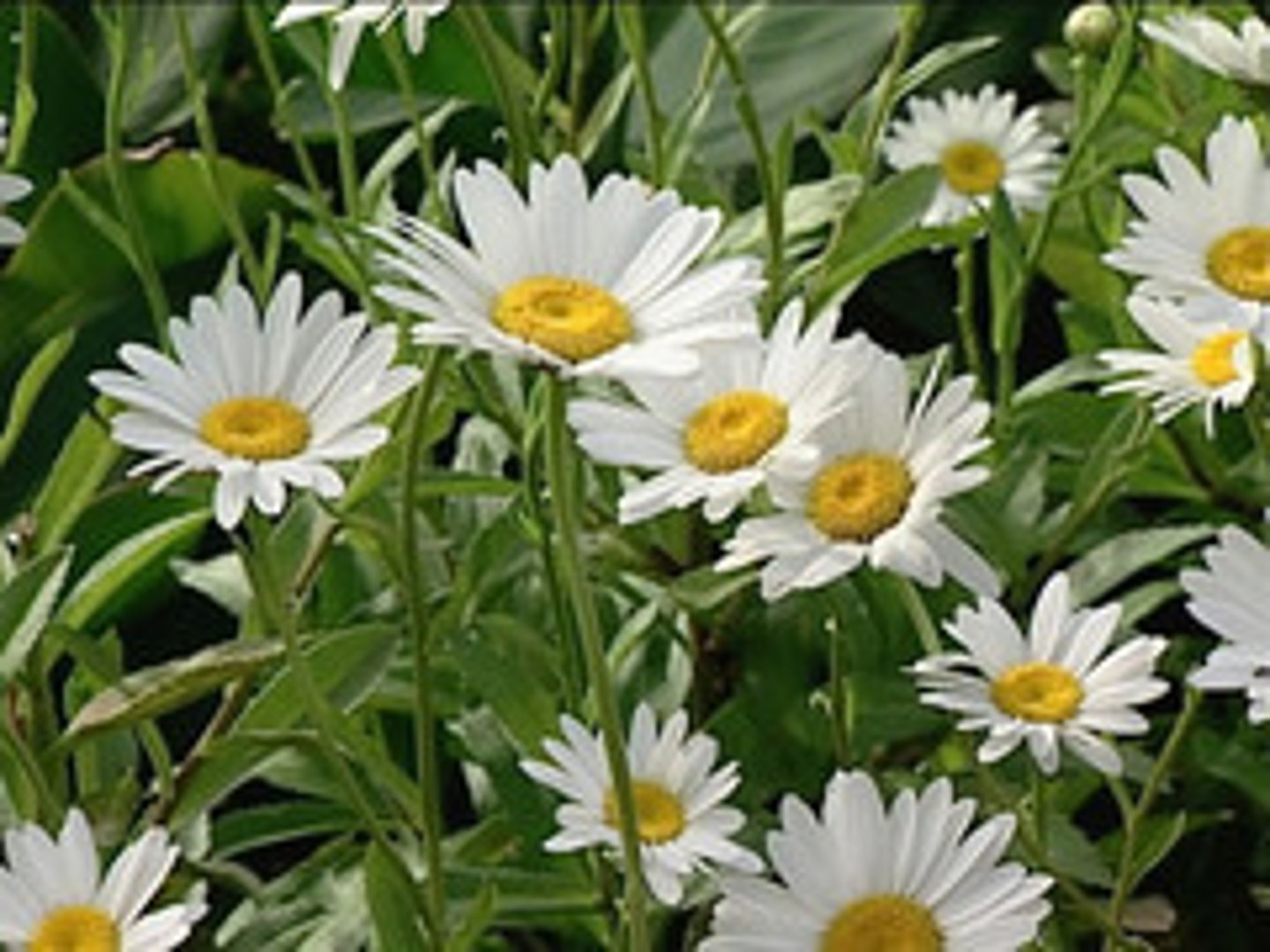
Shasta Daisy
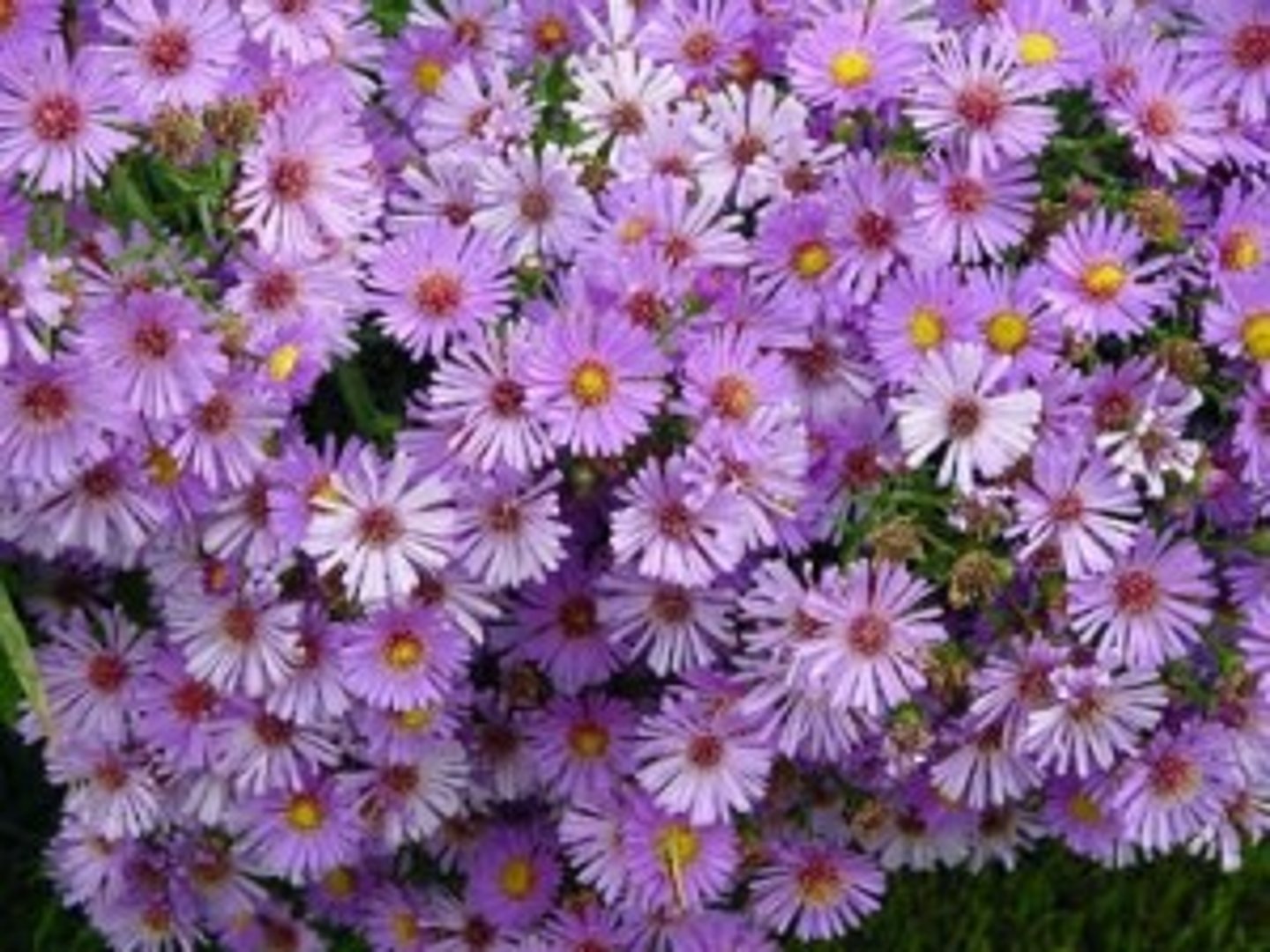
Asters
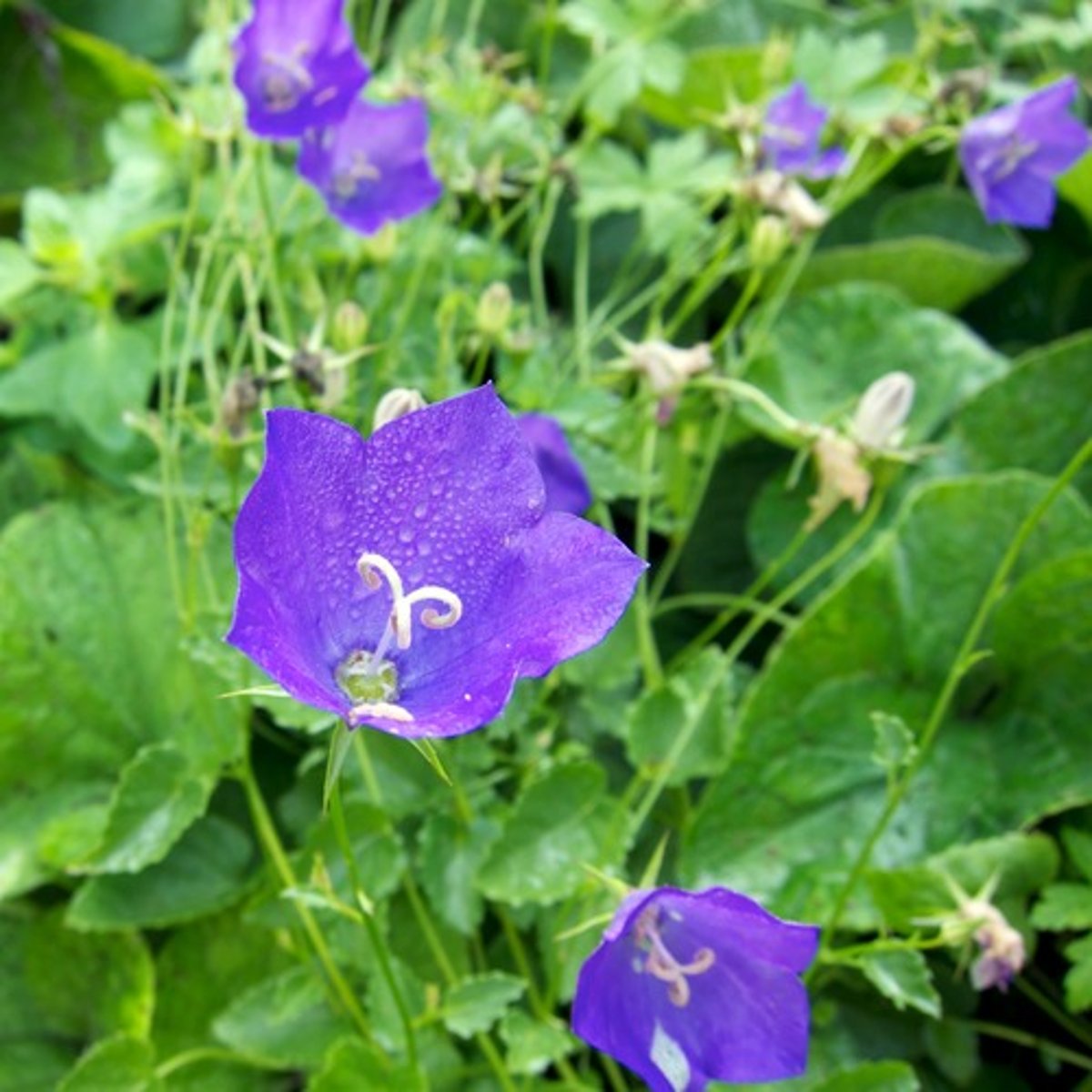
Campanula (bell flower)
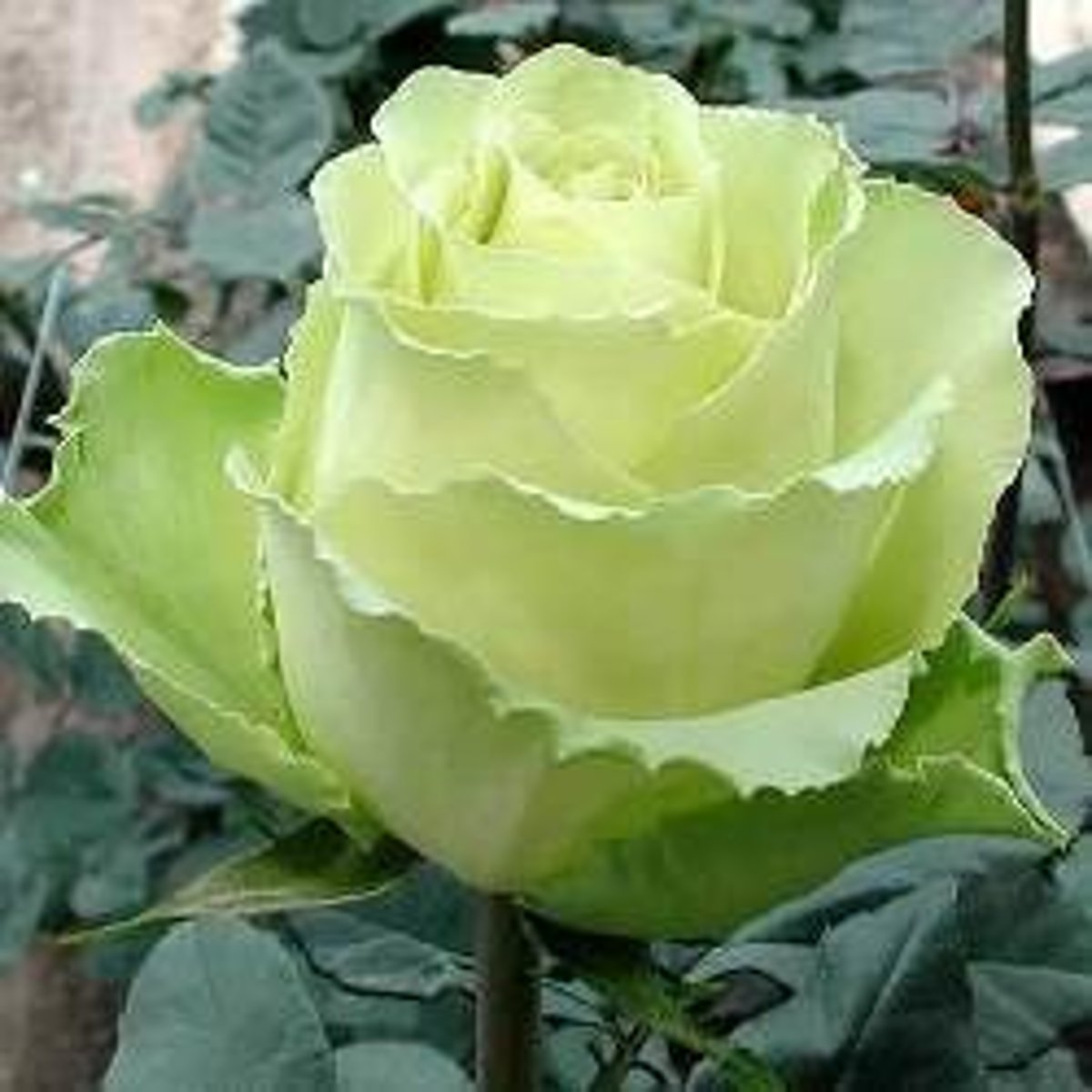
Rose, Limbo
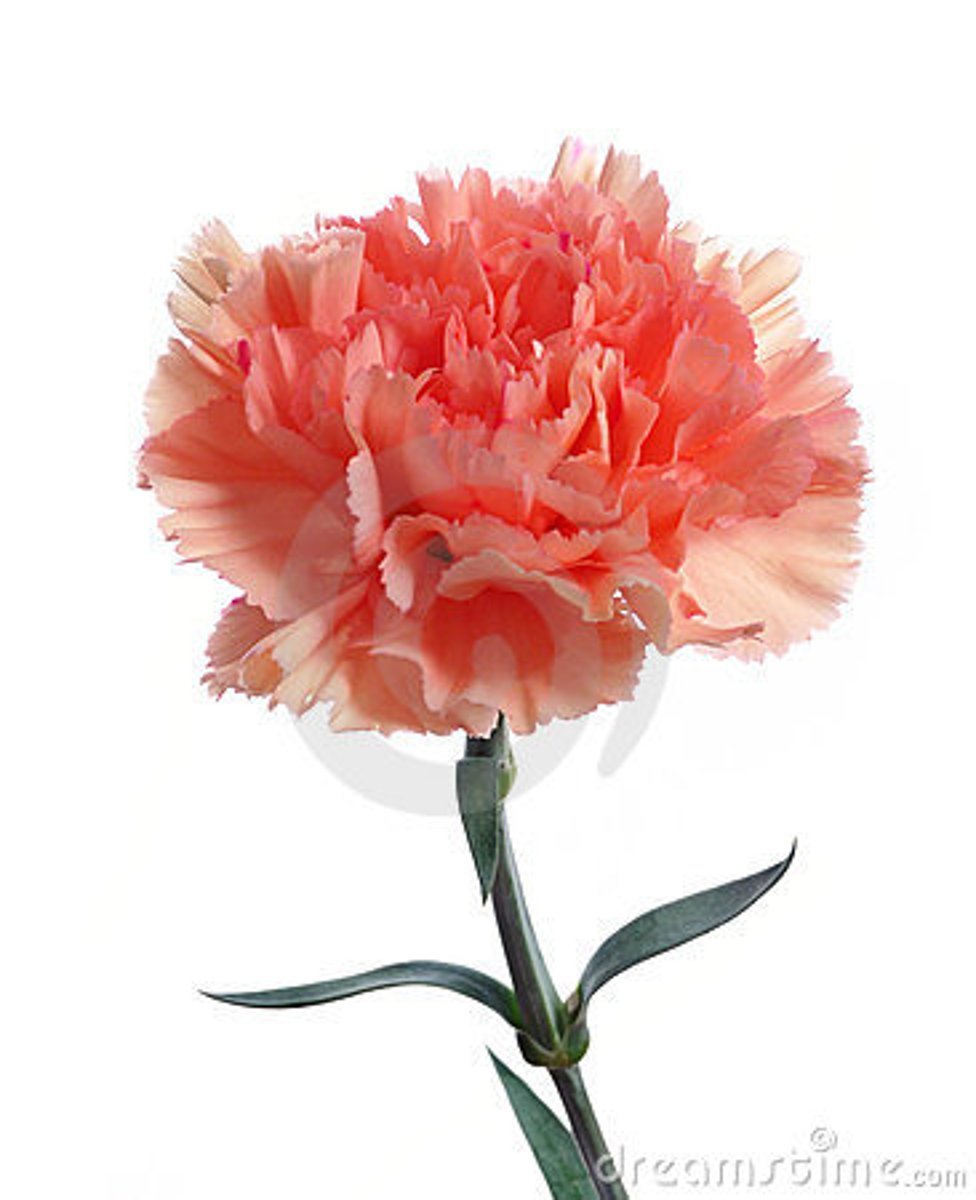
Carnation
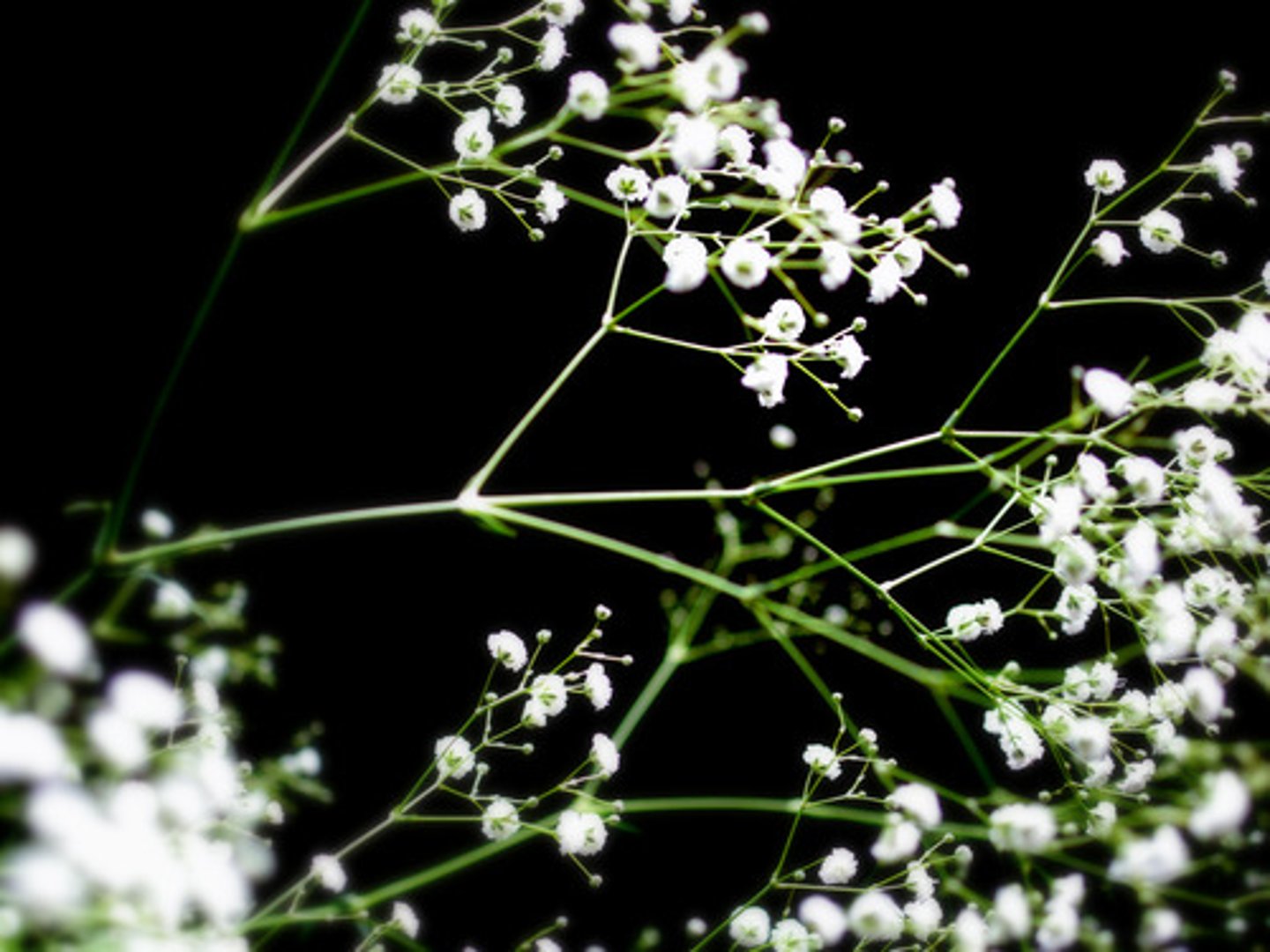
Baby's Breath (gypsophila)
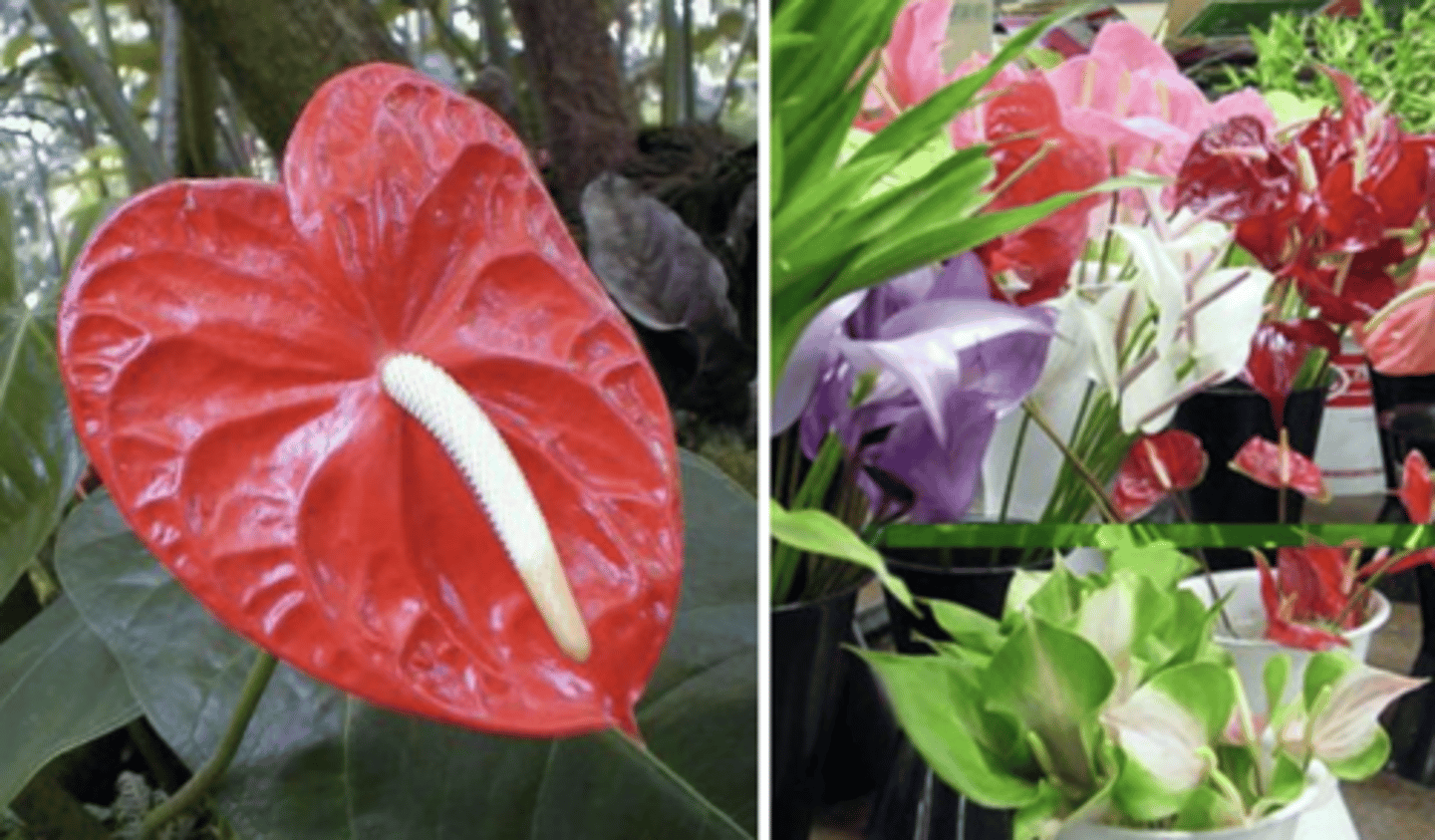
Anthurium, cut flowers
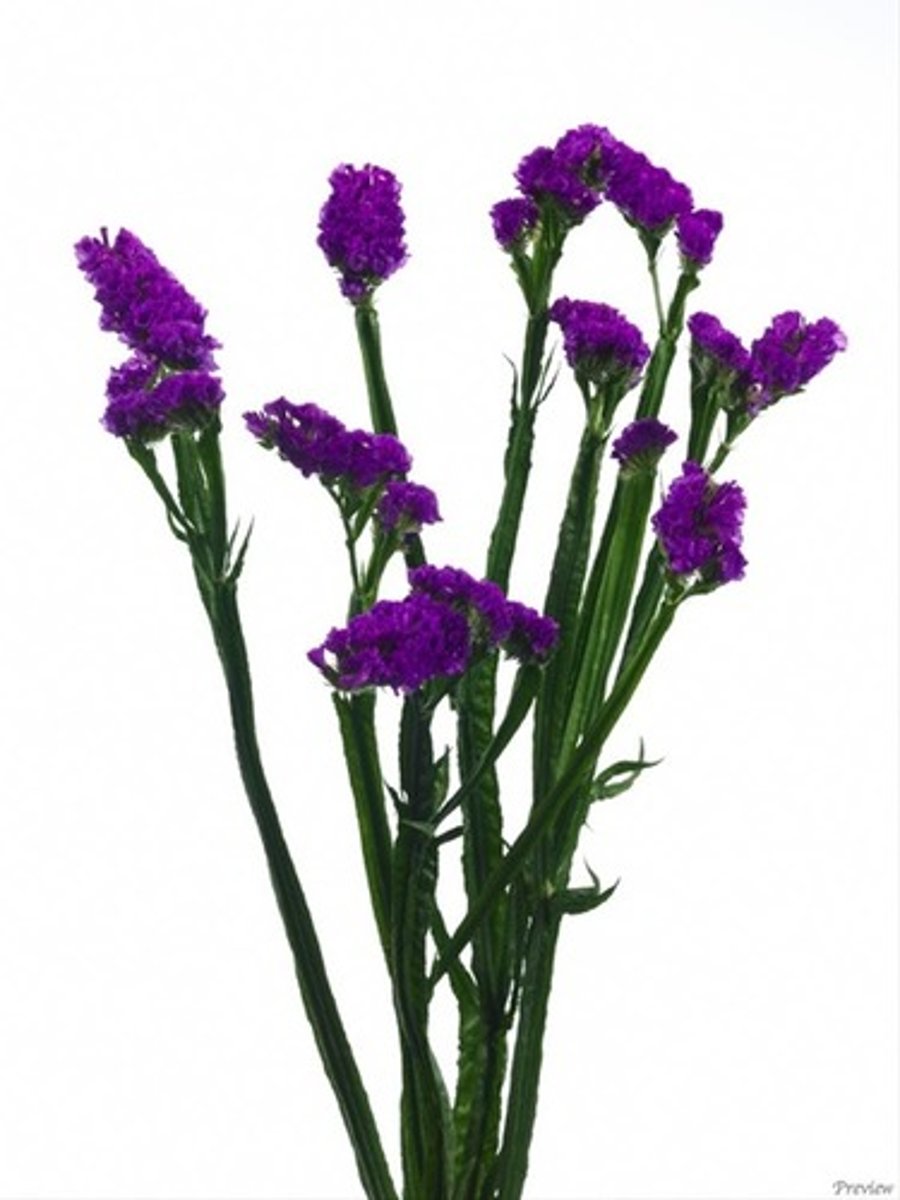
Limonium
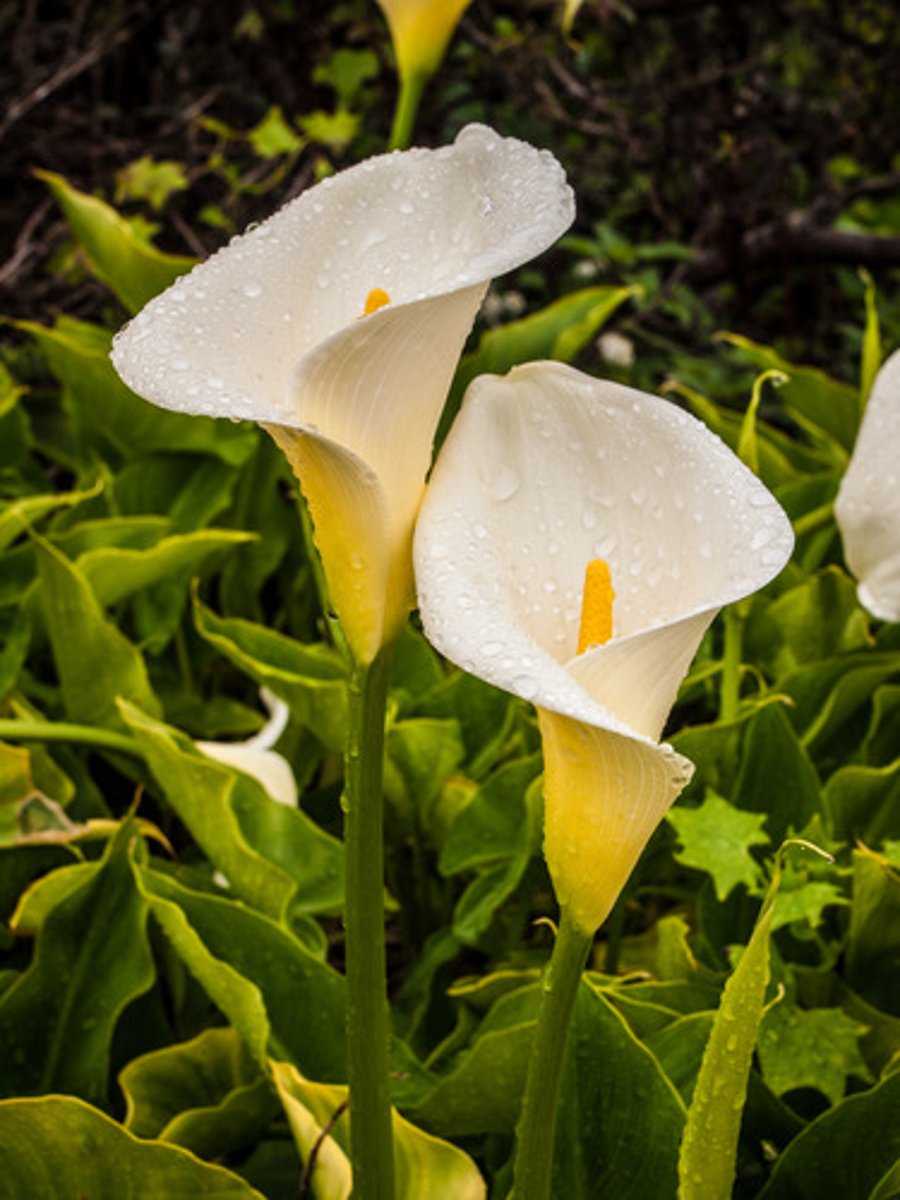
Calla Lily
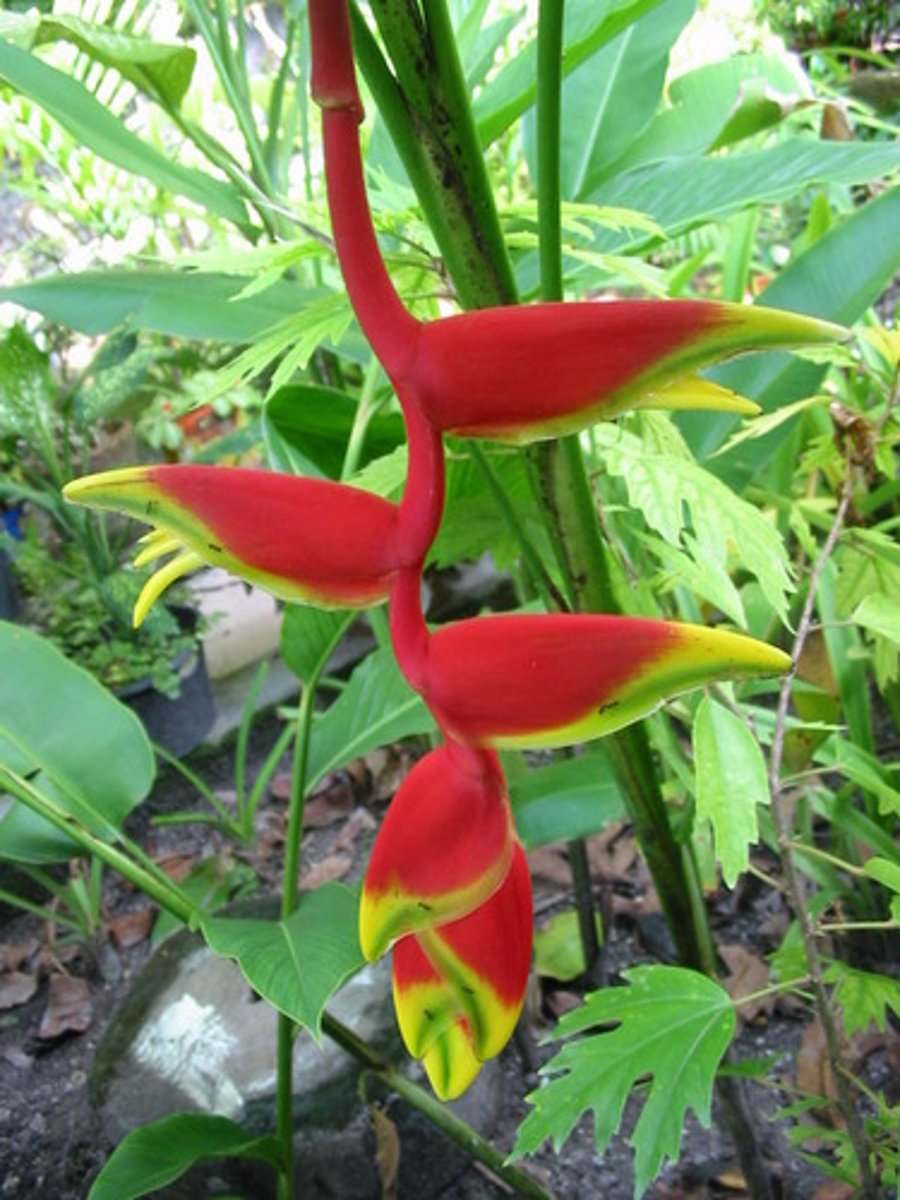
Heliconia
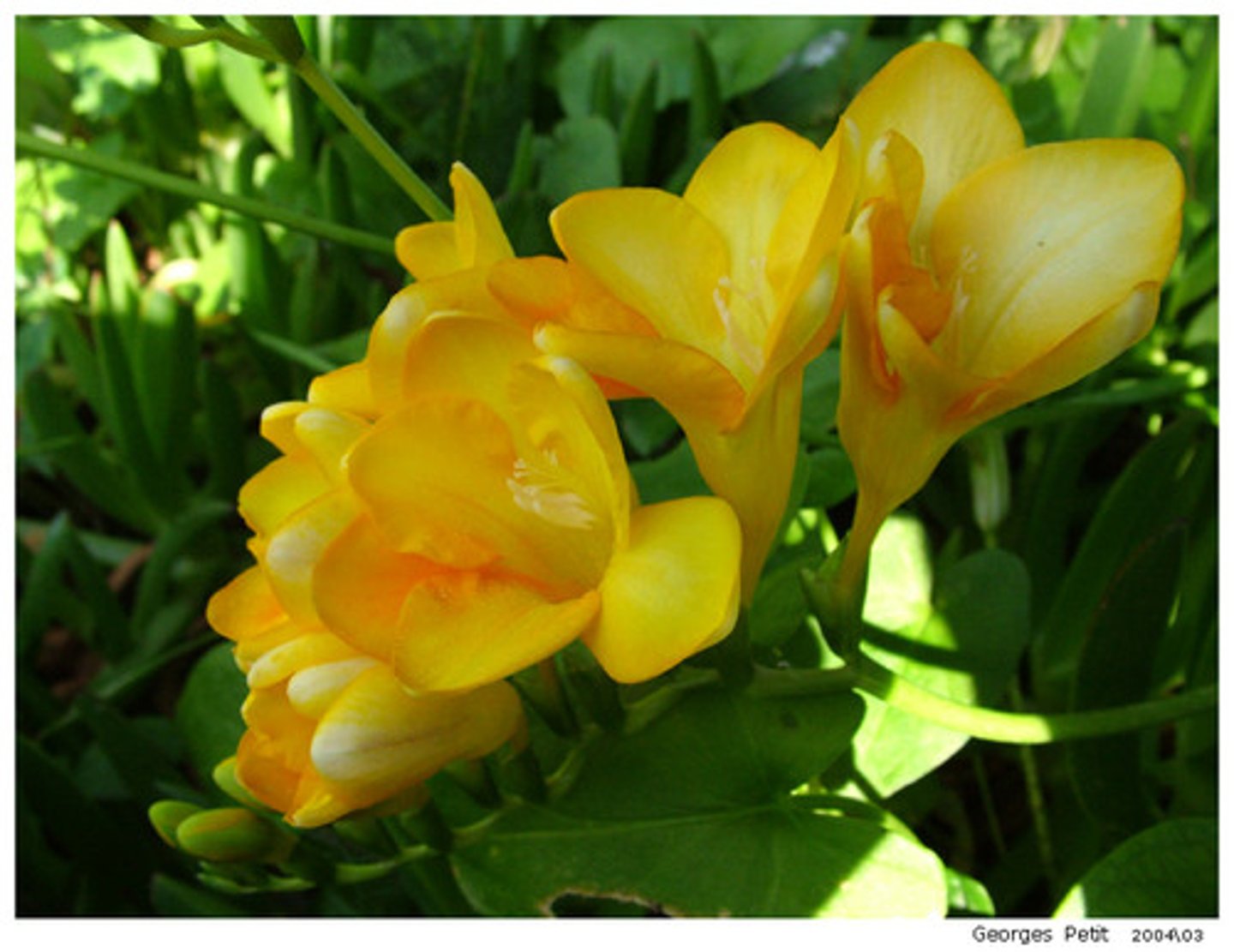
Freesia
Chamomile