IB Bio - Cells
 Call Kai
 Learn
Learn Practice Test
 Spaced Repetition
 Match
Match Flashcards
 Knowt Play
1/35

Earn XP
Description and Tags
not finished yet
Name | Mastery | Learn | Test | Matching | Spaced | Call with Kai | Chat |
|---|
No analytics yet
Send a link to your students to track their progress
36 Terms
unicellular organisms
single celled and carry out life functions independently
multicellular organisms
have specialized cells to carry out specific functions
three principles of cell theory
all living things are made of cells
cells are the smallest functional unit of life
cells can only be formed by division of pre-existing cells
how eukaryotes divide
mitosis and meiosis
how prokaryotes divide
binary fission
growth
the increase in mass and volume of an organism over time
metabolism
the sum of all chemical activity taking place within an organism to maintain life
movement
allows organisms to find food and shelter, avoid predation, and find mates in order to reproduce
response to stimuli
an organism’s reactions to environmental changes
reproduction
the process by which living organisms produce new members of their species
nutrition
chemical ingredients needed for growth, reproduction, and other processes
autotrophic
organism’s ability to produce their own food
excretion
process of removing built up waste from metabolism
homeostasis
an organism’s ability to maintain its internal environment despite changes in its external environment
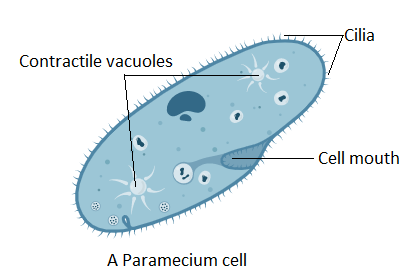
contractile vacuole
used to maintain osmolarity (solute concentration) in the cytoplasm
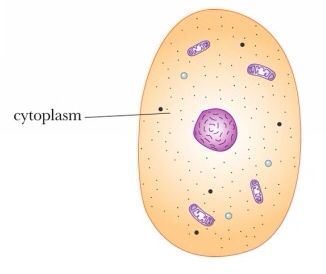
cytoplasm
watery solution that contains dissolved substances such as proteins and enzymes

ribosomes
responsible for synthesis of polypeptides by translation
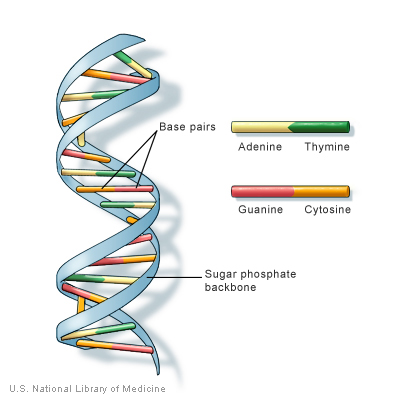
DNA
contains information required by the cell to carry out all processes (eg. growth, repair, and replication)
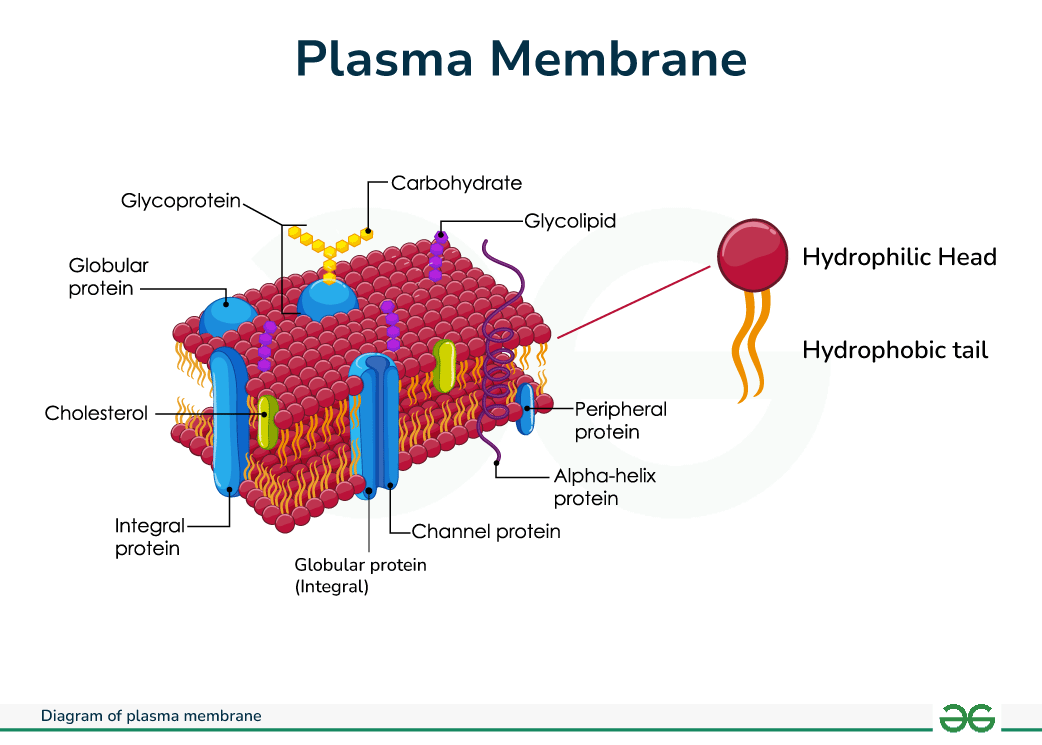
plasma membrane
separates the cell from its exterior environment. composed of a phospholipid bilayer and is semipermeable
advantage of a cell having no nuclei
maximizes the space they have in order to carry out their transportation responsibility
magnification formula
magnification = measured length / scale bar length
actual size
actual size = measured length / magnification
fluoresence
absorbance of light and re-emission at a longer wavelength
how do prokaryotic cell walls differ from eukaryotic cell walls
contains peptidoglycan
size of prokaryotic ribosomes
70S
size of eukaryotic ribosomes
80S
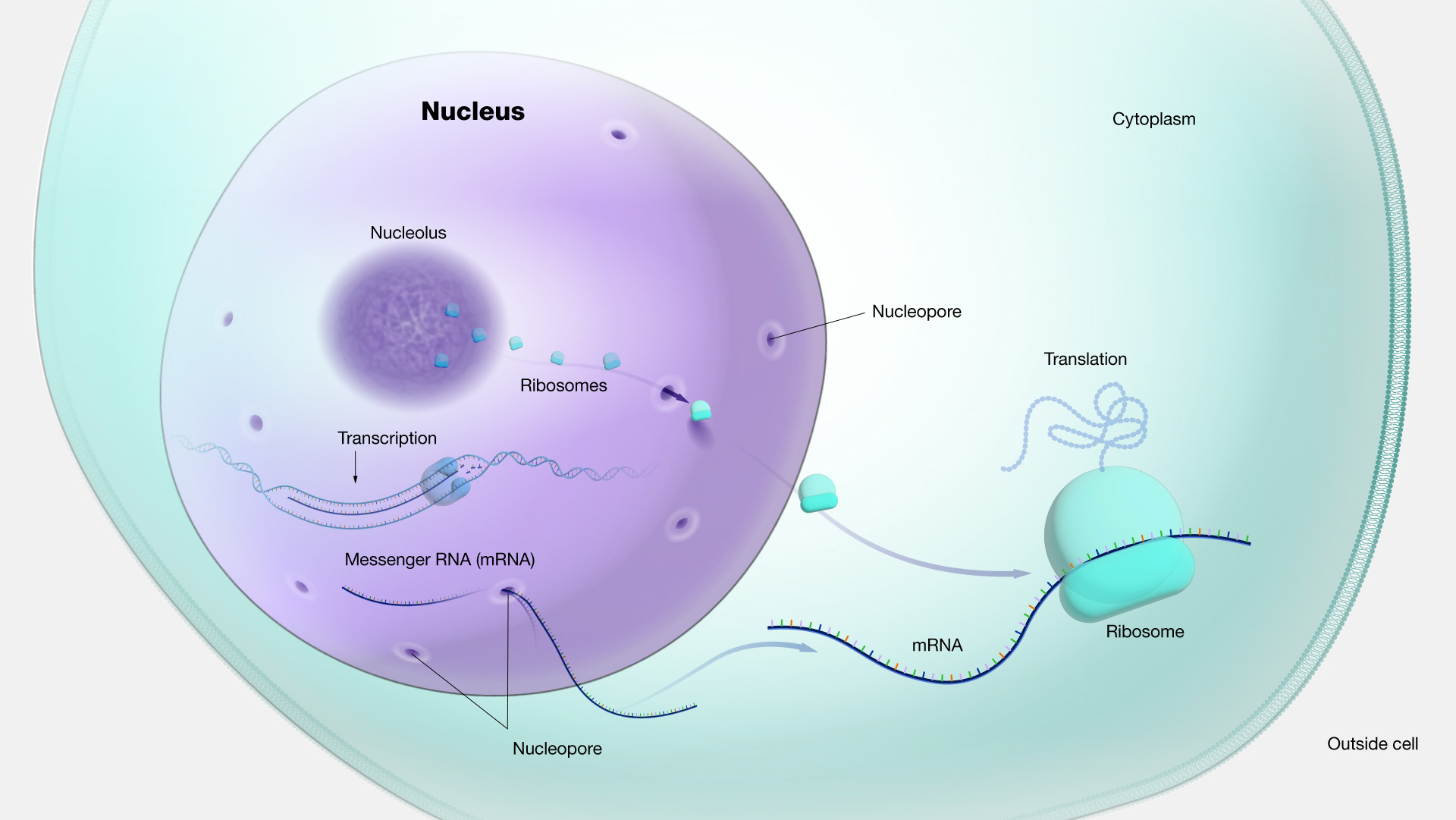
nucleus
holds cell’s chromosomes and has a double membrane with pores
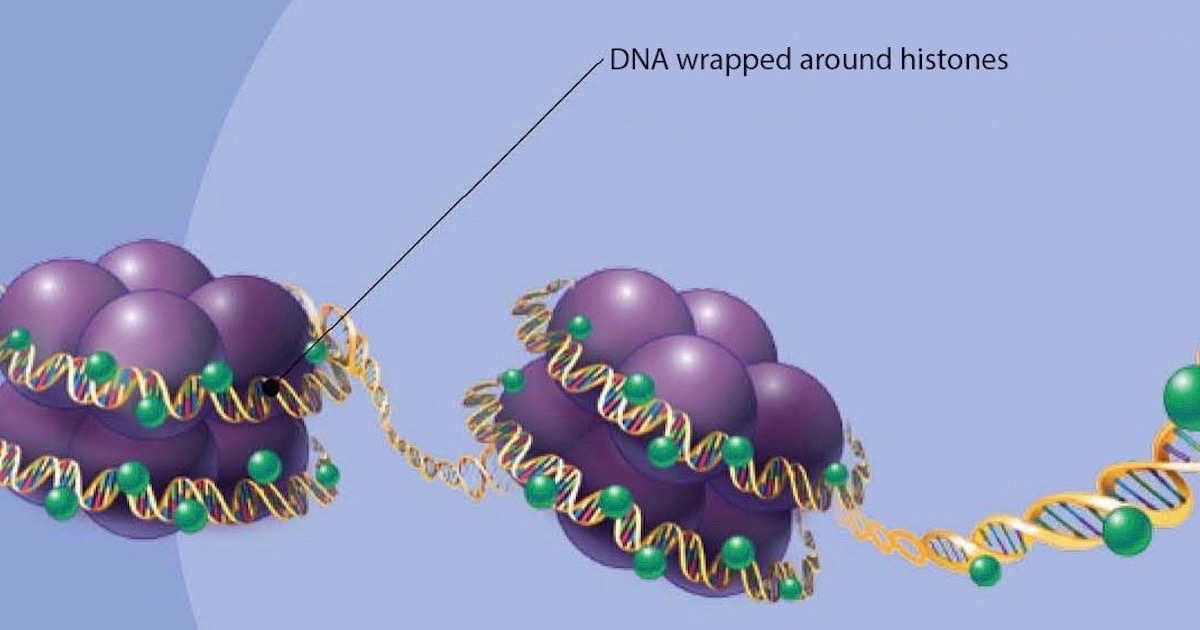
what is eukaryotic DNA associated with
proteins — histones

plastids
a family of organelles with two outer membranes and internal membrane sacs — plants only
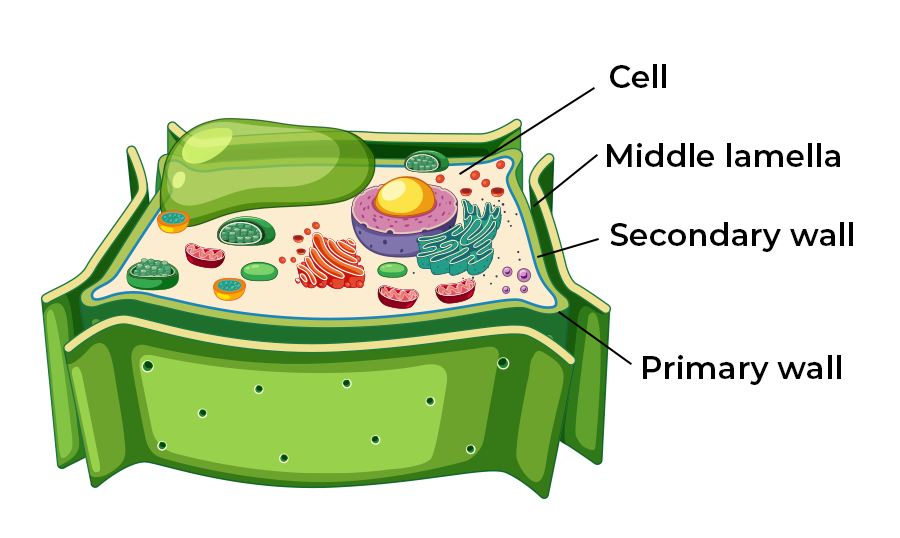
cell wall
a rigid layer outside the plasma membrane - fungi and plants
vacuole
a flexible fluid-filled compartment surrounded by a single membrane

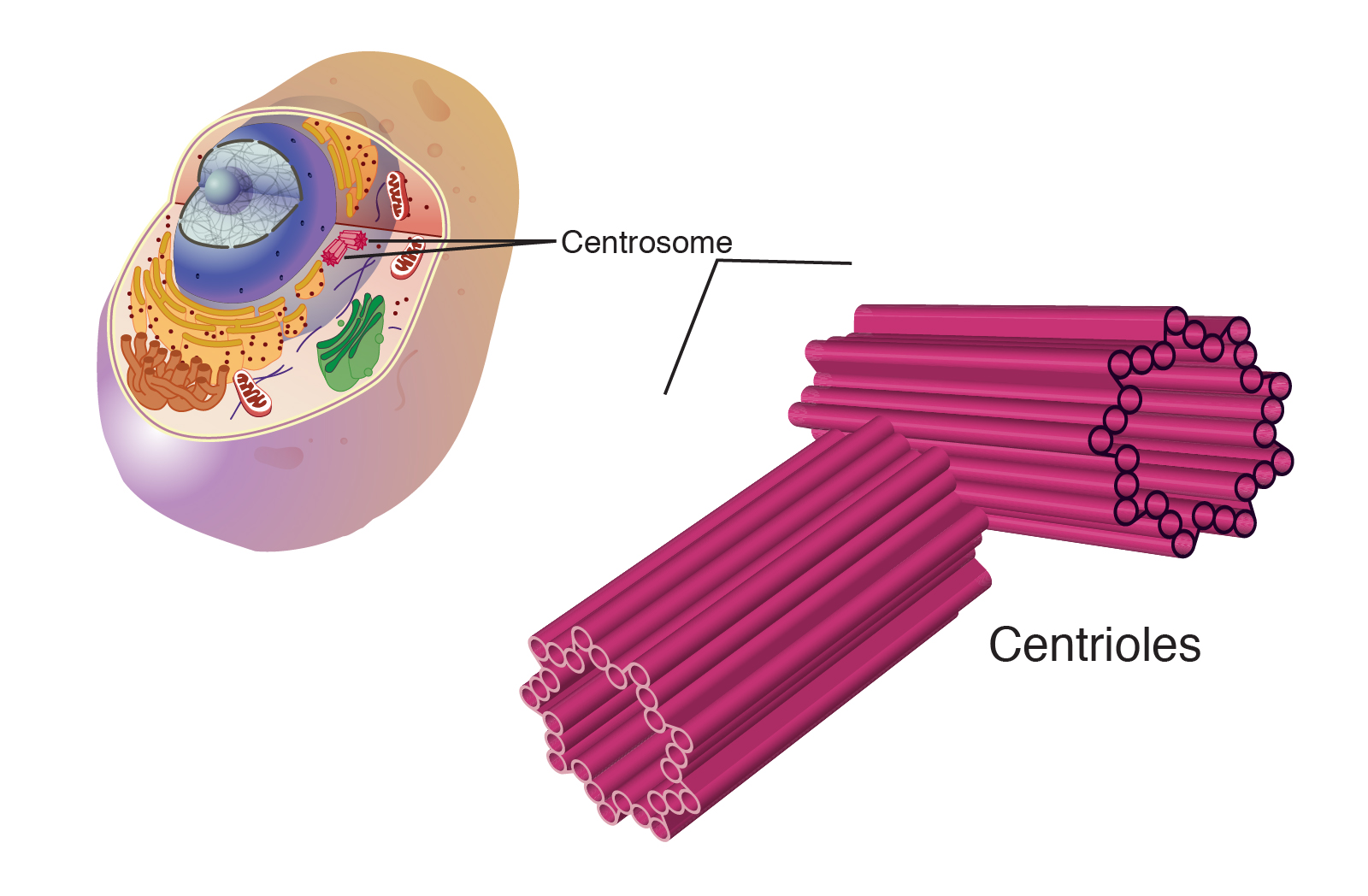
centrioles
cylindrical organelles that organize assembly of structures composed of microtubules
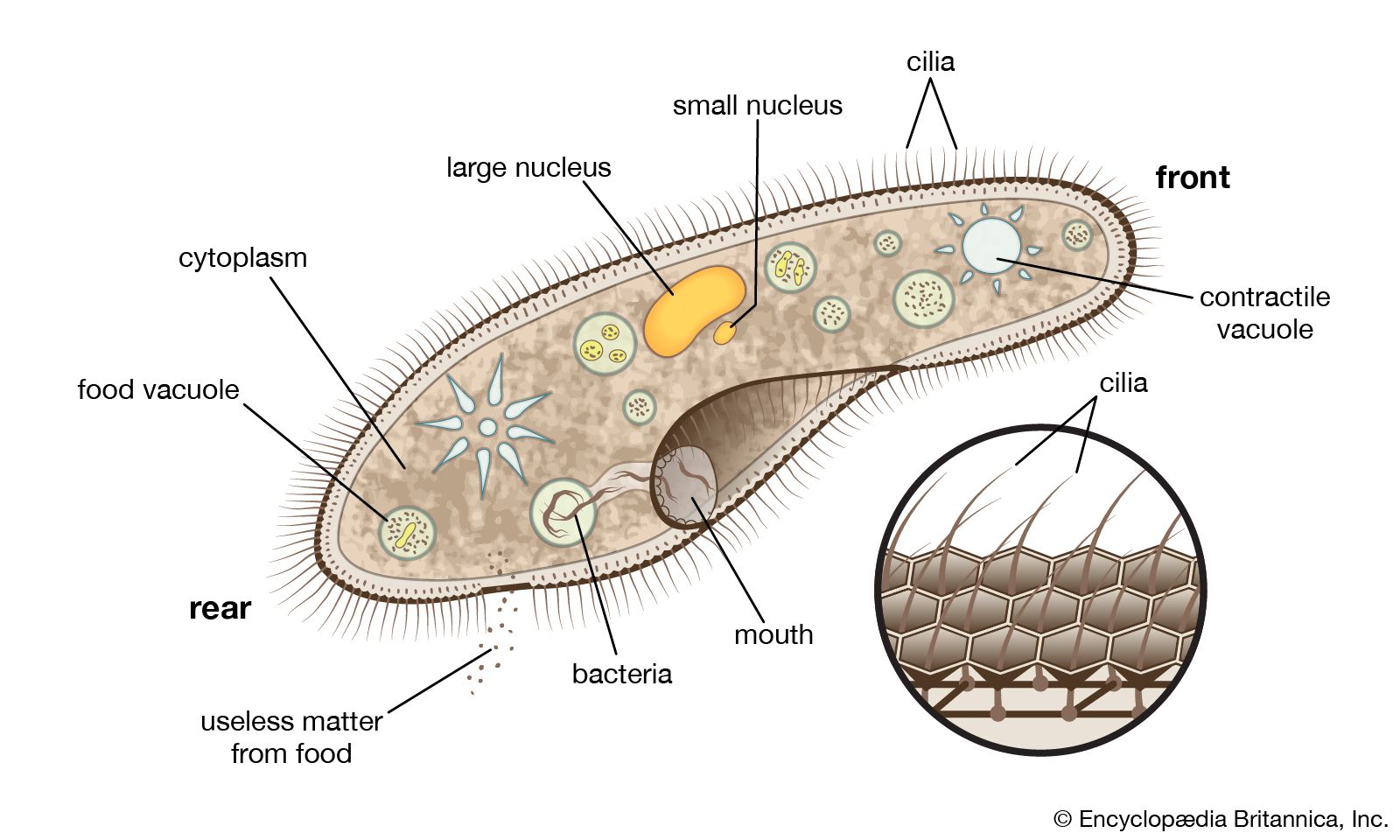
undulipodia
cilia and flagella used to generate movement of a cell or fluid adjacent to a cell
organelle
structure that is adapted to perform one or more vital functions in a cell
exocytosis
moving out of the cell membrane
endocytosis
moving into the cell membrane