1.1 - 1.3 Intro to Cell Structure
 Call Kai
 Learn
Learn Practice Test
 Spaced Repetition
 Match
Match Flashcards
 Knowt Play
1/15

There's no tags or description
Looks like no tags are added yet.
Name | Mastery | Learn | Test | Matching | Spaced | Call with Kai | Chat |
|---|
No analytics yet
Send a link to your students to track their progress
16 Terms
cell
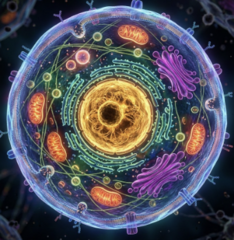
Cells are the smallest unit of life. All cells have a cell membrane, cytoplasm, ribosomes and genetic material (DNA).
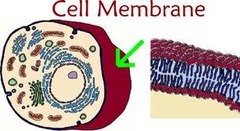
cell membrane
Covering that surrounds the cell and controls what enters/exits the cell.
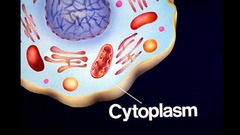
cytoplasm
sits between the outer cell membrane and the nucleus (if present), holding all the internal parts and organelles (if present) in place
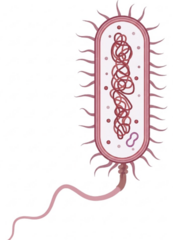
Prokaryotic cell
do not have a nucleus nor membrane-bound organelles; only bacteria
Eukaryotic cells
have a nucleus and organelles; Animals, Plants, Fungi, Protists

organelles
Complicated structures that do many jobs inside cells; are membrane bound
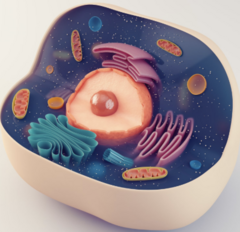
nucleus
a membrane-bound organelle that functions as the control center of the cell. It holds the genetic material (DNA) and directs the cell's day-to-day activities.

ribosomes
structures that make proteins in all living cells.

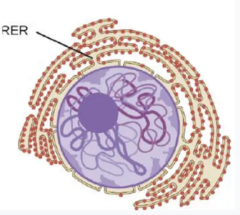
Rough Endoplasmic Reticulum (RER)
a continuous membrane system covered with ribosomes. It acts as the cell's primary factory floor for manufacturing and processing proteins.
mitochondria
release energy through cellular respiration which converts nutrients into usable chemical energy.

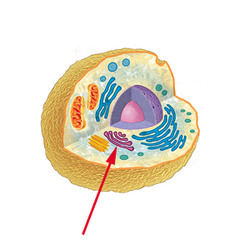
Golgi apparatus
modifies, packages, and routes proteins
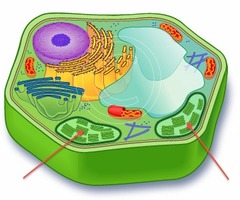
chloroplasts
found only in photosynthetic cells (such as plants); convert light energy into chemical energy during photosynthesis
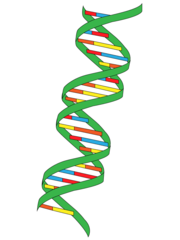
DNA
Genetic material given from parents to offspring; the instructions for making new cells
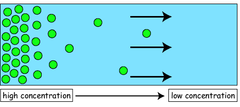
Diffusion
the net movement of particles from an area of high concentration to an area of low concentration.
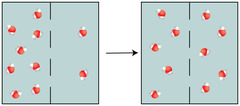
equilibrium
when particles become evenly spread between two areas
Concentration Gradient
difference in concentration between two areas
