Sedimentary rocks
 Studied by 0 people
 Call Kai
 Learn
Learn Practice Test
 Spaced Repetition
 Match
Match Flashcards
 Knowt Play
1/72

There's no tags or description
Looks like no tags are added yet.
Name | Mastery | Learn | Test | Matching | Spaced | Call with Kai |
|---|
No study sessions yet.
73 Terms
What constitutes the rocks which form the earth’s crust?
“The combination of several minerals constitutes the rocks which form the earth's crust
into how many major groups are rocks classified? Name them
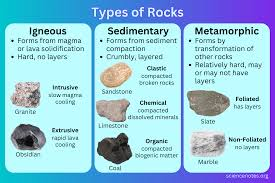
Rocks are classified into 3 major groups: sedimentary rocks, igneous rocks and metamorphic rocks.

Where are sedimentary rocks formed?
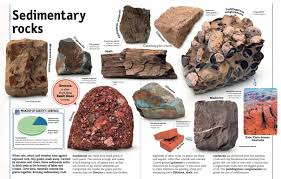
Sedimentary rocks are formed on the Earth's surface, in oceans, seas, lakes and rivers.
What are sedimentary rocks also called?
Also called exogenous rocks…
What percentages describe sedimentary rocks in the crust and outcrops?
These rocks make up 5% of lithospheric rocks, but occupy 75% of outcrop rocks on the continents
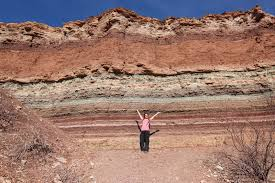
How are sedimentary deposits usually arranged?
They are most often found in horizontal deposits (stratifications): layers or strata
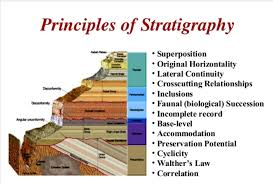
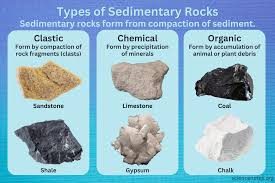
How are sedimentary rocks classified according to their origin?
detrital origin; chemical origin; biological origin; residual sedimentary rocks
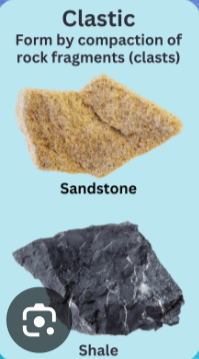
Define detrital origin (sedimentary rocks)
Detrital origin: they result from the accumulation of mineral debris and rocks torn by erosion from other outcropping rocks: these are detrital or terrigenous rocks.
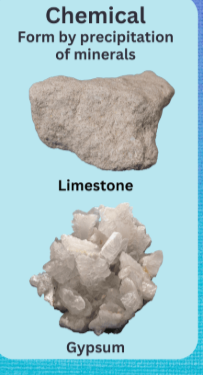
Define chemical origin (sedimentary rocks)
Chemical origin: they come from the precipitation of chemical elements present in sea water or transported in solution following the phenomenon of weathering
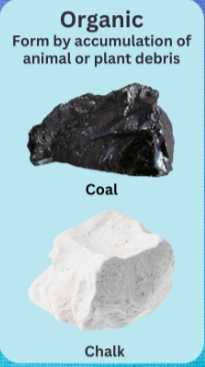
Define biological origin (sedimentary rocks)
Biological origin: this group includes rocks whose origin is linked directly or indirectly to the intervention of living organisms present in the sea
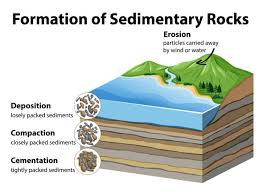
What are the four processes involved in the formation of sedimentary rocks?
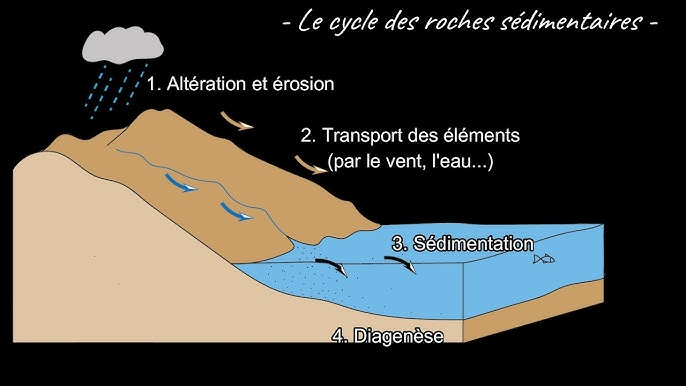
Four processes are involved in the formation of sedimentary rocks: alteration and/or erosion (1), transport (2), deposition or sedimentation (3), diagenesis (4)
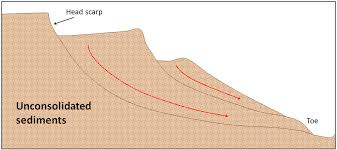
What is a sediment?
Sediment: unconsolidated material
What is a sedimentary basin?
A sedimentary basin is a depression, a basin (a large hollow) in the earth's crust which collects sediments which will then transform into sedimentary rock

Define alteration (erosion)
Set of physical (erosion), chemical and biological processes which result in the degradation of surface rocks.
What is mechanical alteration (erosion)?
Mechanical alteration (erosion): Fragmentation of the rock into particles of different sizes without modifying the initial mineralogical and chemical compositions
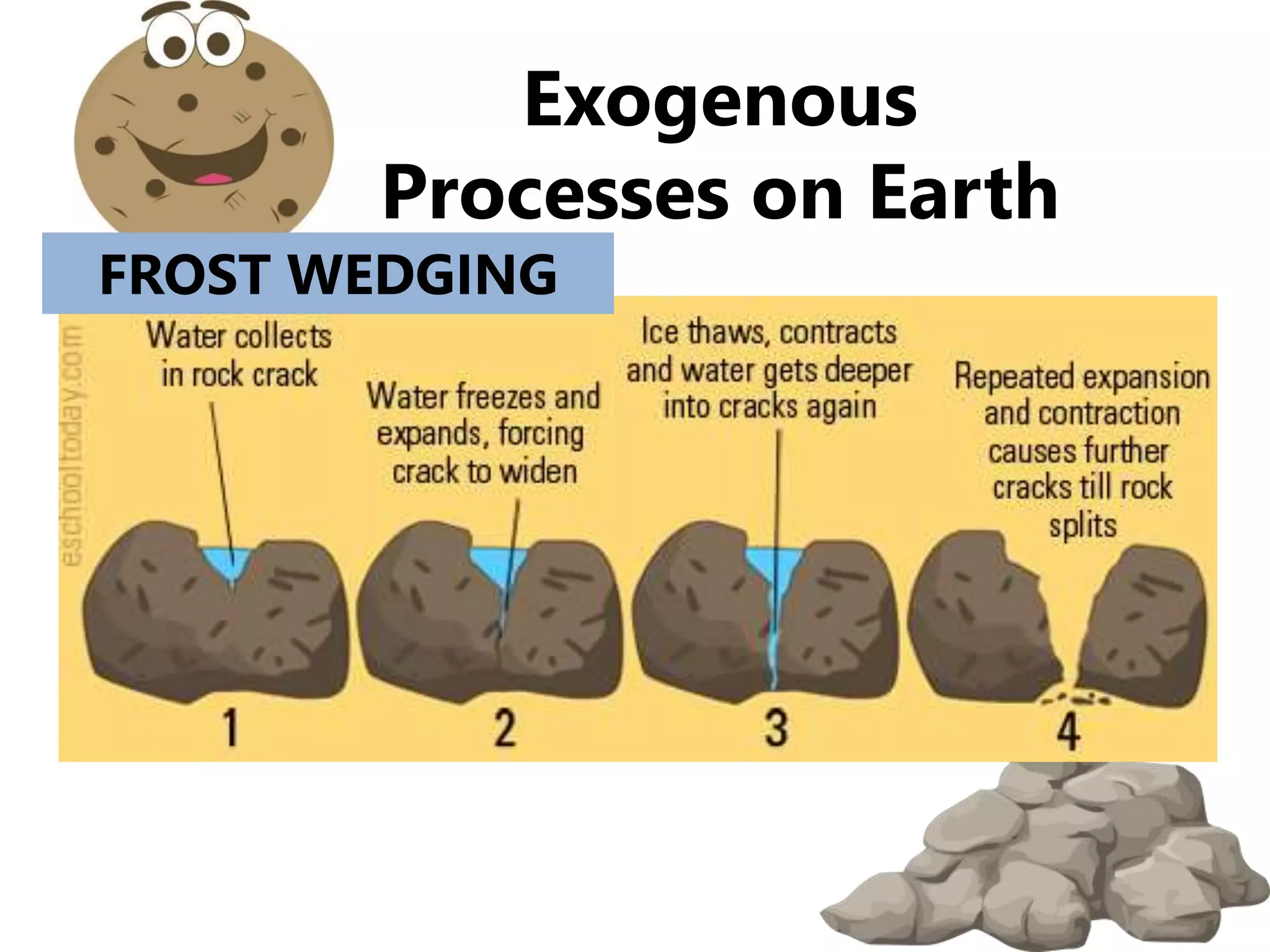
What is cryoclasty
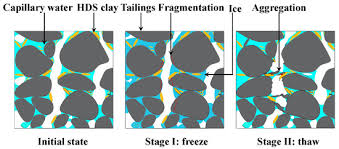
Cryoclasty: alternation of expansions and retractions of pore water under the effect of freeze/thaw cycles
What is thermoclasty?
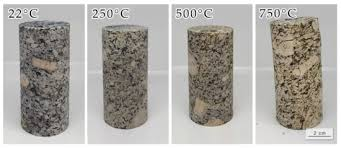
Thermoclasty: only temperature changes create tensions in rocks
Define erosion.
Erosion means destruction, mechanical degradation of rocks which occurs under the action of a physical force which tears away fragments of rocks.
What is transport?
Water (via rivers) is the main agent of transport. Glaciers can also transport large masses of fragments and rock blocks. Wind can also move fine particles (sand, clay) over large distances.
What is sedimentation (deposit)?
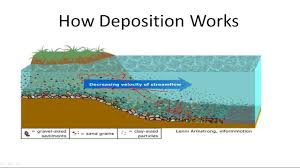
The particles, or sediments, are deposited in sedimentation basins at the bottom of the seas and oceans to form deposits in successive, more or less horizontal layers.
What is diagenesis?
It is the set of physicochemical phenomena which transform a sediment into a coherent rock: the sedimentary particles are cemented to each other.
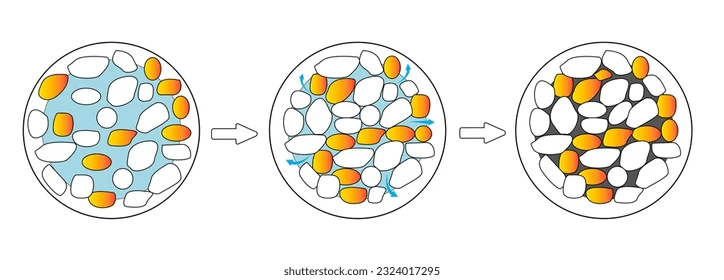
What are the two stages of diagenesis?
The diagenesis of a sediment occurs in two stages: compaction and cementation
What is the mineralogical composition of terrigenous particles of sedimentary rocks made up of?
quartz, feldspar, rock fragments, and clay minerals.
How are sedimentary rocks classified according to their origin?
detrital origin; chemical origin; biological origin; residual sedimentary rocks
Define rocks of detrital origin (clastic)
Siliceous rocks formed by the accumulation of debris… torn by erosion from pre-existing rocks
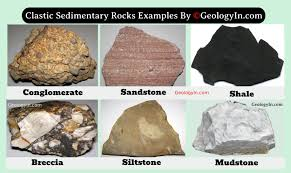
Detrital rocks can be what (state)?
crumbly (sands) or consolids (sandstones)
On what is the classification mainly based?
particle size… and also… compactness
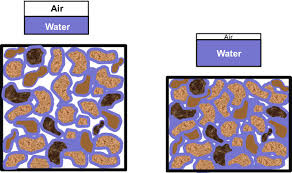
Two important sizes to remember (key numbers)?
0.063mm and 2mm
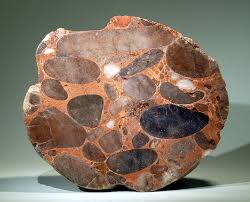
If grain size is > 2 mm, what is the rock called?
conglomerate
What is a finer grained rock called (compared to conglomerate)?
sandstone
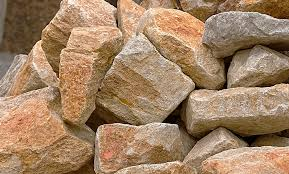
If grains are too fine to be visible to the naked eye, what rocks are they?
clay rocks.
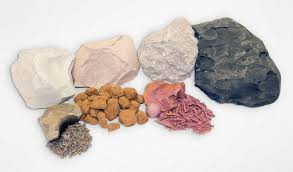
Granulometric classification: >2 mm corresponds to what?
rudite” (blocks/pebbles/gravel) → consolidated: “conglomerates (breccia).
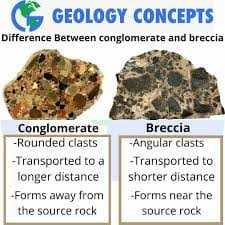
Granulometric classification: from 2 mm to 63 µm corresponds to what?
arenite… sand… sandstone
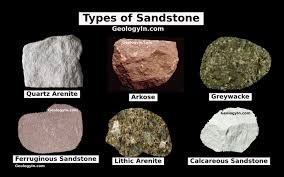
Granulometric classification: <63 µm corresponds to what?
lutite… mud… silt / clay… mudstone / siltstone / claystone
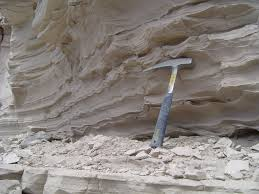
table reminder
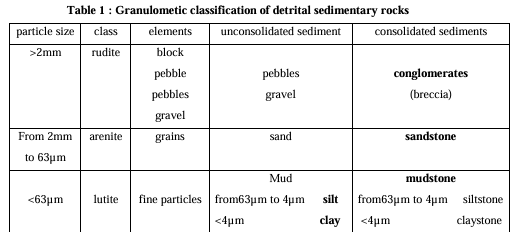
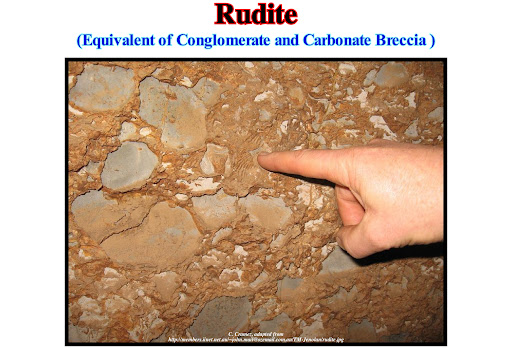
Loose rudites are formed from what?
unconsolidated rock debris… minor transport (blocks, pebbles, gravel).
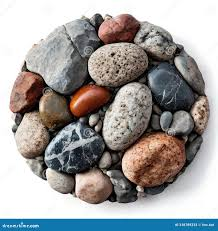
Consolidated rudites (most important) are called what?
conglomerates” (blocks/pebbles joined together with cement)
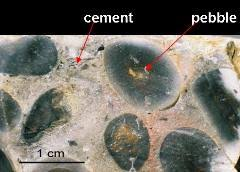
Puddings vs breccias (shape of elements)?
Puddings: elements are rounded” / “Breccias: elements are angular.
Loose arenites are what?
sands… made up of isolated minerals (quartz)
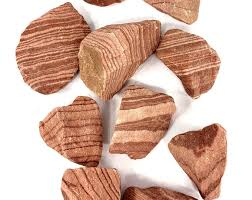
Consolidated arenites are what + how formed?
sandstones… ancient sands whose grains were cemented during diagenesis.
Nature of sandstone cement can be what?
siliceous, pelitic, ferruginous or limestone.
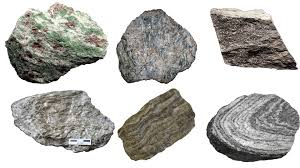
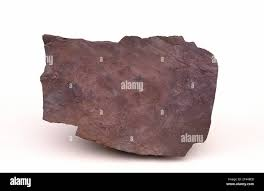
Lutites are what?
old muds consolidated by compaction… very often clayey
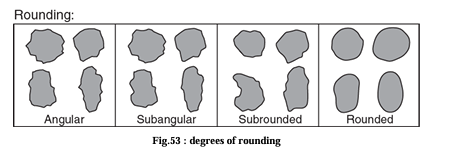
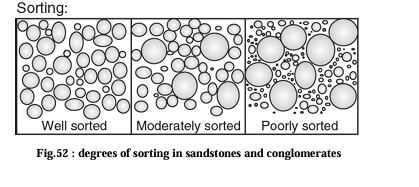
Besides grain size, what 2 textural parameters are examined?
roundness” and “sorting.
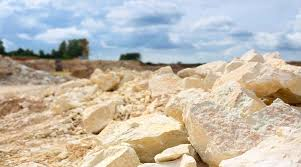
Limestone is primarily formed by what?
precipitation of carbonate minerals (primarily calcite (CaCO3)… may include dolomite… aragonite) in a shallow-water tropical marine environment.
Precipitation of CaCO3 has two main causes?
one physico-chemical… and the other biochemical
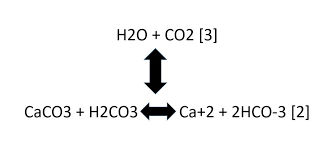
Carbonate balance reaction (to remember)?
Ca²⁺ + 2HCO₃⁻ ↔ CaCO₃ + H₂O + CO₂
Main limestone types listed (must know)?
Micro-granular; Nodular; Oolitic; Pisolithic; Travertins.
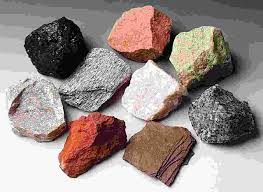
Oolitic vs pisolitic limestone (key difference)?
Pisolithic: diameter “greater than that of an oolite (> 2 mm

Travertins form where + typical texture?
at the emergence of limestone springs… vacuolar or cavernous rocks
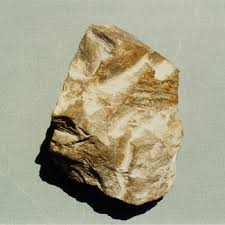
Define dolostone (threshold).
carbonate sedimentary rock composed of at least 50% dolomite mineral CaMg(CO3)2.
Evaporitic rocks: general description + how formed?
enerally white and slightly friable… formed by the evaporation of sea water… called salt rocks
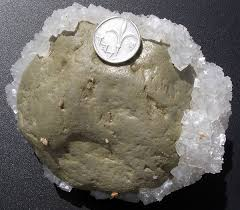
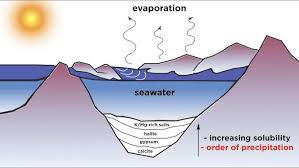
Evaporitic rocks examples + formulas
Gypsum (CaSO₄·2H₂O), Anhydrite (CaSO₄), Halite/rock salt (NaCl).
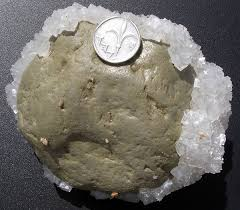
Phosphate rocks: where do they form + key mineral + %?
very confined sedimentary basins… significant evaporation (lagoons, sebkha, wadis)… containing up to 70% phosphate… apatite (Ca5(PO4)3(OH, Cl, F))
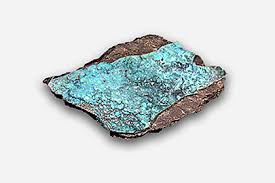
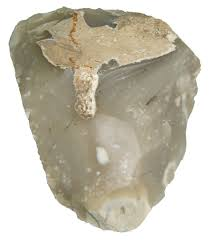
Flint (chemical siliceous): where found + structure?
found in limestone and chalk… irregular kidneys… core rich in chalcedony… cortex rich in calcite
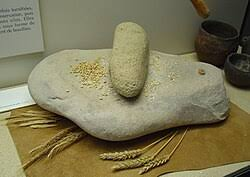
Millstones (chemical siliceous): what are they?
ancient siliceous limestones… calcite dissolved and leached… siliceous framework with a cavernous appearance
Folk classification (1959): carbonates divided into what two groups?
Allochemical rocks” and “Orthochemical rocks
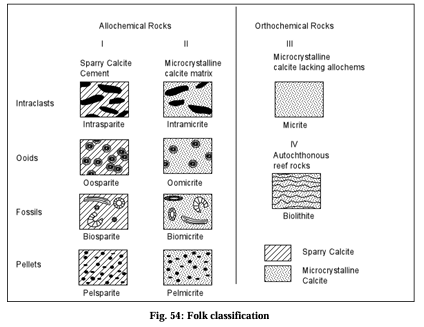
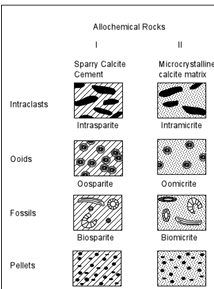
Allochemical (allochemical) rocks are what?
contain grains brought in from elsewhere… mainly limestone… formed largely by shells or pieces of shells
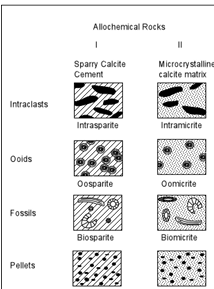
Allochem grains may consist of what?
fossiliferous material, ooids, peloids, or intraclasts
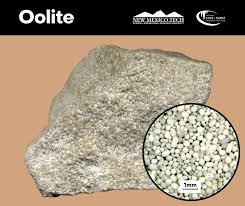
Define ooids + max diameter + rock name
spherical or ellipsoidal… diameter of 2 mm… concentric structure… rock composed of ooids is called oolite
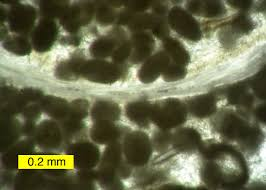
Define peloids
fine-grained… devoid of recognizable internal structure
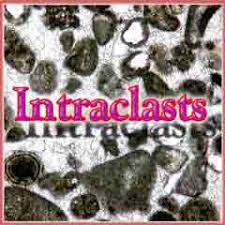
intraclasts
sediment… eroded and reworked… form new grains
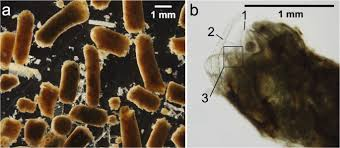
pellets
40 to 80 µm… fecal origin
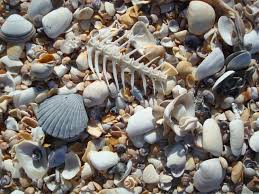
bioclasts.
remains… of limestone-building organisms
Size rule: Allochems are elements more than what size?
more than 0.5 mm in diameter.
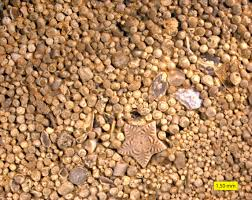
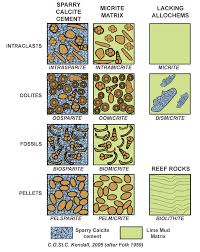
Micrite vs sparite (definitions + size)
Micrite: “microcrystalline calcite… crystals <5 µm.”
Sparite: “sparitic calcite , crystals >5 µ, (10 to 100 µm),cement, filling pores
Folk naming rule (prefix + suffix) + example.
Prefix = “figured element (Oo-, intra, Pel, Bio)” + suffix = “binder (micrite, sparite)” → example “Biosparite.

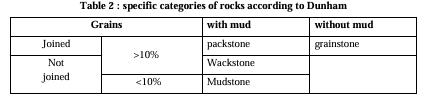
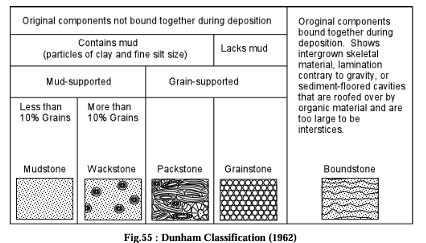
Dunham Classification (1962): based on what 3 criteria?
presence/absence (less than 1%) of carbonated mud (<20 µm)
proportion of grains (>20 µm)
joined or not joined arrangement
Dunham: joined vs not joined (definitions)
Joined: grains “constitute the framework.”
Not joined: grains “float in the cryptocrystalline paste
Dunham rock categories + key definitions.
Mudstone “<10% figured elements”;
Wackstone “>10% figured elements”;
Packstone “joined with little carbonate mud”;
Grainstone “>10%… with sparite”;
Boundstone “limestone built.”
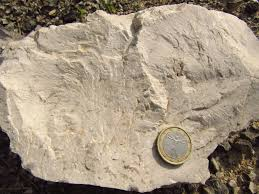
Carbonate rocks of biological origin: key examples
Constructed limestones;
Entroque limestones;
Shell limestones (Lumachelle);
Limestone with foraminifera (Nummulites, Fusulines, chalk).
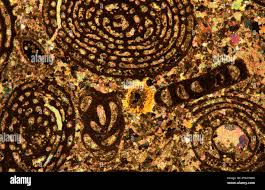
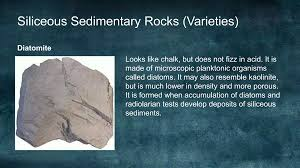
Siliceous (non-detrital) rocks of biological origin: examples + key note
Radiolarites (often red due to iron oxides) and Diatomites (white, light, friable).
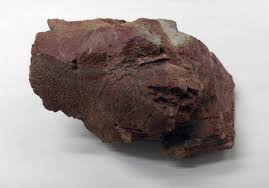
Combustible sedimentary rocks of biological origin: oil vs coal (origin)
Oil: “fine clayey sediments… organic molecules… phytoplankton.”
Coal: “continental plant debris… richer in lignin… e.g. lignite.
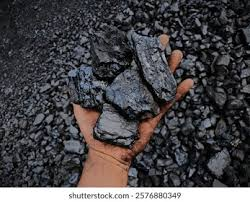
Residual and alteration rocks: examples.
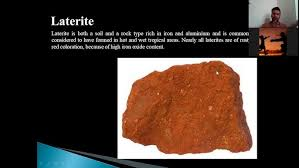
Bauxites” and “Ferric laterites