Pathology finals - CELLS
 Call Kai
 Learn
Learn Practice Test
 Spaced Repetition
 Match
Match Flashcards
 Knowt Play
1/60

Name | Mastery | Learn | Test | Matching | Spaced | Call with Kai | Chat |
|---|
No analytics yet
Send a link to your students to track their progress
61 Terms
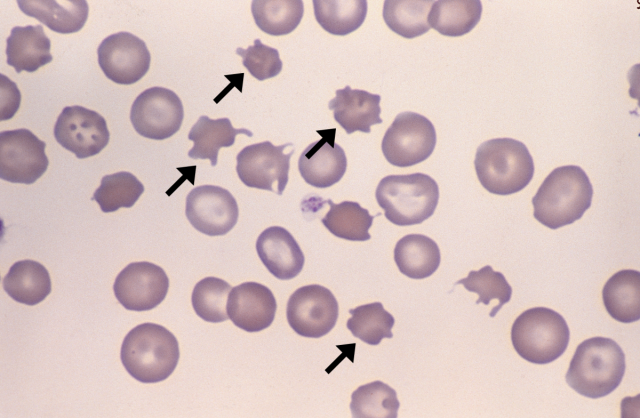
ACANTHOCYTES
Spherical cells have blunt-tipped or club shaped spicules (3-12)
They are linked to liver ds and lipid metabolism disorders
Asymmetrical/irregular spicules
POIKILOCYTES
Are broad term for erythrocytes with Abnormal shapes, which can be subclassified based on specific shape changes
Some shapes have unique diagnostic significance, while others are more non-specific

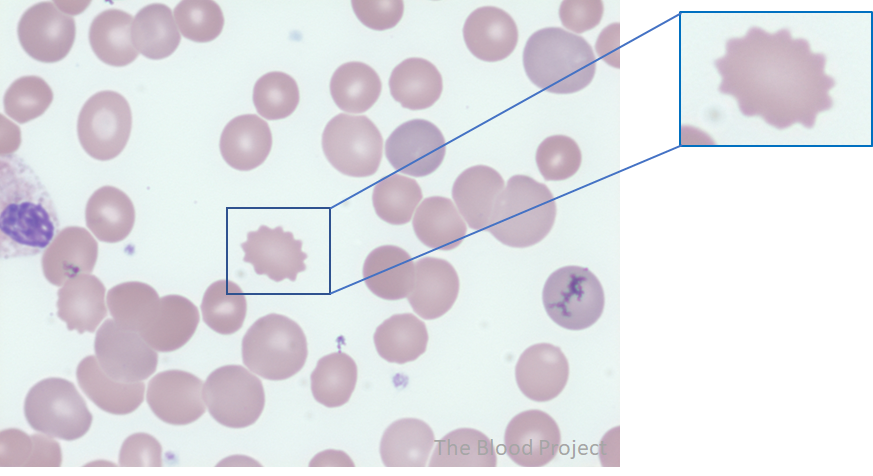
ECHINOCYTES
Spiculated RBC’s, also known as crenated or “Burr” cells; have sharp spicules
Can be an artifactual change seen in stored or “old” blood
Evenly spaced/uniform spicules
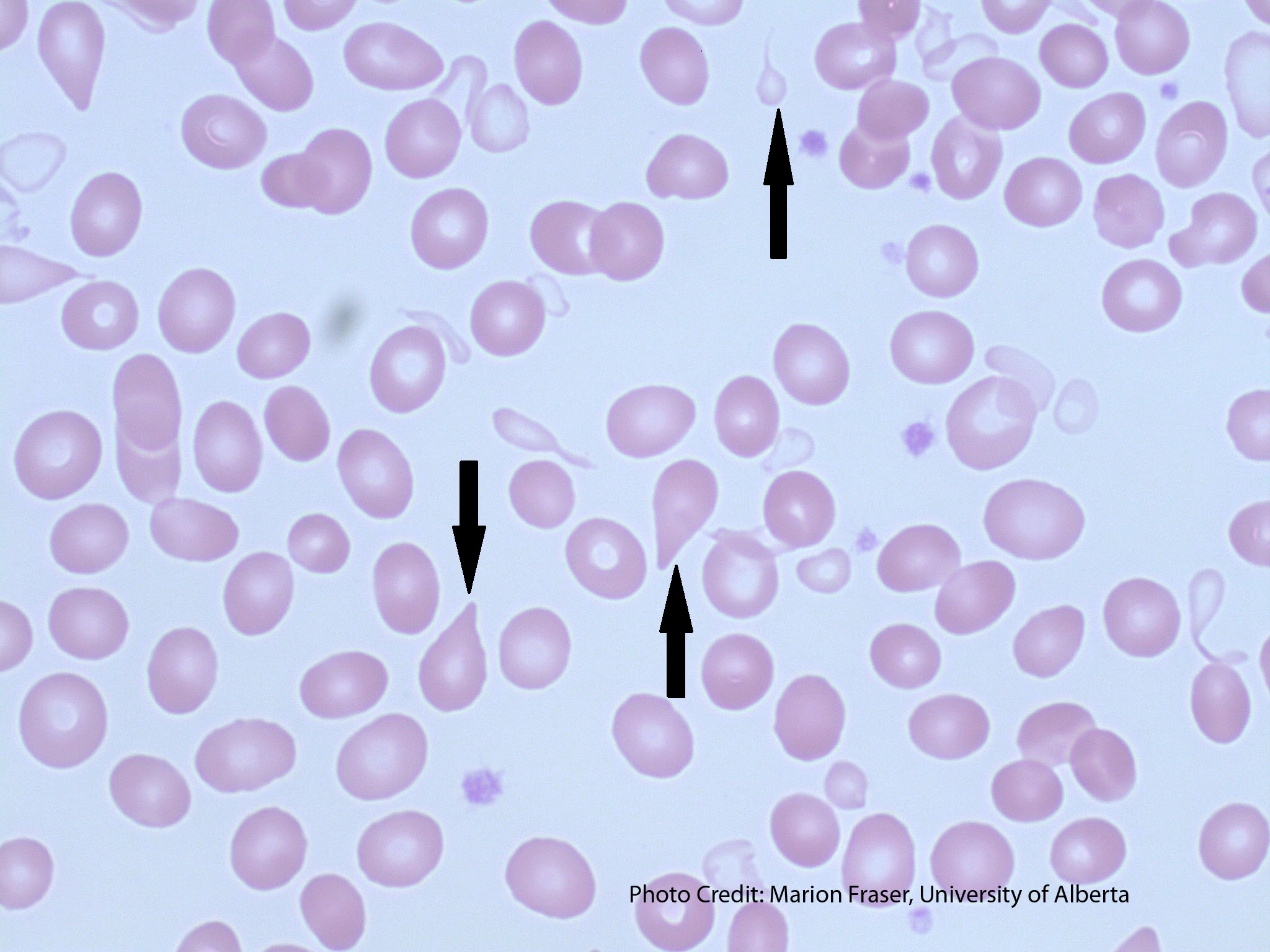
DACROCYTES
Tear drop cell associated with fibrotic states of marrow, hemolytic anemia and drug reaction such as phenothiazine and chloramphenicol
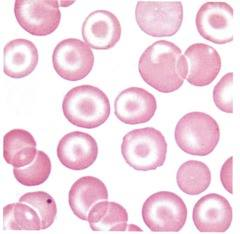
CODOCYTES / LEPTOCYTES
Have a normal central pallor resembling a “Bullseye”
They develop from excess membrane and decreased hemoglobin
Associated with iron deficiency anemia, obstructive liver disease and Cirrhosis

SCHIZOCYTES
Fragmented red cells/ mechanical injury; Trapping of rbc’s in the circulation by fibrin (ex. thrombosis)
Common in DIC (Disseminated intravascular coagulation), iron deficiency anemia
Normal in young ruminants

DREPANOCYTES
Sickle cells
Associated with certain blood parasites such as malaria and in trypanosomiasis recessive gene defect in humans
Normal in deer

ELLIPTOCYTOSIS
Elongated red blood cells
They are 3 types of elongated red blood cells
Type I: Slightly oval shaped (formerly ovalocyte)
Type II: Rounded to oval-shaped
Type III: Elongated elliptical
The distinction among these types is not clinically relevant, though some forms may occur may frequently in certain disease

SPHEROCYTOSIS
Indicates presence of red cells with increased central thickness
Causes include membrane depletion, accelerated red cell aging, resulting from pathological processes such as in immunohemolytic anemia

ERYTHROCYTOSIS / POLYCYTHEMIA
Refers to an increase in red cell mass
It indicates elevated packed cell volume and hemoglobin concentration
Regenerative
Non-regenerative anemia
Give 2 classification of anemia
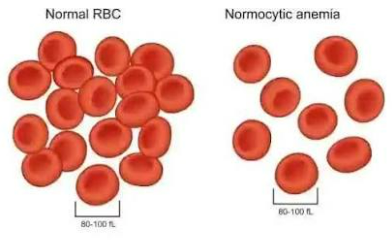
NORMOCYTIC
In anemia it is the term for normal size
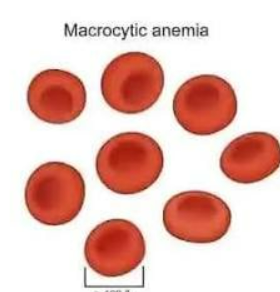
MACROCYTIC
In anemia, it is the term for abnormally large cells
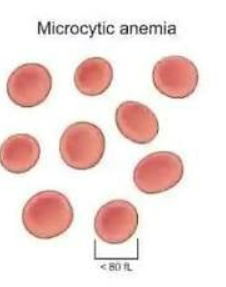
MICROCYTIC
In anemia, it is the term for abnormally small size
HEMORRHAGE (BLOOD LOSS)
HEMOLYSIS (RBC DESTRCUTION)
Under regenerative anemia what are the 2 classification
Trauma, perforation, coagulopathy rodenticide toxicity - ACUTE
May eventually become non-regenerative. ex: GI bleeding - CHRONIC
2 types of blood loss (hemorrhage)
Non-immune membrane damage
Phagocytosis
Immune mediated destruction (IMHA)
3 types of blood destruction (Hemolysis)
BONE MARROW POOL
Leukocyte awaiting differentiation (Lymph nodes and spleen)
CIRCULATING POOL
Leukocytes carried at the circulation
MARGINAL POOL
Margins of blood vessels binded at the endothelium
How many days neutrophil matures in the bone marrow
10 days
TRUE
True or False
Once in the tissues, neutrophils do not re-enter the blood stream

LEUKOCYTOSIS
Increase in number of circulating leukocytes
Occurs during active infection
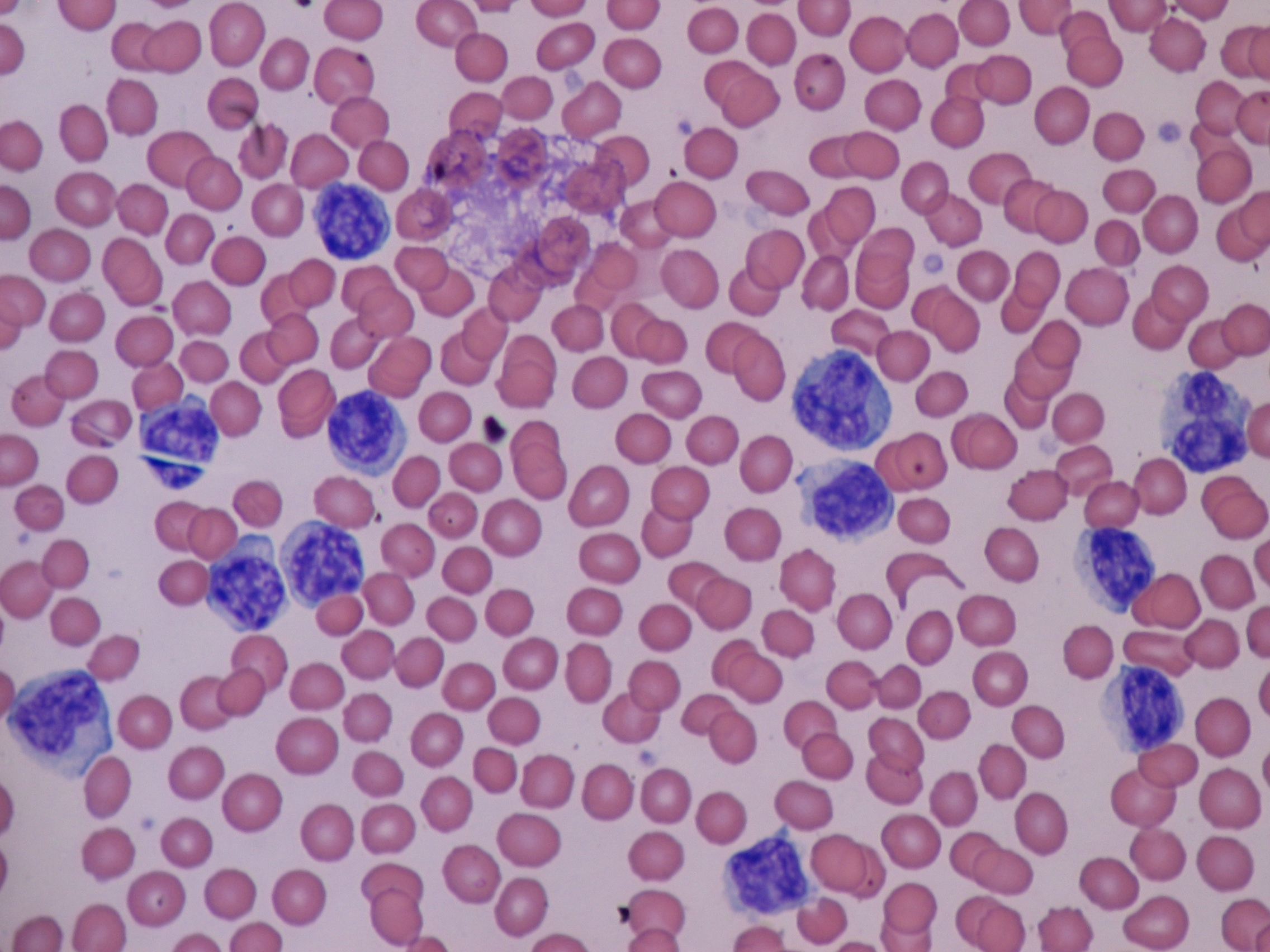
LYMPHOCYTOSIS
Term for high in lymphocyte
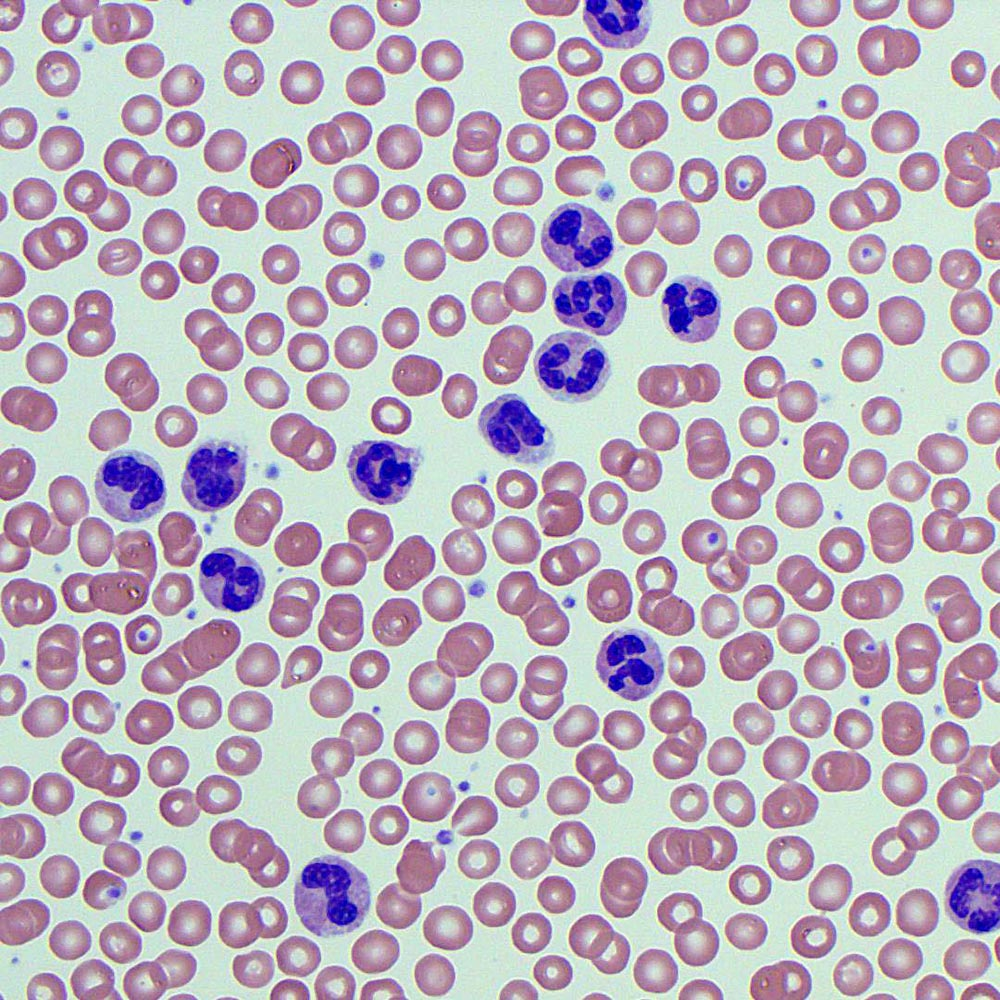
NEUTROPHILIA
Term for high in neutrophil

EOSINOPHILIA
term for high in eosinophil

MONOCYTOSIS
Term for high in monocytes
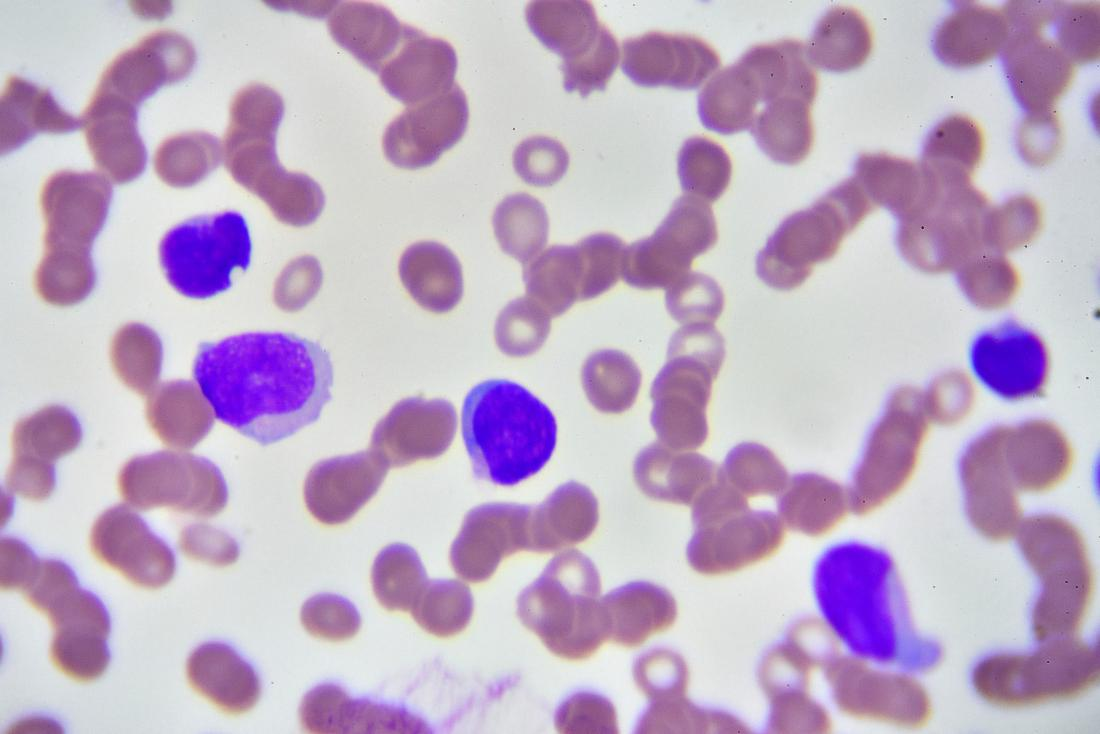
BASOPHILIA
Term for high in basophil

LEUKOPENIA
Term for decrease on leukocytes
LYMPHOPENIA
Term for low in lymphocyte
NEUTROPENIA
Term for low in neutrophil
EOSINOPENIA
Term for low in eosinophil
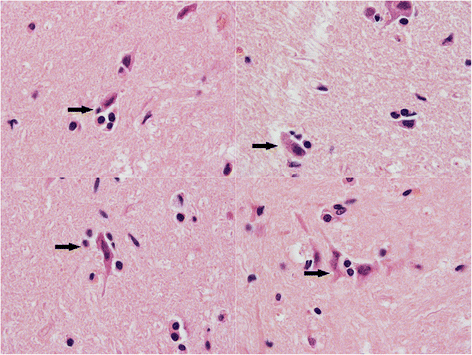
PANLEUKOPENIA
Term if all cells are affected

LEUKEMIA
Defined as the presence of neoplastic cells in circulation and / or the bone marrow
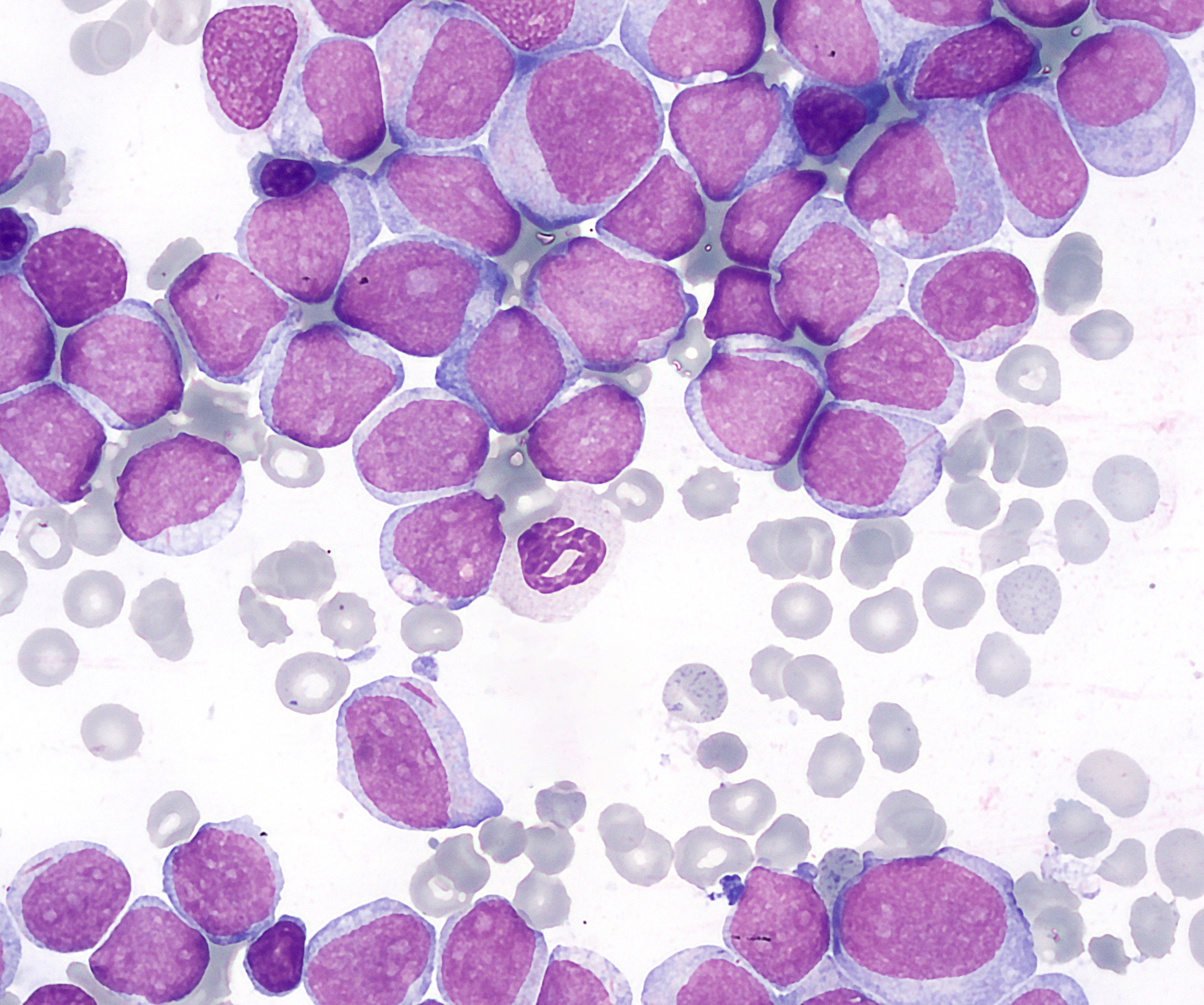
ACUTE LEUKEMIA
Cancer of hematopoietic stem cells of the bone marrow
All are aggressive and rapidly fatal without treatment
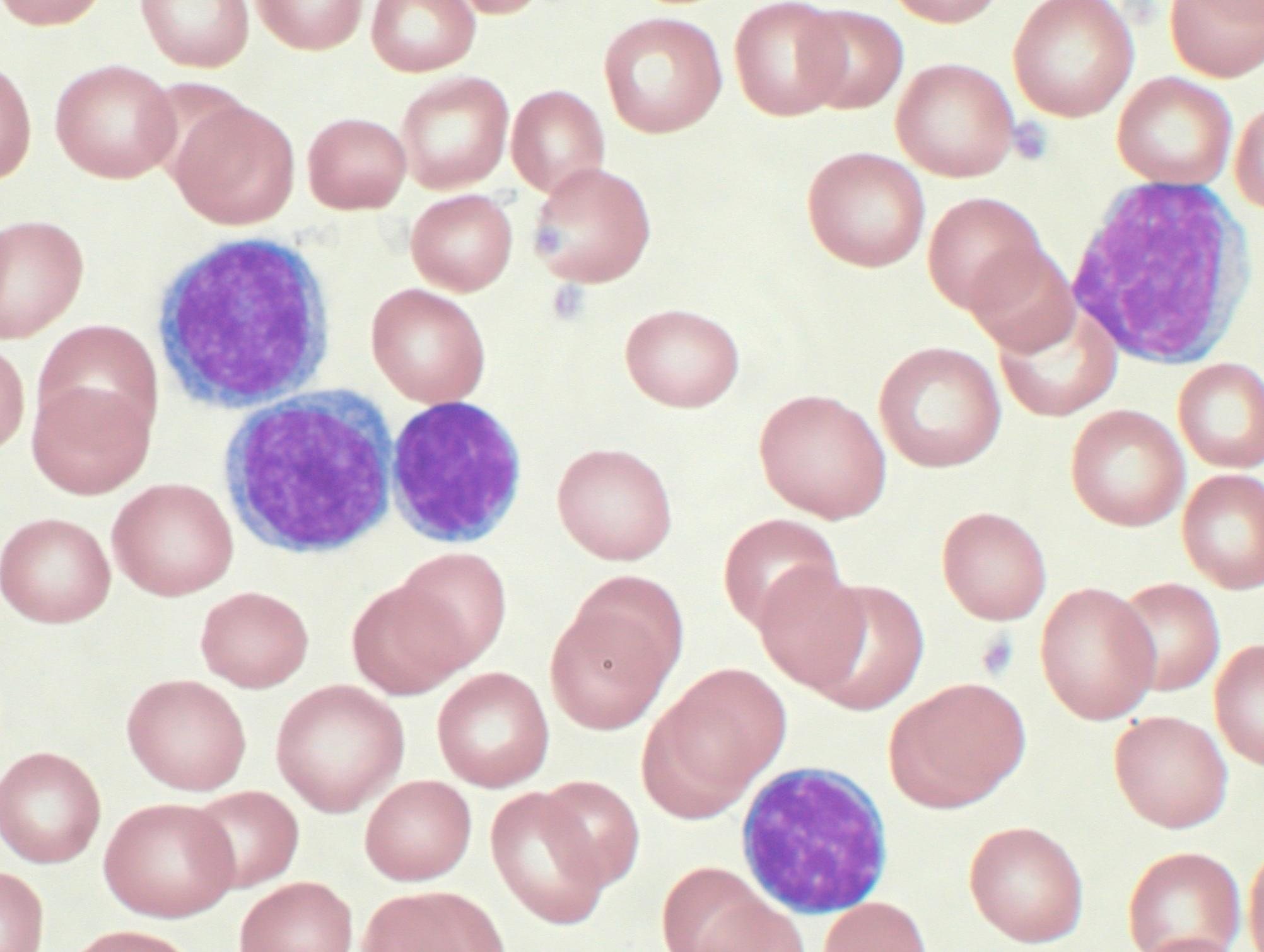
CHRONIC LYMPHOCYTIC LEUKEMIA
Proliferation of small mature lymphocytes

THROMBOCYTOPENIA
A state in which a patient’s platelet count is lower
Most common hemostatic disorder observes in dogs and cats
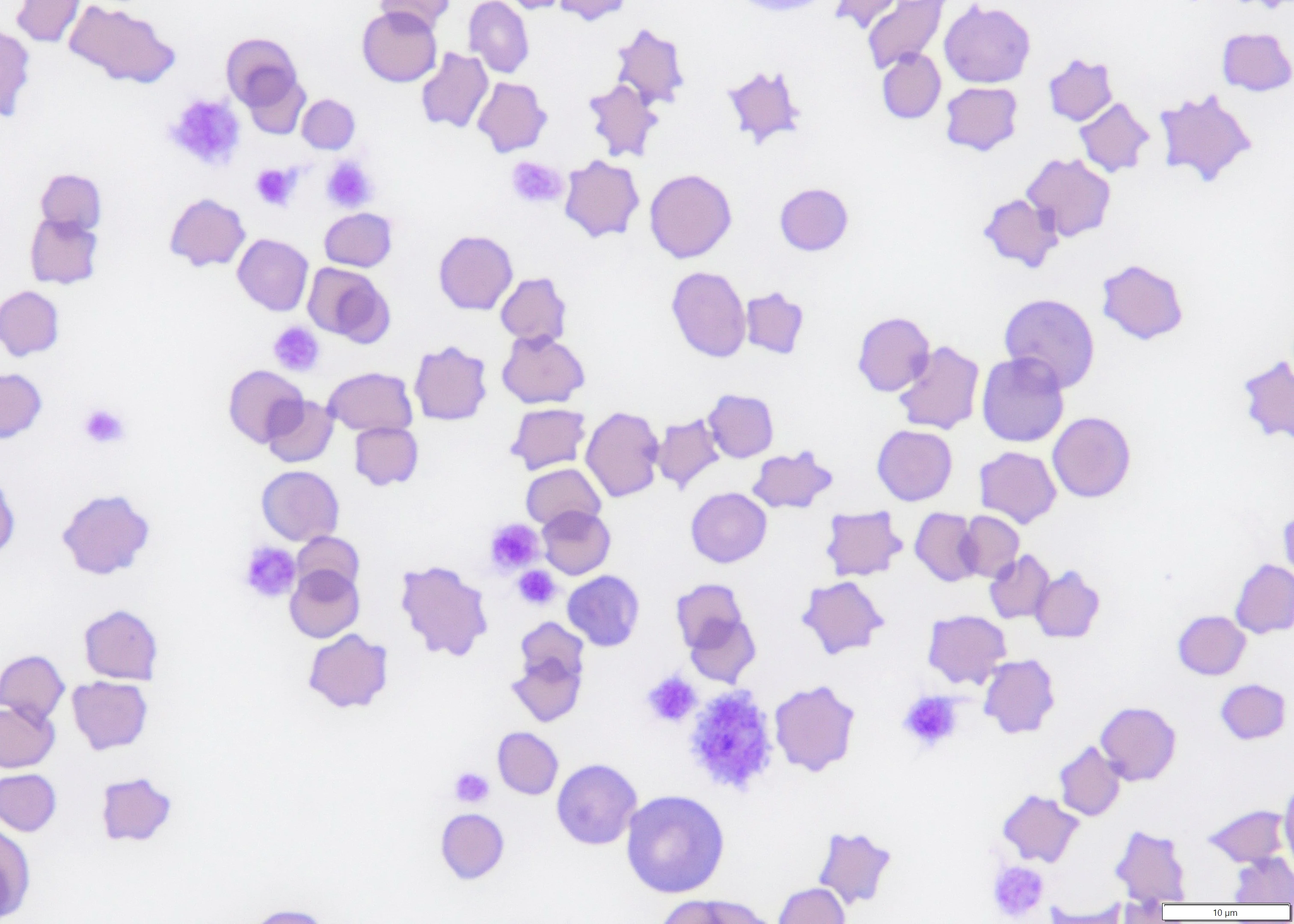
THROMBOCYTOSIS
Increased platelet number may be associated with primary marrow disease, such as in megakaryocytic leukemia (rare), chronic blood loss and iron deficiency, or chronic excess corticosteroid exposure
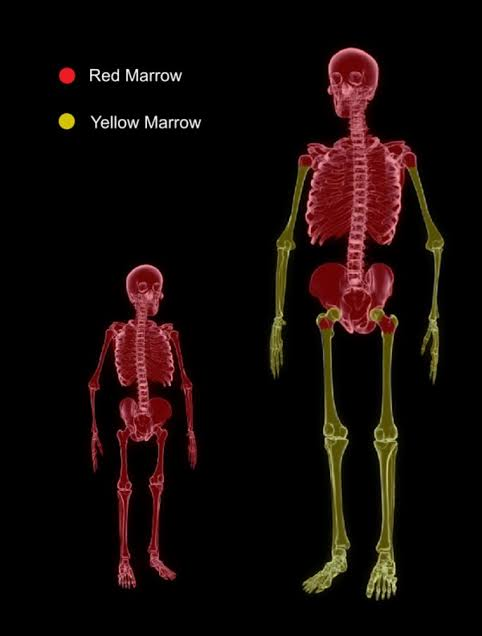
RED
In young animals, the marrow from long bone color is
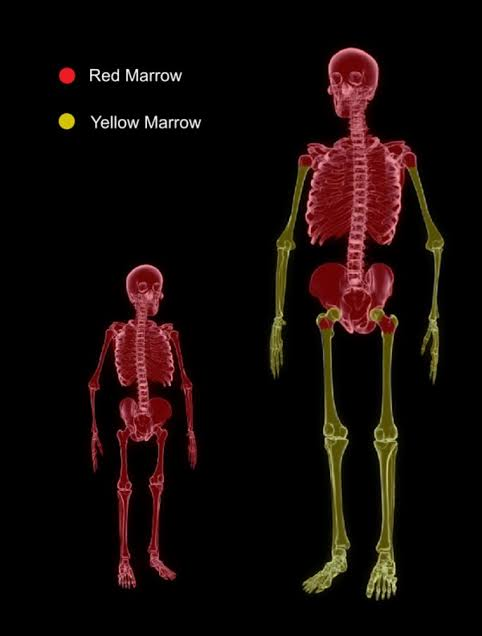
YELLOW
In old animals, the marrow is
FAT RESORPTION
Transformation of bone marrow into jelly like appearance is due to
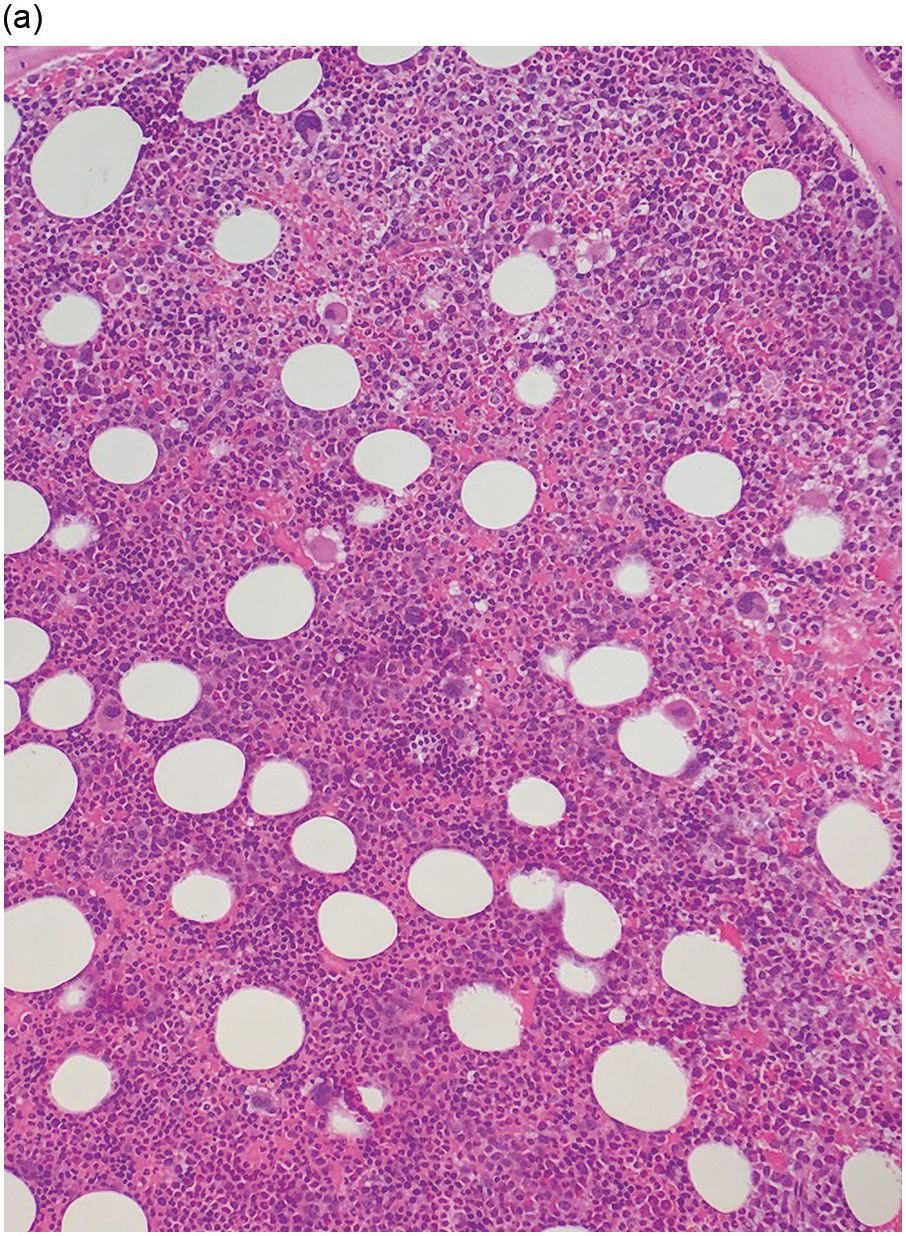
MYELOID HYPERPLASIA
Increase in the production of myeloid cells
Occurring during infections, when there is a greater demand for white blood cells
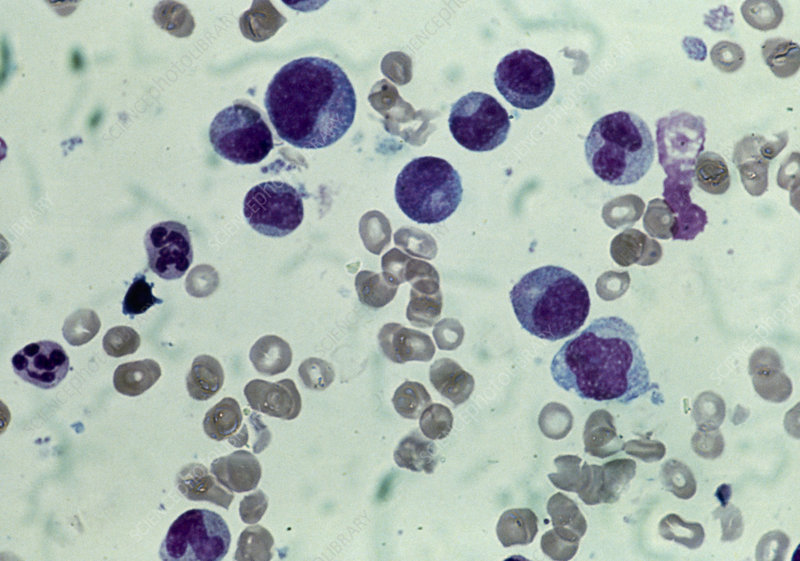
BONE MARROW APLASIA OR PANCYTOPENIA
Is a failure of the bone marrow to produce blood cells, resulting in decreased rbc, wbc and platelets
BONE MARROW NECROSIS
Refers to the death of bone marrow tissue, caused by direct injury from various agents or by impaired blood supply due to failure of the marrow microcirculation

MYELOFIBROSIS
The excessive growth of fibrous tissue within the bone marrow
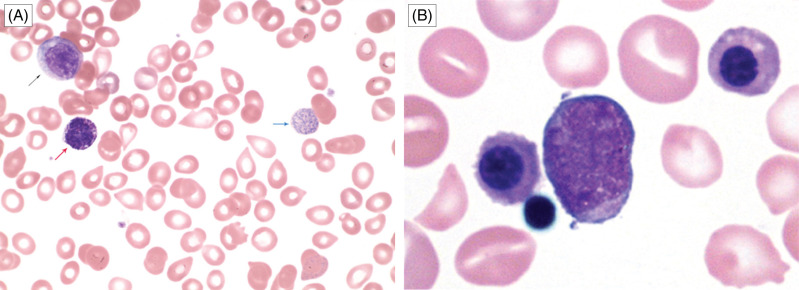
MYELOPHTHISIS
The replacement of normal bone marrow by metastatic neoplastic cells, resulting in decreased hematopoiesis

MYELODYSPLASIA OR DYSMYELOPOIESIS
Is characterized by abnormal maturation and development of bone marrow cells

MYELOPROLIFERATIVE DISORDER
Refers to the abnormal proliferation of marrow cells and may include myelodysplasia and neoplasia
Characterized by the presence of a large number of neoplastic cells of myeloid origin on blood smears, commonly called Leukemia

RED PULP
What color of pulp of the spleen describes the ff:
Filtration
Removal (phagocytosis) of foreign material and bacteria
Removal of erythrocytes
Senescent erythrocytes
Damaged erythrocytes
Storage (red pulp vascular spaces)
Storage of blood (in storage spleens)

WHITE PULP
What color of pulp of the spleen describes the ff:
Immunologic function:
Lymphocyte
Production of antibodies
Marginal zone
Homing of circulating lymphocytes in the blood
Phagocytosis and processing of antigen
Macrophage activation
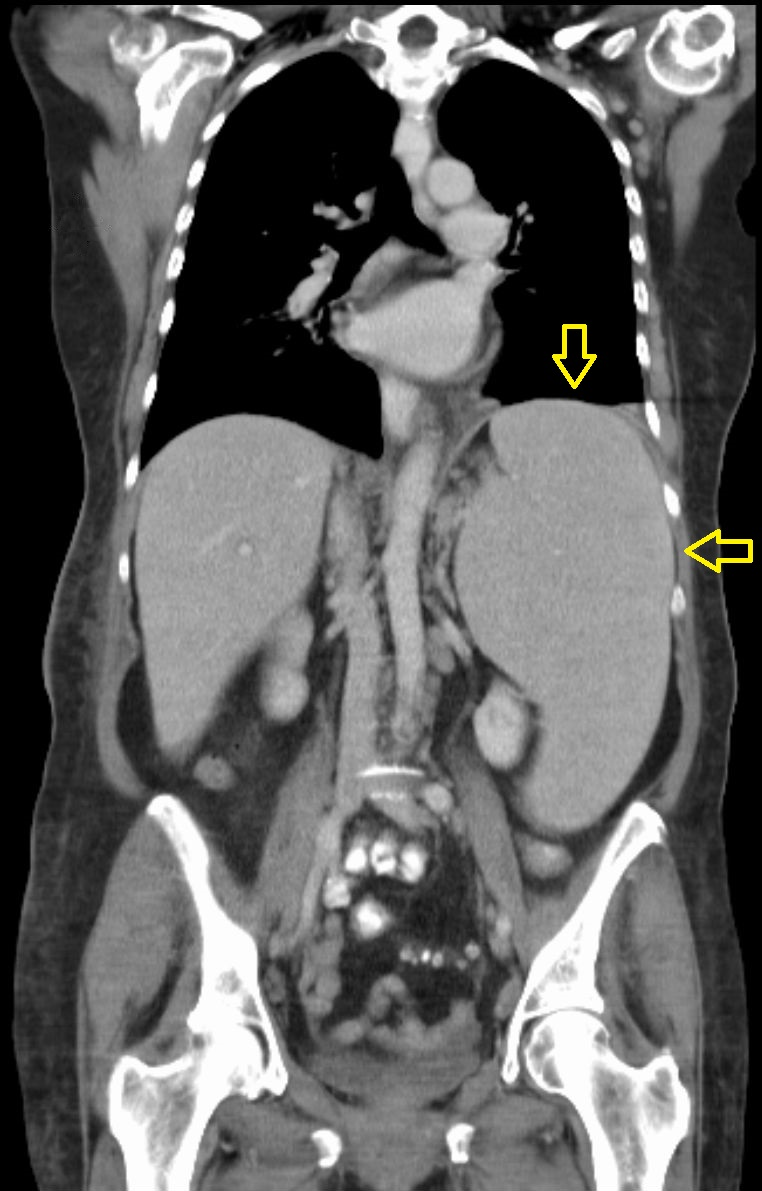
SPLENOMEGALY
Term for enlargement of the spleen
LOCALIZED SPLENIC ENLARGEMENT
DIFFUSE SPLENOMEGALY
2 types of splenic enlargement
ONE-WAY-TRAFFIC
Term for when neutrophils do not re-enter the circulation, only the lymphocytes
CHRONIC LYMPHOCYTIC LEUKEMIA
Characterized by abnormal proliferation of small mature lymphocytes
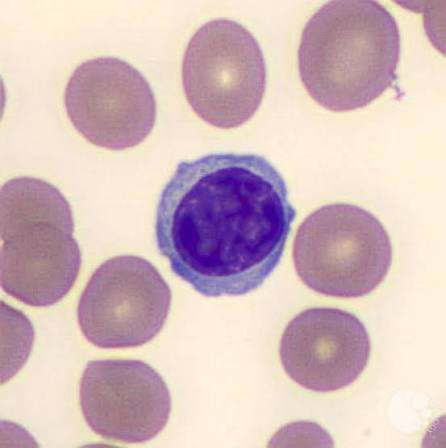
LYMPHOCYTES
This white blood cell can return to the vascular system and recirculate, with some having much longer lifespans than other white blood cells
B and T lymphocytes
2 Types of lymphocytes
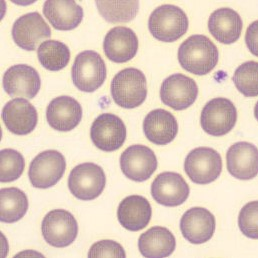
NORMOCHROMIC
In hemoglobin, normal color is termed as
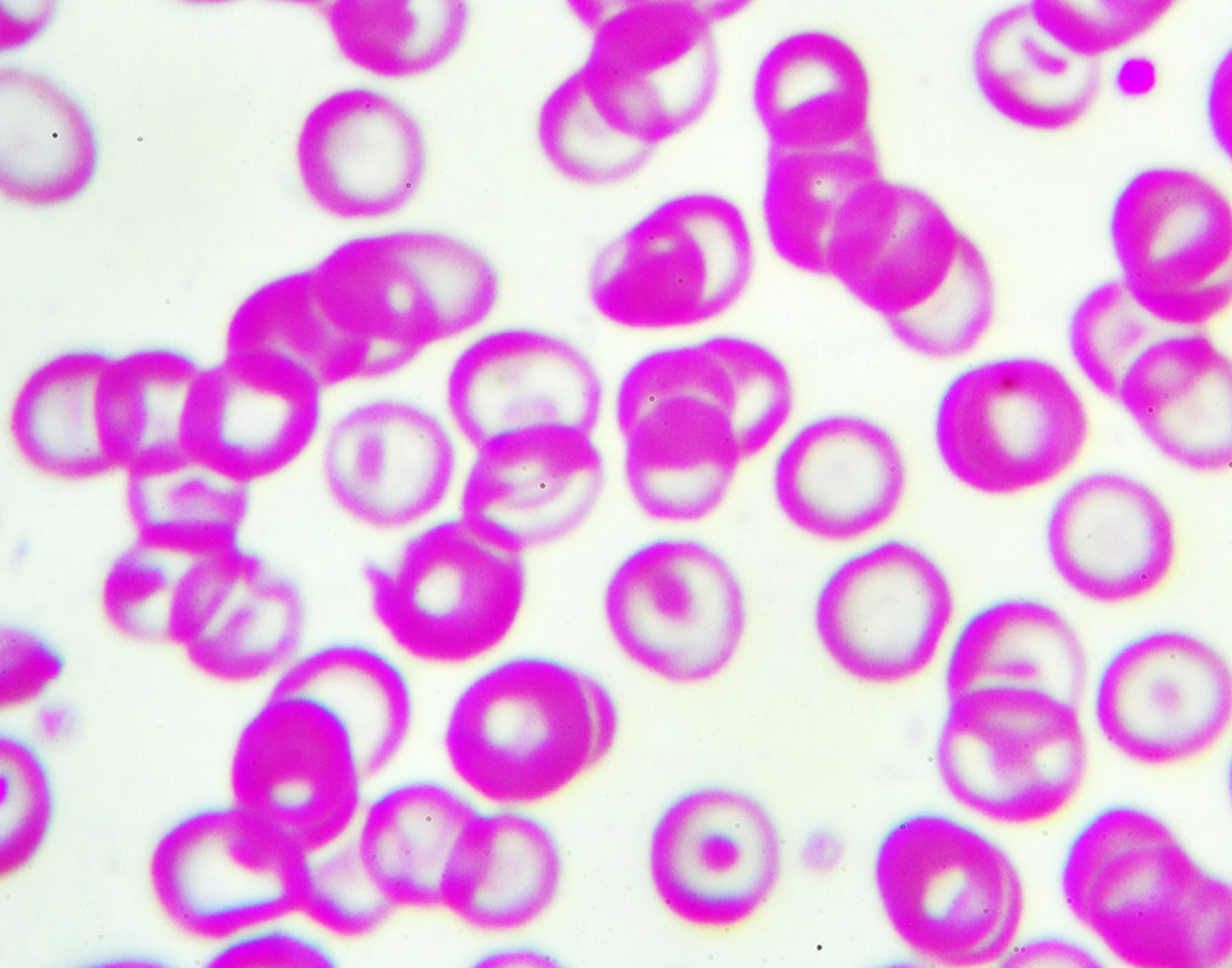
HYPOCHROMIC
In hemoglobin, below normal is termed as

THYMUS
This organ play a crucial role in the development and functioning of the immune system
Particularly in the differentiation, selection, and maturation of T lymphocytes that are produced in the bone marrow
THYMIC HEMORRHAGE
Are common during the agonal process and various septicemic diseases

THYMUS INFLAMMATION
Is linked to viral infections such as canine distemper, feline panleukopenia, and equine viral rhinopneumonitis