Unit 9 US Economy
 Call Kai
 Learn
Learn Practice Test
 Spaced Repetition
 Match
Match Flashcards
1/54

There's no tags or description
Looks like no tags are added yet.
Name | Mastery | Learn | Test | Matching | Spaced | Call with Kai | Chat |
|---|
No analytics yet
Send a link to your students to track their progress
55 Terms
Financial Institution
businesses that provide banking services to consumers and businesses
Food and Drug Administration (FDA)
a federal agency responsible for regulating food and drug products sold to the public
Federal Trade Commission (FTC)
a federal agency established in 1914 to investigate and stop unfair business practices
Federal Communications Commission (FCC)
A federal agency that regulates interstate and international communication by radio, television, telephone, telegraph, cable, and satellite.
Environmental Protection Agency (EPA)
The US federal agency with a mission to protect human health and the environment.
Public goods and services
goods and services provided by the government because individuals acting alone could not provide them efficiently
examples of public goods and services
- interstate highways
- postal service
- national defense
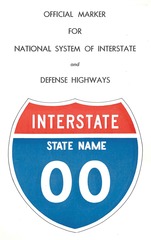
ways government pays for public goods and services
- tax revenue
- borrowed funds
- fees
how the government influences economic activity
by taxing, borrowing and spending
effect of government tax increases
reduce funds available for private spending
effect of government tax decreases
increase funds for private spending
effects of increased government borrowing
reduces funds available for private borrowing
effects of decreased government borrowing
increases funds available for private borrowing
16th amendment
authorizes Congress to tax incomes
nation's central bank
Federal Reserve
functions of the Federal Reserve system
- maintain value of the national currency
- regulate banks
- manages the amount of money in the economy
- acts as the government's bank
Why does the Federal Reserve regulate banks?
to ensure the safety of the banking system and deposits
Why is it important that the Federal Reserve manages the amount of money in the economy?
to keep inflation low and prices stable
money
anything generally accepted as a method of payment
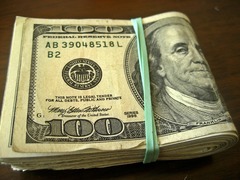
Why do people accept U.S. currency?
they have confidence in the government
three types of money
- coins
- currency (cash)
- deposits in banks accounts accessed by checks and debit cards
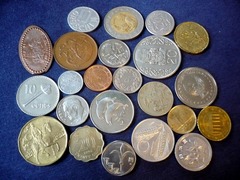
competition
the struggle among producers for the dollars of consumers
federal reserve system
the central bank of the U.S. where all other banks can borrow from
factor market
the arena of exchange in which firms purchase the factors of production from households. Also called resource market.
product market
the market in which households purchase the goods and services that firms produce
revenue
incoming money to a firm
expenditure
An amount of money spent.
income
money received, especially on a regular basis, for work.
salary
The money paid for employee services
firm
an organization that uses resources to produce a product, which it then sells in the product market.
household
a person who owns a resource to sell to a firm.
income tax
Tax paid to the state & federal governments based on income earned over the past year.
sales tax
A tax on a sale of goods or services to local & state gov't.
property tax
A tax on the value of a property, such as a house. Collected by local gov't/
Sole Proprietorship
a business owned and managed by a single individual
Partnership
A business in which two or more persons combine their assets and skills
Corporation
A business that is owned by many investors who own stock in the business.
self-assessment
an evaluation of your strengths and weaknesses; the first step in career planning.
circular flow diagram
a diagram that views the economy as consisting of households and firms interacting
factors of production
land, labor, capital, entrepreneurship. Also known as resources.
human capital
the skills and knowledge gained by a worker through education and experience
Fiscal Responsibility
Knowing what to do with your money - includes making careful decisions with your money, having insurance, maintaining a budget, saving and investing for the future, etc.
Functions of Money
medium of exchange, store of value, measure of value
Financial Institutions
Include banks and credit unions
Purpose of financial institutions
1. connect savers & borrowers, 2. provide capital to businesses, 3. Offer services like checking accounts and loans.
Discount Rate
The interest rate on the loans that the Fed makes to banks
Reserve Requirement
the percentage of deposits that banking institutions must keep and cannot loan
Government Securities (bonds)
When you buy this, you are lending money to the government. In exchange, the government promises to pay you back the money you lent, plus interest
Human Capital
The skills, education, training, and experience that makes a worker valuable.
Financial Responsibility
being able to meet your financial goals through planned earning, spending, and saving
public sector
the part of the economy that is controlled by the government
private sector
the part of the economy that involves the transactions of individuals and businesses to make a profit.
Equal Access
Everyone- no matter their gender, race, income, or background- has a fair chance to learn and succeed.
People with more education & job training...
usually earn higher incomes
Inflation
A continuous rise in the price of goods and services; it's a role of the Federal Reserve to control this.