Physics AQA GCSE Year 9&10: Electricity
 Call Kai
 Learn
Learn Practice Test
 Spaced Repetition
 Match
Match Flashcards
 Knowt Play
1/82

There's no tags or description
Looks like no tags are added yet.
Name | Mastery | Learn | Test | Matching | Spaced | Call with Kai | Chat |
|---|
No analytics yet
Send a link to your students to track their progress
83 Terms
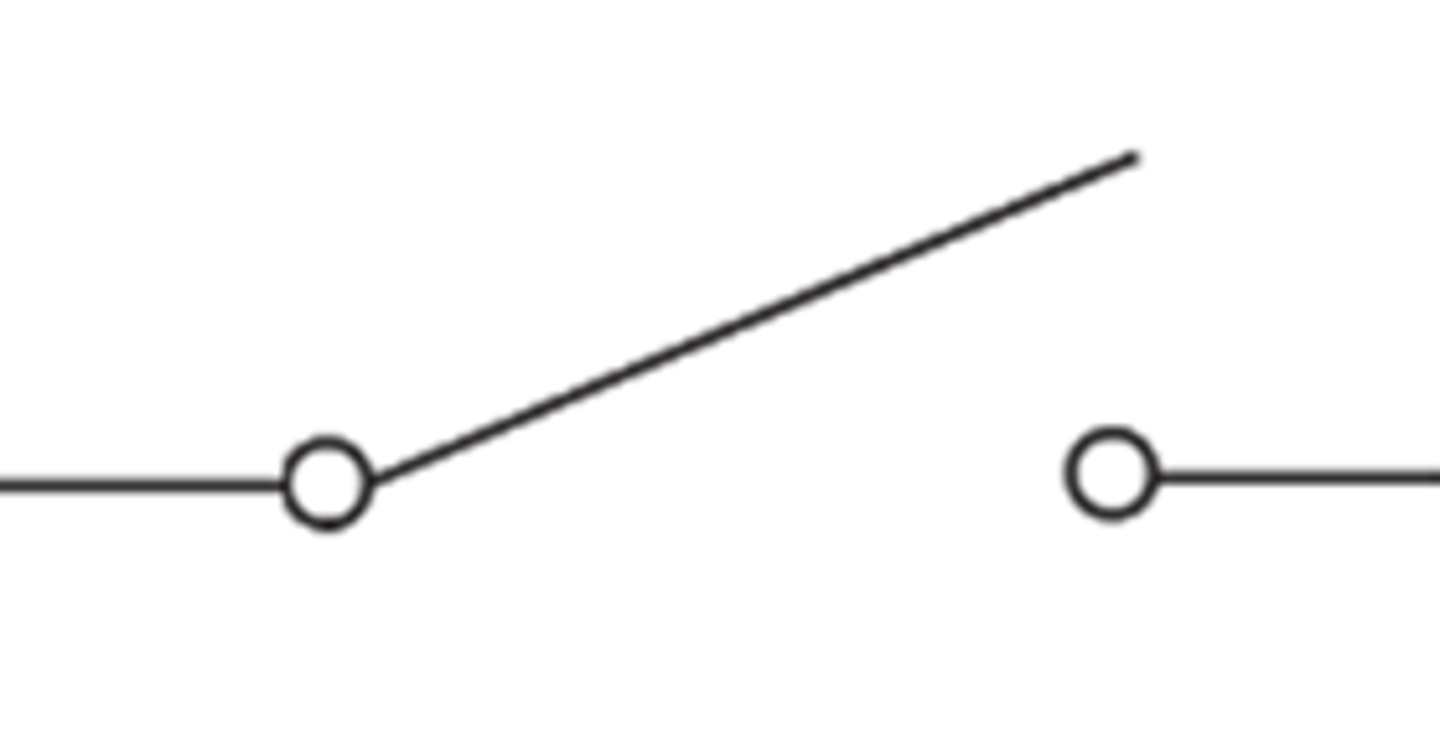
Open switch
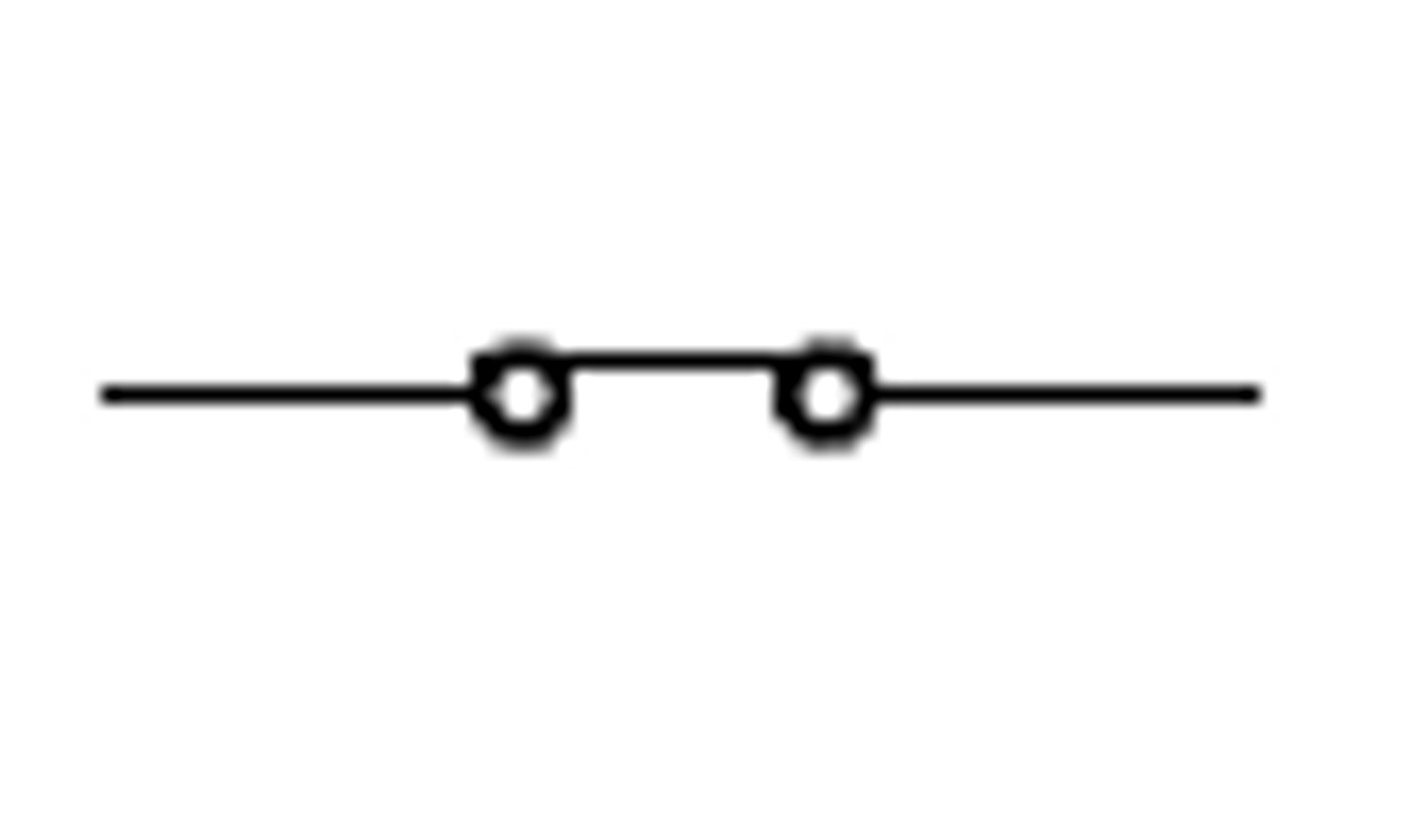
closed switch
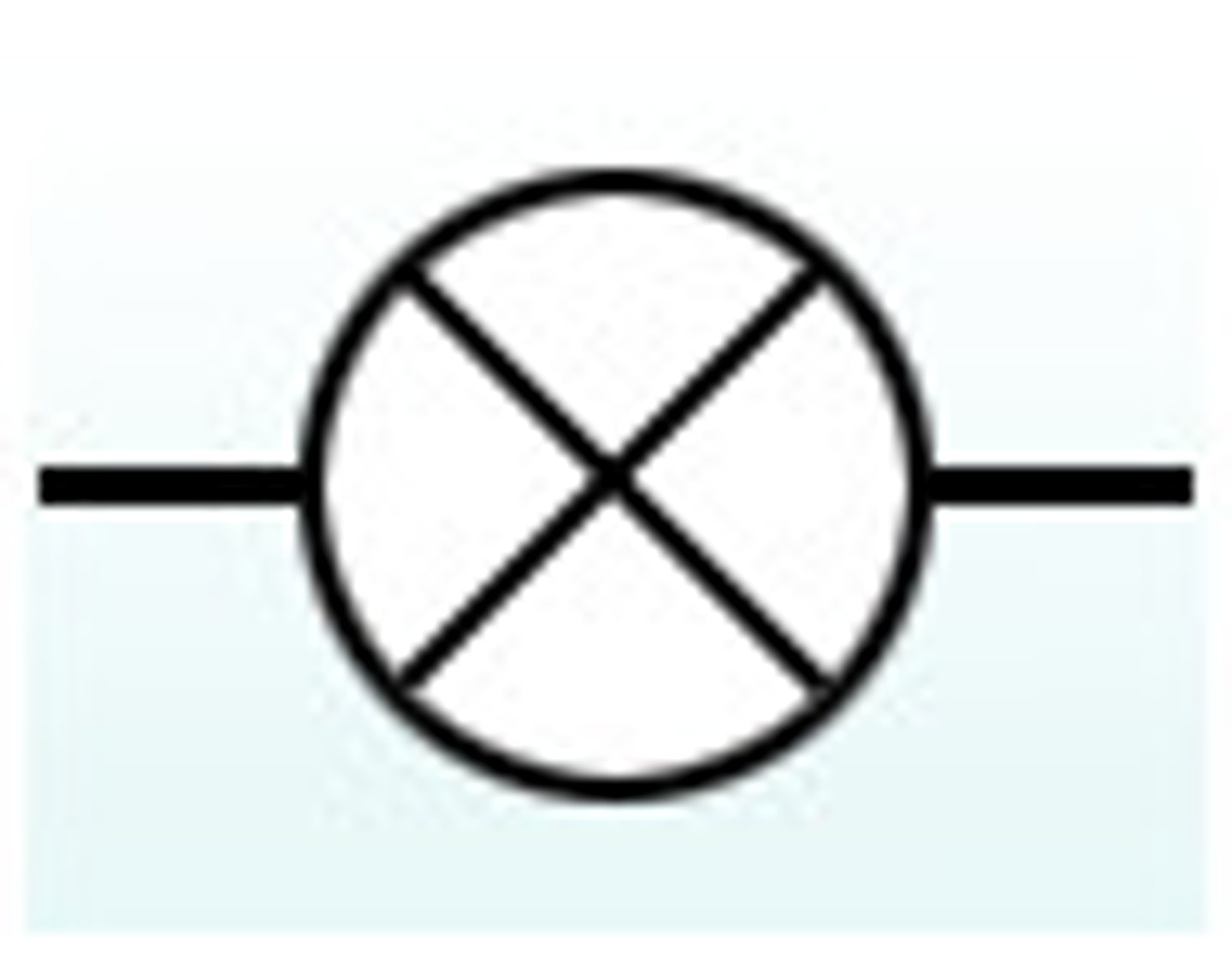
lamp/bulb
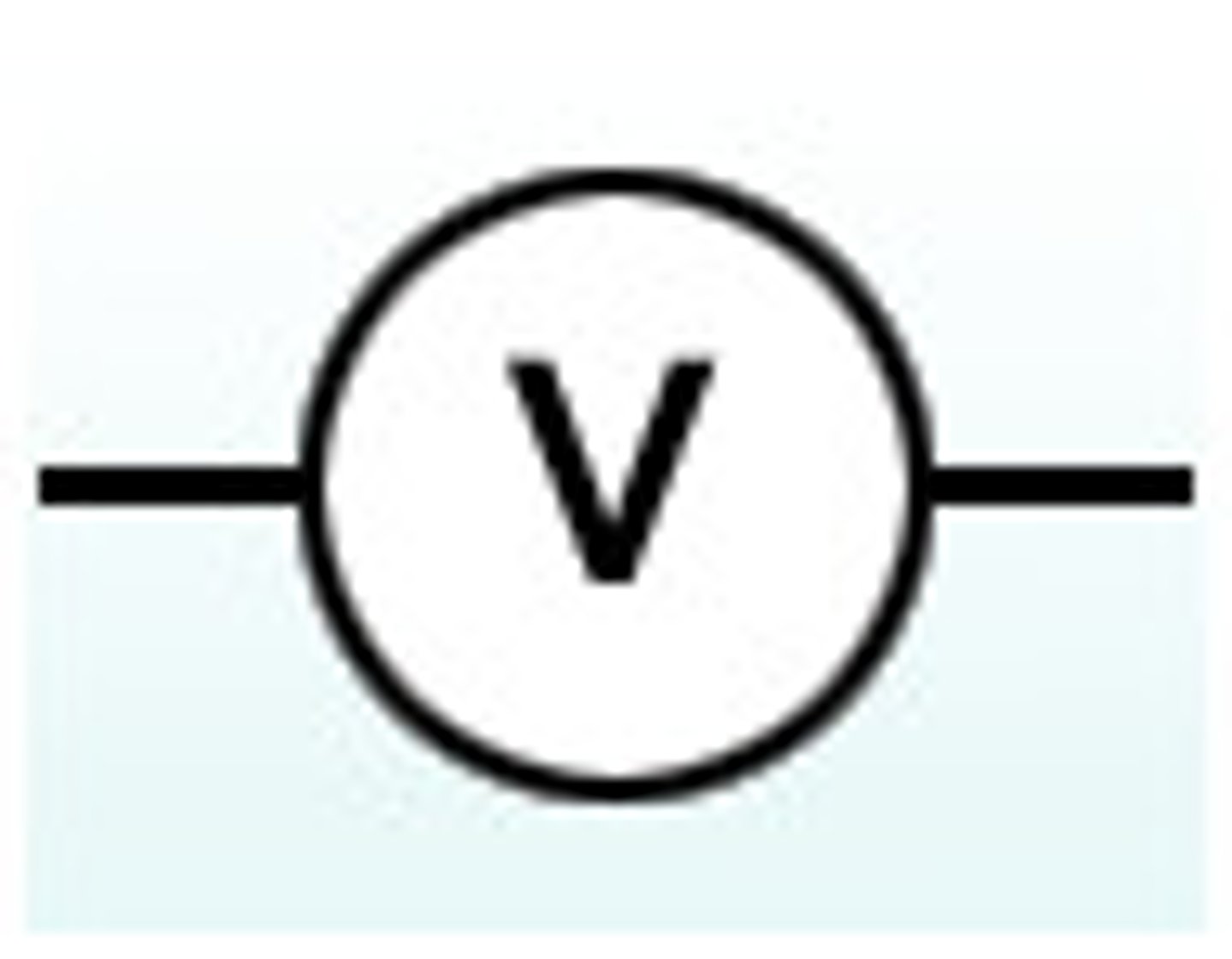
voltmeter
ammeter
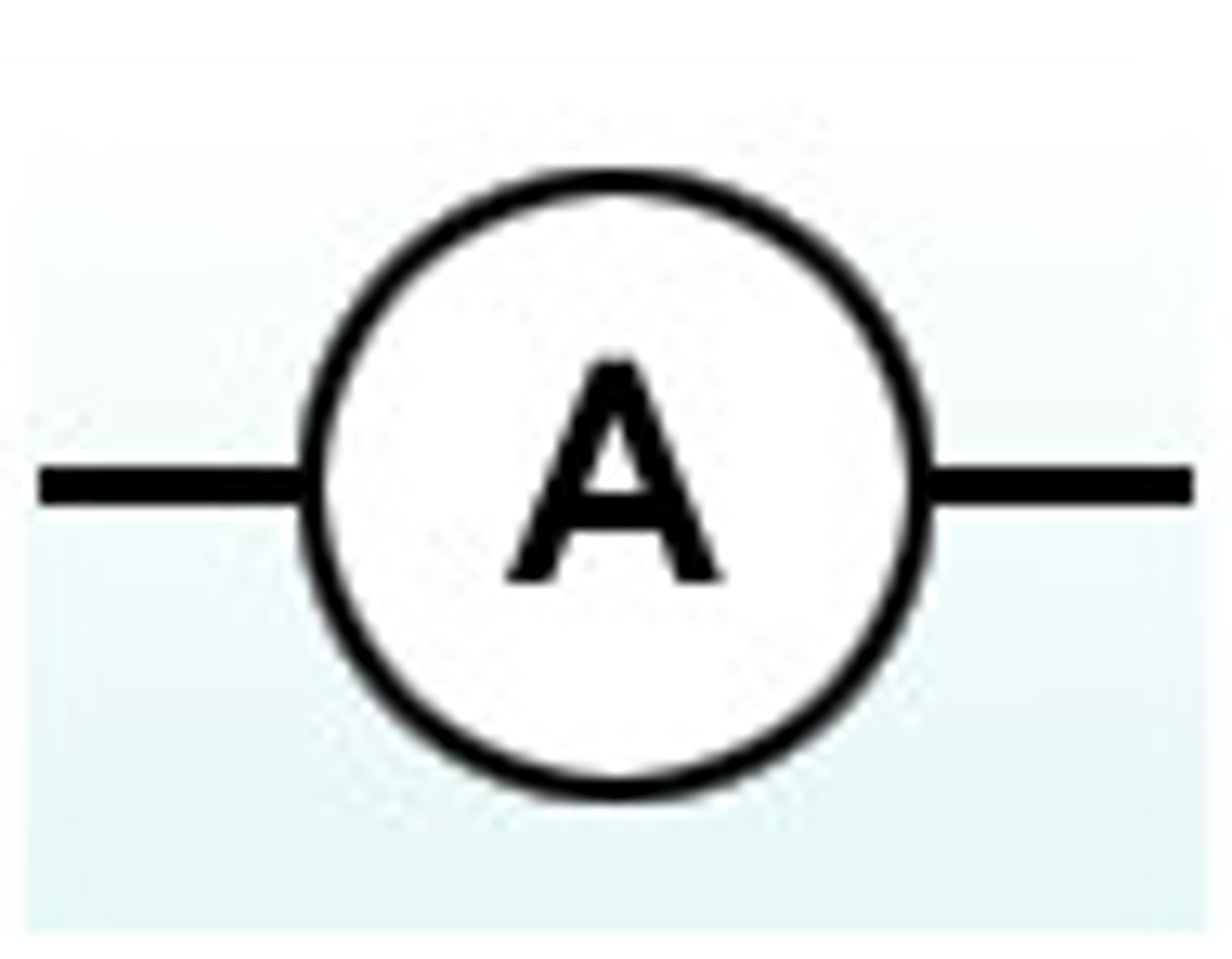
resistor
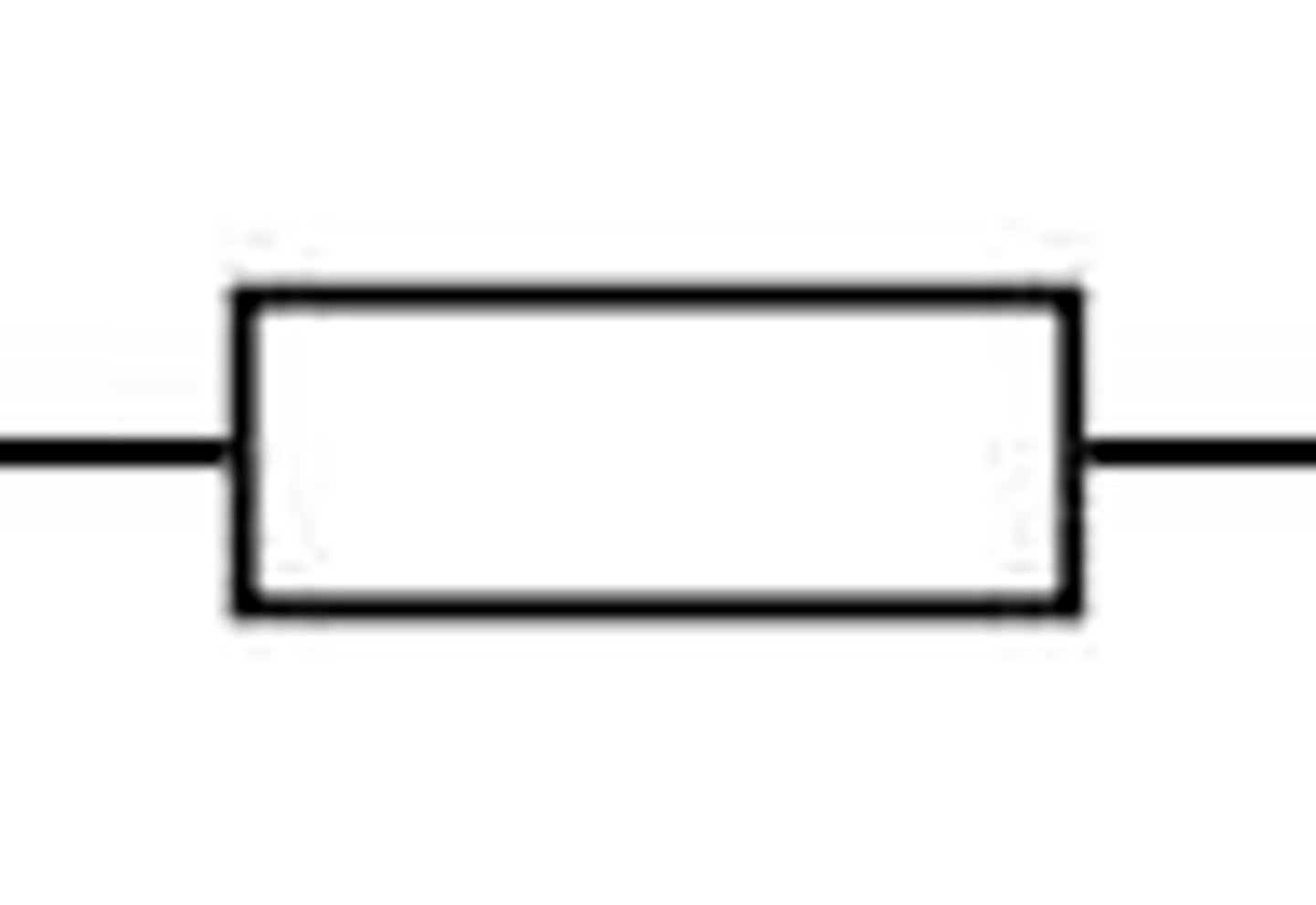
LDR (and what does it stand for)
Light Dependent Resistor
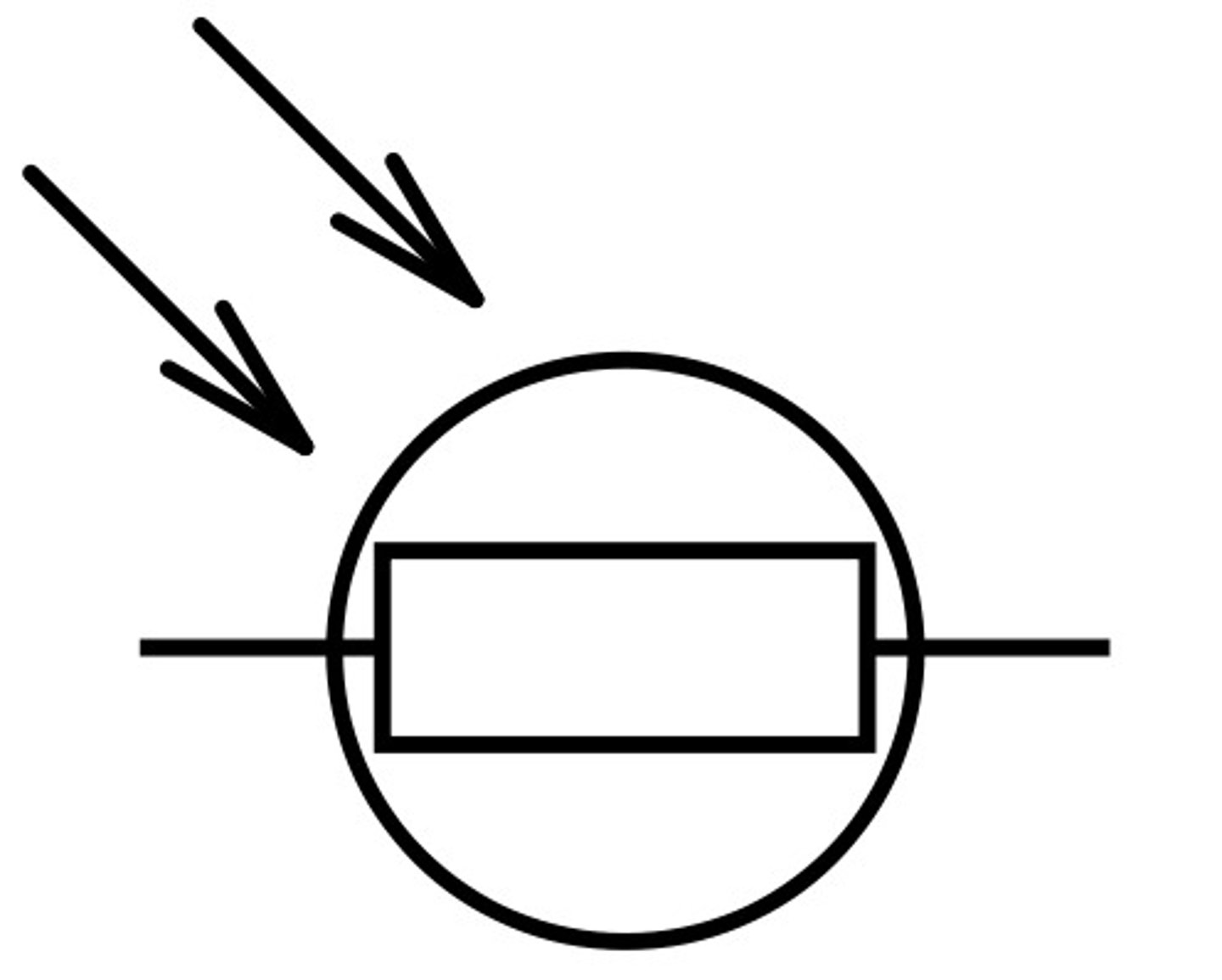
Thermistor
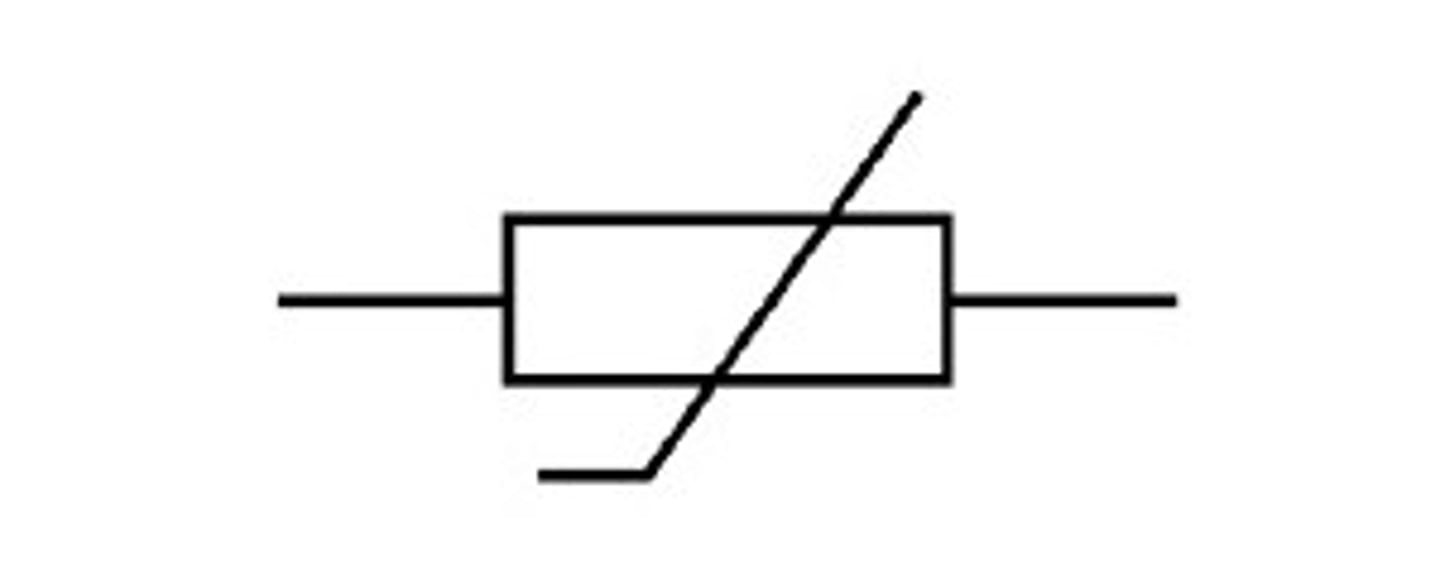
Variable resistor
Diode
LED (and what does it stand for)
Light Emitting Diode
Fuse
Cell
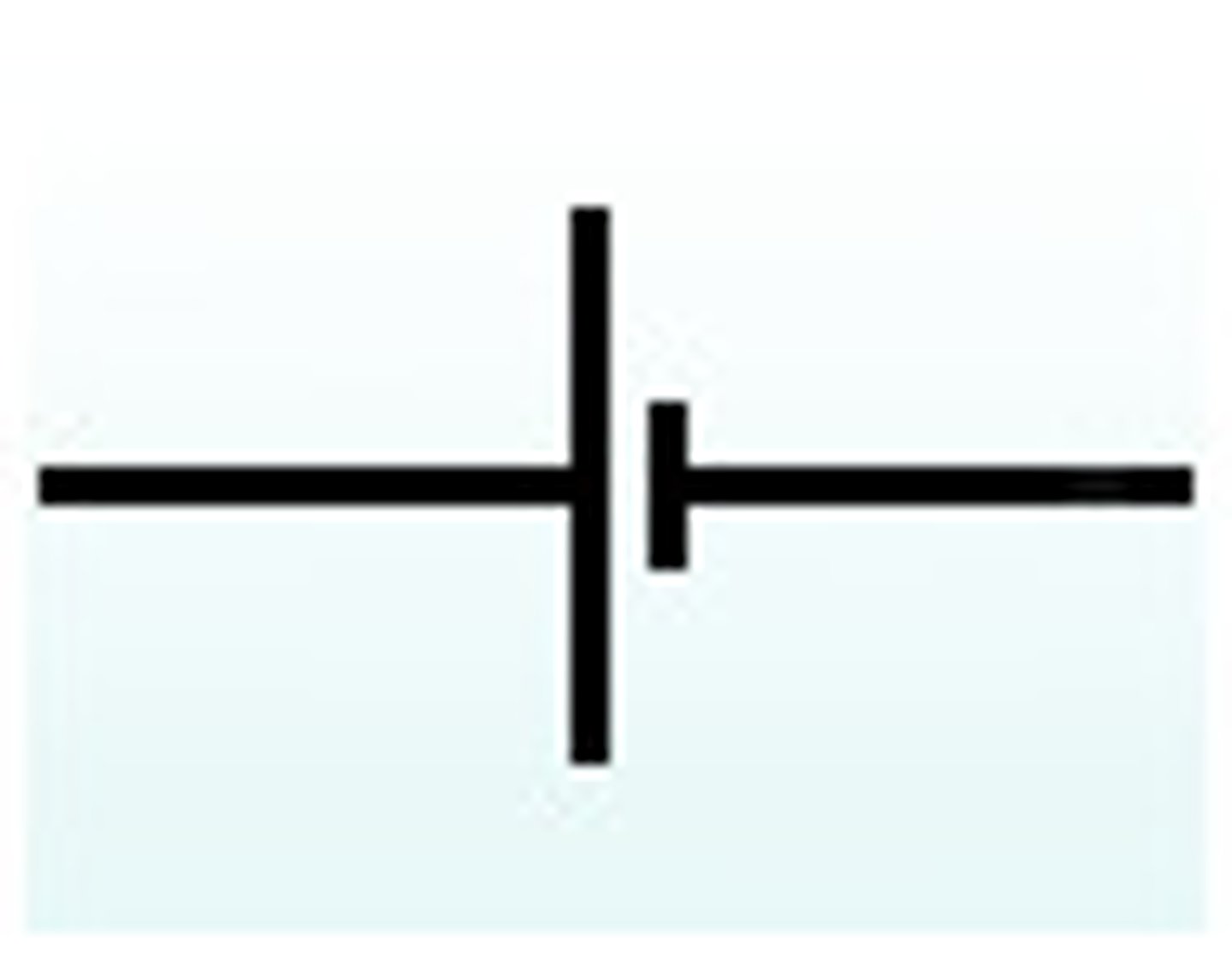
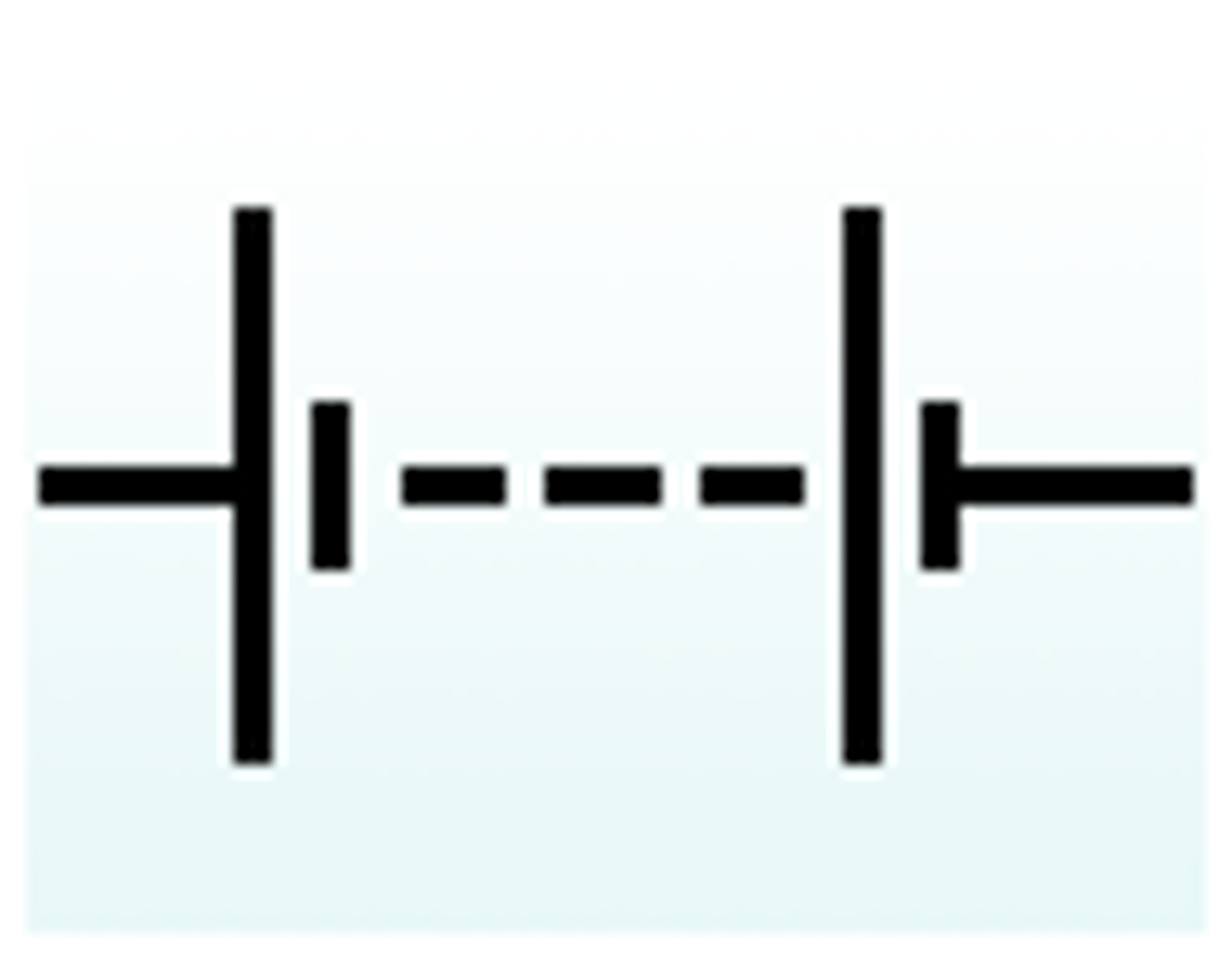
Battery
dashes in the middle mean any number of cells
What does a lamp/bulb do?
Glows when a circuit is complete
What does a voltmeter do?
Measures the voltage/potential difference between 2 points
What does an ammeter do?
Measures the flow of electrons in a circuit (current)
What does a resistor do?
Slows down the flow of electrons in a circuit
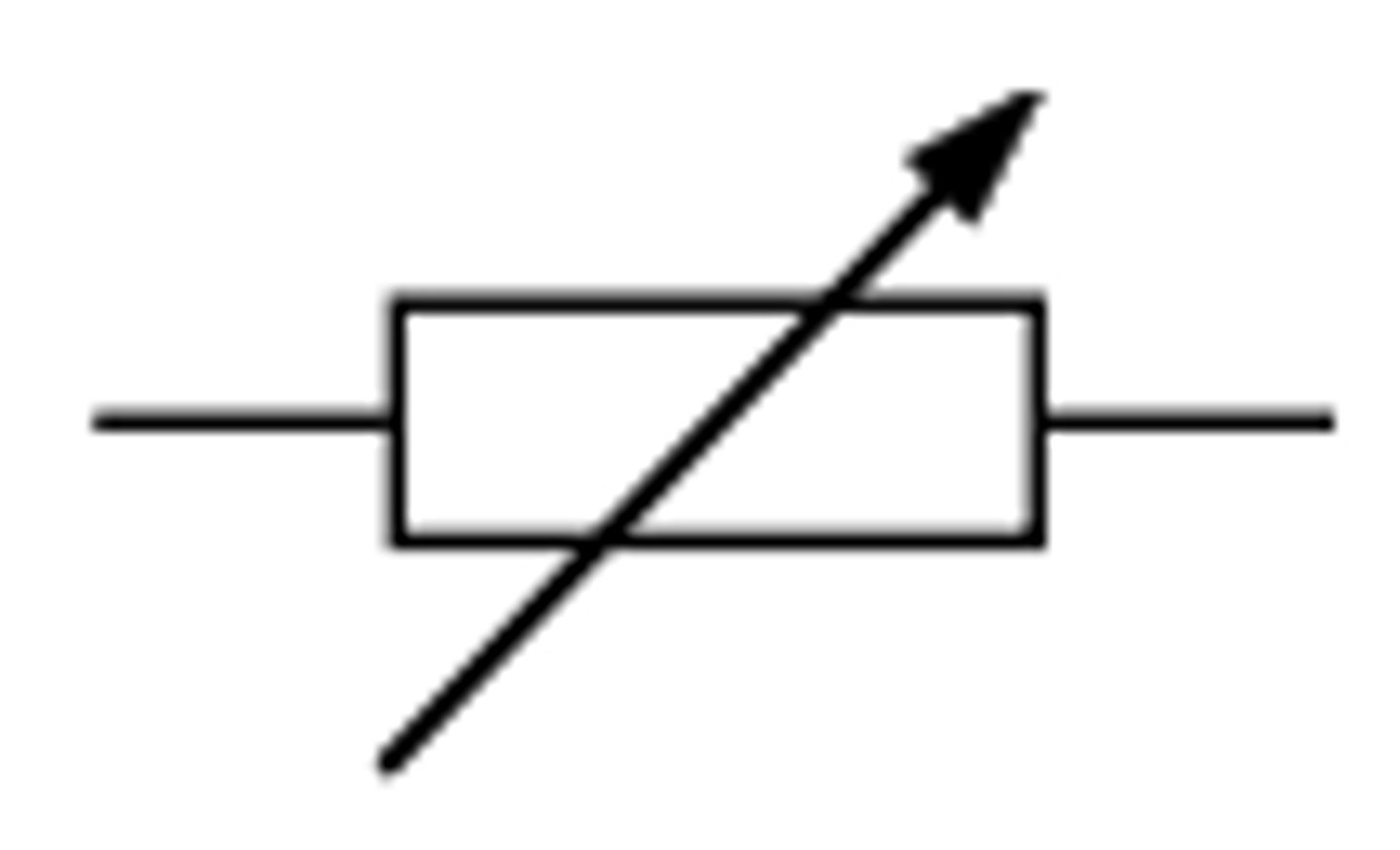
What does a variable resistor do?
Slows down the flow of electrons in a circuit. The resistance can be changed.
What does a cell do?
Transforms chemical energy into electrical energy
What is a battery?
2 or more cells in series
What does an open switch do?
breaks the circuit
What does a closed switch do?
Connects the components in a circuit
What does a thermistor do?
. Resistance depends on temperature
. Resistance decreases as temperature increases
. Can be used in thermostats or fire alarms
What does an LDR do?
. Resistance depends on the light intensity
. Resistance decreases as light intensity increases
. Used to switch lights on when it gets dark
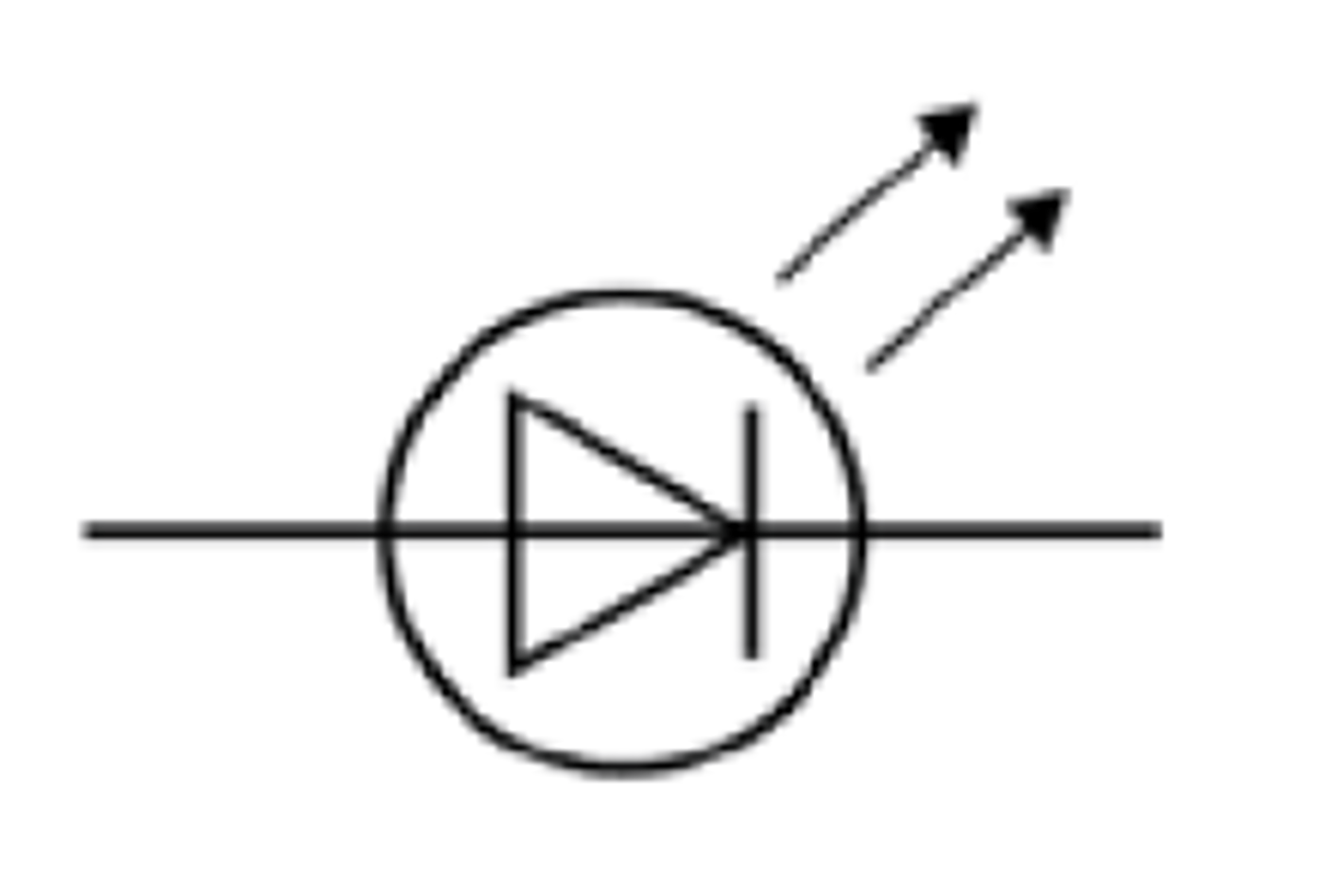
What does an LED do?
. Emits light
. Current only flows in one direction so it doesn't light up if it's the wrong way round.
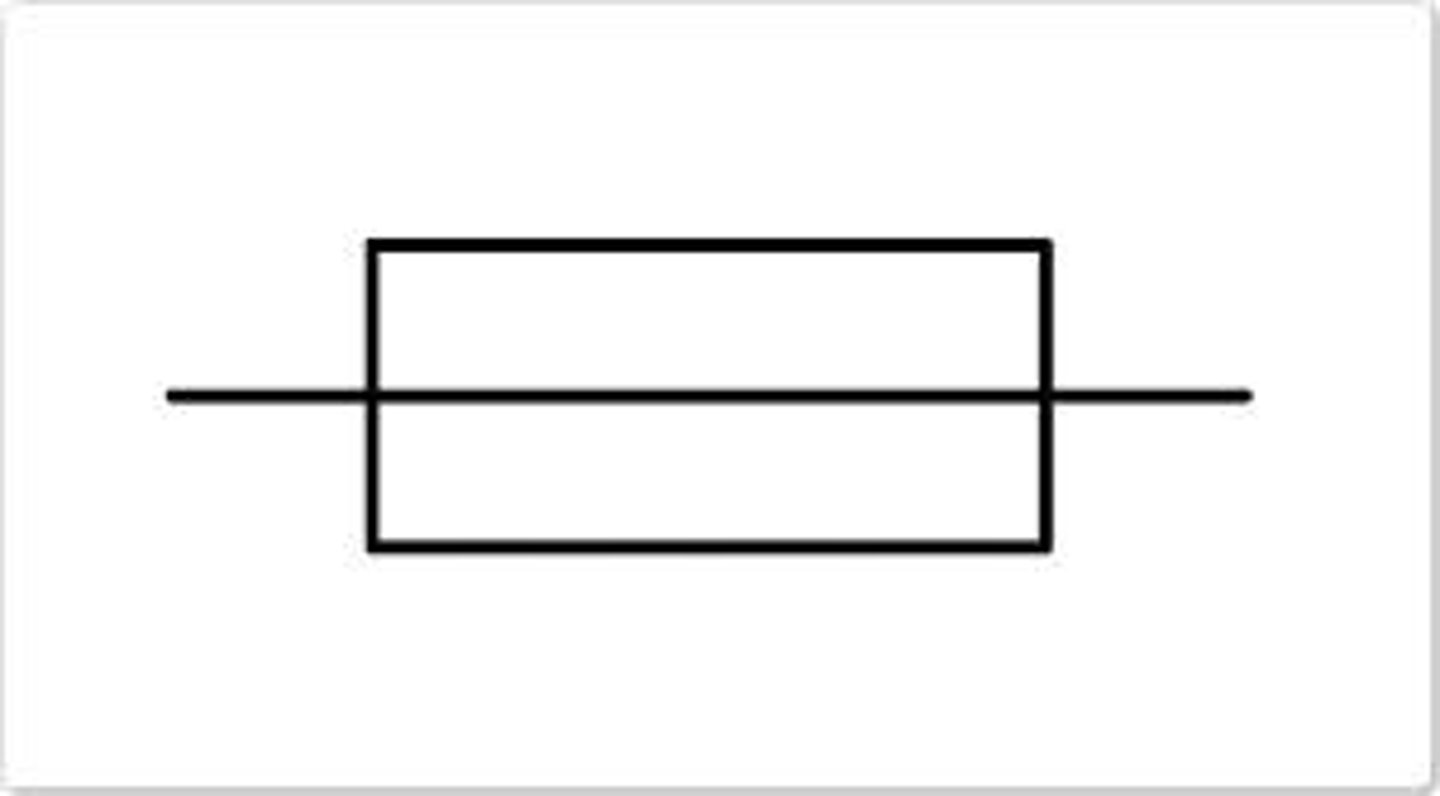
What does a fuse do?
Used for cutting off an electrical current when there is an overload of electricity.
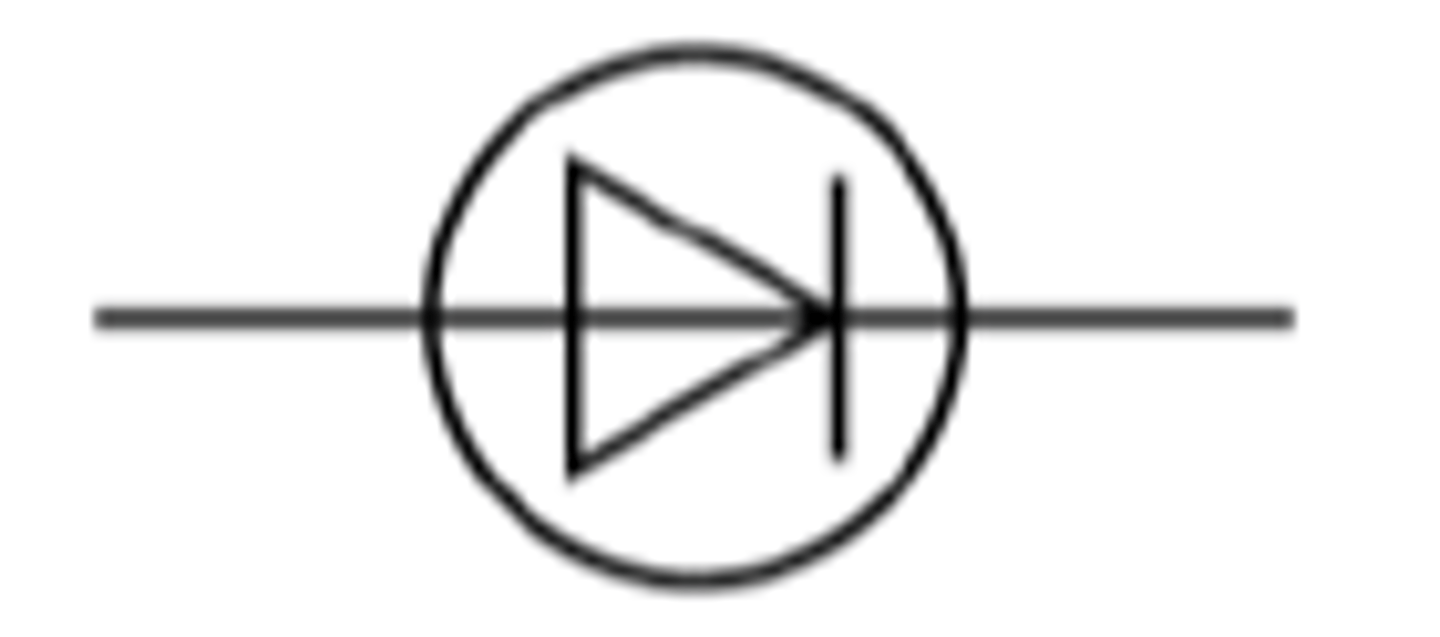
What does a semiconductor diode do?
. Allows current to flow in one direction only
. Diodes are used to convert an alternating current into a direct current.
What do you call a circuit with only 1 path for current to flow down?
Series circuit
What do you call a circuit with more than 1 path for current to flow down?
parallel circuit
What must be true for electrical charge to flow through a circuit?
Circuit must include a source of potential difference / voltage
What is current?
. The flow of electrical charge
. Size of electrical current is the rate of flow of electrical charge
. measured in amps (coulombs per second)
How do you find the value of current in a single closed loop?
Current has the same value at any point in a single closed loop
What is a coulomb?
represents the charge carried by a large number of electrons
What is resistance?
. A measure of how much the current flow is restricted in a circuit
. The higher the resistance in a circuit, the less the current flows
. Measured in ohms (Ω)
What are the factors affecting resistance?
. Width of wire: greater width = lower resistance
. Temperature of wire: higher temperature = greater resistance
. Material the wire is made from
What does the current through a component depend on?
. Resistance of the component (the greater the resistance of a component, the smaller the current for a given potential difference across the component)
. Voltage across the component
Does the resistance of a resistor change?
. Depends on resistor
. For some it remains constant
. In others it can change as the current changes
What is an ohmic conductor, what does it look like on a graph, and name 2 examples of it
. A conductor in which current is directly proportional to potential difference across the resistor at a constant temperature
. Means resistance remains constant as the current changes
. Straight line graph
. e.g wire, resistor
Does the resistance of components change?
Yes - not constant; it changes with the current through the component
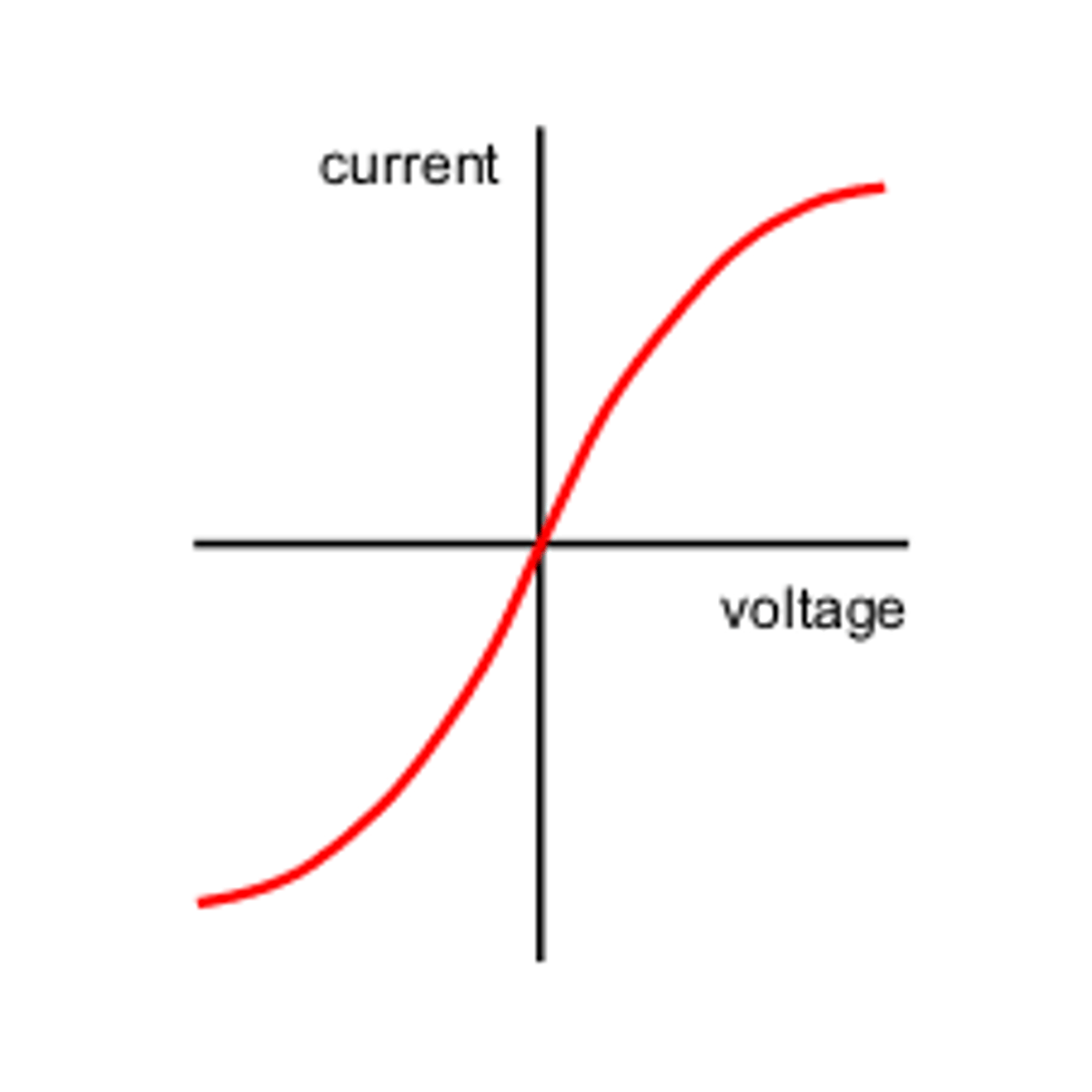
How does the resistance of a filament lamp change and what does it look like on a graph?
. Resistance increases as temp of filament increases
. S-shape graph
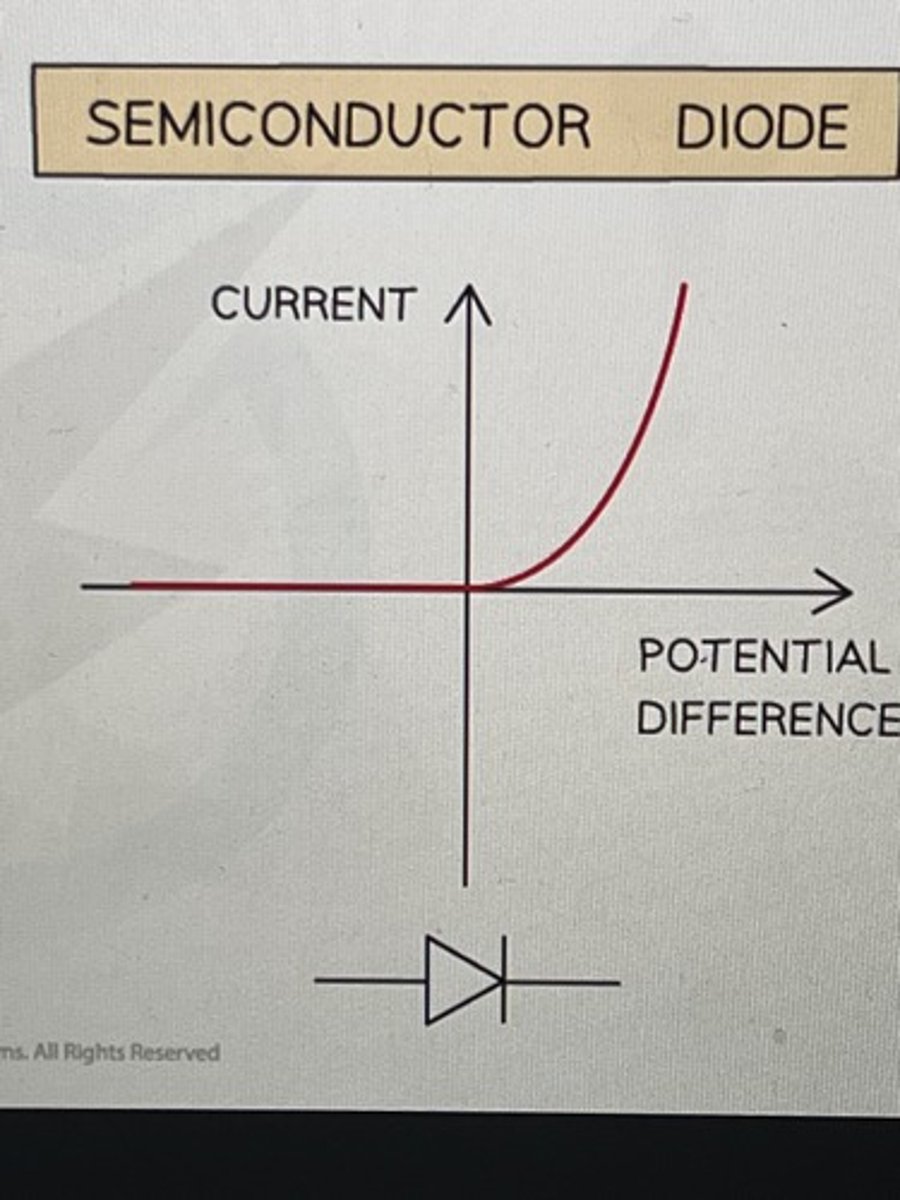
How does the resistance of a diode change and what does it look like on a graph?
. Current flows in 1 direction only
. Diode has a very high resistance in the reverse direction
. Boomerang-shape graph
How do you find the resistance of a component in a circuit?
. Measure current through component using an ammeter in series
. Measure potential difference across component using voltmeter in parallel
. Divide voltage by current
What is the rule for the current of components in series?
There is the same current through each component
What is the rule for the potential difference of components in series?
The total potential difference of the power supply is shared between the components
What is the rule for the resistance of components in series?
Total resistance is the sum of the resistance of each component
What is the rule for the current of components in parallel?
The total current through the whole circuit is the sum of the currents through the separate components (or separate branches)
What is the rule for the potential difference of components in parallel?
The potential difference across each component (or branch) is the same
What is the rule for the resistance of components in parallel?
The total resistance of 2 (or any number of) resistors is less than the resistance of the smallest individual resistor
What is direct current (dc)?
. An electric current that only flows in one direction
. Has a constant voltage
What is alternating current (ac)?
An electric current that regularly changes its direction and size
What kind of current does mains electricity use?
It's an ac supply
What is the frequency and voltage of domestic electricity supply in the UK?
. Frequency = 50 Hz
. Voltage = about 230 V
What are the different colour codes of the insulation covering on each wire in the UK?
. Live wire = brown
. Neutral wire = blue
. Earth wire = green and yellow stripes
What does the live wire do?
It carries the alternating potential difference from the supply
What does the neutral wire do?
It completes the circuit
What does the earth wire do?
It's a safety wire to stop the appliance becoming live
What is the potential difference between the live wire and earth?
. Earth is at 0V
. So potential difference between them is about 230V
What is the potential difference between the neutral wire and earth?
It's at, or close to, earth potential (0V)
What is the potential difference of the earth wire?
. 0V
. Only carries a current if there is a fault
What are everyday electrical appliances designed to do?
Bring about energy transfers
What does the amount of energy an appliance transfers depend on?
. How long the appliance is switched on for
. The power of the appliance
Which energy transfer generally happens in domestic appliances?
. Energy transferred from batteries or ac mains
. Generally to the kinetic energy of motors or the energy of heating devices
What is potential difference / voltage?
the energy transferred, or work done, by each coulomb of charge as it passes through a component
When is work done in a circuit?
When charge flows in the circuit
What is the National Grid?
A system of cables and transformers linking power stations to consumers
What are step-up transformers used for?
Used to increase the potential difference from the power station to the transmission cables
What are step-down transformers used for?
To decrease to a much lower value the potential difference for domestic use
Why is the National Grid system an efficient way to transfer energy?
. Cables are thick so their resistance is low
. High voltages are used to reduce the current through the transmission lines
. As a result, the transmission wires don't heat up as much so very little power is lost through the wires - most is delivered to the consumer
What happens when certain insulating materials are rubbed against each other?
They become electrically charged as:
. Rubbing = friction
. Negatively charged electrons are rubbed off one material and on to the other (transferred)
. The material that gains electrons becomes negatively charged
. The material that loses electrons is left with an equal positive charge
What happens when 2 electrically charged objects are brought close together?
They exert a force on each other:
. 2 objects that carry the same type of charge repel
. 2 objects that carry different types of charge attract
. Attraction and repulsion between 2 charged objects are examples of non-contact force
What does a charged object create around itself?
. An electric field
. Electric field is strongest close to the charged object
. The further away from the charged object, the weaker the field
What happens when a second charged object is placed in an electric field?
. Second charged object experiences a force
. Force gets stronger as the distance between objects decreases
How do you draw an electric field?
. Direction of arrows = what a positive charge placed in the field would experience
. The closer the arrows are to each other at a point the stronger the field at that point
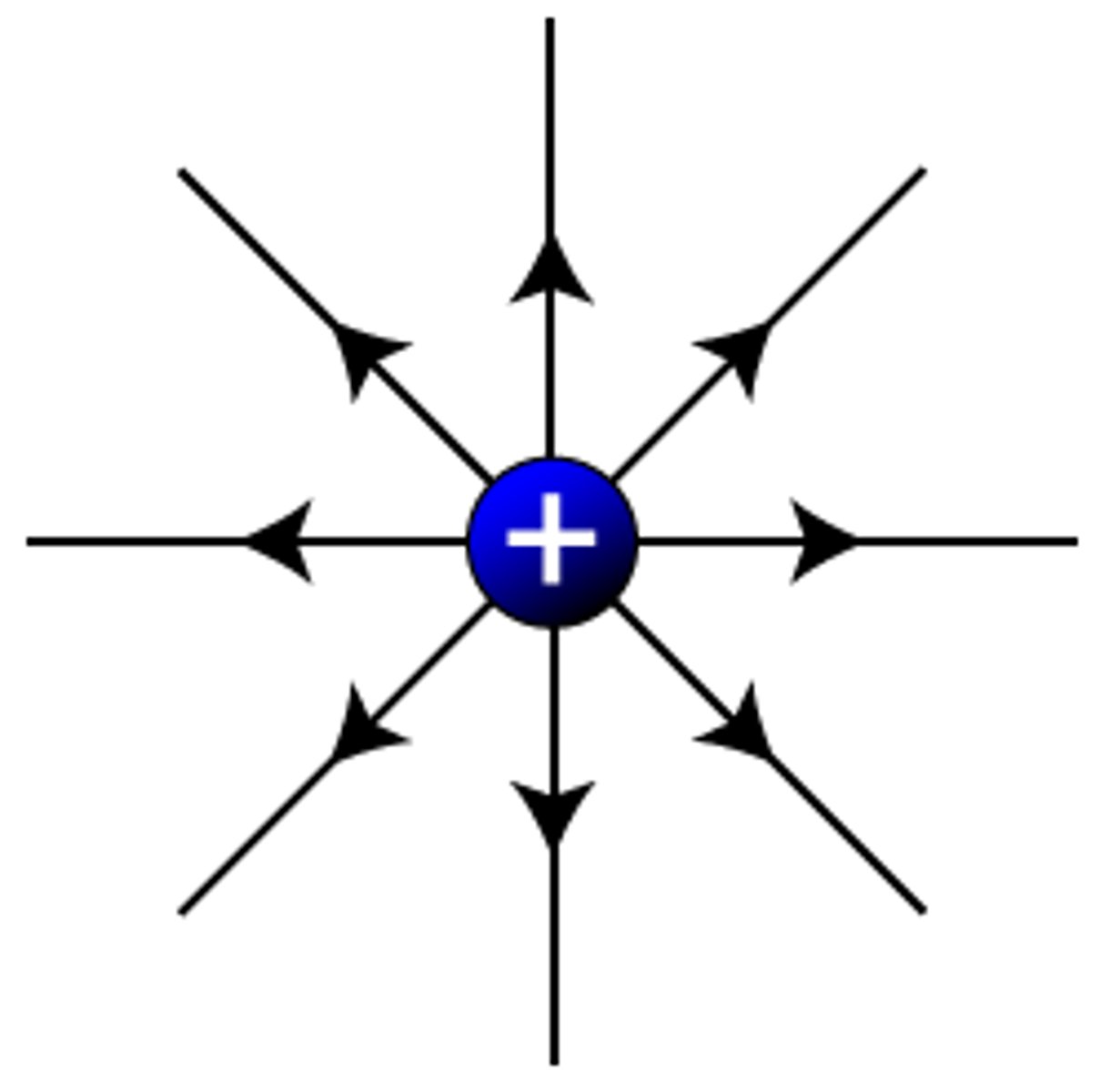
Why do you get an electric shock if you come close to a charged object?
. As the object is charged, it forms a potential difference with you when you get close to it
. The closer you are, the stronger the potential difference
. Eventually, the potential difference is strong enough to make electrons flow between you and the object which is called an electric shock
If you rub your hands over a balloon after rubbing it against your hair it won't attract the wall. Why?
It's charge has been transferred to your body / Earth
What is current measured in?
amps (A)
What is charge (including charge flow) measured in?
coulombs (C)
What is time measured in?
seconds (s)
What is resistance measured in?
ohms (Ω)
What is potential difference measured in?
volts (V)
What is power measured in?
watts (W)
What is energy (including energy transferred) measured in?
joules (J)