Genetics Test #1
 Call Kai
 Learn
Learn Practice Test
 Spaced Repetition
 Match
Match Flashcards
 Knowt Play
1/38

There's no tags or description
Looks like no tags are added yet.
Name | Mastery | Learn | Test | Matching | Spaced | Call with Kai | Chat |
|---|
No analytics yet
Send a link to your students to track their progress
39 Terms
roles of genetic material
replication and inheritance, information storage, expression (through rna transcription), variation → mutation
hershey chase experiment
proved nucleic acid is genetic material
phage (protein capsule + DNA) infects bacteira, whatever goes inside is genetic material
infected e coli w ohage - labeled heavy phosphorous (DNA) or sulfur (protein)
phage ghosts removed, new phages produced had 32P, while 32S is unlabeled → DNA went into cell not protein
purines
pure as gold: A, G - 2 rings
pyrimidines
climb the pyramid - C, T - 1 ring
DNA polarity
because of the 5-3 structure and molecular groups (phosphate and OH)
locus
broadest place in genome, large or small
including gene(s) or not depending on size
gene
exons and introns, DNA sequence that encodes a product (can be protein or other)
allele
diff versions of a gene - singlue nucleotide polymorphisms
genotype
genetic makeup (alleles) of an organism - hetero or homozygous
single nucleotide polymorphsim
2 individual sequences that vary by 1 base
genes r 99% consistent, 1% variation (new alleles)
PCR
denaturation, annealing, elngation
restriction enzyme
cut DNA in staggered (sticky ends) or blunt
recognize small, 4-8bp, palindromes (same 5-3 on opposite ends)
restirction fragmen t length polymorphism (RFLP)
PCR → cut into pieces → figure out size by running gels
compares sequences to see if lengths of fragments are same (same enzyme sites)
need to know locus sequence, and that cut site is variable

microarray (SNP chips)
allele specific probe w/ complimentary DNA to known SNP
label fragments of the target DNA with fluorescent probe
detection system records hybridization signals - heterozygous or homozygous
short tandem repeats (microsattelites)
short repetitive sequences that accumulate in genomes
vary at pop level - how many repeats
kinship by microsattelite lengths
IBD or IBS
SSR genotyping
identity by state
2 DNA have = nucleotide sequencesm not related
identity by descent
= sequence inherited by common ancestor, know it by identifying many loci
SSR genotyping
design primers to flank microsattelite w/ fluorescent tags
record length of multiple SSR - identity by descent
measure length of fragments based pn PCR
still need to know macrosatellite loci and primer sequence

copy number variants
large (>1000bp) region is deleted/duplicated - multiple regions
can include 1+ genes, rarer and have more effect on phenotype
FISH (fluorescent in situ hybridization)
can estimate amount of repeats based on band size

quantitative PCR
same as normal PCR, but add in DNA intecelating fluorescent dye
only inserts in couble stranded DNA - > find out how much double stranded DNA
association mapping
links genetic markers/variation → phenotype
measure genotypes, phenotype, then p valye of association
genome wide association study
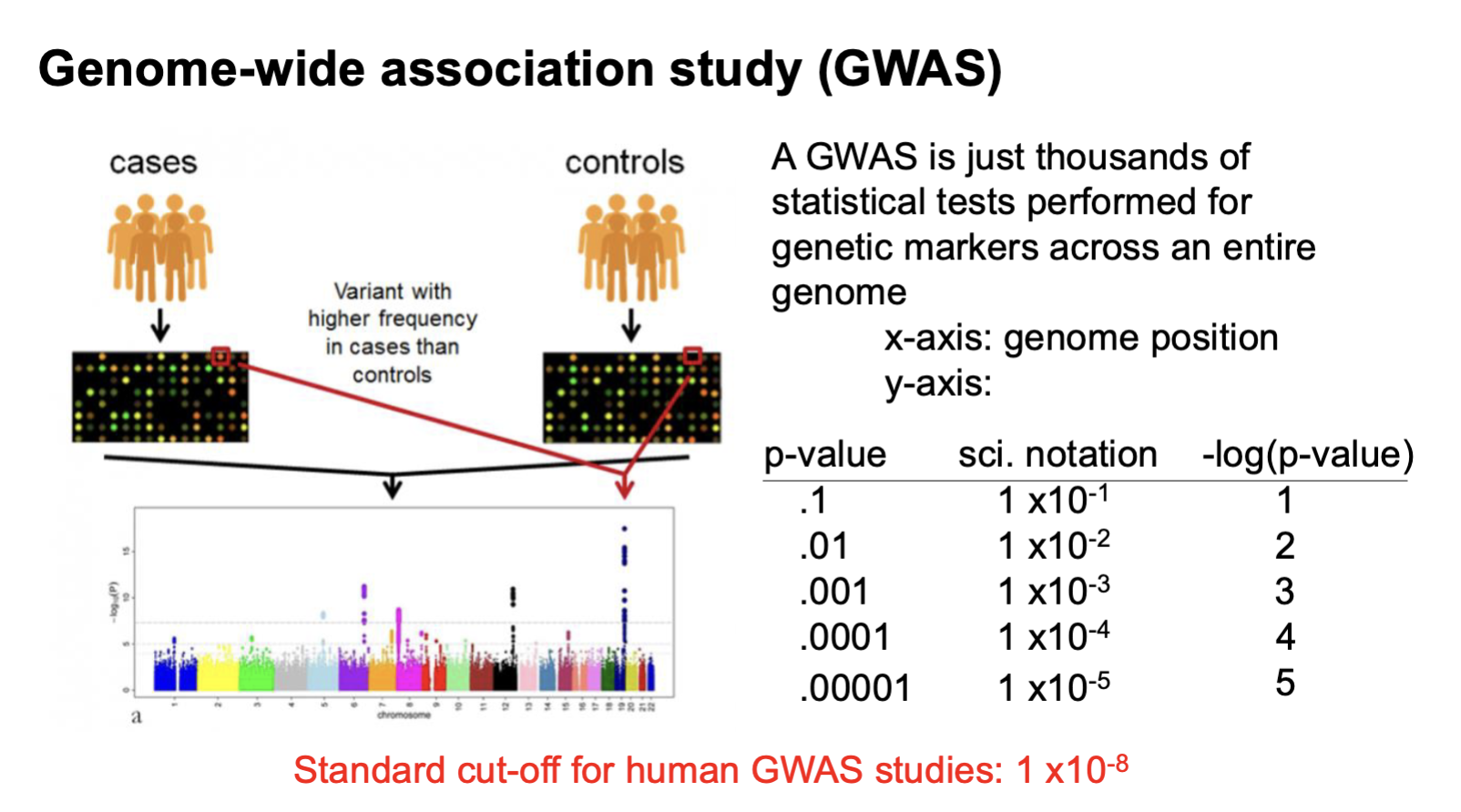
p value rulw
p = .05/n → keep same false positive rate for # of tests
DNA compaction levels
DNA → wraps around histone proteins (nucleosomes) → chromatin
chromatin → metaphase chromosomes right before division
3 regularities of chromosome compliments
nucleus of somatic (non sex) cells have fixed # of choromsome
chromosomes are usually in pairs (2 alleles)
gametes re usually haploid
homologous chromosomes
fertilization, different alleles (seperate during meiosis I)
sister chromatids
DNA replication (identital before crossing over)
seperate during mitosis & meiosis II
polyploidy
2+ homologous chrosomsomess per compliment (like 3 sex chromosomes)
why cells divide
growth, wound repair, turnover of worn out cells, reproduction
interphase
g1, 2, g2
g1
growth, synthesize cell division proteins
S
DNA replication - doubles # of chromatids, = # of chromosomes
G2
biochemical preperation for cell division
G2/M checkpoint - DNA is replicated and undamaged4
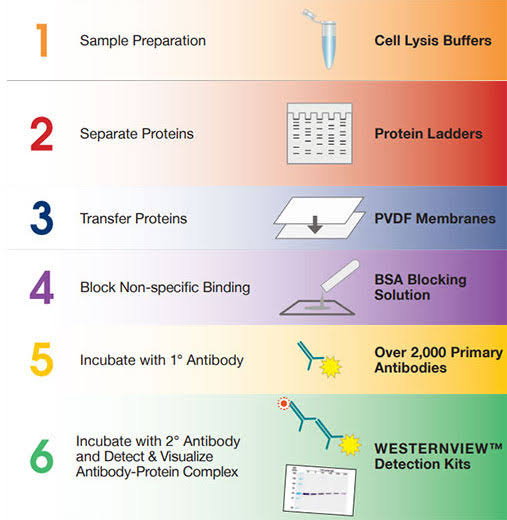
western blot
isolate proteins and determine what is present at each stage
isolate protein, denature, coat w/ - charge
run proteins through gel
3 stain and blot proteins thru primary and secondary antibodies
compare protein presence @ different timepoints
immunofluorescense
label protwin in living.cell - use antibodies with fluorescent labels
