Cell Anatomy and Division + Cell Permeability and Transport
 Call Kai
 Learn
Learn Practice Test
 Spaced Repetition
 Match
Match Flashcards
 Knowt Play
1/48

There's no tags or description
Looks like no tags are added yet.
Name | Mastery | Learn | Test | Matching | Spaced | Call with Kai | Chat |
|---|
No analytics yet
Send a link to your students to track their progress
49 Terms
What are cells?
The basic living units of tissue
What do cells do?
There are over 200 different cell types, and each specialized to perform essential functions
Why is the cell membrane semipermeable?
Enables the plasma membrane to surround and protect the cytoplasm while allowing the passage of certain materials in and out of the cell
What is semi permeable?
A barrier or membrane that allows some molecules to pass through while blocking larger particles (like proteins).
What are the different kinds of cells found in the human body?
Bone cells, blood cells, nerve cells, muscle cells, skin cells, and sex cells.
Plasma membrane
Is a flexible barrier that forms the outer layer of animal cells. It seperates the cells internal environment from its external environment.
phospholipid bilayer
A lipid bilayer, which is mostly composed of phospholipid molecules, but also contains smaller amounts of glycolipid and cholesterol molecules

Cytoplasm
The cytoplasm forms the inner contents of all cells, including animal cells. It contains all the contents between the nucleus and the plasma membrane.
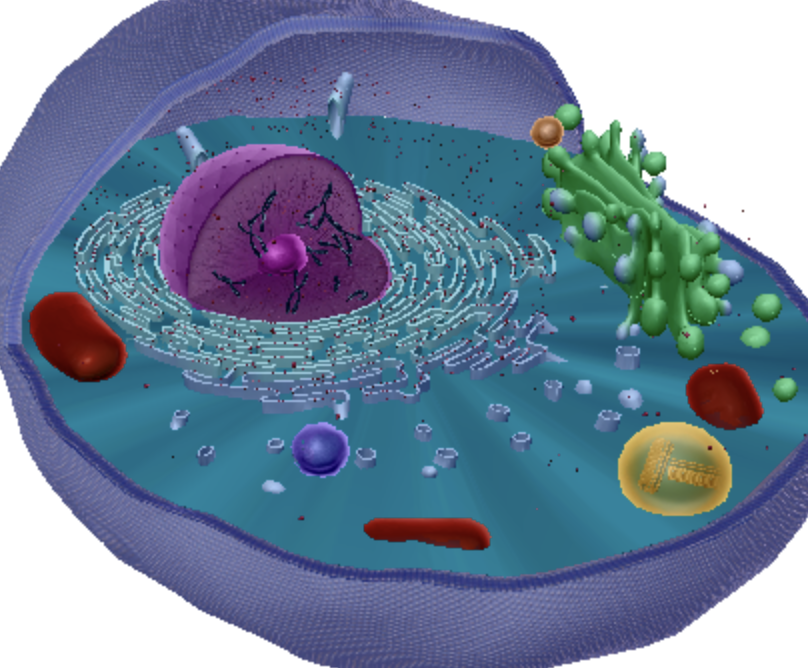
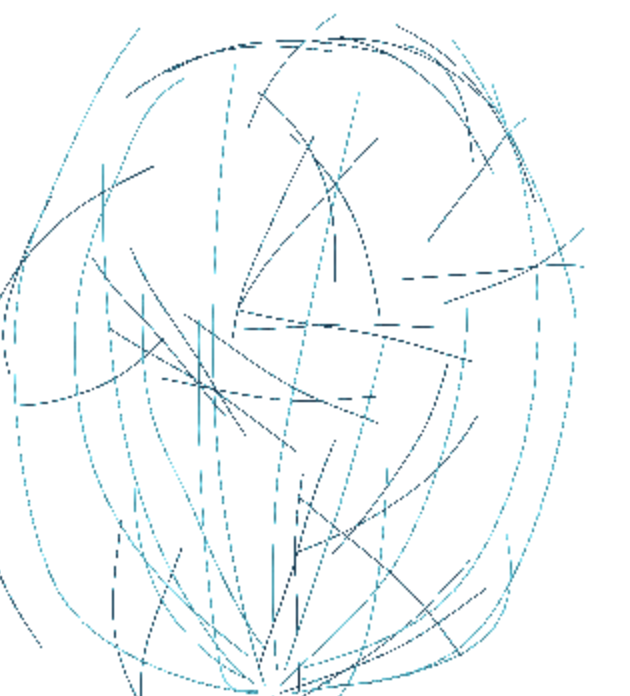
Cytoskeleton
consists of proteins called microfilaments and microtubules that support the cell. The centrosomes containing centrioles and pericentriolar material that are essential for cell division.
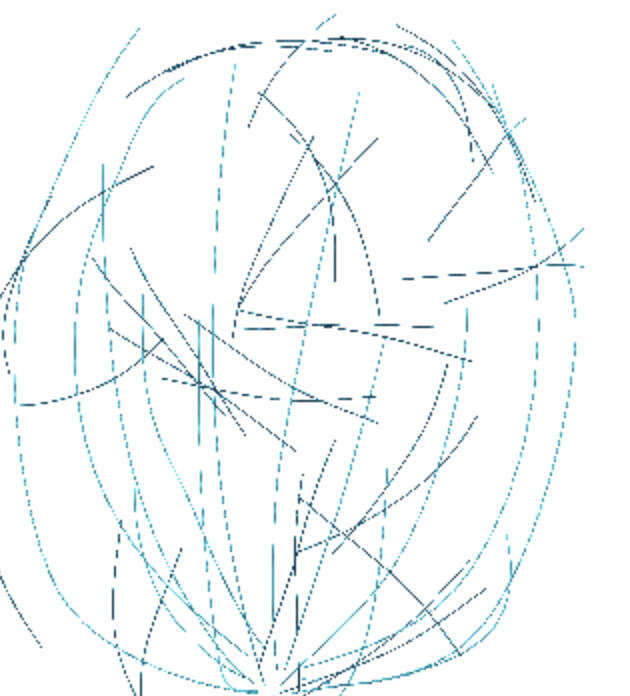
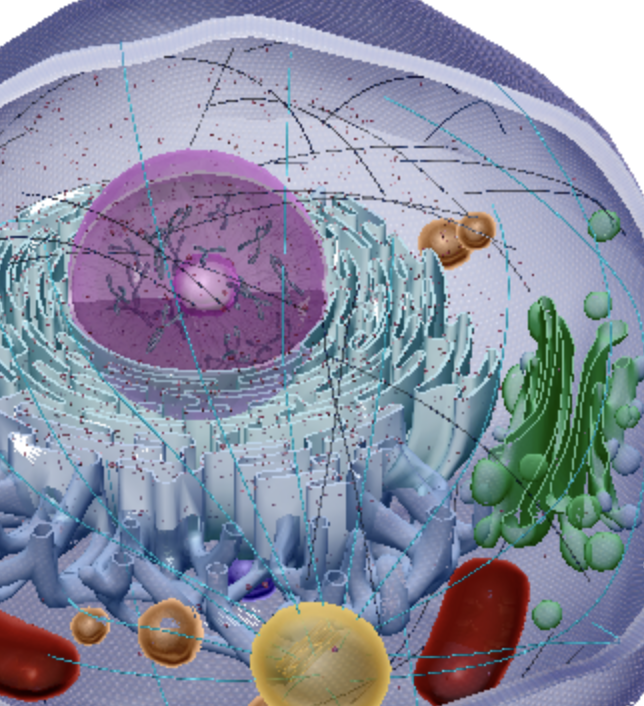
Microtubules
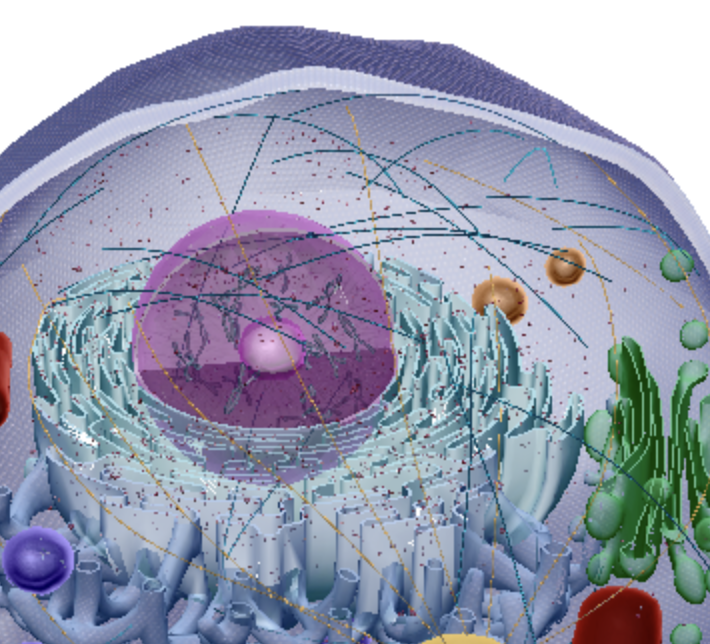
grow outward toward the periphery of a cell. They are the thickest of the three types; have long, hollow shape; and are composed of protein tubulin. They determine the shape of a cell and contribute to the movement of organelles.

Microfilaments
provide strength, support, and motility for the cell. They are primarily composed of the protein actin.

Centrosome
Is an organelle in the cytoplasm of anima cells

Centrioles
are composed of clusteters of microtubules in a circular arrangement


Ribosomes
synthesize proteins. Some ribosomes float freely in the cytosol, while others are attached to cellular structures.

Rough endoplasmic reticulum
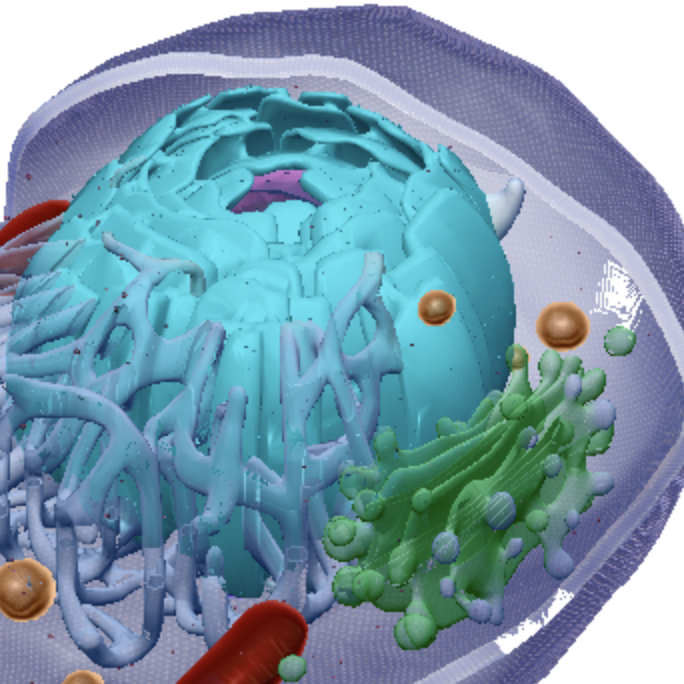
is a continuous with the outer nuclear membrane, and it gets its rough appearance from its numerous, protein-synthesizing ribosomes that are attached to it

Smooth endoplasmic reticulum
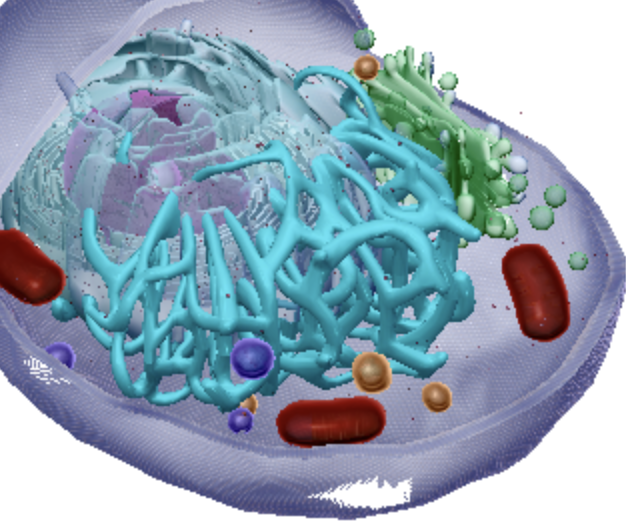
forms a network of tubules. It gets its name from the lack of lipids, hormones, and other cellular products, which are distributed throughout the cell by transport vesicles.

golgi complex
receives proteins, synthesized by ribosomes on the rough endoplasmic reticulum, via transport on the rough endoplasmic reticulum, via transport vesicles. It also processes and distributes lipids and complex carbonhydrates

Mitochondria
is a membrane-bound organelles located in the cytoplasm of eukaryotic cells, including both animal and plant cells

Lysososomes
are capsules inside the cell that contain digestive enzymes. Their function is to break down substances consumed by the cell or to recycle waste.

Peroxisomes
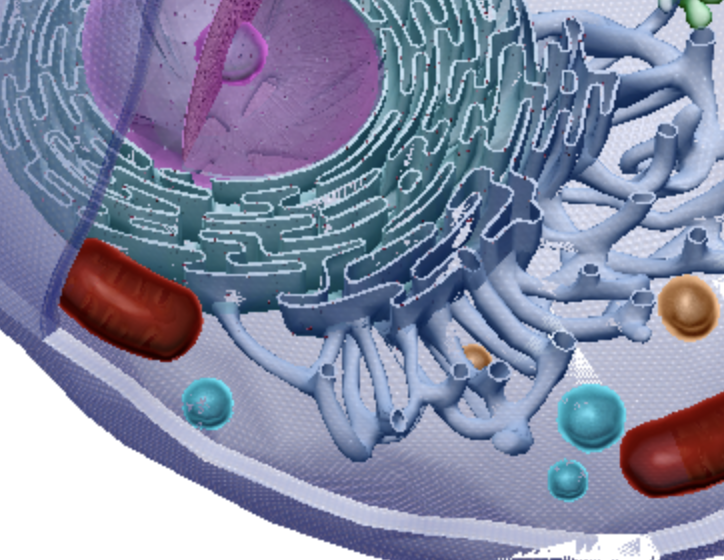
Are organelles in the cytoplasm of a cell. Also known as microbodies, they are smaller, but similar in structure to lysosomes. They contain oxidases, enzymes that oxidize organic substances.
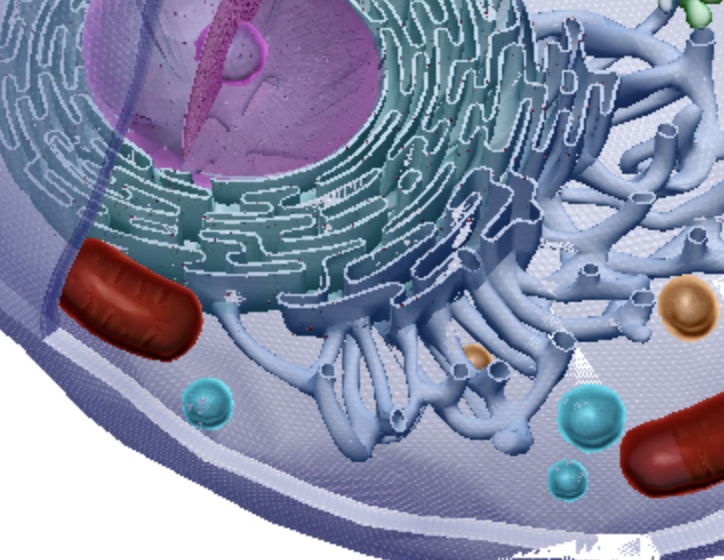
Transport Vesicles
Some substances are transported to and from the pasma membrane in membranous sacs. This process expends energy, so it is a form of active transport.

Nucleus
The nucleus is a large organelle that contains the cell’s genetic information. Surrounded by cytoplasm, it is located in the center of the cell. Most cells have a single nucleus, but some have multiple nuclei, and other cells, such as mature red blood cells, do not have a nucleus at all.
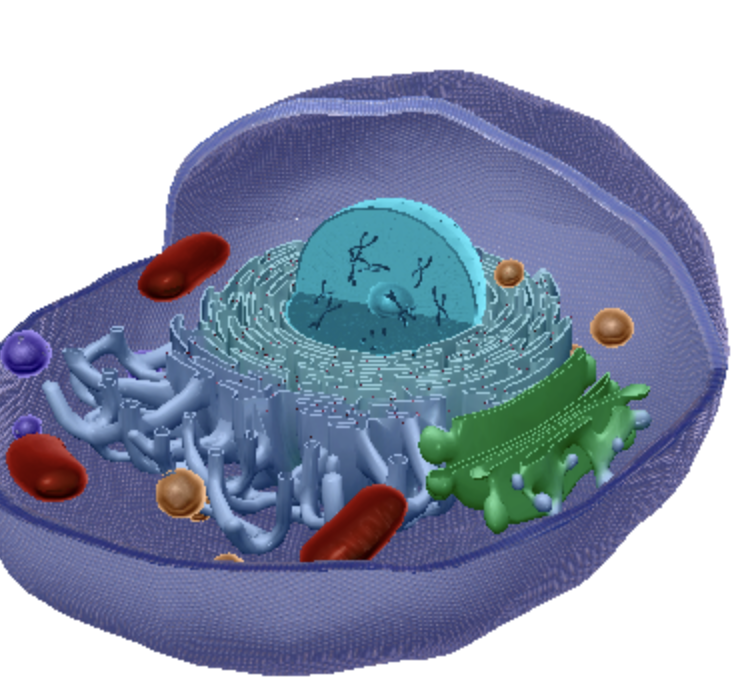
Nuclear envelope
Is a double membrane, similar in structure to the plasma membrane, surrounds the nucleus, and opening sin the nuclear membrane called nuclear pores control the flow of substances in an out.

Nucleoplasm
A viscous liquid inside called nucleoplasm contains the contents of the nucleus
Nucleolus
One or more spherical bodies inside the nucleus that serve as the site of ribosomal RNA synthesis
Chromosomes
The cells genetic information is encoded in the DNA molecules, which arranged along chromosomes. Human somatic cells have 46 chromosomes, each of which contains long molecules of DNA coiled around proteins.

Why do cells have a membrane?
It serves as protection for the cell
How does the structure of the cell membrane makes it semipermeable?
Enables the plasma membrane to surround and protect the cytoplasm while allowing the passage of certain materials in and out of the cell.
What are the roles of proteins in the membrane?
Proteins are chains of amino acids that have many functions in the body, including acting as hormones in the endocrine system, contracting muscles, and transporting substances in the bloodstream and across cell membranes.
Diffusion
The passive movement of molecules from a higher to lower concentration until equilibrium is reaches
Osmosis
Is the passive movement of water from an area of high water (low solute) concentration to an area of a lowe water (high solute) concentration. While a limited amount of water molecules can move directly through the phospholipid bilayer, specialized protein channels called aquaporins facilitate the more rapid movement of water across the plasma membrane.
hypertonic solution
Higher solute concentration
Cells crenate
isotonic solution
No net movement
Water continues to cross the membrane
Always in motion
hypotonic solution
Lower solute concentration
Cell lyse
Ex: You have a beaker split down the middle by a semipermeable membrane. You fill both sides with water and then add salt to the right side but not to the left. Which way does the water move?Which way does the salt move?If the solutes cannot move what happens to the osmotic pressure?
The water moves to the right side and the salt has no movement.
The osmotic pressure increases because the water moves to balance the concentration gradient
What is the difference between facilitate diffusion and simple diffusion?
Simple diffusion: is the passive movement of small, nonpolar molecules such as oxygen - directly through the cell membrane down their concentration gradient
Facilitated diffusion - is the passive movement of molecules such as sodium across the plasma membrane down their concentration gradient.
What does the process of cellular respiration make from glucose?
Cellular respiration is a series of processes that take place within a cell to break down glucose to make ATP. The three main processes are glycolic, the citric acid cycle, and oxidative phosphorylation.
Transcribe
In transcription, DNA’s information is encoded or transcribe into RNA. For genes that code for proteins, the RNA is called messenger or mRNA. The process begins when RNA polymerase opens the double helix DNA, like slider on a zipper. It unwinds the DNA double helix and pries the two DNA strands apart
translation
Is the formation of a linear chain of amino acids, suing the transcribed information provided by an mRNA strand.
G1 phase (cell cycle)
Cells grow larger
Carries out normal cellular function
S phase (cell cycle)
DNA is replicated
Sister chromatids are formed
Organelles increase in number
G2 phase (cell cycle)
Cells grow larger
Prepares to divide
Carries out normal cellular functions
Interphase
G1, S phase, G2
mitosis
prophase, metaphase, anaphase, telophase

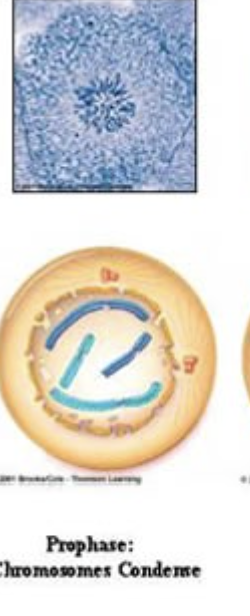
Prophase
First stage
Chromatin condense into visible chromosomes containing 2 identical sister chromatids
Nuclear envelope begins to breakdown
Spindle fibers begin to appear
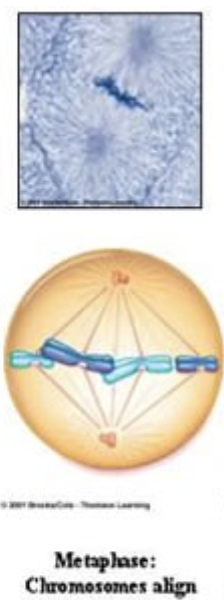
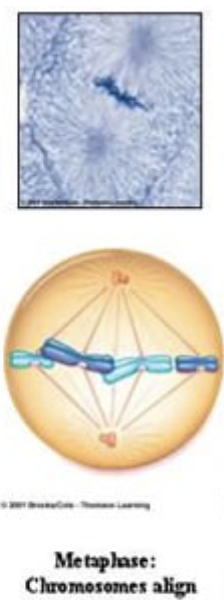
Metaphase
Second stage
Chromosomes align along equator
Nuclear envelope gone
Centrioles migrate to opposite poles
Mitotic spindles attack to centromere of each sister chromatid

Anaphase
Third stage
Chromatids separated to produce individual chromosomes
Chromosomes migrate towards each pole


Telophase
Fourth stage
Chromosomes reach poles
Spindles begin to disappear
Nuclei begin to form
Plasma membrane begins to divide into 2 daughter cells

Cytokinesis
Cells have divided into 2 identical daughter cells
Each cell enters interphase