AP Microeconomics Chapter 3 Key Term Notecards
 Call Kai
 Learn
Learn Practice Test
 Spaced Repetition
 Match
Match Flashcards
 Knowt Play
1/17

There's no tags or description
Looks like no tags are added yet.
Name | Mastery | Learn | Test | Matching | Spaced | Call with Kai | Chat |
|---|
No analytics yet
Send a link to your students to track their progress
18 Terms
Chapter 3
Card #1
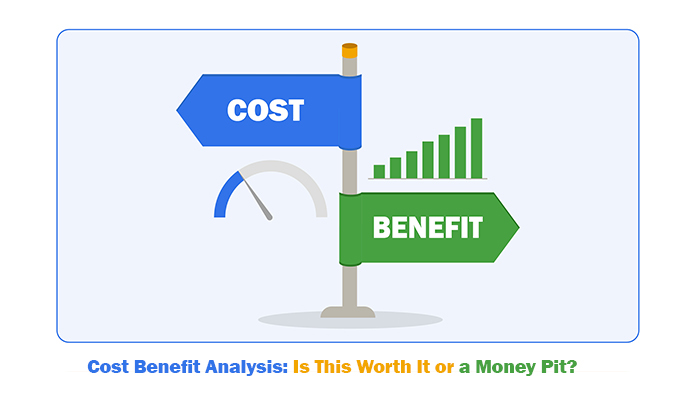
cost-benefit analysis
the practice of measuring the benefits of a decision against the costs of that decision
utility
rational behavior
Chapter 3
Card #2
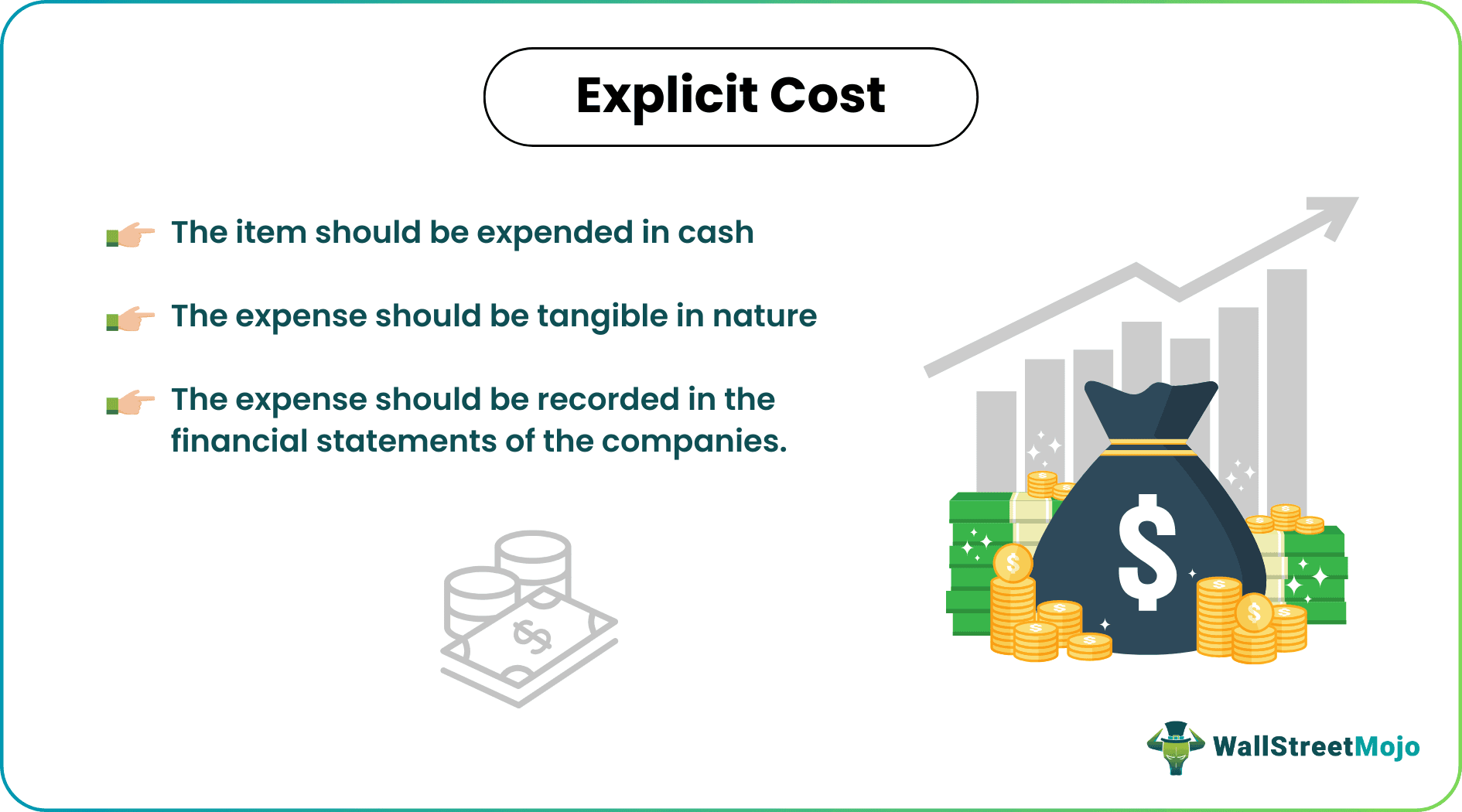
explicit costs
the monetary value of participating in an activity or making a decision
implicit cost
total benefit
Chapter 3
Card #3
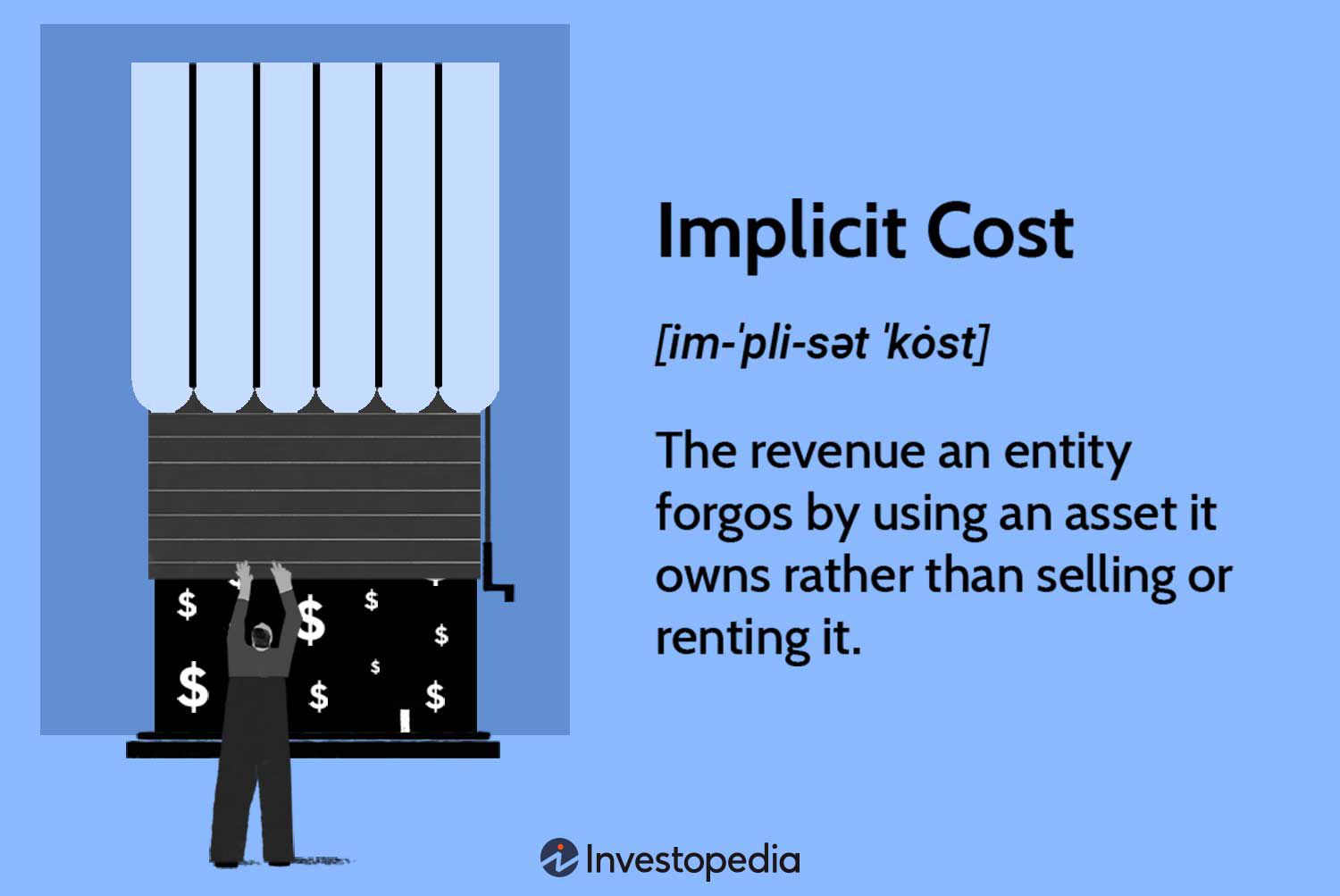
implicit costs
similar to opportunity cost, the value of the next best alternative to a choice not taken
explicit costs
total benefit
Chapter 3
Card #4
benefit
the total gain, satisfaction, or revenue a rational decision-maker receives from taking an action
total benefit
net benefit

Chapter 3
Card #5
total benefit
perceived value of making a decision
benefit
cost-benefit analysis
Chapter 3
Card #6
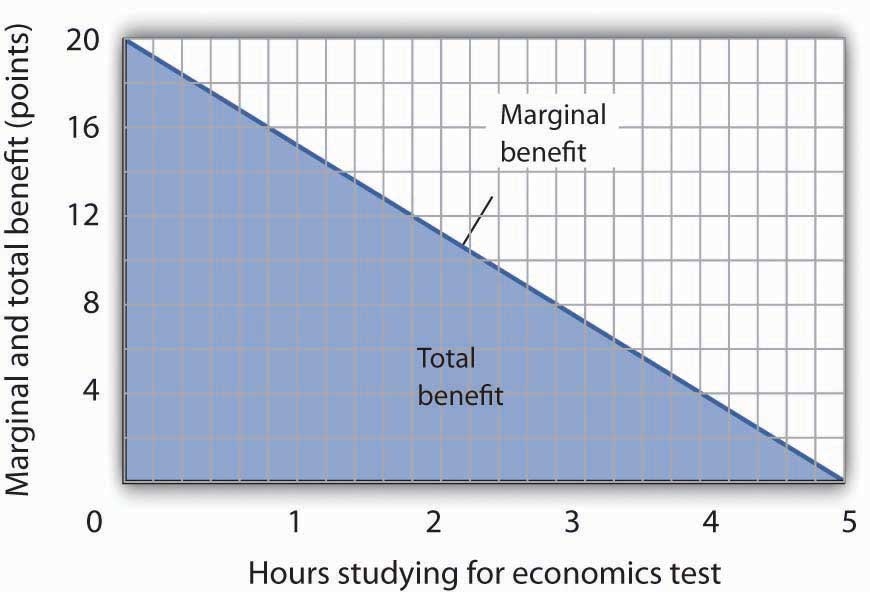
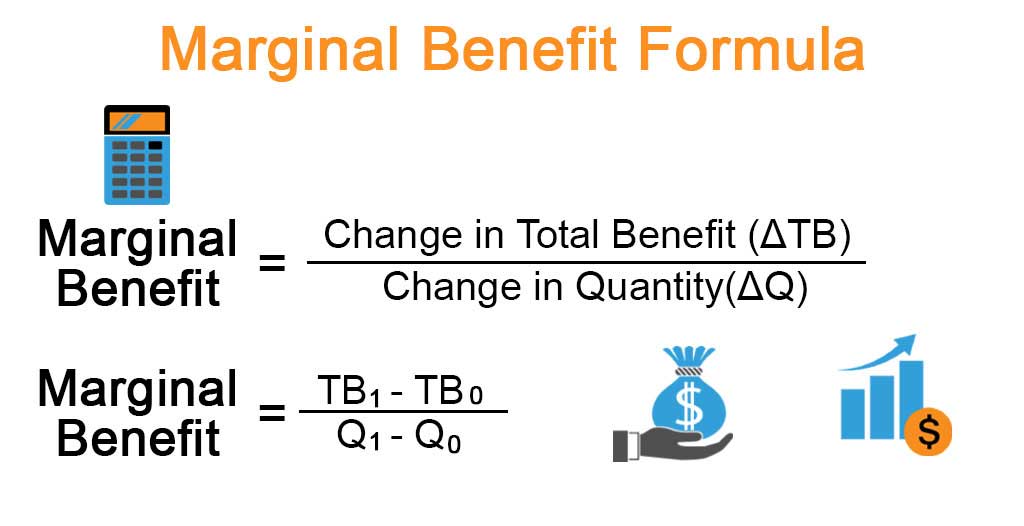
marginal benefit
the additional benefit you get from consuming a good or service
a maximum amount a consumer is willing to pay for an additional good or service
MB = ΔTotal Benefit / ΔQuantity
total benefit
cost-benefit analysis
Chapter 3
Card #7
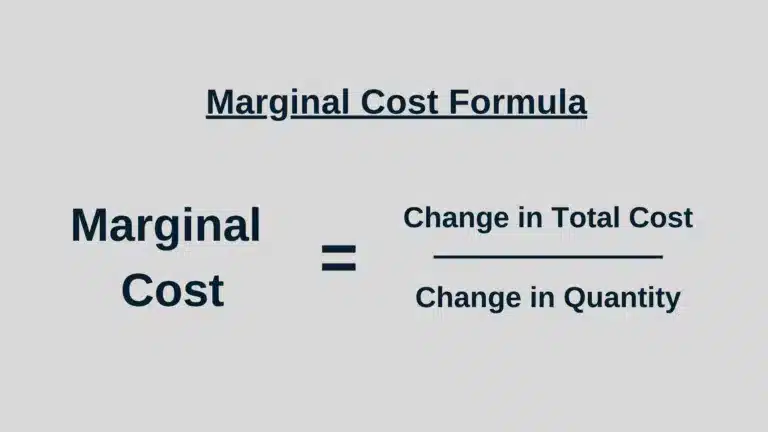
marginal cost
the additional cost from consuming an additional good or service
MC = ΔTotal Cost / ΔQuantity
marginal benefit
total benefit
Chapter 3
Card #8
net benefit
the formula equals the total benefit minus the total cost of a decision
total benefit
explicit costs

Chapter 3
Card #9
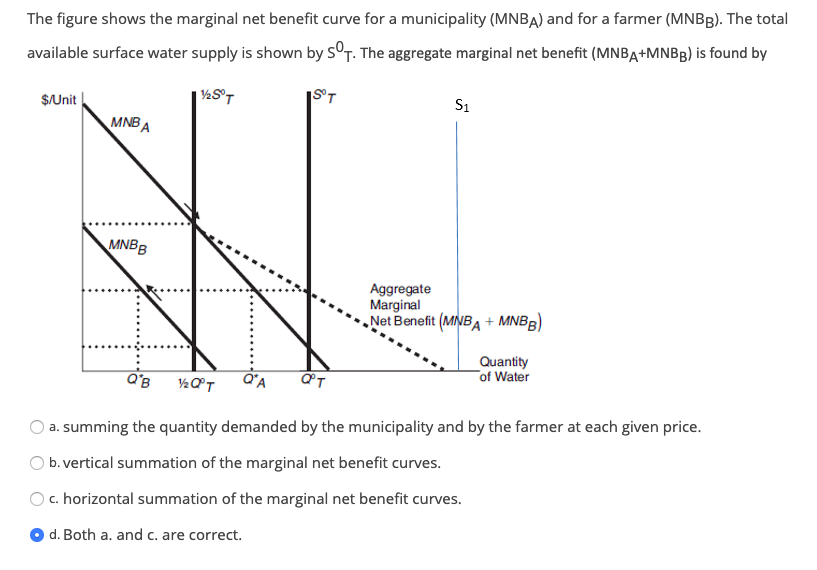
marginal net benefit
the difference between marginal benefit and marginal cost
a mathematical calculation that reflects the value consumers place on a good or service
marginal cost
marginal benefit
Chapter 3
Card #10
economizing problem
choices necessitated because society’s economic wants for goods and services are unlimited but the resources available to satisfy these wants are limited (scarce)
scarcity
opportunity cost

Chapter 3
Card #11
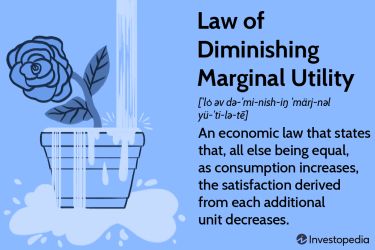
law of diminishing marginal utility
principle that as a consumer increases the consumption of a good or service, the marginal utility obtained from each additional unit of the good or service decreases
utility
consumer goods
Chapter 3
Card #12
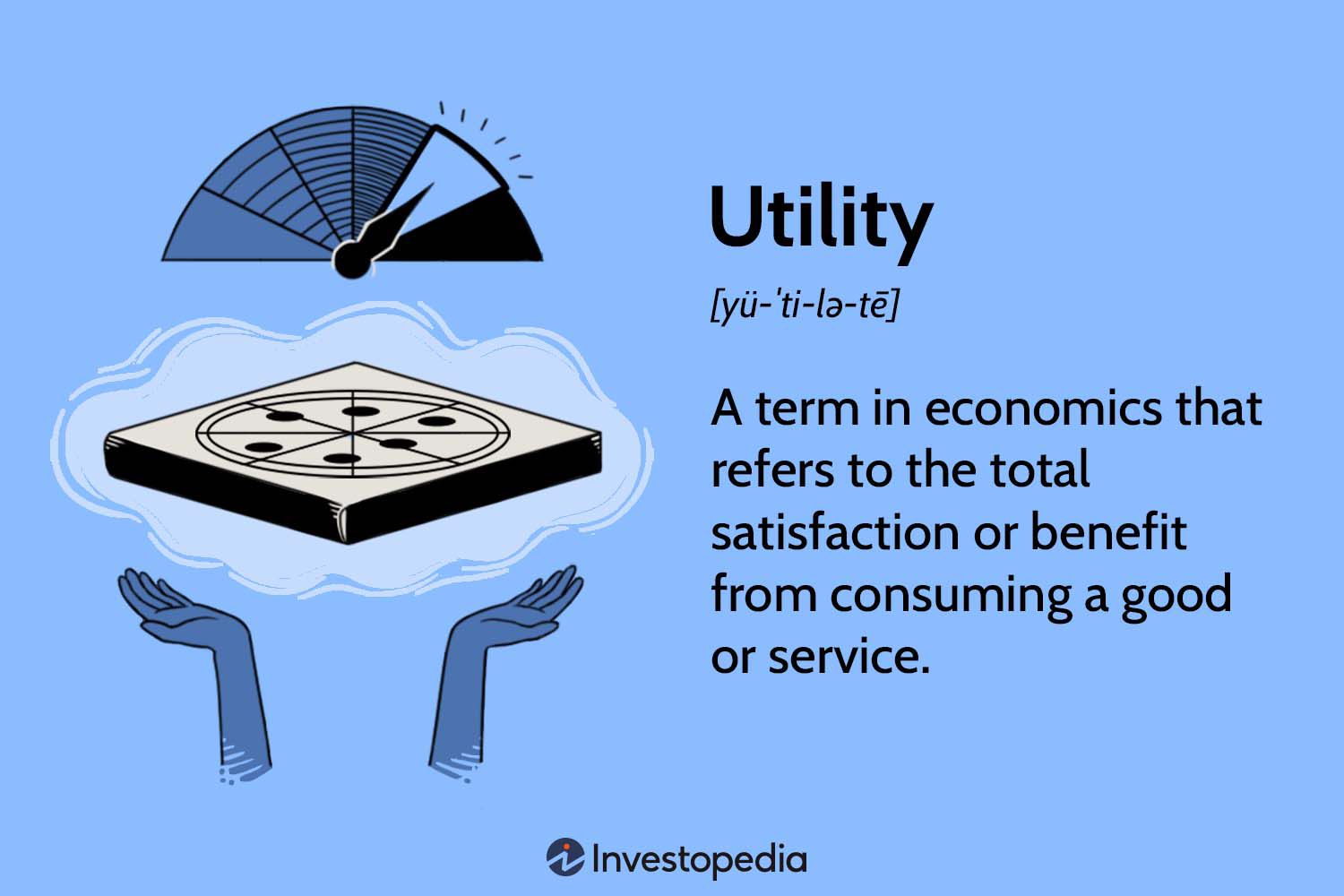
utility
want-satisfying power of a good or service
satisfaction or pleasure a consumer obtains from the consumption of a good or service (or from the consumption of a collection of goods and services)
law of diminishing marginal utility
product market
Chapter 3
Card #13
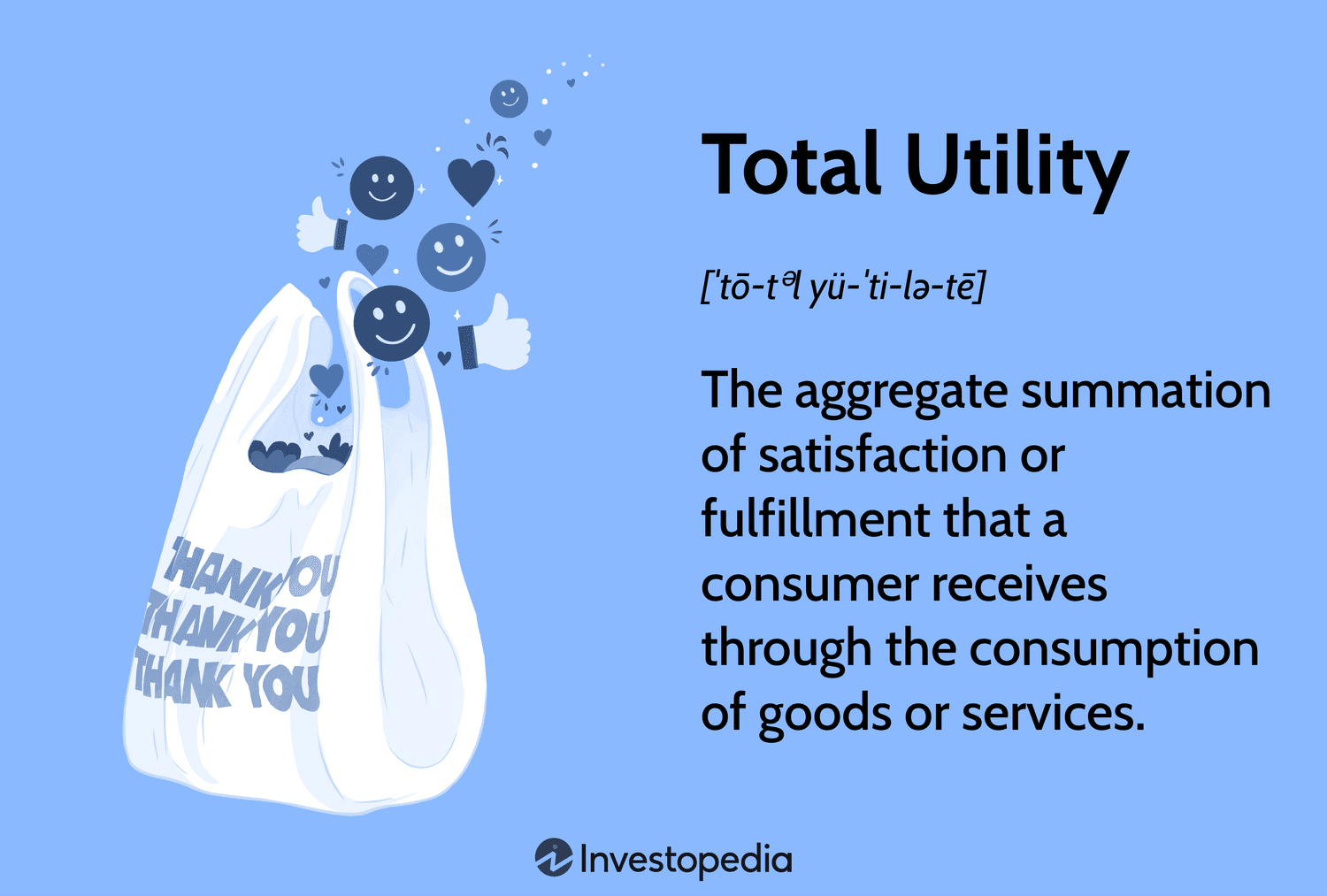
total utility
total amount of satisfaction derived from the consumption of a single product or a combination of products
utility
goods and services
Chapter 3
Card #14
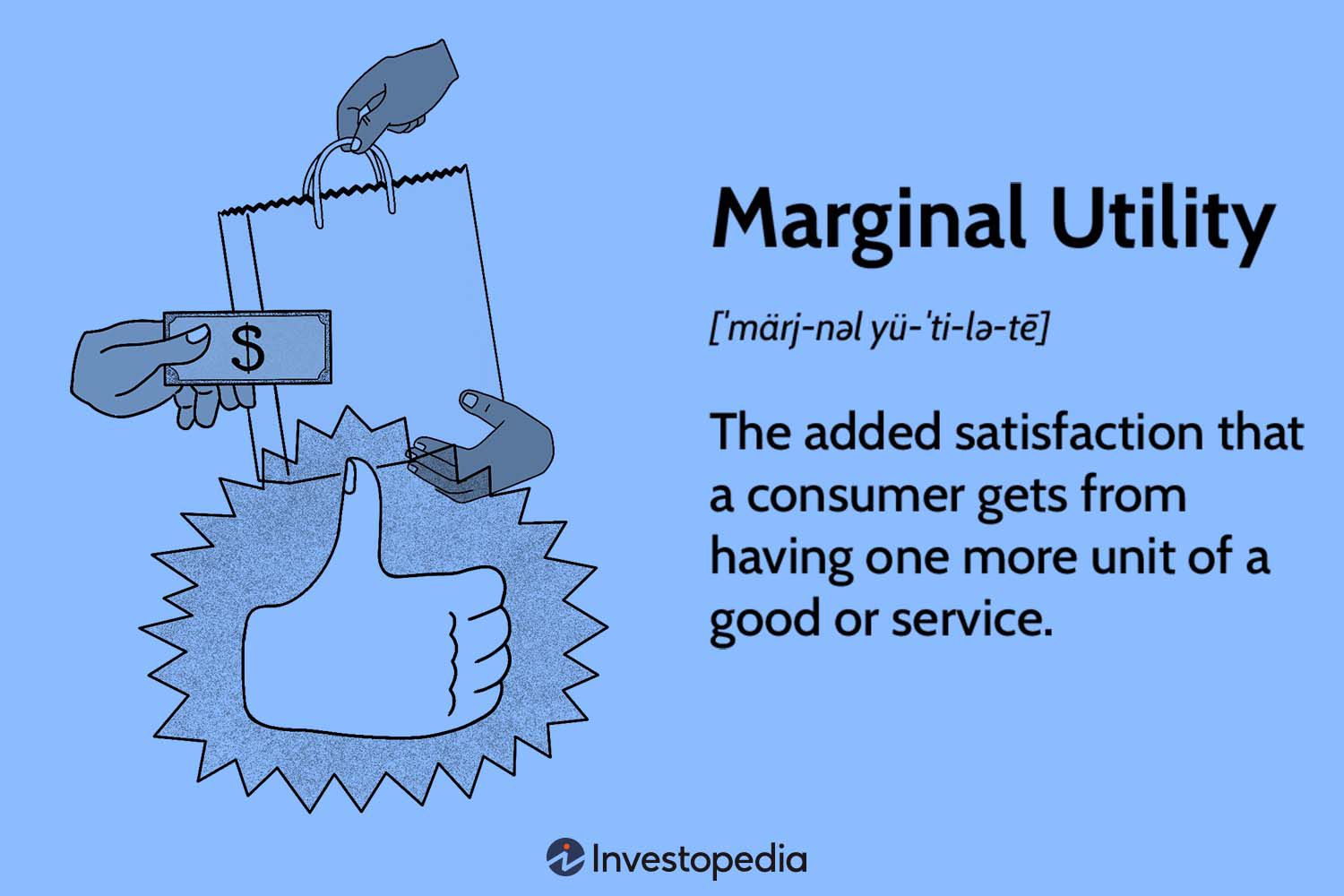
marginal utility
extra utility a consumer obtains from the consumption of 1 additional unit of a good or service
equal to the change in total utility divided by the change in the quantity consumed
law of diminishing marginal utility
utility
Chapter 3
Card #15
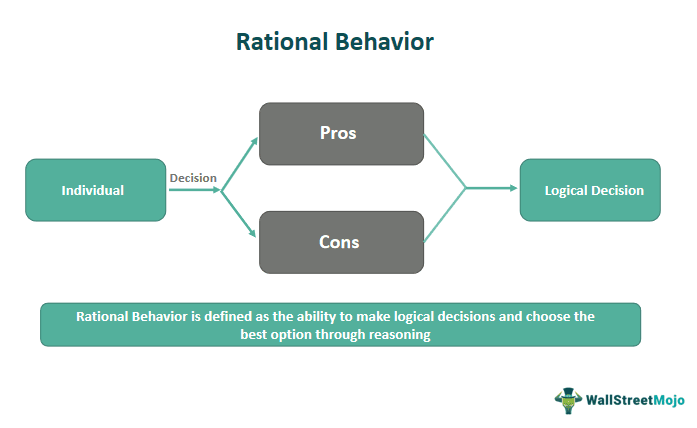
rational behavior
human behavior based on comparison of marginal costs and marginal benefits
behavior designed to maximize total utility
utility
marginal costs
Chapter 3
Card #16
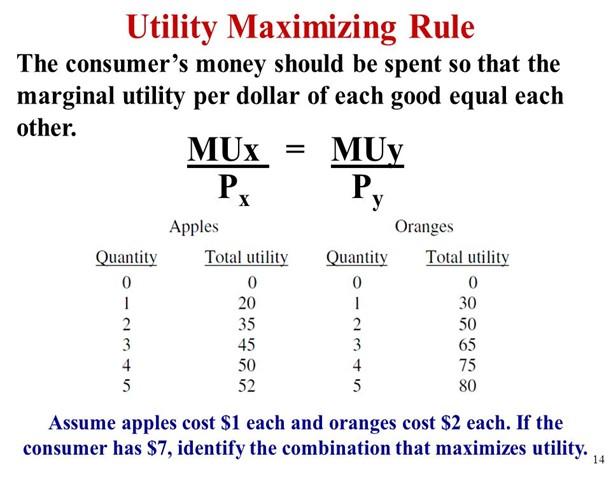
utility maximizing rule
principle that to obtain the greatest total utility, a consumer should allocate money income so that the last dollar spent on each good or service yields the same marginal utility (MU)
for two goods X and Y, with prices Px and Py, total utility will be maximized by purchasing the amounts X and Y such that MUx/Px = MUy/Py, for the last dollar spent on each good
marginal utility
total utility
Chapter 3
Card #17
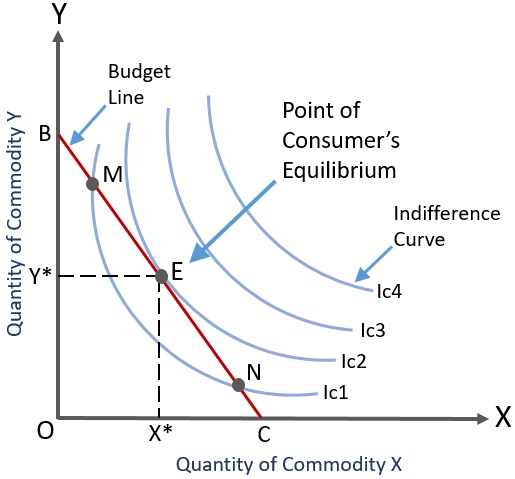
consumer equilibrium
in marginal utility theory, the combination of goods purchased that maximizes total utility by applying the utility-maximizing rule
utility maximizing rule
marginal utility
Chapter 3
Card #18
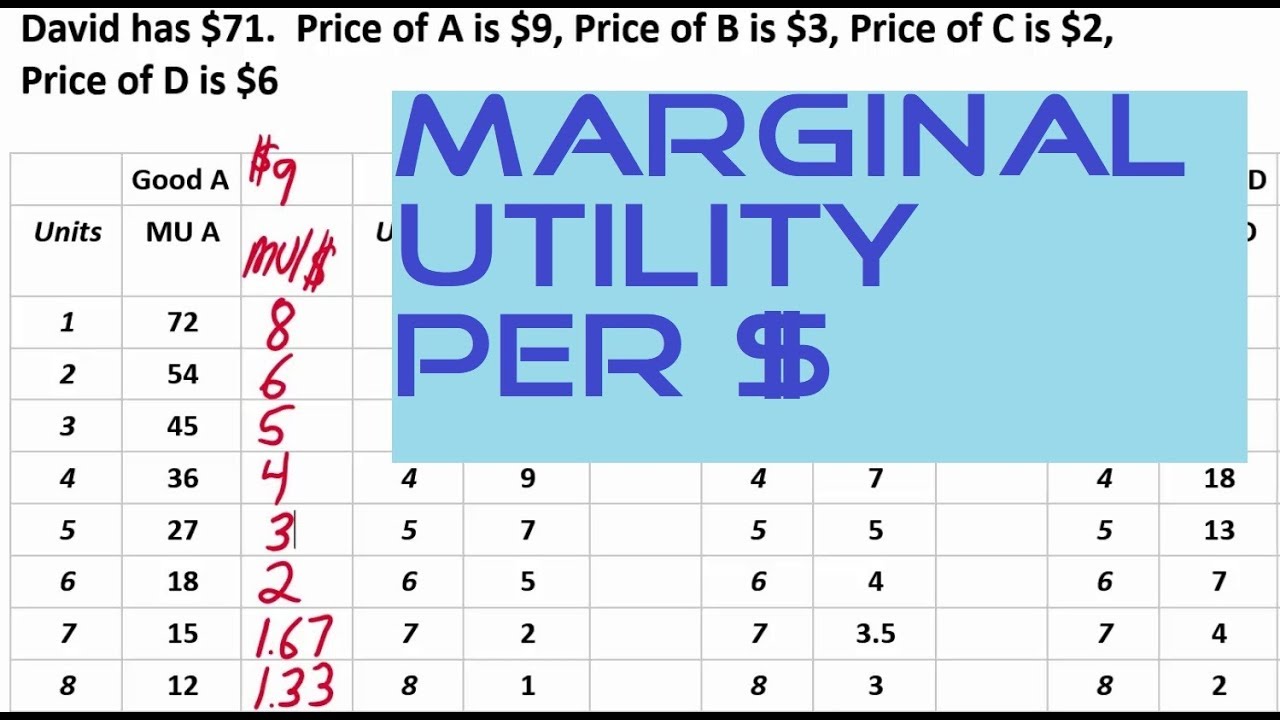
marginal utility per dollar
the amount of satisfaction or utility a consumer derives from spending one additional dollar on a particular good or service
measures the bang for your buck in terms of utility gained
MU/P
marginal utility
utility