CFI Exam 3 - Systems and Airspace
 Call Kai
 Learn
Learn Practice Test
 Spaced Repetition
 Match
Match Flashcards
 Knowt Play
1/83

There's no tags or description
Looks like no tags are added yet.
Name | Mastery | Learn | Test | Matching | Spaced | Call with Kai |
|---|
No analytics yet
Send a link to your students to track their progress
84 Terms
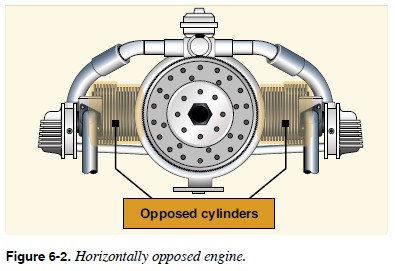
Horizontally Opposed (Boxer) Engine Advantages
Perfect primary balance (no balance shafts drawing power)
Less vibration
Thrust line is where we want it
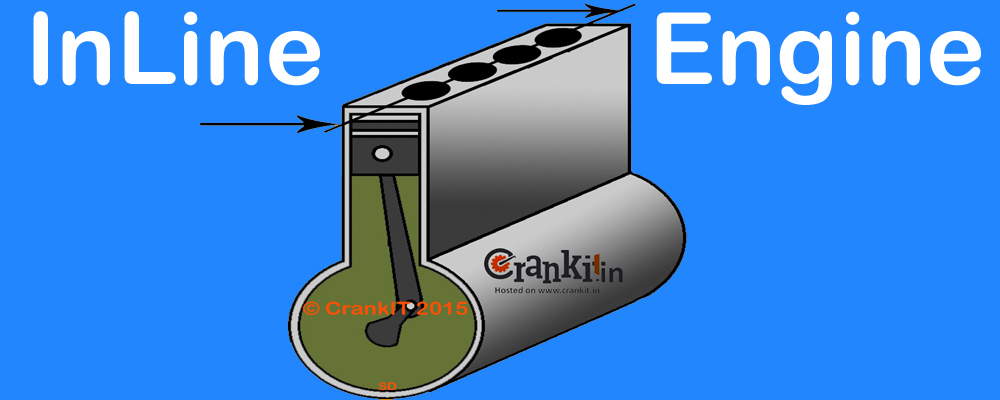
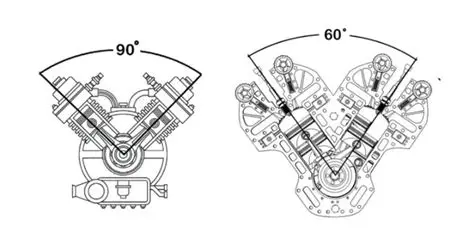
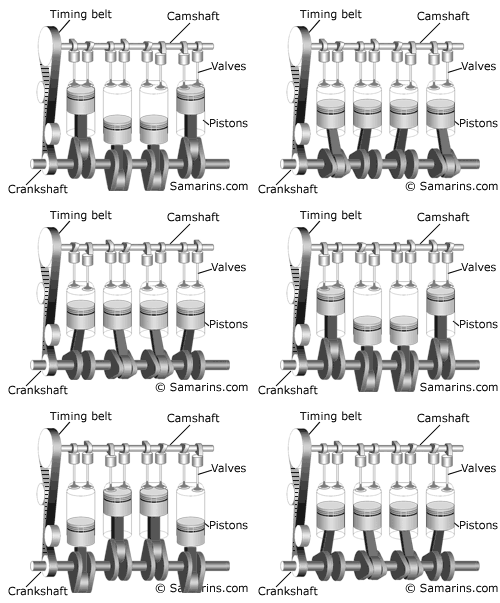
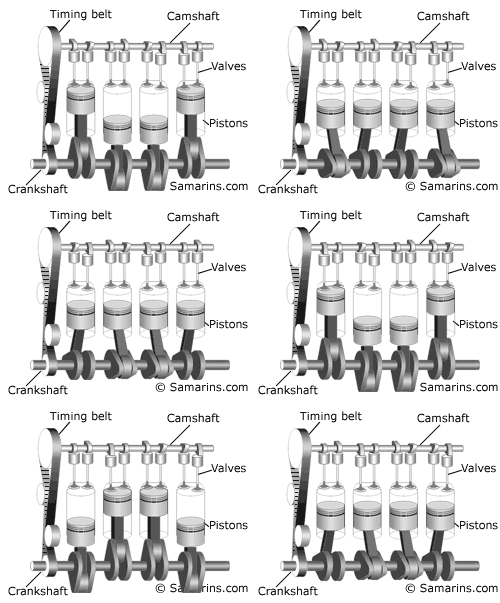
What is the typical engine of cars?
In line (first picture) or V engine (second picture)
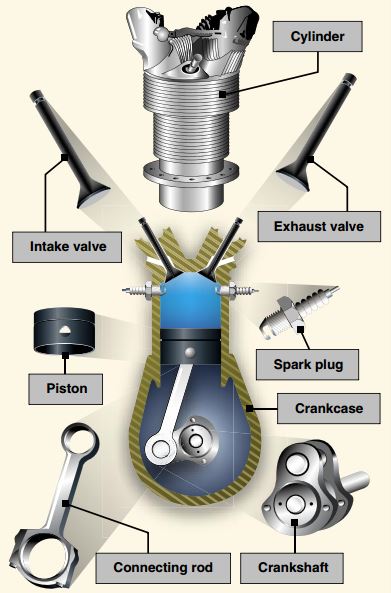
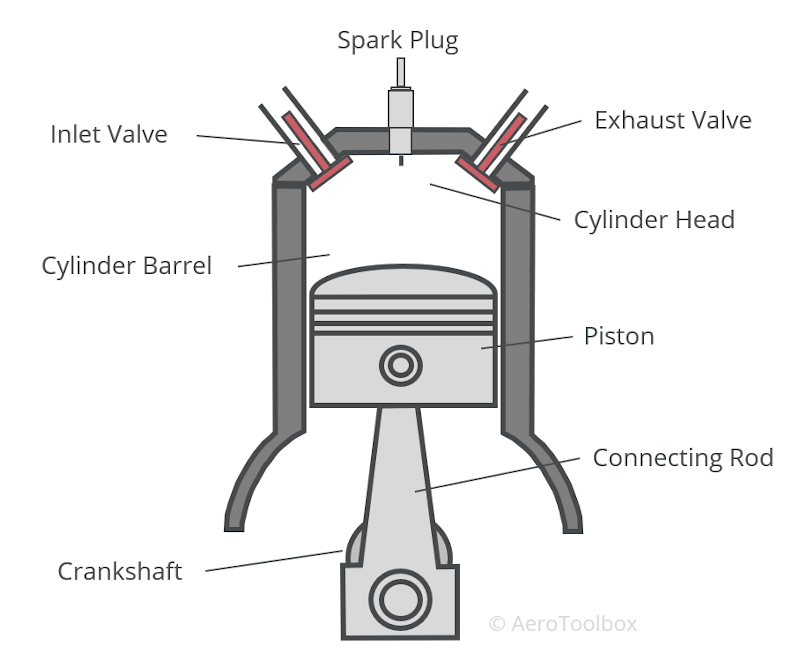
Piston
Moves up and down in a cylinder (permanent assembly)
Pushed by combustion gases
Airtight seal is created by piston rings and oil
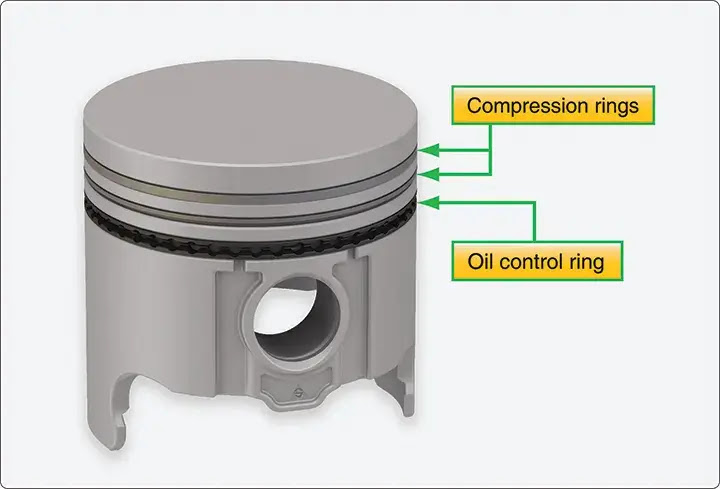
Piston Rings
Compression Ring – create airtight seal
Scraper Ring – scrapes oil back down
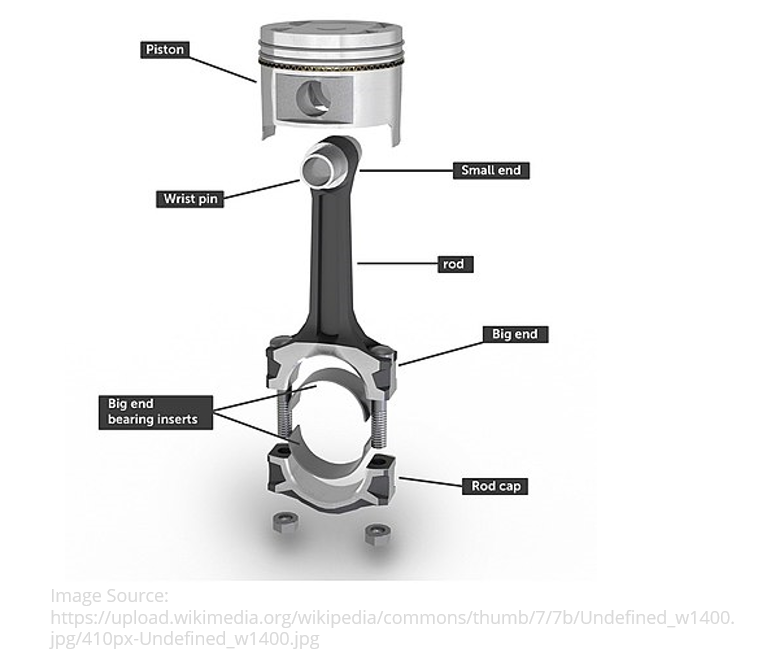
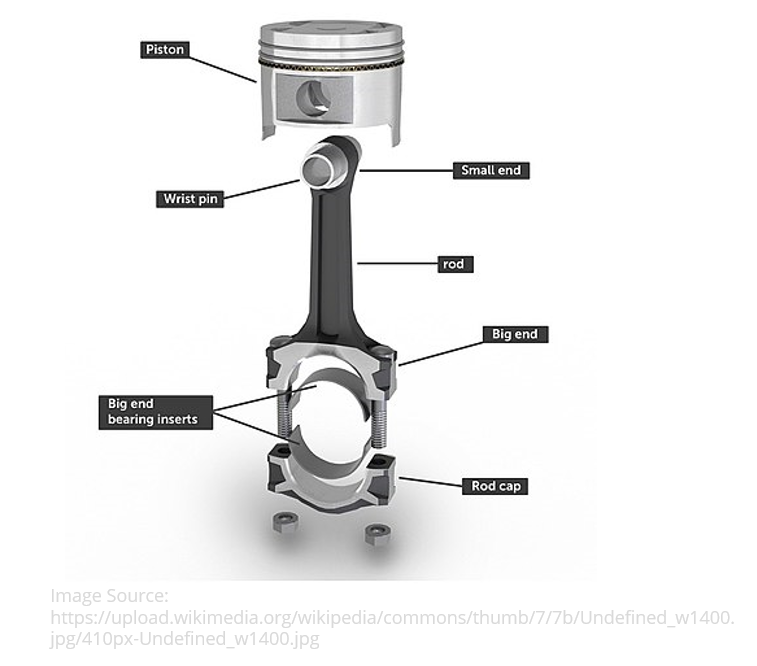
Connecting Rod
Connects piston and crankshaft
Small end is the piston end and connects using a “wrist pin” (aka piston pin, gudgeon pin)
Larger end connects to the crankshaft using a “crank pin”
the end of the rod is split into two halves (rod and cap) which are bolted around the crank pin (aka crankshaft journal)
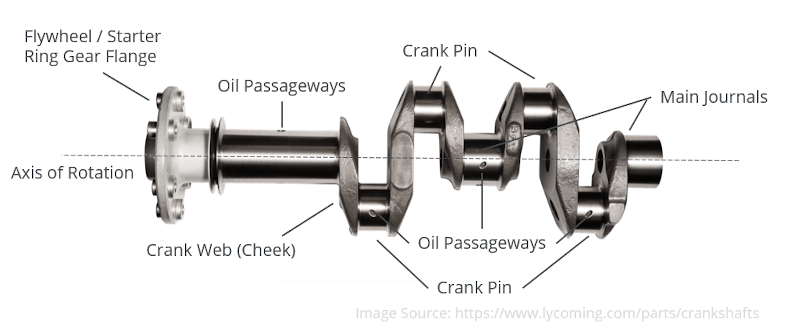
Crankshaft
Big, heavy, forged then machined
Crankshaft journal
the part the piston rod connects to in order to spin the crankshaft, because crank pins are specific journals on the crankshaft
Rides on main bearing
Turns the propellor (direct drive)
Transmission means
A lot of GA airplanes have a transmission or gearbox (non-direct drive)
Camshaft
Controls the valve opening and closing and is geared to the crankshaft
ROTATES AT ½ SPEED OF CRANKSHAFT
because four stroke engine requires TWO revolutions for ONE CYCLE, the camshaft turns at ½ speed to open and close the valves ONCE per cycle
Crankcase
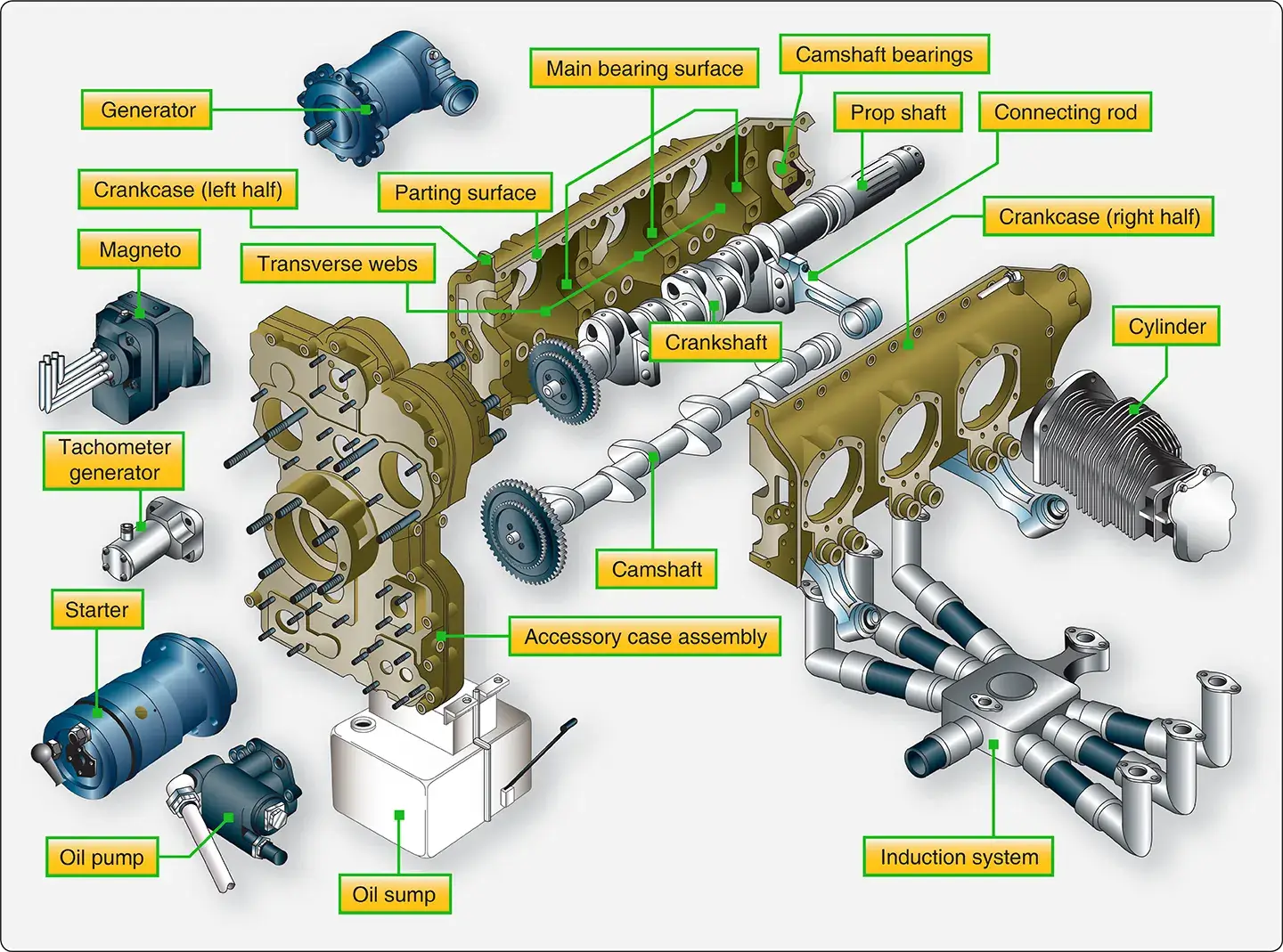
Holds the engine block
“Splitting the case” - much more expensive repair if the crankcase has to be split
Cylinders individually attach to it (each cylinder can be independently removed)
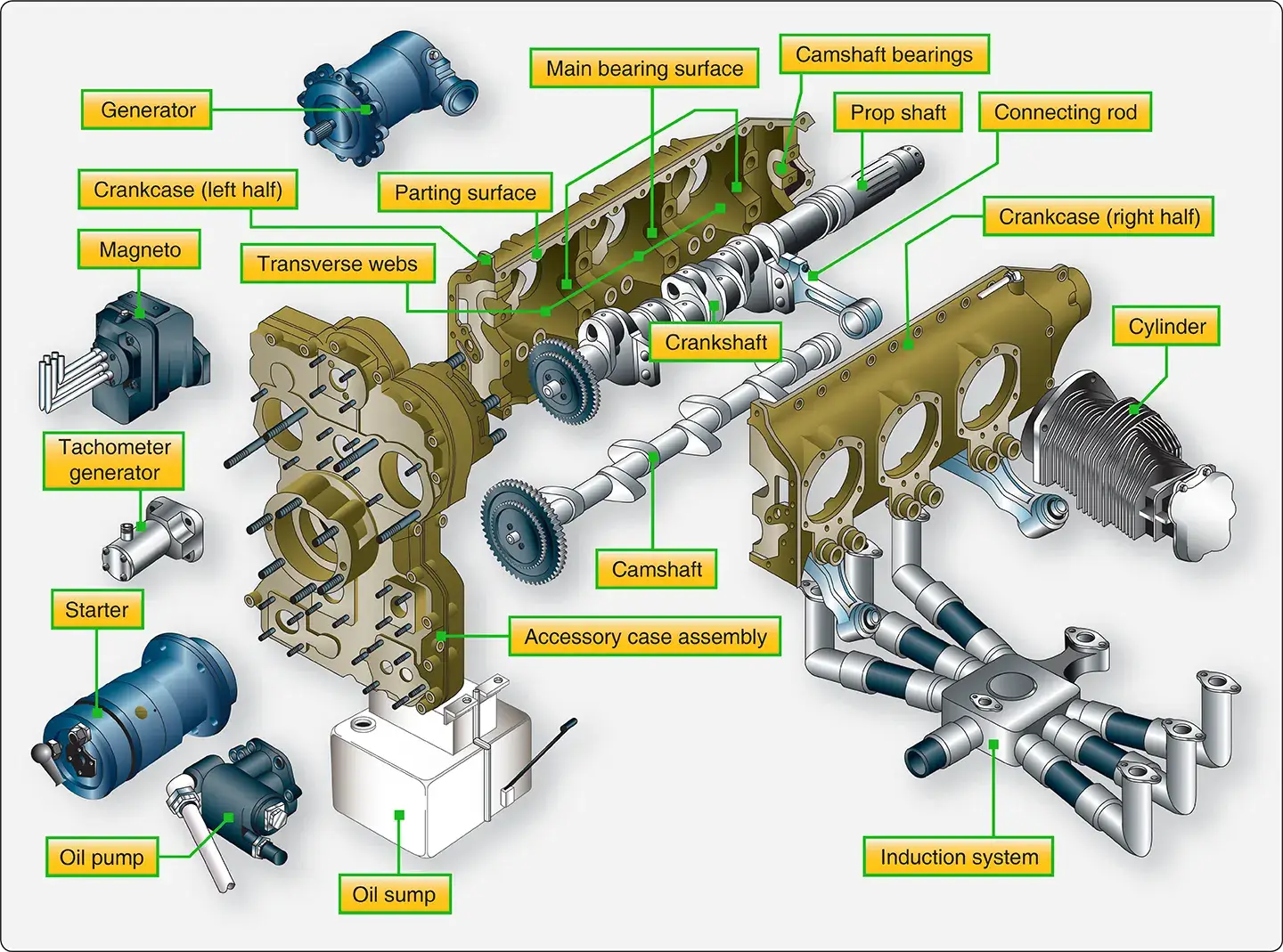
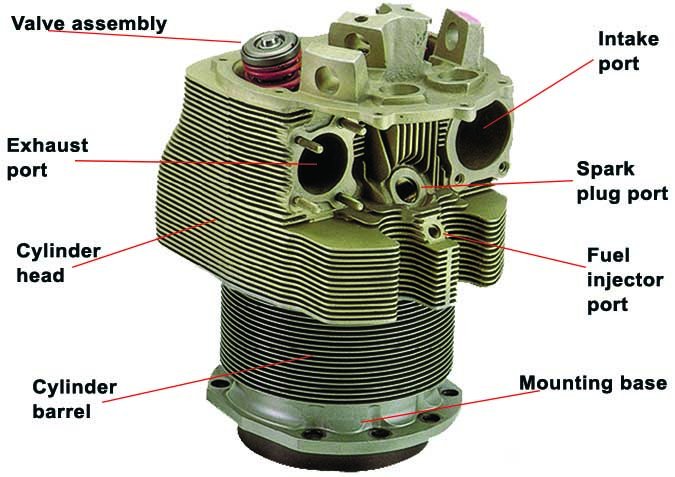
Cylinder
have cooling fins
bolted to crankcase so can be removed individually
have intake and exhaust valve
4 Stroke Engine
Intake
Compression
Power
Exhaust
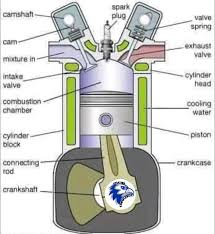
Cylinder valves
controlled by the camshaft
If engine feels like it wants to shake itself apart -> PROBABLY HAVE A STUCK VALVE -> probably going to make it back to the airport -> most common failure mode of GA aircraft engines (one cylinder is not firing)
Probably won’t see anomalies in engine temp and pressure except a really cold cylinder temp if it isn’t firing
Sealing is done by the valve face. This means the Exhaust valve can stick open because it must defeat the spring to close.
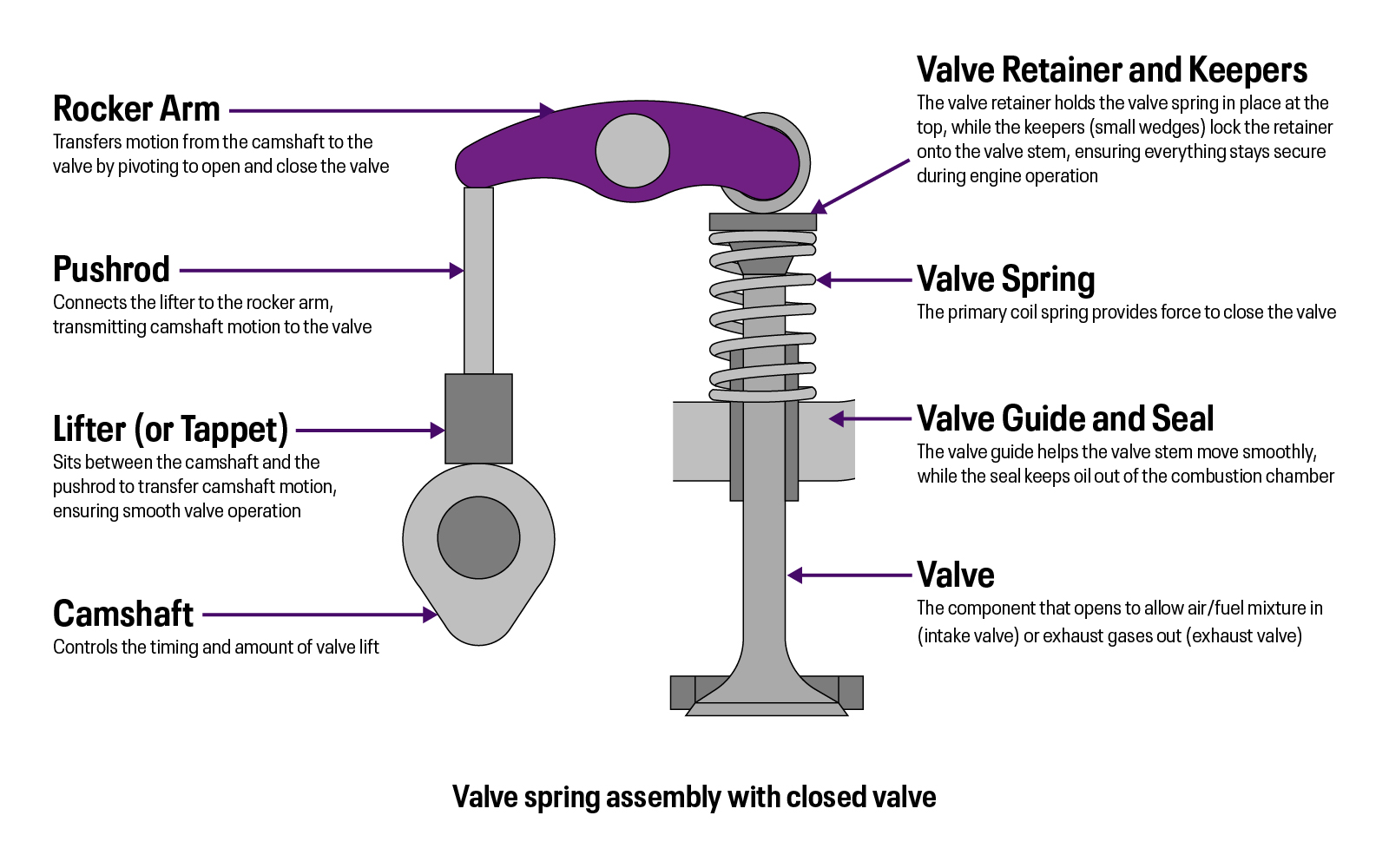
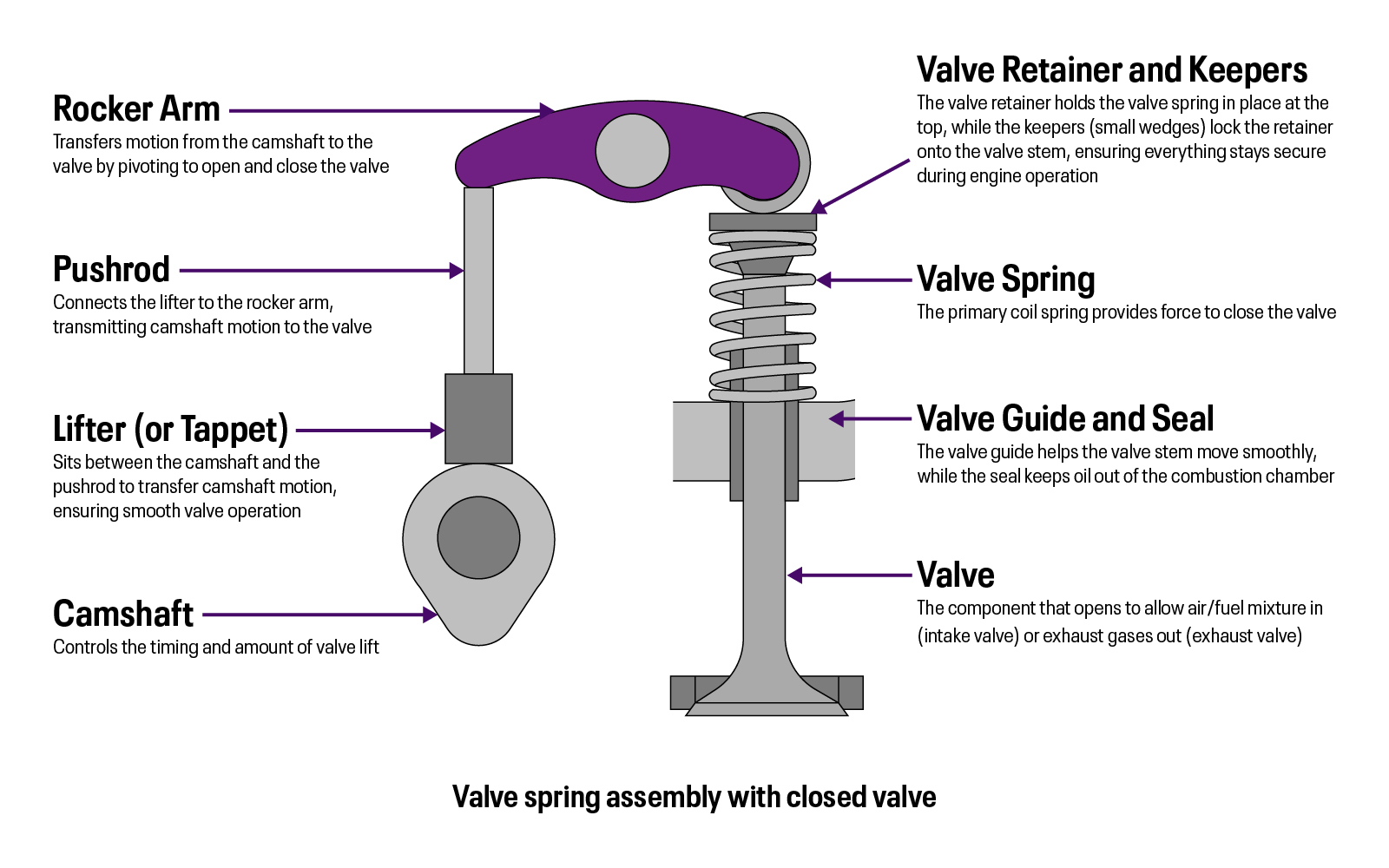
Camshaft rocker arm, push rod, and spring
As the cam rotates, the shape of the metal pushes the push rod upwards which then tilts the rocker arm, compressing the spring and pushing the valve downwards to close and vice versa
Sealing is done by the valve face (the plunger part of the valve)
Because the SPRING MUST BE DEFEATED to close the valve, the valve CAN GET STUCK OPEN
If the engine feels like it wants to shake itself apart, this could mean
you have a stuck valve
you will probably make it back to the airport
one cylinder not firing is the MOST COMMON FAILURE MODE OF GA ENGINES
You will probably NOT anomalies in engine temp or pressure, except for a really cold cylinder if the temp isn’t firing
Poppet - type valve
aka mushroom valve - the shape creates a seal (valve face)
valve used by camshaft to control intake and exhaust
What planes at OSU are carbureted
Seminoles, some 172s, 150 and 152 are carbureted at OSU
Stoichiometric Ratio
All the fuel and oxygen atoms burn without excess
Fuel to Air is usually 12:1
An atom has a
nucleus with proton, neutron, and tiny electron on outside spinning around it (valence ring)
Electricity
Electron flow through a conductor (anything can be a conductor)
What causes electron flow?
electromotive force
Flow from a surplus to a deficiency (positively ionized atom to a negatively ionized atom)
More electrons – negatively ionized
Less electrons – positively ionized
Excessive electron flow can cause heat and damage
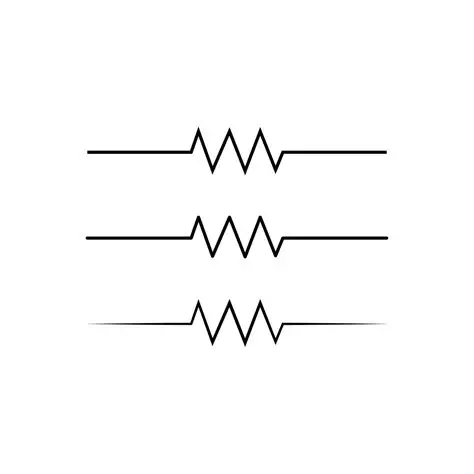
Resistor
Holds electrons tightly
ex: AIR
Electron flow -> heat -> melts insulator -> short circuit. As a result, need resistor to REDUCE AMPERAGE
Can also be used as an insulator
Measured in OHMS (unit of measure for electrical resistance)
Conductor
does NOT hold electrons tightly (allows them to flow)
Voltage
Voltage (V)
“The force that makes the electron flow”
The water behind the damn (electromotive force)
High voltage can cause objects to become ionized by creating an electric field
Amperage (I)
The actual current flow
ex: Water moving through the dam hole
6.28*10^18 electrons must flow past one point per second to equal a singular amp
Finite number of electrons flowing through a point in circuit
Means you can have a lot of voltage and 0 amperage
Too much amperage -> too much heat -> damages conductor-> need resistor
OHMS (R)
Measure of resistance (refers to a material that hold electrons tightly)
Quantifiable
Voltage equation
V = I * R
For example, if you have a finite voltage, then you can decrease resistance to increase amperage
Mechanical Generator
has stator, rotor, and commutator
permanent magnets/residual magnetism to start
What current is used in electrical systems
DC - direct current

Rotor
rotating part of the generator that creates magnetic field when it moves through the stationary stator
usually shaft (Ferrus/Iron) and coils of wire
Stator
stationary part of generator
magnets aligned in a circle

Commutator
converts AC to DC
uses split rings which are rotated by the force (slip rings if an AC generator)
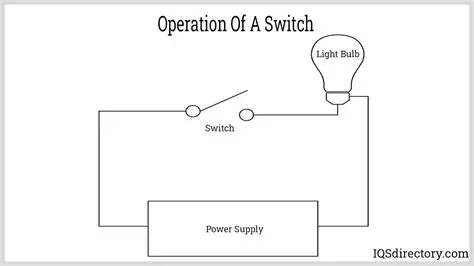
Electrical Switch
Open – leaves gap in circuit
Closed – completes circuit allowing energy to flow
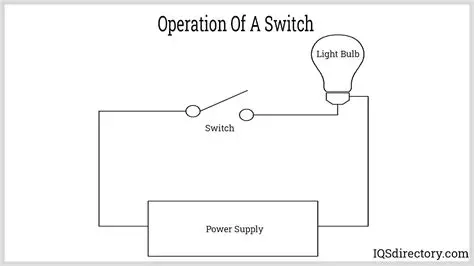
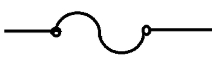
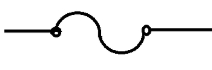
Fuse
Burns up when amperage is too high, creating a gap in the circuit
“calibrated conductor” - RATED IN AMPS
Looks like a horizontal S in the line
Disadvantage because must be replaced to restore electricity to the circuit

Circuit Breaker
Current creates lines of flux around a conductor
Induced magnetism pulls on a soft metal core, opening the circuit
Advantage is that you can simply push back in to reset the circuit
Looks like a hump/upside down U in diagram

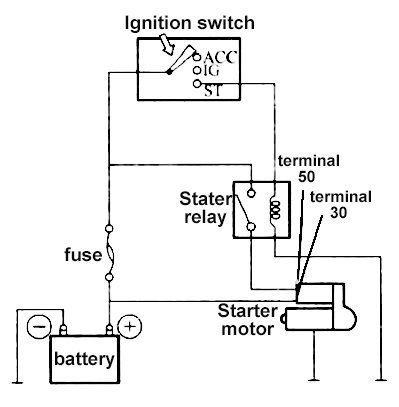
Starter
Requires significant amperage - more than used in the airplane’s normal electrical circuit
uses relay/contactor/solenoid and separate, high amp circuit
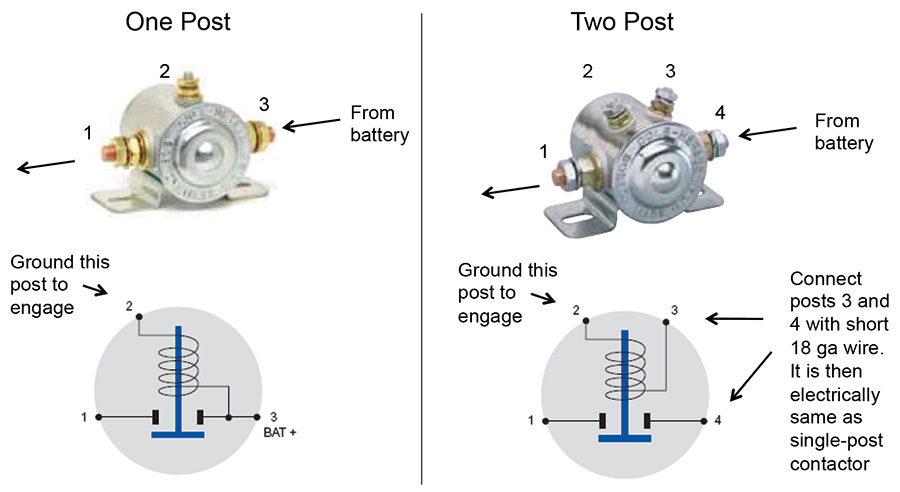
Relay/Solenoid/Contactor
Current flows through resistor and coil
When switch is flipped, a higher amperage circuit is completed by another switch (see textbook)
Looks like a T BAR
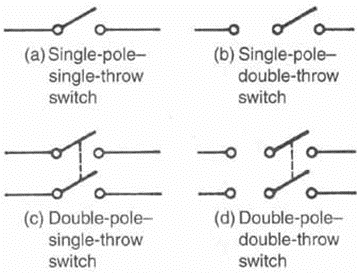
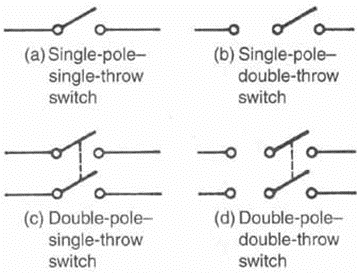
Single Pole/ Throw Switch
See diagram
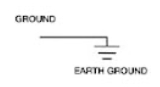
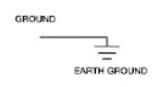
Ground Symbol
Means circuit is complete
LOOK UP SYMBOL (look like tornado)
Alternator
Uses electromagnet
Requires “Flashing the field” - restoring residual magnetism after long periods of inactivity/replacement - REQUIRES BATTERY CURRENT TO DO SO, UNLIKE GENERATOR
uses “Rectifier” to convert AC to DC (not a commutator)
ADVANTAGES
smaller
lighter
produce higher power at lower engine RPMs
Magnetos
Is its own (engine driven) mini generator, uses IMPULSE COUPLER to get enough charge at low RPMs to ignite fuel-air mixture
Ferrus metal moves relative to conductor with ferrus metal
Around the conductor is wire coil wrapped in a secondary coil
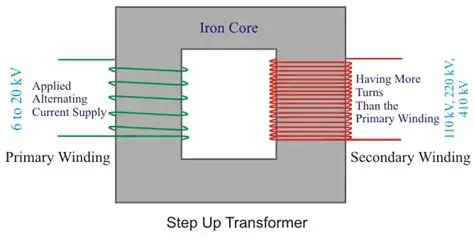
Once current on primary is stopped, current transfers to secondary coil (research transformer)
LOTS OF VOLTS created, Not a lot of amps
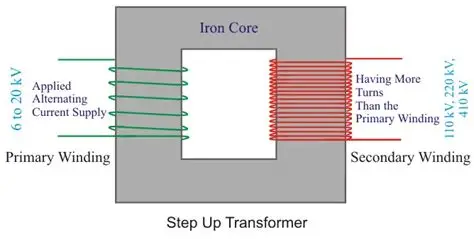
Transformer
Transforms quantity of voltage
Spark Plug
Nothing electrical
Voltage from the magneto ignites electrons in the air, creating a visible spark at the right time (ignition timing)
Bus Bar
Conductor w/ holes where you can connect things
Starter
Most modern training airplanes have electric battery powered starter which then activates the solenoid switch, cranking the crankshaft which moves the engine and allows the engine driven magnetos to activate
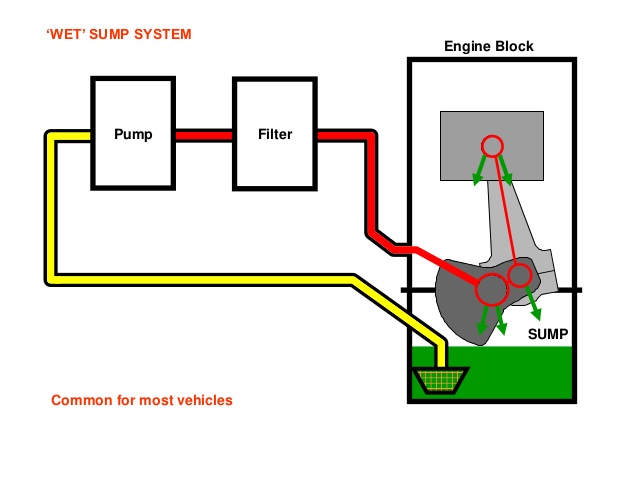
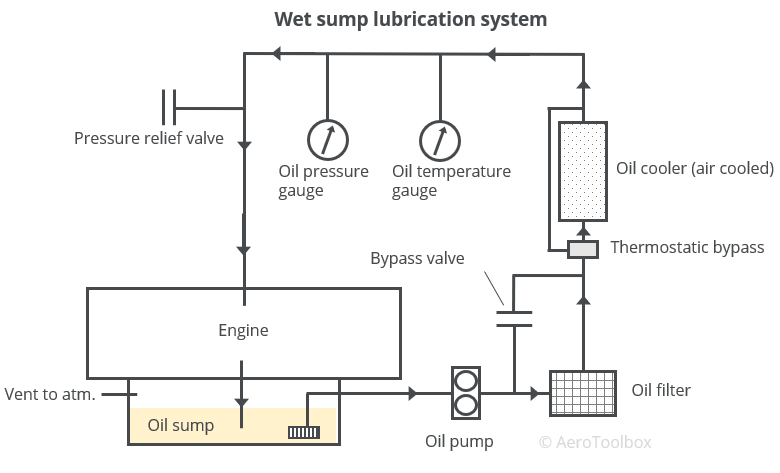
Wet Sump Oil System
Engine Case has oil below it in the engine block and sump below it
Most GA aircraft use this
Can be pressurized if have fuel pump
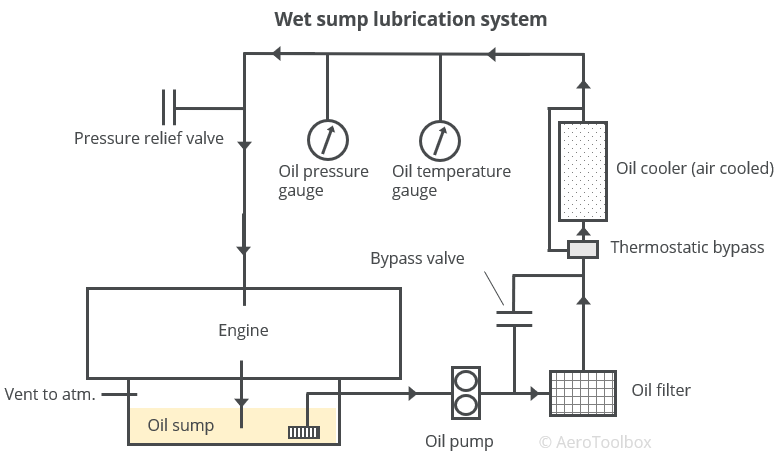
What 6 main functions does oil perform?
Lubricates
Cools
Absorbs Heat
Cushions
Seals
Cleans (Carries away abrasives)
Viscosity
thickness of oil (resistance to flow)
usually 0 or 5W20 based on SAE scale
Bigger number → more viscous oil
Lubricity
slipperiness of oil
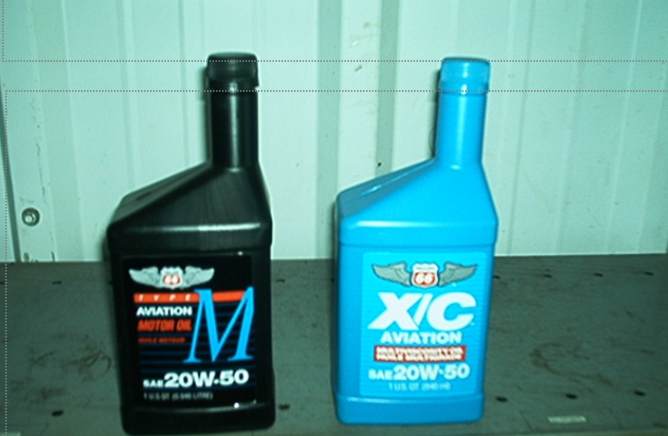
What oils do we use at OSU
mineral oil
multi vis ashless dispersant
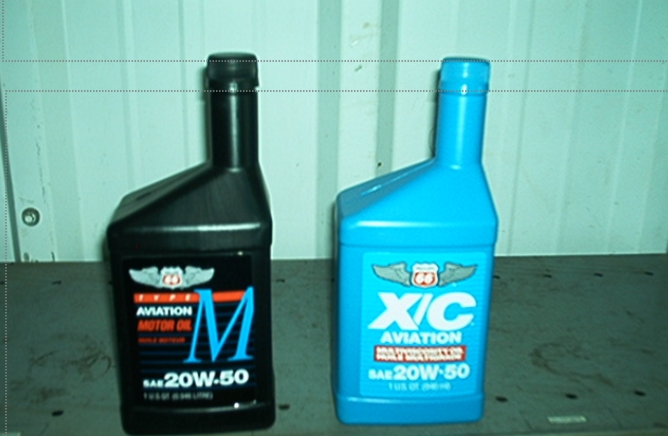
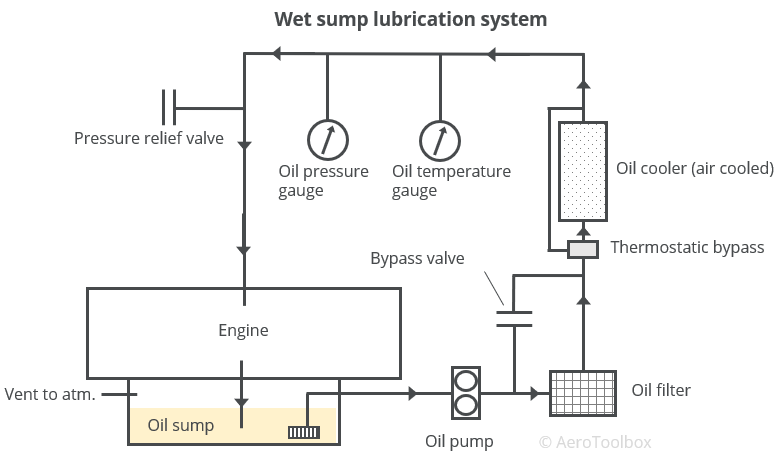
Pressurized oil system
EVERY ENGINE WITH A PRESSURIZED SYSTEM HAS AN OIL PUMP
Has pressure relief valve to allow oil to go back to the sump (around 115 PSI)
An oil pump “picks up” oil from sump, pumps oil through galleys to critical engine components.
Typical oil pressure 60-90 psi.
Minimum oil pressure 25 psi.
Maximum oil pressure 115 psi
Loss of oil pressure may indicate pending engine failure.
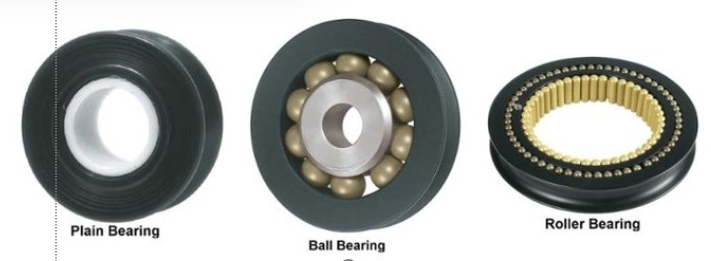
Plain Bearings
Used at critical points (crankshaft main bearings, connecting rod bearings, camshaft bearings, etc.).
Film of oil “separates” inner and outer race of bearings, oil supplied by pressurized oil via galleys.
Plain bearings have no rotating surfaces.
Other types of bearings use rotating surface: ball bearings, roller bearings, etc.
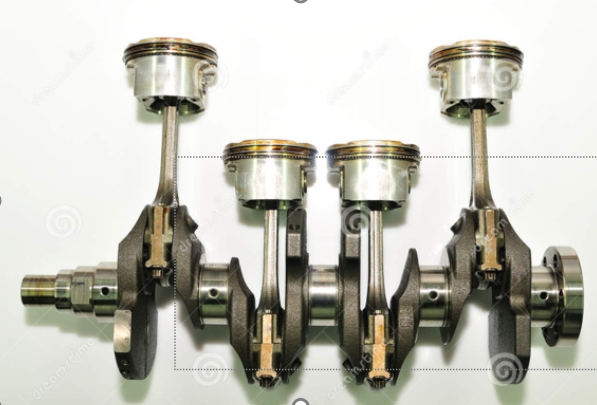
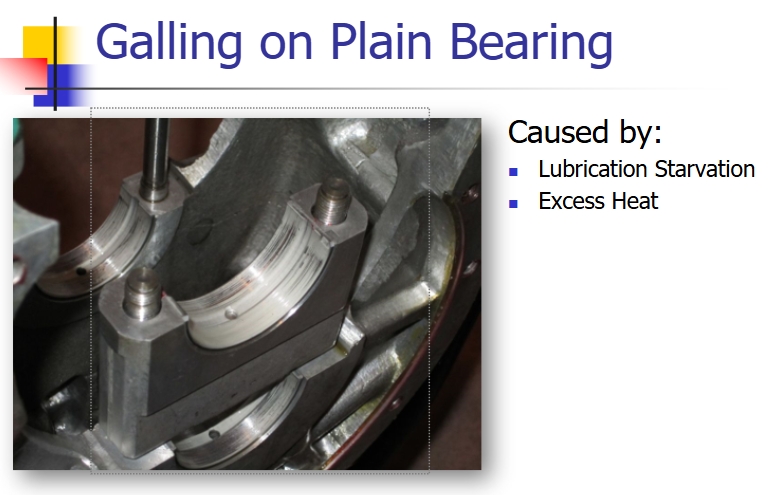
Plain Bearing Failure
Dropping oil pressure -> increased oil temp and failure is imminent
Bearings are weld themselves together (causing galling) which can “throw a rod” and stop the engine -> orbit that field and prepare to land
Differs from stuck valve because you won’t see the dropping pressure and temp with stuck valve with stuck valve
With stuck valve you can try to find the nearest airport instead of orbiting the immediate field to land
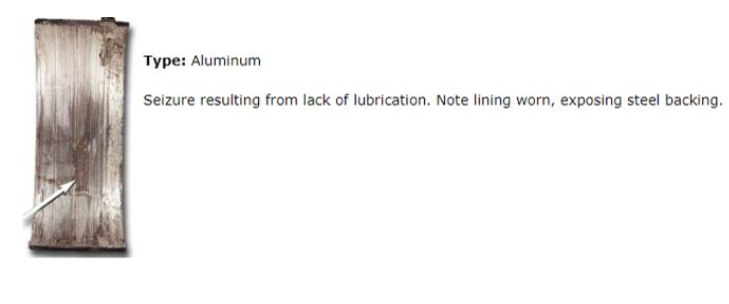
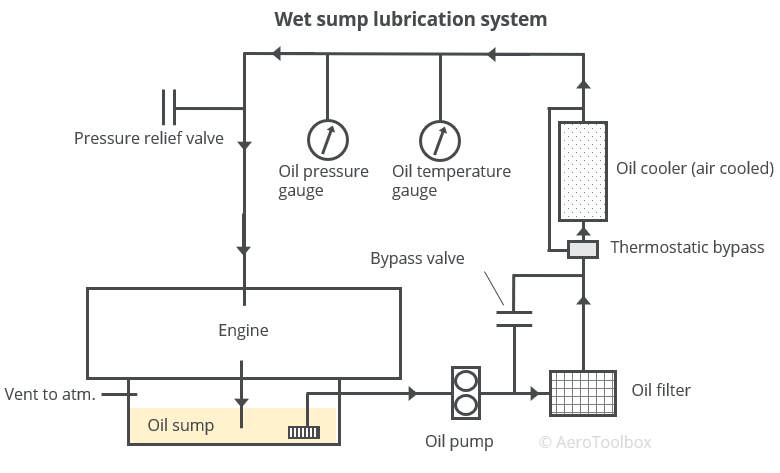
How is oil cooled?
Oil Cooled by passing through oil cooler en route to sump.
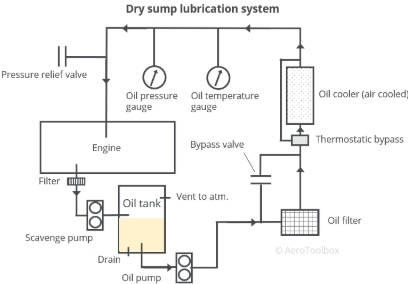
Dry Sump Oil System
Has oil in separate tank
Transported by transfer pump or scavenge pump
GA aircraft typically use
air cooled engines
1/3 as efficient as liquid cooled but more reliable
No coolant, hoses, fittings, or water pump to fail.
Operating temperature range greater with correspondingly greater internal tolerances, lower power output, higher oil consumption.
Cooling Fins
Increase surface area of head/cylinder with correspondingly greater dissipation of heat to contacting air.
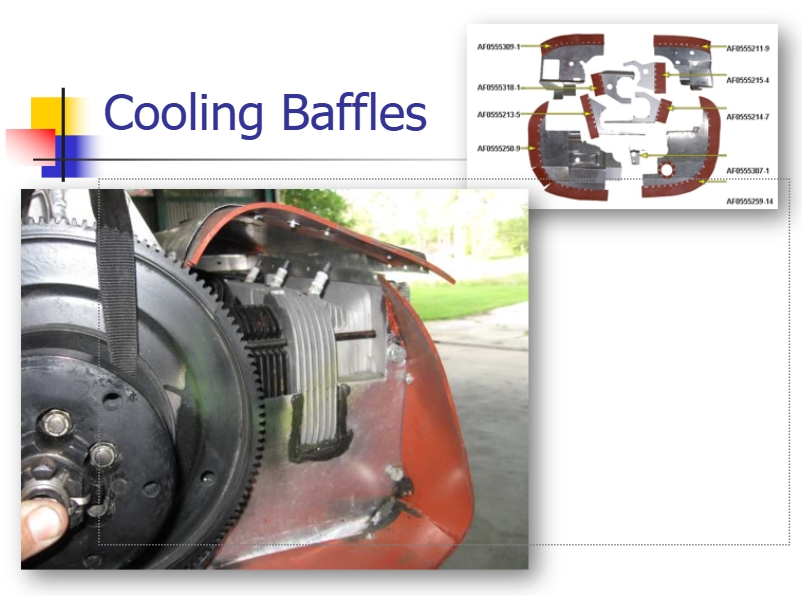
Baffles
Sheet metal/fiber material inside cowling that directs ram air flow to cooling fins/ignition leads/hot spots
Ram Air
Relative wind created by moving airplane and channeled to different areas for various applications.
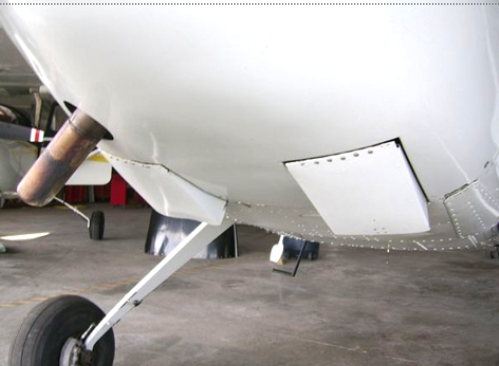
Cowl Flaps
Variable vent in cowl area to control ram air.
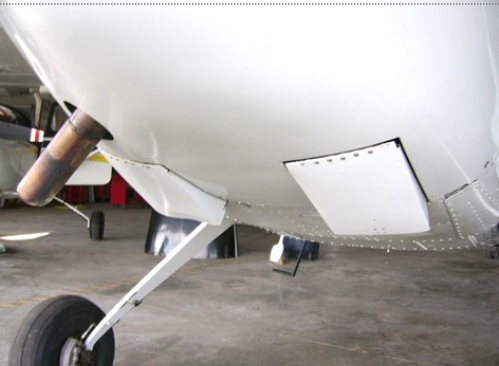
Oil Cooler
used to cool internal engine oil (oil assists in cooling engine).
Total Fuel
Total quantity of aircraft system (26 gallons in C-152)
172 - 56 total, 53 usable due to standpipe at bottom of tank
Sump
point at which fuel may be sampled
Fuel Valve
Valve used to isolate fuel tank (or tanks) from engine, or to modify fuel flow source or route.
Primer
Device used to inject fuel into cylinder to enrichen mixture and aid starting.
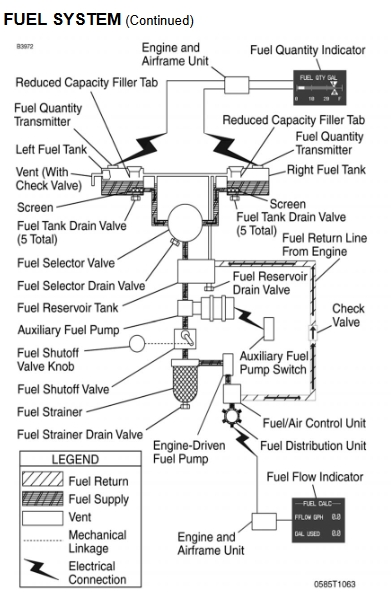
C-172 Fuel System
56 total, 53 usable due to standpipe at bottom of tank
Fuel reservoir is a one-gallon tank
One mechanical (engine driven) and one electric fuel pump
Know sump locations (5 each wing, 3 on the nose - placed anywhere there could be contaminants lodged)
Mark states that gravity is “pretty reliable” so the tanks will probably not starve just bc of an extended bank
Fuel Injection
Turn on pump to pressure up system until you have about the right amount
Every time an exhaust valve open, the excess fuel goes somewhere else
Mechanical/Pneumatic
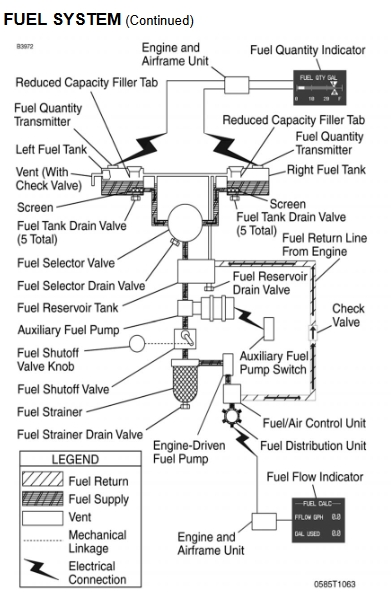
C-172 Fuel System
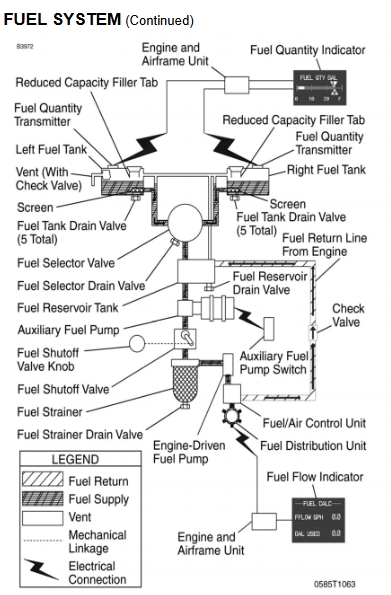
L and R tank → fuel selector (has fuel selector drain valve) → reservoir→ (has drain valve) → Aux fuel pump → Fuel Shutoff → Strainer (has drain valve) → engine driven fuel pump → Fuel/Air control unit (which connects to fuel return line) → Fuel Distribution → EAU
Vapor Lock
Pressure changes enough that fuel goes from liquid to gas
Fuel
100LL – Blue
Tetraethyl Led
oily, poisonous substance put in fuel to increase resistance to detonation
Compression Ratio
When piston is at TDC, what is the displacement area compared to BDC
Typical ratio is 8:1 (Cars?)
Octane Rating (doesnt add power, etc, just makes fuel less susceptible to detonation)
Iso Octane
better engine performance, emissions, efficiency
Octane Rating
(doesnt add power, etc, just makes fuel less susceptible to detonation)
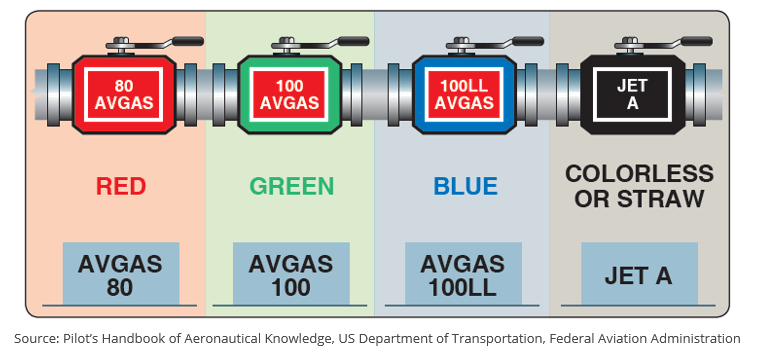
Know avgas colors and octane ratings
red - 80
green - 100
Blue - 100LL
Colorless or Straw - Jet A
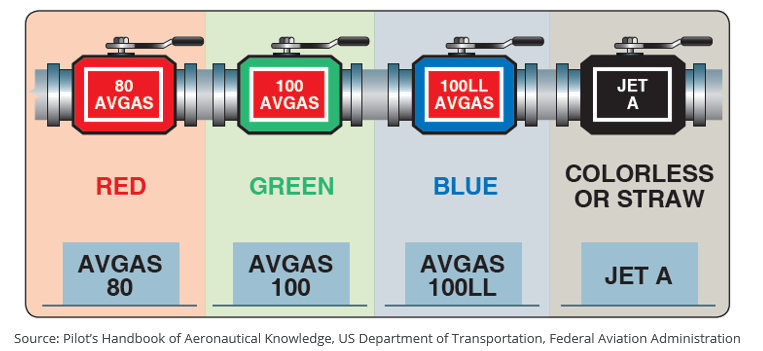
Can use modern car gas with an STC (Supp Type Cert) bc red is basically car gas anyways
note
Oil Scales
SAE
Commercial Aviation Grade (2x SAE)
Ex: 100 CAG is 50 SAE
Total Oil Quantity 172
Total (like if you just topped it off) is about 9 Quarts (8 in the thing you measure, 1 in the sump)
No direct correlation between oil pressure and oil quantity because sump is on the bottom of the engine block so it will work normally until below pickup then DROP OFF A CLIFF
There IS a direct correlation between oil temperature and oil quantity
Mineral Oil
Less refined – used in newer engines or engines with new cylinders bc they have jagged edges from production – used to break in an engine
ONLY USE IF CALLED FOR (we use a dispatch book)
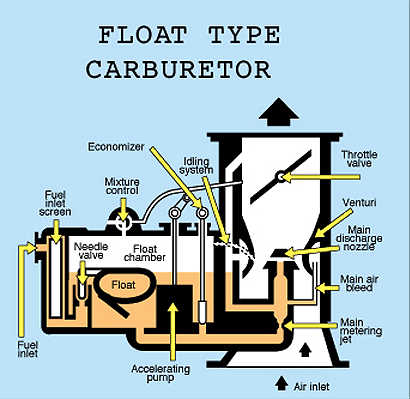
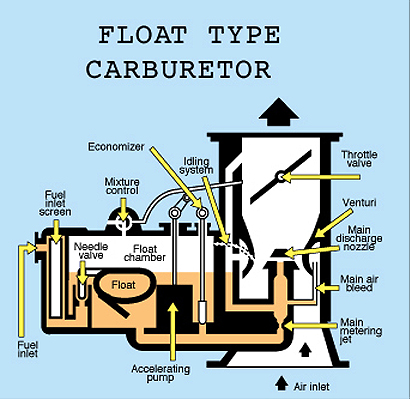
Carburetor Operation
Airflow through venturi increases in velocity and decreases in pressure.
Decrease in pressure draws fuel from float bowl through fuel discharge nozzle into airflow en route to combustion chamber.
Constrictions (jets) and circuits of correct dimension, and throttle valve opening, provide fuel and air at combustible air/fuel ratio at different throttle settings.
Is the battery involved in the ignition system?
NO
Ignition timing generated and controlled by mechanical action (magnet moving in proximity of ferrous metal) of magneto.
No battery or alternator involved! Battery and alternator components of electrical, not ignition, system.
What is the point of a dual ignition system?
commonly employed for (1) redundancy, and (2) enhanced performance.
All major components duplicated: Magnetos, Wires, Spark Plugs, etc.
Short
Alternate route current uses to “shortcut” entire circuit.
When did the U.S. switch to ICAO standards?
1993

