Biological Classification and Species Review
 Call Kai
 Learn
Learn Practice Test
 Spaced Repetition
 Match
Match Flashcards
 Knowt Play
1/76

Earn XP
Description and Tags
Vocabulary practice session covering various biological groups including SAR, Archaeplastida, Excavata, Unikonts, and plant divisions.
Name | Mastery | Learn | Test | Matching | Spaced | Call with Kai | Chat |
|---|
No analytics yet
Send a link to your students to track their progress
77 Terms
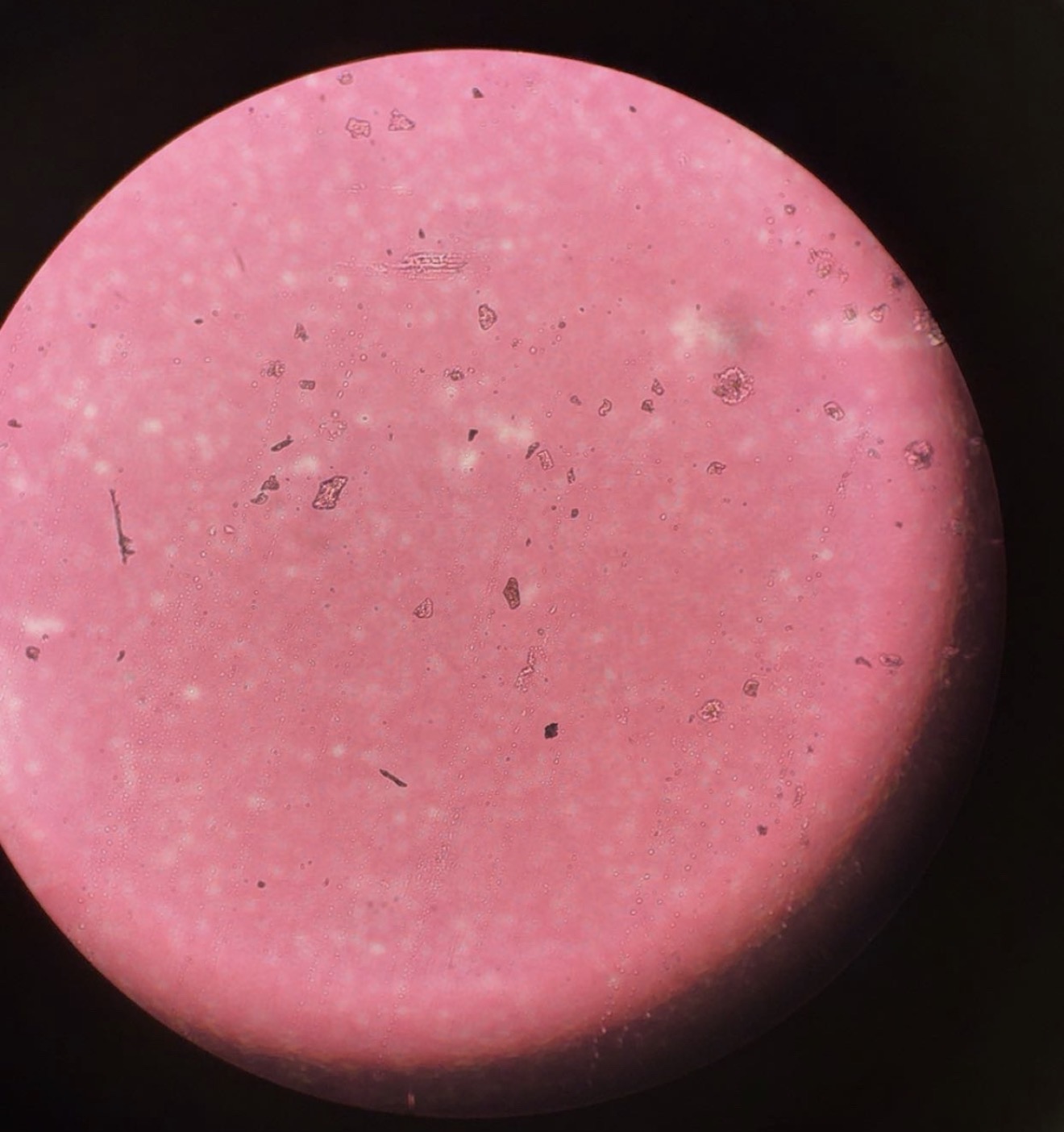
…
Plasmodium falciparum
A member of the SAR group that causes the most deadly form of Malaria.
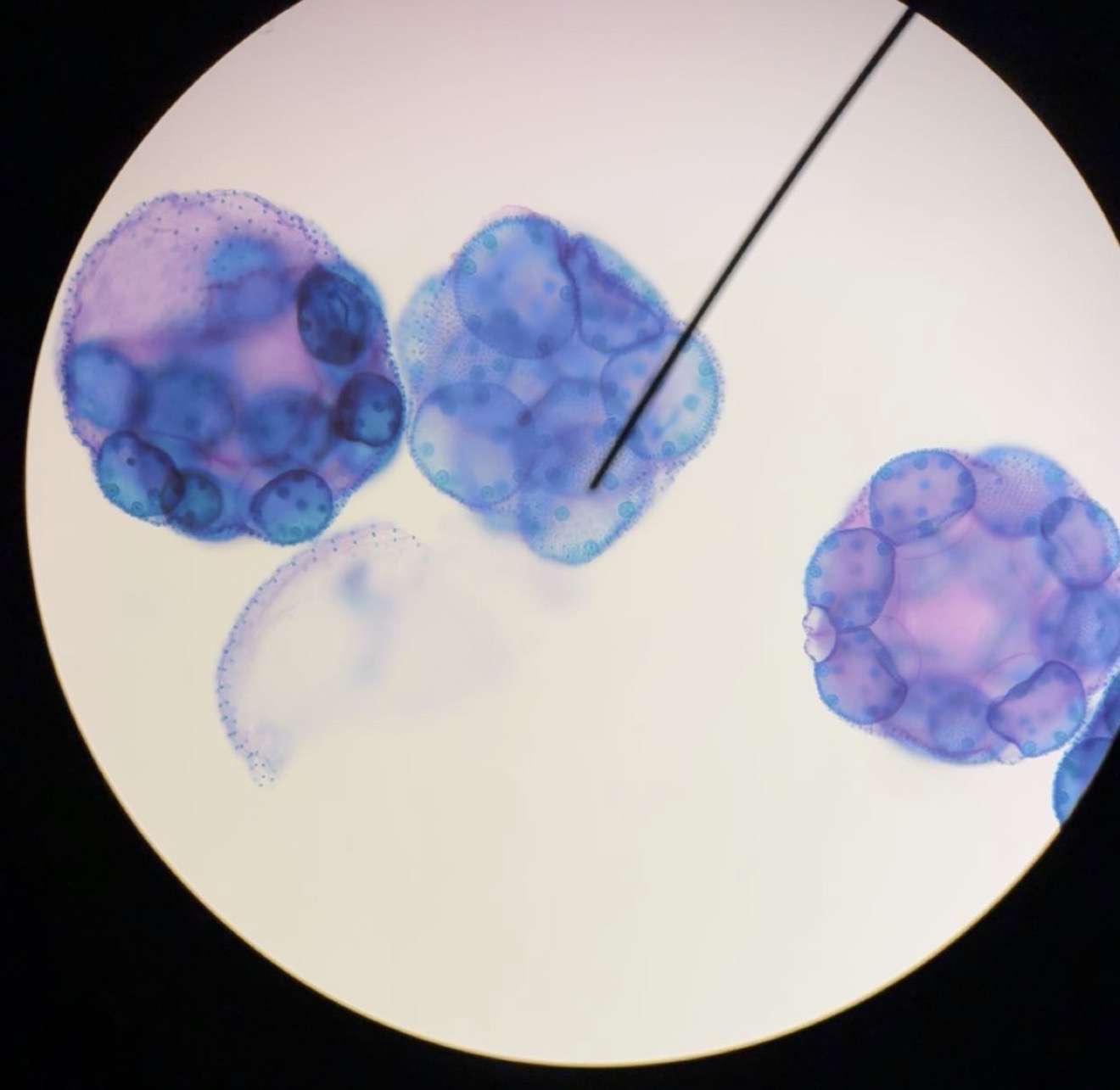
.
Volvox
A colonial green algae in the Archaeplastida group characterized by hollow colonies with baby colonies inside.
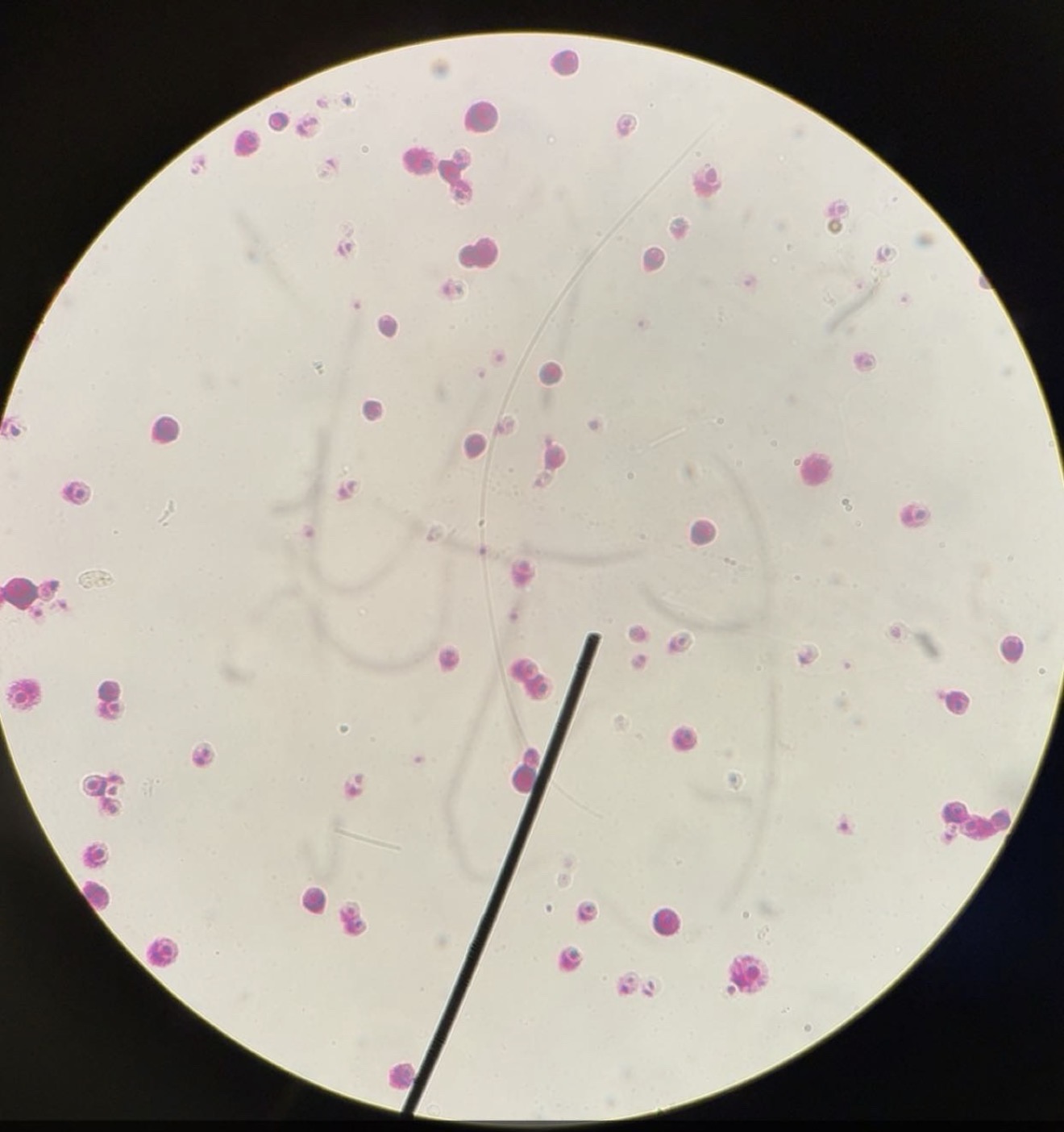
.
Chlamydamonas
A flagellated single celled green algae belonging to the Archaeplastida group.
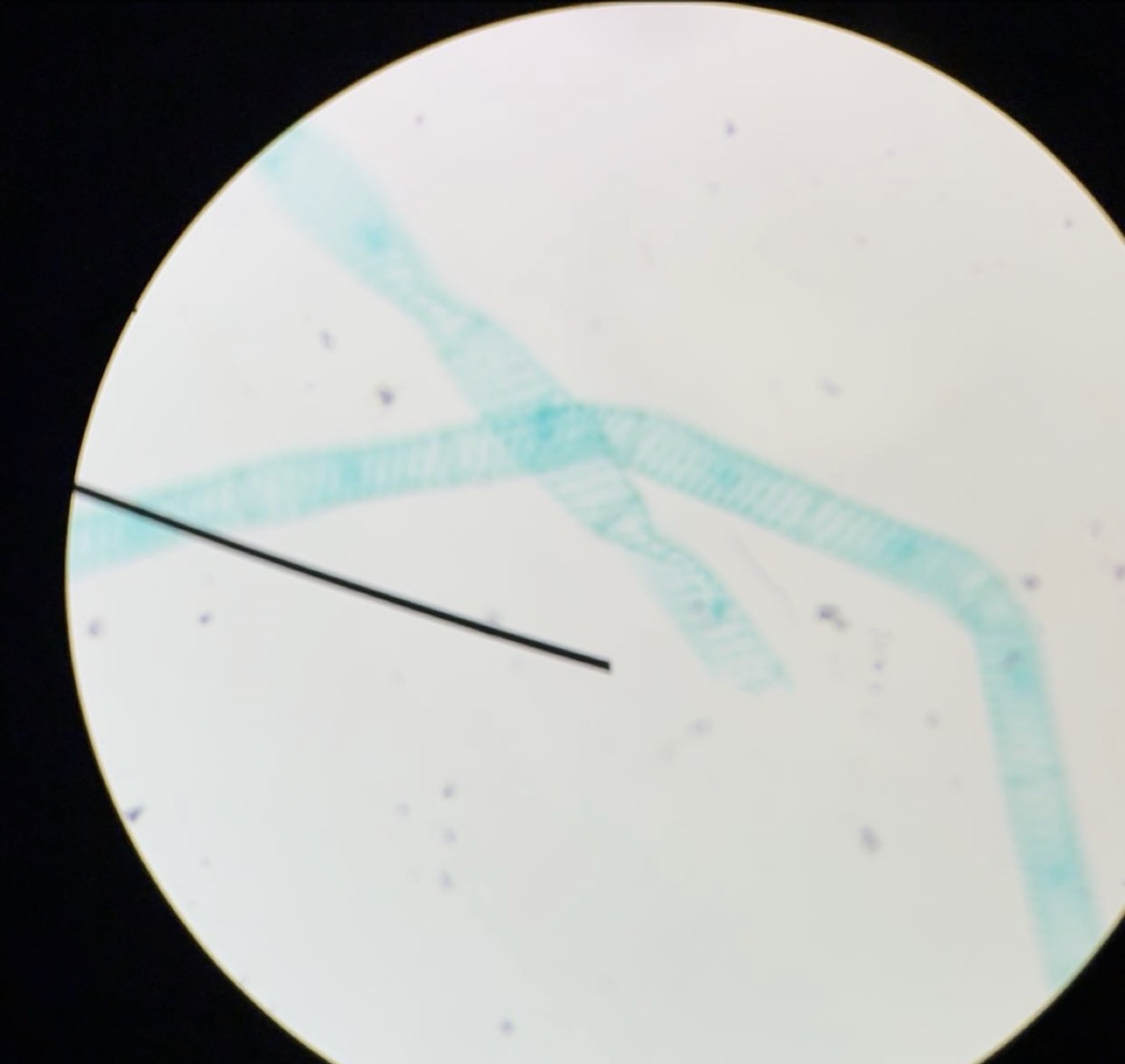
.
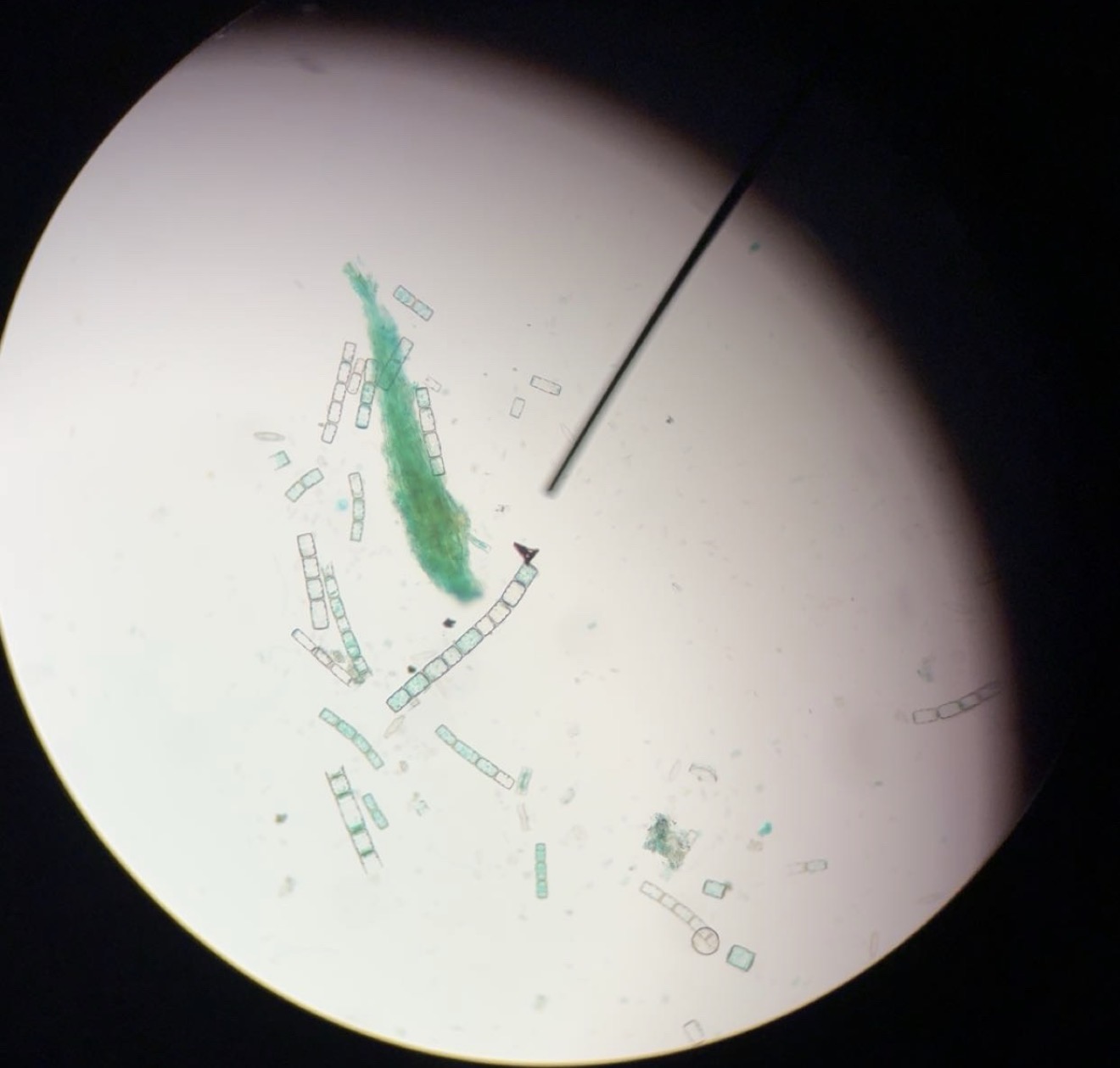
Spirogyra
A filamentous green algae in the Archaeplastida group known for having spiral chloroplasts.
.
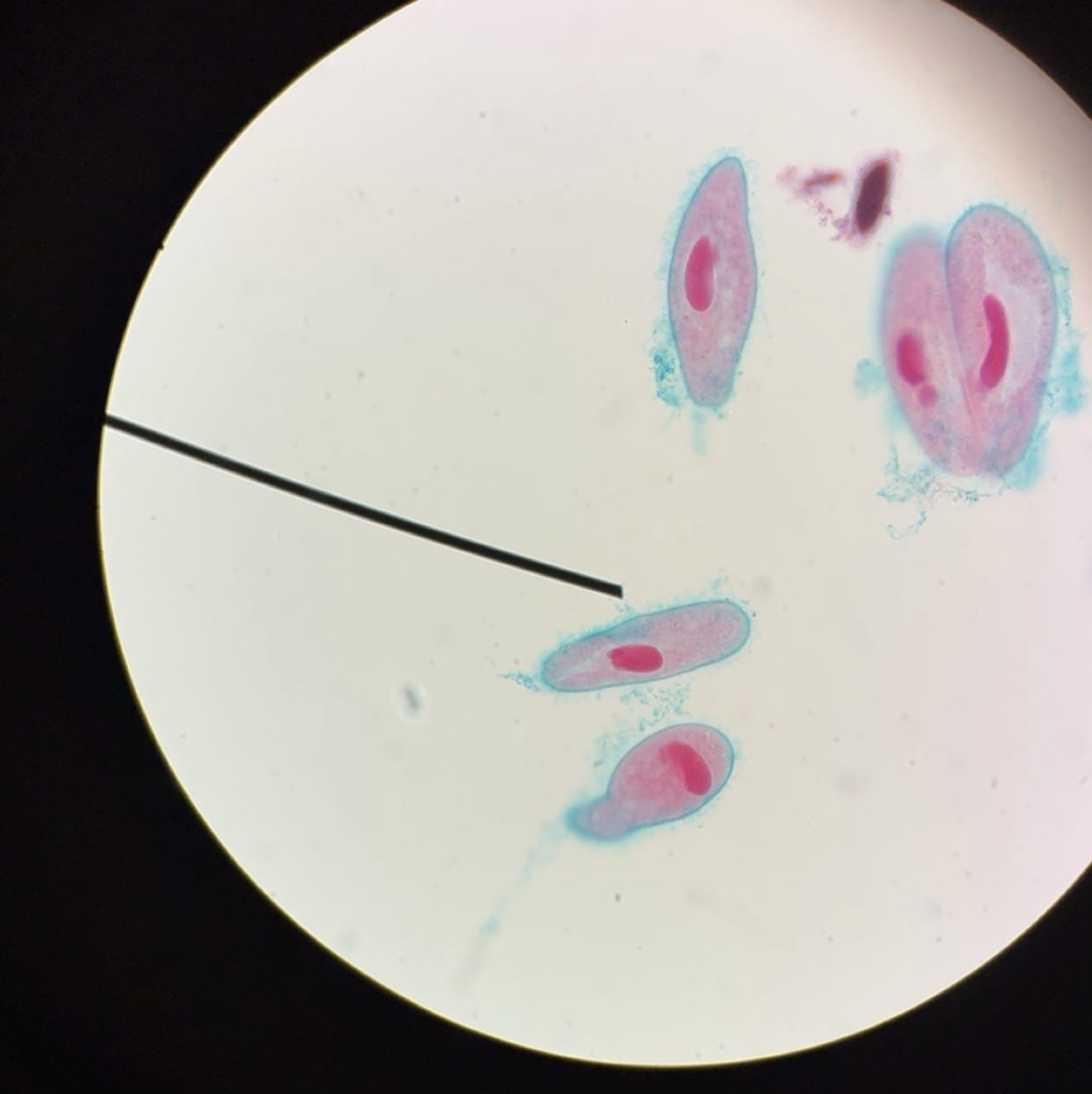
Mixed Diatoms
Organisms within the SAR group characterized by having a 2 piece glass shell.
.
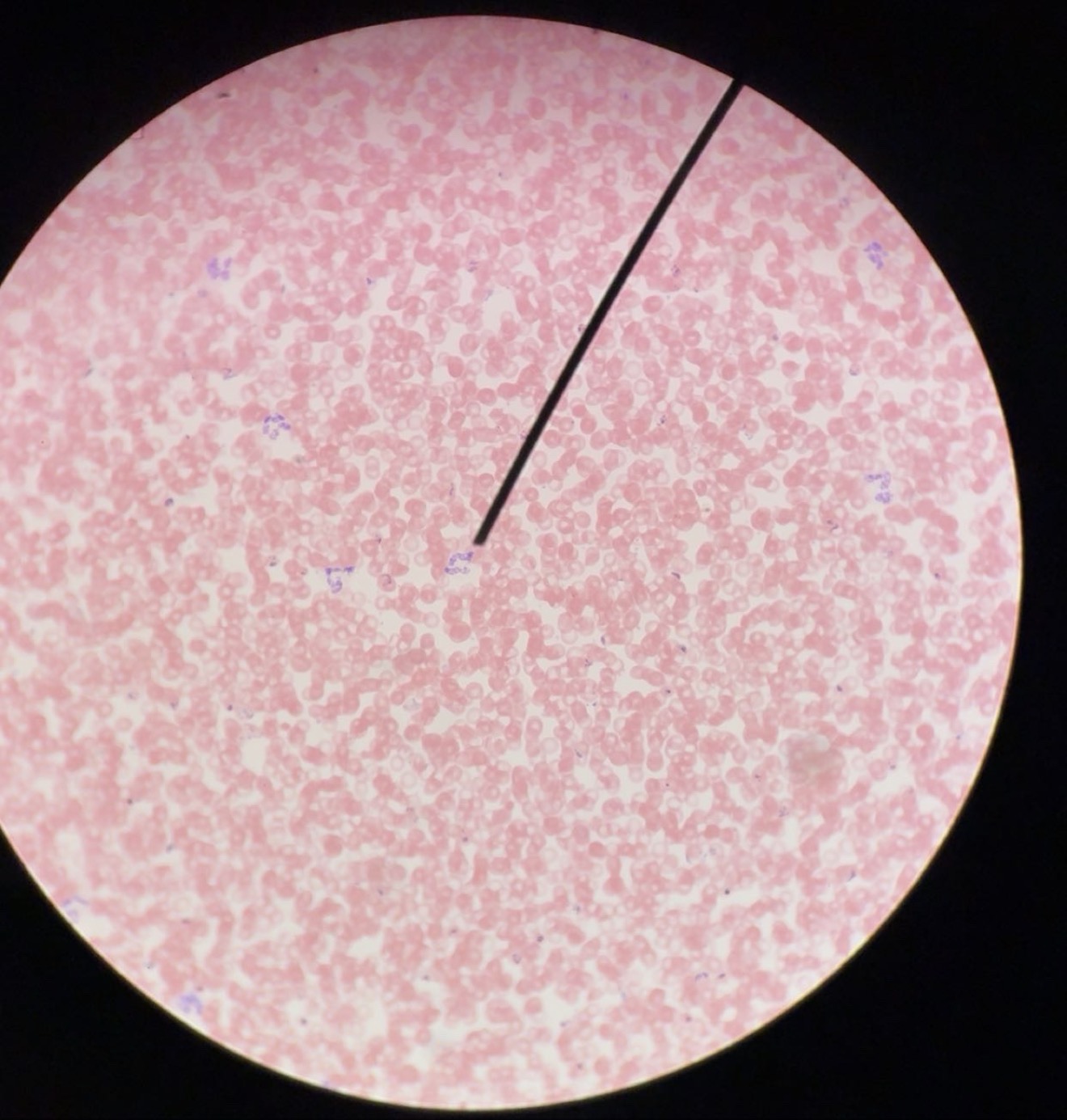
Paramecium
A freshwater species in the SAR group that uses lots of cilia, which are hair like projections, for mobility.
.
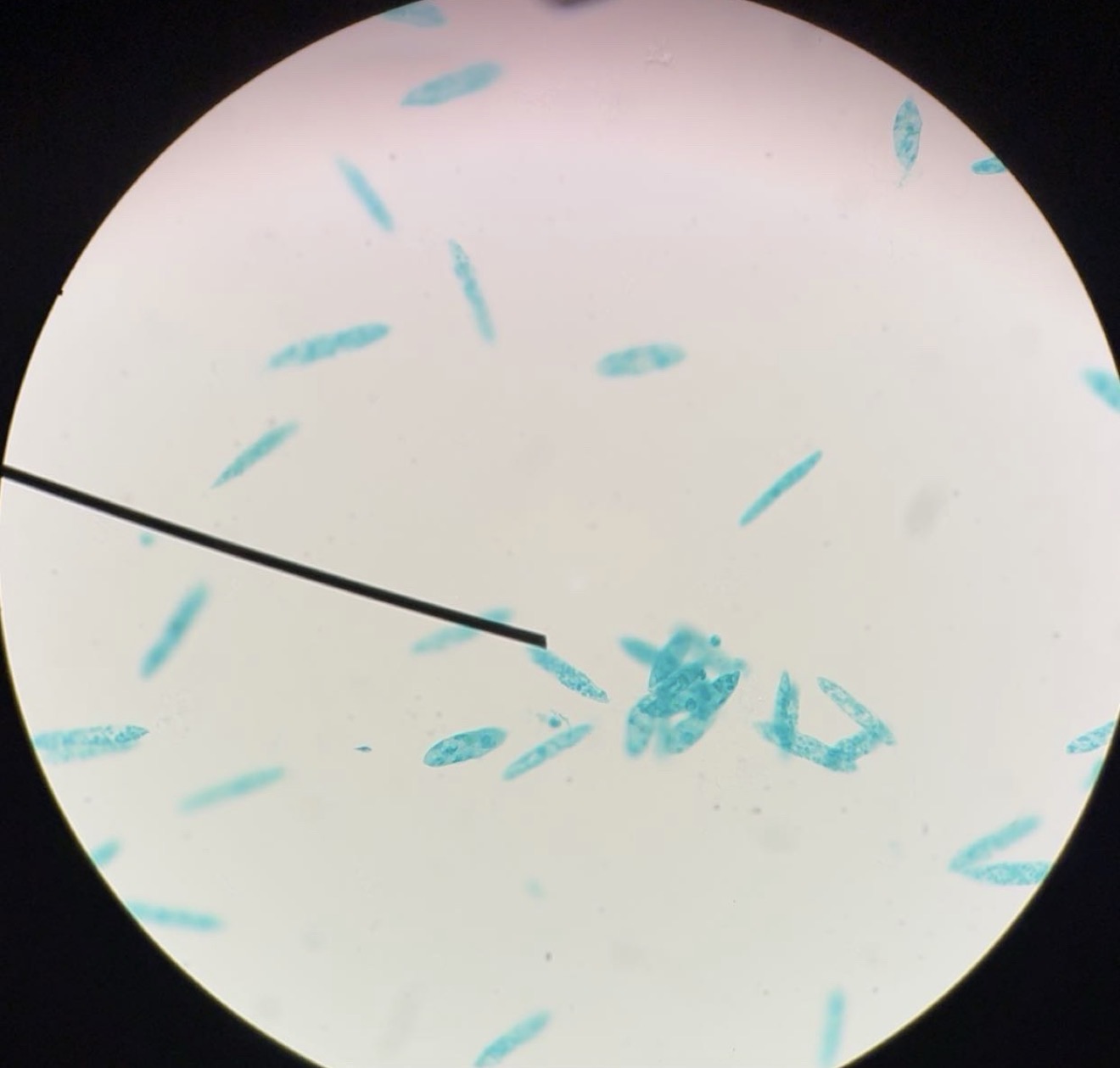
Plasmodium vivax
A species in the SAR group known for causing Malaria.
.
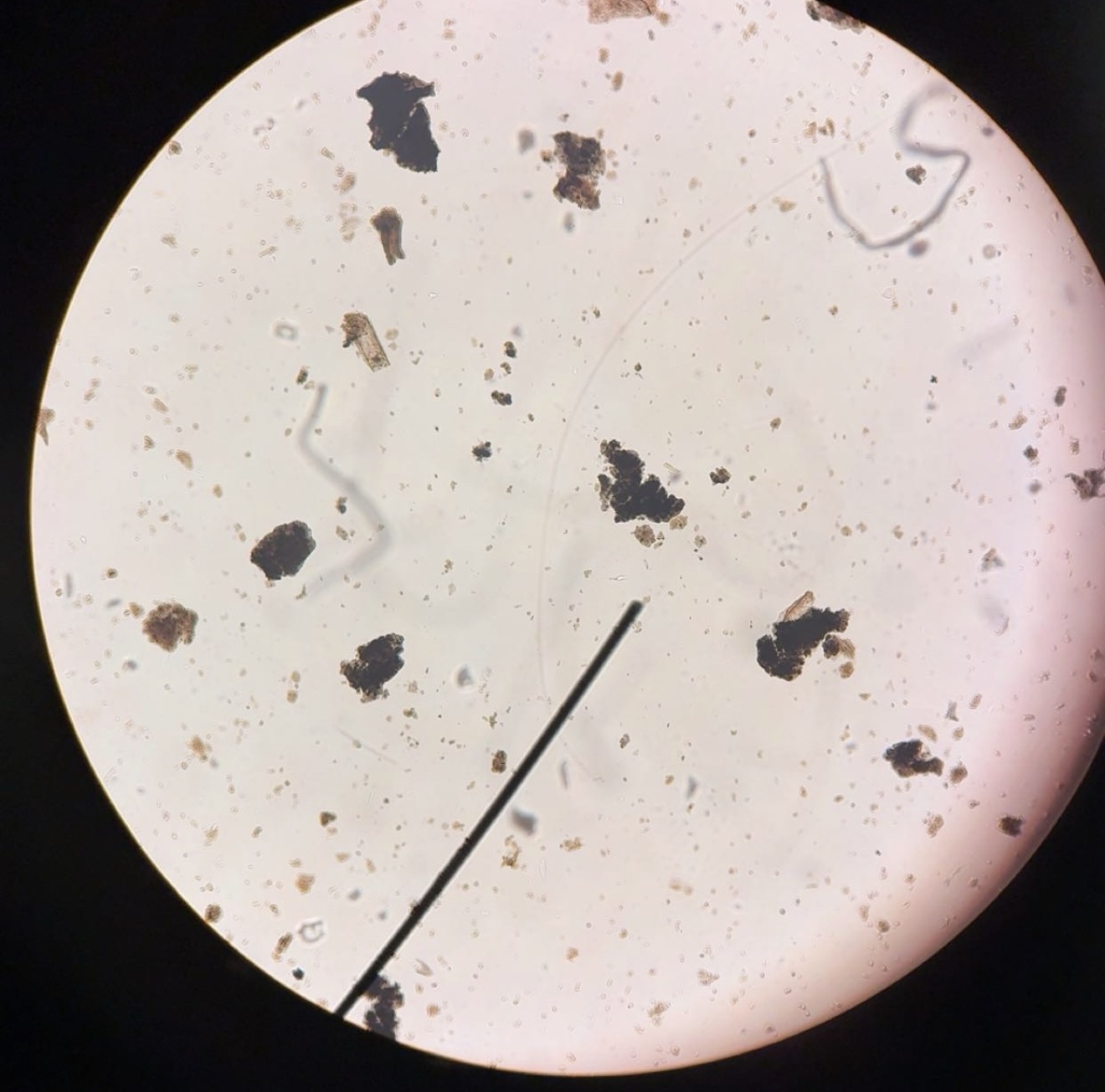
Euglena
A unicellular flagellated freshwater species belonging to the Excavata group.
.
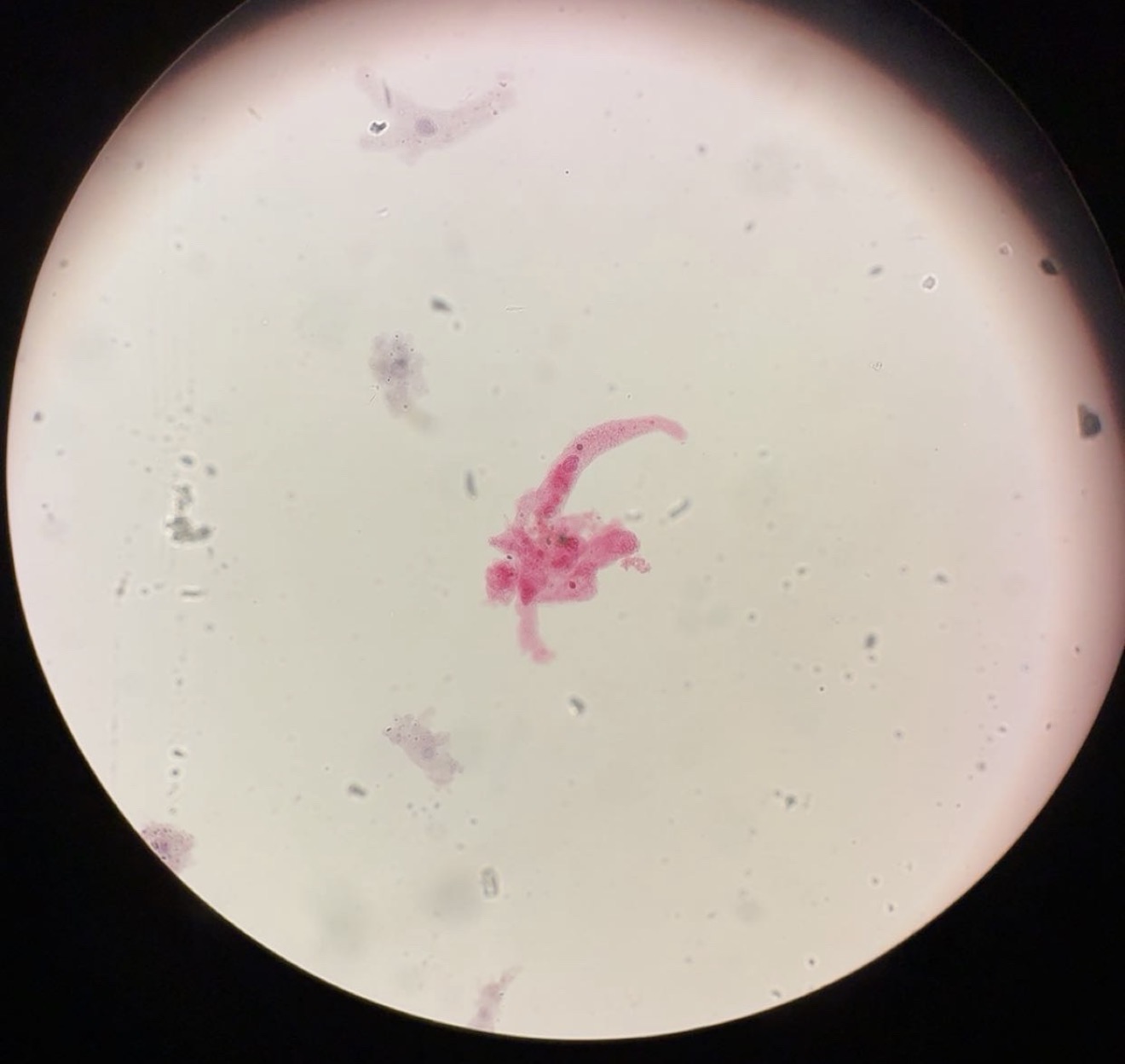
Giardia
An organism categorized under the Excavata group.
.
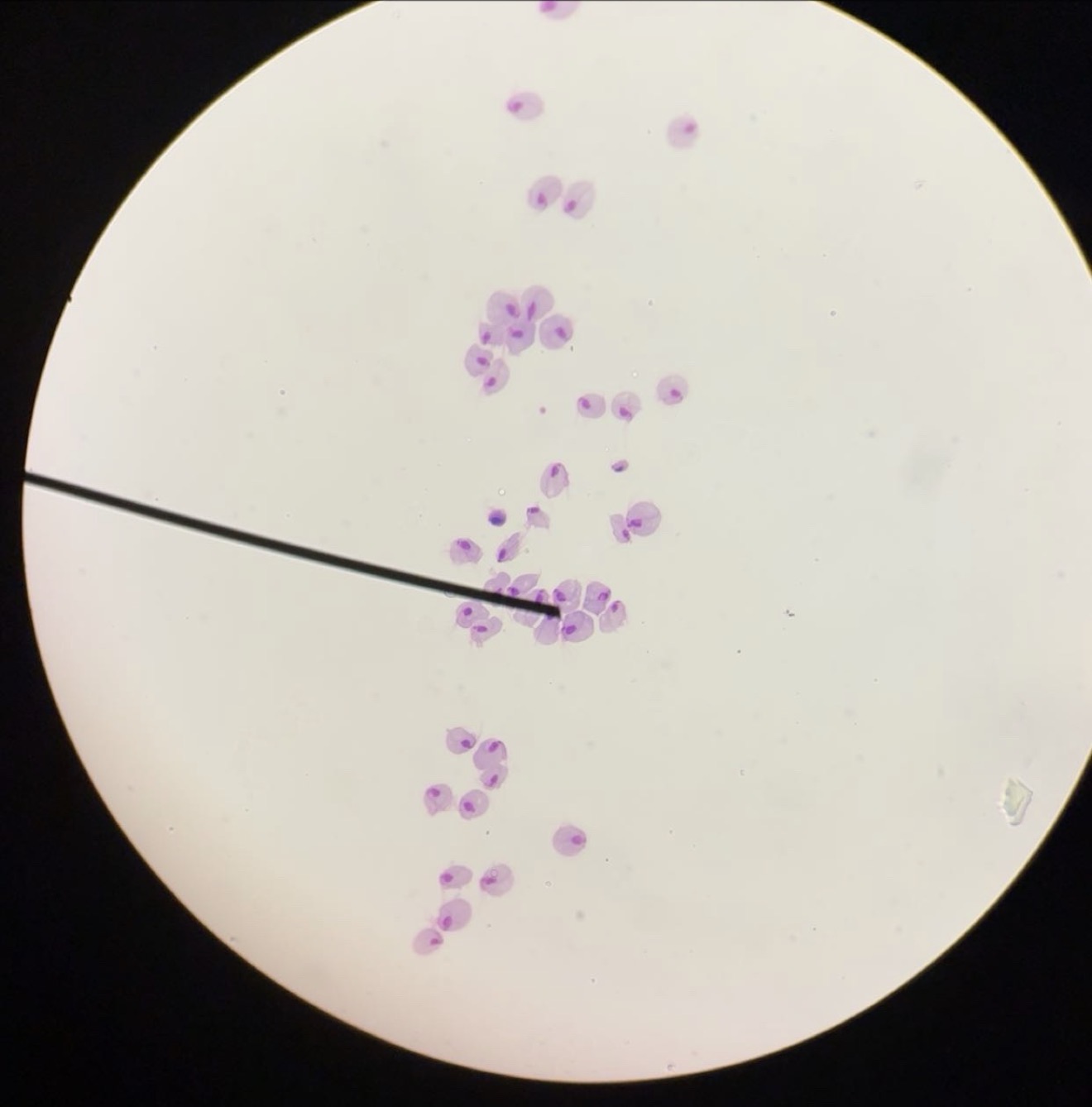
Amoeba Proteus
An organism categorized under the Unikont group.
.
Trichononas Vaginalis
An Excavata group organism that causes Trichomoniasis.
Trichonympha
A termite endosymbiont.
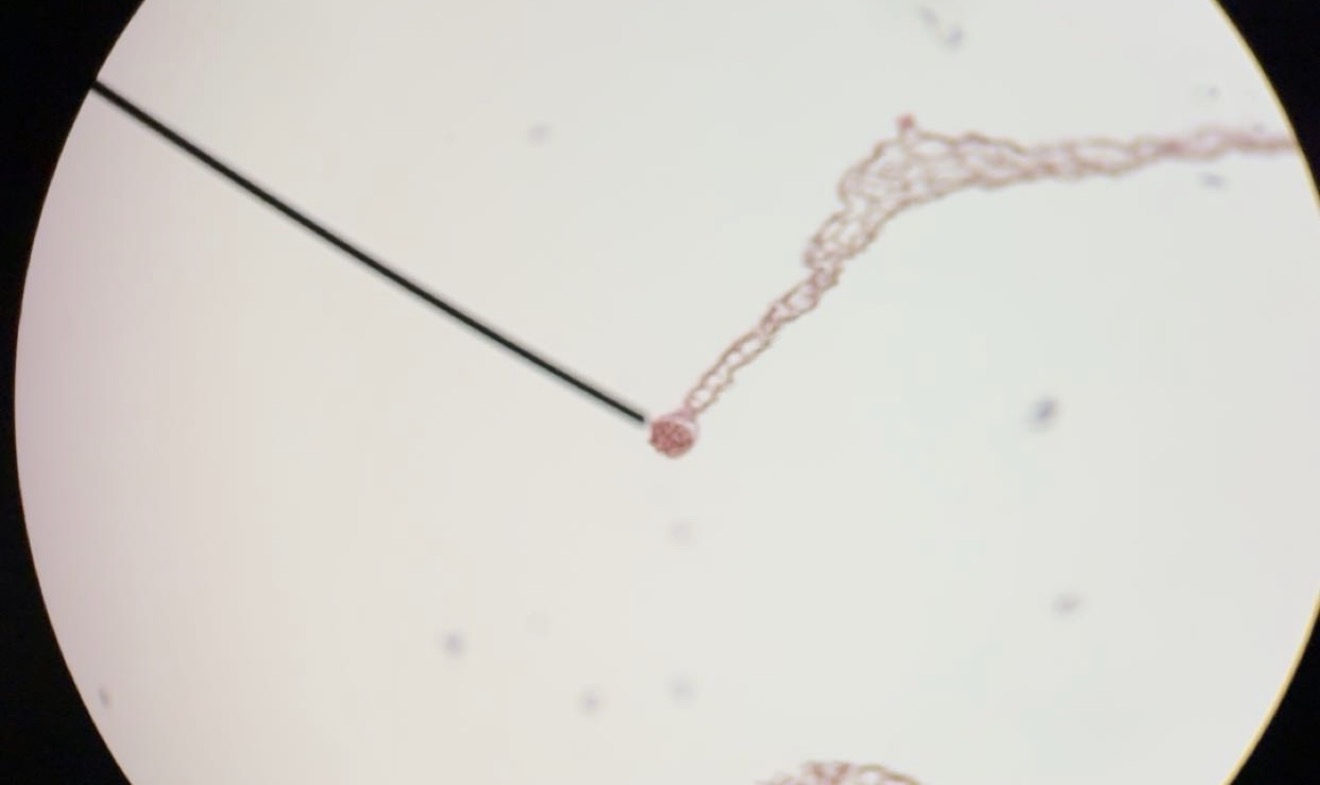
Physarum
A Unikont group organism known as Plasmodial Slime Mold.
.
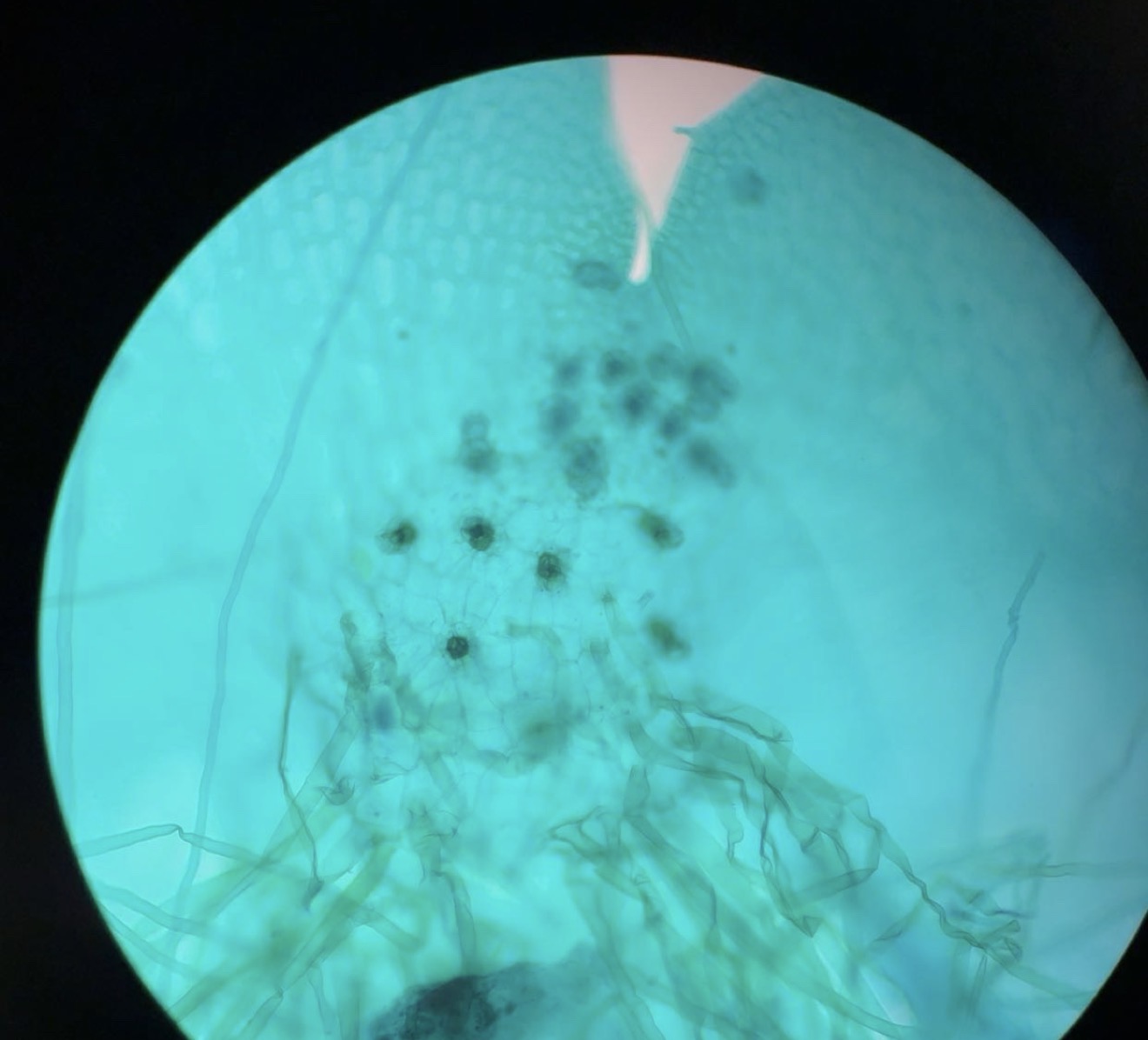
Antheridia (Monilophyta)
Structures in the gamerophyte where sperm is produced.
.
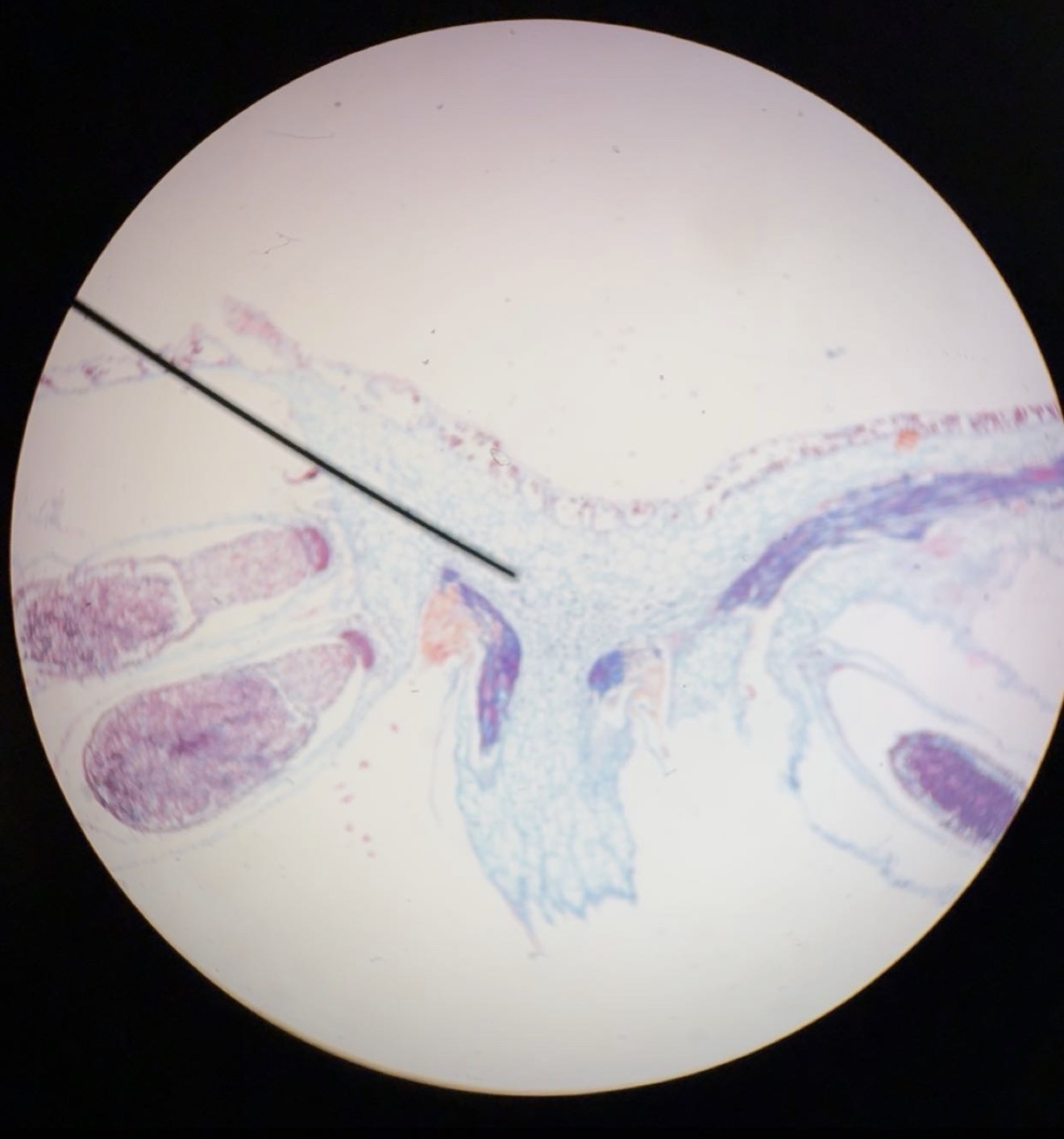
Archegonia (Monilophyta)
Structures in the gametophyte where eggs are produced.
.
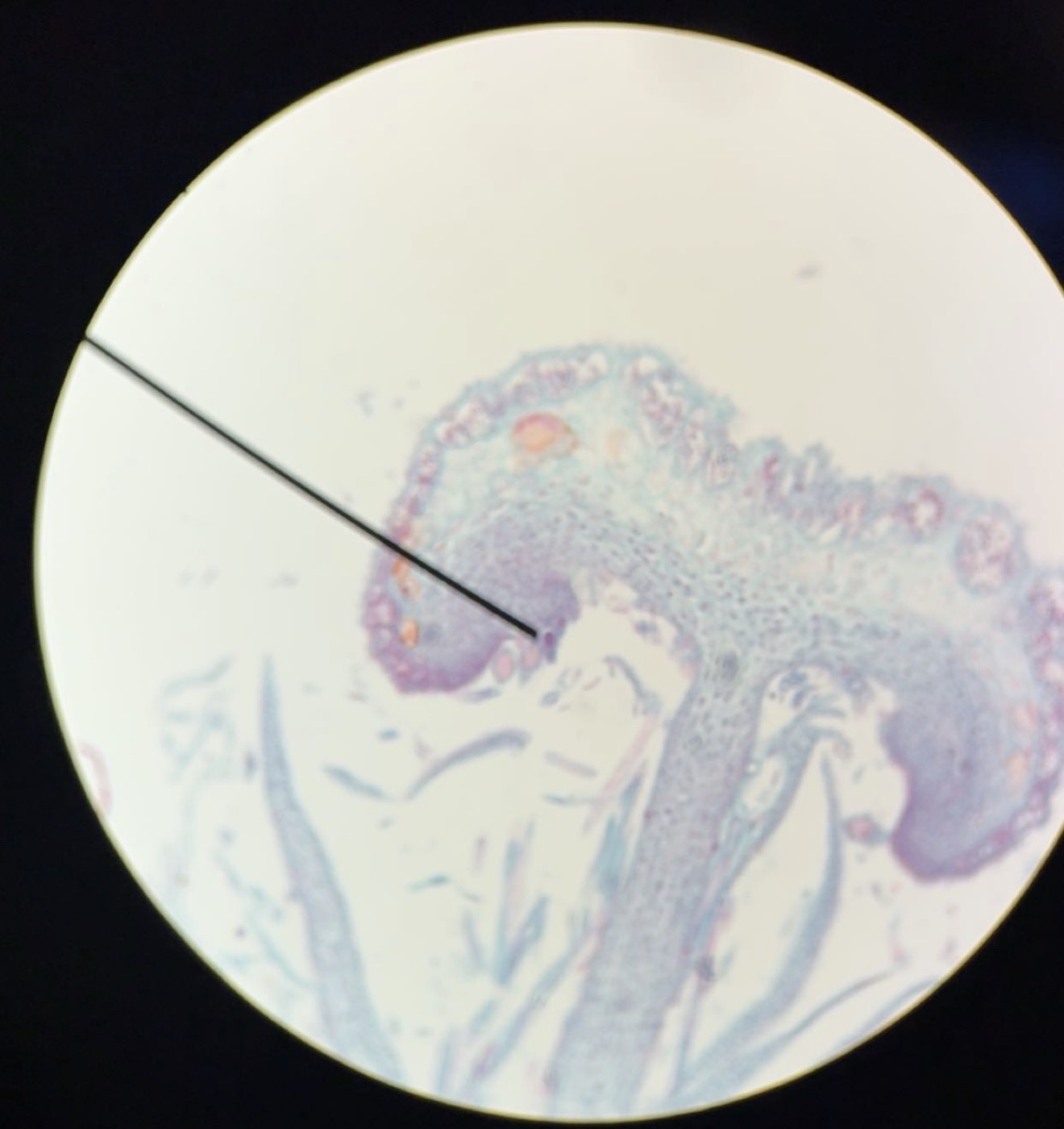
Marchantia (liverwort)
A type of Liverwort in the Hepatiocophyta group; as a young sporophytes.
.
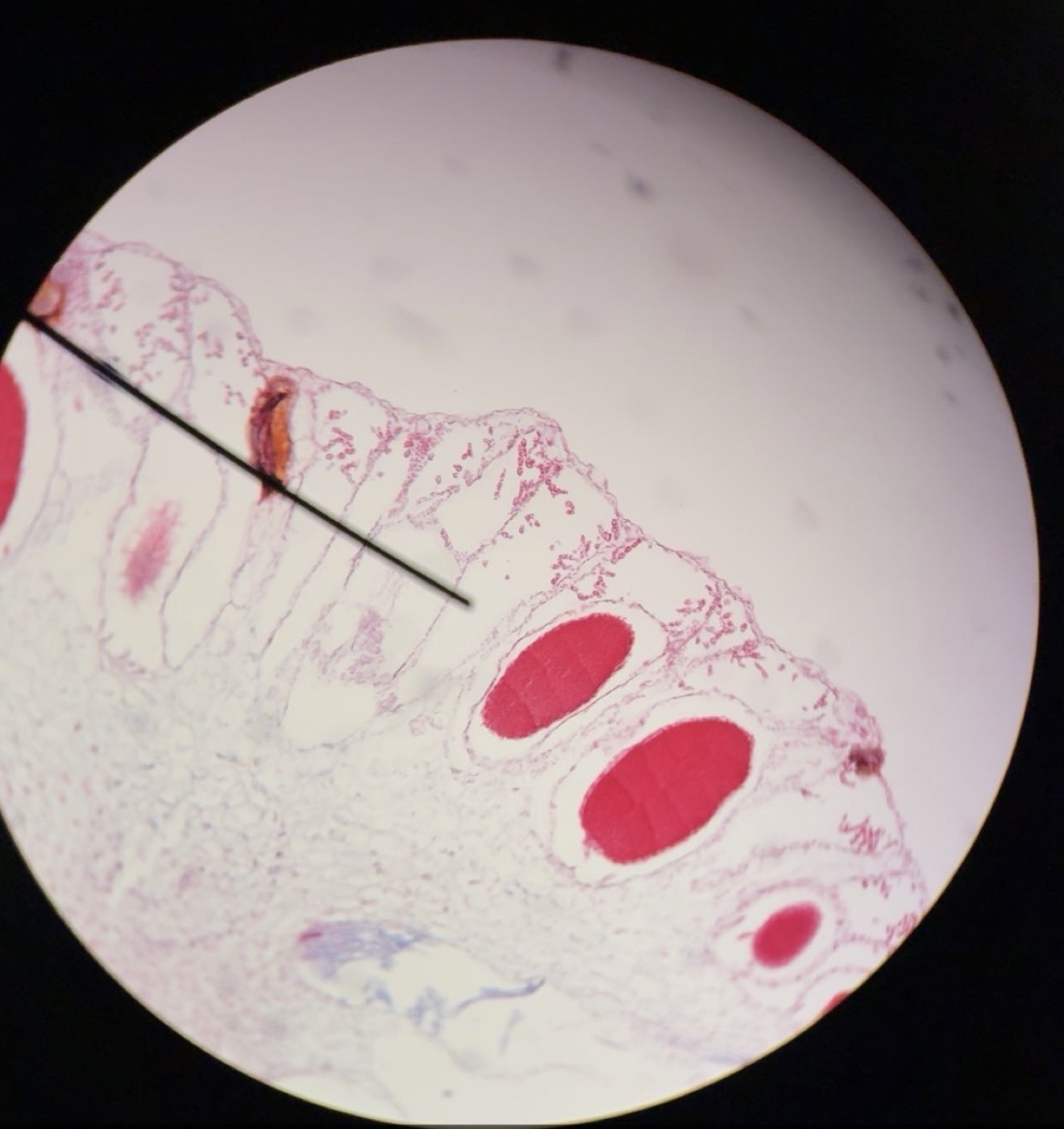
Marchantia (liverwort) archegoniophores
Structures in the Hepaticophyta group where Liverwort eggs are made.
.
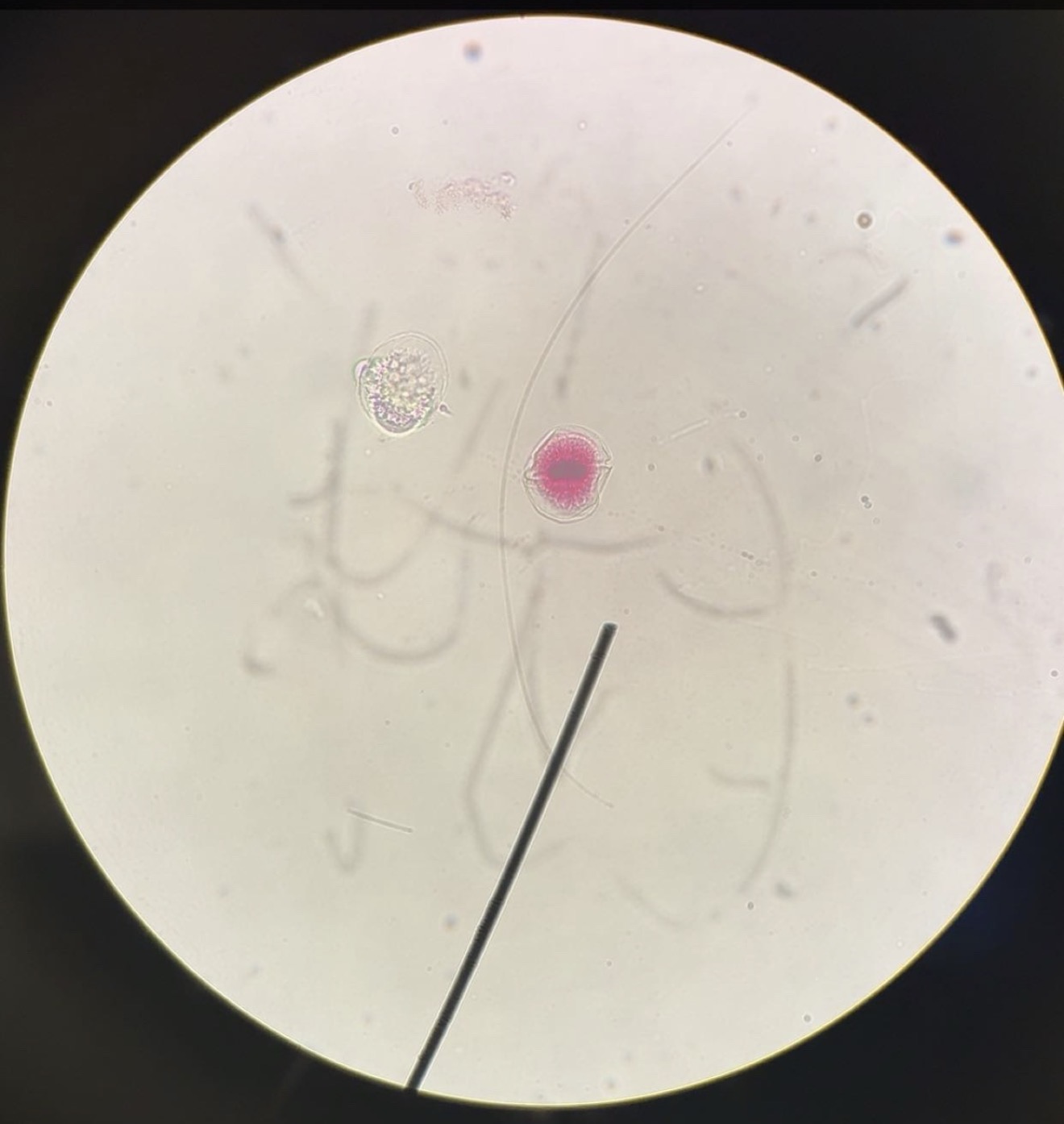
Marchantia (liverwort) Antheridiophore
Structures in the Hepaticophyta group where Liverwort sperm is found.
.
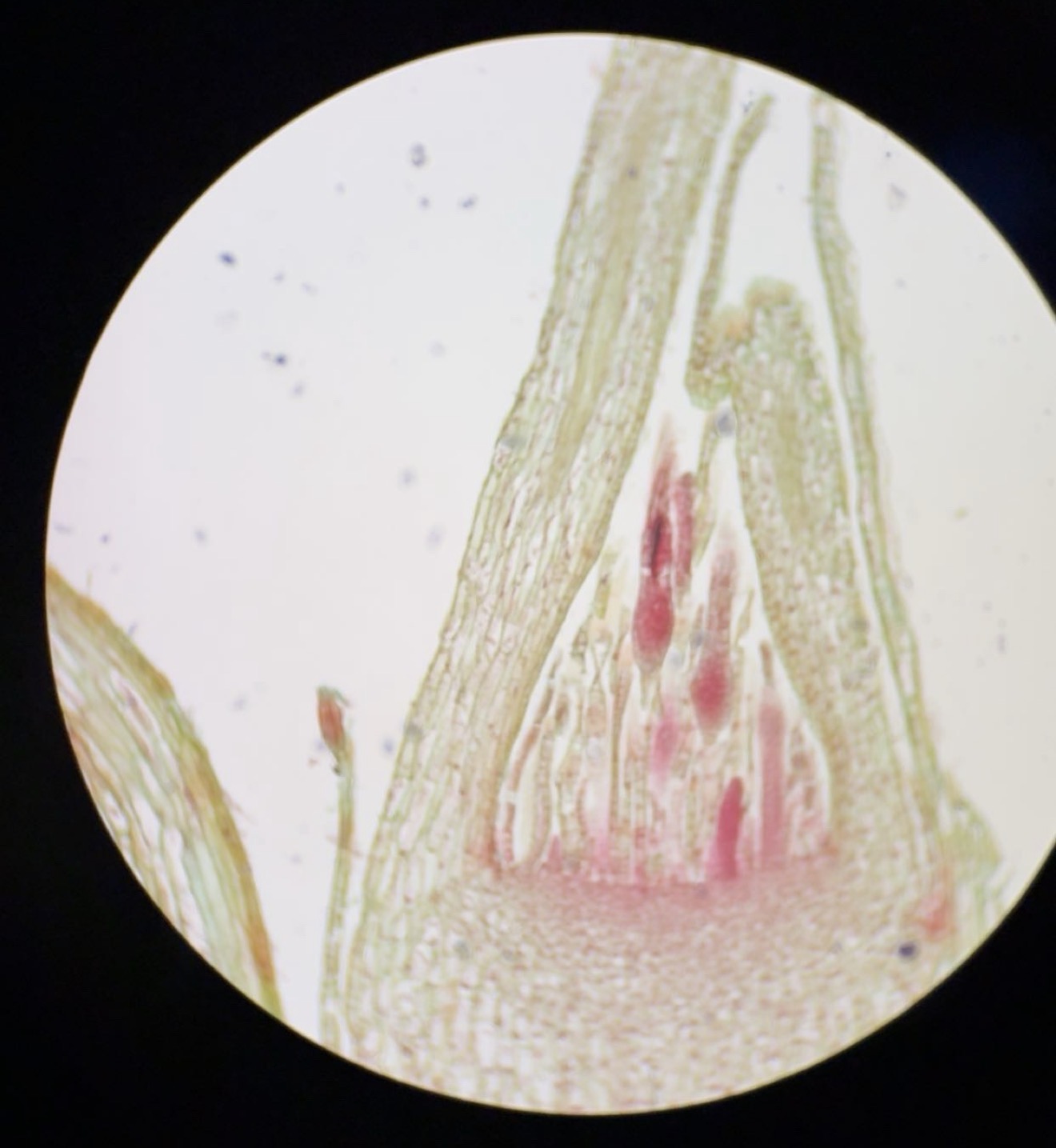
Moss (mnium) Archegonial head
A haploid structure containing eggs.
.
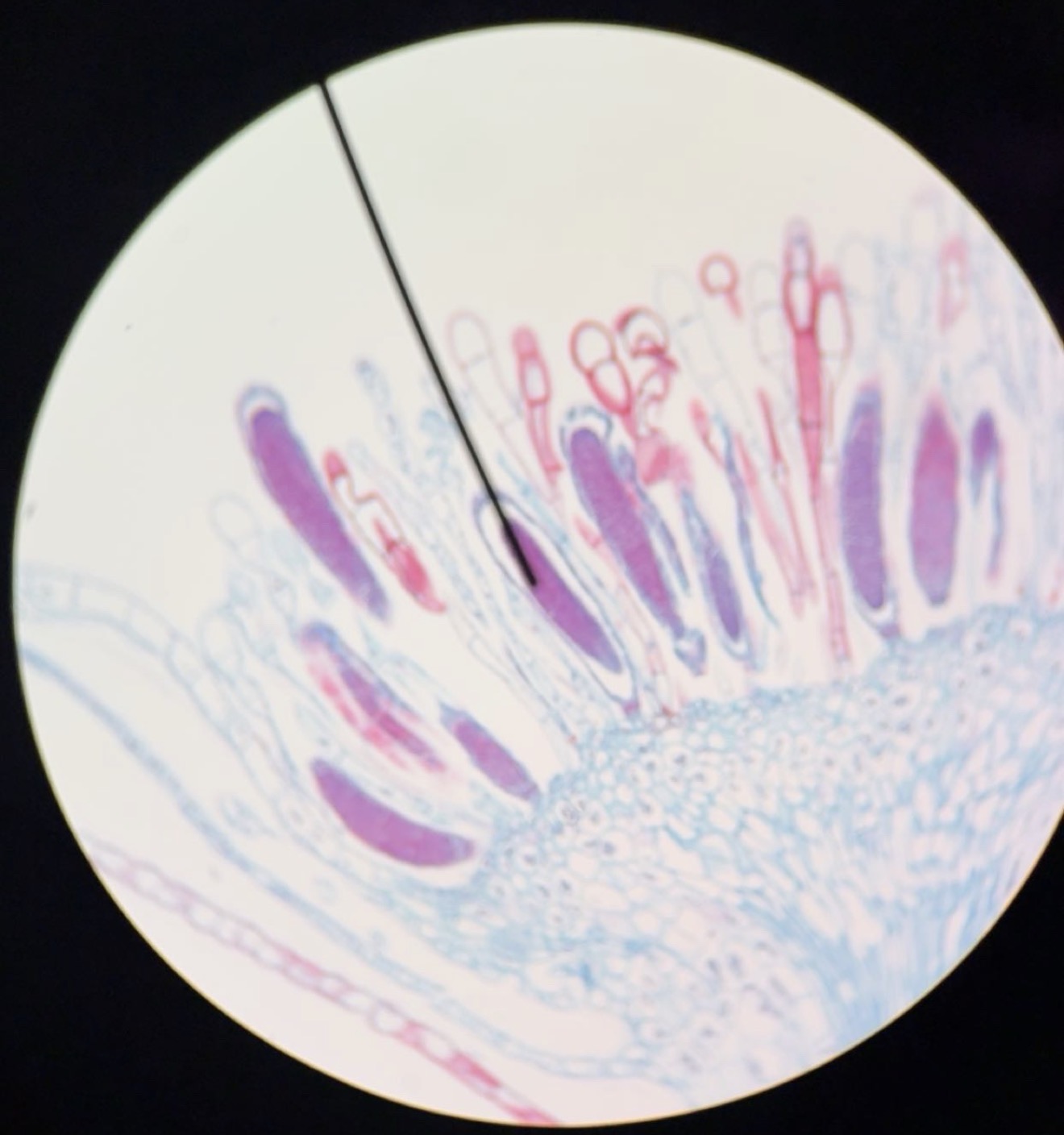
Moss (mnium) Antheridial head
A haploid structure containing sperm.
.
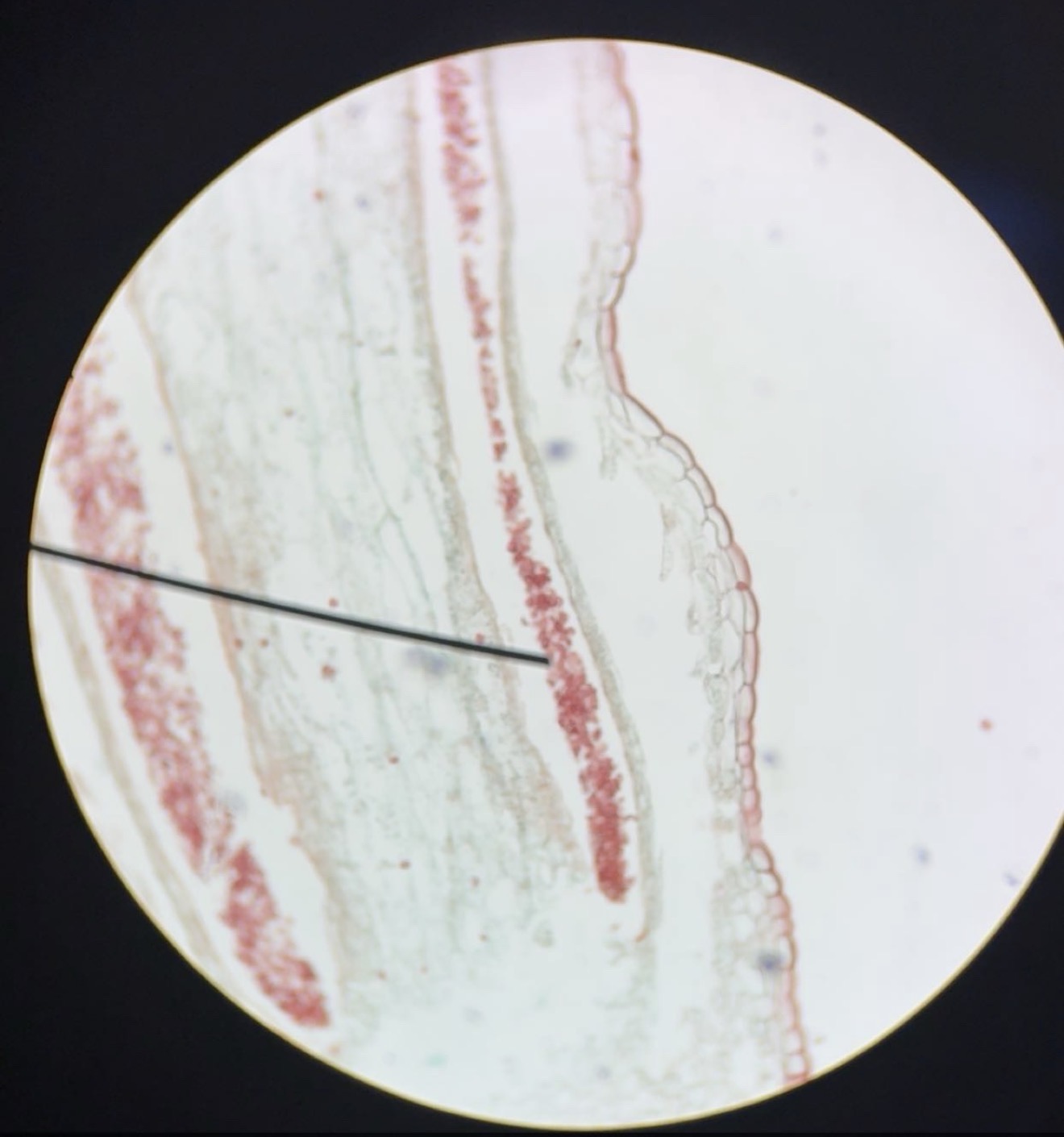
Moss (mnium) Diploid sporophyte
A mature capsule with spores.
.
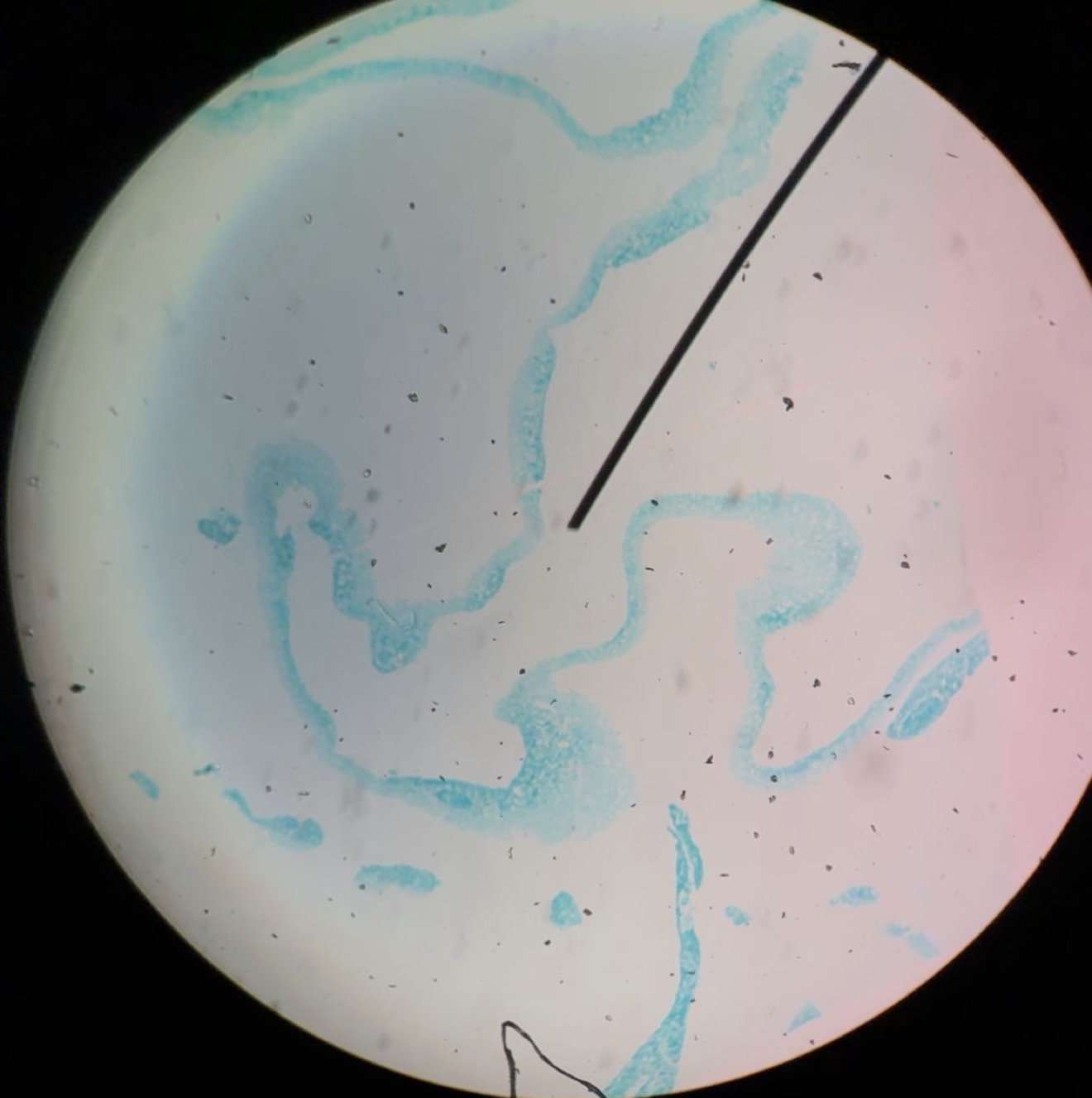
Dinoflagellates
SAR supergroup
.
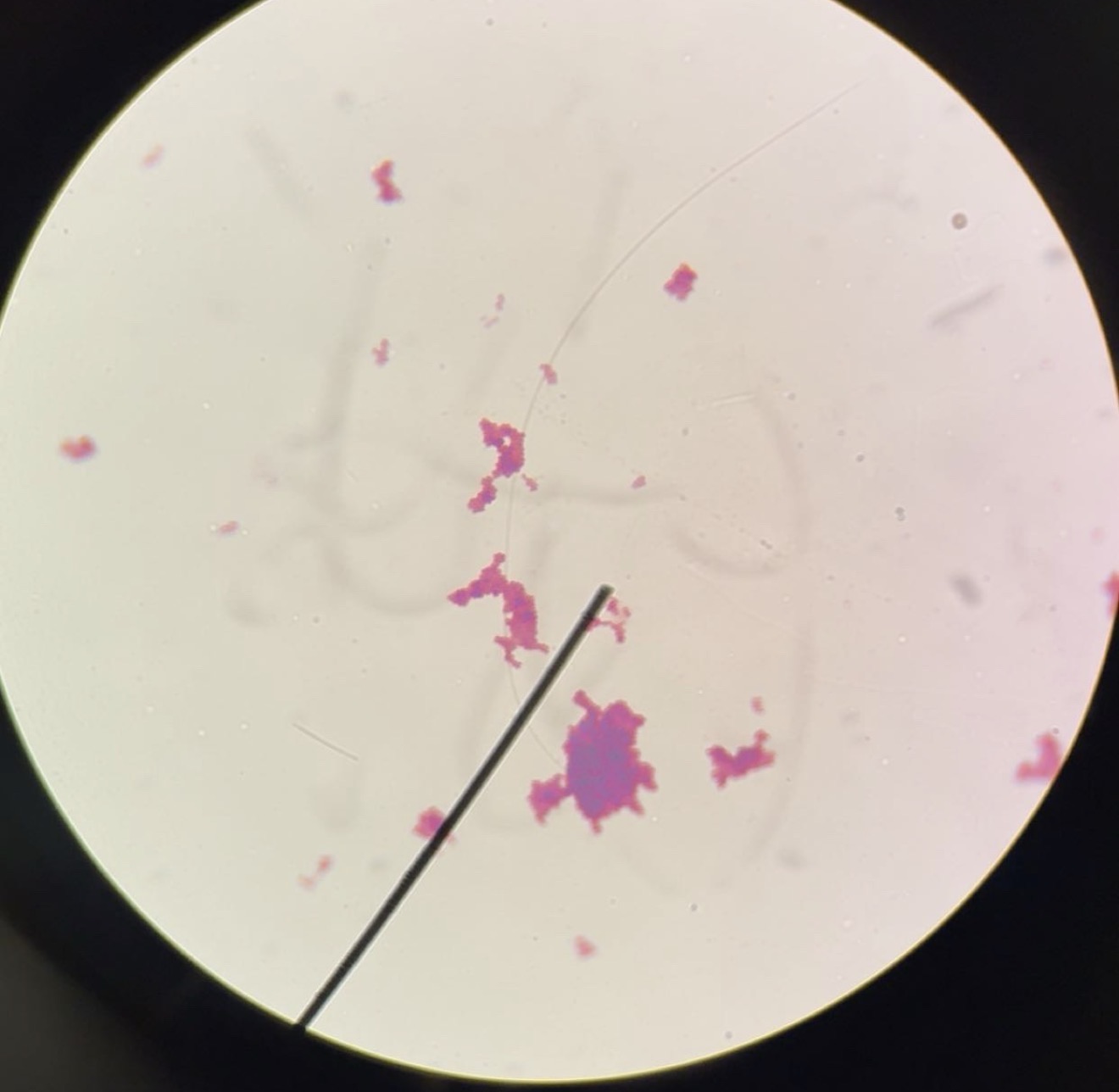
Physarum
Plasmodium Slime Mold
Unikont
.
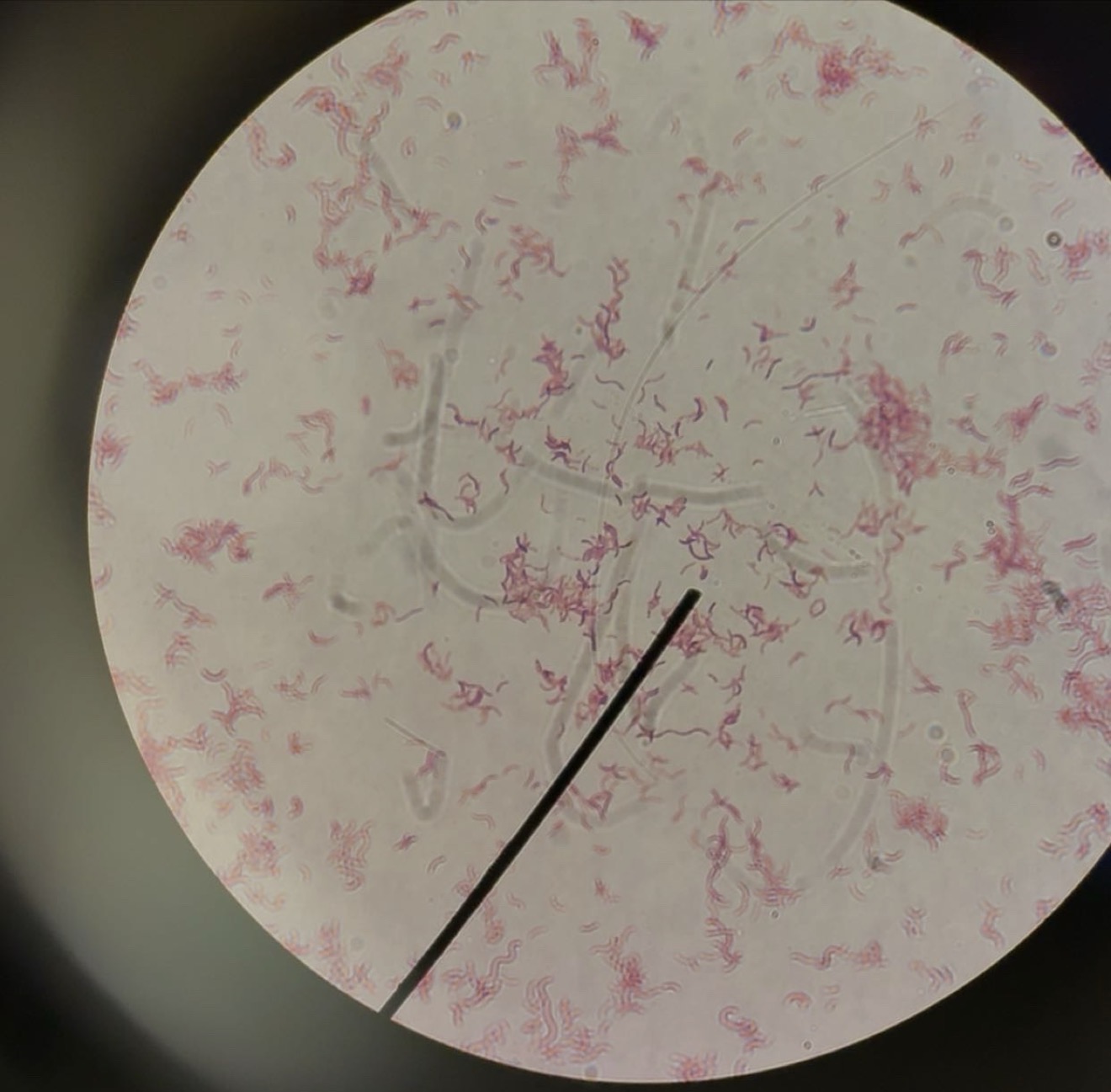
Coccus
.
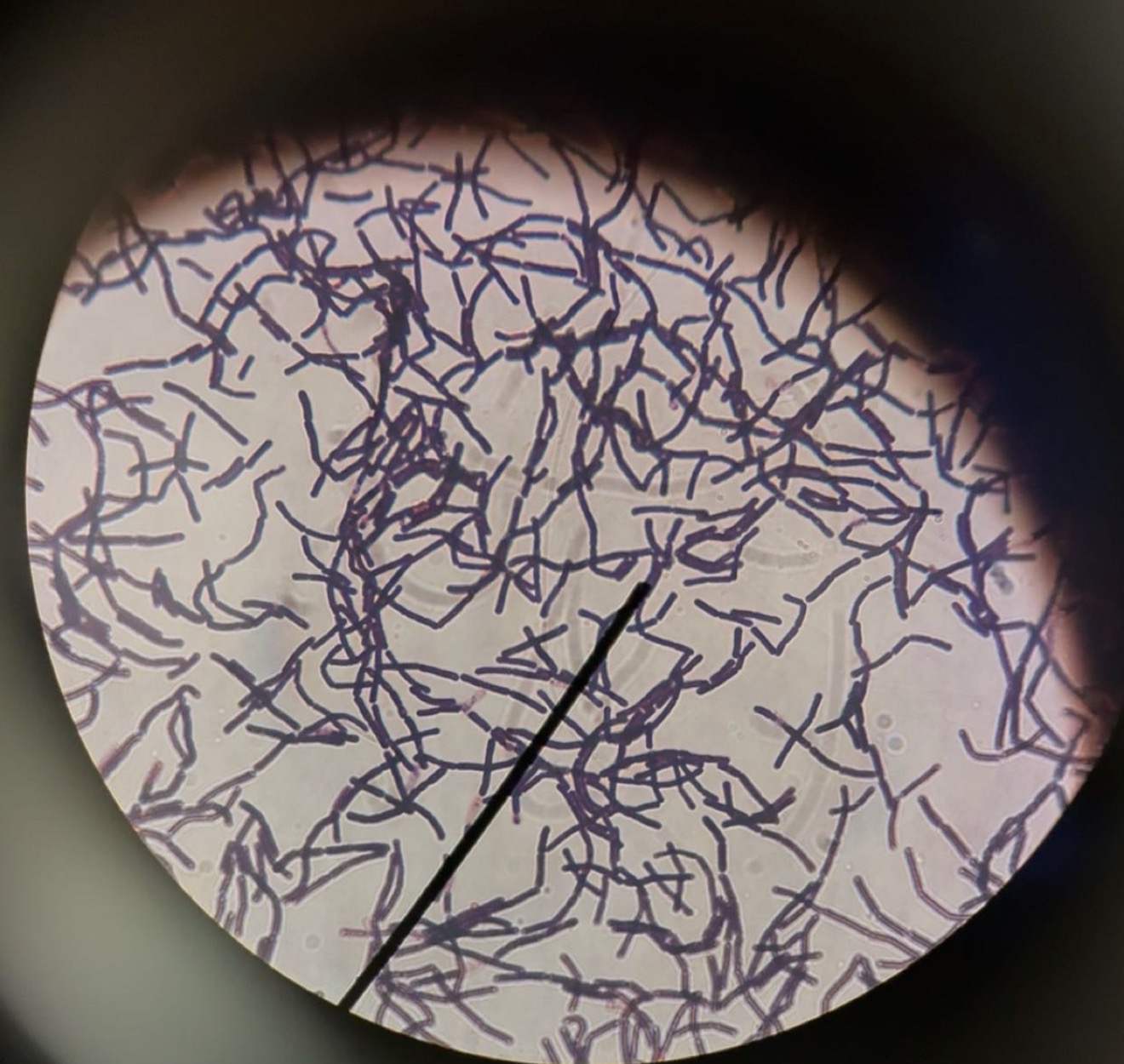
Spirillum (spirochete)
.
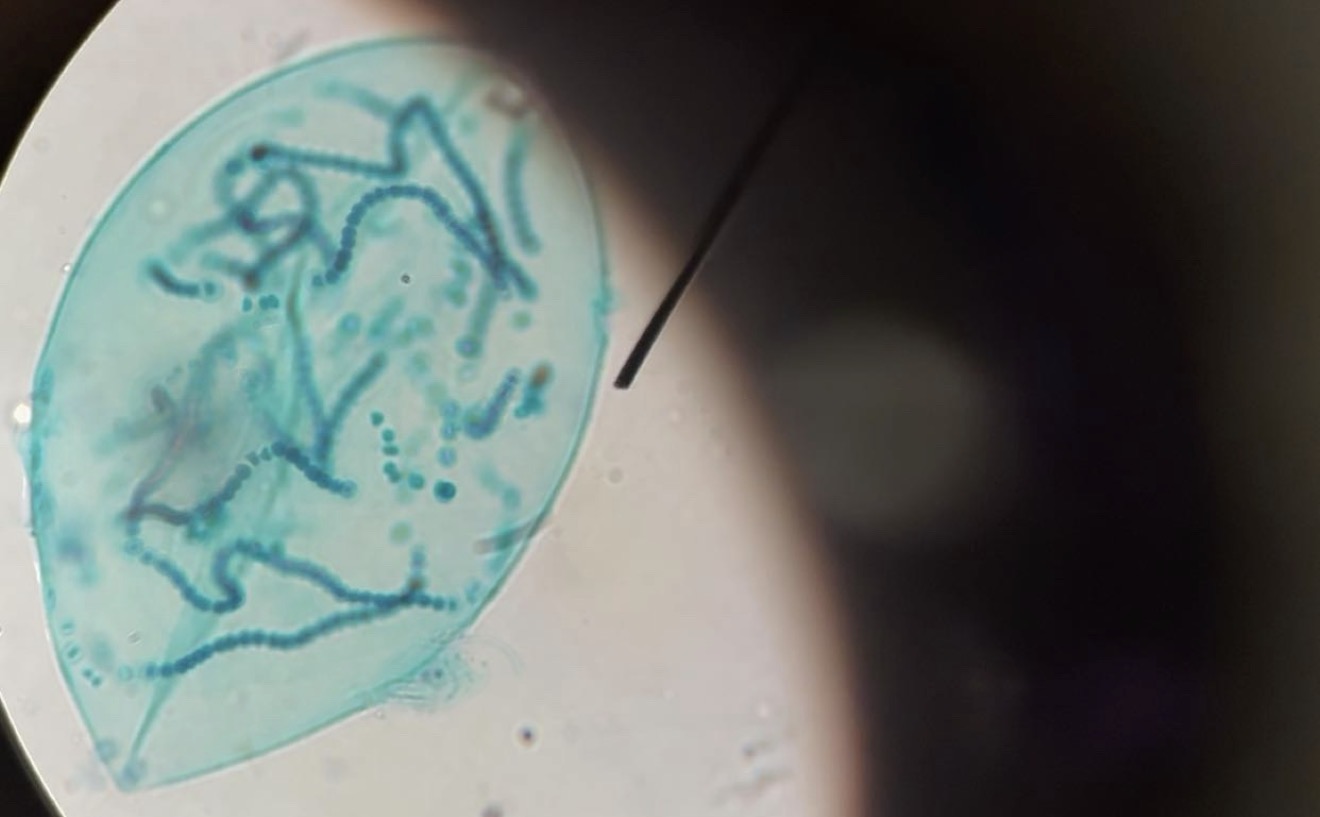
Bacillus
.
Nostoc
Cyanobacteria
Type of plant, non vascular, gametophyte dominant, need water to sexually reproduce with flagellated sperm, includes Hepaticophyta, Bryophyta, and Anthocerophyta
Bryophytes
Liverwort
Hepaticophyta
True mosses
Bryophyta
Hornworts
Anthocerophyta
Type of plant, seedless vascular plants, sporophyte dominant, need water to sexually reproduce with flagged sperm, includes Lycophyta and Monilophyta
Pterophytes
Club “moss”, spike “moss”, quillwort
Lycophyta
Whisk “fern”, horsetail, true ferns
Monilophyta
.
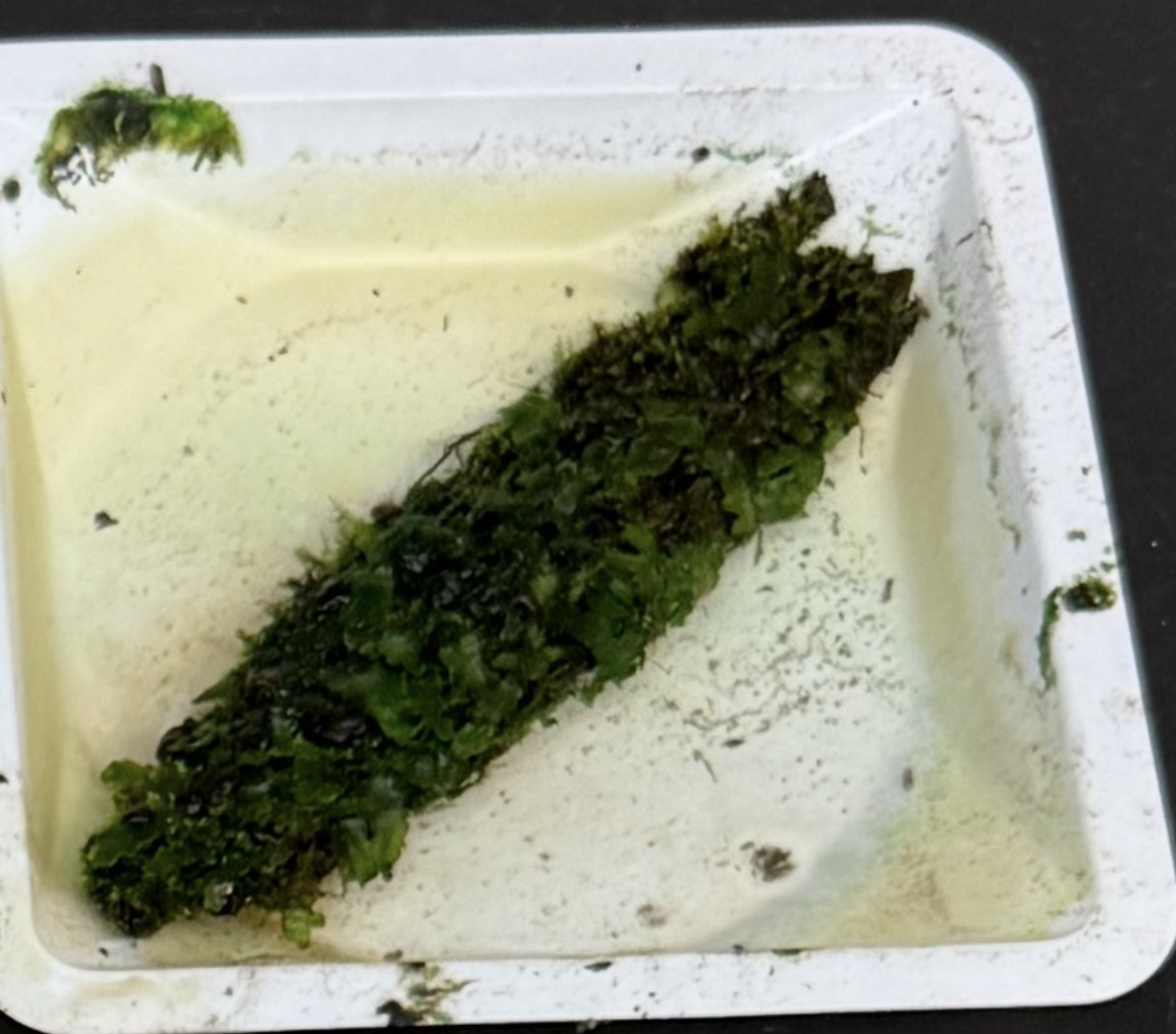
Liverwort
Marchantia
Gammae cups
Gametophyte dominant
Hepaticophyta phylum
.
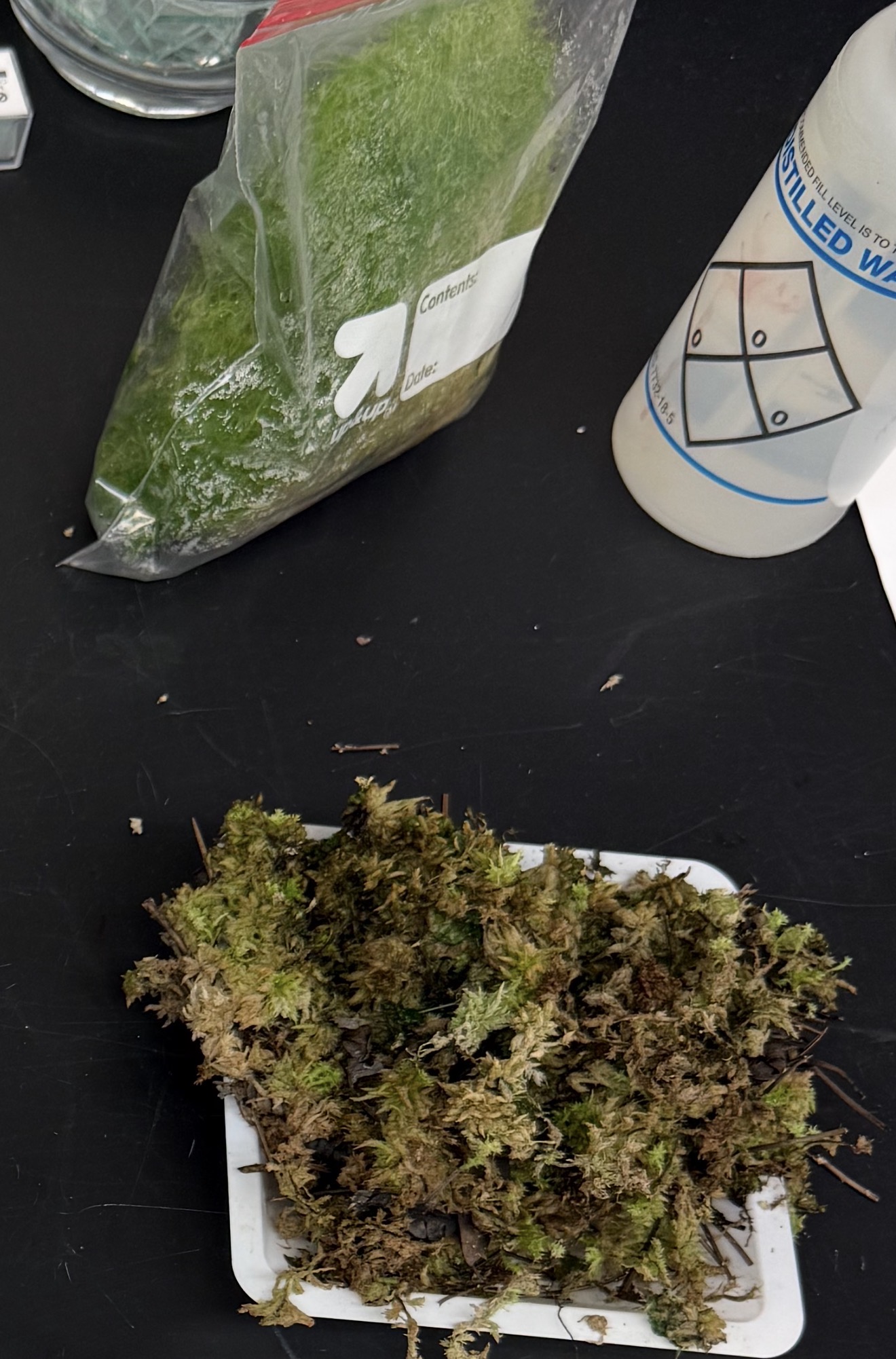
Peat moss
Sphagnum
Gametophyte (haploid)
Bryophyta Phylum
Think of bogs
.
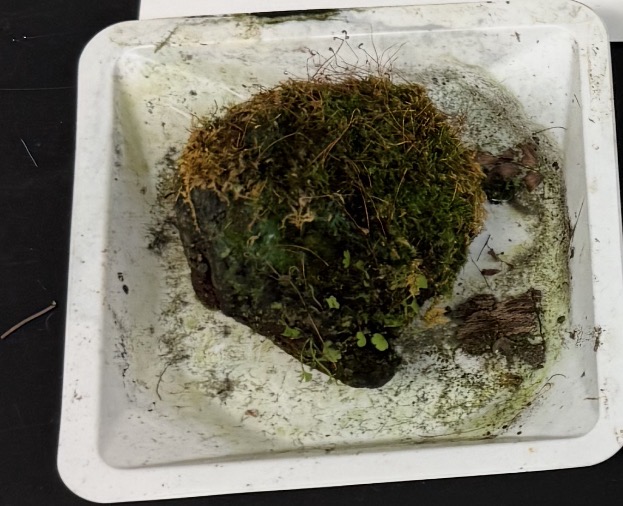
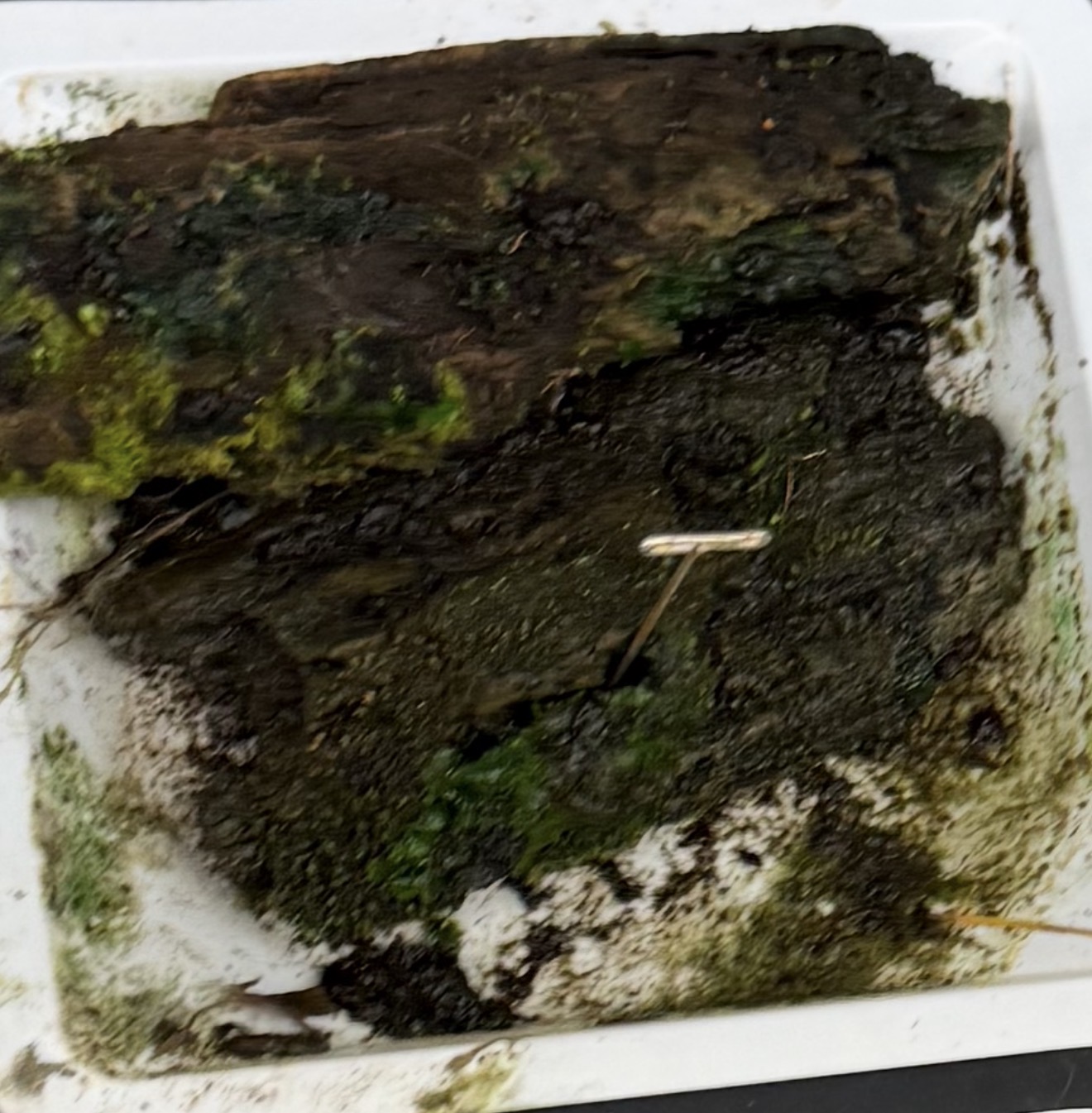
True moss
Bryophyta phylum
Both sporophyte and gametophyte
Gemtophyte: green fuzz dominant
Sporophyte: yellow stalks
.
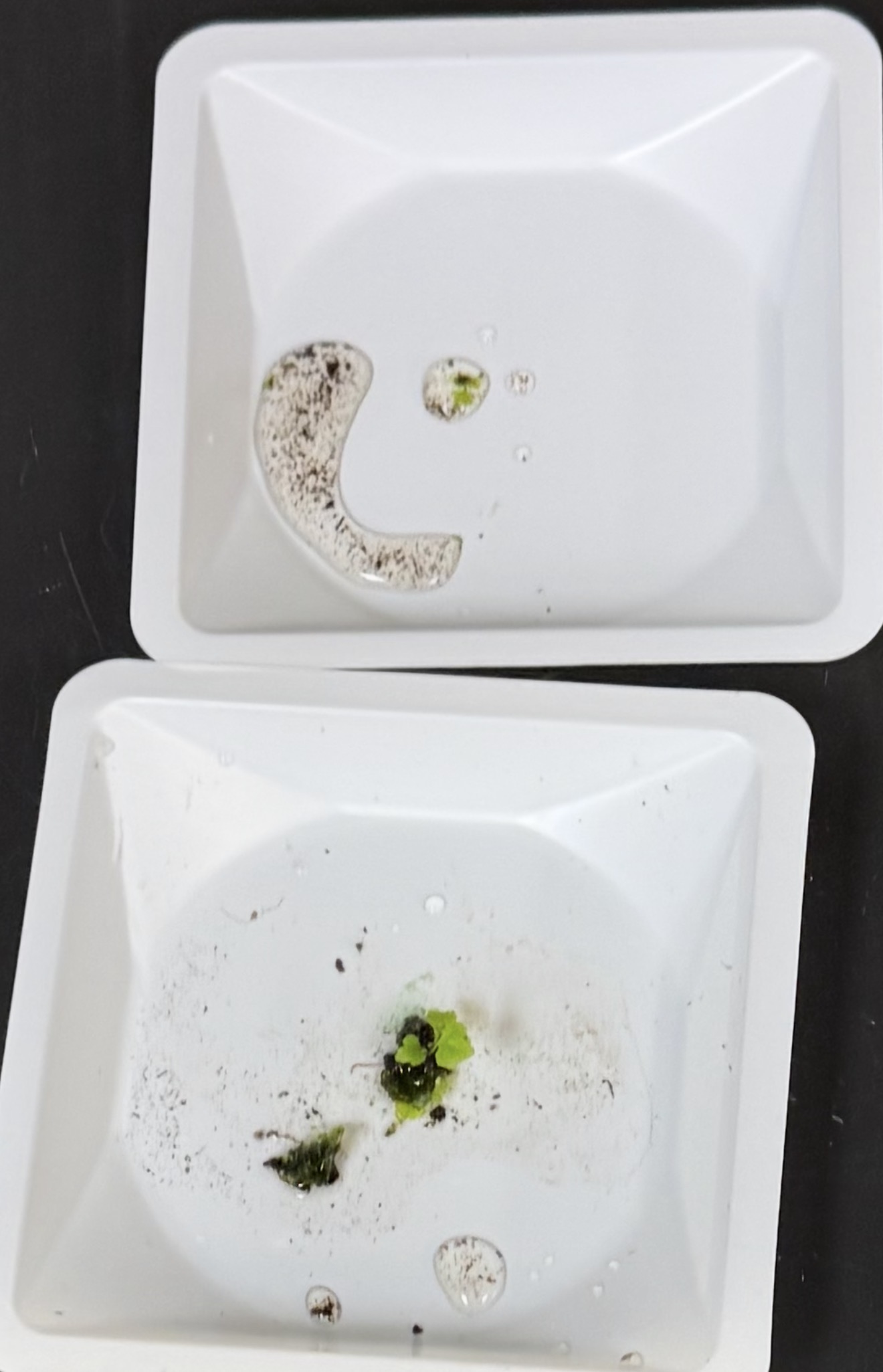
Hornwort
Dark green is gametophyte
Light green is sporophyte with stalks
Anthoceraphyta phylum
.
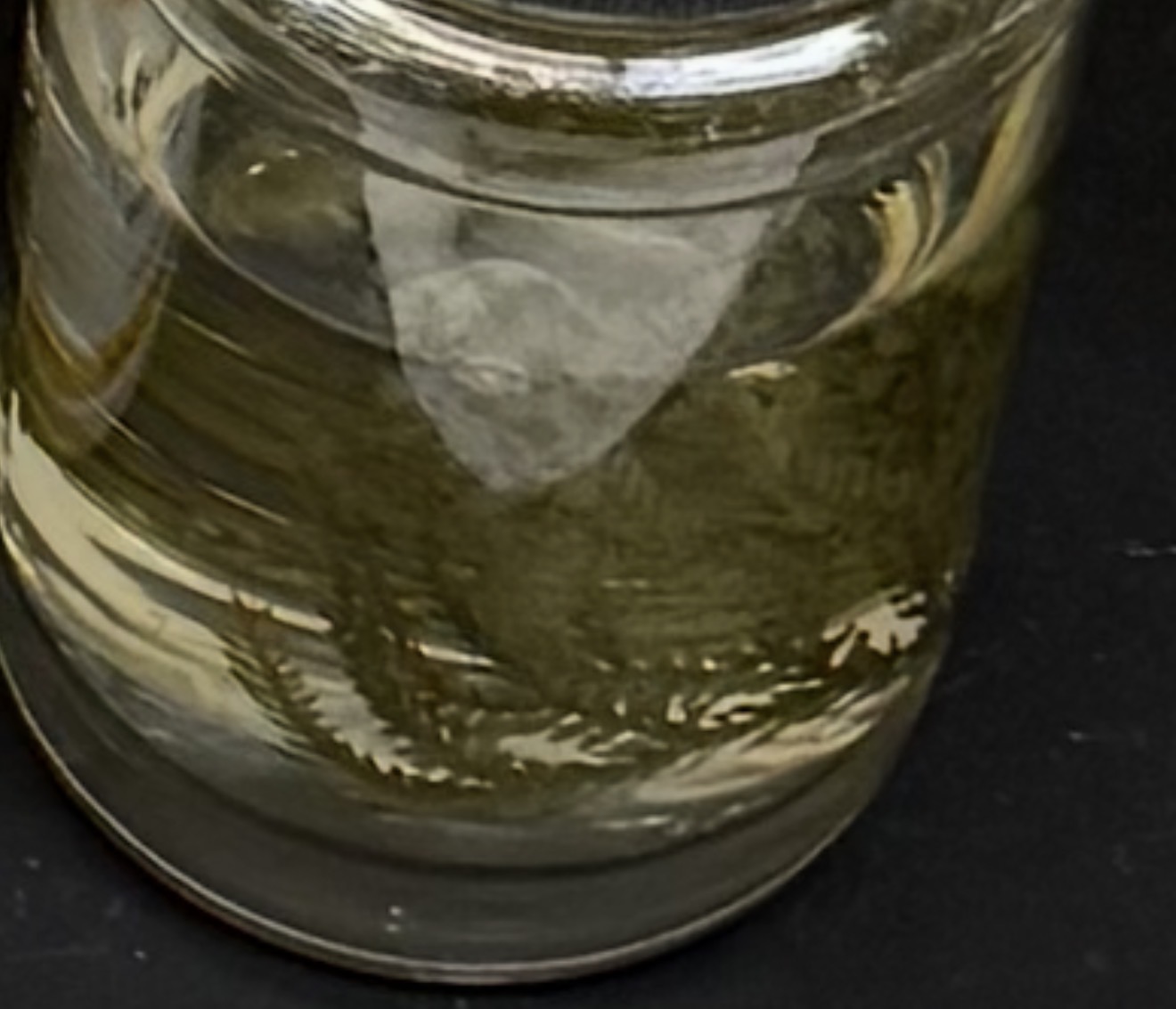
Fern
Dark green with soil is gametophyte
Light green is sporophyte
Monilophyta phylum
.
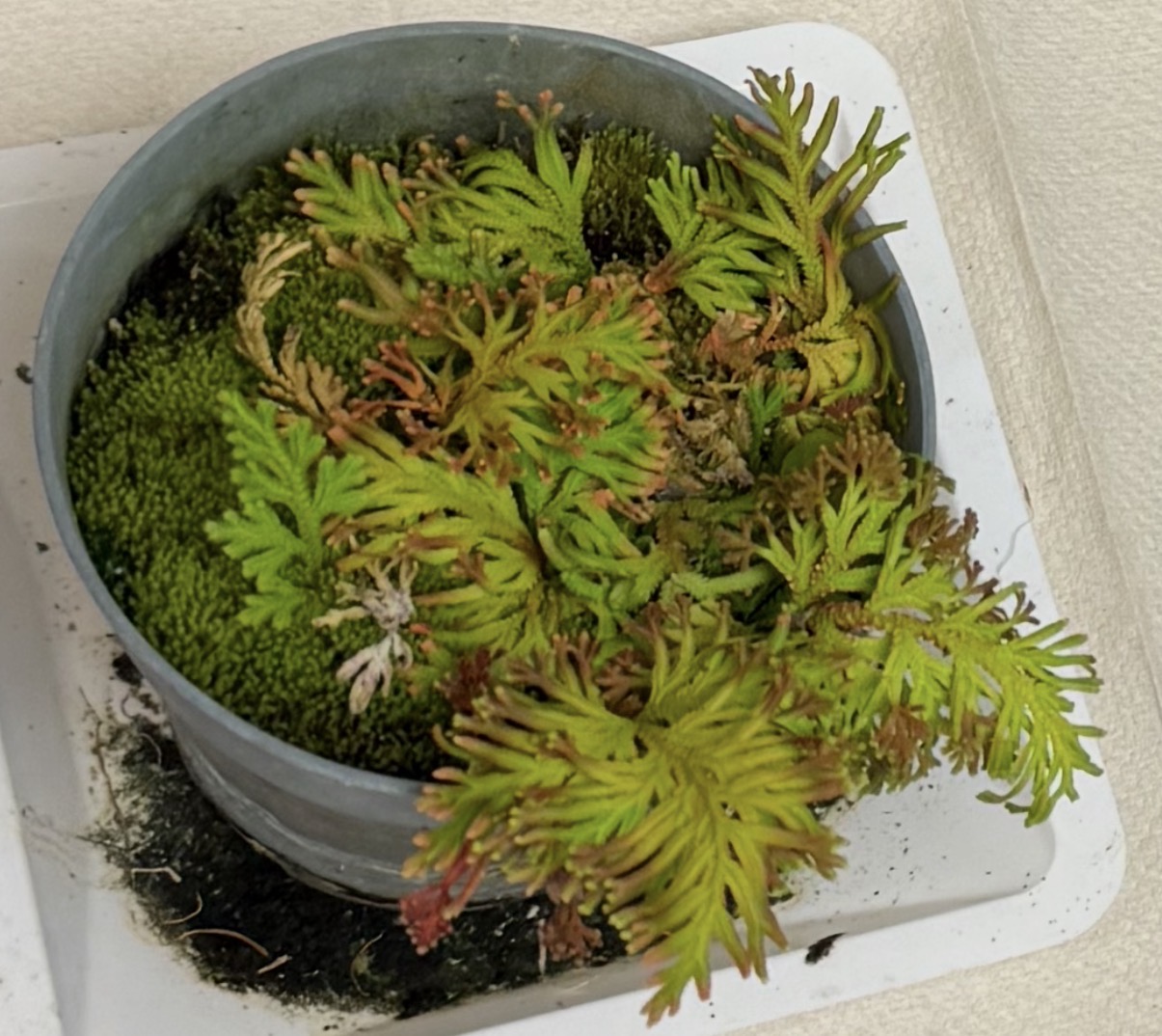
Lycopodium
Club “moss”
Lycophyta
.
Slaginellz
Diploid sporophyte
Spike “moss”
Lycophyta
.
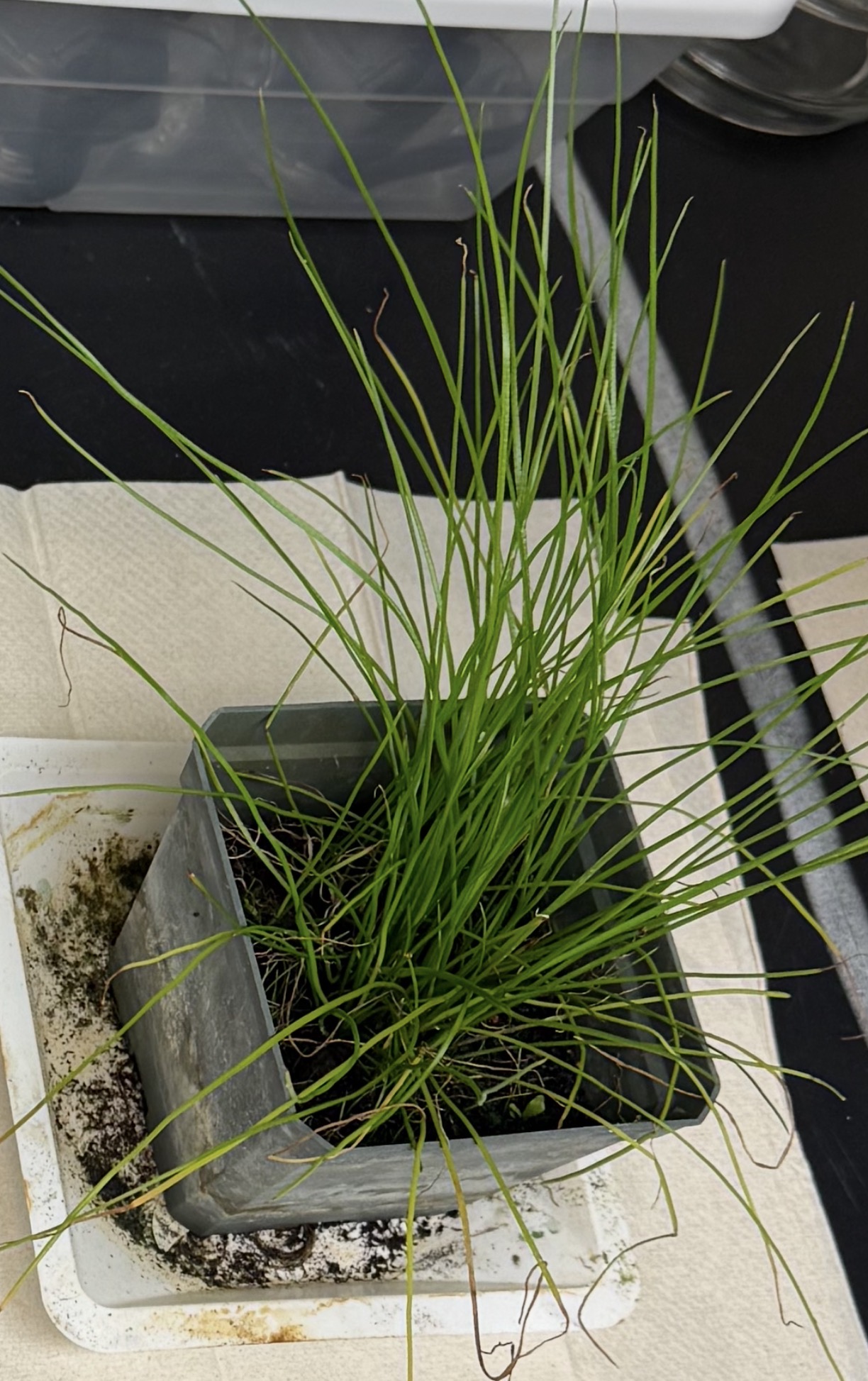
Isoetes
Quillwort
Lycophyta phylum
.
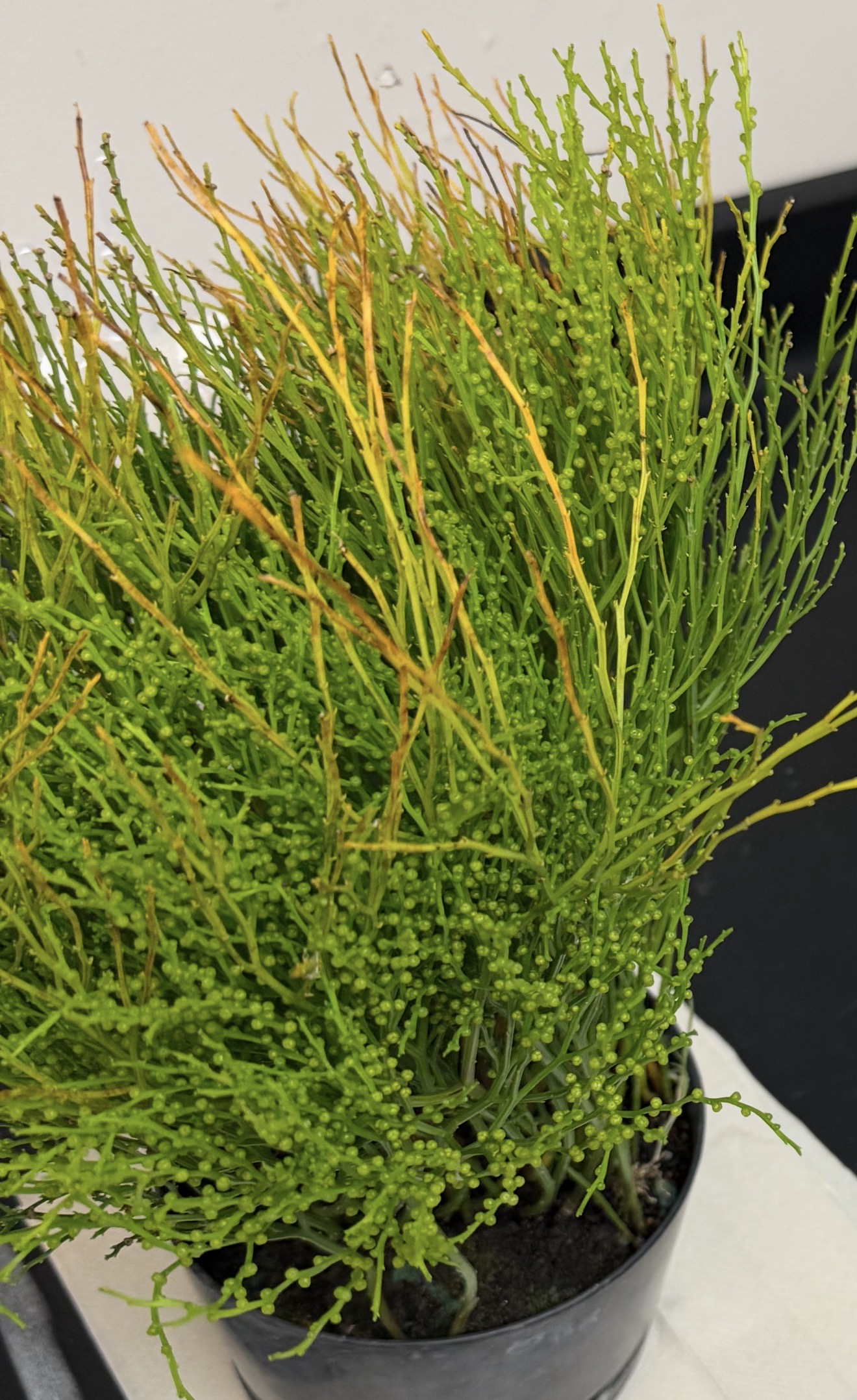
Psilotum nudum
Diploid sporophyte
Whisk “fern”
Monilophyta
.
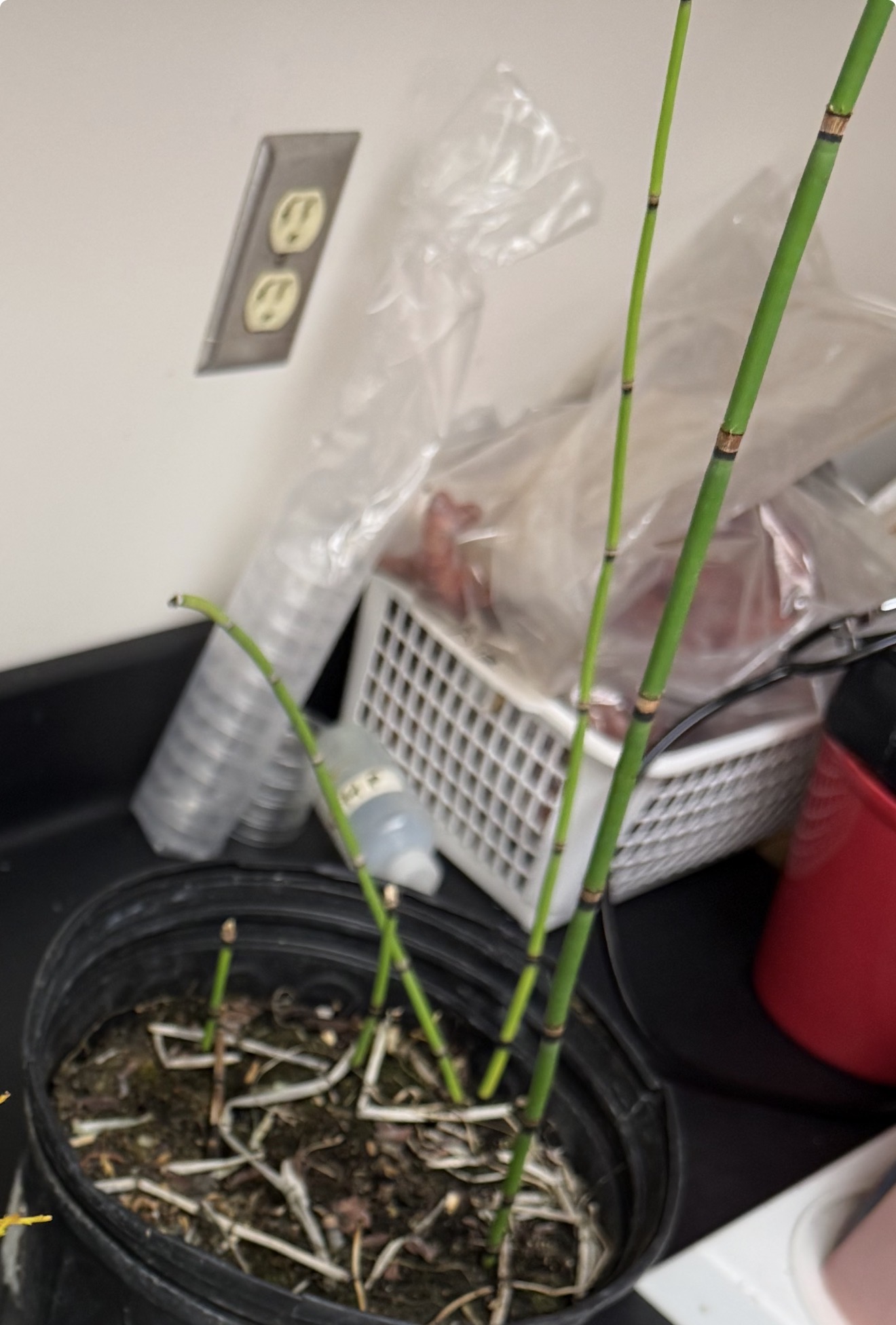
Equisetem
Diploid sporophyte
“Scouring rush” or horsetail
Monilophyta phylum
Rhizobium
Proteobacteria that forms root nodules in legumes, fixes atmospheric N2
Proteobacteria
Gram-negative; various nutrition types
Some are anaerobic, others aerobic
Nitrosomonas
Proteobacteria converts NH4+ to NO2–
Legionella, Salmonella & Vibrio cholerae
Proteobacteria Pathogens
Escherichia coli
Proteobacteria lives in the intestines of many mammals &
is not normally pathogenic
Campylobacter
Proteobacteria causes blood poisoning
Helicobacter pylori
Proteobacteria causes stomach ulcers
Chlamydias
Parasites that live within animal cells STD
Chlamydia trachomatis
STD that causes blindness & nongonococcal urethritis
Spirochetes
Helical heterotrophs Some are parasites
Treponema pallidum
Spirochete that causes Syphilis
Borrelia burgdorferi
Spirochete that causes Lyme disease
Actinomycetes
Gram +, decompose soil
Bacillus anthracis
Gram +, cause of anthrax
Clostridium botulinum
Gram +, cause of botulism
Staphylococcus & Streptococcus
Gram +, some can be pathogenic
Mycoplasms
Gram +, smallest known cells
Methanogens
ive in swamps & marshes, Produce methane as a waste product, Are strict anaerobes & are poisoned by O2
Trypanosoma
cause sleeping sickness in humans, protist, Excavata
Golden algae
SAR, Golden color results from their yellow & brown
carotenoid pigments, All are photosynthetic, & some are mixotrophs, Most are unicellular, but some are colonial
Brown Algae
SAR, Largest & most complex algae, All are multicellular & most are marine, Many species commonly called “seaweeds”, Kelps can be massive, live in deep parts of the ocean, Have analogous, plantlike structures:
Paulinella chromatophora
SAR, autotroph with a unique photosynthetic structure called a chromatophore, Evolved from a different cyanobacterium than he plastids of other photosynthetic Eukaryotes!
Red Algae
Archaeplastida, Reddish color due to Phycoerythrin, an accessory
pigment that masks the green of Chlorophyll
Usually multicellular; the largest are seaweeds
Most abundant large algae in tropical coastal
waters
Ulva
“sea lettuce”; multi-celled chlorophyte, Archaeplastida
Caulerpa
all 1 cell with many nuclei, chlorophyte, archaeplastida
Slime Molds
Amoebozoan Unikonts, once thought to be fungi
Plasmodial Slime Molds
Ameobazoan unikonts
Usually bright yellow or orange
Not multicellular; Plasmodium is a mass undivided by
plasma membranes that contains many diploid nuclei
Extends pseudopodia through decomposing material,
engulfing food by phagocytosis
Cellular Slime Molds
Ameobazoan unikonts
Multicellular aggregates; cells separated by membranes
Cells in the aggregate each feed individually
Entamoeba histolytica
Type of entamoeba ameobazoan unikont, causes amoebic
dysentery, the third-
leading cause of human
death due to Eukaryotic
parasites
Naegleria fowleri
Type of tubulind free living amoeba causes
human brain infection,
usually leading to death when enter nose
.
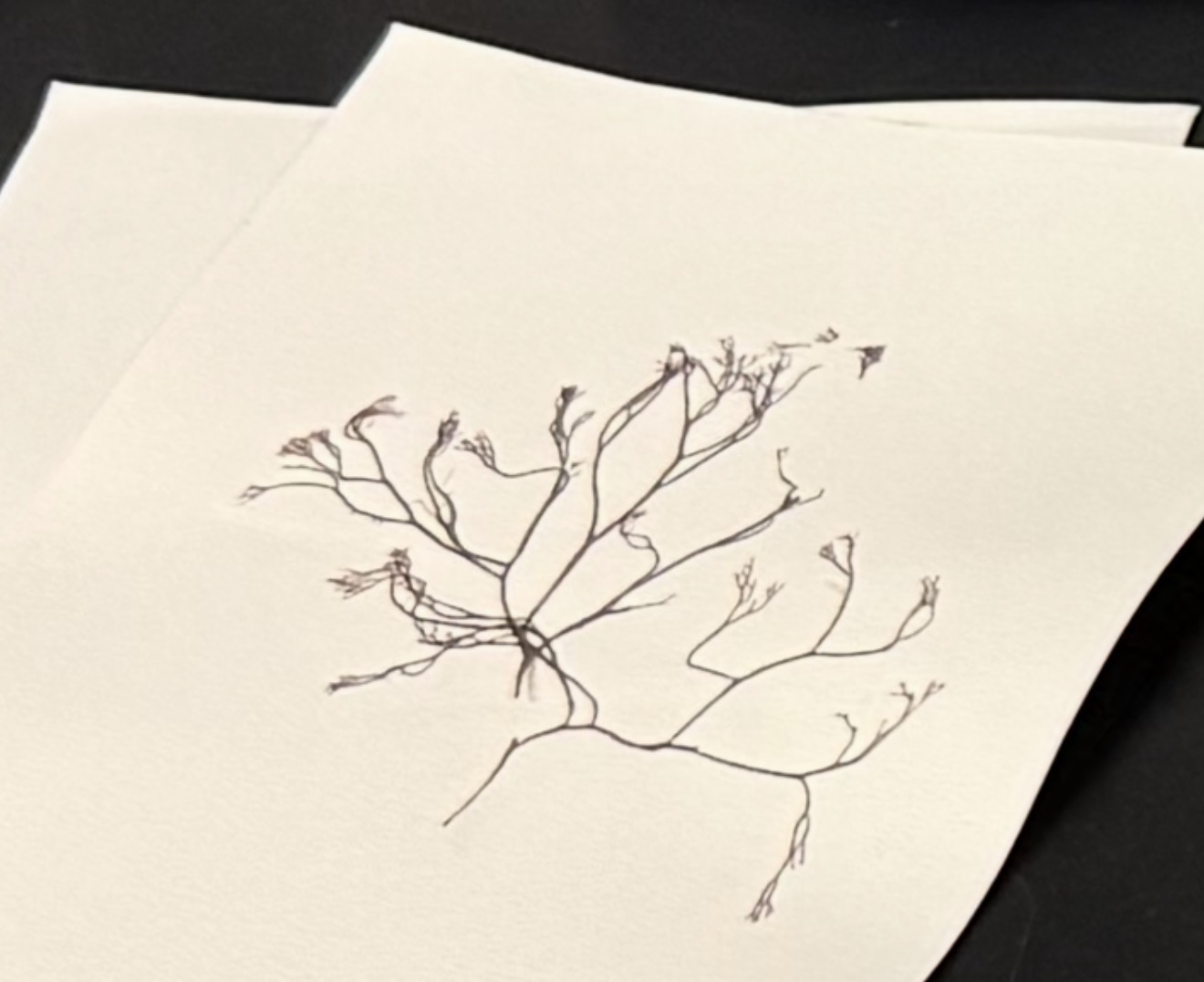
Red algae, archaeplastida
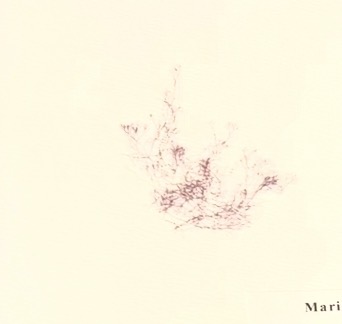
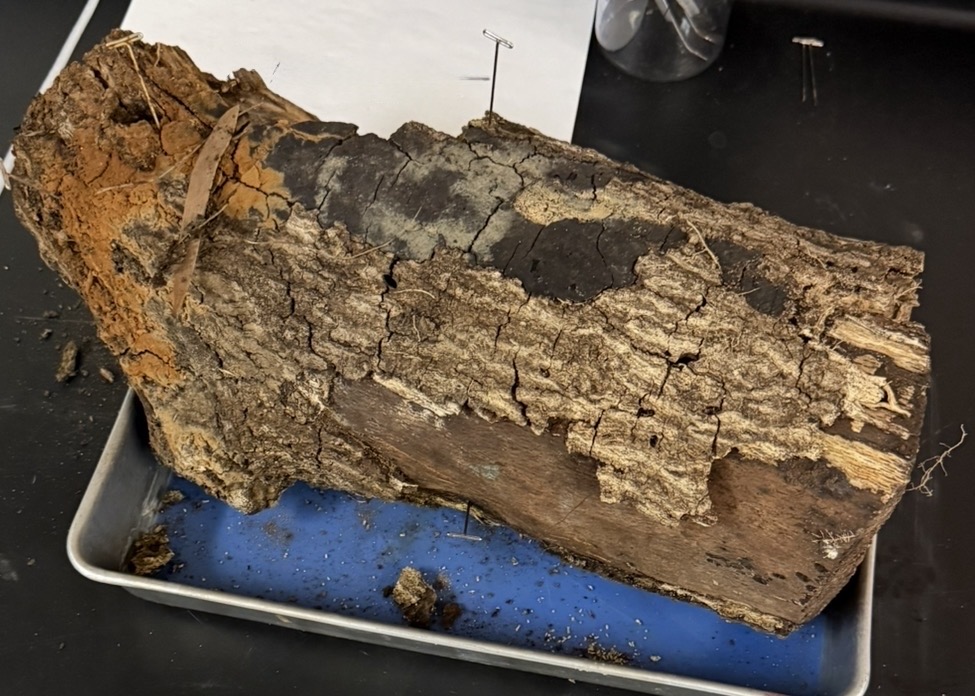
.
Slime mold, Unikonta
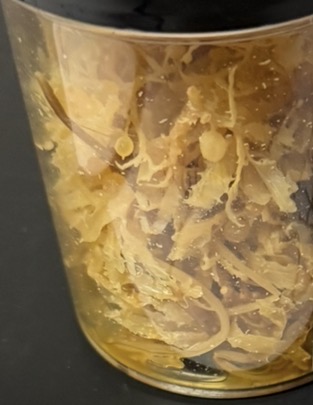
.
Brown and golden algae, SAR
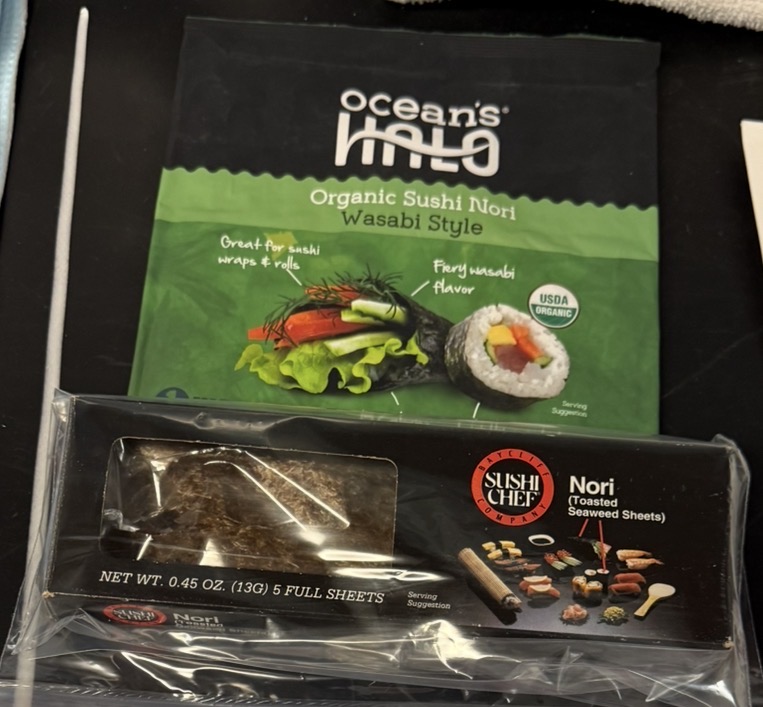
.
Red algae, archaeplastida