U1 - Body Planes & Movement Terminology
 Call Kai
 Learn
Learn Practice Test
 Spaced Repetition
 Match
Match Flashcards
 Knowt Play
1/77

There's no tags or description
Looks like no tags are added yet.
Name | Mastery | Learn | Test | Matching | Spaced | Call with Kai | Chat |
|---|
No analytics yet
Send a link to your students to track their progress
78 Terms

Anatomical Position
Point from which all movement is measured
frontal/coronal plane
divides the body into front and back parts
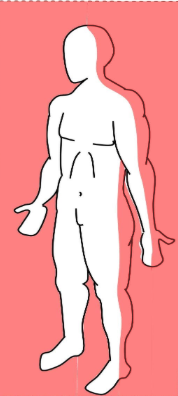
Median/Sagittal Plane
divides the body into left and right parts
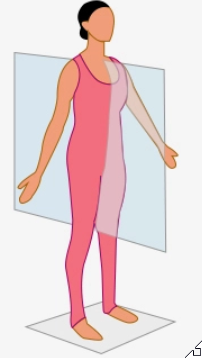
axial/transverse plane
Divides the body into upper and lower parts

superior
closer to the head
inferior
further away from the head
anterior
towards the front of the body
posterior
toward the back of the body
medial
toward the midline of the body
lateral
away from the midline of the body
proximal
closer to the trunk
distal
away from the trunk
superficial
toward the surface of the body
deep
inside the body and away from the body surface
dorsal
toward the back of the body
ventral
toward the front of the body
hemarthrosis
bleeding inside a joint
vital functions of bones (3)
mechanical, synthesizing, metabolic
mechanical functions of bone (3)
support, movement, protection
synthesizing functions of bone (2)
produces rbc/wbs/platelets, destroys defective blood cells
rbc function (2)
oxygen and co2 transport
wbc function (2)
protect from infection, produce antibodies
antibodies function
substance that causes body to make specific response
platelets function
clotting
metabolic functions of bone (6)
storing minerals, fat storage, PH balance, detoxification, endocrine function, calcium balance
resorption
breaking down bone
bones in human body
206
appendicular skeleton
shoulder, arm, hip, leg
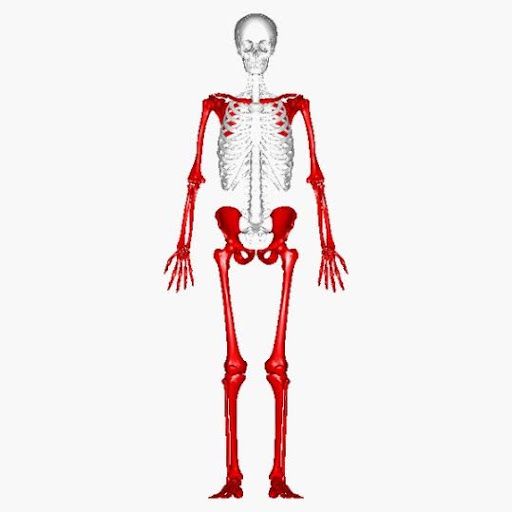
axial skeleton
head, neck, ribs, spine
osteoblastic activity
builds bone
osteoclastic activity
breaks down bone
osteoporosis
condition where bones become thin, weak, brittle,
pagets disease
condition where bones grow misshapen
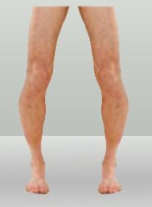
rickets
condition that gives bowed legs due to vitamin-d deficiency
epiphysis
growth plate
cartilage functions (3)
shock absorption, smooth movement, shape
elastic cartilage
most flexible cartilage; ears
hyaline cartilage
most common cartilage, lines joints and end of bones; nose
fibrocartilage
strongest cartilage; knee
types of joints (3)
diarthrodial, amphiarthrodial, synarthrodial
diarthrodial/synovial joint
most common joint, layer of fibrocartilage, synovial fluid within synovial membrane
amphiarthrodial joint
slightly moveable; intervertebral discs
synarthrodial joint
immovable; cranial bones, teeth sockets
ball and socket joint
ex. hip, shoulder

condyloid/ellipsoid joint
ex. metacarpophalangeal joint
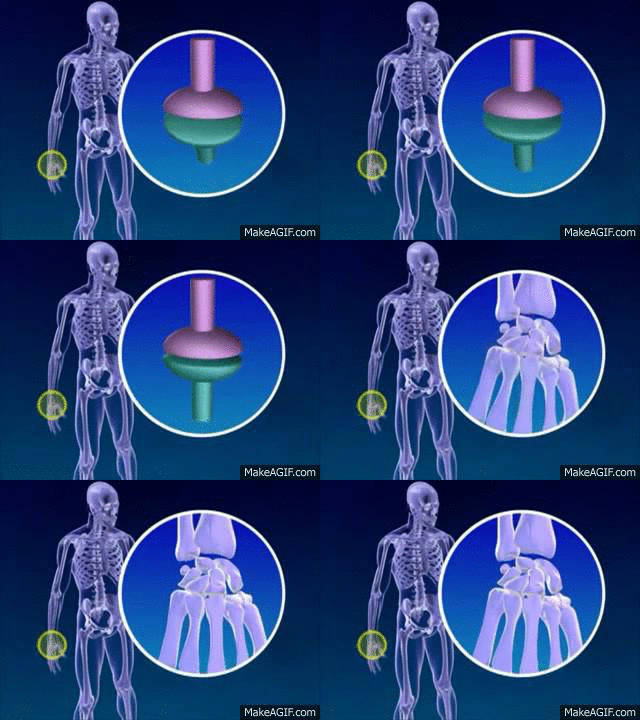
plane/gliding joint
ex. acromioclavicular joint
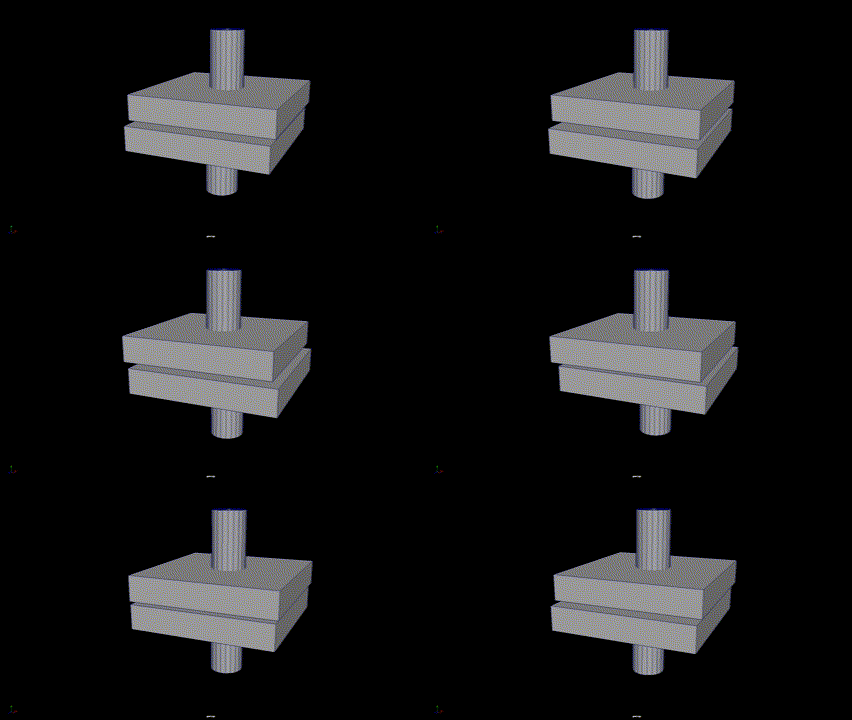
hinge joint
ex. knee, elbow

pivot joint
ex. radial ulnar joint
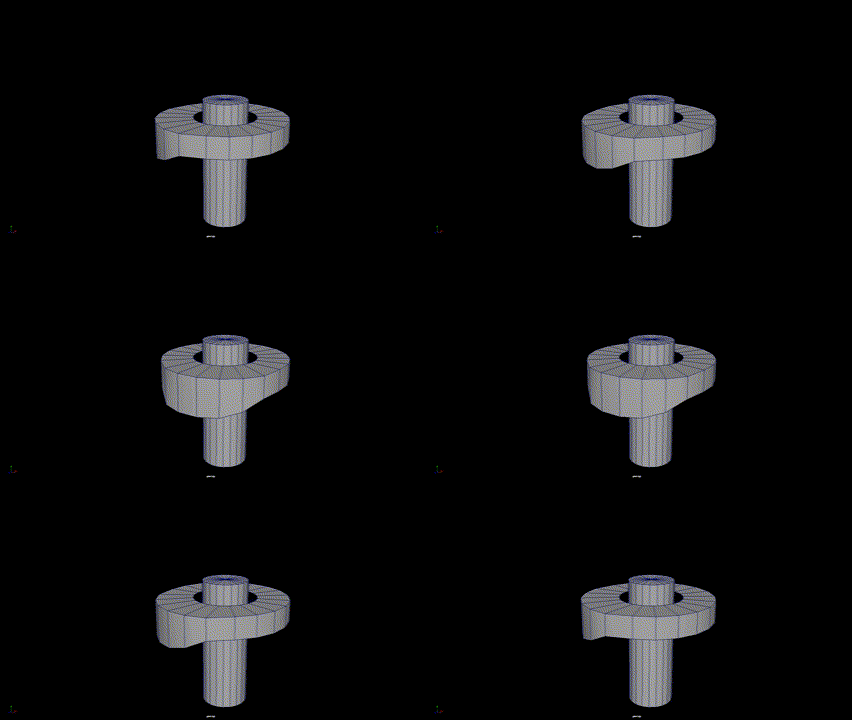
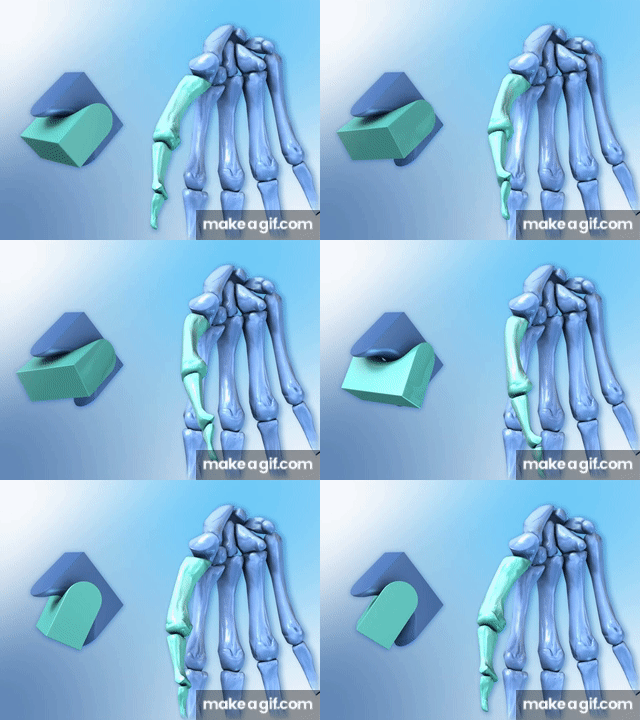
saddle joint
ex. base of thumb
synovial membrane (2)
connects two bones, produces synovial fluid
fibrous layer
layer outside of synovial membrane
functions of muscle (7)
mobility, posture, joint stabilization, body heat, circulation, digestion, respiration
tendons (2)
connect muscle to bone, assist with generating force
ligaments
bone to bone
flexion
decreasing joint angle
extension
increasing joint angle to anatomical position
hyperextension
extension past anatomical position
adduction
moving a body part toward the midline
abduction
moving a body part away from the midline
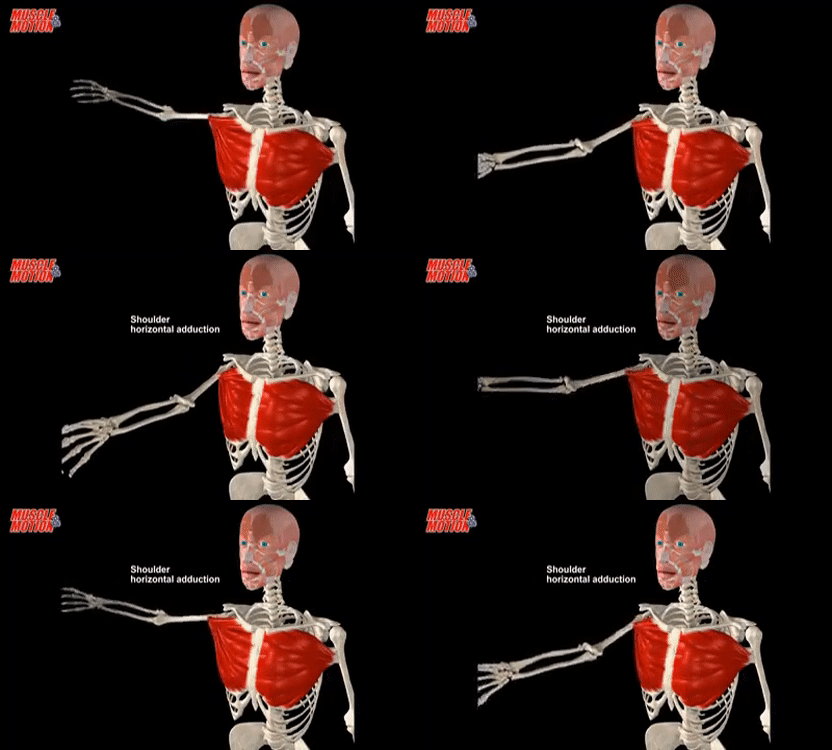
horizontal abduction & adduction
thigh and arm abduction/adduction
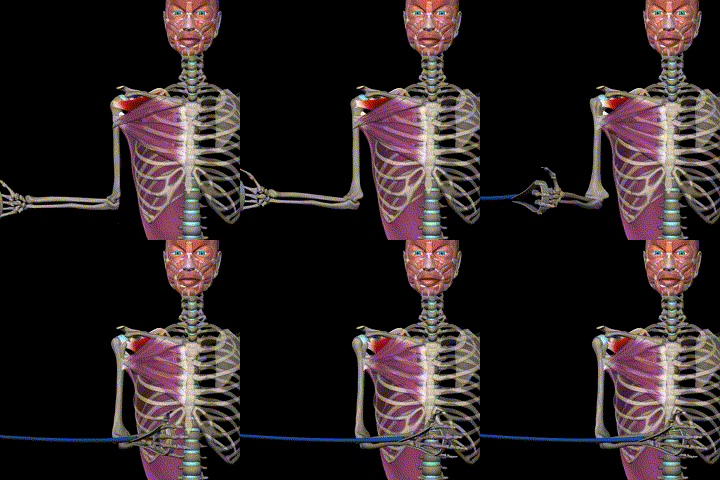
medial/lateral rotation
rotation in the elbow/knee when at 90 degrees

rotation
rotary movement around a fixed axis

circumduction
movement in a circular motion
plantarflexion
depression of the foot
dorsiflexion
point foot up
inversion
inward rotation of the foot
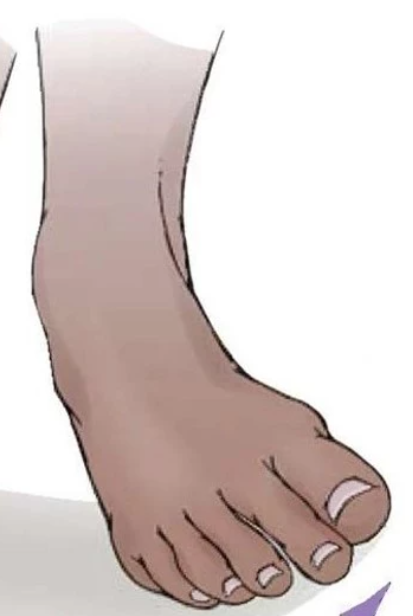
eversion
outward rotation of foot
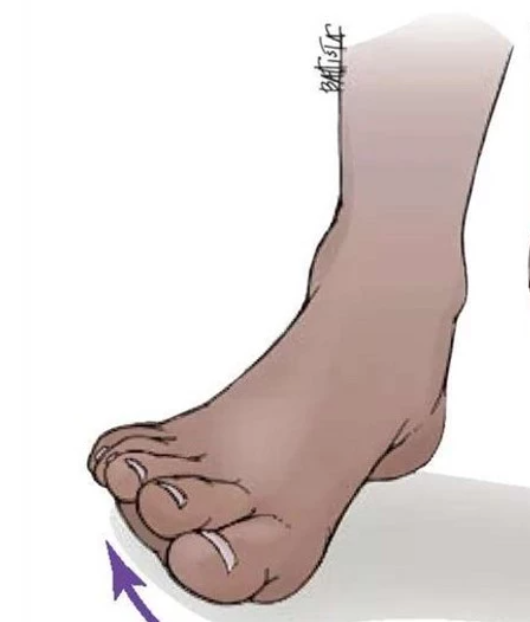
pronation
inward rotation
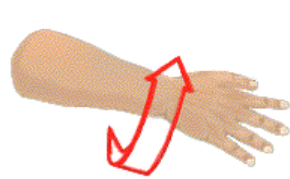
supination
outward rotation
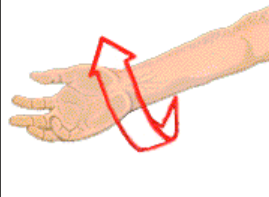
ulnar deviation
towards pinky
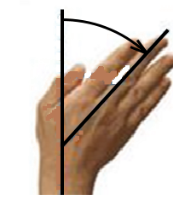
radial deviation
towards thumb

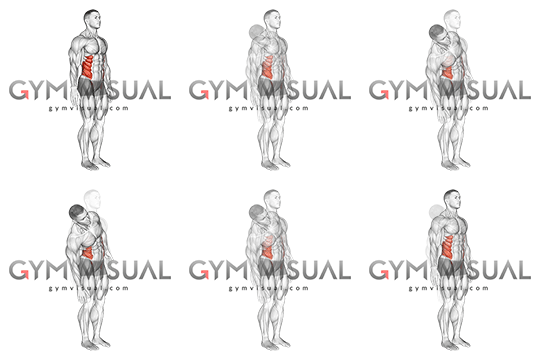
lateral flexion
side to side bending of the trunk
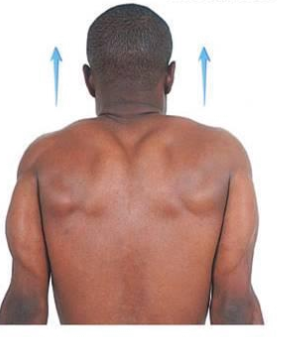
elevation
movement of shoulder superior
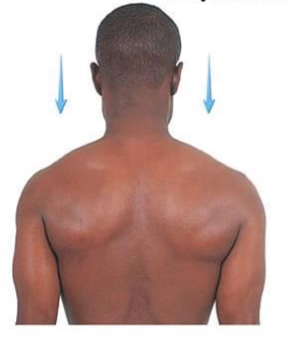
depression
movement of shoulder inferior
protraction
movement of shoulder anterior

retraction
movement of shoulder posterior
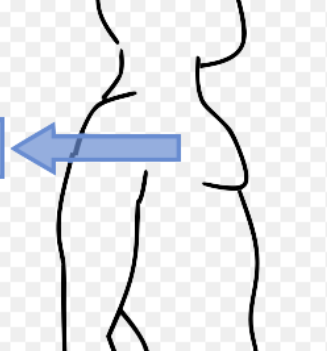
valgus stress
lateral to medial force
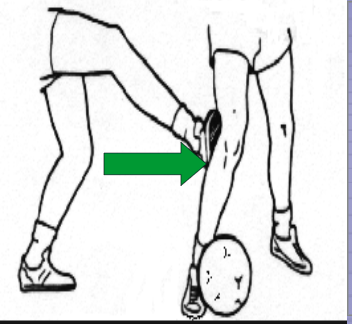
varus stress
medial to lateral force