Peds Exam 4: Diabetes

0.0(0)
Studied by 11 people
call kaiCall Kai
Locked
learnLearn
examPractice Test
spaced repetitionSpaced Repetition
heart puzzleMatch
flashcardsFlashcards
GameKnowt Play
Card Sorting

1/17

encourage image

There's no tags or description

Looks like no tags are added yet.

Last updated 6:24 PM on 8/28/26
Name
Mastery
Learn
Test
Matching
Spaced
Call with Kai
Chat

No analytics yet

Send a link to your students to track their progress

18 Terms

1
New cards

DM labs if diabetic: (4)

  1. 8 hr fasting glucose will be >120 mg/dL

  2. random blood glucose will be > 200mg/dL

  3. oral tolerance is >200 mg/dL

  4. HgA1c is >6.5%

  • okay range: 6.5%-8% in children

  • over a 3 month period


2
New cards

Hypo/Hyperglycemia glucose level:

< 60mg/dL hypo

>250 mg/dL hyper

3
New cards

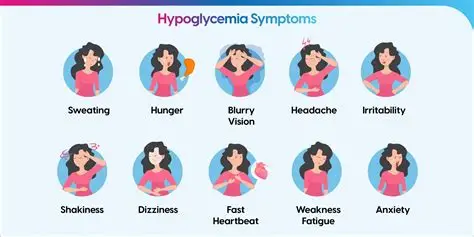
hypoglycemia signs: (10)

  1. hunger

  2. shaky/dizziness

  3. pallor

  4. diaphoresis

  5. tachycardia/palpitations

  6. tremors

  7. slurred speech

  8. shallow respirations

  9. blurred vision

  10. LOC (lethargic→ comas)


<ol><li><p><span style="color: rgb(251, 127, 127);"><strong>hunger</strong></span></p></li><li><p><span style="color: rgb(173, 82, 28);"><strong>shaky/dizziness</strong></span></p></li><li><p><span style="color: rgb(147, 171, 31);"><strong>pallor</strong></span></p></li><li><p><span style="color: rgb(31, 187, 12);"><strong>diaphoresis</strong></span></p></li><li><p><span style="color: rgb(28, 136, 147);"><strong>tachycardia/palpitations</strong></span></p></li><li><p><span style="color: rgb(87, 72, 218);"><strong>tremors</strong></span></p></li><li><p><span style="color: rgb(223, 78, 226);"><strong>slurred speech</strong></span></p></li><li><p><span style="color: rgb(198, 8, 125);"><strong>shallow respirations</strong></span></p></li><li><p><span style="color: rgb(187, 156, 10);"><strong>blurred vision</strong></span></p></li><li><p><strong><span data-name="arrow_down" data-type="emoji">⬇</span></strong><span style="color: rgb(15, 157, 121);"><strong>LOC</strong> </span>(lethargic→ comas)</p></li></ol><p></p>
4
New cards

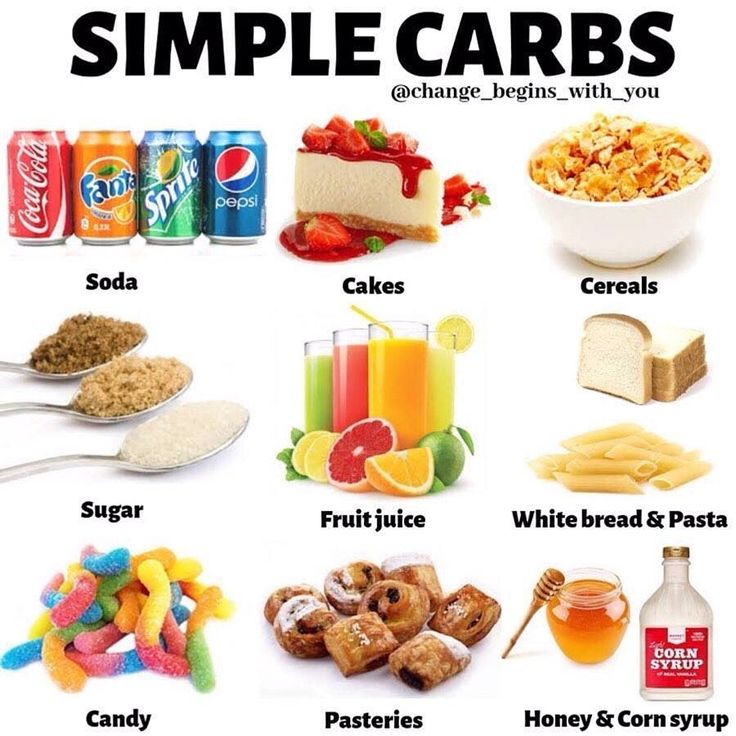
hypoglycemia management: (3)

  1. give 10-15 g simple carbs (1 TBsp sugar)

  • 4 oz OJ

  • 4 oz regular soft drink

  • 8 oz milk

  • 2-3 glucose tablets

  1. re-check glucose after 15 mins

  2. follow with complex carbs

  • PB crackers

  • turkey club sandwich

  • cheese and crackers


<ol><li><p>give <span style="color: rgb(102, 96, 224);"><strong>10-15 g simple carbs</strong> </span><span style="color: rgb(3, 3, 3);">(1 TBsp sugar)</span></p></li></ol><ul><li><p><span style="color: rgb(102, 96, 224);">4 oz OJ</span></p></li><li><p><span style="color: rgb(102, 96, 224);">4 oz regular soft drink</span></p></li><li><p><span style="color: rgb(102, 96, 224);">8 oz milk</span></p></li><li><p><span style="color: rgb(102, 96, 224);">2-3 glucose tablets</span></p></li></ul><ol start="2"><li><p><span style="color: rgb(72, 153, 193);"><strong>re-check glucose </strong>after <strong>15 mins</strong></span></p></li><li><p><span style="color: rgb(214, 131, 25);">follow with <strong>complex </strong>carbs</span></p></li></ol><ul><li><p>PB crackers</p></li><li><p>turkey club sandwich</p></li><li><p>cheese and crackers</p></li></ul><p></p>
5
New cards

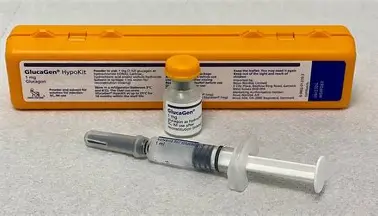
if child is unconscious/cant swallow in hypoglycemic episode, what do u do?

admin IM glucagon!!!

  • then give simple carbs if tolerated

  • watch vomiting


<p>admin <span style="color: rgb(219, 38, 38);"><strong>IM glucagon!!!</strong></span></p><ul><li><p>then give <strong>simple </strong>carbs if tolerated</p></li><li><p>watch vomiting</p></li></ul><p></p>
6
New cards

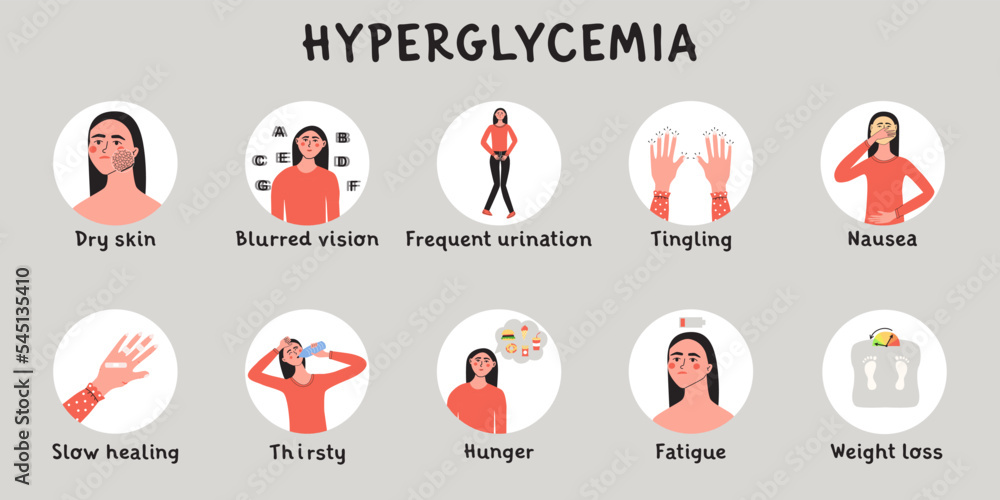
hyperglycemia s/s: (8)

  1. poly-uria, dipsia, phagia

  2. rapid, deep breathing & acetone/fruity odor & positive ketones (Kussmauls)

  3. oliguria (later)

  4. recurrent yeast infx (means early T2 DM)

  5. warm, dry, flushed skin

  6. dry mucous membranes

  7. weak pulse

  8. DTR


<ol><li><p>poly-<span style="color: rgb(247, 70, 70);"><strong>uria, dipsia, phagia</strong></span></p></li><li><p>rapid, <span style="color: rgb(196, 149, 45);"><strong>deep </strong>breathing &amp; <strong>acetone/fruity</strong> odor &amp; positive <strong>ketones</strong></span><strong> </strong>(<strong>Kussmauls</strong>)</p></li><li><p><span style="color: rgb(119, 151, 48);"><strong>oliguria </strong></span>(later)</p></li><li><p>recurrent <span style="color: rgb(39, 175, 112);"><strong>yeast </strong>infx</span> (means early T2 DM)</p></li><li><p><span style="color: rgb(81, 147, 236);"><strong>warm, dry, flushed</strong></span> skin</p></li><li><p><span style="color: rgb(116, 17, 203);"><strong>dry </strong>mucous membranes</span></p></li><li><p><span style="color: rgb(230, 76, 113);"><strong>weak </strong>pulse</span></p></li><li><p><span data-name="arrow_down" data-type="emoji">⬇</span><span style="color: rgb(46, 175, 73);"><strong>DTR</strong></span></p></li></ol><p></p>
7
New cards

hyperglycemia management: (3)

"DRY”

  1. Dehydrated: oral fluids

  2. Raise insulin: give rapid acting (Lispro)

  3. You monitor ketones, K+


<p>"<strong>DRY”</strong></p><ol><li><p><span style="color: rgb(46, 151, 186);"><strong>Dehydrated</strong>: <strong>oral </strong>fluids</span></p></li><li><p><span style="color: rgb(195, 52, 179);"><strong>Raise insulin</strong>: give <strong>rapid </strong>acting (</span><span style="color: rgb(20, 14, 19);">Lispro)</span></p></li><li><p><span style="color: rgb(211, 123, 12);"><strong>Y</strong></span><span style="color: rgb(14, 13, 12);">ou monitor </span><span style="color: rgb(211, 123, 12);"><strong>ketones, K+</strong></span></p></li></ol><p></p>
8
New cards

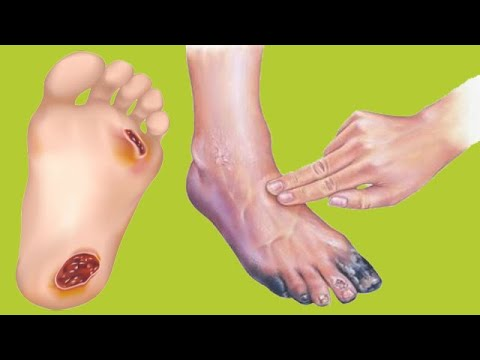
DM personal hygiene: (6)

  1. NO wearing sandals

  2. NO being barefoot outside

  3. Wear shoes with socks

  4. clean any cut w/ warm water, mild soap & dry dressing

  5. examine child’s eye yearly

  6. regular dental care


<ol><li><p><span style="color: rgb(240, 68, 68);"><strong>NO wearing sandals</strong></span></p></li><li><p><span style="color: rgb(240, 68, 68);"><strong>NO being barefoot</strong></span> outside</p></li><li><p>Wear <span style="color: rgb(196, 100, 245);">shoes with <strong>socks</strong></span></p></li><li><p><span style="color: rgb(55, 191, 200);">clean any cut w/ warm water, mild soap</span> &amp; dry dressing</p></li><li><p>examine <span style="color: rgb(178, 155, 19);">child’s <strong>eye </strong>yearly</span></p></li><li><p>regular <span style="color: rgb(25, 11, 198);"><strong>dental </strong></span>care</p></li></ol><p></p>
9
New cards

children playing sports snack times: (2)

  1. teams sports: 30 mins before activity

  2. prolonged sports (running): need food every 45-60 mins


<ol><li><p><span style="color: rgb(63, 122, 180);"><strong>teams</strong> </span><span style="color: rgb(19, 22, 25);">sports</span><span style="color: rgb(63, 122, 180);">: <strong>30 mins before</strong></span> activity</p></li><li><p><span style="color: rgb(193, 36, 158);"><strong>prolonged sports</strong></span><span style="color: rgb(13, 11, 12);"><strong> </strong>(running): need food</span><span style="color: rgb(193, 36, 158);"> <strong>every 45-60 mins</strong></span></p></li></ol><p></p>
10
New cards

Management for SICK child with diabetes: (3)

  1. monitor blood glucose & ketones in pee q3 hrs

  • bad: glucose >250 mg/dL; positive ketones

  1. sugar-free, non caffeinated drinks (keep hydrated)

  2. eat soft carbs (rice, mashed potatoes, pasta, bread)


<ol><li><p>monitor blood glucose &amp; ketones in pee <span style="color: rgb(208, 36, 36);"><strong>q3 hrs</strong></span></p></li></ol><ul><li><p><span style="color: rgb(208, 36, 36);"><strong>bad</strong>: glucose<strong> &gt;250 mg/dL</strong>; positive <strong>ketones</strong></span></p></li></ul><ol start="2"><li><p><span style="color: rgb(39, 196, 123);"><strong>sugar-free, non caffeinated</strong></span> drinks (keep hydrated)</p></li><li><p>eat <span style="color: rgb(204, 140, 13);"><strong>soft carbs</strong></span> (rice, mashed potatoes, pasta, bread)</p></li></ol><p></p>
11
New cards

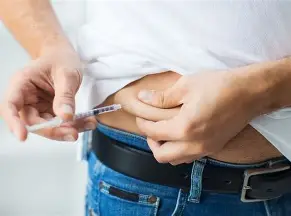
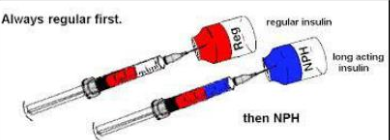
Educate families on insulin: (4)

  1. rotate site for every 4-6 injections

  2. 90 degree angle

  3. mixing: short acting 1st, then longer acting 2nd

  4. boluses can be given b4 meals


<ol><li><p><span style="color: rgb(230, 155, 59);"><strong>rotate </strong>site for every <strong>4-6 injections</strong> </span></p></li><li><p><span style="color: rgb(52, 157, 24);"><strong>90</strong> degree angle</span></p></li><li><p><span style="color: rgb(78, 83, 235);"><strong>mixing</strong>: <strong>short</strong> acting 1st, then <strong>longer </strong>acting 2nd</span></p></li><li><p><span style="color: rgb(235, 90, 90);"> <strong>boluses can be given b4 </strong>meals</span></p></li></ol><p></p>
12
New cards

Rapid insulin

  • name

  • onset

  • peak

  • duration


  • Lispro

  • onset: 15-30 mins

  • peak: 30 min-3 hrs

  • duration: 3-5hrs


13
New cards

Short insulin

  • name

  • onset

  • peak

  • duration


  • Regular

  • onset: 30 mins-1hr

  • peak: 1-5 hrs

  • duration: 6-10 hrs


14
New cards

Intermediate insulin

  • name

  • onset

  • peak

  • duration


  • NPH

  • onset: 1-2 hrs

  • peak: 4-14 hrs

  • duration: 14-24 hrs


15
New cards

Long insulin

  • name

  • onset

  • peak

  • duration


  • Glargine

  • onset: 1-4 hrs

  • peak: NONE

  • duration: 24 hrs


16
New cards

DKA glucose level:

  • what happend in DKA?


> 330 mg/dL

  • pH 7.3 (acidic)

  • bicarbonate < 15

  • yikes

→ body burns fat (turns into ketones) instead of glucose

17
New cards

DKA hallmark signs: (3)

  1. fruity breath

  2. ketones in pee

  3. rapid deep respirations


18
New cards

Electrolyte to monitor in DKA:

potassium!!

  1. initially high → give insulin

  2. drops (hypok+)

  • monitor K+ bc correcting acidosis too fats → hypoK


  1. give sodium bicarb if severe acidosis (blood pH <7)


  1. give O2 to children whose cyanotic and < 80%