Warning Lights
 Call Kai
 Learn
Learn Practice Test
 Spaced Repetition
 Match
Match Flashcards
 Knowt Play
1/14

There's no tags or description
Looks like no tags are added yet.
Name | Mastery | Learn | Test | Matching | Spaced | Call with Kai | Chat |
|---|
No analytics yet
Send a link to your students to track their progress
15 Terms
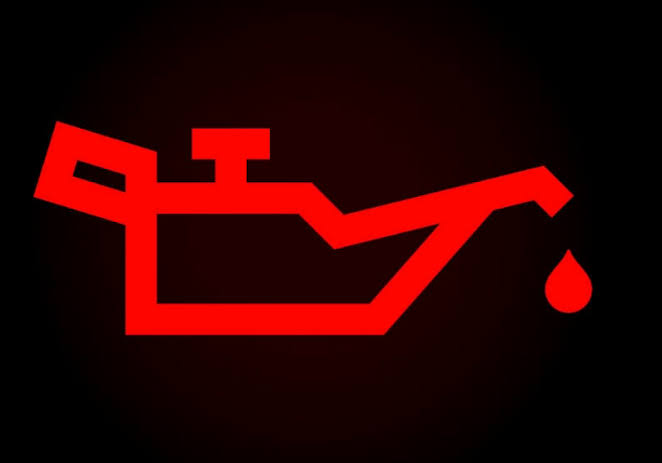
Engine Oil Pressure Warning Light
Your engine does not have enough oil pressure to properly lubricate its moving parts.
What to do
Pull over safely.
Turn off the engine immediately.
Wait a few minutes.
Check the oil level with the dipstick.
If it's low, add the correct oil.
If the light stays on, do not drive. Call for assistance or have the car towed.
Battery Charging System Warning Light
The battery isn't being charged while the engine is running.
What to do
Turn off unnecessary electrical items like:
Air conditioning
Radio
Heated seats
Drive only a short distance to a mechanic if the car is still running safely. If warning lights multiply or the engine starts failing, stop safely and seek assistance.
Engine Temperature Warning Light
Your engine is overheating.
What to do
Pull over safely.
Turn off the engine.
Do not open the radiator cap immediately—it may release scalding coolant under pressure.
Wait until the engine cools completely before checking coolant.
Brake Warning Light
Usually one of three things:
Parking brake is on
Low brake fluid
Brake system problem
What to do
First:
Check whether the parking brake is fully released.
If the light remains:
Drive only if braking feels normal and have the system checked promptly. If the brake pedal feels soft, travels unusually far, or braking is poor, stop driving and arrange for repairs.
Check Engine Light
The engine computer has detected a fault.
This could be:
Very minor... or Very serious.
If steady
Usually safe to drive carefully.
Book a diagnostic check soon.
If flashing
This usually means an engine misfire severe enough to damage the catalytic converter.
Reduce speed, avoid hard acceleration, and have the vehicle checked as soon as possible. If the engine is running very roughly or lacks power, stop when it's safe.
ABS (Anti-lock Braking System) Warning Light
What ABS does
Imagine braking hard on a wet road.
Without ABS:
The wheels lock.
You skid.
You lose steering.
With ABS:
The brakes rapidly pulse.
The wheels keep turning.
You can still steer.
What if ABS light comes on?
Normal braking usually still works.
ABS simply won't help during emergency braking.
What to do
Drive more cautiously, especially in rain or on slippery roads.
Get the ABS system checked.
Tire Pressure Warning
One or more tires have low pressure.
Why this matters
Low pressure causes:
Poor fuel economy
Longer braking distance
Poor handling
Tire blowouts
What to do
Stop somewhere safe.
Check all tires.
Inflate them to the pressure shown on the driver's door sticker (not the maximum pressure printed on the tire sidewall).
If a tire keeps losing air, inspect it for a puncture or damage.
Traction Control Light
What it means Flashing
Good news.
The system is helping prevent wheel spin.
Example:
You accelerate on a wet road.
One wheel slips.
The system reduces engine power or brakes that wheel.
What to do
If flashing:
Keep driving normally.
If constantly on:
Drive carefully, especially on wet or loose surfaces, and have the system inspected.
Seat Belt Reminder
Someone isn't wearing a seat belt.
Everyone should buckle up before moving off.
Airbag Warning Light
There is a fault in the Supplemental Restraint System (SRS).
Drive normally if the car is otherwise safe, but have the system repaired soon.
Low Fuel Light
What it means
You're nearly out of fuel.
Usually:
About 5–10 liters remain, depending on the car.
What to do
Refuel as soon as practical.
Washer Fluid Low
Windshield washer fluid is low.
Refill the washer fluid reservoir with washer fluid (or clean water if necessary, though washer fluid is preferable).
High Beam Indicator
High-beam headlights are on.
When to use
✅ Dark roads with little or no street lighting.
When not to use
❌ When following another vehicle closely.
❌ When another vehicle is approaching.
High beams can temporarily blind other drivers.
Turn Signals
Left arrow = turning left.
Right arrow = turning right.
What if they flash very quickly?
Usually:
One of the turn signal bulbs has failed.
What to do
Use indicators whenever you turn, change lanes, pull away from the curb, or enter or exit traffic.
Parking Brake Indicator
What it means
The parking brake (handbrake or electronic parking brake) is engaged.
What to do
Before moving:
Make sure the parking brake is fully released.
Confirm the warning light goes out.