CH III: tracheostomy care
 Call Kai
 Learn
Learn Practice Test
 Spaced Repetition
 Match
Match Flashcards
 Knowt Play
1/56

There's no tags or description
Looks like no tags are added yet.
Name | Mastery | Learn | Test | Matching | Spaced | Call with Kai | Chat |
|---|
No analytics yet
Send a link to your students to track their progress
57 Terms
changing a tracheostomy inner tube
cleaning tracheostomy site
changing around the site
Tracheostomy care includes actions such as:
maintain airway patency
prevent infection at tracheostomy site
facilitate healing
promote comfort
assess condition of ostomy
Goals/purposes of tracheostomy care include:
STANDARD TRACHEOSTOMY TUBE
what type of tracheostomy tube?
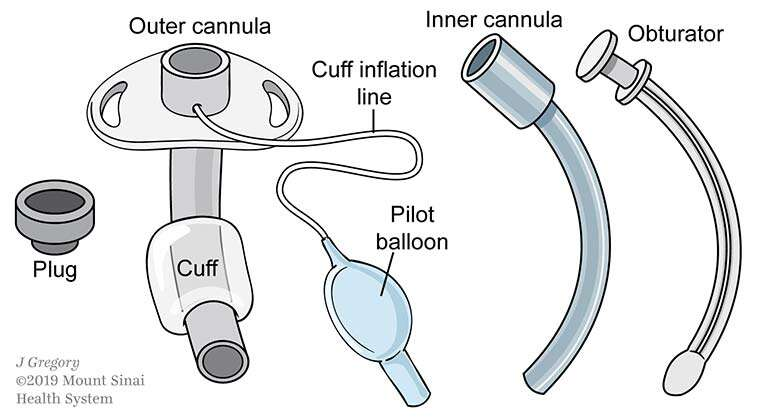
SINGLE LUMEN TRACHEOSTOMY TUBE
what type of tracheostomy tube?
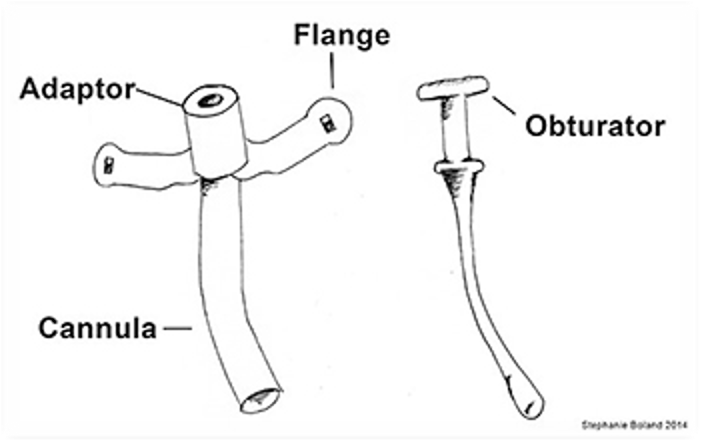
DOUBLE LUMEN TRACHEOSTOMY TUBE
what type of tracheostomy tube?
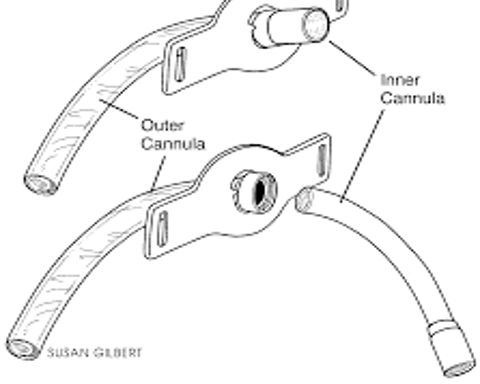
CUFFED TRACHEOSTOMY TUBE
what type of tracheostomy tube?
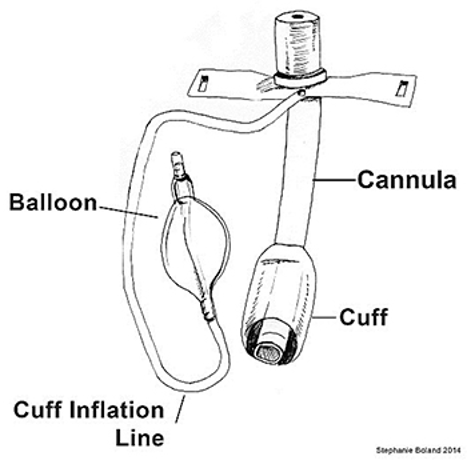
UNCUFFED TRACHEOSTOMY TUBE
what type of tracheostomy tube?

FENESTRATED TUBES
what type of tracheostomy tube?
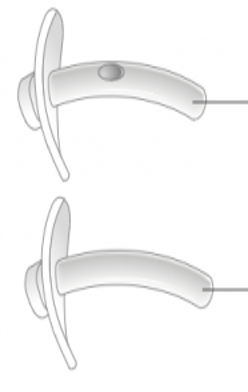
STANDARD TRACHEOSTOMY TUBE [TT]
SINGLE LUMEN TT
DOUBLE LUMEN TT
CUFFED TT
UNCUFFED TT
FENESTRATED TT
types of tracheostomy tubes include:
Small bowls/gallipots — 2 pcs
Sterile towel
Sterile nylon/tube brush
Sterile gauzes
Sterile gloves — 1 pair
Tracheostomy tie tapes
in prepping equipment, tracheostomy care kit must contain:
Normal saline
Waterproof pad
Sterile gloves — 1 pair
Face mask/eye shield
in prepping equipment, clean tray must contain:
Small bowls/gallipots — 2 pcs
Sterile towel
Sterile nylon/tube brush
Sterile gauzes
Sterile gloves — 1 pair
Tracheostomy tie tapes
Normal saline
Waterproof pad
Face mask/eye shield
all equipments for tracheostomy tube care include:
assessing condition of stoma
1st procedure of tracheostomy care includes:
redness
swelling
character of secretions
(+) purulence/bleeding
Assess condition of stoma for what?
Examine neck around the ostomy site
2nd procedure of tracheostomy care includes:
subcutaneous emphysema evidenced by crepitus
Examine neck around ostomy site for what finding?
Explain procedure to the patient
3rd procedure of tracheostomy care includes:
Assist patient to Fowler’s position
4th procedure of tracheostomy care includes:
Place waterproof pad on chest
5th procedure of tracheostomy care includes:
Wash hands thoroughly
6th procedure of tracheostomy care includes:
Assemble all equipments
7th procedure of tracheostomy care includes:
Open the sterile tracheostomy kit
8th procedure of tracheostomy care includes:
Pour sterile normal saline in small bowls
9th procedure of tracheostomy care includes:
Open other sterile supplies as needed including:
sterile applicators,
suction kit, and
tracheostomy care kit
10th procedure of tracheostomy care includes:
Put on face mask and eye shield.
11th procedure of tracheostomy care includes:
Do sterile gloves
12th procedure of tracheostomy care includes:
Place sterile towel on patient’s chest
13th procedure of tracheostomy care includes:
Unlock the inner cannula and remove it by gently pulling it out towards you in the line with its curvature via counterclockwise rotation
14th procedure of tracheostomy care includes:
Place the inner cannula in the bowl with normal saline
15th procedure of tracheostomy care includes:
Remove the soiled tracheostomy dressing
16th procedure of tracheostomy care includes:
Discard the dressing and gloves
17th procedure of tracheostomy care includes:
Clean the flange of the tube using sterile applicators or gauze moistened with normal saline [use each applicator once only]
18th procedure of tracheostomy care includes:
Clean the stoma tube with the gauze
19th procedure of tracheostomy care includes:
Thoroughly rinse the cleaned area using gauze squares moistened with sterile normal saline
20th procedure of tracheostomy care includes:
Dry the stoma tube with dry sterile gauze
21st procedure of tracheostomy care includes:
Apply thin layer of antibiotic ointment to the stoma with a cotton swab if applicable
22nd procedure of tracheostomy care includes:
Remove the inner cannula from the soaking solution
1st procedure in cleaning inner cannula includes:
Clean the lumen and entire cannula thoroughly using the brush
2nd procedure in cleaning inner cannula includes:
Rinse the cleaned cannula by rinsing it with sterile normal saline.
3rd procedure in cleaning inner cannula includes:
Replace the inner cannula and secure it in place
4th procedure in cleaning inner cannula includes:
Insert the inner cannula by grasping the outer
5th procedure in cleaning inner cannula includes:
Lock the cannula in place by turning the lock into position
6th procedure in cleaning inner cannula includes:
Apply sterile dressing
7th procedure in cleaning inner cannula includes:
Open and refold a gauze dressing into a ‘V’ shape
8th procedure in cleaning inner cannula includes:
Place V-shaped gauze dressing under the flange on the tracheostomy tube
9th procedure in cleaning inner cannula includes:
Ensure that the tracheostomy tube is securely supported while applying dressing
10th procedure in cleaning inner cannula includes:
Leave the soiled tape in place until the new one is applied
1st procedure in changing tracheostomy ties includes:
Grasp slit end of clean tape and pull it through opening on one side of the tracheostomy tube
2nd procedure in changing tracheostomy ties includes:
Pull the other end of the tape securely through the slit end of the tracheostomy tube on the other side
3rd procedure in changing tracheostomy ties includes:
Tie the tapes at the side to side of the neck.
4th procedure in changing tracheostomy ties includes:
EURT
Leaving tape in place ensures that tube will not be expelled if patient coughs or moves. True or false?
Tracheostomy care carried out
Dressing change
Observations
Document all relevant information in the chart such as:
every 8 hours
whenever dressing is soiled.
Tracheostomy dressing should be done in 2 situations, which are:
replaced with new one
If disposable inner cannula is present, then the cannula that is inside is?
neck plate
tracheostomy site
If only single lumen is present, clean:
before [and after] performing tracheostomy care
When in tracheostomy care do we emphasize the importance of handwashing?
infection
Assess tracheostomy stoma for symptoms of what abnormal finding?