Human A&P - Exam 5 (Digestive System, Electrolyte/Acid Base)
 Call Kai
 Learn
Learn Practice Test
 Spaced Repetition
 Match
Match Flashcards
 Knowt Play
1/83

There's no tags or description
Looks like no tags are added yet.
Name | Mastery | Learn | Test | Matching | Spaced | Call with Kai | Chat |
|---|
No analytics yet
Send a link to your students to track their progress
84 Terms
large, insoluble lipids are absorbed in the digestive tract by ___________________ and delivered to the circulatory system via the _________________________ system.
lacteals, lymphatic
pH of gastric acid
approx. 2.0
tunics of digestive tract wall (inside/outside)
mucosa, submucosa, muscularis externa, serosa
functions/characteristics of bile
produced by hepatocytes, stored in gallbladder, secreted via bile ducts into the duodenum of the small intestine
contains no digestive enzymes, necessary for emulsification of lipid due to cholic acid in bile
breaks up micelles and facilities formation of chylomicrons taken up by lacteals of lymphatic system
neutralize stomach acid, salts have antimicrobial activity (kills several types of non-enteric bacteria
properties/functions of digestive system
ingestion, masticaiton/maceration, propulsion, deglutition (swallowing), peristalsis, segmentation, secretion/lubrication
ingestion
introduction of food into the stomach
mastication/maceration
tearing, cutting, mashing, grinding of food into smaller particles
making the bolus, “chewing” to increase surface area of food particles, increase surface area to make chemical digestion and absorption easier
teeth/tongue
accessory structures of the digestive system
food bolus
tongue mixes food with saliva, enzymes, water, and mucus
mostly mechanical digestive, some chemical/enzymatic digestion
propulsion
stages of movement of bolus, chyme, feces through the digestive system
deglutition - swallowing
enzyme that breaks down proteins into peptides
pepsin, secreted as inactive pepsinogen, activated by HCl
functions of mucus
protects the stomach lining from acid and enzymes, lubricates food, protects digestive tract tissues
glands and cells the produce mucus
produced by goblet (intestine) cells, mucous (stomach) cells, mucous glands
types, numbers, arrangements, properties of musularis
inner oblique, middle circular, outer longitudinal
cells of stomach that secrete gastic acid
chief cells; secrete pepsinogen - pepsin for breaking down denatured proteins
parietal cells; secrete gastric acid (HCl)
cells that secrete pepsinogen
chief cells
order of small intestine regions (stomach to large intestine)
duodenum, jejunum, illeum
duodenum
shortest, first region of the stomach, 25 cm
liver, gallbladder, and pancreas are near/secrete lots of digestive enzymes, most from the pancreas into this region - complete digestion of partially digested contents of the stomach (chyme - milk/juice)
jejunum
jejune = empty/shallow/hollow
8 feet; lots of surface, brush border cells (enterocytes) that have lots of microvili, larger vili and circular folds lining the endothelium
villi are made of enterocytes, blood capillaries/lacteals, primary site of nutrient absorption, highly peristalitic
illeum
intestine/gut (11.5 ft), largest region
lined with lymphatic nodules (Peyer’s patches that contain protective WBC (T-helper cells) - 70% of our immune system
Vitamin B-12 absorption occurs here as well as stages of nutrient absorb./water uptake
large intestine (colon/”colons”) + cecum
ascending colon, transverse colon, descending colon, sigmoid colon
rectum (straight region) + anal canal
butt; opening of the anal canal to internal and external/sphincter muscles
process involved in introduction of food into stomach
ingestion
what begins in the mouth
mechanical/chemical digestion
function of amylases
breaks down starch/carbohydrates into smaller sugars (maltose/carbohydrates)
function of lipases
breaks down triglycerides (fats) into fatty acids and monoglycerides (or glycerol)
name of mass of chewed food mixed with saliva, mucus, water, and digestive enzymes
bolus
details, differences, and similarities between peristalsis and segmentation
peristalsis; propels food forward, wave-like contractions, occurs throughout GI tract, one direction, moves food/chyme
segmentation; mixes food back/forth, local contractions, small intestine, no net forward movement, mixes chyme with digestive juices and increases with intestine wall
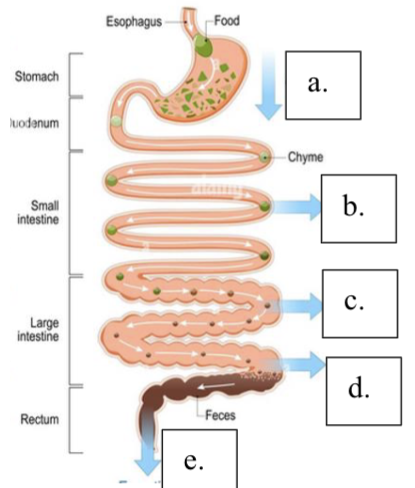
name of a
dissolution (chemical/mechanical)
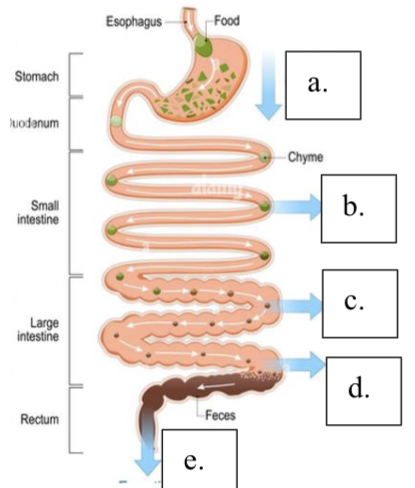
name of b
absorption (nutrients/water)
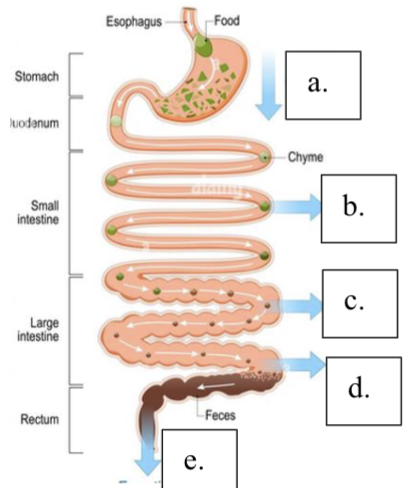
name of c
fermentation (by gut bacteria)
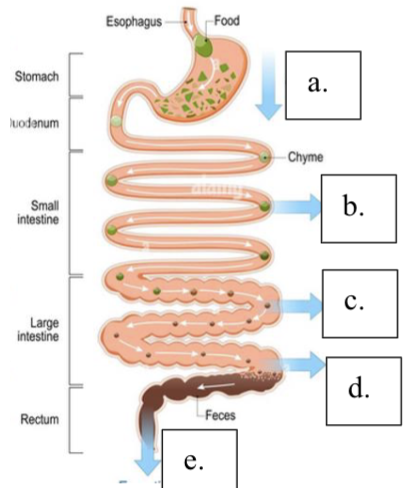
name of d
absorption (water)
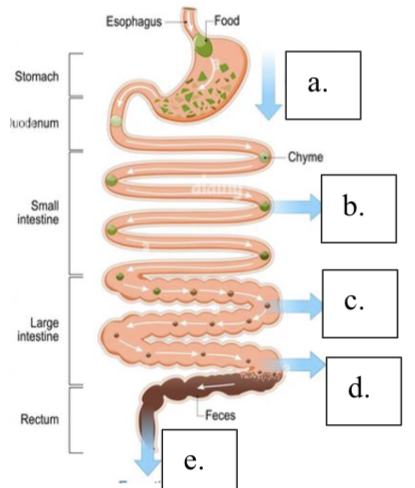
name of e
excreation
type of transport facilitated diffusion is, where it occurs (examples of substances)
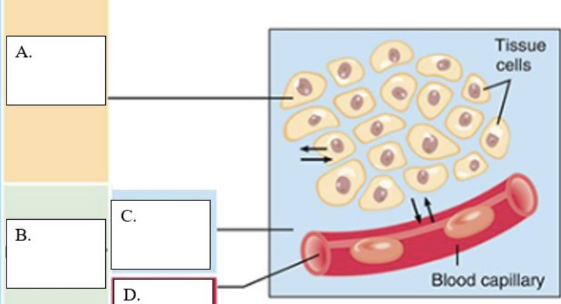
name of A
67% intracellular fluid (ICF)
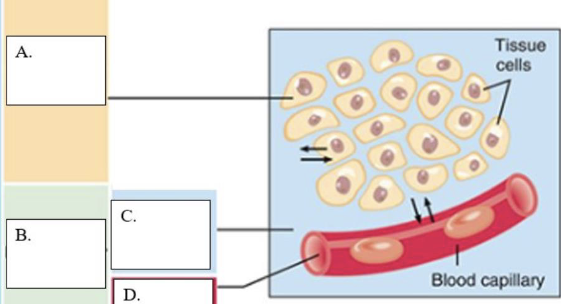
name of B
33% extracellular fluid (ECF)
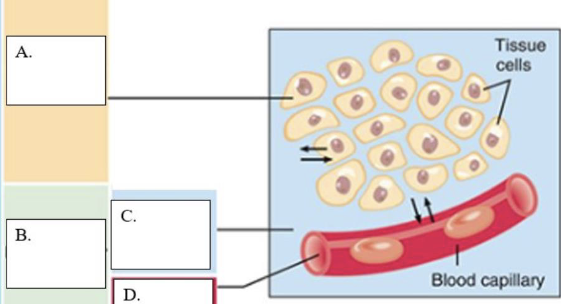
name of C
80% interstitial fluid
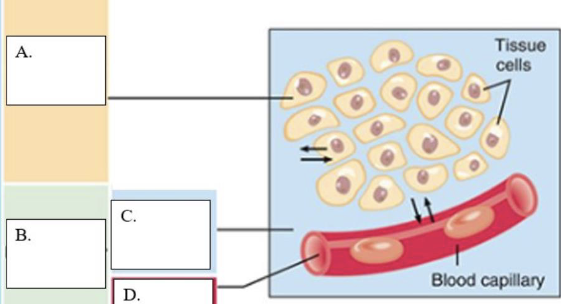
name of D
20% blood plasma
potassium
sodium
phosphate
chloride
primary regulators
kidneys are PR of water excretion with regard to fluid balance
metabolic water, how it’s generated
which is true
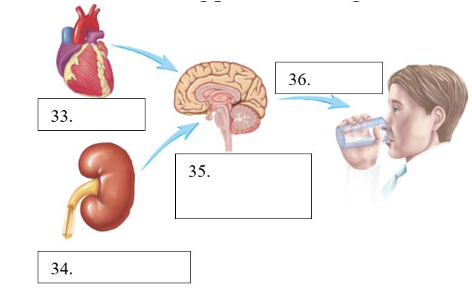
name of 33
baroreceptors in heart; in the carotid sinuses and aortic arch detect reduced blood pressure, signals the hypothalamic thirst center
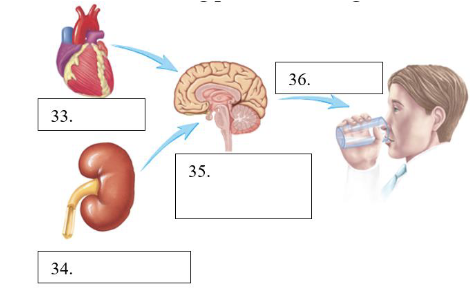
name of 34
juxtaglomerular apparatuses in kidney; detect low blood pressure, activates the renin-angiotensin system to produce angiotensin II - stimulates the hypothalamic thirst center
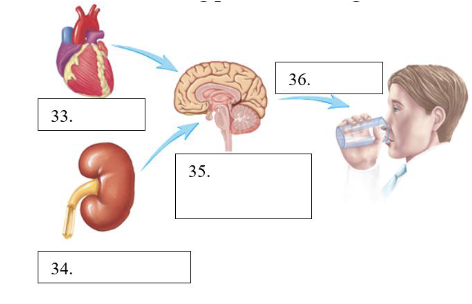
name of 35
osomoreceptors in hypothalamus (increased osmolality); hypothalamus shrink when blood osmolality goes up, triggering action potentials that stimulates thirst
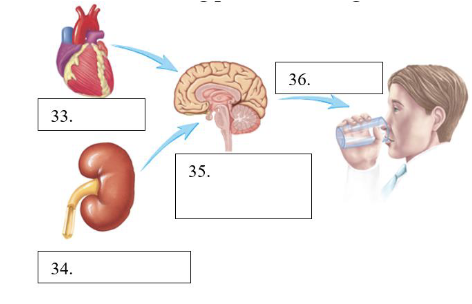
name of 36
increased thirst; combination inputs activates thirst and promotes water consumption
chemical mediator produced by heart
is a peptide hormone produced when there is an increase in BP in the right atrium, causing increased sodium excretion and increased water loss to bring BP back down
dominant intracellular ions
dominant extracellular ions
which are more concentrated intracellularly vs extracellularly and vice versa
difference between sensible vs insensible preparation
hypernatremia
elevated plasma Na+
high dietary sodium intake, water loss
thirst, fever, dry mucous membrane, restlessness
hyponatremia
decreased Na+
inadequate dietary intake of sodium, lost in urine (dehydration, kidney dysfunction - renal failure, glomerulonephritis), dilution; drinking too much water
hyperglycemia - high blood sugar levels
lethargy, confusion, seizures, reduced BP, tachycardia, decreased urine (reduced blood vol)
weight gain, edema, distention of veins (increased blood vol)
hyperkalemia
abnormally low levels of potassium in extracellular fluid
loss of intracellular K due to cellular trauma or reduced permeability of plasma membrane, viruses, bacterial infection, reduced renal excretion
mild; increased neuromuscular irritability, rapid cardiac repolarization, intestinal cramping/diarrhea
severe; muscle weakness, loss of muscle tone/paralysis, reduced rate of cardiac action potential conduction
hypokalemia
abnormally low levels of potassium in extracellular fluid
alkalosis - blood pH above 7.45, over excitation of CNS, decreased PNS output to effectors, insulin, increased loss in urine, reduced K intake
decreased smooth muscle tone, delayed ventricular depolarization, bradycardia, atrioventricular blockage
hypercalcemia
hypocalcemia
large organic molecules
osmosis
decreased blood pressure detected by
kidneys result in release of an enzyme that is part of RAAS (Renin Angiotensin Aldosterone System)
RAAS
converts angiotensinogen into angiotensin 1
converts angiotensinogen into angiotensin 1, what is this enzyme called
divisions of the pharynx, which are shared between respiratory and digestive systems
primary regions of the digestive system
mouth, pharynx (oropharynx/laryngopharynx), esophagus, stomach, small/large intestine, rectum, butt)
respiratory and digestive systems
types of salivary glands, where located, composition of the saliva secreted by each
lipoproteins
absorbed by lymphatic system in for of lipids, biles, and proteins
aggregates of lipid soluble substances called
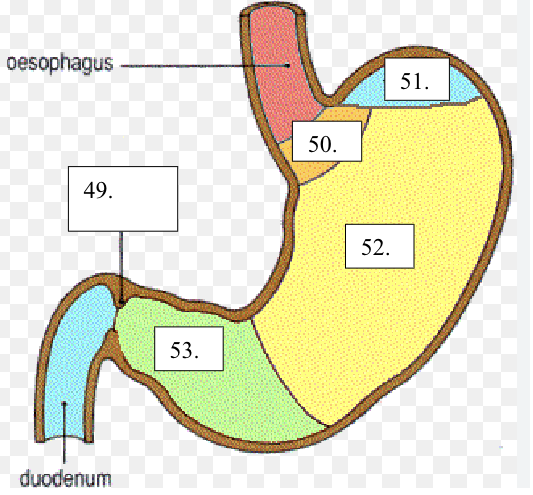
name of 49
pyloric sphincter
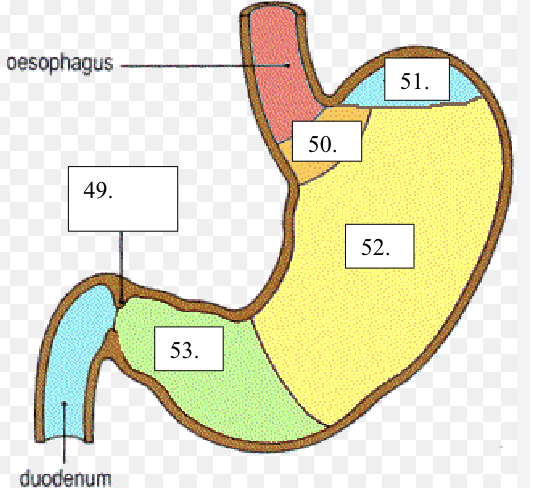
name of 50
cardia
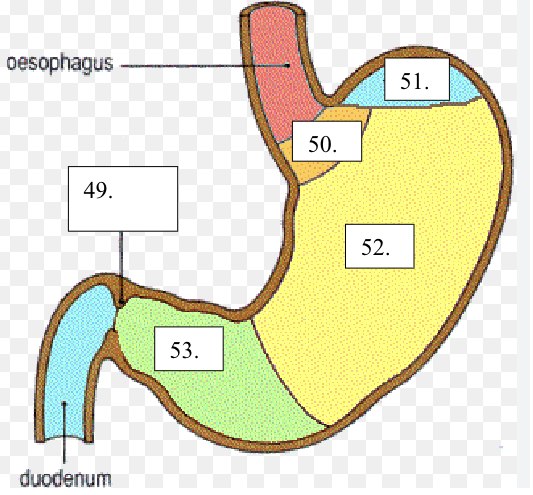
name of 51
fundus
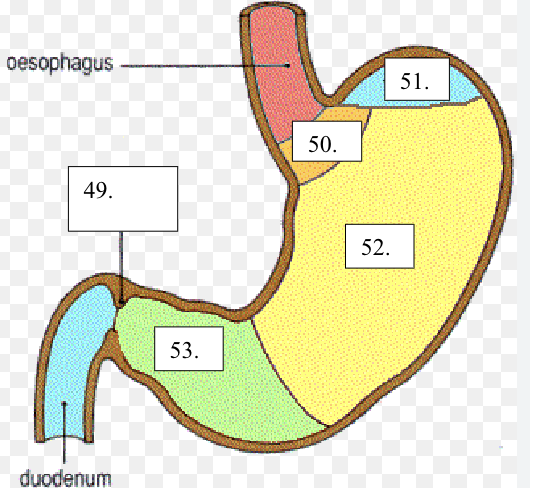
name of 52
body
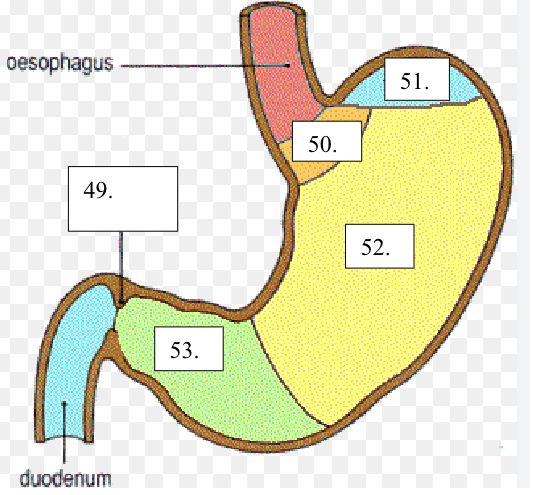
name of 53
pylorus
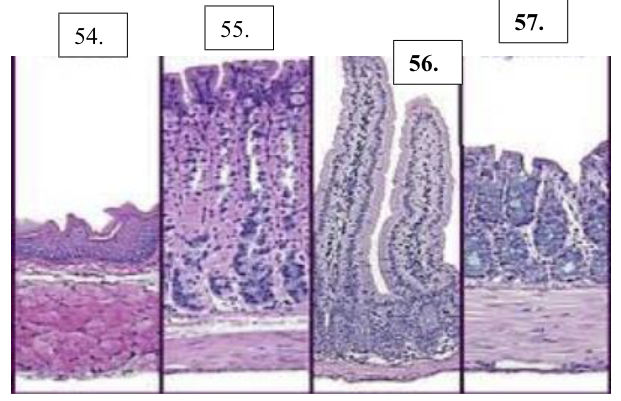
name of 54
esophagus
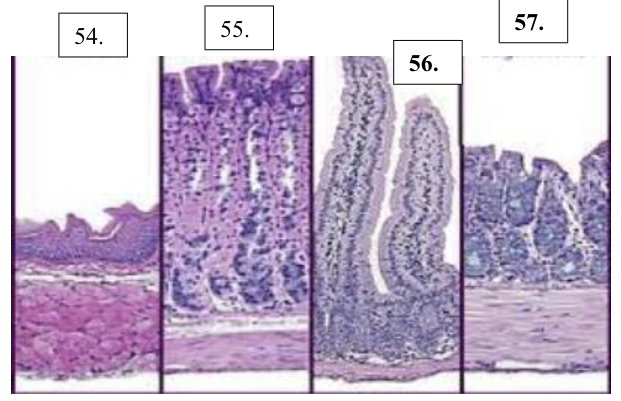
name of 55
stomach
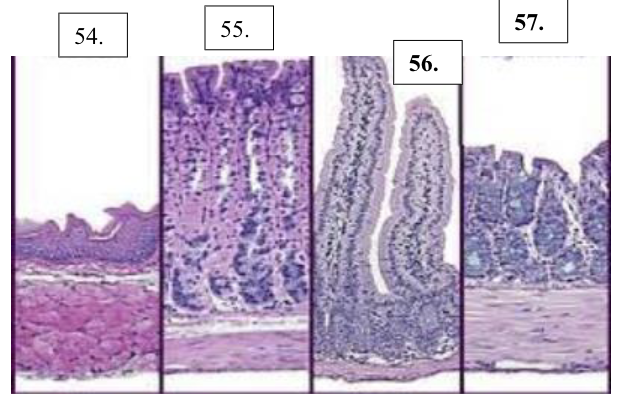
name of 56
small intestine
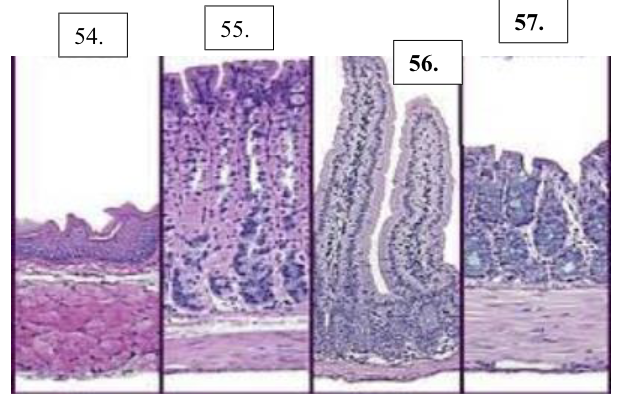
name of 57
large intestine
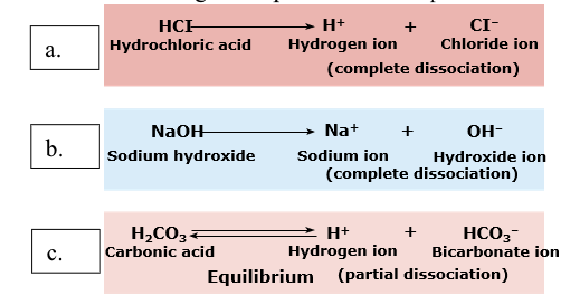
name of a
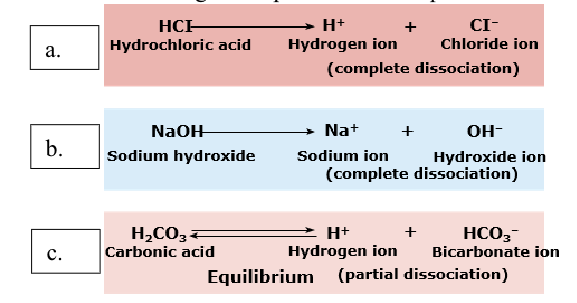
name of b
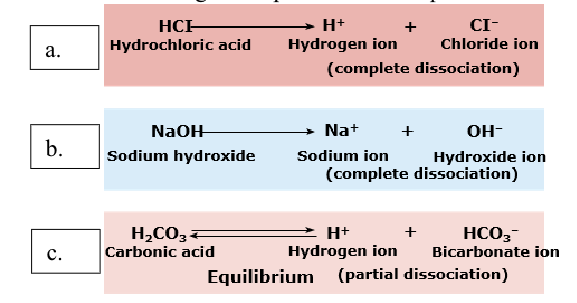
name of c
a decreased in blood pH results in which of the following
pancreas
both an endocrine/exocrine gland, part of the digestive system as an accessory organ as well as an endocrine gland of the endocrine system