Quiz #2 Study Guide (Midterm) (ARH2050)
 Call Kai
 Learn
Learn Practice Test
 Spaced Repetition
 Match
Match Flashcards
 Knowt Play
1/22

Earn XP
Description and Tags
not including what we learned for quiz #1
Name | Mastery | Learn | Test | Matching | Spaced | Call with Kai | Chat |
|---|
No analytics yet
Send a link to your students to track their progress
23 Terms
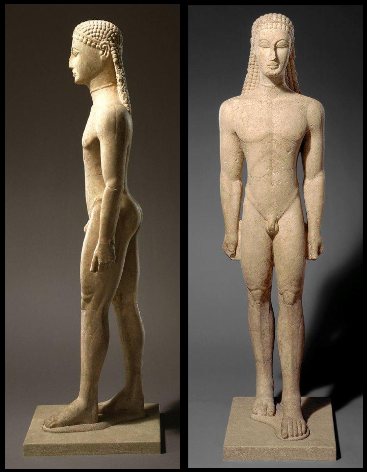
Kouros,
c 600 BCE,
Athens (Greece),
Period: Archaic
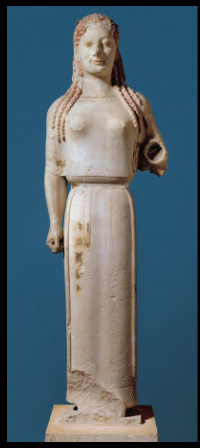
Peplos Kore,
c 530 BCE,
Athens (Greece),
Period: Archaic
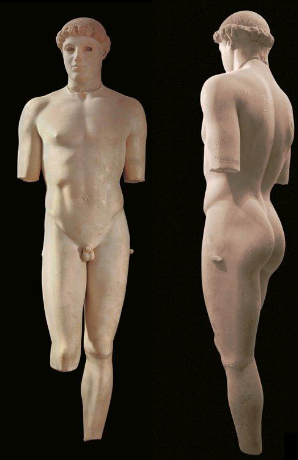
Kritios Boy,
after 480,
Athens (Greece)
Period: Classical
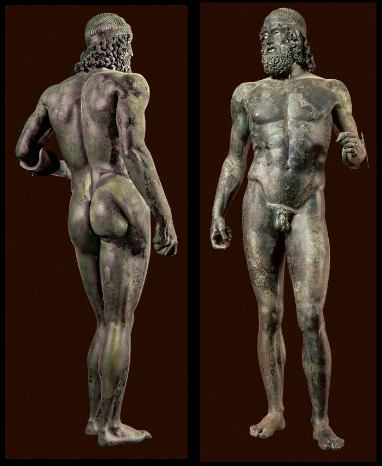
Riace Warrior A,
c 460-450 BCE
Bay of Raice (Greece),
Period: Classical
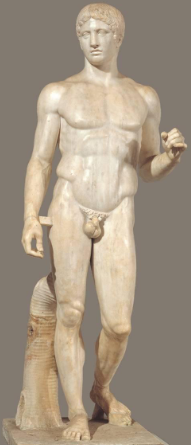
Polykleitos, Spear Bearer,
c 450-440 BCE,
(Greece)
Period: Classical
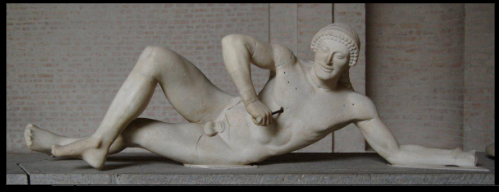
Dying Warrior from West Pediment, Temple of Aphaia,
c 500–490 BCE,
Aegina (Greece)
Period: Late Archaic/Early Classical
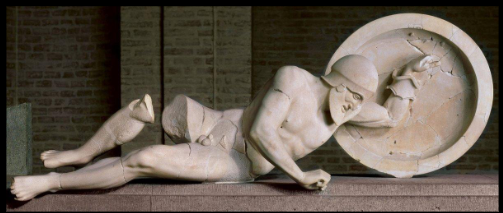
Dying Warrior from East Pediment 2, Temple of Aphaia,
c 490–480 BCE,
Aegina (Greece)
Period: Late Archaic/Early Classical
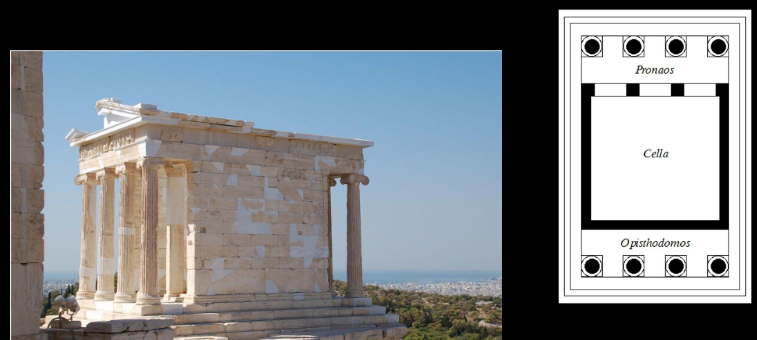
Temple of Athena Nike,
c 420 BCE,
Propylaia, Athens (Greece)
Order: Ionic
Period: Classical
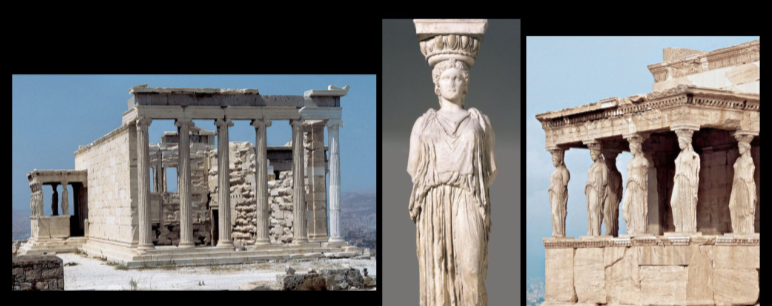
Erectheion,
421-406 BCE,
Acropolis, Athens (Greece)
Order: Ionic
Period: Classical
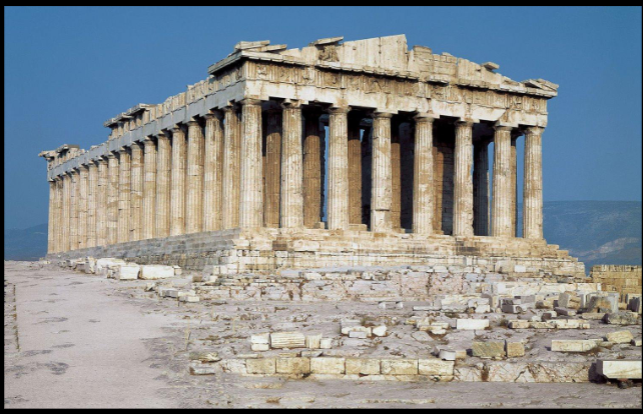
Kallikrates and Iktinos, Parthenon,
447-432 BCE,
Acropolis, Athens (Greece)
Order: Doric
Period: Classical
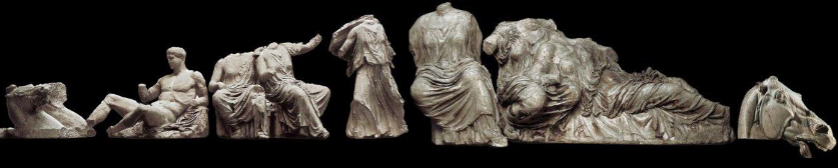
Birth of Athena, east pediment, Parthenon,
447-432 BCE,
Acropolis, Athens (Greece)
Period: Classical
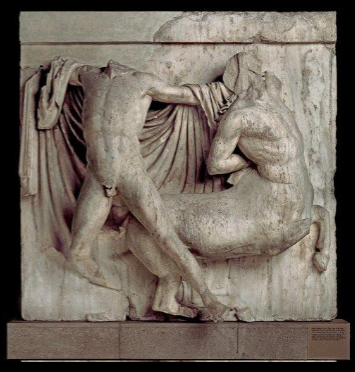
Lapith Fighting a Centaur, metope from south side, Parthenon,
447-432 BCE,
Acropolis, Athens (Greece)
Period: Classical
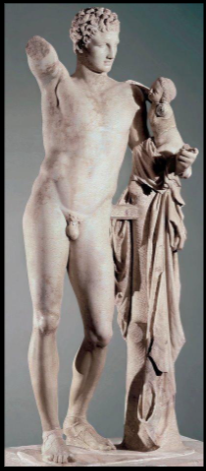
Praxiteles, Hermes and the Infant Dionysos,
300s (4th century) BCE,
Athens (Greece)
Period: Late Classical
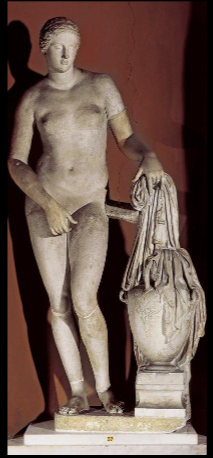
Praxiteles, Aphrodite of Knidos,
300s (4th century) BCE,
Knidos (Turkey)
Period: Late Classical
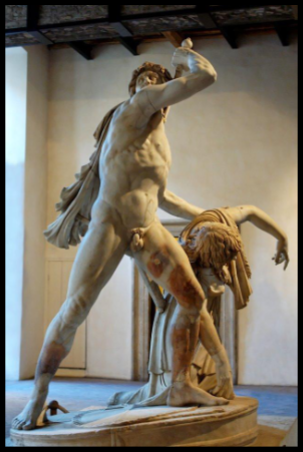
Gaul Committing Suicide with His Wife
c 220 BCE,
Pergamon (Bergama, Turkey)
Period: Hellenistic
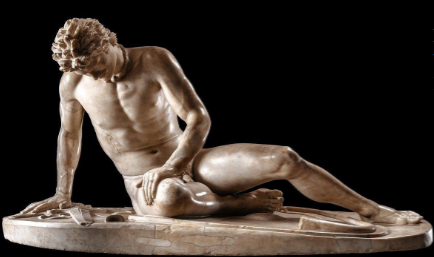
Dying Gaul,
c 220 BCE,
Pergamon (Bergama, Turkey)
Period: Hellenistic
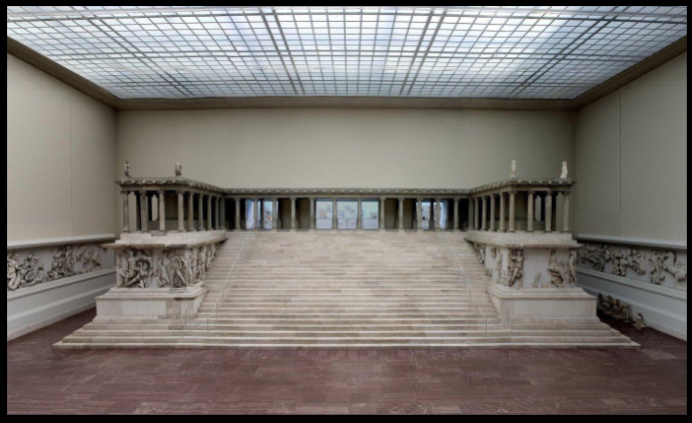
Pergamon Altar,
c 170-160 BCE,
Pergamon (Turkey)
Order: Ionic
Period: Hellenistic
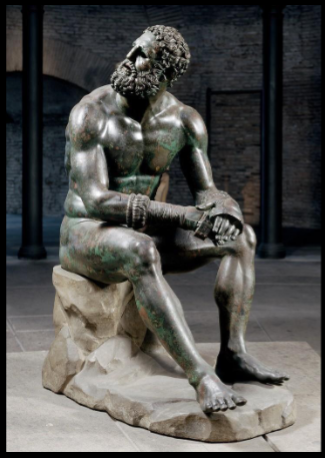
Boxer at Rest,
c 350-50 BCE,
Greece,
Period: Hellenistic
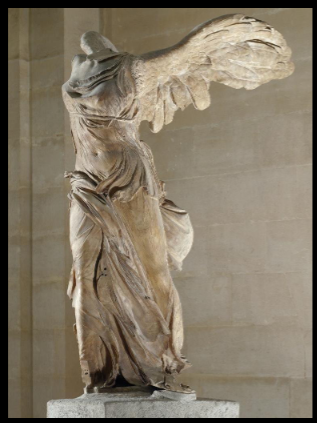
Nike of Samothrace,
c 190 BCE,
Samothrace (Greece)
Period: Hellenistic
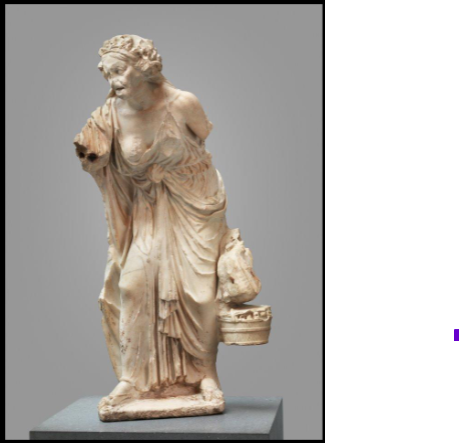
Old Woman,
Roman copy from 14-68 CE of
Greek 100-200 BCE,
Period: Hellenistic
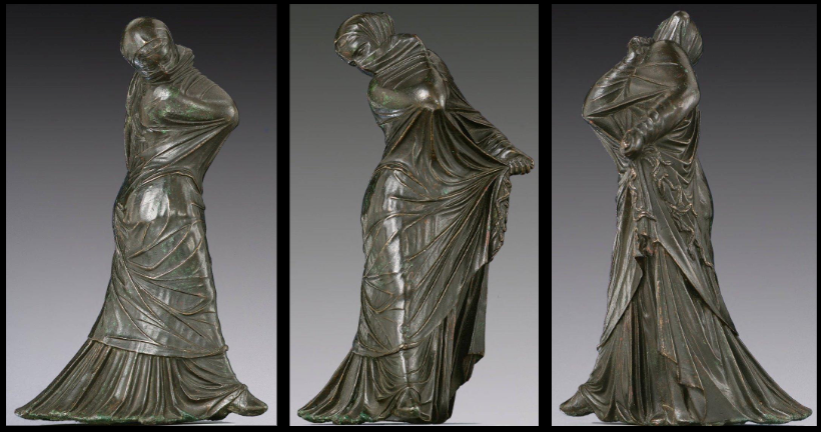
Veiled and Masked Dancer,
3rd – 2nd century BCE,
(Greece),
Period: Hellenistic
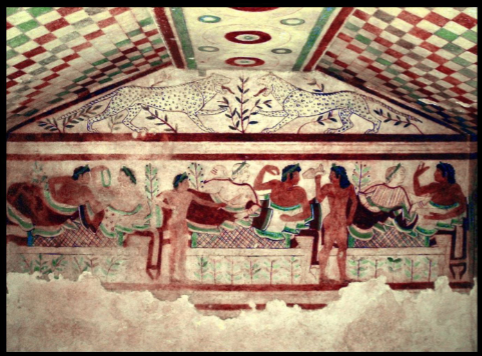
Tomb of the Leopards,
c 480-470 BCE,
(Tarquinia, Italy)
Period: Etruscan
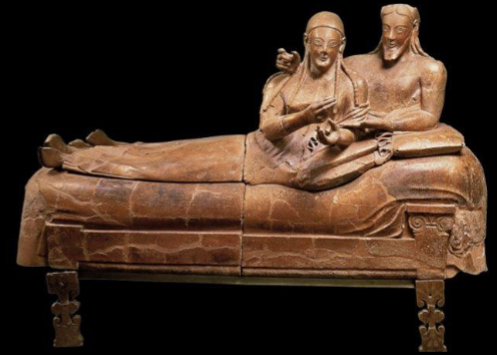
Sarcophagus of the Spouses,
c 520-510 BCE,
(Cerveteri, Italy)
Period: Etruscan