4. Infertility in mares - BP | Quizlet- ZC
 Call Kai
 Learn
Learn Practice Test
 Spaced Repetition
 Match
Match Flashcards
 Knowt Play
1/54

There's no tags or description
Looks like no tags are added yet.
Name | Mastery | Learn | Test | Matching | Spaced | Call with Kai | Chat |
|---|
No analytics yet
Send a link to your students to track their progress
55 Terms
Categories of factors causing infertility in mares
1. Anatomical
2. Physiological / function - anestrus, repeat oestrus cycle
3. Infectious
4. Managmental causes
What is normal chromosomal numbers / pairs
64 or 32 pairs
Chromosome for females
64XX
What is Turner's syndrome, what is it characterised by
Chromosomal abnormality
- small ovaries
- poorly developed uterus
- permanent anestrus
Name 2 variation of normal females chromosomes / chromosomal abnormalities
1. 63XO - females with single X
2. Tuners syndromes
Reproductive hormone deficiencies are associated with what organ?
Pituitary
Abnormality in pituitary / def in repro hormones can cause:
1. Prolonged estrus
2. Prolonged diestrus
3. Silent ovulations
4. Reproductive failure
Successful treatment for abnormalities in hypothalamic-pituitary-ovarian homeostasis
Synthetic progesterone
(Rebound effect)
What is follicular atresia
Break down of ovarian follicles
Follicle will develop normally to 30mm
But there is no emergence of DF & follicles are broken down
Causes of follicular atresia
1. Ovarian hypoplasia - under or incomplete development
2. Ovarian cysts
3. Infection & malnutrition
What is persistent Cl
Luteolysis of CL doesnt occur after 14d w/o pregnancy
Creating long or short estrous cycle
Cause of persistent CL
Failure of release of PGF2a
Due to:
- uterine infection
Treatment of persistent CL
Exogenous PGF2a
What are anovulatory follicles & consequences
Large follicles with fail to rupture & ovulate
Fill with blood & persistent as hemotomas for a few cycle
May be able to produce progesterone
Consequences - anestrous
When do anovulaotry follicle commonly occur
Transition periods into & out of season
Ovarian teratomas: origins & features
Origin: germ cells
Features: contain hair, teeth, bone etc.
RARE
Ovarian hypoplasia: what is it, & potential causes
Under development of ovaries - small & immature
Associated with / potential causes:
- chromosome abnormalities
- hormonal abnormalities
What is the most common ovarian tumor in horses
Granulosa (theca) cell tumor
Characteristic of ovarian granulosa cell tumor: age, structure
Important cause of anestrus
Affects one ovary
Age 5-7
Polycystic or large solid structures - 18bs (~8kg)
How big can granulosa cells tumours get
8kg (unilateral on one ovary)
Symptoms of granulosa cell tumor
1. Prolonged estrus / anestrus
2. Testosterone producing cysts = aggressive, stallion behaviour & muscle development
What age of mares are affected by granulosa cell tumor
5-7
Granulosa cell affects 1 or 2 ovaries?
One ovary
Treatment of granulosa cell tumor
Surgical removal
Consequences of multiple ovulation
Multiple pregnancy
Major cause of abortion bc mare cannot carry twins to term
What is endometritis
Inflammation of uterine endometrium
Infecitous cause of infertility
Causes of endometritis
1. Opportunistic bacteria - St. zooepidemicus, S. Aureus
2. Veneral bacteria - Taylorella Equi genital is, Kleb. Pneumonia, Pseudomonas Aeruginosa
3. Non-infecitous agents
What is the major problem with uterine infections
They are often undetected for ages
Most common cause of acute endometritis
Streptococcus zooepidermicus - 75%
Consequences of streptococcus Zooepidemicus endometritis
1. Initiates infection of cervix & uterus
2. Promotes proliferation of other bacteria
3. Causes destruction of RBC
Name opportunistic bacteria causing endometritis, which is most common
Streptococcus zooepidemicus - most common 75%
Staphylococcus aureus - less common, only under stress
Veneral soruces of bacteria
1. Semen
2. Repro tract mare & stallion
Only transferred through these routes, may be asymptomatic
Veneral bacteria causing endometritis
1. Taylorella Equigenitalis
2. Klebsiella pnuemonie
3. Pseudomonas Aeruginosa
What type of endometritis is caused by Klebsiella Pneumoniae
Acute & chronic
Little to no c/s
Where can pseudomonas Aeruginosa be found & c/s in mare
Found: stallions semen
C/S: rare, but yellow green discharge (remember is it colourful one)
Name 5 causes of abortion in horses
1. Infectious: bacteria or fungi
2. Twins
3. Hormonal def
4. Congential abnormalities
5. Ergot alkaloid toxicity / infection of caterpillar setae
Normal gestation length
330-340d
Normal umbilical cord length
36-84cm
What is placental weight in thoroughbred
5.7+/- 0.08kg / 11% of foals bw
Bacteria causes of abortions
1. Streptococcus most common
2. Leptospira
3. Norcardia
4. Klebsiella
5. Staphylococcus
Most common bacterial cause of abortions
Streptococcus
Viral causes of abortions, usually cause abortions at what stage in gestation
8-11 months
Or as early at 5
How long after mare catches virus will the foal be infected
20-90 days
Name viral cause of abortions
Equine herpesvirus - EHV-1
Virus can be latent & reactivated by stress & shed into environment
Percentage occurrence of Placentitis in thoroughbreds
3-5%
Late term pregnancy lost / late term pregnancy wastage is also termed
Placentitis
What percentage is placental insufficiency responsible for abortion, still brith or neonatal death
>60%
Clinical signs indicating Placentitis
1. Premature udder development
2. Premature lactation
3. Valvular discharge
4. Soft cervix
5. Abortion
Premature udder development & lactation is a sign of what?
Placenititis
How is Placentitis diagnosed
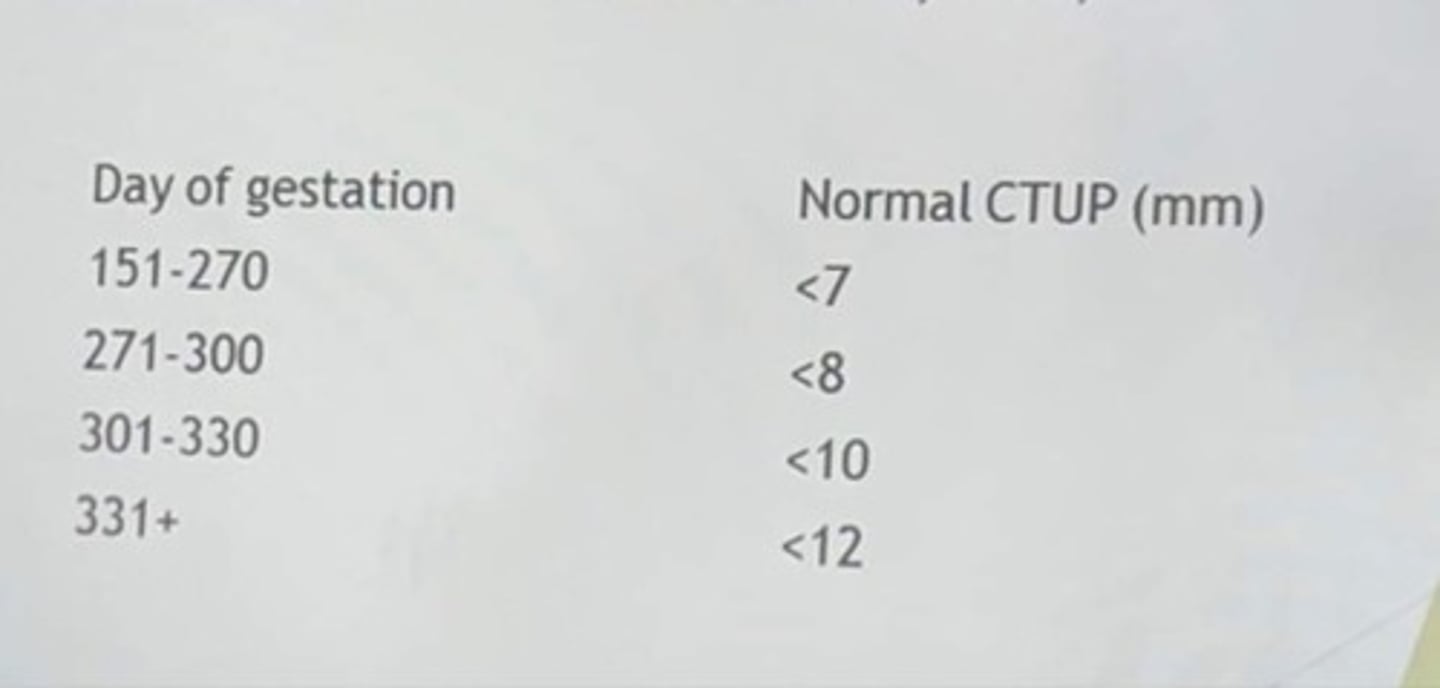
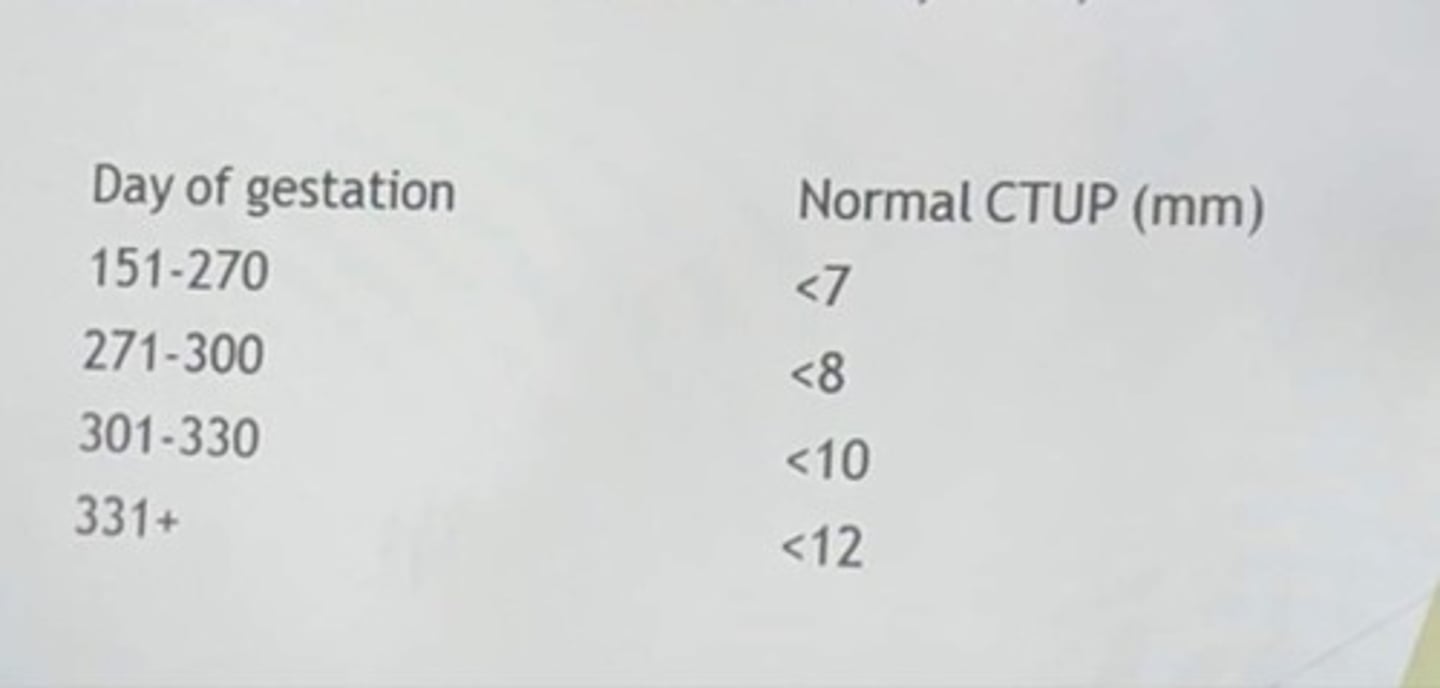
1. Upper limits for the combined thickness of the uterus & the placenta (CTUP) by transrectal USG in late gestation
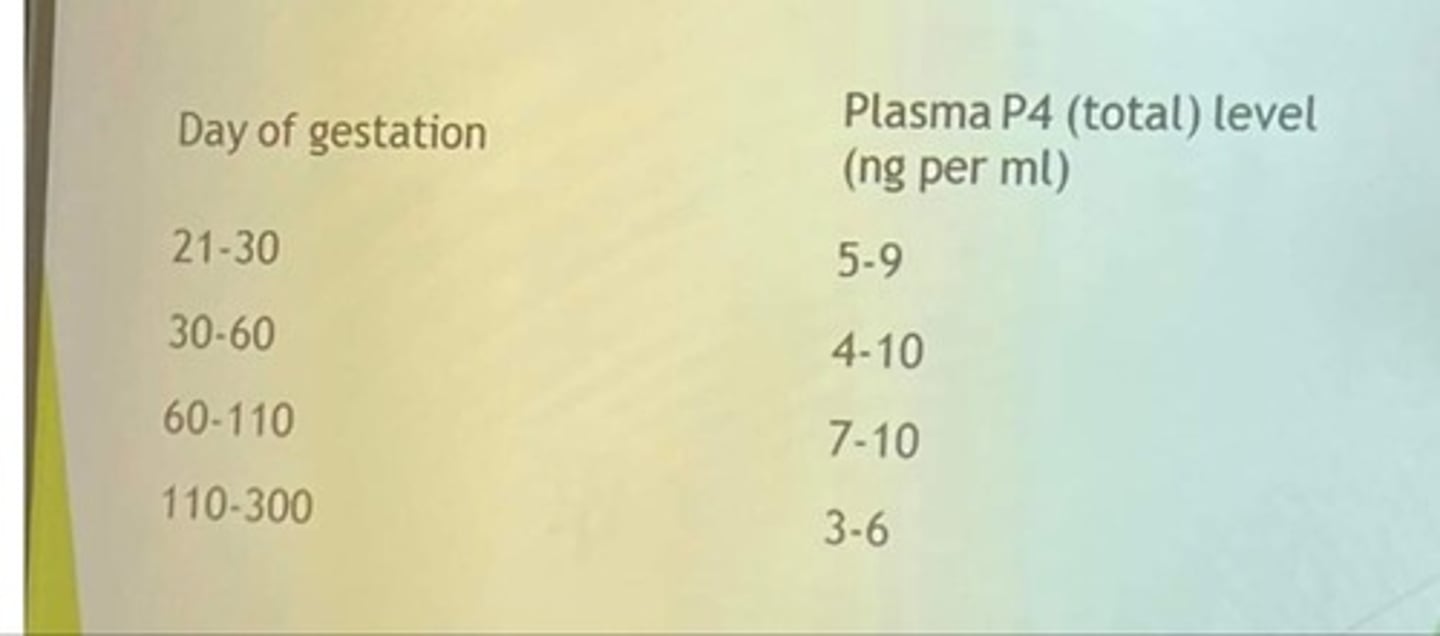
2. Plasma progesterone levels
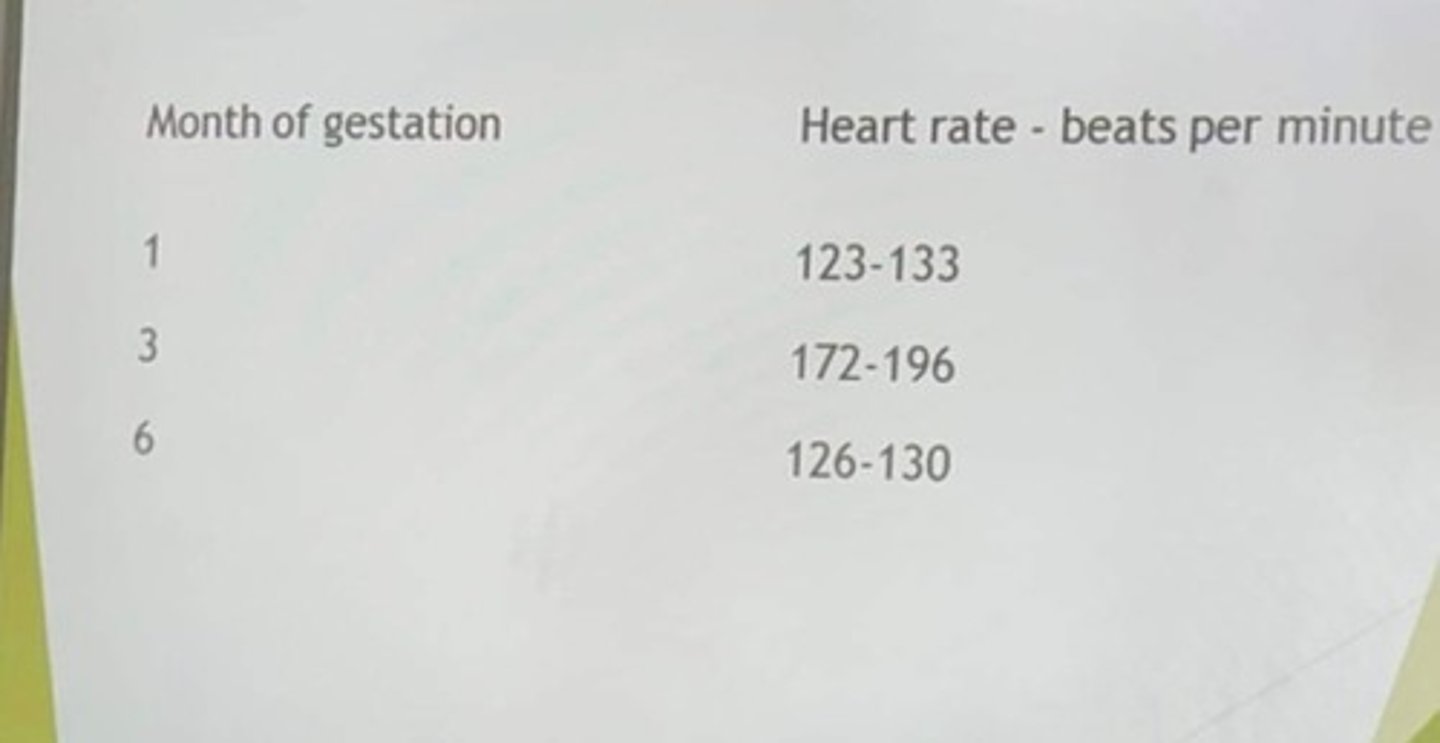
3. Foetal heart rate
Diagnostic indicators of placental failure by USG are:
1. Anomalies
2. Fetal abnormalities, position or acivity
3. Increase of decrease foals HR
4. Accumulation of blue between chorioallantoic membrane & endometrium = placental separation
5. Thickened placenta
6. Abnormalities of umbilical cord
7. Increase or reduced allanotsis or amniotic fluids
8. Increase echogentiivtiy of allantoic or amniotic fluids
What does CTUP mean & what is it used for
Combined thickness of the uterus & placenta
Diagnosed Placentitis
Normal CTUP measurement days:
151-270
271-300
301-330
>331
Normal plasma progesterone levels
21-30
30-60
60-110
110-300
Normal HR of foals in gestation months:
1, 3, 6 months