Reversible Growth Disorder I
 Call Kai
 Learn
Learn Practice Test
 Spaced Repetition
 Match
Match Flashcards
 Knowt Play
1/29

There's no tags or description
Looks like no tags are added yet.
Name | Mastery | Learn | Test | Matching | Spaced | Call with Kai | Chat |
|---|
No analytics yet
Send a link to your students to track their progress
30 Terms
reversible growth disorder
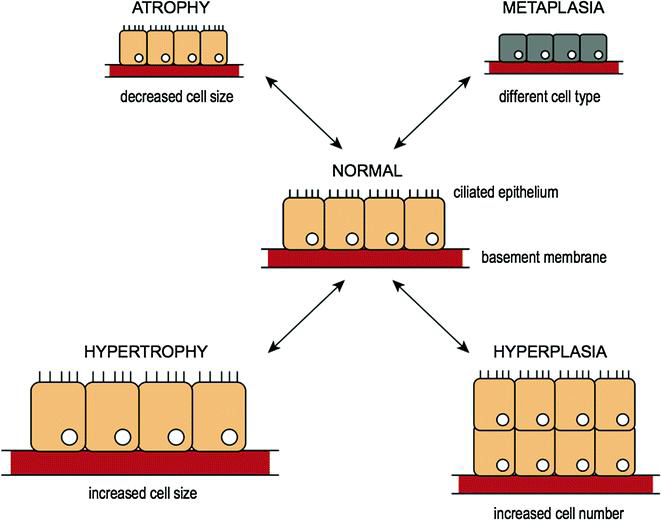
Adaptive mechanisms by a cell, which can change its form or function in response to sublethal stress or injury in order to survive
true
(True/False) The removal of the causative agent in cell or tissue enables it to revert back to its normal from and function.
numerical atrophy
Reduction in the number of cells
quantitative atrophy
reduction in the size of individual cells
physiological atrophy
part of an involusion process
adequate hormonal stimulation and are no longer wanted
In physiological atrophy, tissues do not receive ______
thymus or bursa of fabricius
An example of physiological atrophy is the involution of the _________
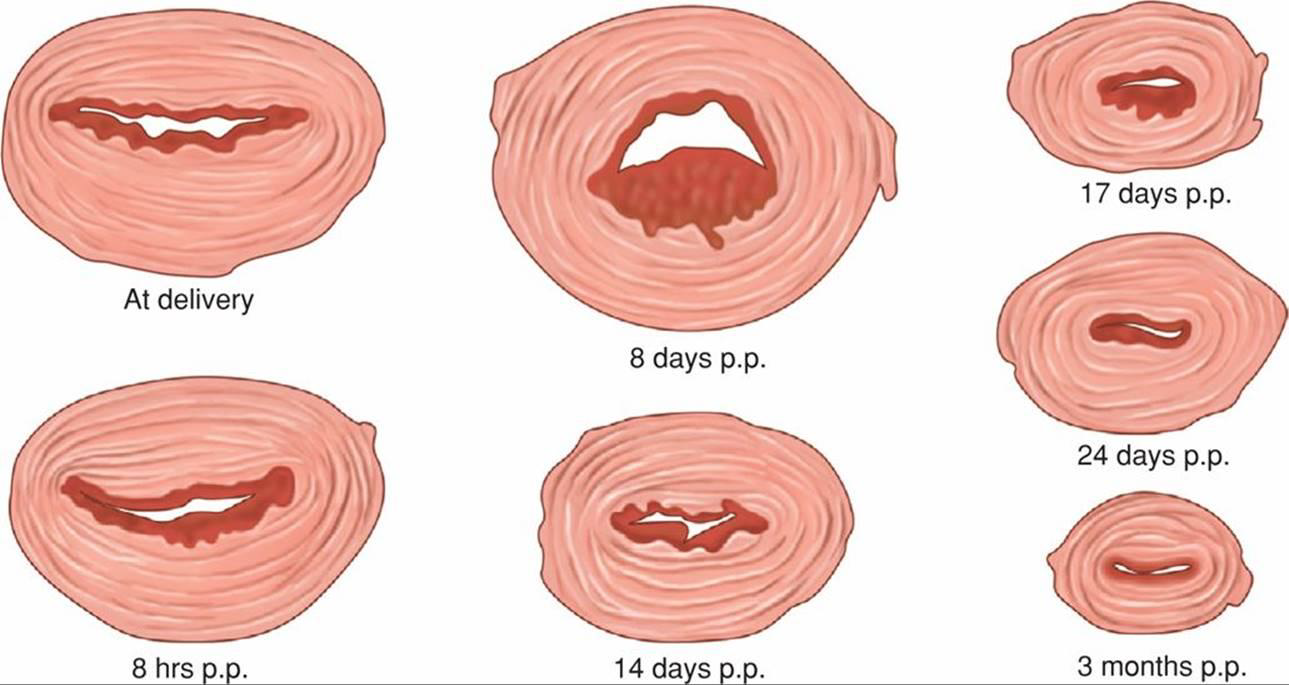
uterus
Post partum changes in the _____ is an example of physiological atrophy
Physiological atrophy - reduction in the fetal structure (umbilical vessel)
what kind of atrophy?
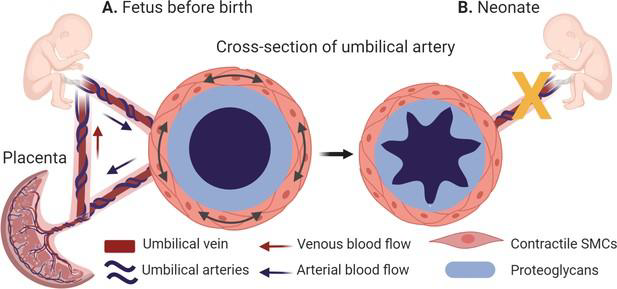
ductus arteriosus to ligamentum arteriosum
What fetal structure reduced in size and an example of physiological atrophy?
True - It involutes if the female is not preggy
(True/False) Involution of the normal corpus luteum is considered a physiological atrophy
senile atrophy
Physiological atrophy associated with aging (wrinkled skin)
Deficient nutrition to an area
lack of innervation
necrosis of cells
pressure of disuse
Defective feedback mechanisms in case of endocrine glands
Possible causes of pathological atrophy
gross - smaller organ
microscope - fewer or smaller cells
Describe a pathological atrophy grossly and microscopically
disuse atrophy
decrease workdload
fracture
immobilized limb
inactive in the stable
race horse (pathological atrophy)
vascular atrophy
pathological atrophy that is caused by decrease blood supply
long standing ischemia
anemia
chronic passive hyperemia
list causes of vascular atrophy mentioned in the slide
adrenal gland atrophy
thyroid gland atrophy
loss of hormonal stimulation (endocrine atrophy) causes…
pressure atrophy
Testicular tumor presses the surrounding seminiferous tubules
Muscle atrophy
Individual fiber atrophy
Two types of Denervation atrophy or loss of innervation
muscle atrophy
Type of denervation atrophy that is caused by loss of nerve stimulation (neurogenic atrophy)
Individual fiber atrophy
A type of denervation atrophy where it becomes smaller then disappears
Metabolic atrophy - atrophic intestinal villi
What causes malabsorption syndrome?
Starvation atrophy
When glycogen and fat disappear followed by proteins of the muscles and finally proteins of the vital organs, what type of pathological atrophy is associated with this descriptions?
abiotrophy
Premature degeneration after a normal development
cerebellar abiotrophy in dogs
One example of abiotrophy
organ hypertrophy
Increase size of an organ
cellular hypertrophy
increase size of the individual cell