Module 5: The Nervous System and Endocrine System
 Call Kai
 Learn
Learn Practice Test
 Spaced Repetition
 Match
Match Flashcards
 Knowt Play
1/30

There's no tags or description
Looks like no tags are added yet.
Name | Mastery | Learn | Test | Matching | Spaced | Call with Kai | Chat |
|---|
No analytics yet
Send a link to your students to track their progress
31 Terms
Nervous System
the electrochemical communication system of the body
neuron
a nerve cell; the basic building block of the nervous system
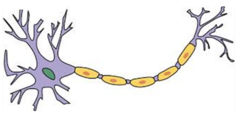
dendrite
branching extensions of a neuron that receive messages and conduct impulses toward the cell body
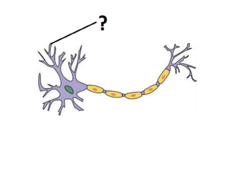
Axon
The extension of a neuron through which neural impulses are sent

axon terminal
the end point of a neuron where neurotransmitters are stored & released to neighboring neurons

action potential
a neural impulse; a brief electrical charge that travels down the axon of a neuron
Refractory Period
The “recharging phase” during which a neuron, after firing, cannot generate another action potential
resting potential
the state of a neuron when it is at rest and capable of generating an action potential
all-or-none principle
the principle stating that if a neuron fires, then it always fires at the same intensity; all action potentials have the same strength
synapse
the tiny, fluid-filled gap between the axon terminal of one neuron and the dendrite of another
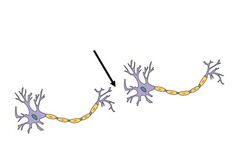
neurotransmitter
a chemical messenger that travels across the synapse from one neuron to the next and influences whether a neuron will generate an action potential
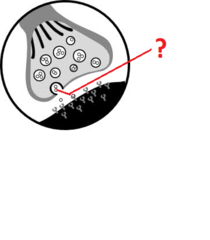
Excitatory Effect
a neurotransmitter effect that makes it more likely that the receiving neuron will generate an action potential, or fire
Inhibitory Effect
A neurotransmitter effect that makes it less likely that a receiving neuron will
generate an action potential, or fire
receptor cells
Specialized cells in every sensory system of the body that can turn other kinds of energy into action potentials (neural impulses) that the brain can process; also known as "sensory neurons"
sensory nerves
Nerves that carry information from the sense receptors to the spinal cord and brain.
Interneurons
nerve cells in the brain and spinal cord responsible for processing information
Motor Nerves
Nerves that carry information from the brain and spinal cord to the muscles and glands
central nervous system (CNS)
the brain and spinal cord
peripheral nervous system (PNS)
the sensory and motor nerves that connect the brain and the spinal cord to the rest of the body
somatic nervous system
the division of the peripheral nervous system that controls the body's skeletal muscles
autonomic nervous system
The division of the peripheral nervous system that controls the glands and muscles of the internal organs; its subdivisions are the sympathetic (arousing) division and the parasympathetic (calming) division
sympathetic division
The part of the autonomic nervous system that arouses the body to deal with perceived threats.
parasympathetic division
the part of the autonomic nervous system that calms the body
endocrine system
one of the body's two communication systems; a set of glands that produce hormones, chemical messengers that circulate in the blood

hormone
a chemical messenger produced by the endocrine glands and circulated in the blood
pituitary gland
the endocrine system's master gland; in conjunction with an adjacent brain area, controls the other endocrine glands
Hypothalamus
The brain region controlling the pituitary gland
Thyroid gland
produces hormones that regulate metabolism, body heat, and bone growth
Adrenal glands
a pair of endocrine glands that sit just above the kidneys and secrete hormones (epinephrine and norepinephrine) that help arouse the body in times of stress.
Pancreatic Gland
The endocrine gland which regulates the level of sugar in the blood
Sex Glands
Ovaries (females) and testes (males) are the glands that influence emotion and physical development