Motor Neuron Disease& Neuropathies
 Call Kai
 Learn
Learn Practice Test
 Spaced Repetition
 Match
Match Flashcards
 Knowt Play
1/30

There's no tags or description
Looks like no tags are added yet.
Name | Mastery | Learn | Test | Matching | Spaced | Call with Kai | Chat |
|---|
No analytics yet
Send a link to your students to track their progress
31 Terms
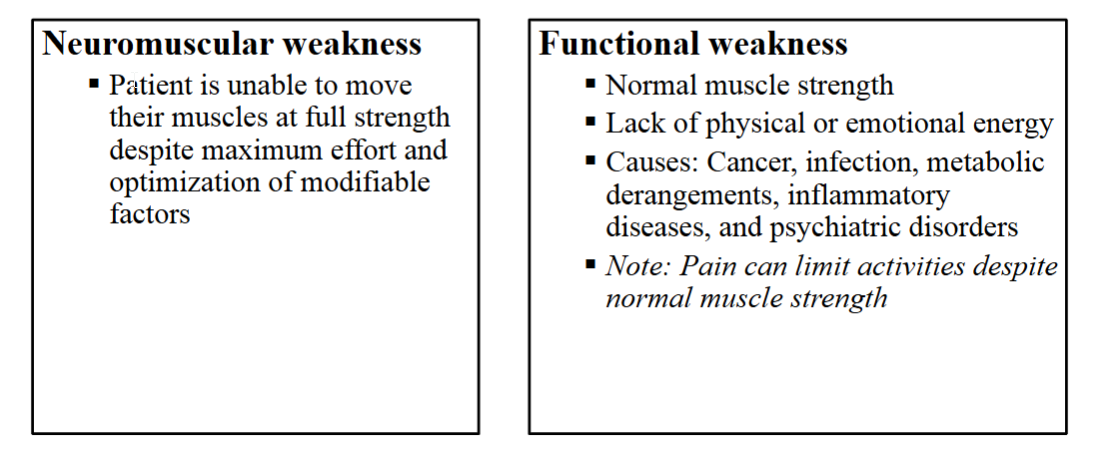
Differentiate between Neuromuscular/Functional Weakness
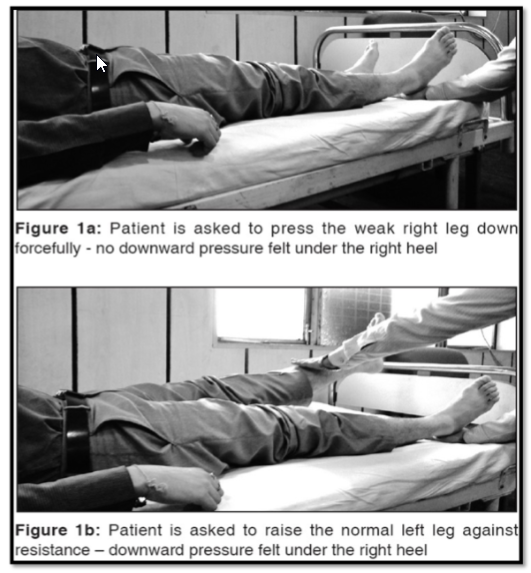
Describe the procedure for Hoover’s Sign:
Procedure:
Exammer places hand under heel of weak leg and asks the patient to press the heel down forcefully. It appears weak but when the opposite hip is flexed against resistance, downward pressure will be felt under the heel of weak leg
Discrepancy between voluntary hip extension (which is weak) and involuntary hip extension (which is normal) when the opposite hip is being flexed against resistance suggests functional paresis.
Hoover sign is thought to be due to crossed extensor reflex to stabilize the trunk/body
When do you suspect degenerative motor neuron disease
pt with:
Neuromuscular weakness
No sensory loss or sphincter disturbance
Progressive course
No identifiable underlying cause other than genetic basis in familial cases
List the various causes of Motor Neuron Disorders
Causes of Motor Neuron Disorders
Neurodegenerative
Amyotrophic Lateral Sclerosis (ALS)
Primary Lateral Sclerosis
Progressive Bulbar Palsy
Pseudobulbar Palsy
Spinal Muscular Atrophy
Infectious
Post-polio,
West Nile virus,
Herpes Simplex Virus [HSV],
HIV
Immunologic
Paraproteinemia [monoclonal gammopathy]
Drugs and toxins
Heavy metals
Describe Amyotrophic Lateral Sclerosis (ALS)
What is it?
What does it affect?
Features?
Epidemiology?
Diagnosis?
What is it?
Progressive Neurodegenerative disorder
What does it affect?
Injury + cell death of lower (Brain stem, SC) /upper motor neurons (motor cortex)
Features:
No sensory loss or sphincter disturbance
Cognitive dysfunction (5-20% with frontotemporal dementia)
Parkinsonism
Epidemiology:
Incidence: 2 per 100,000
Prevalence: 6 to 8 per 100,000
Primarily affects middle-aged to elderly individuals, men slightly more
Most are sporadic; only 5-10% is inherited (autosomal dominant)
Diagnosis
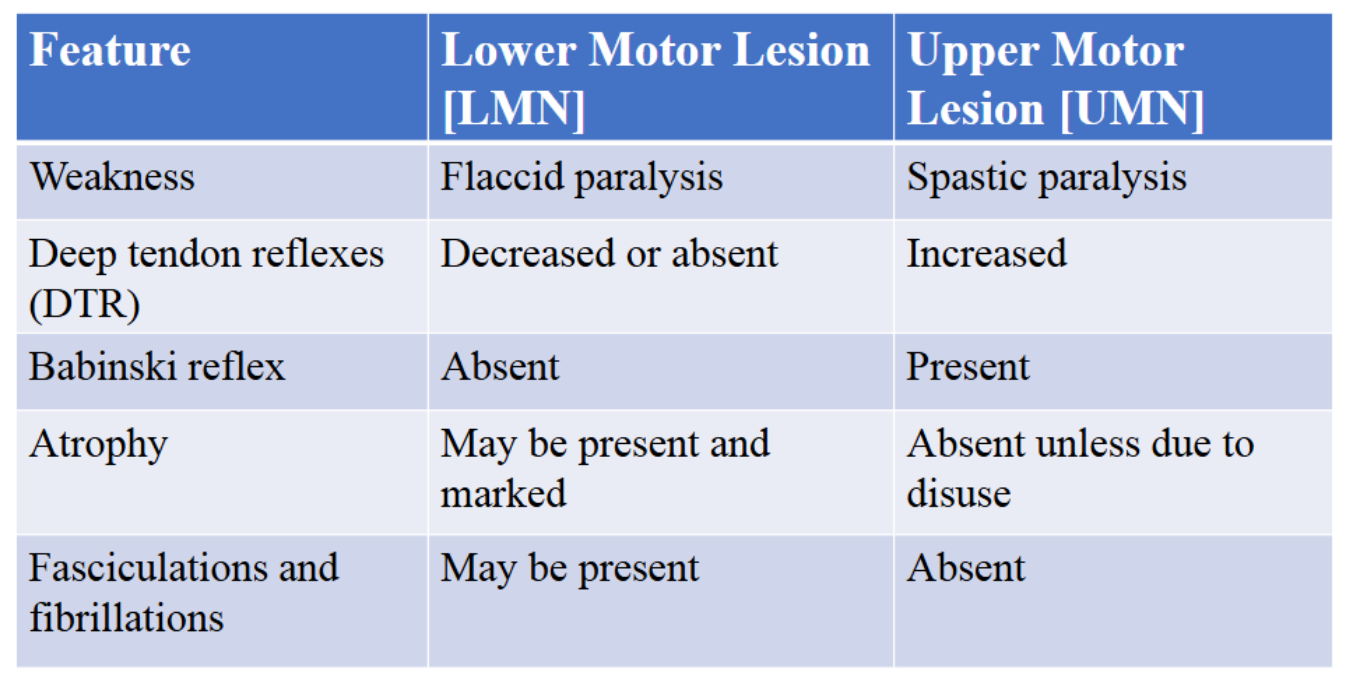
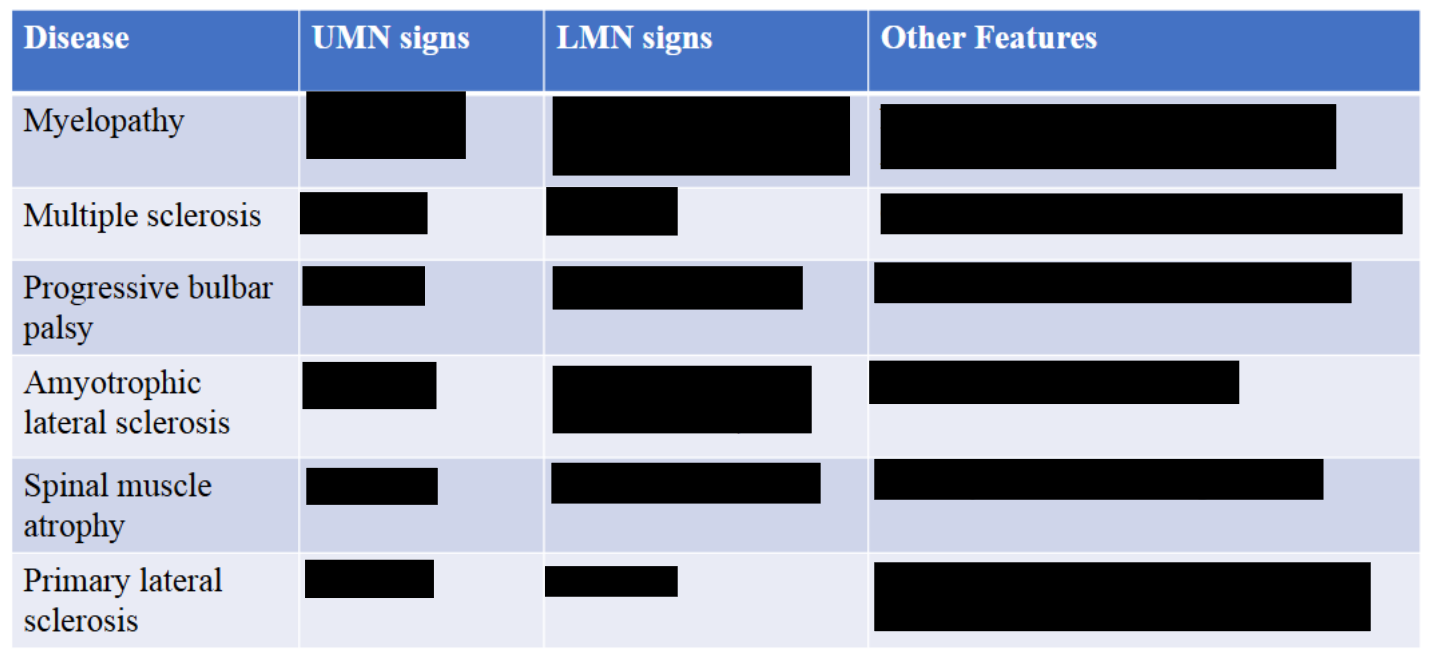
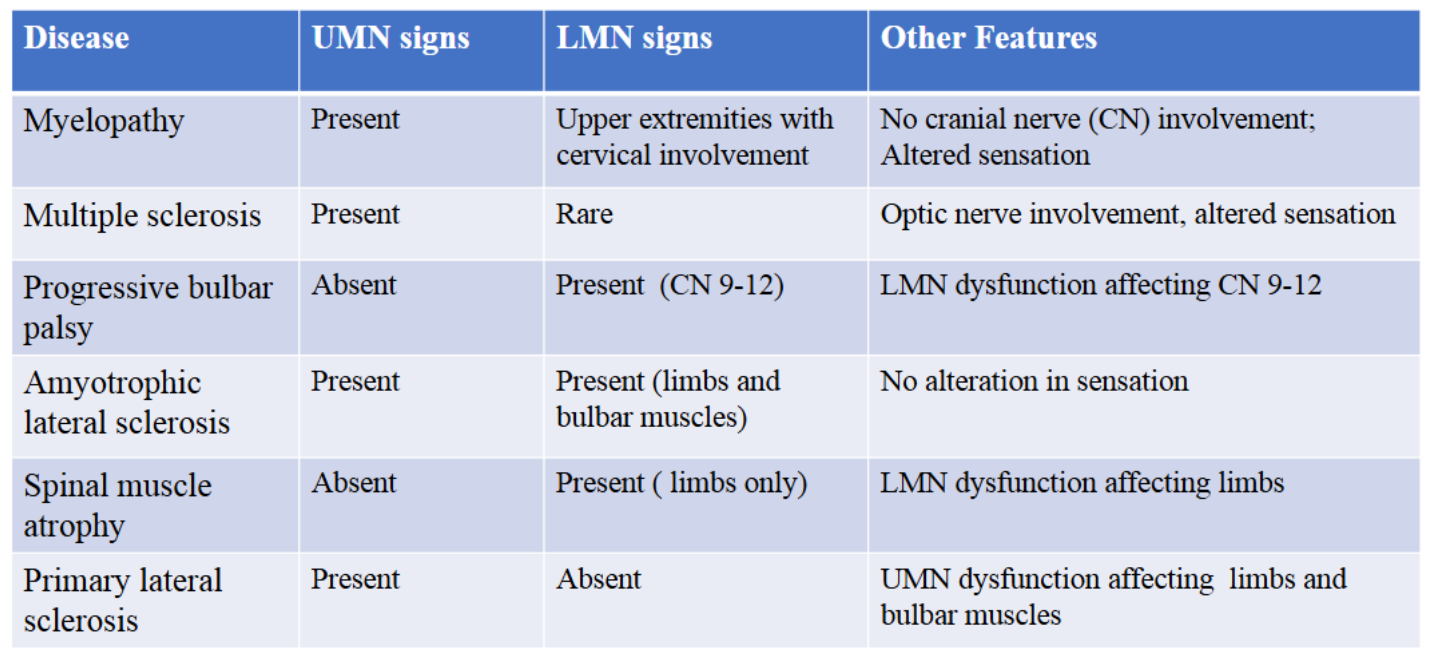
Clinical features of UMN and LMN dysfunction
Electrodiagnostic study evidence (EMG/NCS) of UNN and LMN dysfunction in multiple areas
Exclusion of other diagnoses, such as:
Other motor neuron diseases:
Primary lateral sclerosis, Spinal muscle atrophy
Spinal cord disorders:
Multilevel spinal cord and root compression (disc, osteophytes, tumor)
Combined cervical myelopathy and peripheral neuropathy
Radiation myelopathy
Myopathies:
Inclusion body myositis, Sjogren syndrome, thyrotoxicosis
Describe the treatment Components of ALS
Describe how we treat the symptoms
Treatment components:
Patient education
Disease-directed
Adaptive/supportive care
Dysphagia
Percutaneous gastrostomy
Respiratory support
Non-invasive ventilation
Functional dependence
Symptomatic
Limb spasticity
muscle relaxants
Excessive salivation
anticholinergics, sympathomimetics, botulinum toxin
Pseudobulbar Palsy
neudexta
Pain
Standard medication
Fatigue
Standard medication
Depression
Standard medication
Describe Riluzole
AKA
MOA
Dif. Forms
Riluzole
AKA:
[Rilutek]
MOA:
Glutamate pathway antagonist
Different Forms:
thickened liquid form [Tiglutik]
oral film [Exservanl
NOTE: Slightly extends survival
Describe Edaravone
AKA
MOA
Purpose
Forms
Edaravone
AKA: [Radicava]
MOA:
Free radical scavenger
Purpose:
Slows decline in physical function
Forms:
Oral formulation approved in 2022
Describe Qalsody
AKA?
MOA?
Qalsody
AKA: [tofersen]
MOA:
treat ALS associated with a mutation in the superoxide dismutase I [SODI] gene.
Describe Relyvrio
AKA
MOA
Relyvrio
AKA:
[AMX0035]
MOA:
Combo of phenylbutyrate and tarursodiol -> prevent nerve cell death by blocking stress signals
Describe Peripheral Neuropathy
Definition
Structures affected
Peripheral Neuropathy (PN)
Definition:
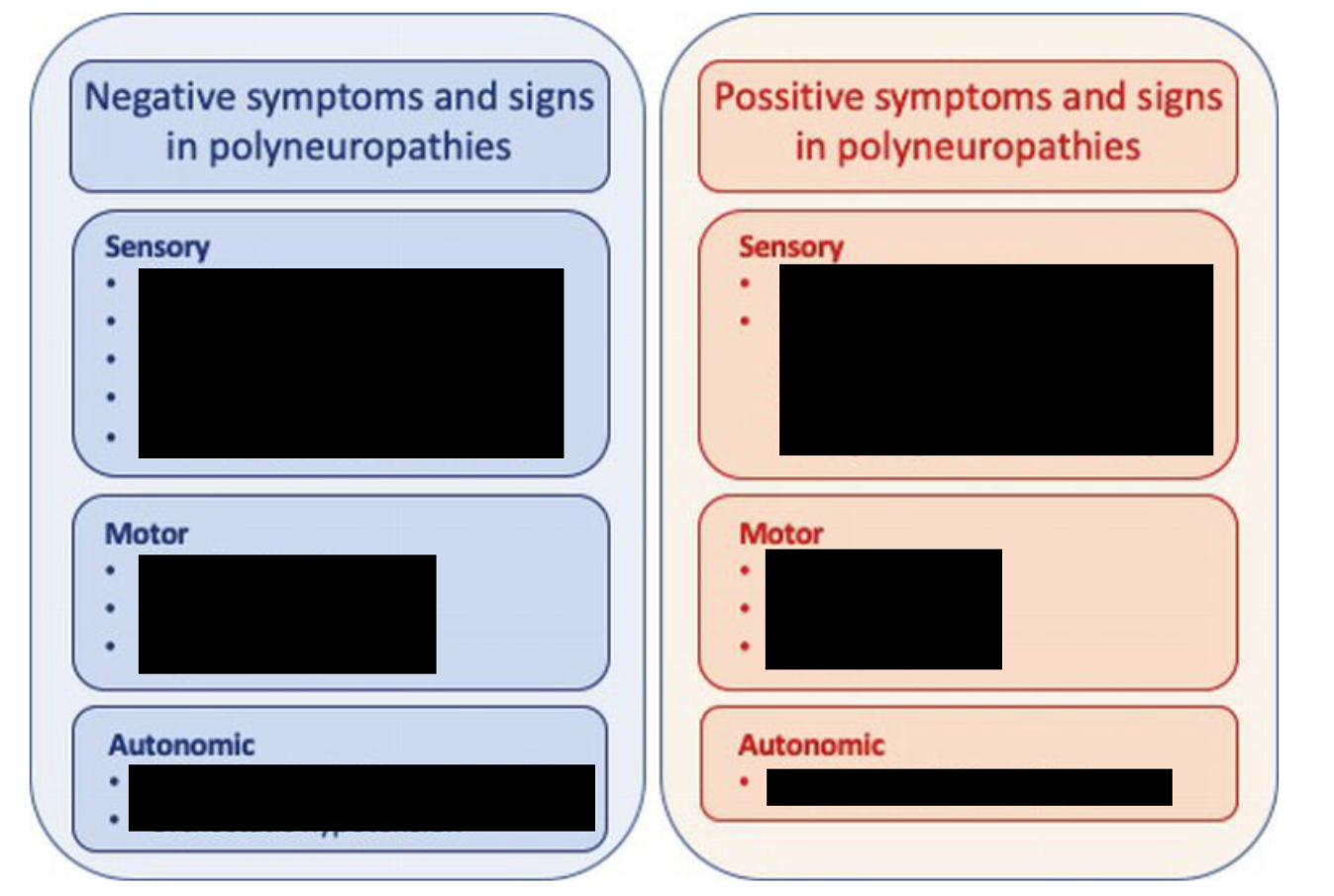
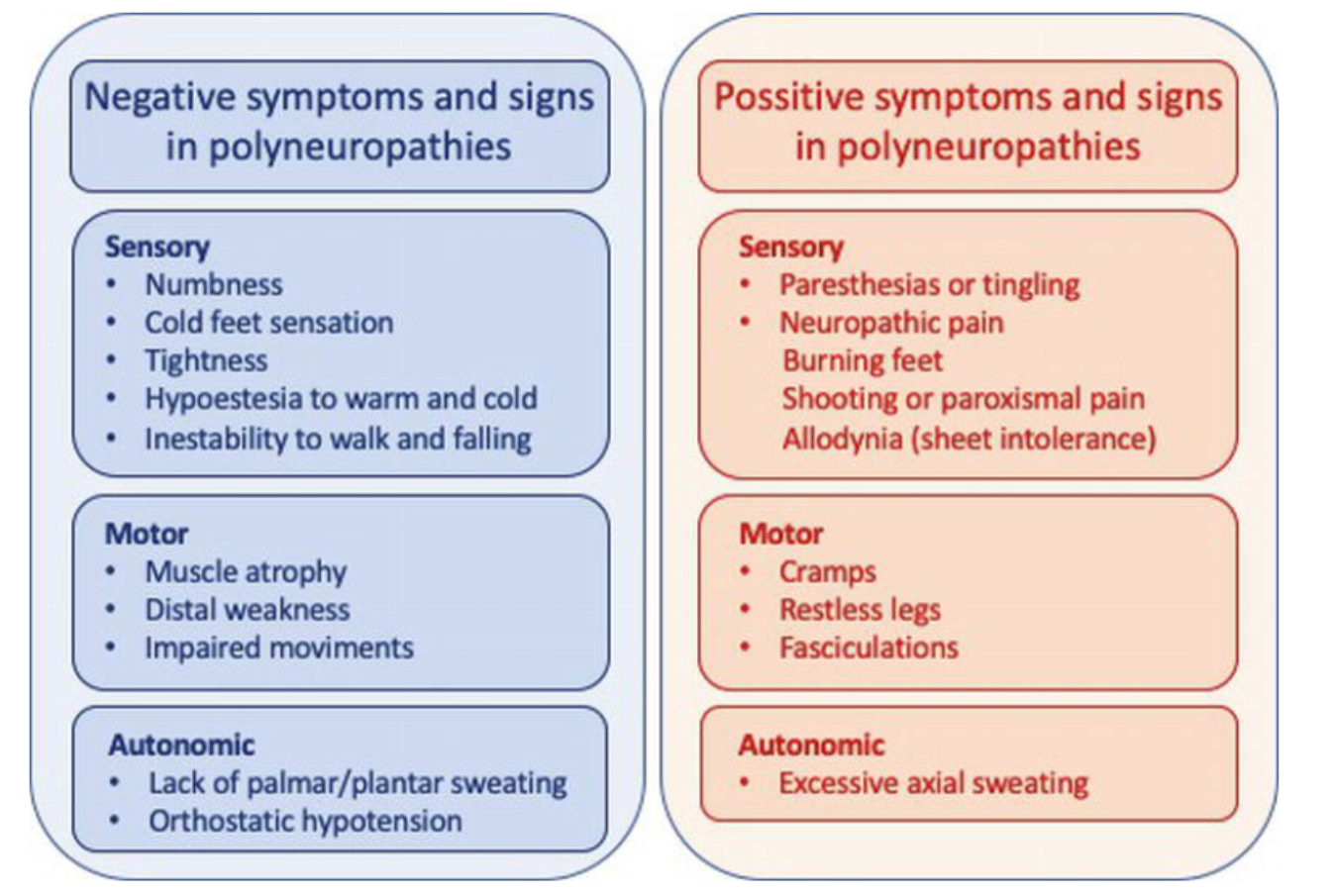
Disorder affecting any part of the peripheral nervous system
Structures affected
Spinal and cranial nerves
except olfactory (I) and ophthalmic (II)
Ventral and dorsal nerve roots
Sensory and motor terminals
Part of the autonomic nervous system
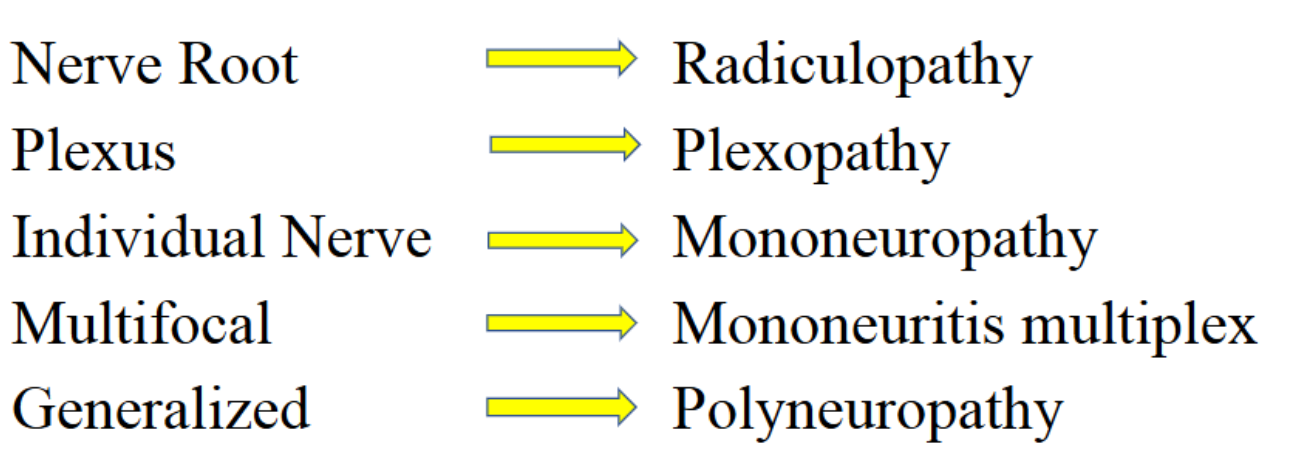
Describe Radiculopathy
Features
Examples
Radiculopathy
Features:
Pain, sensory, motor, and reflex change(s) solely in distribution of the nerve root(s)
Examples
Cervical radiculopathy
Lumbar radiculopathy
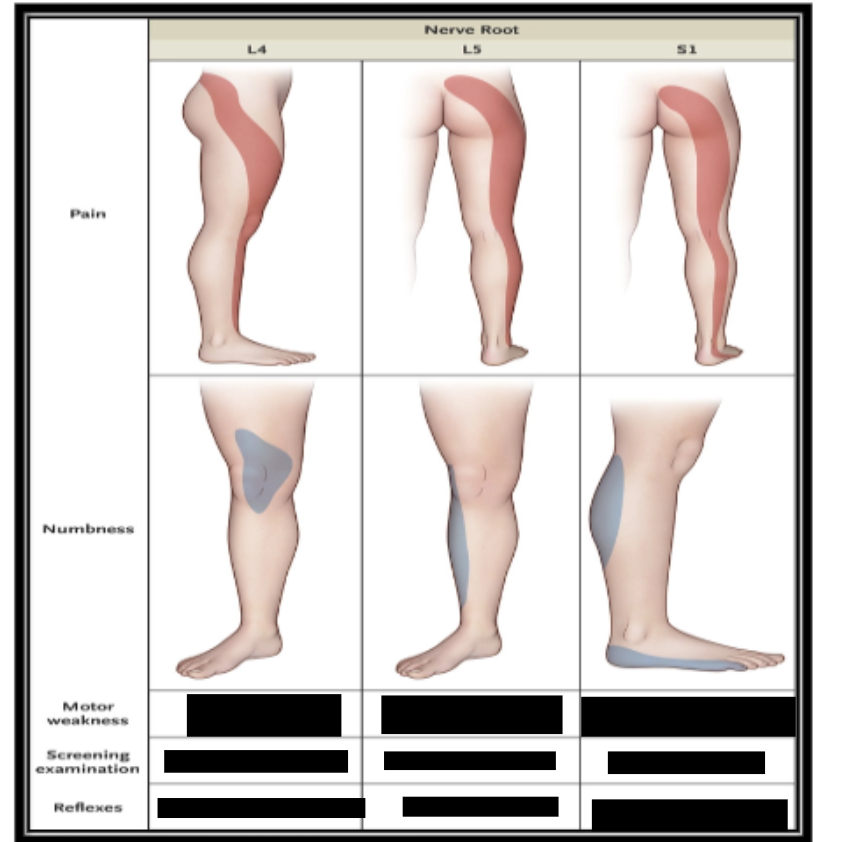
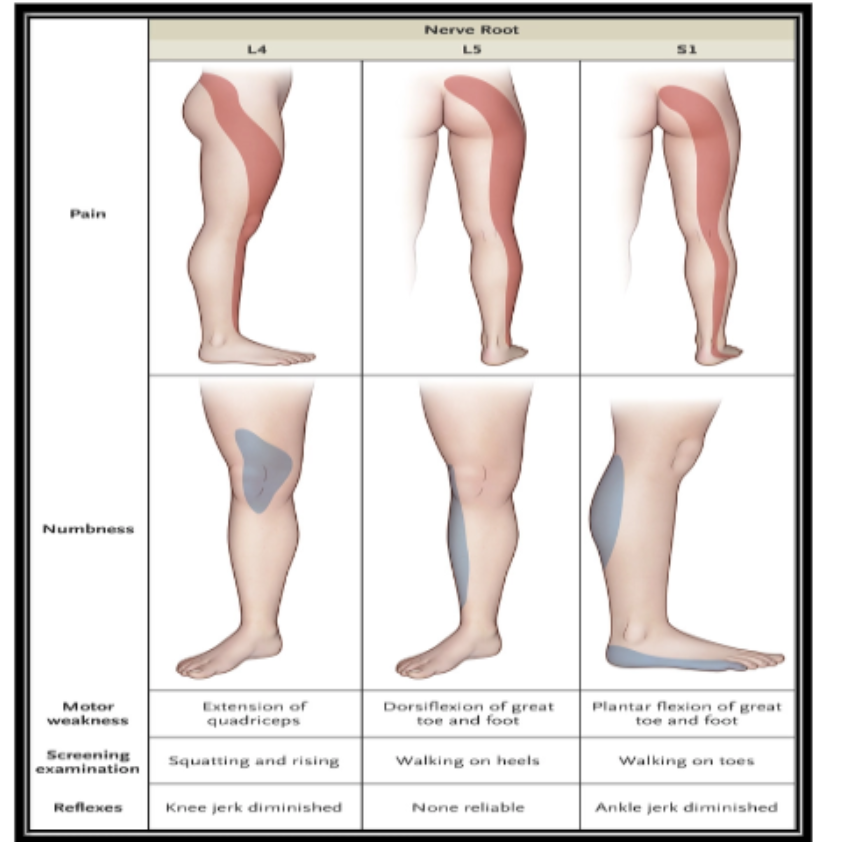
Describe Plexopathy
Features
Examples
Plexopathy
Features:
Only one limb is affected
Motor, sensory, and reflex loss does not conform to a pattern of several adjacent nerve roots or nerves
Examples
Brachial plexus neuropathy
Cervical rib/thoracic outlet syndrome
Lumbosacral plexus neuropathy
Describe Mononeuritis Multiplex
Features
Causes?
Features
Acute or subacute evolution
Multiple nerve involvement with complete/almost complete sensorimotor paralysis in distribution of individual peripheral nerves
Causes
Diabetes
Vasculitis
Sarcoid
Leprosy
(AIDS)
Describe Polyneuropathy
Features
Causes
Less Common Causes
Features
Weakness is relatively symmetrical from the beginning and progresses bilaterally
Reflexes are lost in affected parts but particularly @ ankles
Sensory complaints/loss of sensation are most pronounced distally
Causes
Diabetes
Other metabolic disease
Uremia
Neuropathy with celiac disease
Thyroid disease
Vitamin deficiencies (B12)
Inflammatory
Guillain-Barre
Chronic inflammatory demyelinating polyneuropathy (CIDP)
Others
Alcoholism
Toxic
Chemotherapy
Platinum, Vinca alkaloids
Medications
Amiodarone
Isoniazid
Others: Colchicine, Hydralazine, Metronidazole, Nitrofurantoin
Immune disorders
Vasculitis, systemic lupus erythematosus (SLE), rheumatoid arthritis, etc.
Less Common Causes:
Hereditary (Charcot-Marie-Tooth)
Monoclonal gammopathy
Cancer/hematologic malignancies
Infections
HIV polyneuropathy
Lyme disease
Hepatitis C
How to evaluate for pt with Peripheral Neuropathy
Evaluation of the Patient with Peripheral Neuropathy
History and Physical Exam
Recommended initial laboratory tests
Biochemical testing
Fasting blood sugar/A1C
Renal function
Liver profile
B12
Protein electrophoresis/immunofixation
Hematologic
CBC
ESR
Others
Tests for infectious agents as indicated
CSF examination
Electrodiagnostic tests in selected cases
Differentiate between NCS and EMG
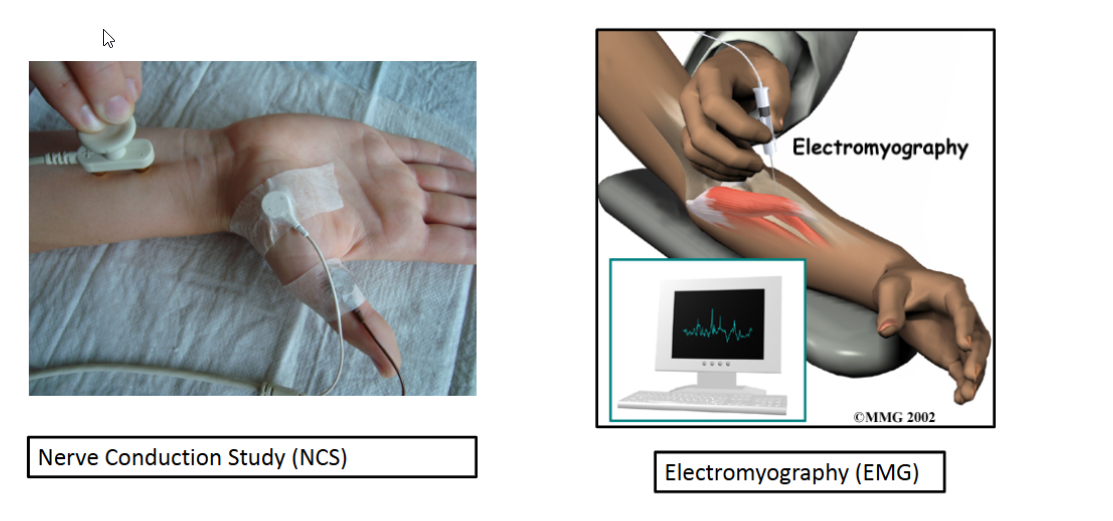
What information does the EMG/NCS provide?
What information does the EMG/NCS provide?
Location of pathology
Anterior horn cell, nerve root, nerve, neuromuscular junction, or muscle
Peripheral nerve involvement type
Axonal, Demyelinating, Mixed
Severity of involvement
Estimates chronicity
Describe Diabetic Neuropathy: Distal Sensorimotor Polyneuropathy (DSP)
STATs
Presentation
Medical History
Neurologic Exam
Course
When should I screen?
Diabetic Neuropathy: Distal Sensorimotor Polyneuropathy (DSP)
STATs
Most common neuropathy in diabetes
Presentation
Pain, paresthesias, or dysesthesias of feet
Complications: Foot ulcers, muscle and joint disease (claw toe, Charcot arthropathy)
May be asymptomatic
Medical History
Associated with diabetic nephropathy and retinopathy
Neurologic Exam
Impaired of pain, light touch, and temperature sensations
Loss of vibratory sensation, altered proprioception
Decreased or absent ankle reflexes
Course
Incidence of diabetic neuropathy increases over time
When should I screen?
5 years after diagnosis of type 1 DM
At the time of diagnosis of type 2 DM
NOTE: Early detection followed by therapeutic interventions can reduce complications
List the DSP Complications
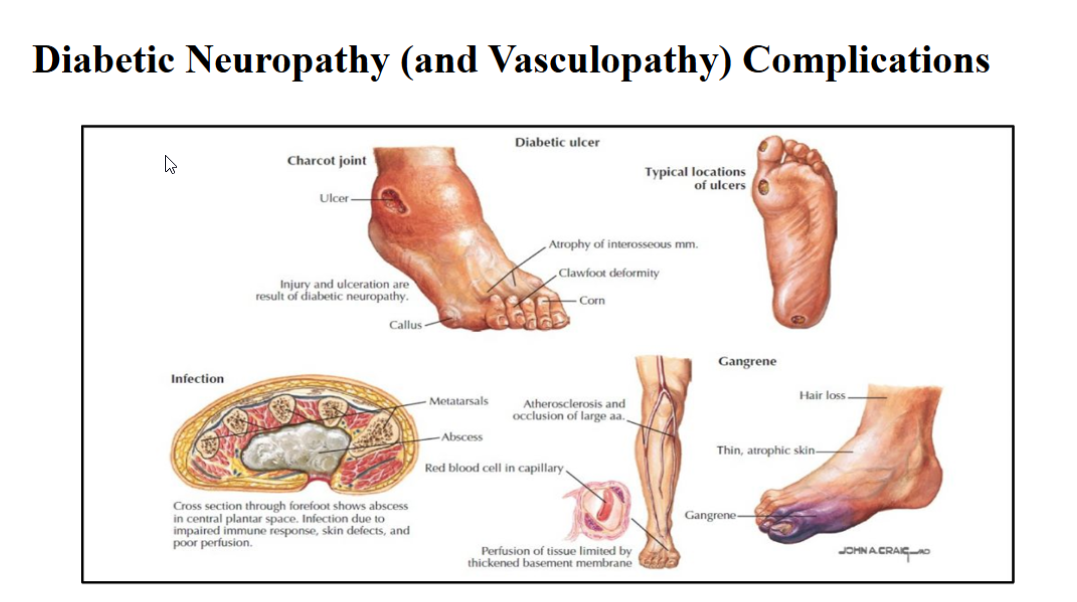
Describe the diagnosis and treatment of Diabetic Neuropathy
Diagnosis
Clinical
Neuropathic symptoms,
Distal sensory loss, +/- decreased or absent ankle reflexes
nerve conduction studies
Only when atypical
(Rapid progression, more weakness than sensory loss, asymmetric, more proximal)
Treatment
Optimize control of diabetes
Symptomatic
Tricyclic antidepressants, SSRI/SNRI, anti-epileptic drugs, capsaicin, analgesics
Describe Guillain-Barre Syndrome (GBS)
What is it?
Associated w/?
Clinical Features?
Course
Guillain-Barre Syndrome
What is it?
Acute monophasic paralyzing illness
usually provoked by a preceding infection
Associated with:
Immunizations
Infections
Respiratory tract infection, Epstein Barr virus, Campylobacter jejuni, Covid-19
Can be sporadic
Clinical features:
Acute motor weakness
Ascending paralysis
facial, oropharyngeal, and oculomotor muscles
30% develop respiratory muscle weakness with need for ventilatory support
Sensory Symptoms (less prominent)
Paresthesia
Radicular pain
Autonomic symptoms
Tachycardia
Hypo/Hyper tension
Loss of sphincter control, urinary retention
Flushing, sweating
Ileus
Course
Symptoms progress over 2-4 weeks
Brief period of stabilization
Recovery is slow and can take weeks to months
Most recover with no or little sequelae
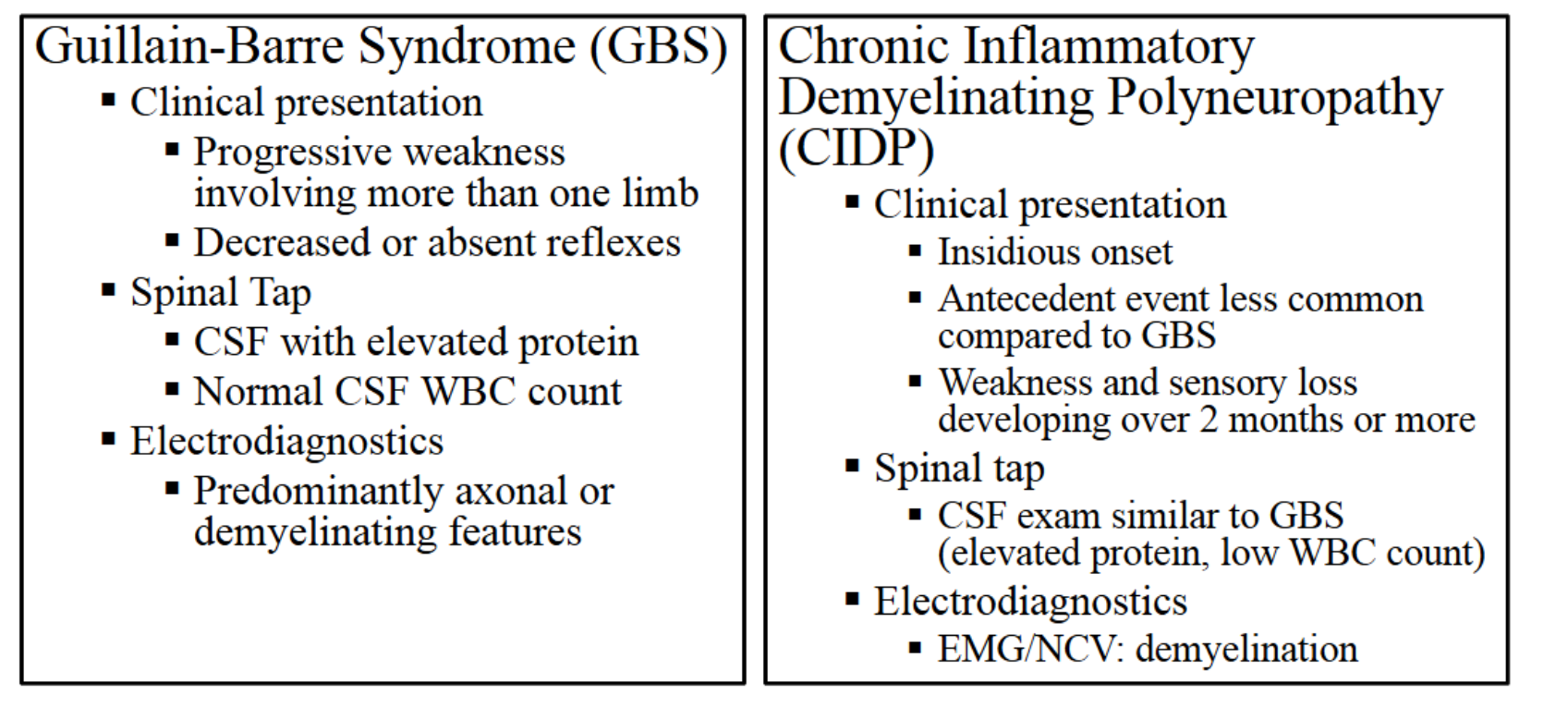
Describe the treatment of GBS
Management
Supportive care
Immunization
Management
Hospitalize patient due to risk of respiratory compromise
Directed vs. immune system
Intravenous immunoglobulin (IVIG)
Plasma exchange
Note: Steroids are NOT effective
Supportive care:
Manage cardiovascular complications
Bowel and bladder care
Rehabilitation
Pain management
Immunization:
Avoid revaccinating with immunization associated with GBS
Usually influenza
Warning with J&J Covid-19 vaccination
May give other immunizations
Do not give immunizations till a year after the GBS episode
Describe Bell’s Palsy
What is it?
Clinical Features
DDX
Treatment
Bell’s Palsy
What is it?
Sudden idiopathic facial paresis of [LMN] type
Clinical features
LMN facial palsy involving ENTIRE half of face
Hyperacusis or impaired taste may occur
No other neurologic abnormalities
DDX
Herpes simplex virus
Herpes-varicella-zoster
Lyme disease
Connective tissue disease
Others
Treatment
Anti-viral/Corticosteroids if < 3 days
Protect the eye if unable to close
CN V and VII transfer
Describe Carpal tunnel syndrome
What is it
Presentation
Seen With
Treatment?
What is it?
Compression of the median nerve between the carpal ligament and other structures within the carpal tunnel
Presentation
Pain, burning, and tingling in the distribution of the median nerve
Late weakness or atrophy of the thenar eminence
Seen with:
Repetitive wrist activities/trauma
Systemic diseases (diabetes, mellitus, rheumatoid arthritis)
Pregnancy (fluid retention)
Treatment
Splinting, steroid injection
Surgery when severe, protracted