APES Unit 1
 Call Kai
 Learn
Learn Practice Test
 Spaced Repetition
 Match
Match Flashcards
 Knowt Play
1/138

There's no tags or description
Looks like no tags are added yet.
Name | Mastery | Learn | Test | Matching | Spaced | Call with Kai | Chat |
|---|
No analytics yet
Send a link to your students to track their progress
139 Terms
kinetic energy
what matter in motion has (ex: flowing water, car driving, electricity)

electric power
the rate at which electric energy is transferred (watts or megawatts)
electromagnetic radiation
when energy travels through waves

radiation
the transfer of heat energy through space

conduction
the transfer of heat from one solid to a cooler one

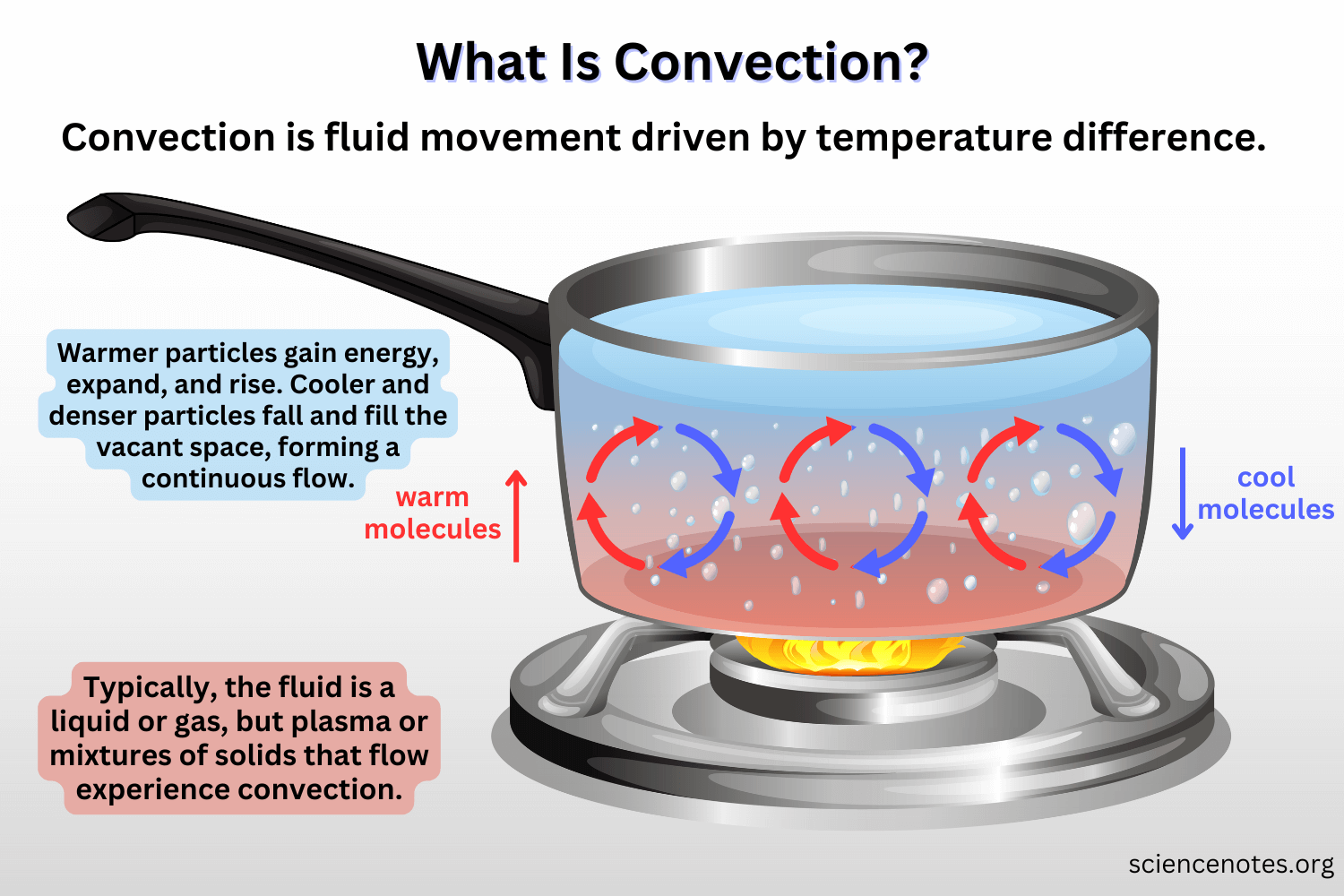
convection
the transfer of heat within liquids/gases
potential energy
energy that is stored

low quality energy
energy so dispersed that it has little capacity to do useful work
1st law of thermodynamics / law of conservation of energy
whenever energy is converted from one form to another— no energy is created or destroyed

2nd law of thermodynamics
when converted, energy weakens
positive feedback loop
product amplified after event
(ex: predator eat prey —> make more pred)

negative feedback loop
product returns to normal after event
(ex: pred eat prey —> prey pop fails —> no food —> decrease in pred pop)

low pH
acidic, high amount of H+/Hydrogen ions
high pH
basic, low amount of H+/Hydrogen ions
work
force x distance
measures energy transferred
human capital
physical and mental talents of laborers/innovators
manufactured capital
machinery, materials, factories
highthroughput economy
one which tries to boost economic growth by increasing energy/resource flow (high waste)
lowthroughput
low waste
GDP (gross domestic product)
annual market value of all goods/services of a country
measured by per capita GDP
per capita GDP
GDP/country’s total pop
age of Earth
4.5 billion years old
age of life on Earth
3.8 billion years
ecological footprint
amount of land/water needed to supply a population and to absorb/cycle waste
Environmental Impact Model
IPAT
IPAT
Impact = Population x Affluence x Technology
3 major cultural changes
Agricultural Revolution (~10,000 yrs ago)
Industrial-Medical Revolution (~300 yrs ago)
Information-Globalization Revolution (~50 yrs ago)
Sustainability Rev?? (in future)
percent annual natural increase
changes to a population size
percent annual natural increase CALCULATION
(x births - y deaths)/# ppl in given pop. x 100
doubling time
amount of time it takes for a population to double in size
doubling time in yrs CALCULATION
70 / % annual natural increase
(ex: 1.8% —> 70 / 1.8 = 39)
Competitive Exclusion (Gause’s Law)
2 similar species can’t occupy the same niche
Commensalism
one member helped, other unaffected
spacial niche partitioning
when species are occupying their own specific habitats within the same environment
dietary niche partitioning
when there is no competition since the species eat different things
niche partitioning by resource height
when even species that both eat the same don’t compete because the taller get the higher and shorter get the lower
niche partitioning by time (temporal niche partitioning)
when species feed at different times
mutualism
both benefit
parasitism
one benefits, other is harmed
interspecific competition
between members of different species
intraspecific competition
between members of the same species
ecological niche
the specific role, position, and function that a species has in its ecosystem

where tundra
furthest north (of boreal forest)
North America (Alaska, Canada, Russia), Europe, Asia

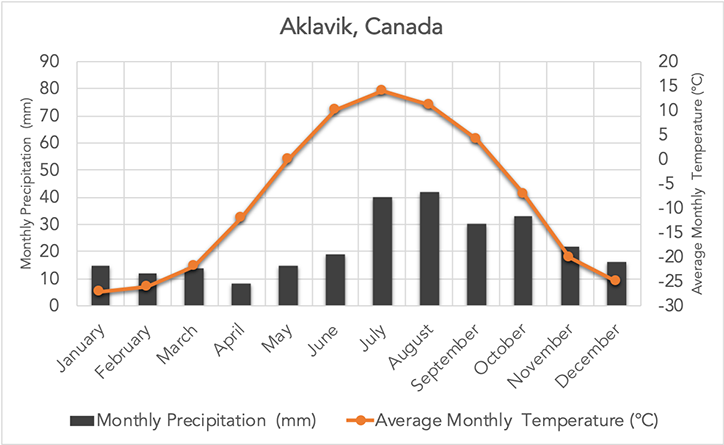
climate of tundra
long freezing winters, short cool summers
no trees
plants in tundra
mosses, lichens, small shrubs
animals that migrate to tundra
caribou & birds
animals in tundra all year
musk oxen & polar bears

where desert
North American, Africa, Central Asia, South America, Australia

desert climate
dry hot days, cold nights

how desert plants survive
store water & spines to keep animals from eating (ex: cactus)
how desert animals survive
get moisture from food
produce concentrated urine
nocturnal to avoid heat
savanna =
tropical grasslands

where savanna
Africa, South America, Australia
within 30 degrees of equator

Climate of savanna
dry winter, wet summer (warm year round)

plants in savanna
elephant grass, acacia trees, baobab tree
how savanna animals survive
migrate for water/prey
burrow underground to escape heat
reproduce during wet season
animals in savanna
zebras, giraffes, lions, cheetahs, meerkats

where temperate grassland
much of Central North America —> turned into farms bc of rich soil

climate of temperate grassland
hot summers & cold winters, moderate rainfall
no trees, not enough rain

how temperate grassland plants survive
grow from base, not tip
roots form thick mats to hold nutrients
how temperate grasslands animals survive
burrow for shelter
animals in temperate grasslands
prairie dogs, bison, owls, coyotes, foxes

where chaparral / mediterranean / shrubland
California, Mediterranean, parts of Australia

climate of chaparral
mild wet winters, hot dry summers

how chaparral plants survive
having leaves that can retain water
deep roots to access water
how chaparral animals survive
active at night to stay cool
large ears to release body heat
burrowing to escape sun
animals in chaparral
gray fox, mice, lizards, gophers, turtoises

where tropical rainforest
on the equator

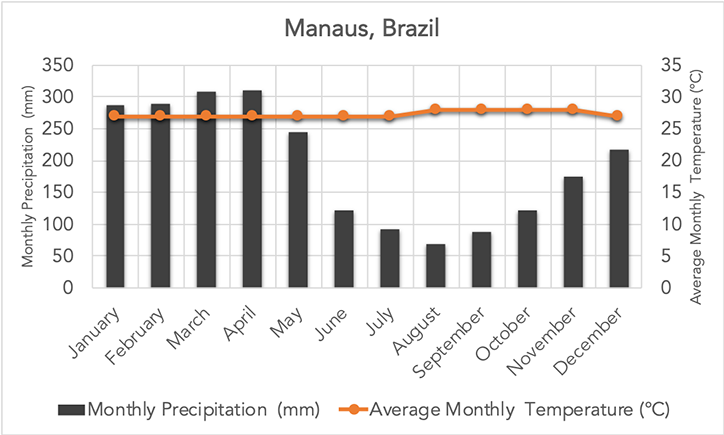
climate of tropical rainforest
humid, hot, wet
canopy
upper layer of forest
how tropical rainforest plants survive
grow to reach light
large leaves absorb light
tails for swinging on trees
animals in tropical rainforest
monkeys, butterflies, jaguars, macaw

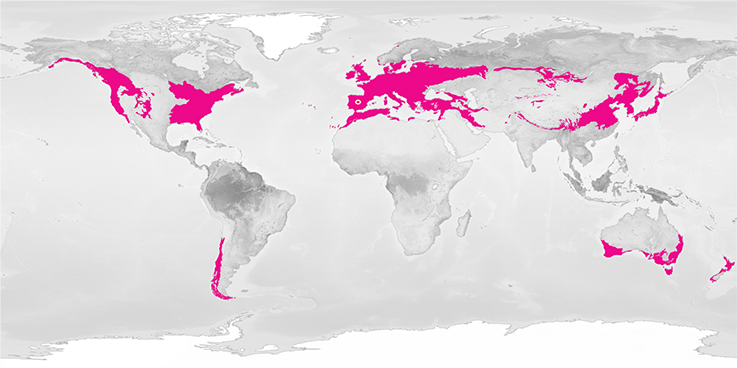
where temperate deciduous / seasonal forest
Europe, East Asia, East US
climate of temperate deciduous forest
cold winters, warm summers, yearlong rain

deciduous trees
lose their leaves in fall to survive winter
ex: maples, oaks
deciduous forest soil
rich in nutrients from fallen leaves
how temperate deciduous forest animals survive
migrate
hibernate
store food for winter
animals in temperate deciduous forest
garter snake, striped skunk, white-tailed deer, eastern gray squirrel, bears

where temperate rainforest
Pacific Northwest regions of US
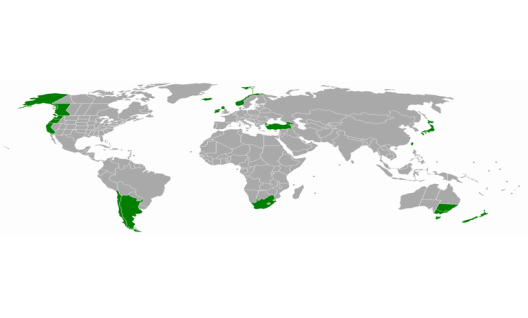
climate of temperate rainforest
heavy rainfall & mild temperatures

plants in temperate rainforest
tall evergreen trees
moss
douglas firs
how temperate rainforest animals survive
absorb moisture via skin
graze on forest floor
temperate rainforest animals
banana slugs, elk, bears, bald eagles, black bears
boreal / coniferous forest =
taiga
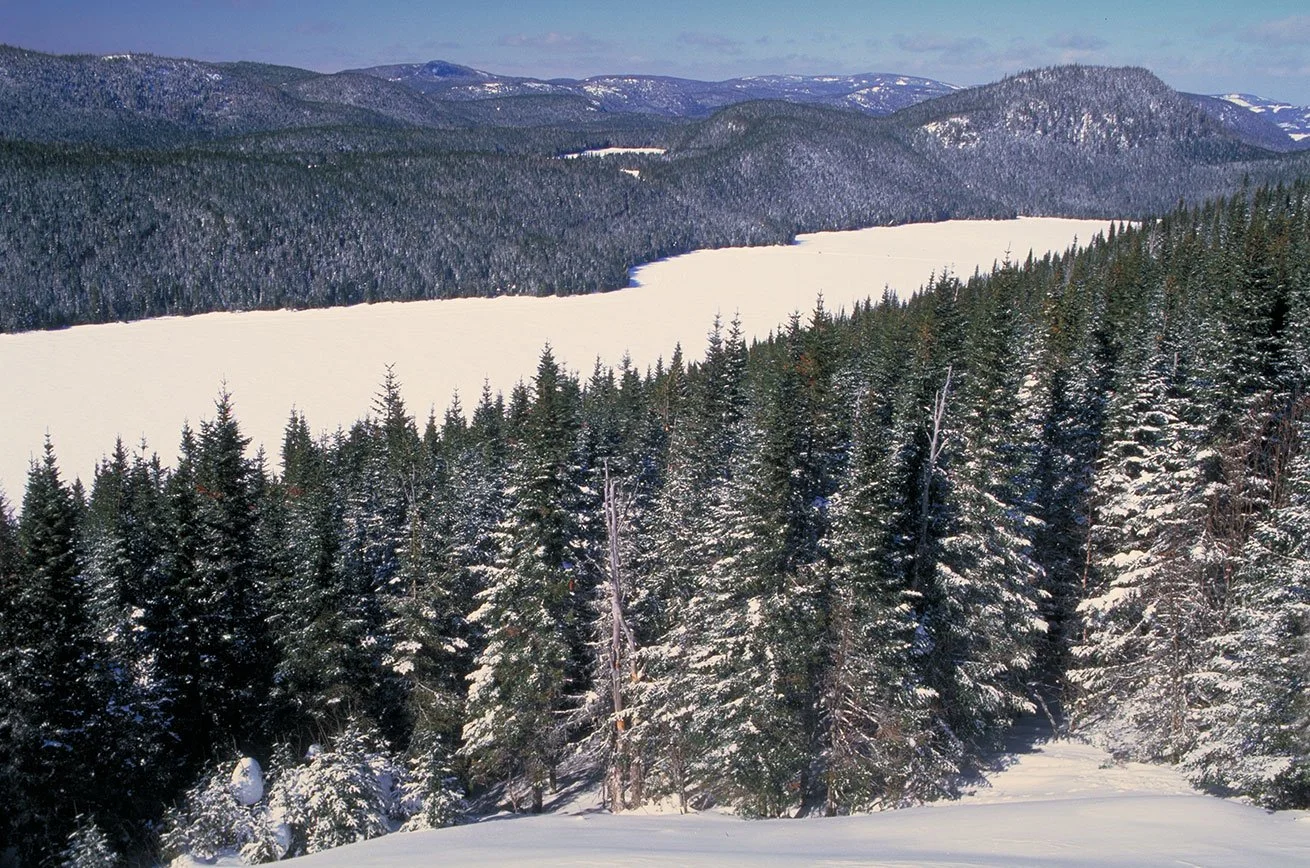
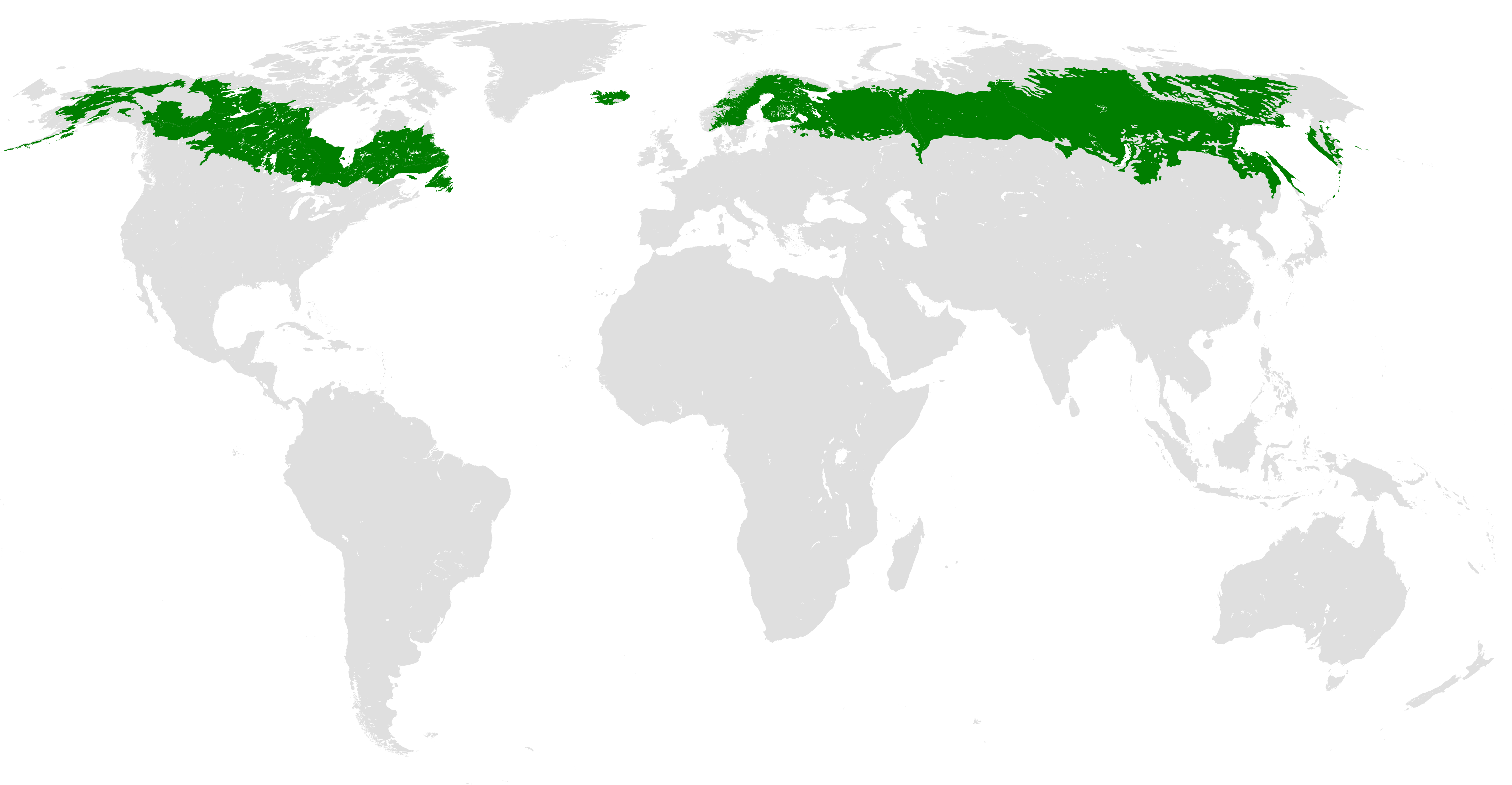
Where boreal forest/taiga
across Canada & Russia
boreal forest / taiga climate
long cold winters, short wet summers

boreal forest / taiga plants
evergreen trees (ex: spruces & firs)
how boreal forest / taiga plants survive
cone shape slides snow off
needles hold moisture
how boreal forest / taiga animals survive
change color in winter to blend with snow
stay underground to escape cold
migration in summer
boreal forest / taiga animals
moose, wolves, bear, lynx, rodents
2% Earth’s freshwater =
87% ice
12% groundwater
1% rivers/lakes
stream
small narrow river leading to lake/ocean
river
large natural stream of water to sea/lake
carries silt
carves canyons
largest lake by volume
lake baikal
estuaries
where fresh and salt water meet
wetlands
where land and water meet
ex: marshes, swamps
mangrove forests
group of trees/shrubs that live in shallow SALTY water where land and sea meet

littoral zone
shallow-deep part of lake where land and water meet
limnetic zone
open, well-lit area of lake where sunlight penetrates and supports photosynthesis
warmer
higher oxygen levels
profundal zone
deep, dark, cold layer of lake below the range of effective light penetration