10SCI3 - Physics
 Call Kai
 Learn
Learn Practice Test
 Spaced Repetition
 Match
Match Flashcards
 Knowt Play
1/53

Earn XP
Description and Tags
Ace your exam!
Name | Mastery | Learn | Test | Matching | Spaced | Call with Kai | Chat |
|---|
No analytics yet
Send a link to your students to track their progress
54 Terms
SI Units
Meter, M, Length
Kilogram, Kg, Mass
Second, S, Time
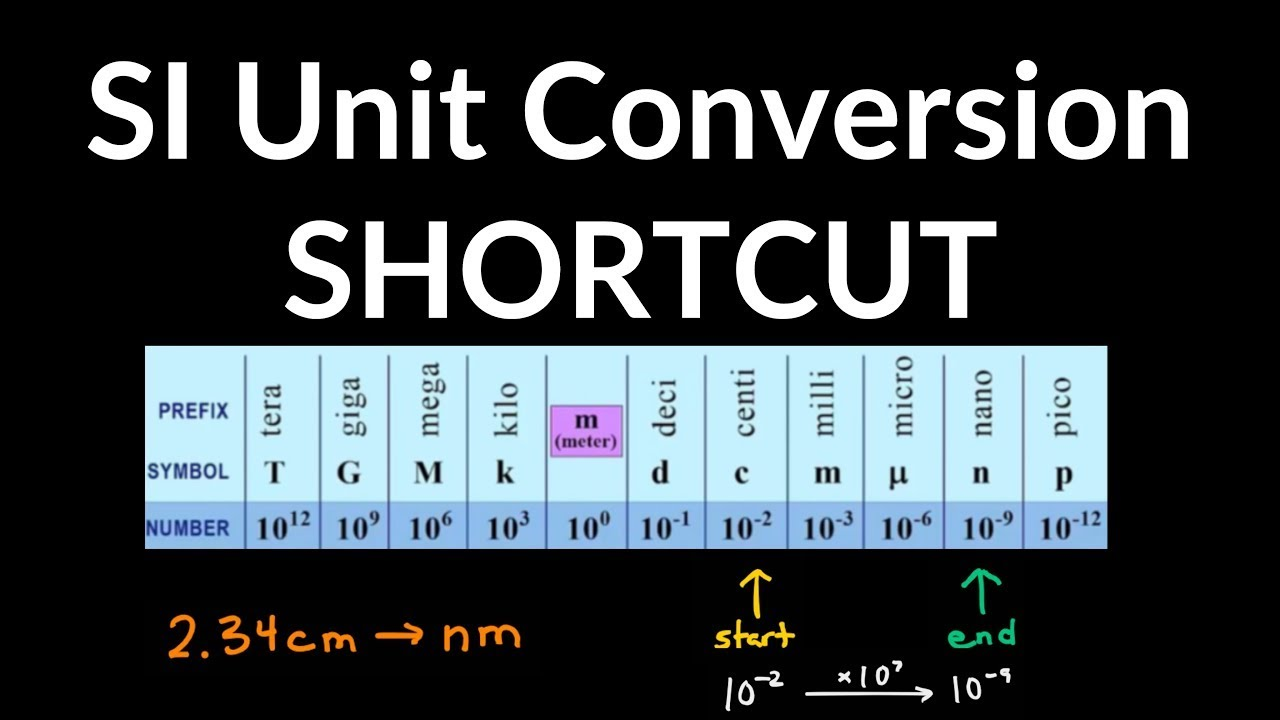
Conversion Multiples
Scalar VS Vector
Scalar:
Physical quantities that only have a magnitude (size), can be measured with a number
Vector:
Have magnitude and direction
Can be represented using arrows
Resultant Vectors
Single Vector that has the same effect as two or more vectors combined
Rules of Drawing Vectors:
Always use a scale (e.g., 1 cm = 5 N)
Draw head-to-tail:
Start each vector at the head of the previous one
Label magnitude + unit on each vector
Label direction (compass, angle, or N/E/S/W)
Add north, compass rose.
Rules of Resultant Vectors:
Always goes from start of first vector to end of last vector
Label as R (or “Resultant”)
Include magnitude + direction
Distance Vs Displacement
•Displacement describes the change in position of the object and the direction of movement.
•Displacement compares the end position with the starting position.
Speed
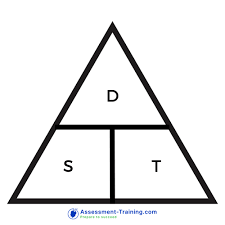
The rate at which something moves.
Units: m/s
The rate of distance with respect to time
Scalar, only have MAGNITUDE
Velocity
Speed in a particular DIRECTION
Units: m-s^-1
The rate of displacement with respect to time, rather than distance.
Vector, has magnitude and direction
Speed pairs with:
Velocity pairs with:
—> Distance
—> Displacement
Acceleration
The rate of change of velocity with respect to time.
Acceleration is a vector.
Acceleration due to Gravity
· Acceleration is the rate of change in the velocity of an object. The force of the Earth's gravity accelerates all objects towards the centre of the earth at 9.8 m/s2.
· The reason that not all objects fall at the same rate is that air resistance acts differently on different objects. If you drop a feather and a bowling ball in a vacuum, where there is no air resistance, they will fall at the same rate. This indicates that the gravitational acceleration is the same for both objects.
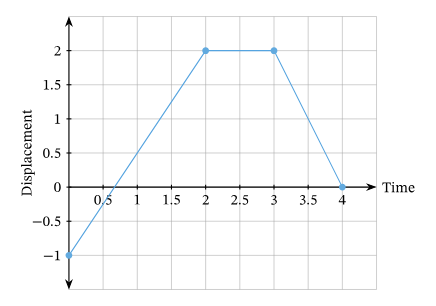
Displacement Time Graph
Velocity Time Graph
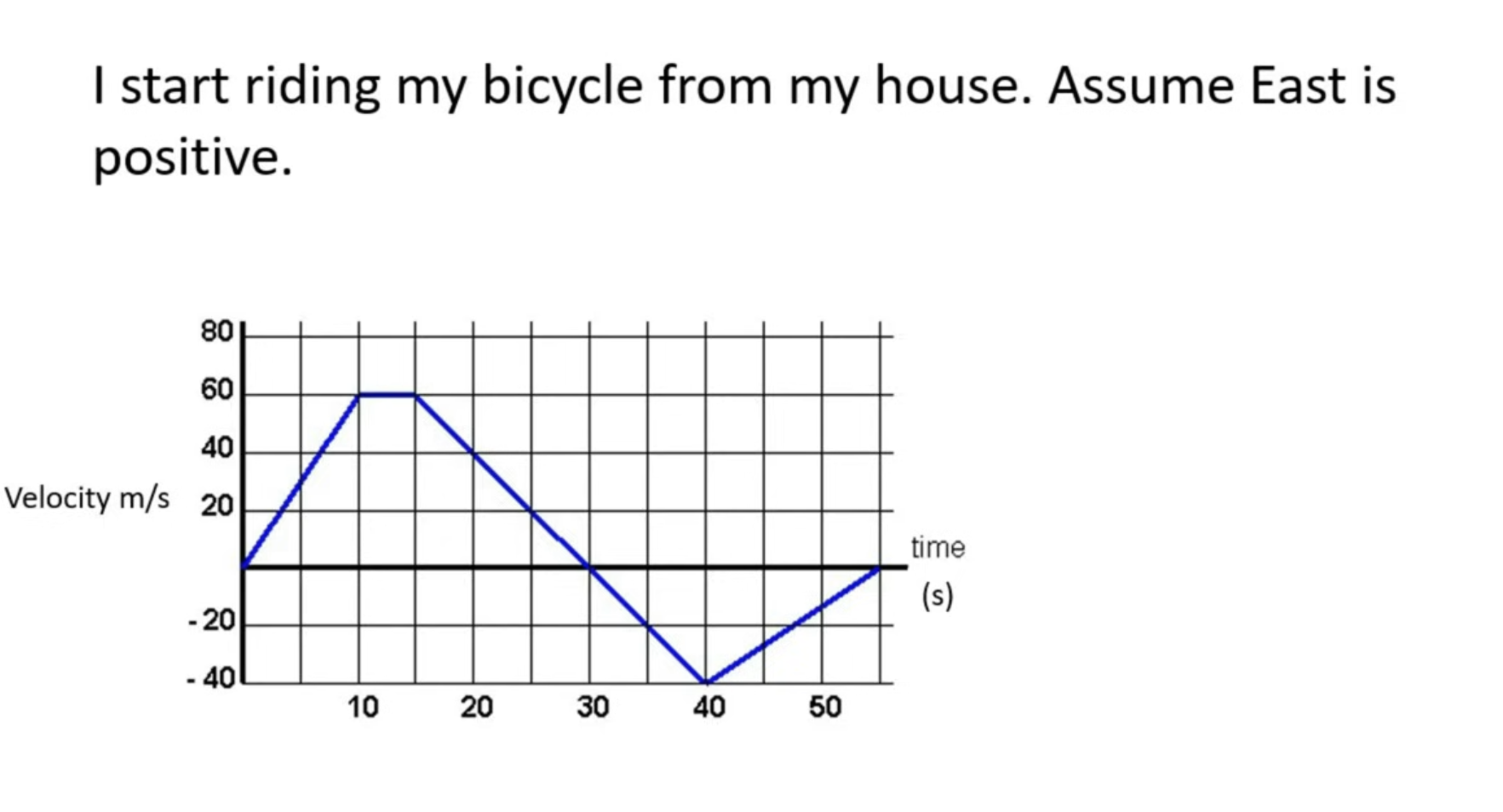
When an objects velocity is getting, higher, higher and higher, the object is accelerating.
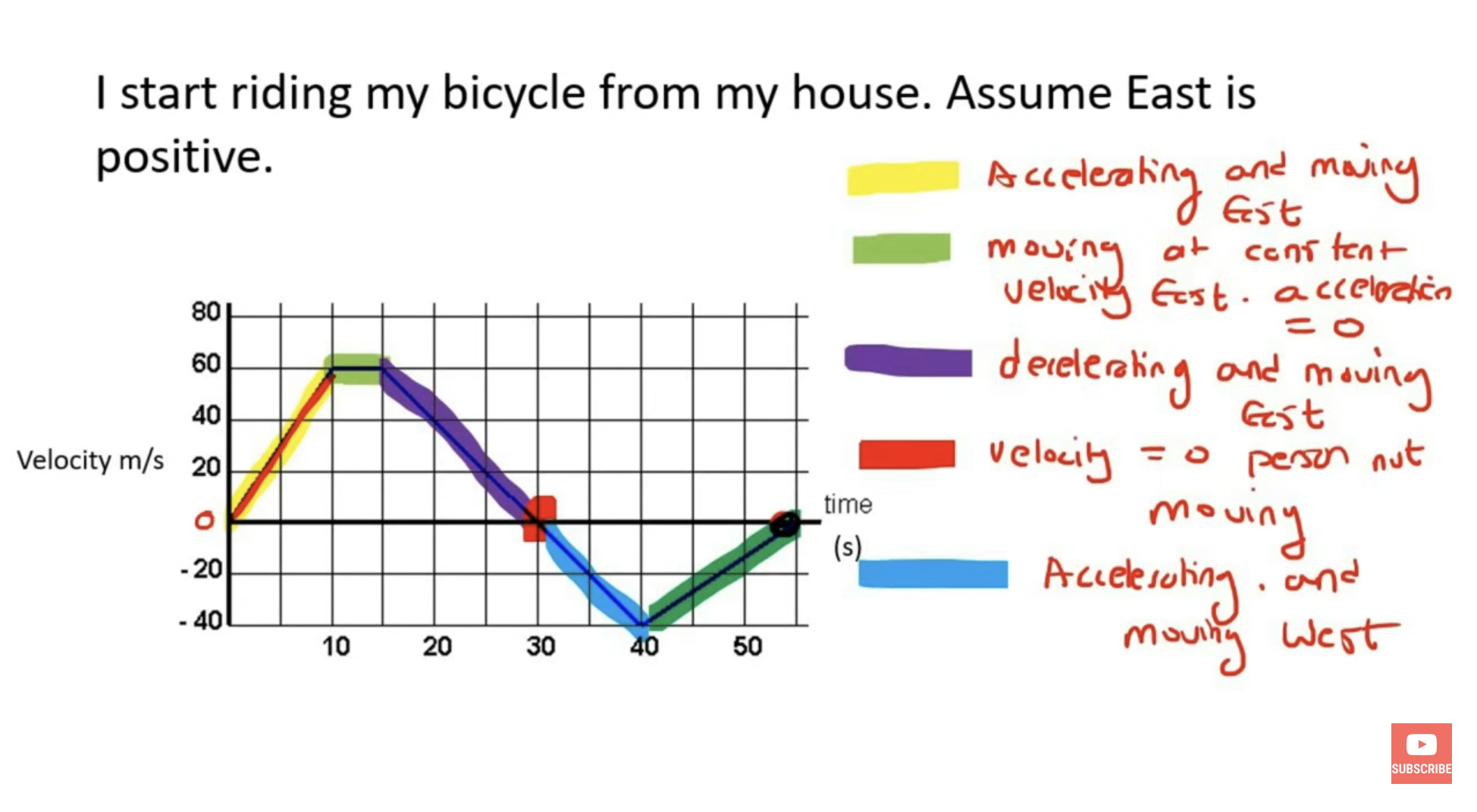
To calculate the displacement/distance of a velocity graph:
Calculate the area, break up the graph into little pieces.
Distance: Add all numbers up
Displacement: Add numbers up with NEGATIVES and POSITIVES
Velocity at REST, STOP, BEFORE DROPPING.
v = 0m-s^-1
Energy is SCALAR or VECTOR?
Energy is a scalar.
The conservation of mechanical energy:
The conservation of mechanical energy principle states that the total mechanical energy (kinetic + potential) of a system remains constant if only conservative forces (like gravity) do work.
IN AN ISOLATED SYSTEM.
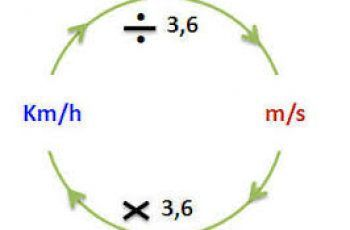
Conversion from km/h to m/sec and m/sec to km/h
when the car has accelerated in the same direction
the car has accelerated
when the car has accelerated in the opposite direction
the car has decelerated
Different between Velocity Graph vs Displacement Graph
The fundamental difference is that a Displacement-Time Graph shows where an object is located relative to its starting point over time, whereas a Velocity-Time Graph shows how fast and in what direction that object is traveling over time
What is a force?
A force is a push or pull that can cause an object to change its speed, direction, or shape. The standard International System of Units (SI) for force is the newton
Inertia
Factor effecting inertia.
Is the natural tendency of an object to resist a change in its state of motion.
when you take all the forces away, inertia is what remains.
The sole factor that determines inertia is an object's mass. The heavier the object, the greater its mass and the more force required to change its state of motion.
Newton 1st Law (Law of inertia)
Objects at rest will stay at rest and objects in motion will stay in motion at the same velocity until an unbalanced force acts upon it.
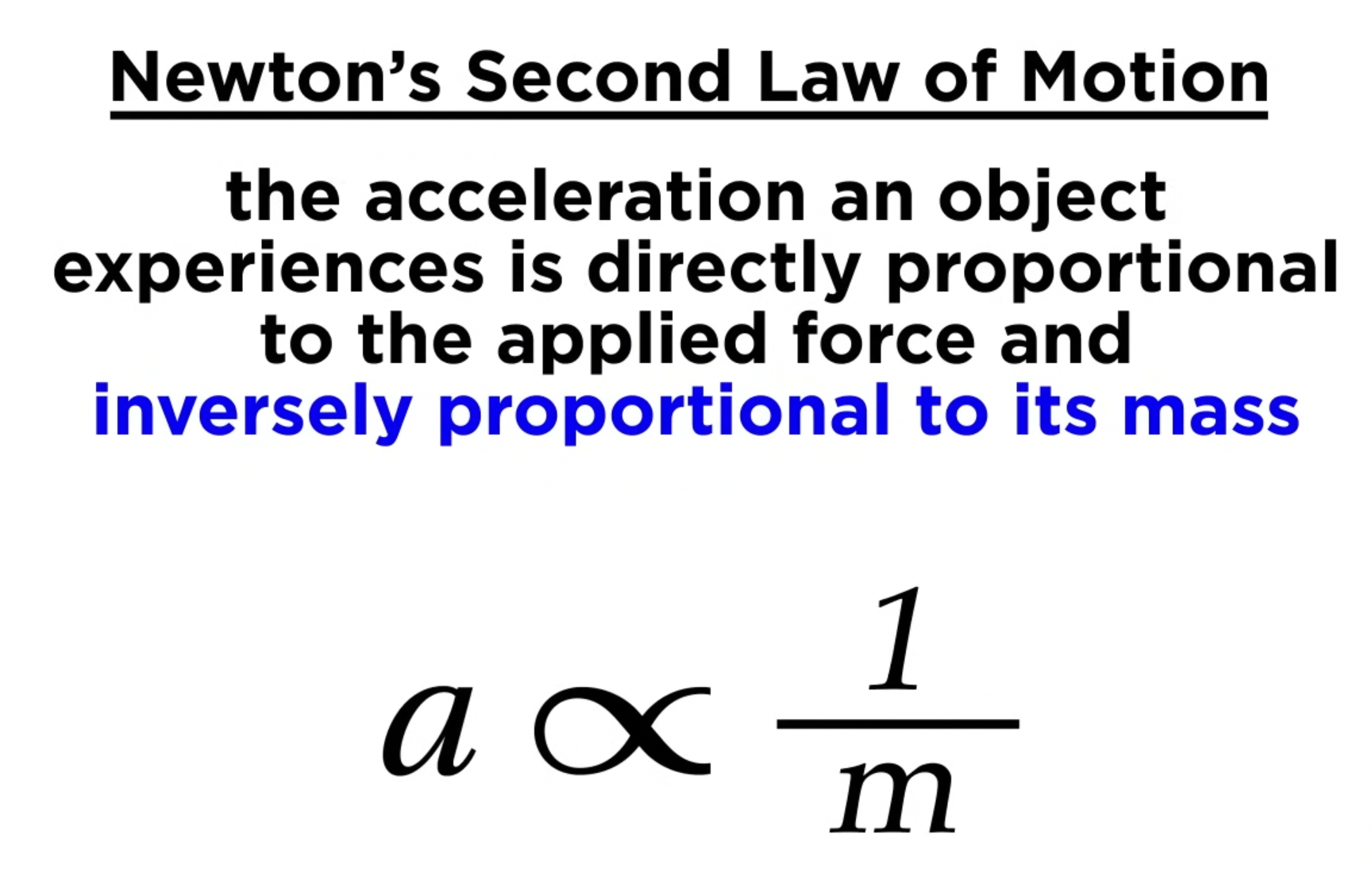
Newtons second law (Law of acceleration)
Weight
Is the gravitational force acting on an object and it is measured in newtons.
If you weighed 40kg and was on earth, your weight would be 40kg * 9.8.
Mass vs Weight
Mass is the amount of matter in an object and remains constant anywhere in the universe. Weight is the gravitational force acting on that mass and changes depending on location
Newtons Third Law (Action - Reacton)
Newton's third law states that for every force applied in nature, there is an equal and opposite reaction. When one object exerts a force on a second, the second object instantly exerts an equal and opposite force back on the first.
Free body Diagram
-you cannot see the object and its enviorment
-in a free body diagram the arrows point away
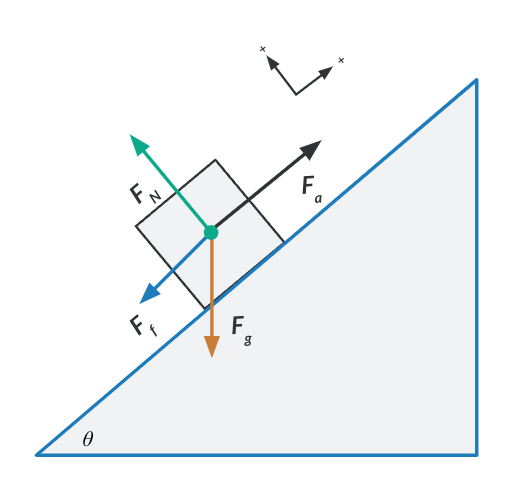
Normal Force
The force that is always acting perpendicular to the surface, prevents it from falling over.
Work
Work is the transfer of energy to or from an object by applying a force that causes the object to move
Energy
Can energy be seen?
the ability to do work, measured in Joules.
Energy cannot be seen, but only detected when a change occurs.
Potential Energy
(Examples)
Elastic energy
nuclear energy
gravitational energy
chemical energy
Kinetic Energy
Examples
Thermal energy
Light energy
Sound energy
Eletrical energy
Energy Transfer vs Energy Transformation.
Energy transfer is the movement of energy from one location or object to another while retaining its original form, whereas energy transformation is the actual conversion of energy from one type into a completely different form.
Kinetic Energy
The energy an object has due to its motion.
Formula: Ek = 1/2mv²
Potential Energy
The energy an object has because of its position in a gravitational field.
Ep=mgh
Law of Conservation of Energy
The law of conservation of energy states that energy cannot be created or destroyed. It can only be transformed or transferred from one form to another. This means the total energy in an isolated system remains constant over time
Conservation of Mechanical Energy (Roller Coaster example)
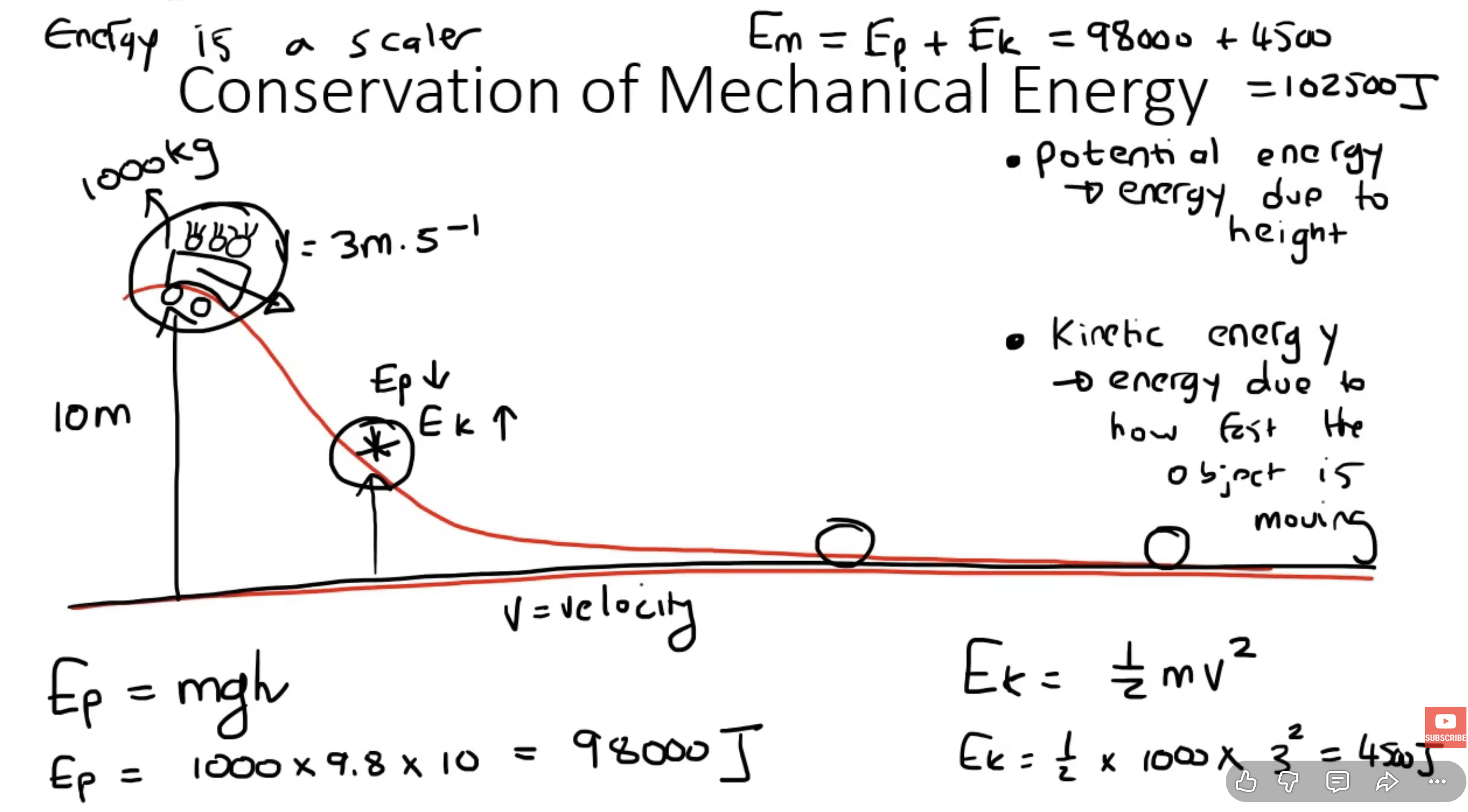
Mechanical Energy Formula
Mechanical Energy = Gravitational Energy + Kinetic Energy
Mechanical Energy (A) = Mechanical Energy (B)
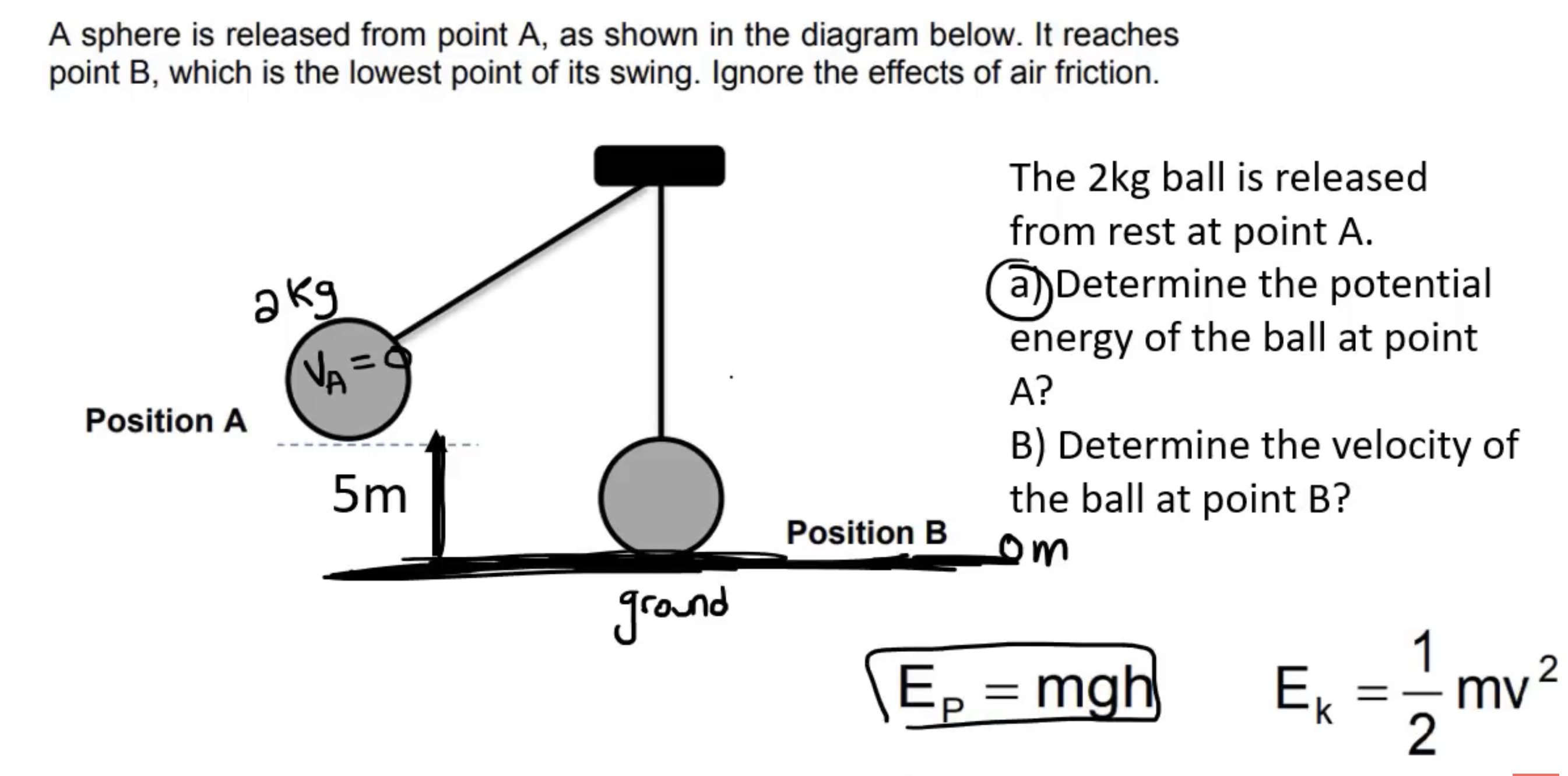
If the potential energy of this ball is 97Joules, and it is not moving at this point.
What is the mechanical energy?
97 Joules.
Remember in a system, the total amount of mechanical energy stays the same no matter what point.
This point the ball is not moving, so kinetic energy is 0, so the only force left is the potential energy.
Mechanical Energy
The mechanical energy of an object within an isolated system is conserved.
If the net force is zero
There will be no motion
If the net force is not zero
There will be acceleration
Does mass effect falling time?
(Ignoring air resistance)
No mass does not effect falling time.
Power
The rate at which energy is transferred or work is done.
It is measured in Watts
Power (formula)
W = work done
t = time
P = W/t
Energy Efficiency
Useful work / Wasted work
(In decimal or a percentage)
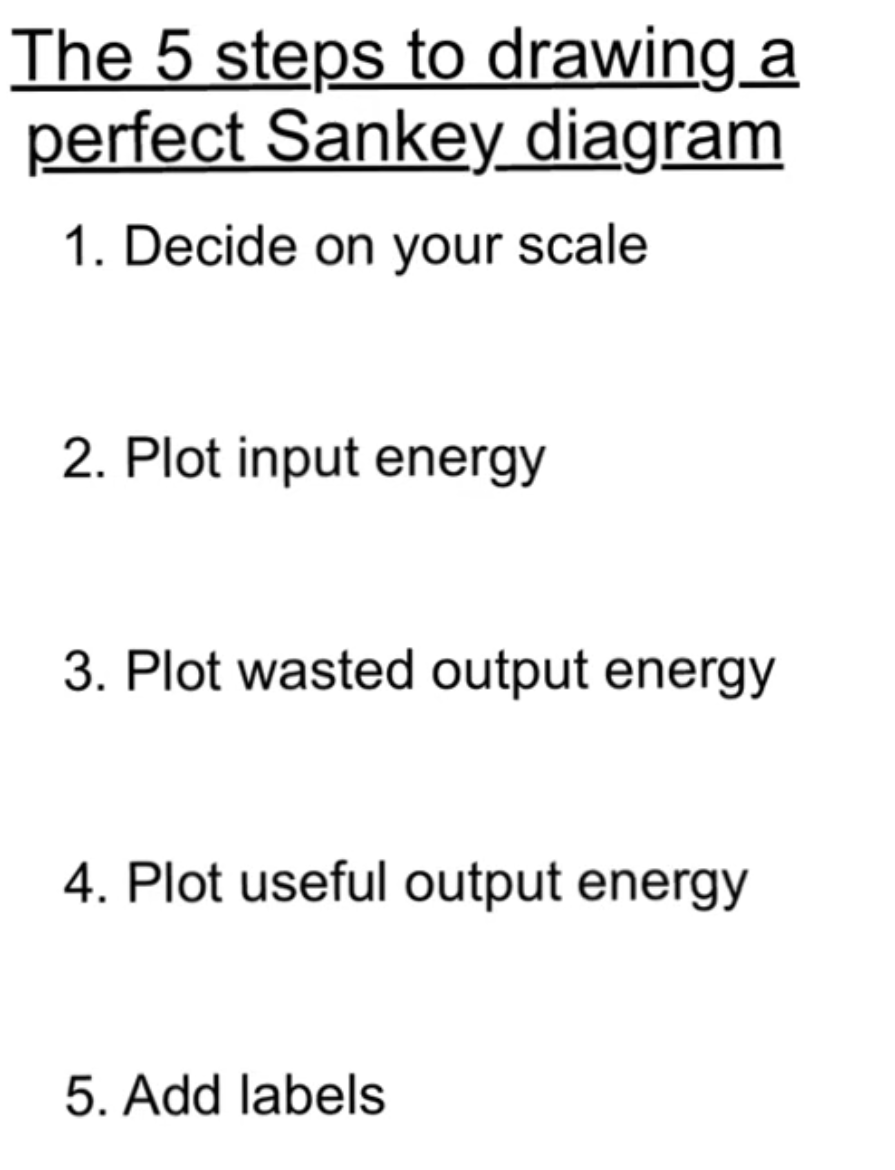
Sankey Diagram
Solving Physics Formula Questions - Manual
1. Write down the known quantities from the question. Convert quantities to standard units if needed.
2. Write down the formula you will be using and substitute numbers into the formula.
3. Calculate and show your answer with the correct units.
“In the direction of travel”
When no clear cardinal point is given
2D Vector Problems - Notes
With the inter-cardinal points, consider the Vertical and Horizontal components to break it up. And then add or take respectively. (using sin and cos)
Calculate the angle at which you started at, and write the bearing in this format, N 045* W
When would you have to invert time and distance?
During the calculation of speed, you can flip it so the x and y axis are inverted.