Lesson 2 Medical Terms
 Call Kai
 Learn
Learn Practice Test
 Spaced Repetition
 Match
Match Flashcards
 Knowt Play
1/118

There's no tags or description
Looks like no tags are added yet.
Name | Mastery | Learn | Test | Matching | Spaced | Call with Kai | Chat |
|---|
No analytics yet
Send a link to your students to track their progress
119 Terms
Arthrodesis
is a surgical procedure to stiffen a joint, such as an ankle, elbow, or shoulder
Arthroscopy
is the visual examination of the internal structure of a joint
comminuted fracture
bone is crushed or splintered
compression fracture
when the bone is broken pressed together on itself
Crepitation
crackling sound when the ends of a broken bone rub together
dual xray absorptiometry
X-ray of spine and hips to measure bone density
hemarthrosis
blood within a joint
hemopoietic
pertaining to formation of blood cells
Kyphosis
Abnormal increase in the outward curve of the thoracic spine as viewed from the side

Lordosis
abnormal increase in the forward curvature of lumbar spine

Lumbago
pain in lower back
orthotic
mechanical appliance , like a leg brace or stint, to compensate for, correct, or control impaired limb function
Osteoclasis
surgical fracture of a bone to correct a deformity
Osteopenia
thinner than average blood density
Osteoporosis
Marked loss of bone density and an increase in bone porosity that is frequently associated with aging
porous bone means prone to fractures, ect
metabolic bone disorder
Pagets disease
bone disease of unknown cause that is characterized by excessive breakdown of bone tissue, followed by abnormal bone formation
prosthesis
Artificial substitute for a diseased or missing body part
scoliosis
abnormal lateral curvature of the spine

Spina bifida
congenital defect that occurs during early pregnancy when the spinal canal fails to close complete around the spinal cord to protect it
Abduction
movement of the limb away from the midline of the body
Adduction
movement of a limb toward midline of the body
adhesion
band of fibrous tissue that holds structures together abnormally
atrophy
weakness or wearing away of body tissues and structures
circumduction
circular movement at the far end of a limb
electromyography
diagnostic test that measures the electrical activity within muscle fibers in response to a nerve stimulation
Exercise physiologist
specialist who works underneath a physical to develop, implement, and plan exercise movements and administer medical tests to promote physical fitness
Hemiparesis
slight paralysis of one side of the body
hemiplegia
total paralysis of one side of the body
myasthenia graves
chronic autoimmune disease that affects the neuromuscular junction and produces serious weakness of voluntary muscles
myoparesis
weakness
paralysis
Loss of sensation and voluntary muscle movements in a muscle through disease or injury to its nerve supply.
traumatic incidents
diseases like stroke or polo
paraplegia
paralysis of both legs and the lower part of the body
physiatrist
is a physician who specializes in physical medicine and rehabilitation
pronation
the act of rotating the arm or leg so that the palm of the hand or sole of the foot is turned downward or backward
quadriplegia
paralysis below the neck
sarcopenia
age related reduction in skeletal muscle mass in the elderly
tenodesis
surgical suturing of the end of a tendon to a bone
tenolysis
freeing a tendon from adhesions
Bones
living tissue that can repair itself
made of collagen and calcium
collagen = protein that provides a soft framework
calcium = mineral that adds strength and hardness
Joints
point at which 2 or more bones are connected
Cartilage
lining that keeps bones from gaining against each other
ligaments
strong, elastic bands of tissue that join bones to other bones
Bursae
Bursa is fluid filled sac that cushions areas subject to friction
Axial skeleton ( the three main parts and 2 additional bones )
3 main parts: skull, rib cage, and vertebral column
2 additional bones: ossicles and hyoid bone
Ossicles
transmit vibrations from sound waves in ear
Hyoid bone
between chin and thyroid gland
attachment point for muscles of tongue, mouth, larynx, pharynx, and epiglottis
Vertebral column/spinal column
supports head and body and protects spinal cord
rib cage
protects heart and lungs
24 ribs, sternum ( breast bone ) , and 12 thoracic vertebrae of spinal column
Appendicular Skeleton ( info and what it includes )
attached to the axial skeleton through joints and muscles
support appendages
Include: bones of upper extremities, shoulder girdle, bones of the lower extremities, pelvic girdle
Upper extremities
bones of the shoulders, arms, forearms, writes, hands, and fingers
Shoulder girdle / pectoral girdle
mobile bones that connect to the arms on each side
lower limb extremities
bones of hips, legs, thighs, ankles, feet, and toes
Pelvic Girdle
immobile, weight bearing structure that provides strong foundation for upper body
rests on top of mobile lower limbs
Parietal bones
two bones that sit at the top and side of the head.
Maxillary bones

2 fused mid facial bones that form upper jaw, support teeth, help from eye sockets , hard palate, and nose
carpals
bones that form the wrist and connect forearm to hand
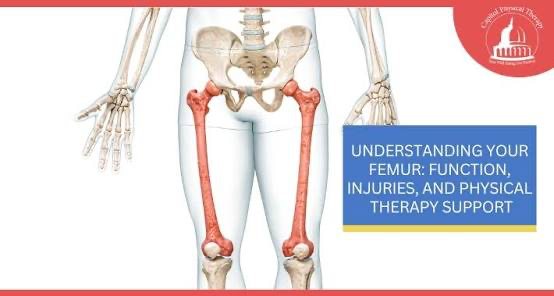
Femur
thigh bone Largest bone in the body
Fibula
long bone on outer side of lower leg
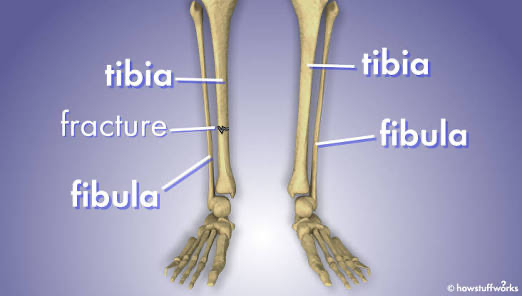
Tibia
large, strong, weight bearing bone on front and inner side of the lower leg
shin bone

Illium
largest fan shaped bone of pelvis that forms the top part of the hip bone

sacrum

lower portion of back . base of spine. between illium
Pubis
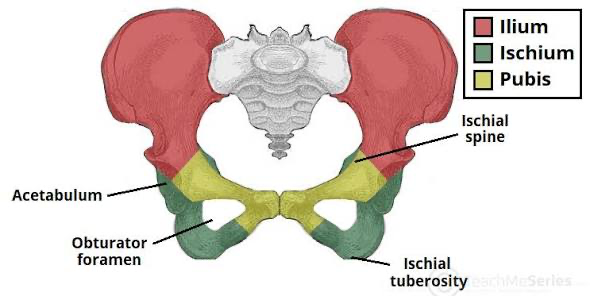
forward and lower part of hipbone that’s part of the pubic bone
Acetabulum
Hip socket

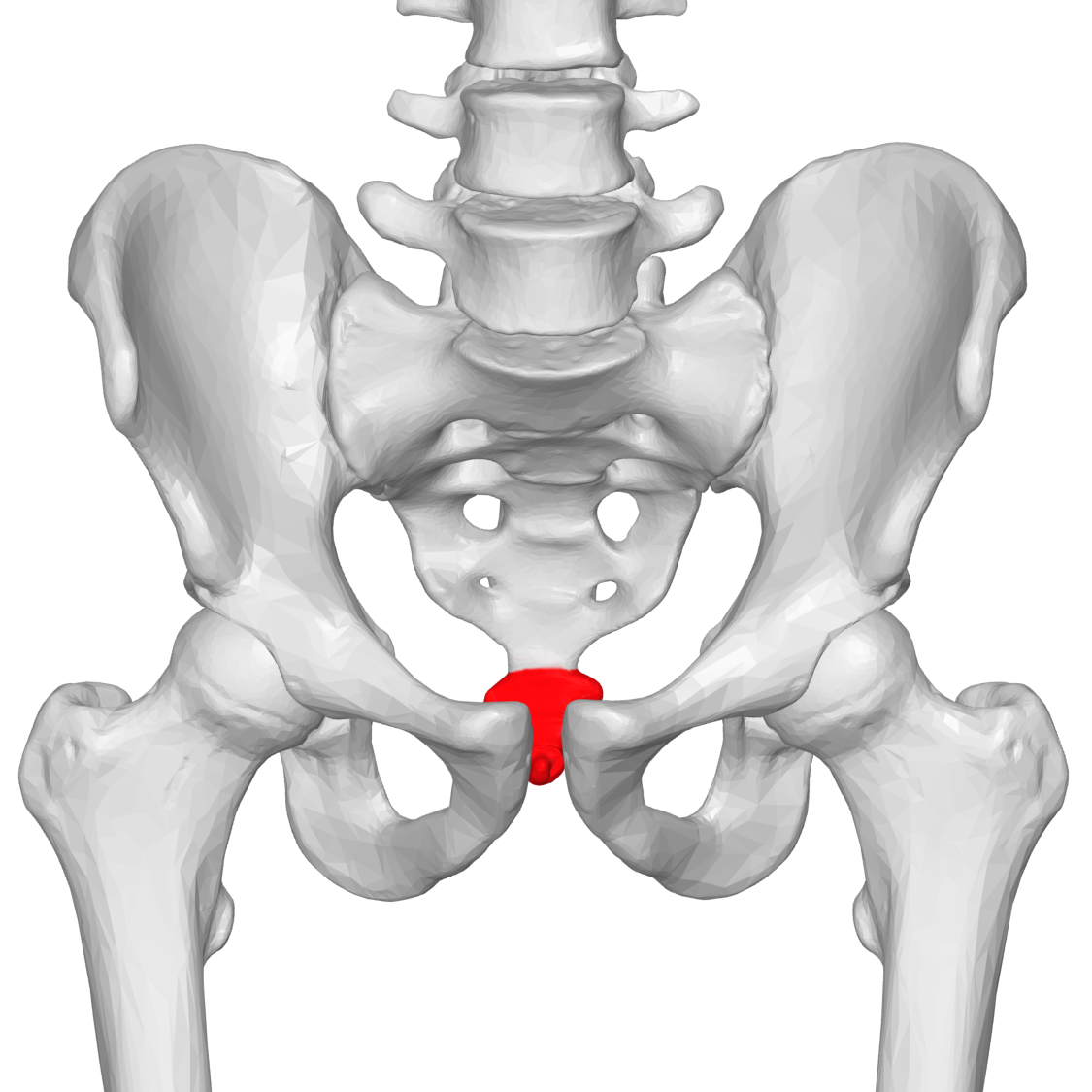
Coccyx
tailbone.
Cervical
Seven vertebrae that form the neck
Disks
separate and cushion the vertebrae
Patella
Kneecap

Mandible
Jawbone
Calcaneus
heel bone
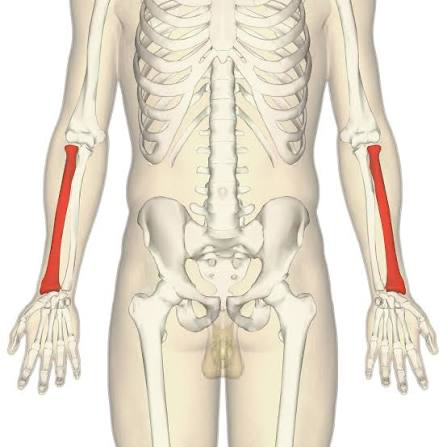
radius
bone in the fore arm
Malleolus
bony circle on sides of ankle
Symphysis
place where two bones are closely joined
orbits
bony sockets that protect each eyeball
Skeletal muscles / striated muscles
attached to the bones
under voluntary control
help movement
smooth muscles
do not have striations ( stripes )
make up walls of hollow organ ( stomach, uterus , etc )
involuntary control
myocardial
wall of heart
contractions
involuntary
Fascia
dense connective tissue
surround virtually every internal organ
one continuous structure
primarily determines shape of body
made of collagen → allows muscle movement
Tendons
tough cords of tissue that attach skeletal muscles to bones
Achilles tendon
largest tendon in the body
attaches calf muscle to the heel bone
Supination
rotations
ex:rotating an arm or leg so that the palm or sole turns upward
Flexion
joint movement that decreases angle ; bending the elbow and moving the hand toward the body
Elevation
raising or lifting a body part
( raising corner of a mouth to smile )
Pronation
rotation of an arm or leg inward
extension
straightening of a limb
depression
lowering of a body part
Dorsiflexion
Bends the foot upward
plantar flexion
bends foot downwards, toes away from shin
Pathological Fracture
Bone breaks in an area that is weakened by disease
Stress
small crack in a bone caused by overuse and repetitive activity
Closed
Broken bone doesn’t break the skin
Open
ends of the broken bone tear through the skin → higher risk of infection
Greenstick
bone bends and cracks instead of breaking into pieces
comminuted
bone is splintered or crushed into small pieces
spiral
at least one part of the bone has been twisted
oblique
the break occurs at an angle across the bone
transverse
the break occurs straight across the bone
colles’
a break of the radius bone close to the wrist that results from a fall onto an outstretched hand
hairline
the bone is broken in a thin crack. This type of fracture is hard to detect on a routine x-ray.
Osteoarthritis ( OA ) or Degenerative Joint Disease ( DJD )
over time, gradual loss of cartilage from joints.
advancing age is risk factor
Rheumatoid arthritis.( RA )
autoimmune disease, immune system attacks joints with uncontrolled inflammation
commonly affects joins of hands, wrists, elbows, ect.