Surgical Instruments and Cutting Tools
 Call Kai
 Learn
Learn Practice Test
 Spaced Repetition
 Match
Match Flashcards
 Knowt Play
1/46

Earn XP
Description and Tags
Vocabulary-style flashcards identifying various surgical cutting, grasping, clamping, and retracting instruments along with knife handles and blades from the lecture transcript.
Name | Mastery | Learn | Test | Matching | Spaced | Call with Kai | Chat |
|---|
No analytics yet
Send a link to your students to track their progress
47 Terms
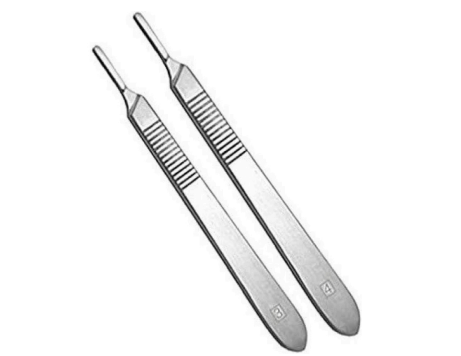
???
Knife/Scalpel Holder #3 & #4
Use for anatomical dissection.
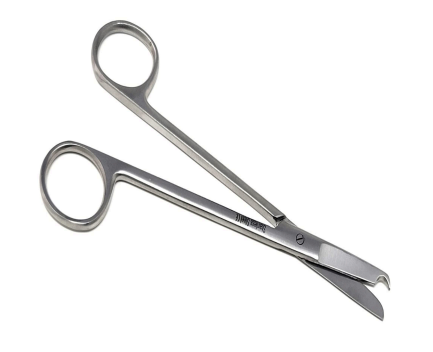
???
SUTURE / STITCH SCISSORS
Designed for easy removal of sutures.
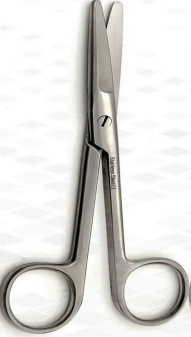
???
Mayo Straight Scissors
Used for cutting sutures.
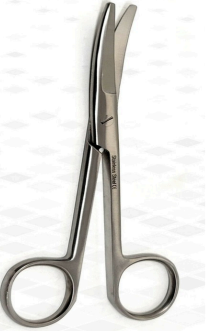
???
Mayo Curved Scissors
???
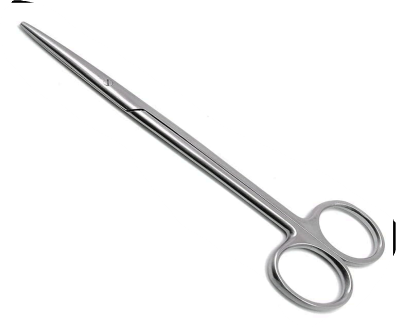
Metzenbaum Straight Scissors
— Use for cutting delicate tissuе
???
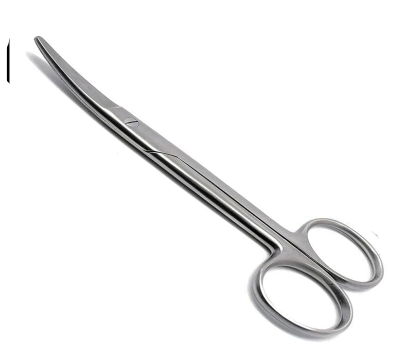
Metzenbaum Curve Scissors
Use for cutting delicate tissuе.
???
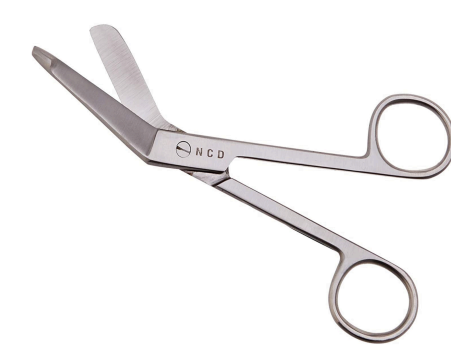
Bandage Scissors
To size bandages & dressings; to cut through medical gauze; to cut bandages already in place.
???
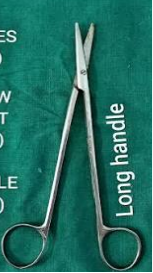
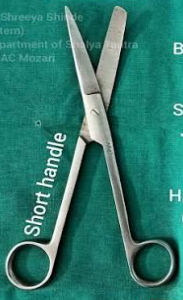
Metz
???
Mayo
???
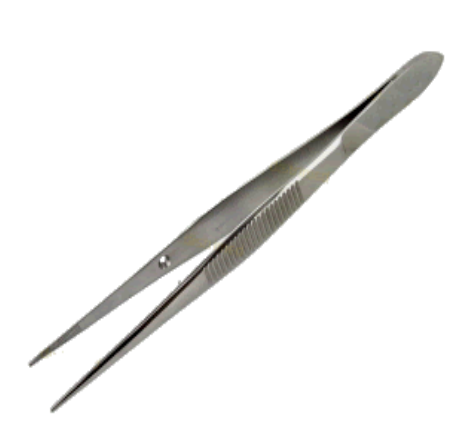
FORCEPS WITHOUT TEETH: LONG AND RETISSUE GULAR
Non-toothed forceps used for fine handling of tissue and traction during dissection.
???
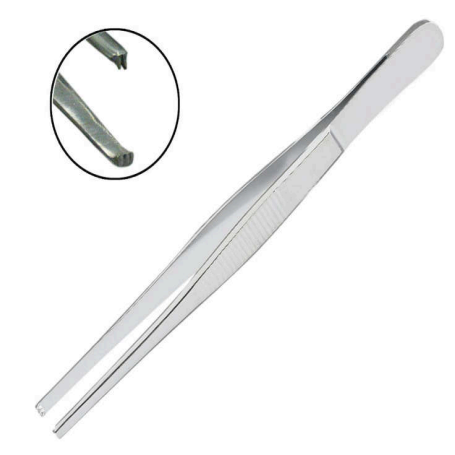
Tissue Forceps with Teeth (Long and Regular)
Used for grasping moderate to heavy tissue and used during wound closure.
???
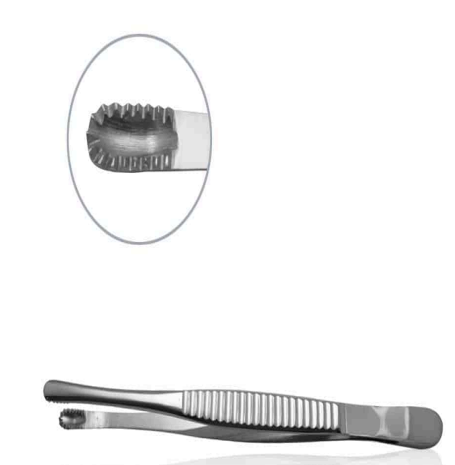
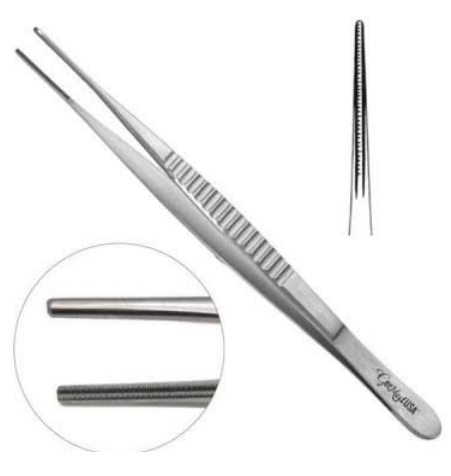
Russian Tissue Forcep
Use to grasp dense tissue.
???
DeBakey Tissue Forcep
To grasp tissue in vascular procedures.
???
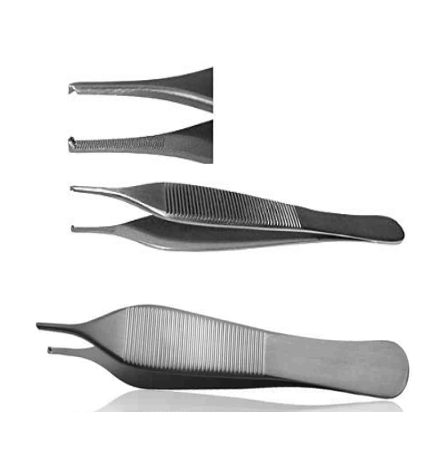
Adson Tissue Forcep
Hold and manipulate tissues (grasp).
???
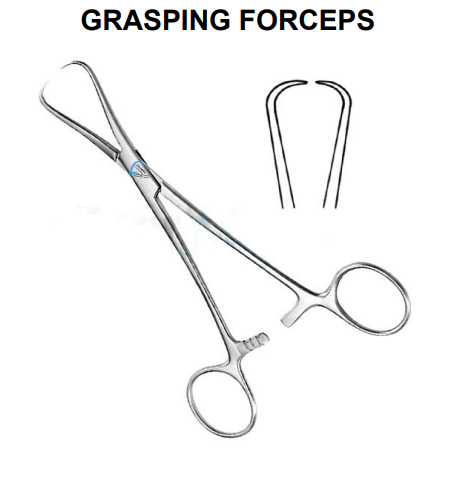
Tenaculum
Used to hold or pick up small pieces of tissue such as the ends of arteries.
???
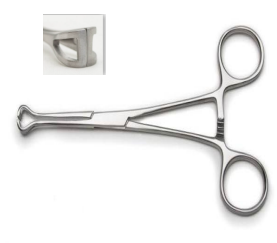
Babcock Forcep
Use to grasp delicate tissue.
???
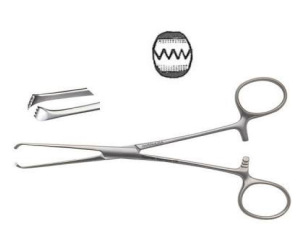
Allis Forcep
Use to hold or grasp heavy tissue.
???
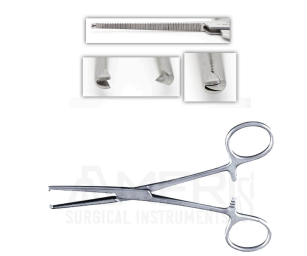
Kocher (Ochsner)
Used for grasping tough, fibrous, slippery tissues such as muscle and fascia.
???
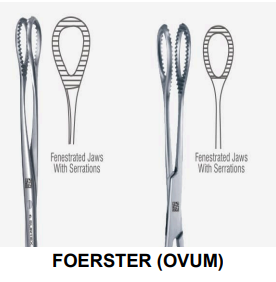
Foerster (Ovum)
Used for creating a sponge stick, for grasping tissues such as the lungs, or for removing uterine contents.
???
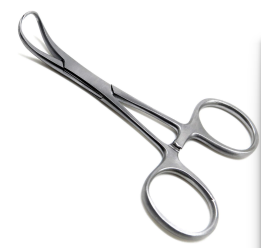
Backhaus Towel Clamp
Use for grasping tissue, securing towels or drapes, and healing or reducing smal bones fracture.
???
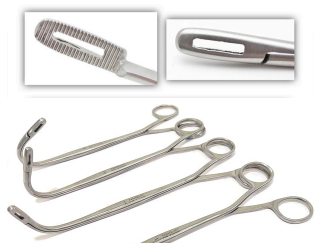
Randall Stone Forceps
Use for grasping and removing kidney stones, gallstones, and polyps.
???
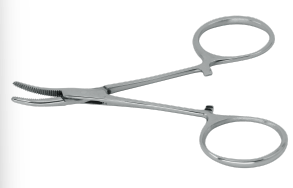
Curved Mosquito
Allow easier placement of ligatures around the forceps and also use in surgery for temporary occlusion of a vessel.
???
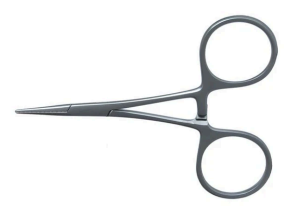
Straight Mosquito
To hold delicate tissue and use in most surgical procedure.
???
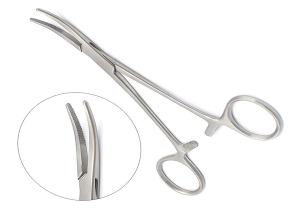
Kelly Clamp
Used to occlude bleeding before ligation (stops bleeding before closing off a blood vessel).
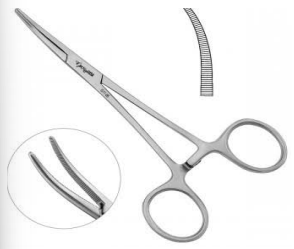
???
Crile Forceps
Use for clamping blood vessels or tissue before cauterization or ligation.
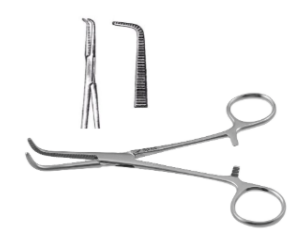
???
Mixter/Right-Angled Forceps
Use for clamping, dissection or grasping tissue.
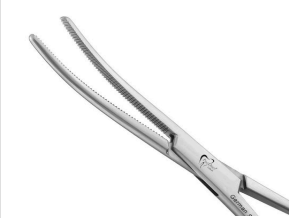
???
Pean
Use for clamping large tissue and vessels.
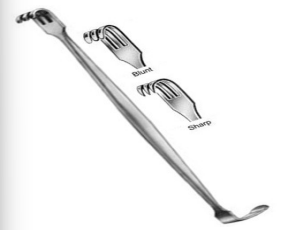
???
Senn
Used for exposing superficial wound.
???
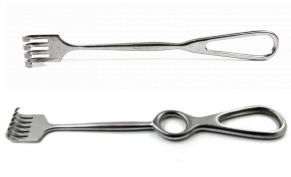
Volkmann Retractor
Retractor commonly used in small bone and joint procedures.
???
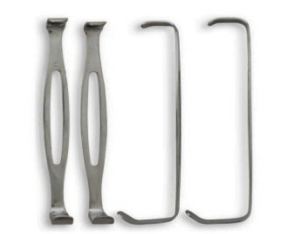
Army Navy Retractor
Use to retract incisions that are small or shallow or layers of skin.
???
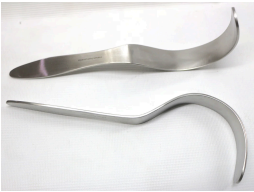
Deaver Retractor
Used for deep wound retraction.
???
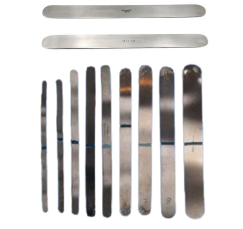
Malleable Retractor
Used for deep wound retraction.
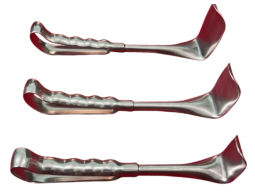
???
Richardson Retractor
Use for holding back multiple layers of deep tissue.
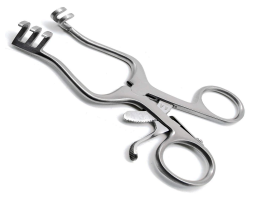
???
Weitlaner
Self-retaining; sharp or dull; used for exposing superficial wound.
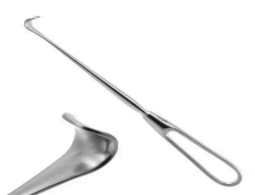
???
Vein Retractor
Popular retractor used during neurosurgery or as rib spreaders.
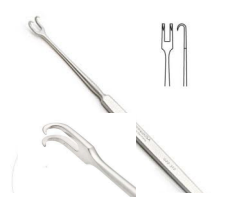
???
Skin Hooks
Used to retract the soft tissues.
???
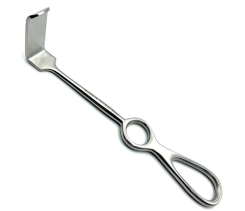
Langenbeck Retractor
Used for manual superficial retraction (skin/ subcutaneous tissue) purposes. May be used to split the muscle during gaining entry into the abdomen in the right iliac fossa during an appendicectomy.
???
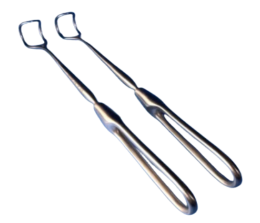
Green Goiter Retractor
Also known as goiter retractor or loop retractor; used for retracting soft tissue.
???
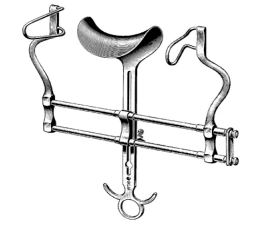
Balfour with Self-Retaining Retractor
Surgical instruments used to hold an incision or wound open during surgical procedures; used in abdominal surgery to hold open the abdominal.
???
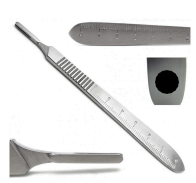
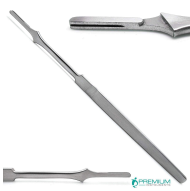
Knife Handle No. 3
Knife handles used to hold various blades to create a scalpel.
???
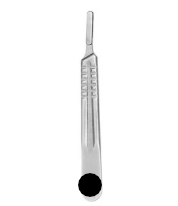
Knife Handle No. 7
Used when precision cutting is needed in a confined space or a deep wound.
???
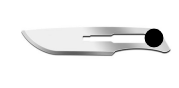
Knife Handle No. 4
Has a larger tip to accommodate the larger blades.
???
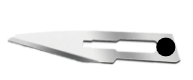
No. 10 Blade
Used for making skin incisions.
???
No. 11 Blade
Used for puncturing the skin or to initiate the opening of an artery.
???
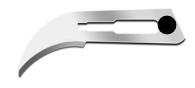
No. 12 Blade
Sometimes used during tonsillectomies, parotid surgeries, septoplasties, and cleft palate procedure.
???
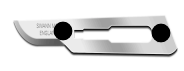
No. 15 Blade
Used for creating small precise incisions.
???
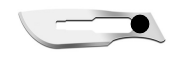
No. 20 Blade
Used with the no. 4 handle to create a larger and/or deeper incision and on heavy tissues and bone.