BIS2B Final - UC Davis
 Call Kai
 Learn
Learn Practice Test
 Spaced Repetition
 Match
Match Flashcards
 Knowt Play
1/168

There's no tags or description
Looks like no tags are added yet.
Name | Mastery | Learn | Test | Matching | Spaced | Call with Kai | Chat |
|---|
No analytics yet
Send a link to your students to track their progress
169 Terms
mycorrhizal fungi
symbiotic relationships between fungi and plants, the fungi colonizes the root system of a host plant, providing increased water and nutrition absorption while the plant provides fungus with carbohydrates formed from photosynthesis
For soils with high nutrient and water availability, mycorrhizal fungi are PARASITIC on plants.
logistic growth
takes place when a populations per capita growth rate decreases as population size approaches a maximum imposed by limited resources, the carrying capacity (k)
inhibition
negative effect of one species on another preventing it from establishing as quickly (or at all) during succesion
keystone species
A species whose presence and role within an ecosystem has a disproportionate effect on other organisms within the ecosystem
foundation species
referred to a species that has a strong role in structuring a community
facilitative encounters
encounters between organisms that benefit at least one of the participants and cause harm to neither
antagonistic interactions
interactions between organisms so that one organism benefits at the expense of another
realized niche
where the species actually lives
fundamental niche
an organism can take advantage of all the biotic and abiotic factors in an ecosystem without competition from other species or pressure from predators
invasion resistance
resistance to invasion from predators
fragmentation
the form of asexual reproduction wherein a parent organism breaks into fragments each capable of growing independently into a new organism
climax species
also known as late-successional k-selected or equilibrium species are plant species that will remain essentially unchanged in terms of species composition as long as it remains undisturbed
r-selected traits
rapid development, high production rate, small body size, short life span
k-selected traits
slow development, low reproductive rate, large body size
primary producers
plants and other photosynthetic organisms produce organic compounds in an ecosystem
character displacement
the phenomenon where differences among similar species whose distributions overlap geographically are accentuated in regions where the species co-occur, but are minimized or lost where the species' distributions do not overlap.
competitive release
occurs when one of two species competing for the same resource disappears, thereby allowing the remaining competitor to utilize the resource more fully than it could in the presence of the first species
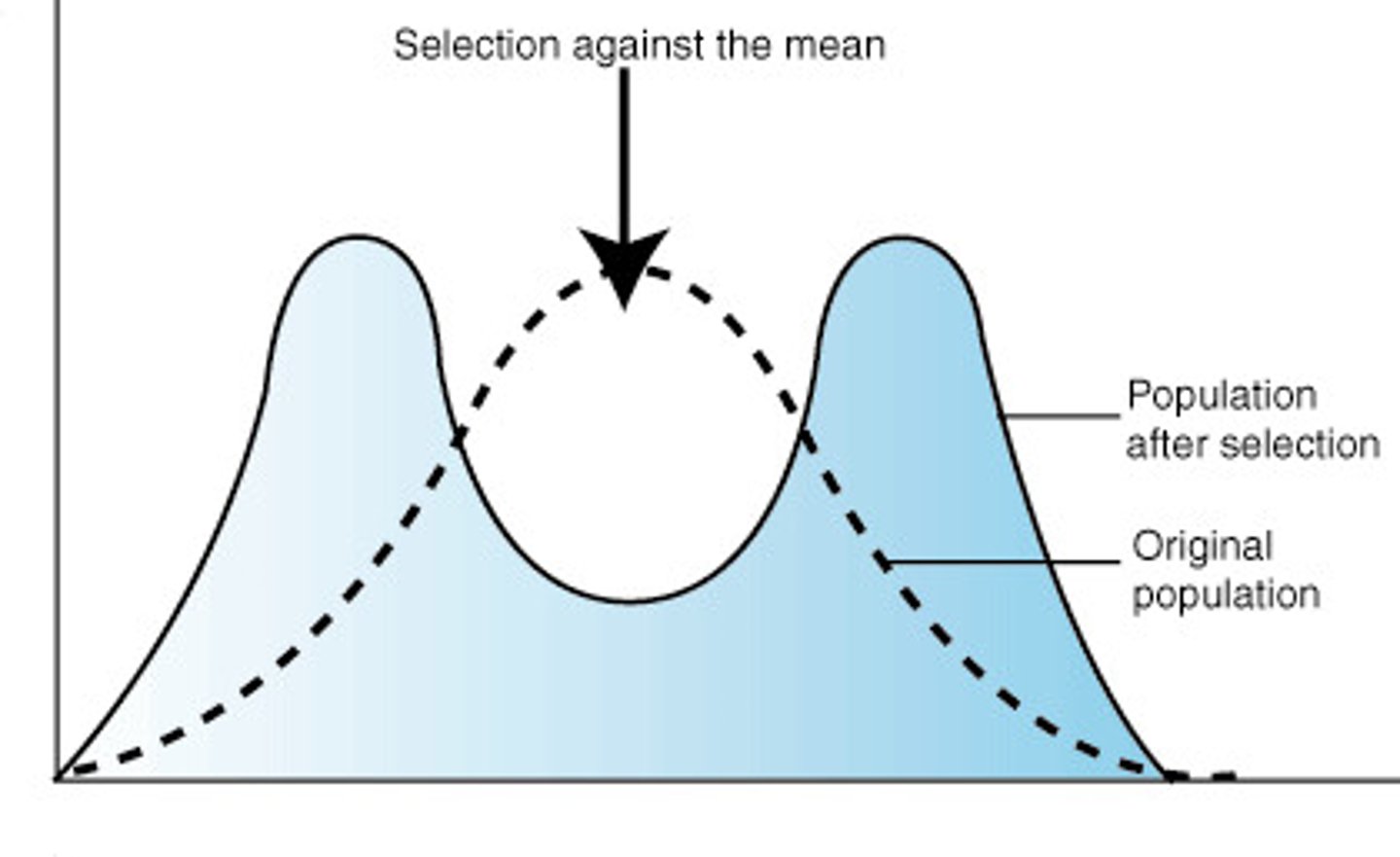
disruptive selection
changes in population genetics in which extreme values for a trait are favored over intermediate values
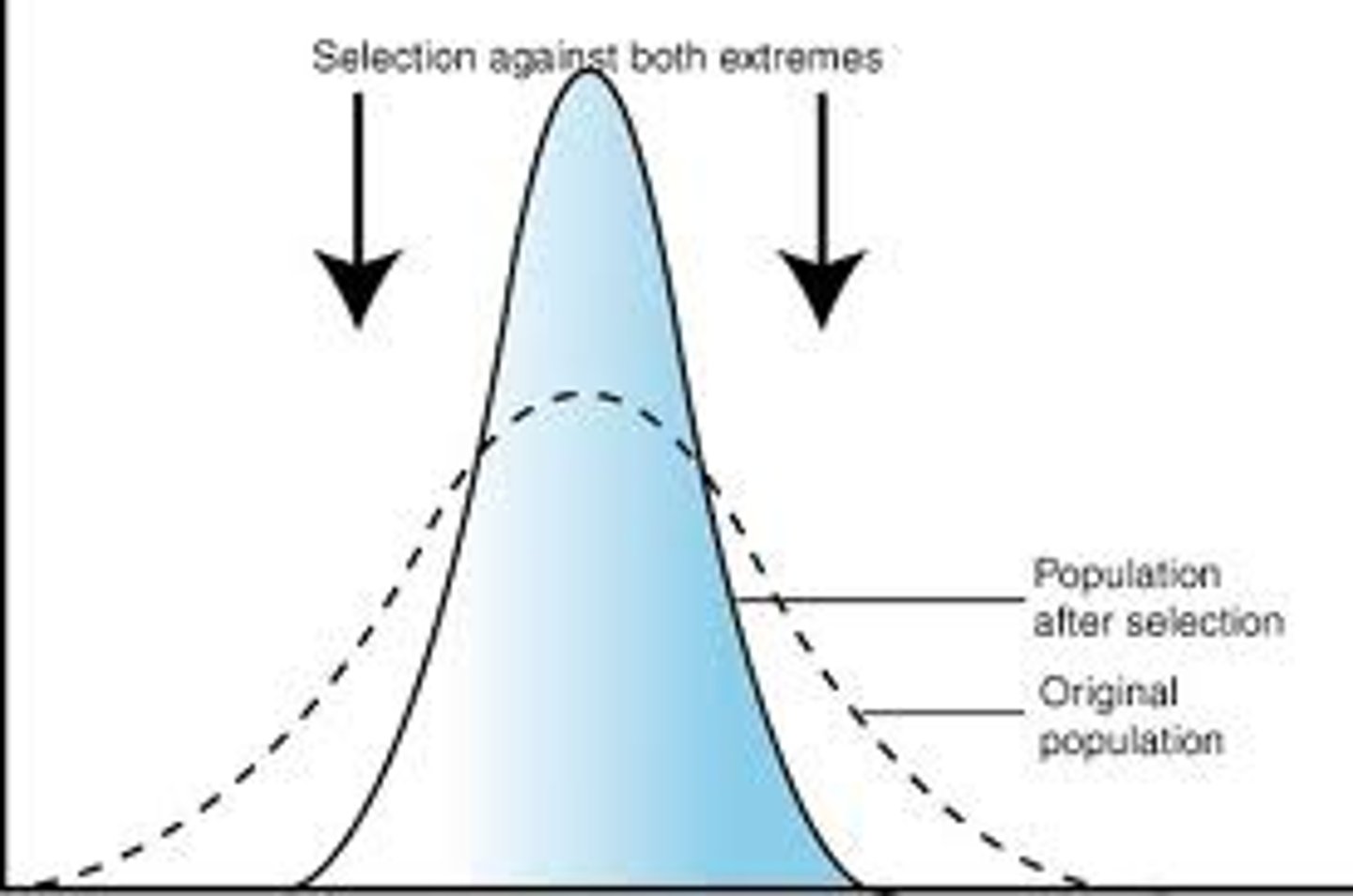
stabilizing selection
when extreme phenotypes on both ends of the spectrum are unfavorable
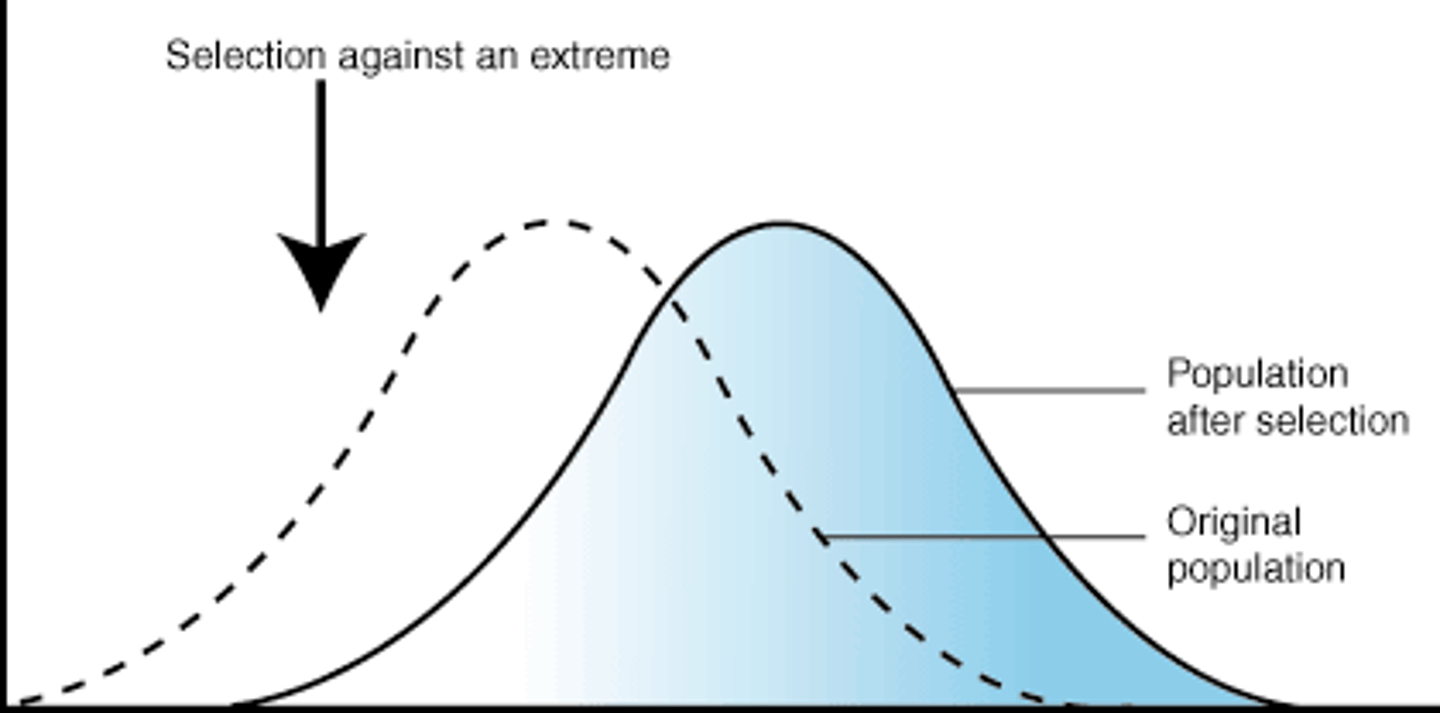
directional selection
a mode of natural selection in which a single phenotype is favored, causing the allele frequency to continuously shift in one direction
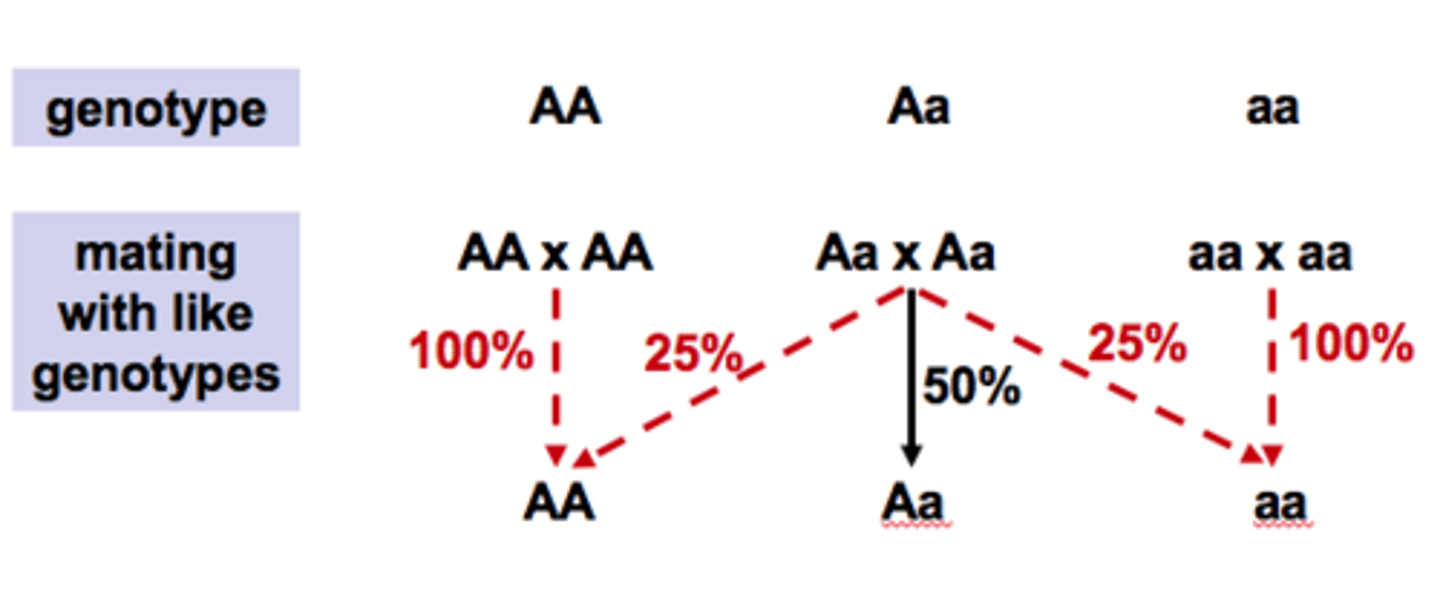
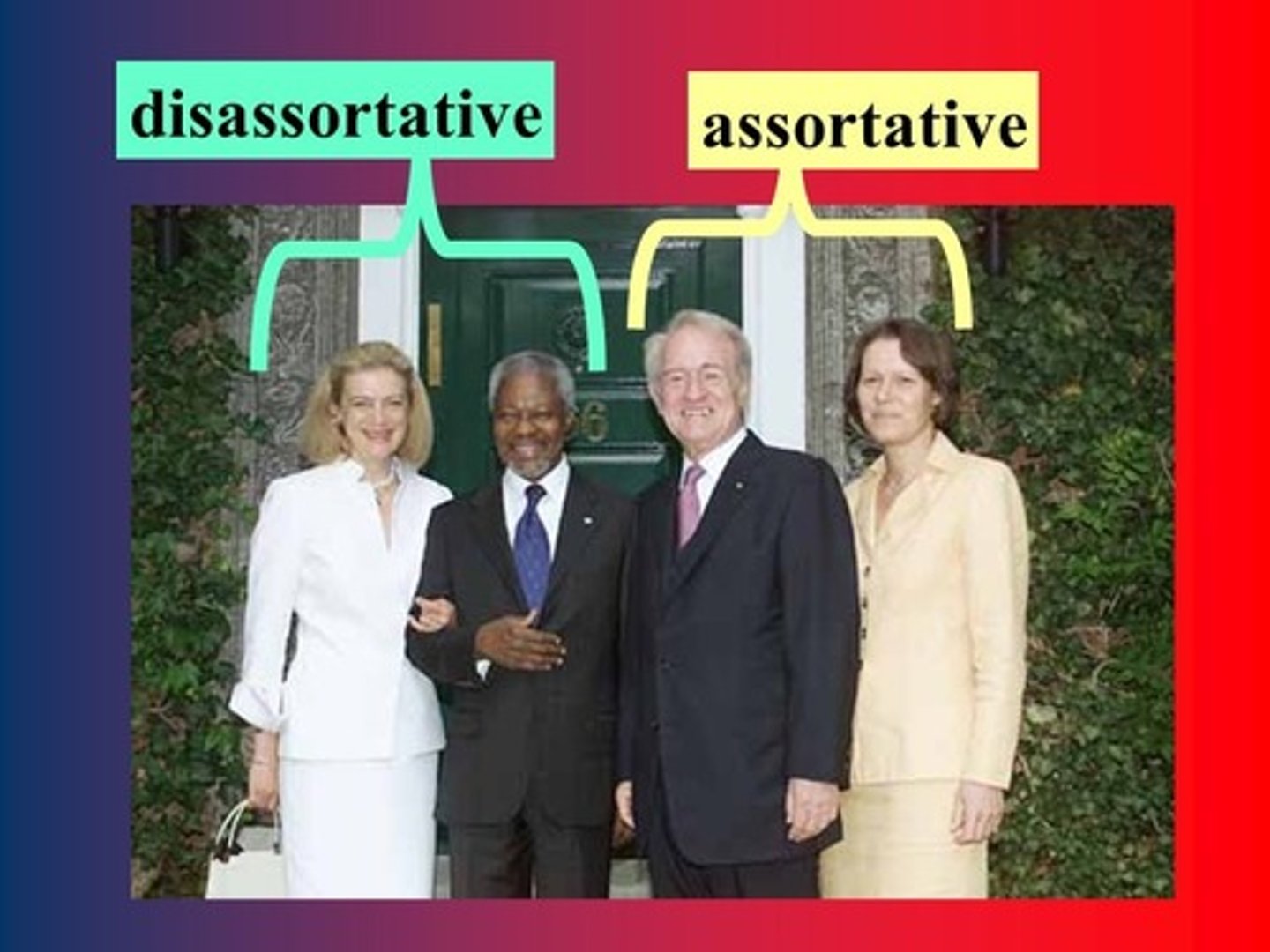
inbreeding
when an organism selects a mating partner that resembles itself (homozygotes match)
outbreeding
Dissimilar phenotypes mate preferentially.
Favors heterozygosity
genotype x environment interaction
Phenotypic variation arising from the difference in the effect of the environment on the expression of different genotypes.
heterozygote advantage
Greater reproductive success of heterozygous individuals compared to homozygotes; tends to preserve variation in gene pools.
allopatric speciation
speciation that happens when two populations of the same species become isolated from each other due to geographic change
Hybrid inviability
a post-zygotic barrier, which reduces a hybrid's capacity to mature into a healthy, fit adult. The relatively low health of these hybrids relative to pure-breed individuals prevents gene flow between species.
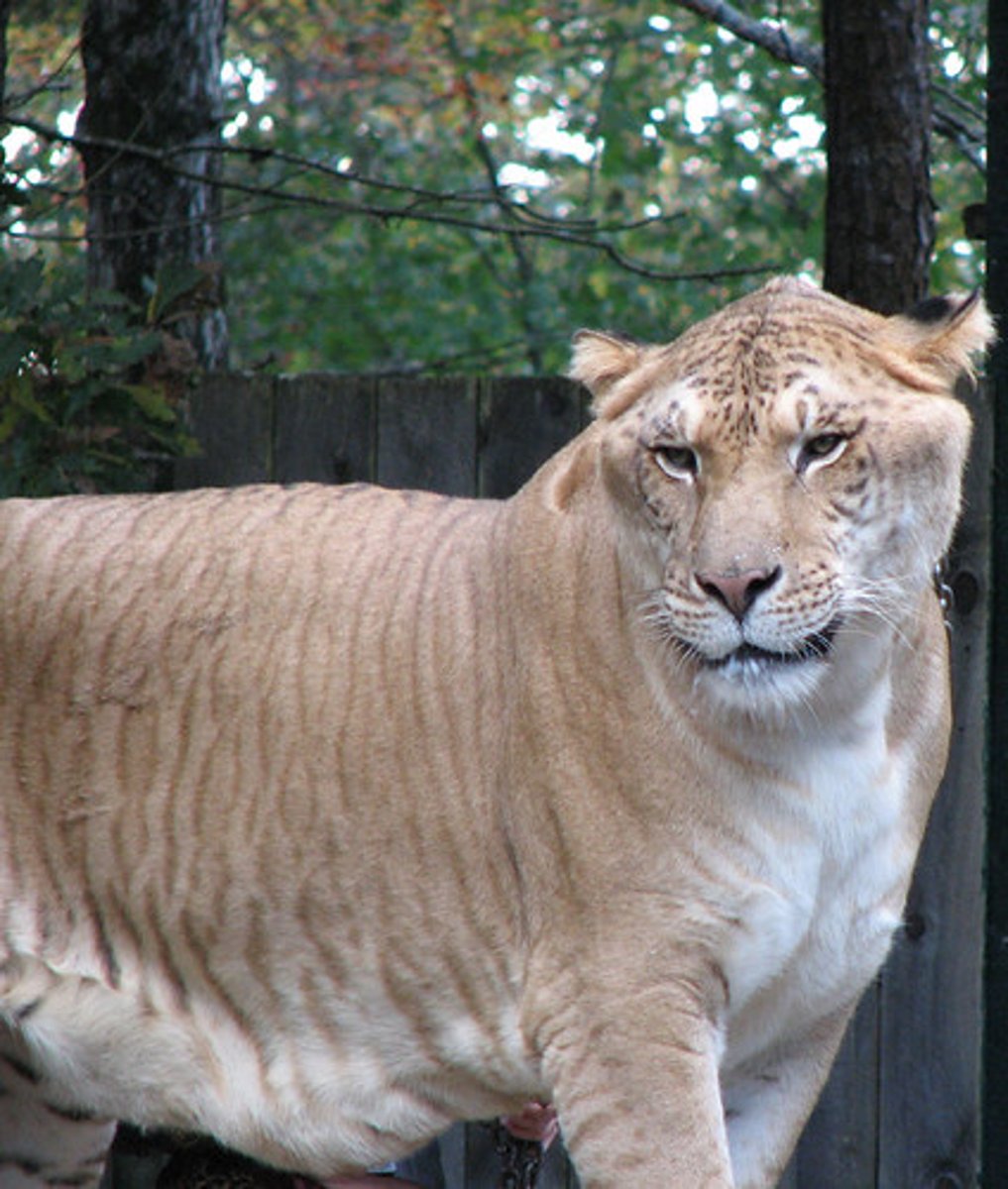
founder effects
the reduced genetic diversity which results when a population is descended from a small number of colonizing ancestors
Behavioral isolation
Mating rituals within species. Prezygotic mechanism that has been favored by selection for reinforcement of reproductive isolation. Example: mating dance by birds.
hybrid inviability
A postzygotic barrier in which hybrid zygotes fail to develop or to reach sexual maturity
Activities that have altered ecosystems
Fossil fuel emissions (global warming, rise in sea level, greenhouse gasses, loss of coral reefs, ocean acidification)
Industrial agriculture (increases biological availability)
More: deforestation, habitat destruction, species extinction
ecological isolation
Species occur in the same area, but they occupy different habitats and rarely encounter each other. Example: prezygotic mechanism that prevents hybrid mating between benthic and limnetic forms within lakes in the wild
inbreeding depression
when individuals with similar genotypes - typically relatives - breed with each other and produce offspring that have an impaired ability to survive and reproduce (lowers fitness)
adaptive radiation of certain lineages
an event in which a lineage rapidly diversifies with the newly formed lineages evolving different adaptations
key innovations
a novel phenotype trait that allows subsequent radiation and success of a taxonomic group
lineage
temporal series of organisms, populations, cells, or genes
sexual selection
natural selection arising through preference by one sex for certain characteristics in individuals of the other sex
ecological speciation
the process which ecologically based divergent selection between different environments leads to creation of reproductive barriers between populations
vacant ecological niches
the possibility that in ecosystems or habitats more species can exist that are present in a particular time, because many are not being used by potentially existing species
series of events in chronological order
origin of photo synthesis
origin of aerobic metabolism
origin of eukaryotes
Cambrian explosion
colonization of land
carboniferous coal formation
end - cretaceous astroid impact
spread of grassland
angiosperms
flowering plants
pleistocene
ice age
Chronological order of events
origin of photosynthesis, origin of aerobic metabolism, origin of eukaryotes, Cambrian explosion, colonization of land, carboniferous coal formation, end-cretaceous astroid impact, spread of grassland.
negative frequency dependent selection
Phenotypes favored only when rare. Example is left-handed fighting ability
founder event
A type of bottleneck that occurs when only a few individuals establish a new population.
Vicarience
speciation due to isolation by geographic separation-blocks mating
Bottleneck
process in which a large population declines in number, then rebounds
reproductive barriers
serve to isolate the gene pools of species and prevent interbreeding
key innovation
an adaptation which enhances the diversification rate of a lineage (sympatric speciation, autopolyploid, allopolyploid)
divergent selection
evolution in which species that were once similar to an ancestral species diverge; occurs when populations change as they adapt to different environmental conditions; eventually resulting in a new species
ecological specialization
the concentration of homogeneous groups and activities into different sections or urban areas-divergent selection in different environments lead to creation of reproductive barriers between populations.
Late Cenozoic Ice Age
The last great ice age that ended 10,000 years ago, lasting for the past 2 million years. (cooling climate)
Important global events during the Cenozoic era
adaptive radiation of MAMMALS, diversification and dominance of angiosperms, Pleistocene glacial cycles.
Human sister lineage
chimpanzees
vicariance
the geographical separation of a population, typically by a physical barrier such as a mountain range or river, resulting in a pair of closely related species
temporal isolation
when species that could interbreed do not because the different species breed at different times
prezygotic isolating mechanism
occurring before breeding; produces a fertilized egg, or zygote
gamete incompatibility
proteins on egg do not bind with sperm from another species
commensalism
A relationship between two organisms in which one organism benefits and the other is unaffected
positive frequency dependent selection
Phenotypes are favored only when common. Example is warning coloration
obligate
at least one species could not grow and reproduce without the other
Epistasis
A type of gene interaction in which one gene alters the phenotypic effects of another gene that is independently inherited. (fur color, height, skin color)
random mating
no selective mating in which animals chose mate depending on phenotype
Exploitation
one benefits, other is harmed
competitive interaction
both harmed
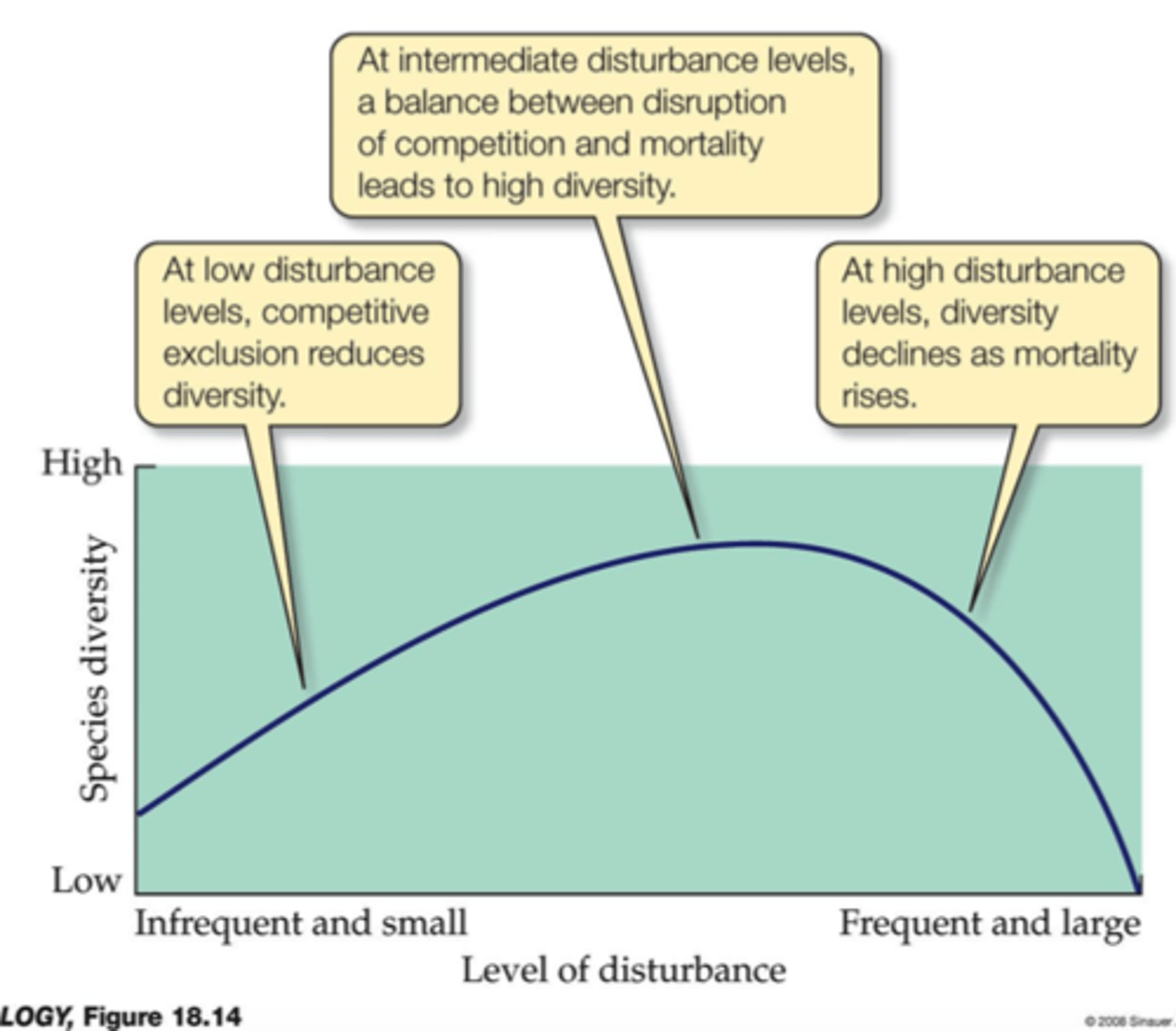
intermediate disturbance
Moderate levels of disturbance can create conditions that foster greater species diversity.
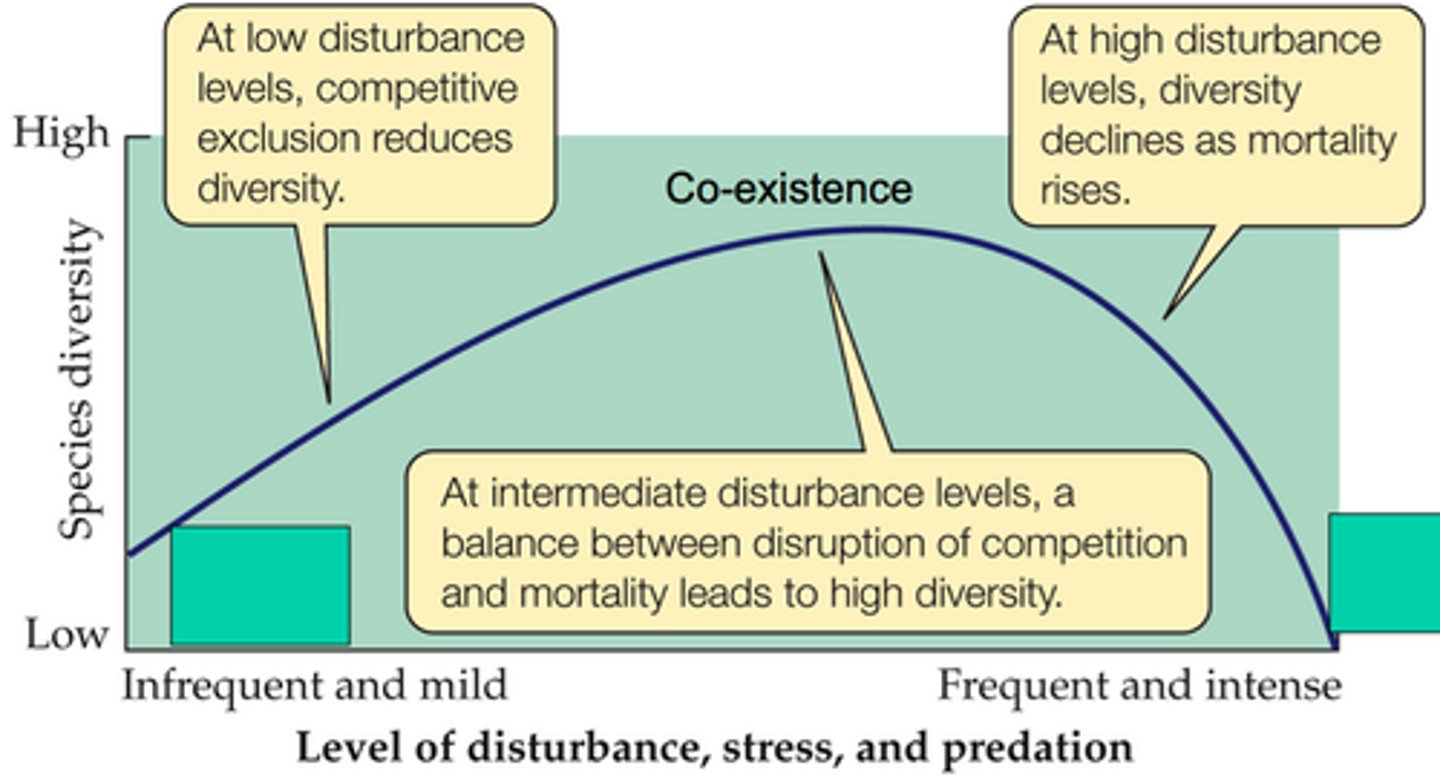
intermediate predation hypothesis
diversity is maximized at intermediate levels of predation
Facilitation
one or both species are benefitted but neither are harmed
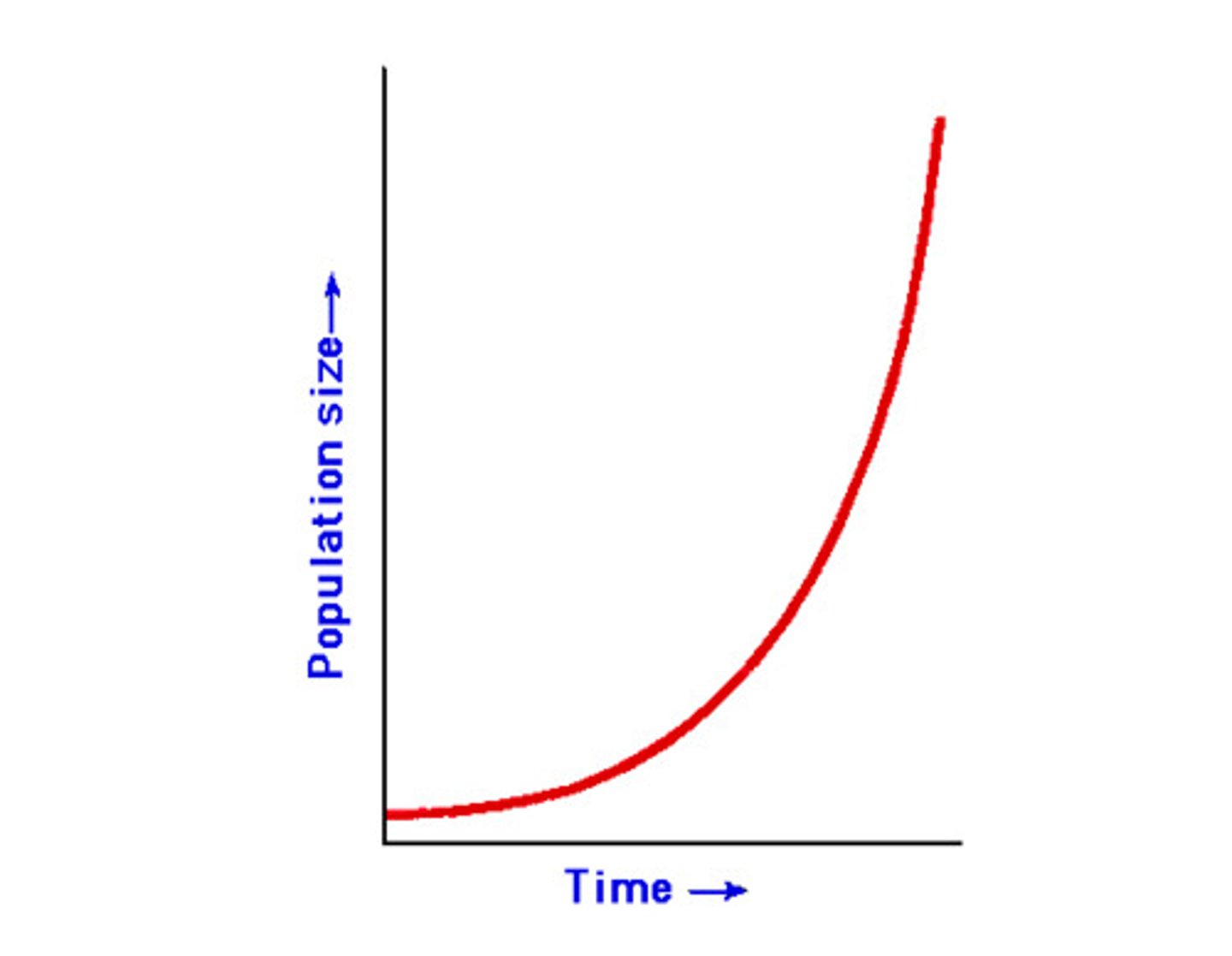
exponential growth
Growth pattern in which the individuals in a population reproduce at a constant rate
mychorrhizae
specialized mutualistic associations between roots and fungi
both species benefit is
mutualistic relationship
a symbiotic relationship in which one benefits and has no effect on the other
commensalism
parasitic relationship (exploitation)
only the infecting organism benefits from the relationship
allopatric
geographically isolated
Gametic incompatibility
gametes are incompatible and will not form a zygote
Indirect effect
a change in the abundance of one species resulting from its interaction with another species which is affected by a third species
Maintenance of Diversity
Intermediate disturbance , predation, and productivity hypotheses > local species diversity is maximized when ecological disturbance is neither too rare nor too frequent
Competitively transitive
Whenever species A excludes species B and species B excludes species C
Maintenance of Diversity explained
Niche Partitioning
Intermediate disturbance, predation, and productivity
Competitive intrasitivities
Fluctuations in environmental conditions
Keystone species
species that have major effects on a community structure and an effect disproportionate to their abundance
Foundation species
species that have a major effect on a community structure by virtue of their high biomass and habitat forming characteristics
Cyclical Succession
a pattern of change in community composition (succession) due to recurring events or changing interactions with plants and animals
prezygotic isolation (prevents fertilization)
Prezygotic isolation (prevents fertilization)
Geographic (allopatry) - little opportunity for gene flow or mating, species with low dispersal can be isolated by short distances
Ecological- If two sympatric species use different habitats, they will rarely encounter one another
Because the 2 species never encounter one another, they never actually mate so they are reproductively isolated
Sympatric speciation must satisfy
Sister Species
Currently sympatric
Genetically based reproductive isolation
No historic phase of geographic isolation
Phylogeny
evolution of development and the diversification of species
Stress amelioration
stress that makes something better (improvement)
geographic isolation
form of reproductive isolation in which two populations are separated physically by geographic barriers such as rivers, mountains, or stretches of water (think post zygotic barrier)
primary succession
succession that occurs in an area in which no trace of a previous community is present (analyzing microbial in an infant gut)
secondary succession
type of succession that occurs in an area that was only partially destroyed by disturbances
phylogenetic diversity
A measure of biodiversity using the pattern of the relationships of lineages to one another over time.
periodic disturbances
Catastrophic disturbances, including fires, hurricanes, tornadoes, and volcanic eruptions, can devastate biological communities. After the disturbance, (1) the area is recolonized by organisms or repopulated by survivors, but (2) the structure of the community undergoes a succession of changes during the rebound. Several communities actually depend on periodic fire to maintain them.
microbial succession
The initial microbes change the environment so that other microorganisms can thrive
cyclic succession
succession may increase chances of disturbance, buildup of understory leads to intense fire
infection duration
the amount of time it takes for a virus to go away
transmission probability
how rapidly a disease can spread between hosts
Virgulent
(of a disease or poison) extremely severe or harmful in its effect
Northern Hemisphere
the hemisphere north of the equator
optimal foraging theory
Views foraging behavior as a compromise between benefits of nutrition and costs of obtaining food.
contact rate
frequency of contact between susceptible and infected individuals
virulent
extremely poisonous
acclimation vs adaptation
acclimation
-reversible changes in organisms PHENOTYPE (morphology, physiology)
-allows organisms to respond to its ENVIRONMENT to improve performance
OFTEN REVERSIBLE
Adaptation
-long term GENETIC response of population that improves performance