Disease identification for fungicide selection
 Call Kai
 Learn
Learn Practice Test
 Spaced Repetition
 Match
Match Flashcards
 Knowt Play
1/19

There's no tags or description
Looks like no tags are added yet.
Name | Mastery | Learn | Test | Matching | Spaced | Call with Kai | Chat |
|---|
No analytics yet
Send a link to your students to track their progress
20 Terms
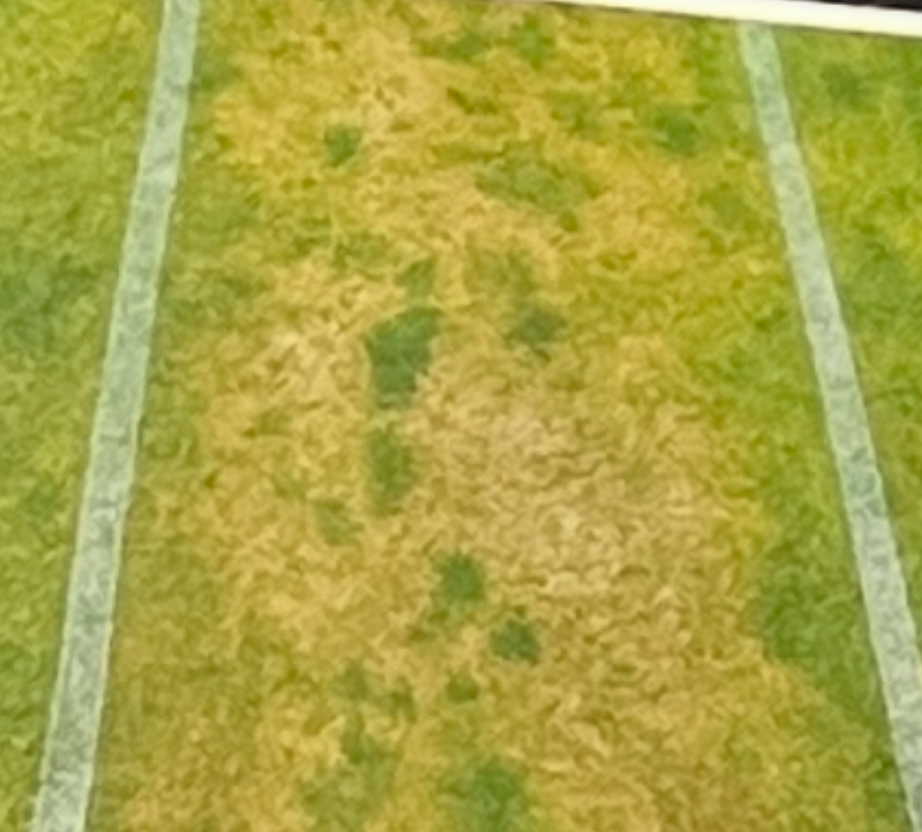
Anthrancnose—Anthracnose in the Quad Cities affects grass, causing brown patches and thinning turf, especially during warm, wet conditions.
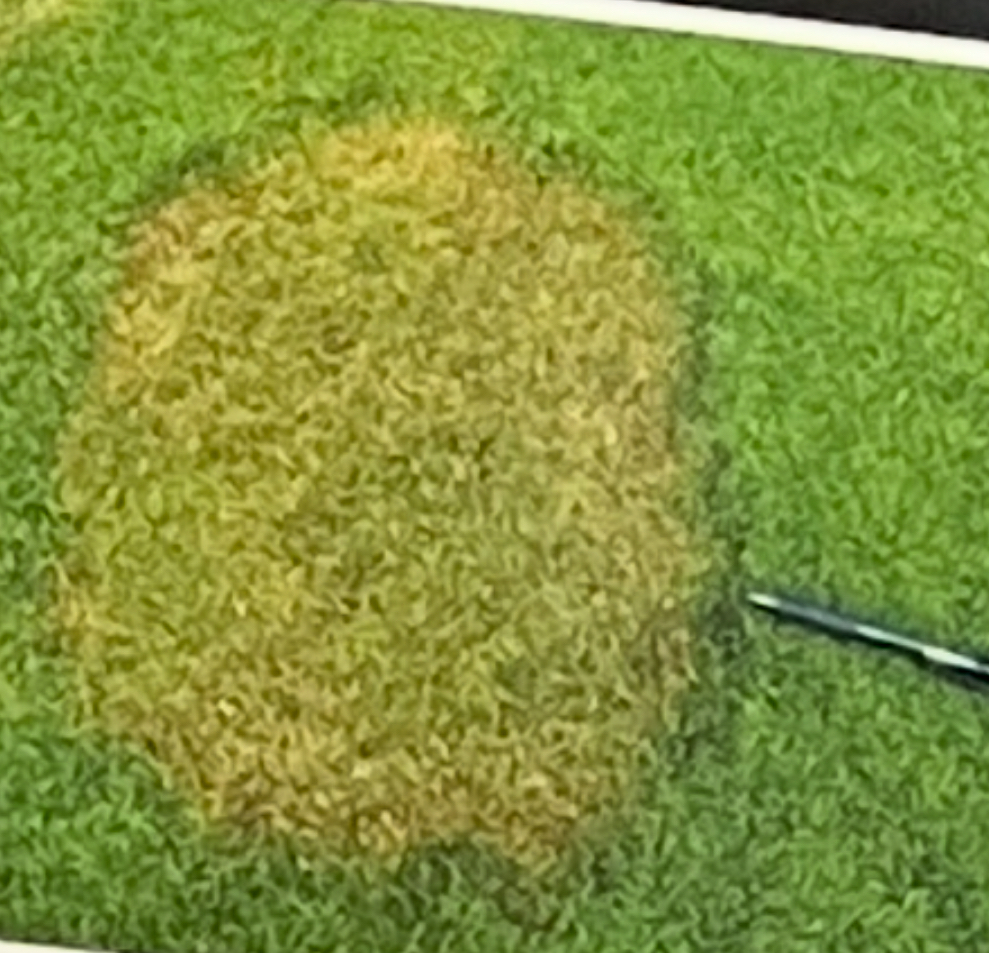
Brown Patch—Brown patch is a fungal disease in lawns that causes large, irregularly shaped brown areas, typically in hot, humid weather, and is most common in cool-season grasses.
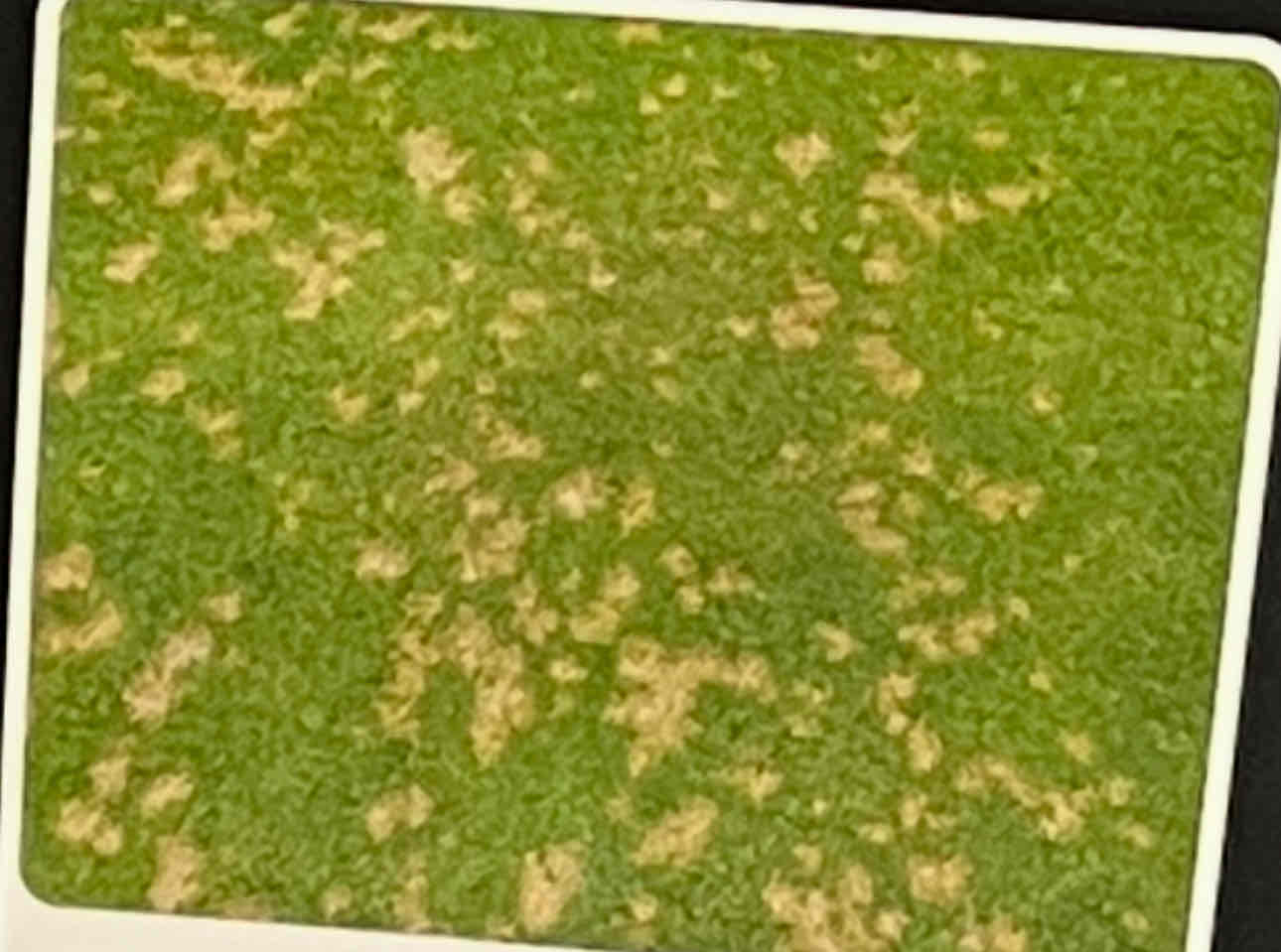
Dollar Spot—Dollar spot is a fungal disease in the Quad Cities that creates small, light brown or tan circular patches in lawns, often during warm, humid conditions, especially in areas with poor soil fertility.
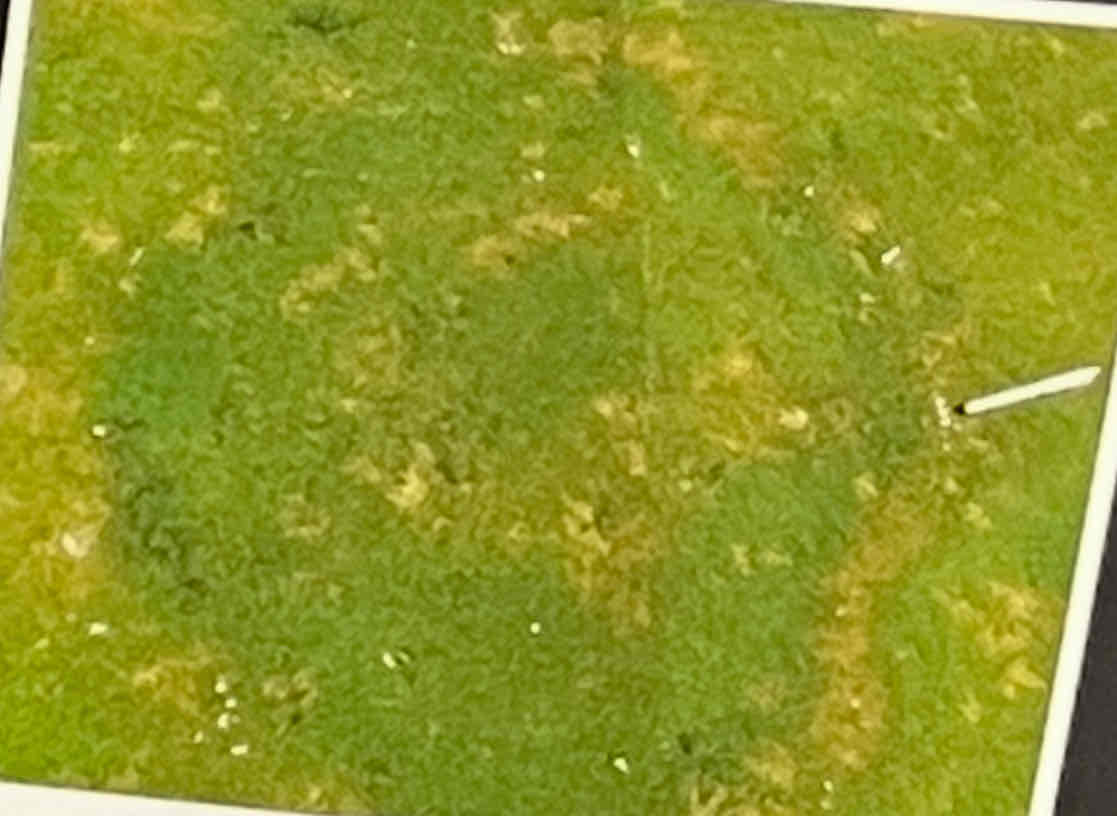
Fairy Ring—Fairy ring is a fungal growth in the Quad Cities that creates circular patches of lush, dark green grass or dead turf, often accompanied by mushrooms, typically in well-drained soils.
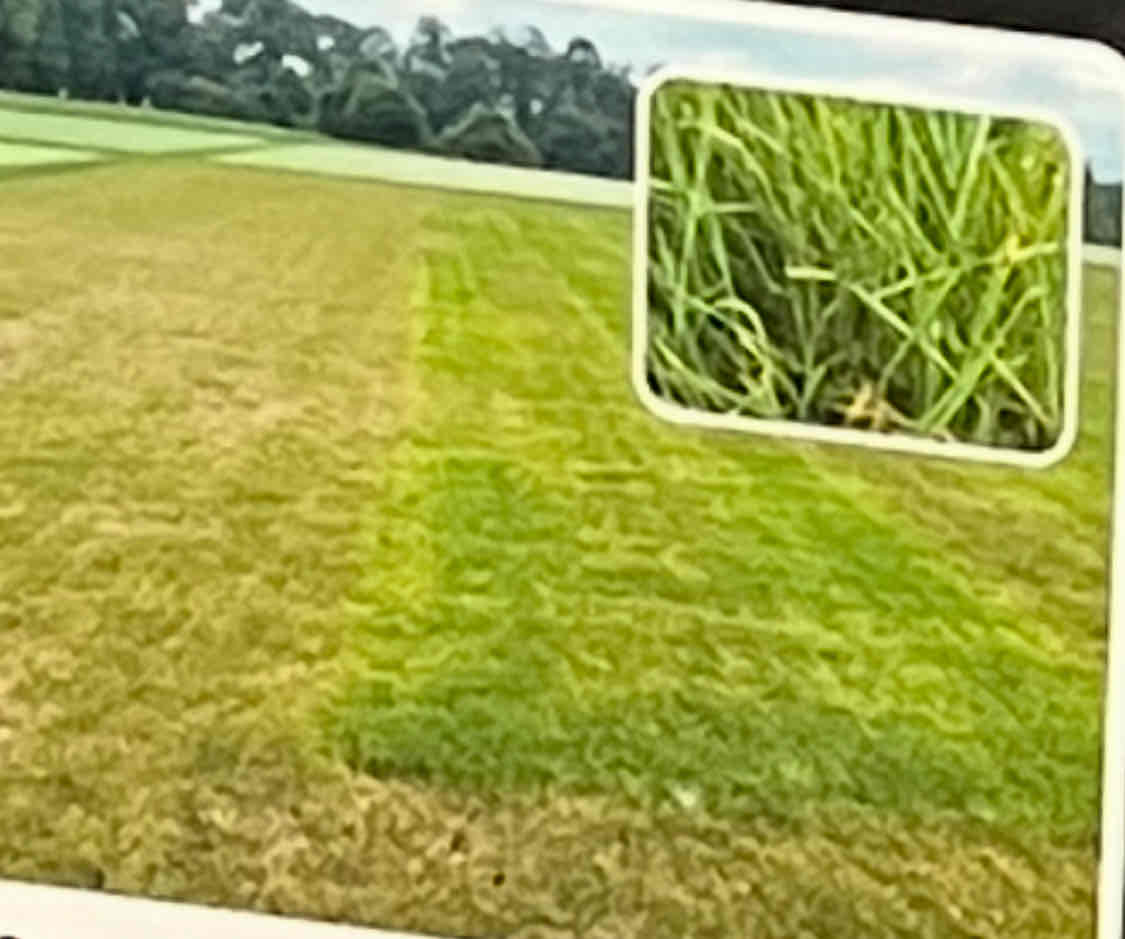
Gray Leaf Spot—Gray leaf spot is a fungal disease in the Quad Cities that causes small, grayish lesions with dark borders on grass blades, often during hot, humid weather, and can lead to lawn thinning.
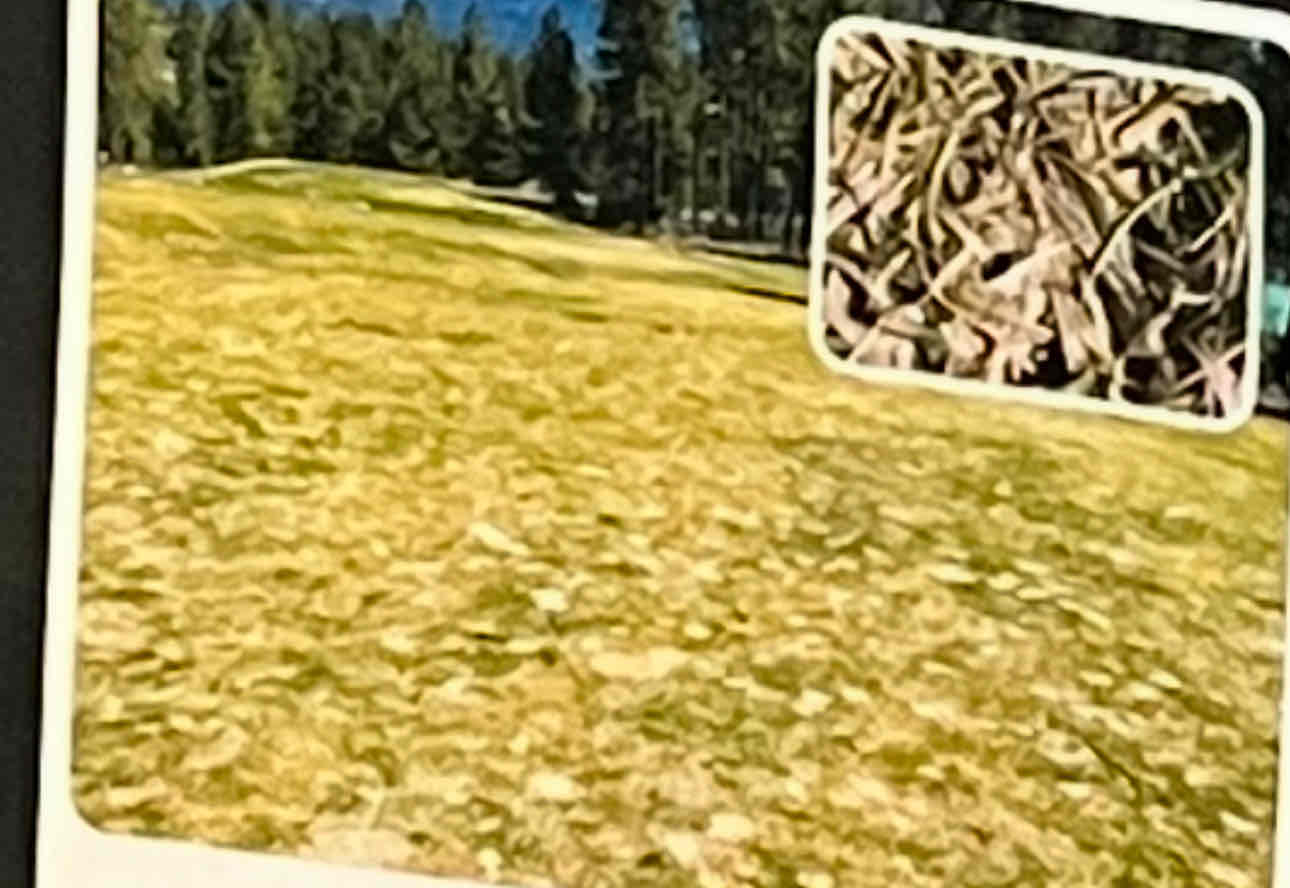
Gray Snow Mold—Gray snow mold in the Quad Cities is a fungal disease that creates grayish, matted patches on lawns after snow melts, typically in cool, wet weather, and affects cool-season grasses like Kentucky bluegrass and fescue.
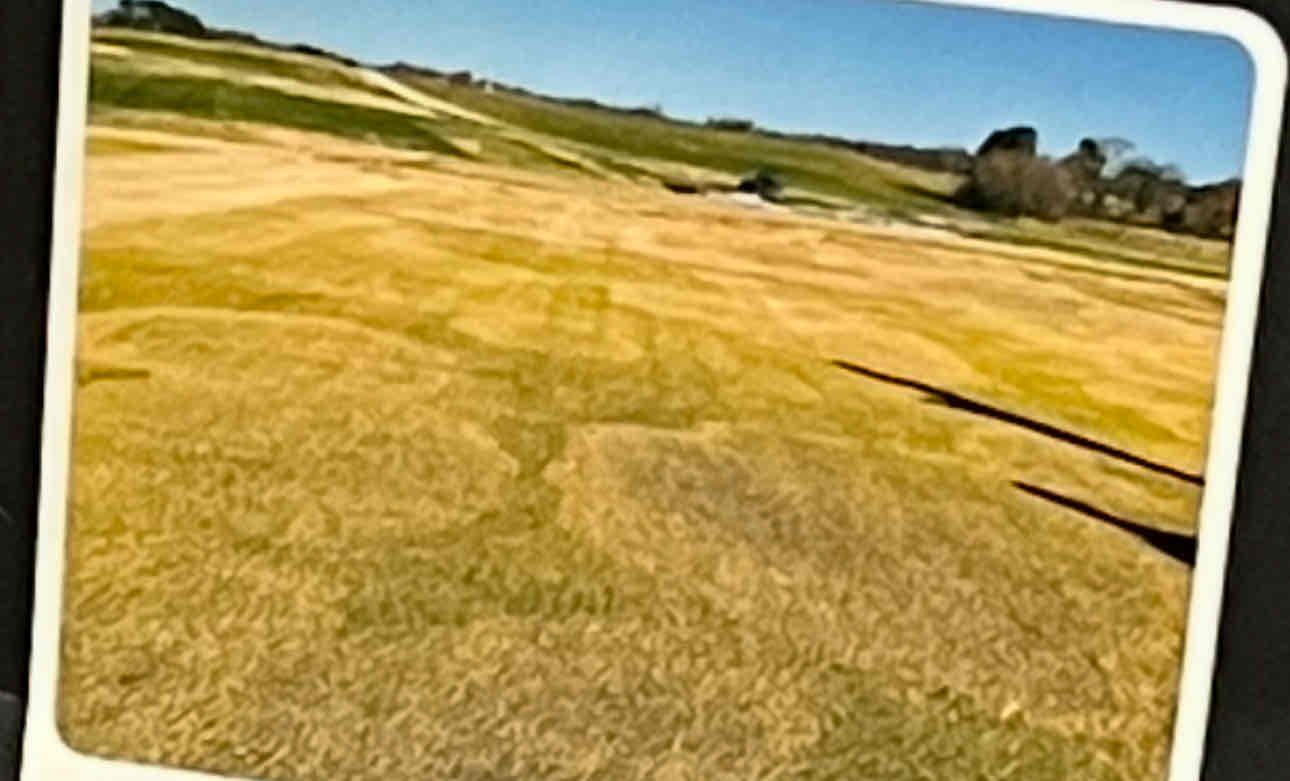
Large Patch—Large patch is a fungal disease in the Quad Cities that causes circular, reddish-brown patches in lawns, especially during warm, wet weather, and typically affects warm-season grasses like zoysia and Bermuda.
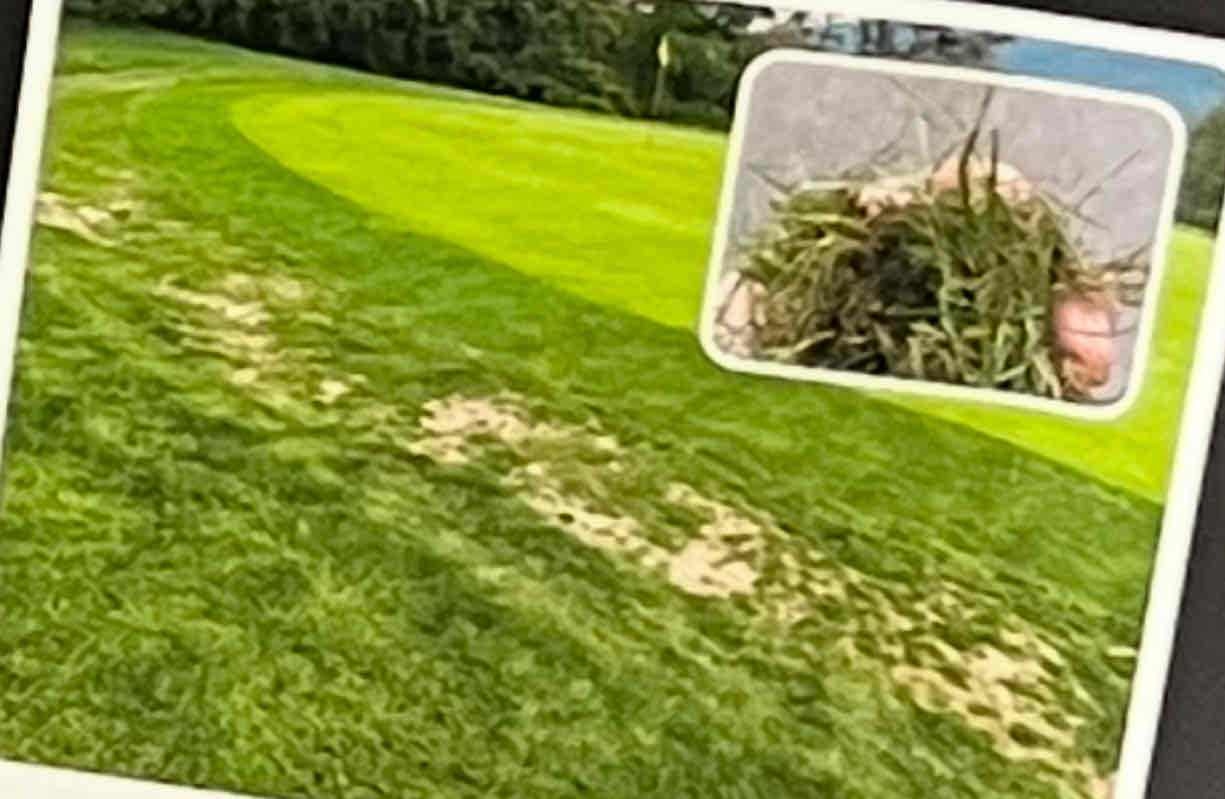
Leaf Spot—Leaf spot in the Quad Cities is a fungal disease that causes small, dark lesions on grass blades, typically in cool, wet weather, and is most common in cool-season grasses like Kentucky bluegrass and fescue.
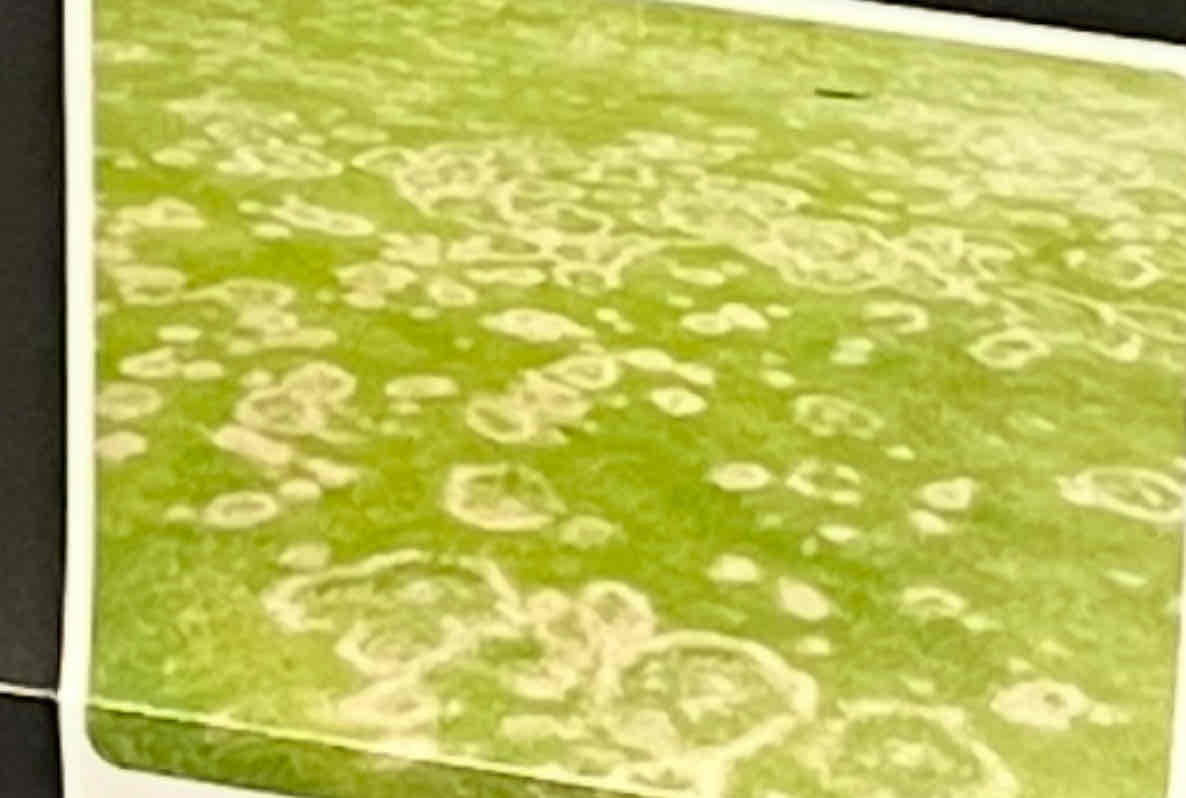
Mini-Ring/Leaf & Sheath Spot—Mini-ring/Leaf & Sheath Spot in the Quad Cities is a fungal disease that causes small, circular patches with yellow or brown edges, typically in cool, wet weather, and primarily affects warm-season grasses like zoysia and Bermuda.
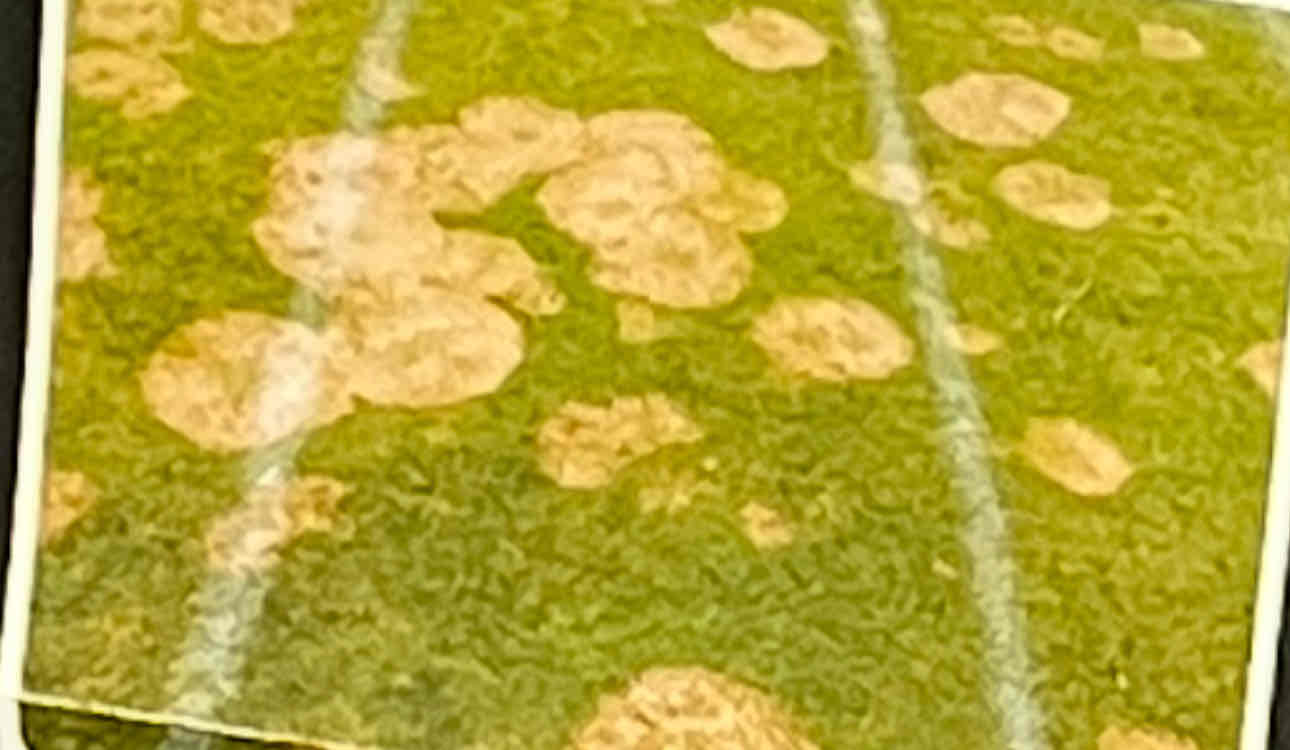
Pink Snow Mold—Pink snow mold in the Quad Cities is a fungal disease that forms pinkish, matted patches on lawns after snow melts, typically in cool, wet weather, and commonly affects cool-season grasses like Kentucky bluegrass and fescue.
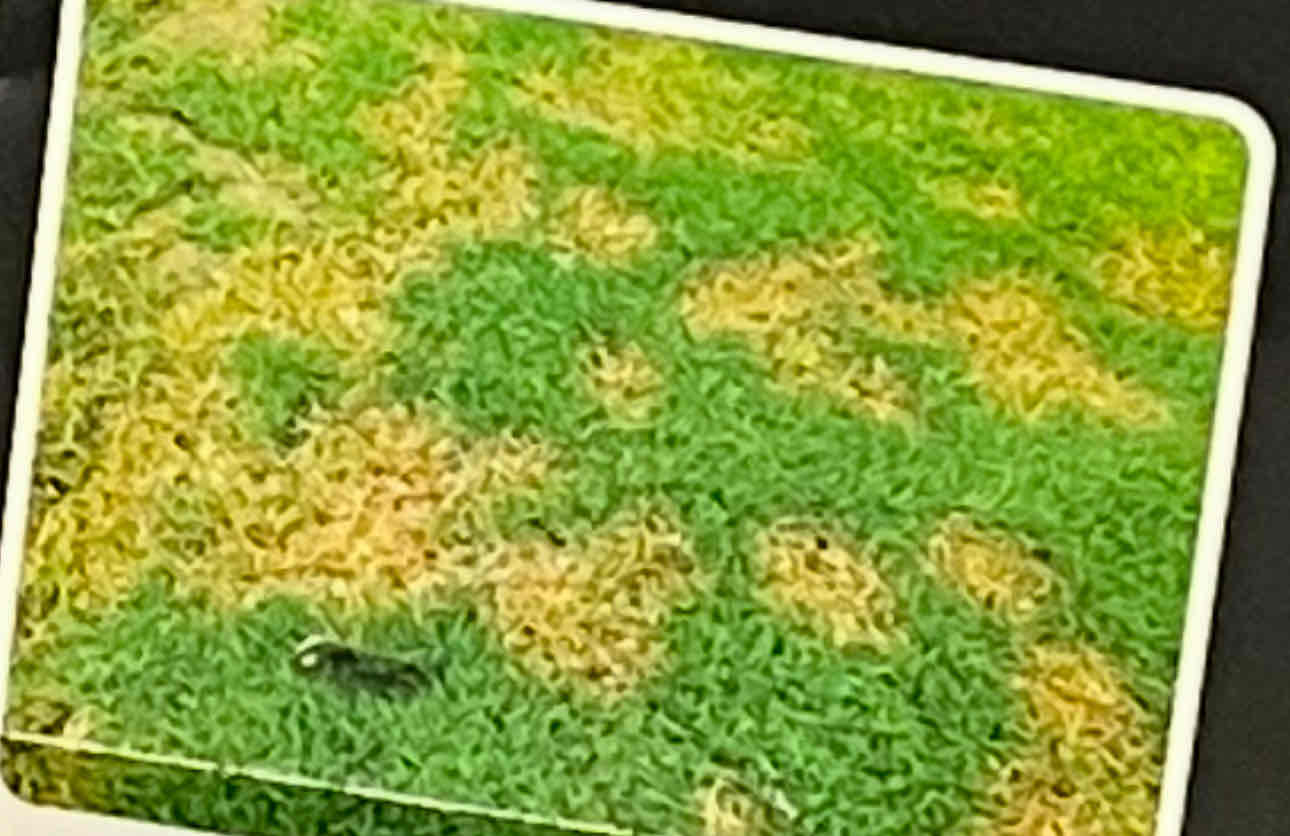
Pythium Blight—Pythium blight in the Quad Cities is a fungal disease that causes rapid, water-soaked lesions and thin, yellowish patches on lawns, often in hot, humid weather, and is most common in cool-season grasses like Kentucky bluegrass.
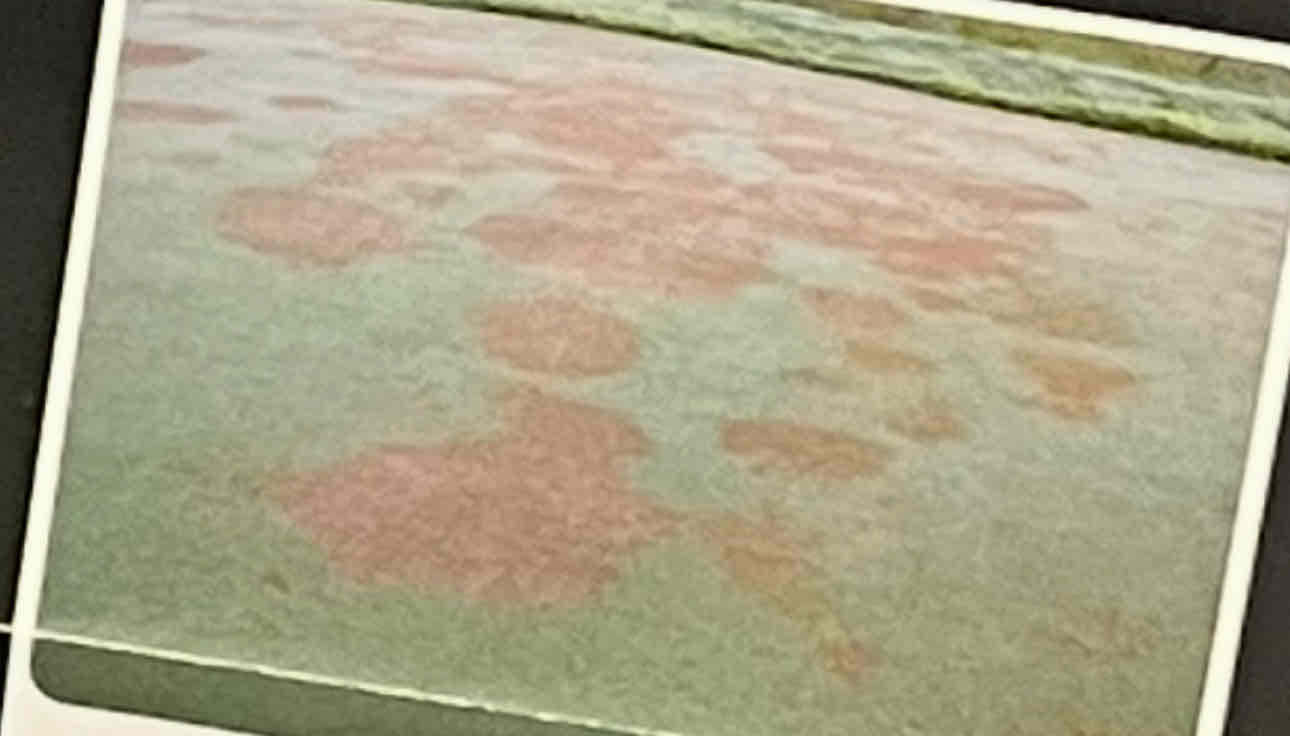
Pythium Root Dysfunction—Pythium root dysfunction in the Quad Cities is a soil-borne fungal disease that disrupts root growth, causing yellowing, thinning, and eventual decline of grass, particularly during warm, wet conditions, and affects cool-season grasses like fescue and Kentucky bluegrass.
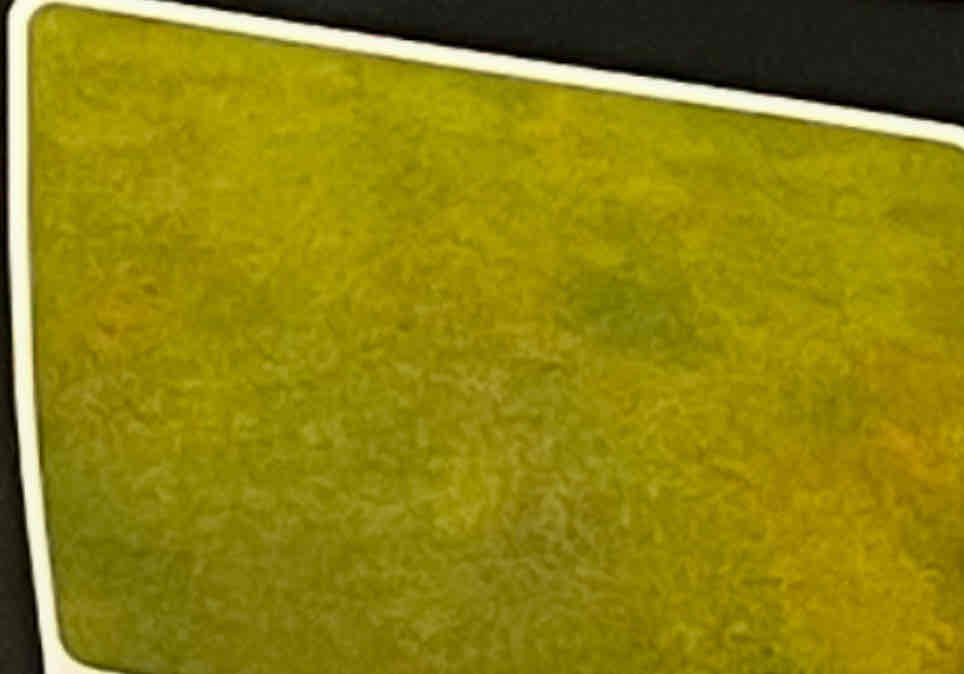
Pythium Root Rot—Pythium root rot in the Quad Cities is a fungal disease that attacks grass roots, causing them to decay, leading to yellowing, wilting, and thinning of the lawn, particularly in warm, wet conditions, and most commonly affects cool-season grasses like Kentucky bluegrass.
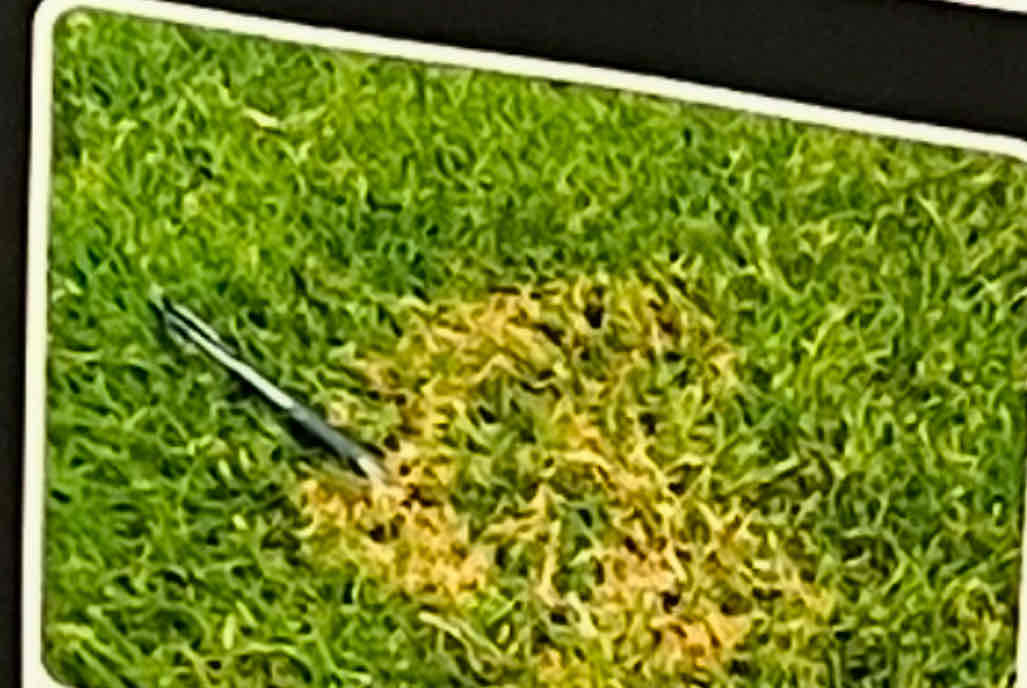
Red Thread—Red thread is a fungal disease that causes patches of grass to turn brown and develop red or pink thread-like strands
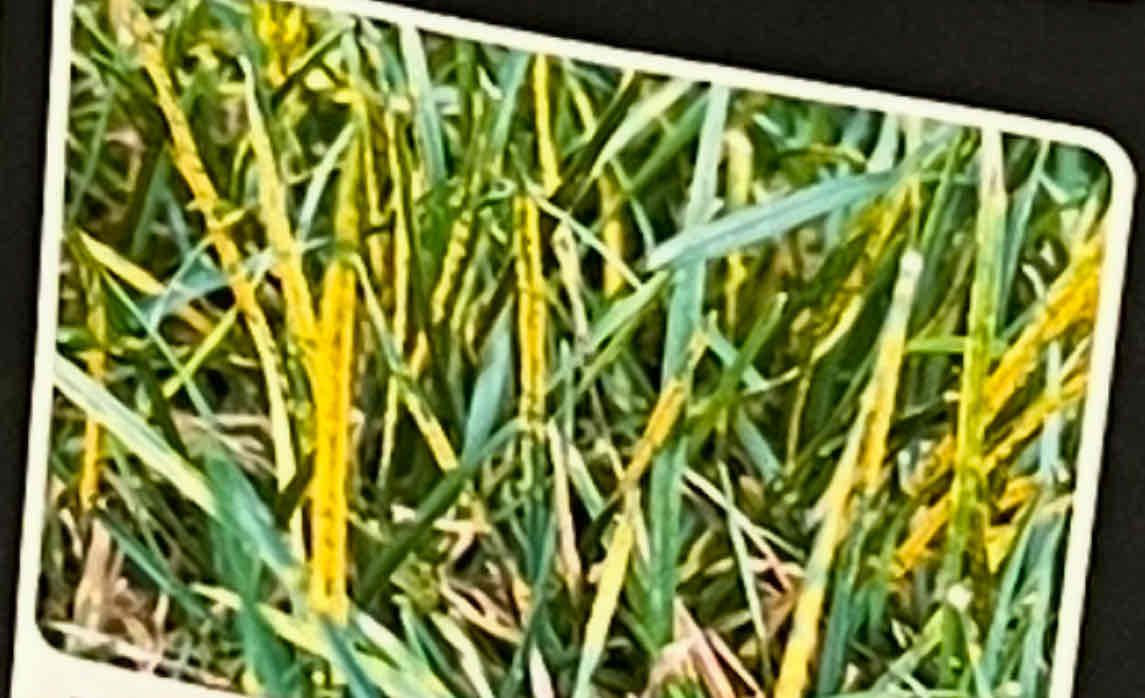
Rust—Rust is a common lawn disease caused by a fungus that typically appears in mid-summer to late fall. It can also appear when grass is stressed, such as after a dry period.
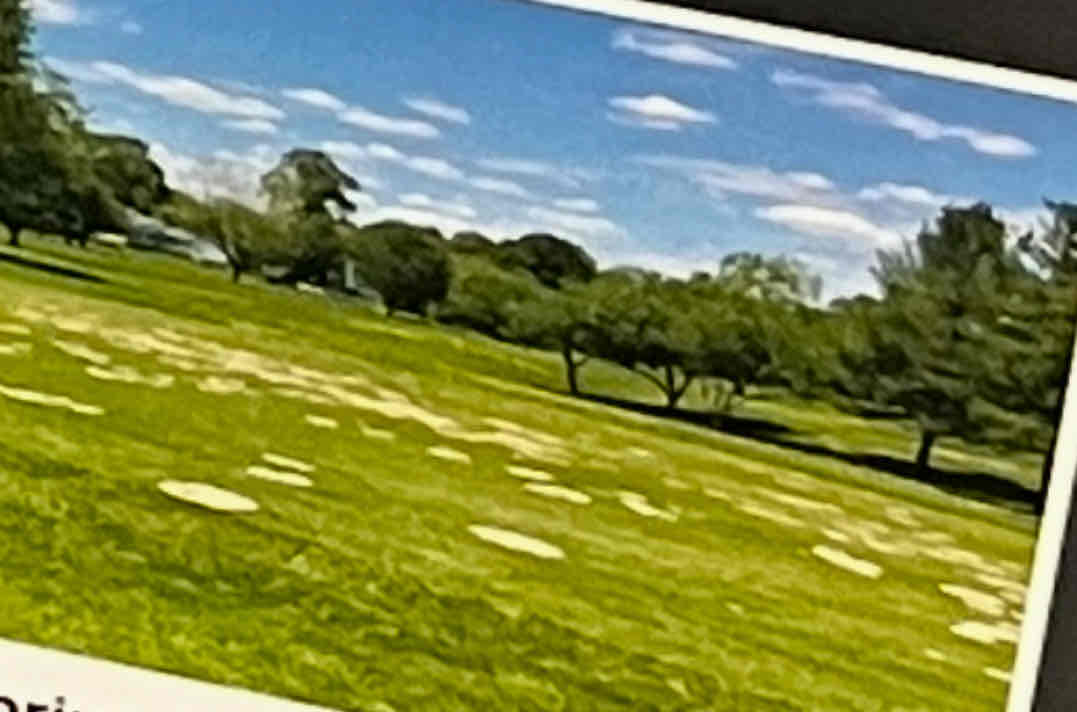
Spring Dead Spot—Spring dead spot in the Quad Cities is a fungal disease that causes large, circular patches of dead grass in lawns, usually in early spring, and primarily affects warm-season grasses like Bermuda and zoysia, especially after winter stress.
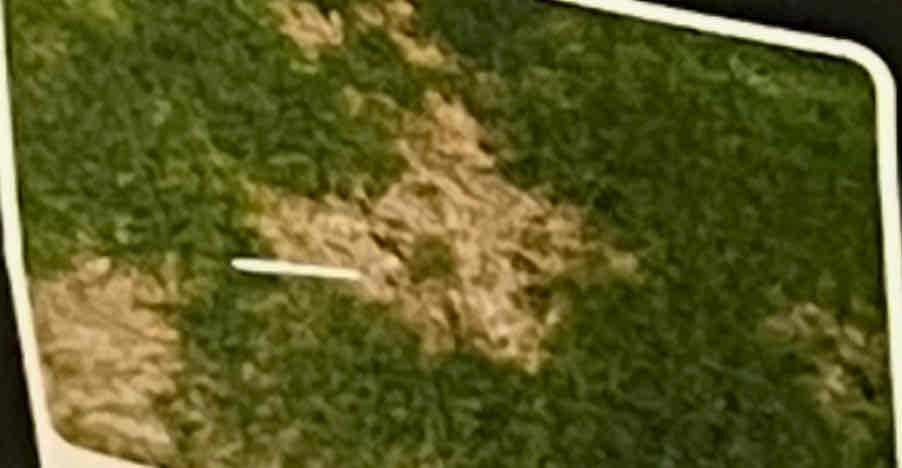
Summer Patch—Summer patch in the Quad Cities is a fungal disease that causes circular, brown patches in lawns, often during hot, humid weather, and primarily affects cool-season grasses like Kentucky bluegrass and fescue.
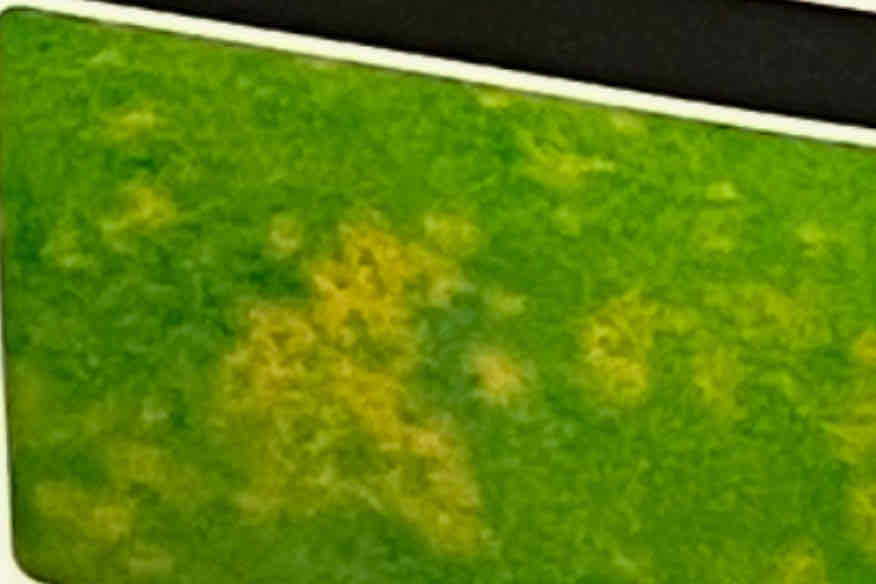
Take-All patch in the Quad Cities is a soil-borne fungal disease that causes circular patches of yellowing or dead grass, often during warm, wet weather, and primarily affects cool-season grasses like Kentucky bluegrass and fescue.
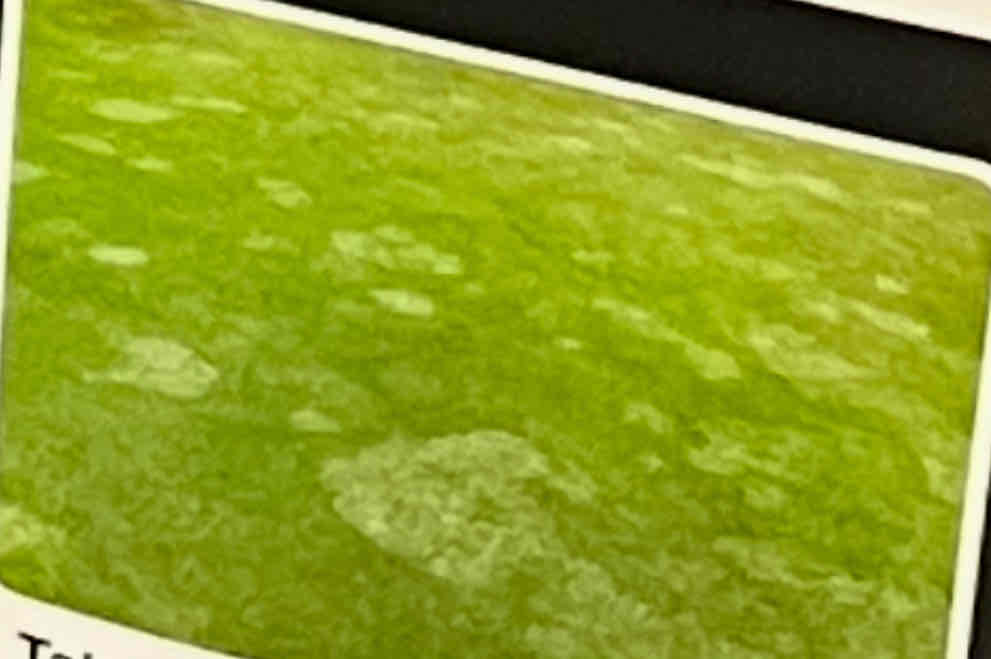
Take-All Root Rot—Take-All root rot in the Quad Cities is a fungal disease that attacks the roots of cool-season grasses like Kentucky bluegrass and fescue, causing yellowing, thinning, and eventual death of the grass, typically during warm, wet conditions. It often leads to poor root development and weakened turf.
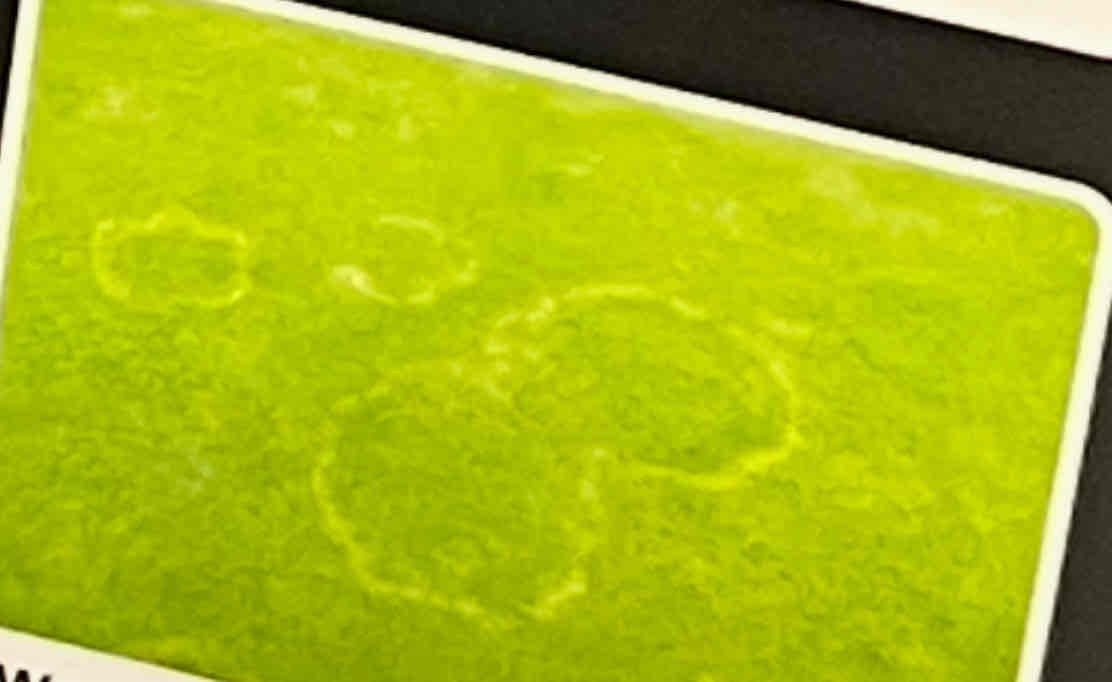
Waitea Patch—Waitea patch in the Quad Cities is a fungal disease that causes circular patches of yellowing or dead grass, often during warm, humid conditions, and primarily affects cool-season grasses like Kentucky bluegrass, ryegrass, and fescue. It is most active in the summer months and can lead to thinning and weakening of the lawn.