Fossil Identification and Geologic Time Review
 Studied by 0 people
 Call Kai
 Learn
Learn Practice Test
 Spaced Repetition
 Match
Match Flashcards
 Knowt Play
1/60

Earn XP
Description and Tags
These flashcards cover key concepts and classifications related to fossil identification, geologic time, age dating, geologic structures, and the oil game, providing a comprehensive study tool.
Name | Mastery | Learn | Test | Matching | Spaced | Call with Kai |
|---|
No analytics yet
Send a link to your students to track their progress
61 Terms
What is Dielasma, and when did it first appear?
A brachiopod genus that first appeared in the Paleozoic.
What is Agnostus, and when did it first appear?
A trilobite (Arthropoda; Trilobita) that appeared in the Paleozoic.
What is Platystrophia, and when did it first appear?
A brachiopod genus from the Paleozoic.
What is Michelinoceras, and when did it first appear?
A cephalopod (Mollusca; Cephalopoda) from the Paleozoic.
What is Mucrospirifer, and when did it first appear?
A brachiopod genus from the Paleozoic.
What is Phacops, and when did it first appear?
A trilobite (Arthropoda; Trilobita) from the Paleozoic.
What is Archimedes, and when did it first appear?
A bryozoan genus from the Paleozoic.
What is Hallopora, and when did it first appear?
A bryozoan genus from the Paleozoic.
What is Favosites, and when did it first appear?
A tabulate coral (Cnidaria) from the Paleozoic.
What is Pentremites, and when did it first appear?
A blastoid (Echinodermata; Blastoids) from the Paleozoic.
What is Pecten (in this context), and when did it first appear?
A cephalopod (Mollusca; Cephalopoda) from the Paleozoic.
What is Pecopteris, and when did it first appear?
A fossil plant (Gymnosperms) from the Paleozoic.
What is Didymograptus or Diplograptus, and when did it appear?
A graptolite (Hemichordata; Graptolites) from the Paleozoic.
What is Mercenaria, and when did it appear?
A bivalve (Mollusca; Bivalvia) from the Mesozoic–Cenozoic.
What is Ostrea, and when did it appear?
A bivalve (Mollusca; Bivalvia) from the Mesozoic–Cenozoic.
What is Turritella, and when did it appear?
A gastropod (Mollusca; Gastropoda) from the Mesozoic–Cenozoic.
What is Exogyra, and when did it appear?
A bivalve (Mollusca; Bivalvia) from the Mesozoic–Cenozoic.
What is Belemnopsis, and when did it appear?
A cephalopod (Mollusca; Cephalopoda) from the Mesozoic–Cenozoic.
What is Acropora, and when did it appear?
A coral genus (Cnidaria) from the Mesozoic–Cenozoic.
What is Enallaster, and when did it appear?
An echinoid (Echinodermata; Echinoids) from the Mesozoic–Cenozoic.
What is relative age?
Determining the order of events or rocks based on their physical relationships.
What is the principle of fossil succession?
Fossils appear in a predictable order and can be used to determine relative ages of rock layers.
What is absolute age?
A numerical age of a rock determined using radioactive decay.
What is the parent–daughter isotope relationship used for?
Calculating the absolute age of rocks by comparing remaining parent isotope to produced daughter isotope.
What is a half-life?
The time required for half of a radioactive isotope to decay.
What is an unconformity?
A surface that represents a gap in the geologic rock record.
What are the three types of unconformities?
Angular unconformity, disconformity, nonconformity.
When did the Paleozoic Era begin?
About 541 million years ago.
When did the Mesozoic Era begin?
About 252 million years ago.
When did the Cenozoic Era begin?
About 66 million years ago.
What is a fault?
A fracture in rock along which movement has occurred.
What is a normal fault?
A fault where the hanging wall moves downward relative to the footwall.
What is a reverse fault?
A fault where the hanging wall moves upward relative to the footwall.
What is a fold?
A bend in rock layers caused by compressional forces.
What is an anticline?
An upward-arching fold with the oldest rocks in the center.
What is a syncline?
A downward-arching fold with the youngest rocks in the center.
What is strike?
The compass direction of a horizontal line on a tilted rock layer.
What is dip?
The angle and direction at which a rock layer slopes downward.
What is the plunge of a fold?
The angle at which a fold axis tilts into the ground.
What are geologic map symbols used for?
Showing strike, dip, and geologic structures on maps.
What is the purpose of the Oil Game?
To demonstrate how oil migrates and accumulates in geological traps.
What is an oil trap?
A geological structure that prevents oil from migrating further.
What is a structural trap?
A trap formed by folding or faulting (e.g., anticline traps).
What is a stratigraphic trap?
A trap formed by changes in rock type or pinch-outs.
What is the basic procedure of the Oil Game?
To explore how oil moves through layers and where it accumulates in traps.
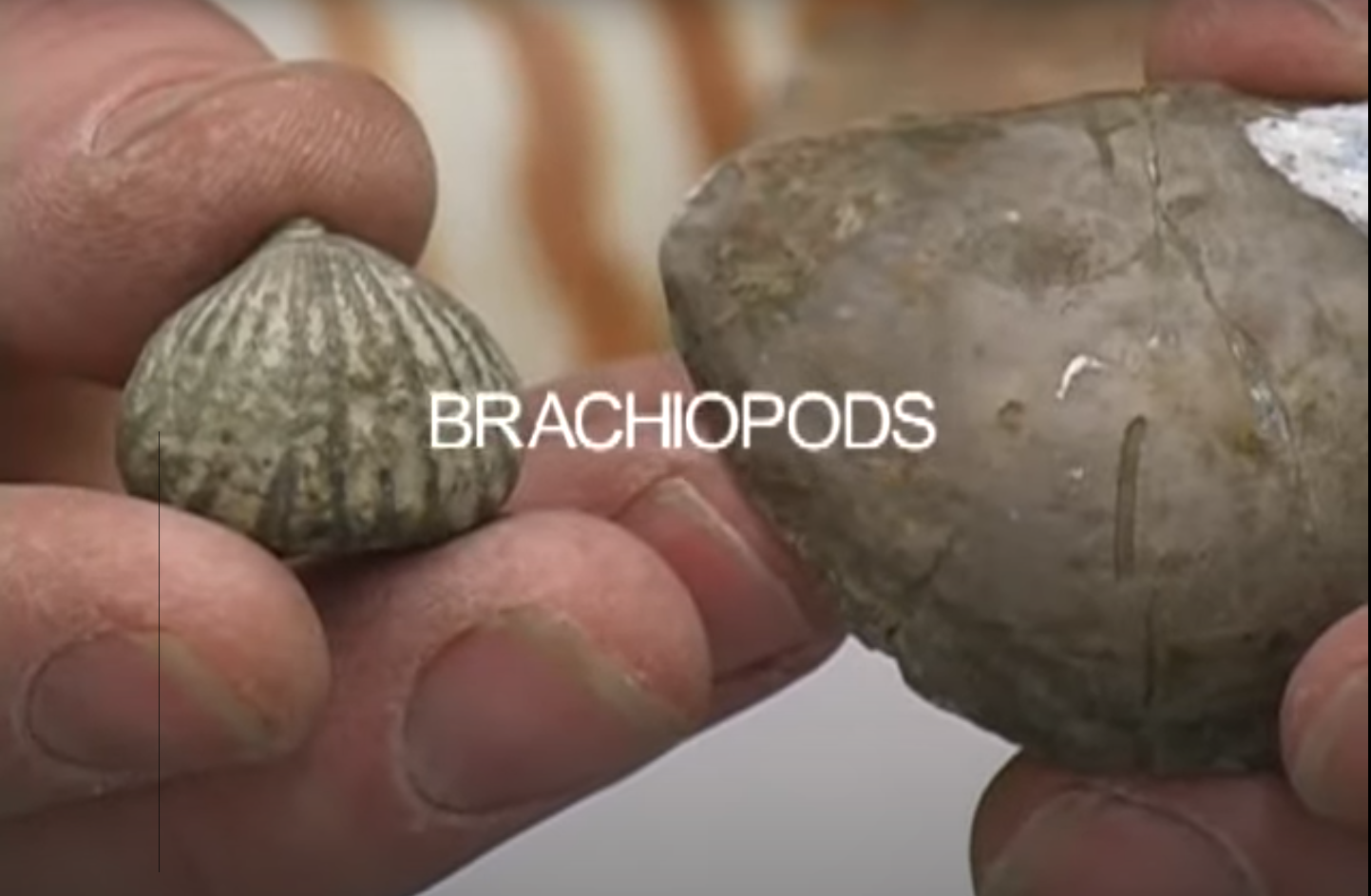
What is this the fossil of?
Brachiopod, Modern day clams from a marine environment, characterized by a symmetrical bivalve shell.
What does it mean when the shell of a Brachiopod has a smooth shell?
It was in a low energy enviornment.
What does it mean when the shell of a Brachiopod has a rigid shell with
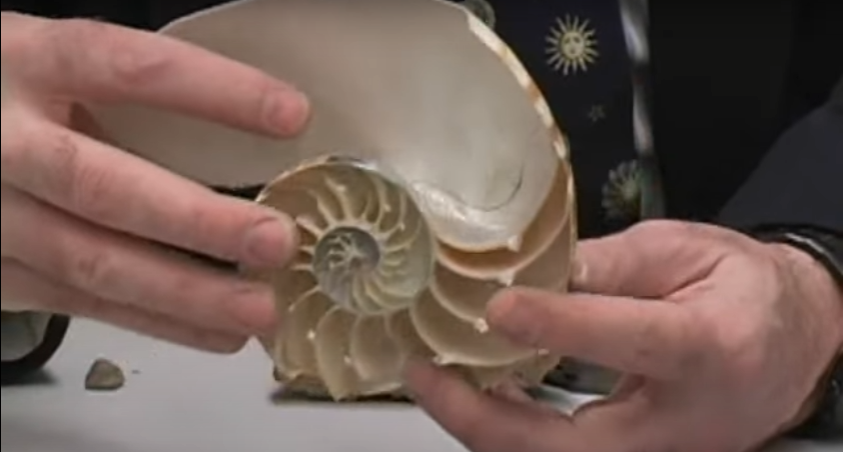
What is this a fossil of?
Nautiluses, Modern day members of the cephalopod class of marine animals, making them close relatives of the octopus, squid, and cuttlefish. The chambers were there so that they could float.
What does cross-bedding and lines through the rock indicate about its enviorment?
It was in a high energy enviornment with flowing water.
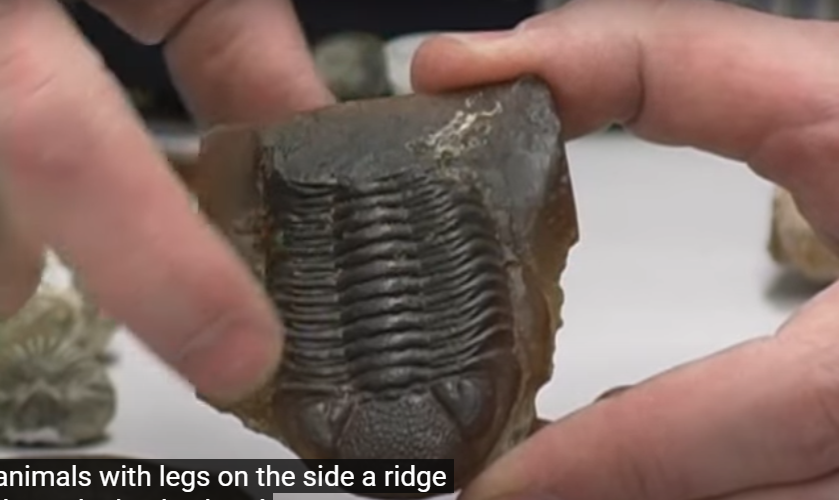
What is this a fossil of?
Trilobites, have no modern-day equivalents because they went completely extinct during the Permian mass extinction. Their closest descendant is the horseshoe crab.
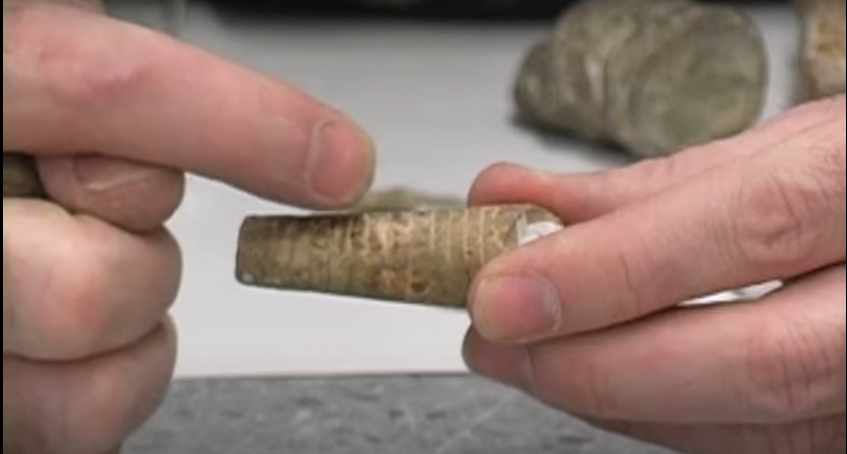
what is this a fossil of?
A fossil of a nautiloid, an extinct relative of modern nautiluses.It is an ammonite, closely related to modern squids and octopuses.
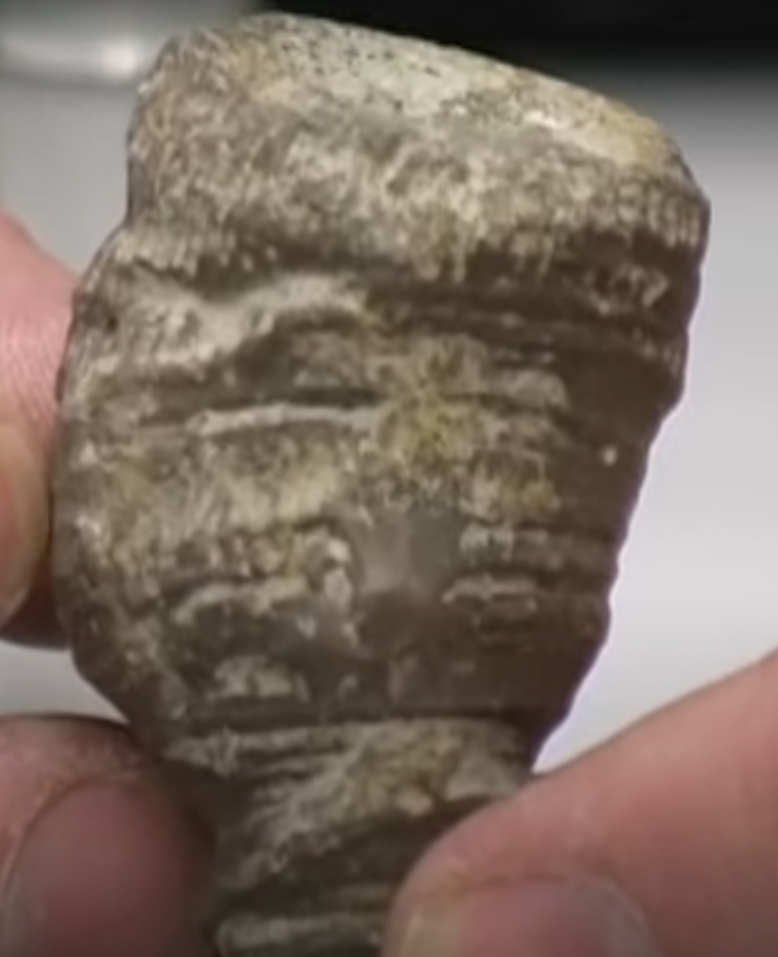
What is this a fossil of?
Rugose coral. similar to modern corals, they were prominent in Paleozoic seas and exhibit distinctive horn-shaped structures.
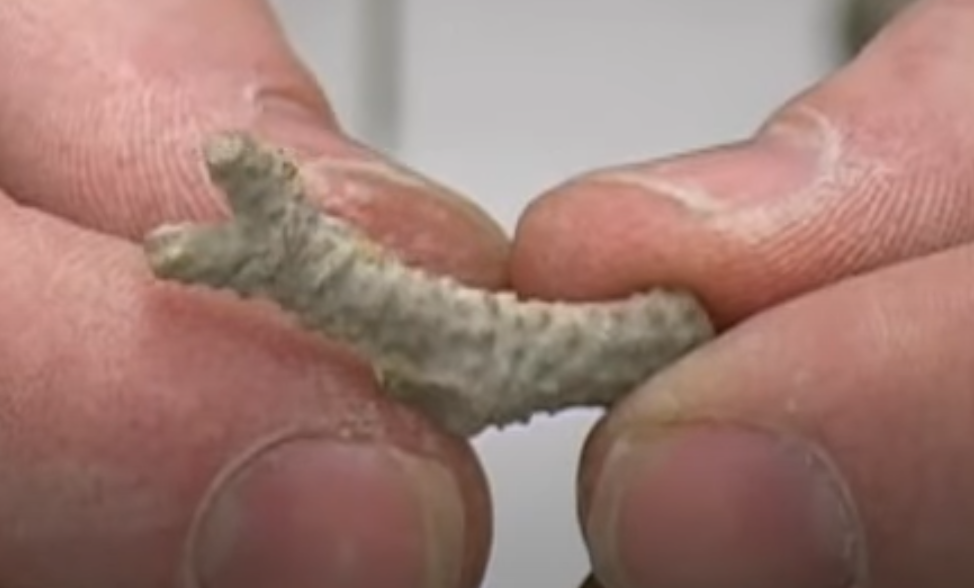
What is this a fossil of?
Bryozoan.These small colonial organisms lived in marine environments and contributed to reef structures.
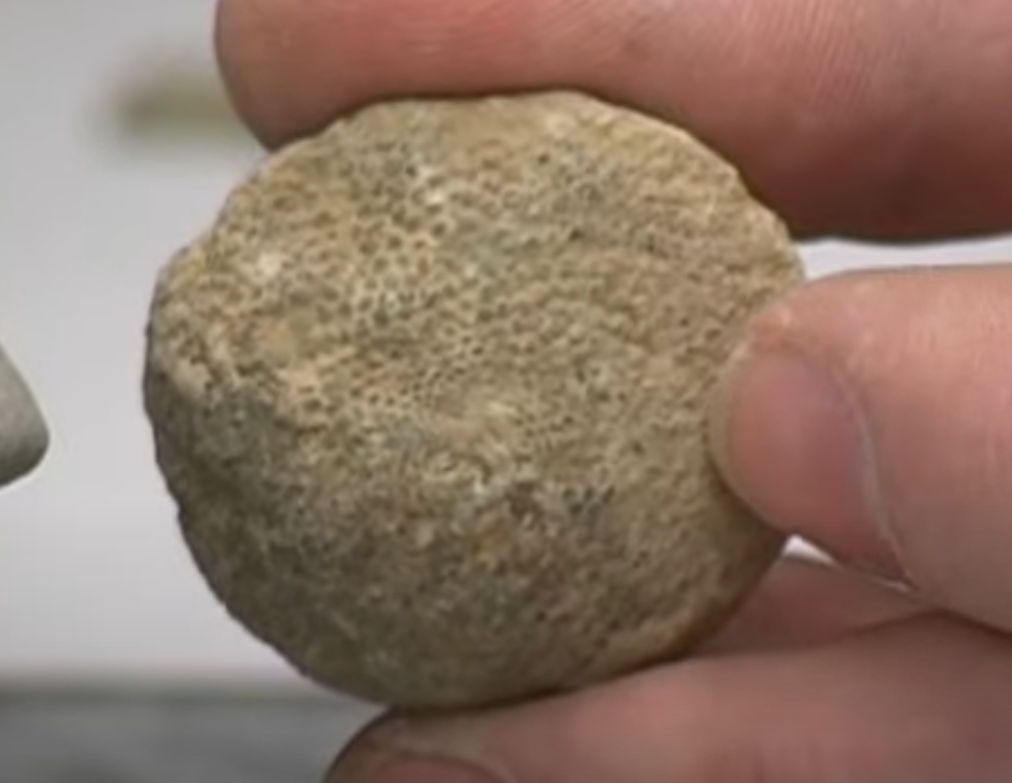
What is this a fossil of?
Sponges, Obviously a direct relative of modern day sponges.
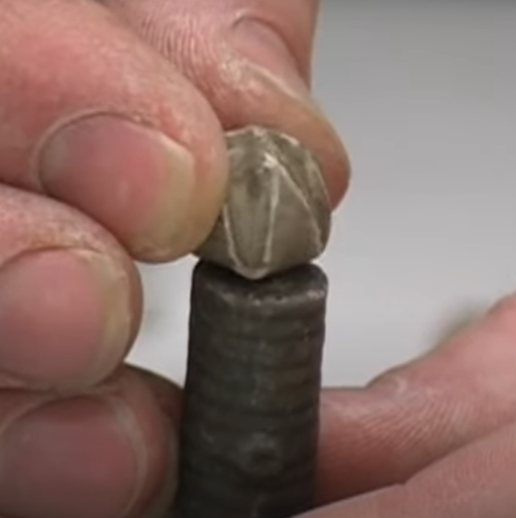
What is this a fossil of?
Sea Lilies, the two pieces would be in a single piece and attached to a flower like appendage, where the head would filter micro organisms and get its nutrition from it.
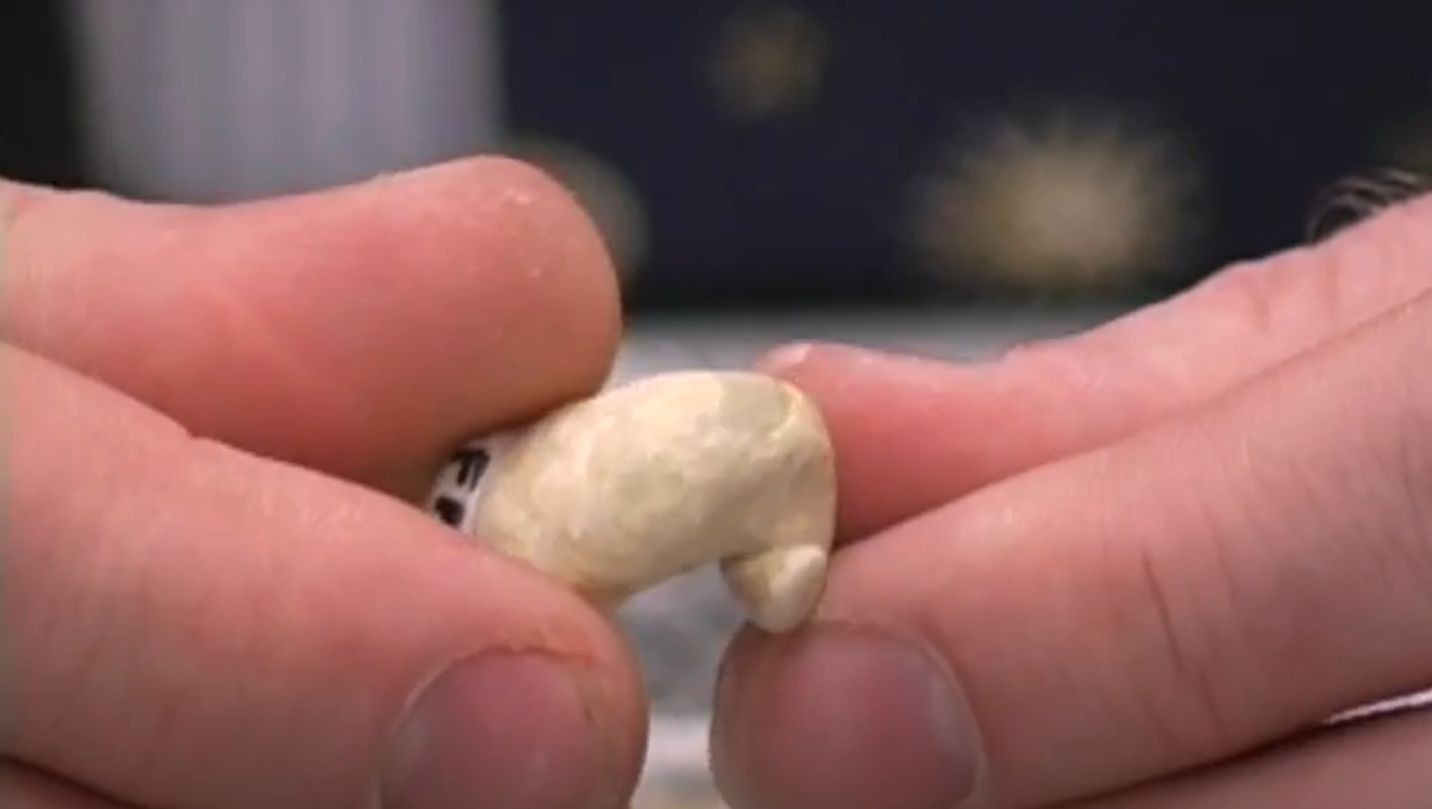
What is this a fossil of?
Oysters, scientists believe this specific kind went extinct because their backs were curved too much that they couldn’t open their shells well anymore.
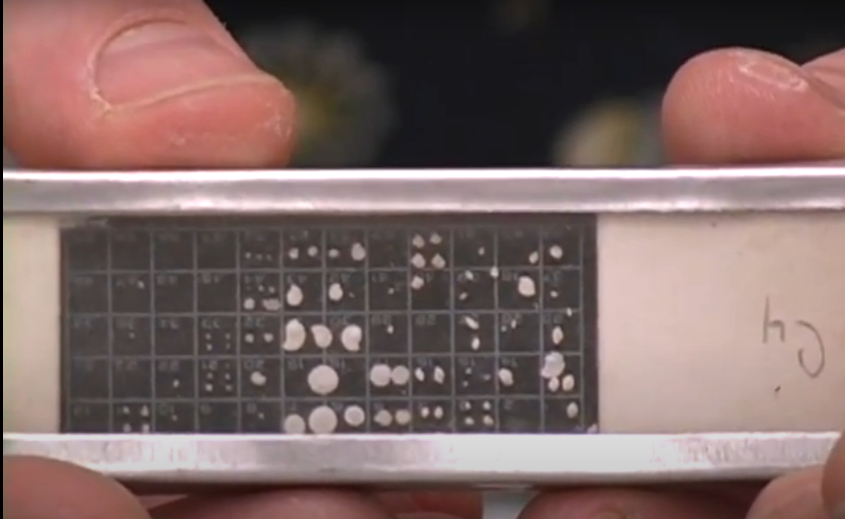
what is this a fossil of?
Foraminefra. Guide fossils of the Mesozoic and Cenozoic era. some can become rather large
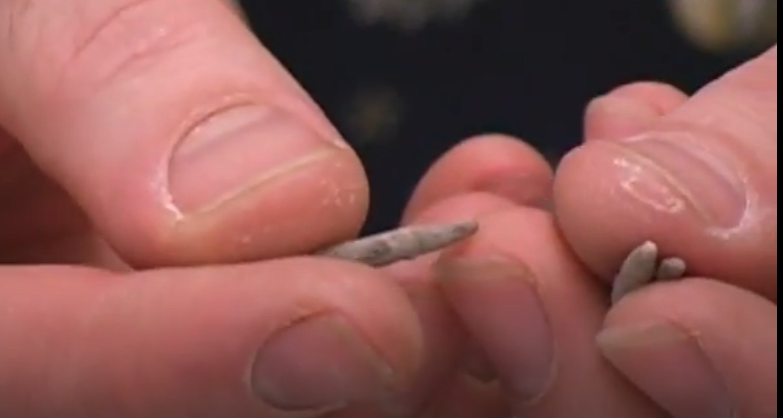
What is this a fossil of?
Fusilinids, also a type of foraminifera that serve as important guide fossils for dating rocks from the Paleozoic era, especially in shallow marine environments.
 Note
Note  Flashcards (142)