sound terminology
 Call Kai
 Learn
Learn Practice Test
 Spaced Repetition
 Match
Match Flashcards
 Knowt Play
1/53

There's no tags or description
Looks like no tags are added yet.
Name | Mastery | Learn | Test | Matching | Spaced | Call with Kai | Chat |
|---|
No analytics yet
Send a link to your students to track their progress
54 Terms
Natural sound (nat sounds)
Unaltered sounds with an actual source — a.k.a., nature.
ie: sounds of wind, tree branches, animals, insects, cars whizzing by, horns honking, etc., all of which add a layer of realism to your films
Foley
live action sounds made by HUMANS from the objects that appear in the film, or from completely different sources.
ie bag of corn starch rustled in your hands hands = footsteps in snow
sound effects
aren’t recorded to sync directly with picture.
created artificially or by enhancing existing sounds
ie explosions, mechanical sounds, or made-up objects (light sabers!).
Walla
sound effect for the murmur of a crowd
diegetic
existing or occurring within the world of a narrative rather than as something external to that world
diegetic sounds
Sound the characters in the film can hear and is seen on screen
ie actors’ voices, footsteps, piano
non-diegetic sounds
sounds that come from subjects or objects that do not appear on screen, and aren’t implied in the films world
ie voiceover/soundtrack, Love Island, running home in the rain “drunk running” playing
non diegetic & diegetic sounds?
films can “trick” the audience to get their problem-solving to turn on
ie shot in period piece of two kids playing with piano music in the background → you think the music is non-diegetic, but then the camera pans to someone playing piano in the room
empathetic sound
diegetic sound effects that “fit” the mood and rhythm of the scene or images
Anempathetic sound
diegenic sound that continues when the tone of the scene changes = sound doesn’t care
ie radio continues to play a happy tune when a character dies
contrapuntal sound
non diegenic sound that doesn’t “fit” a scene or images ie. happy music over violence = sound and image don’t match
Fidelity
ensuring the sound made matches its source, keeps viewer in story. can be comedic ie the cat barks
Hyper-real Sound
the exaggeration of sounds compared to how they sound in real life ie footsteps
Microphone polar (pickup) patterns
where/how diff microphones pick up sounds around their central axis
focused → least focused
shotgun cardioid omnidirectional
shotgun microphones (boom mics)
highly-directional mics that only pick up sound from where they are pointed
used for interviews, films
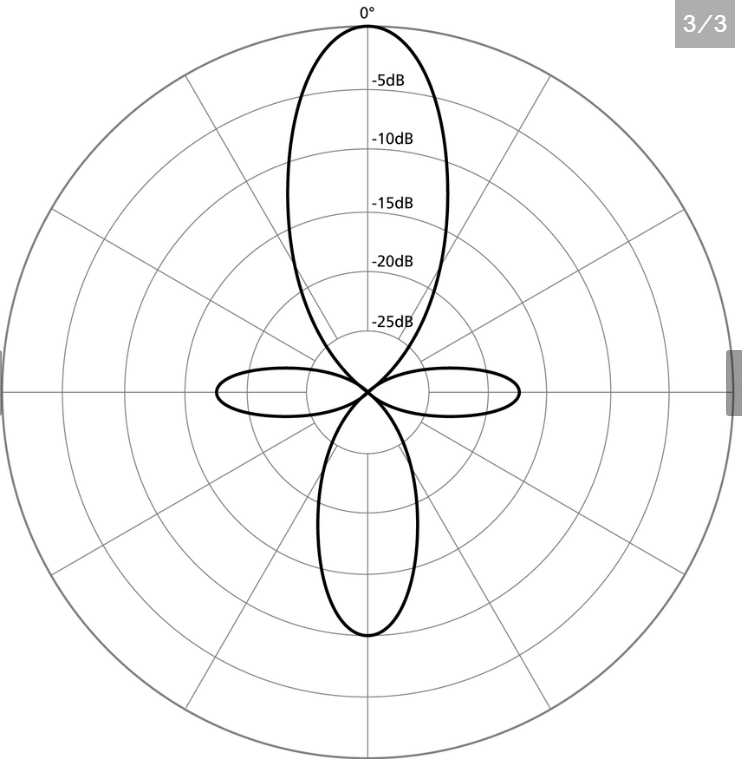
Cardioid microphones
directional mics that pick up sound in the shape of the heart → most of the sound comes from one direction, the rest is ambient audio surounding
used for speech-related uses, voiceovers, podcasts, etc

Omnidirectional microphones
directional mics that pick up sound from all directions
used in clip on mics (work when mouth isn’t pointed at mic)
Lavalier microphones (lav mics)
small (usually omnidirectional) mics usually placed on the body (jacket, hair) with wireless transmitter and receiver (micpack)
used when mic needs to be hidden (in wigs, on faces)
wireless transmitter & receivers
used to record audio via bluetooth
the one takes your audio signal and converts it to radio waves, and sends them to a another which coverts them back (to an audio signal)
peaking/clipped audio
when the volume of audio gets too loud for a system to handle (over 0 decibels) it results in crackling
fixed by lowering levels to create a buffer (-10db) or setting build-in limiter on audio recorder
Phantom power
power sent through microphone cables
(a way of carrying electric current to power microphones without using a separate power supply)
can use camera/audio recorder can be their power source
sync sound
sounds that were recorded directly into the camera.
ie plugging your shotgun mic directly into your camera.
asynchronous sound
when the sound is out of sync with the image on screen (intentionally or unintentionally)
semi sync
sounds that appear synchronized with action & have secondary importance
ie parties/carnivals the sound seems synced but viewer can’t really tell
dual-system recording
sound that was not recorded directly into the camera.
ie using another sound recorder to capture the audio separately from the visual shots = having to sync sound in post
timecodes
used for syncing multiple media tracks (video and audio).
ie used to sync dual-system recording.
either set in-camera manually or ‘jammed’ into the camera via a separate audio recorder (to ensure both are set at the same value).
ADR (looping) - Automated Dialogue Recording
dialouge that is re-recorded in the post-production phase
the actor does this in a booth and hears beeps which act as a cue for their line
dubbing
describes the process of adding sound to a film, often different language over the original language (can also be same lang) (often done using ADR)
ie Maxton Hall, Never Enough The Greatest Showman
added value
the illusion viewers experience that the image creates meaning but the sound is just as valuable
room tone
the “extra” sound in a room
plumbing, fans, people walking three floors up
ambient sound
background/atmospheric sound that establishes the environment and tone
ie traffic, birdsong, crowd chatter (can exist in real life or film)
location sound
ALL the sound that is recorded in the actual location during filming, some of this sound (dialogue) may need to be re-recorded
also production sound/direct sound
sound scape
the types of sound associated with a particular period of time or location ie woods = twigs cracking and birds
sound loop
a continuous loop of recorded sound, designed to provide background sound throughout a scene
soundtrack
music and voices added in post-production that the characters can’t hear. Shares info only for the audience
character theme/motif
the soundtrack that is associated with a particular character. Used to introduce, indicate characters presence, or suggest someone is think abt them
ie spiderman
character sound/motif
sound effect(s) that are associated with a particular character ie the film rolling with flashbacks of Dad in Hugo
attack
the way sound is initiated (starts playing), it can be fast or slow
stings
short bursts of music
soundbridge
sound that sustains from one scene into the next (bridges the gap)
harmonics
an object's ability to vibrate and the frequency sound waves it puts off - can change “enjoyment’ of a sound
rhythm
a recurring sound that has both strong and weak elements (has pitch).
timbre
The "colour" of the music what makes the sound unique. It helps describe the texture or feel of the sound.
E.g. Saxophone used during seduction scenes
Vococentrism
the presence of the voice over all other sounds
accelerando
music gradually getting faster
adagio
music played at a slow pace
characteristic sound
what the audience THINKS a sound should be.
When a natural sound is changed = __
crescendo
Music getting louder gradually used to create tension
decrescendo
Music getting gradually softer
dialogue
sound made by the characters talking
emotional realism
When the soundtrack reflects the mood of the story or the character's feelings
establishing sound
Sound that establishes the scene or character of the surroundings at the BEGINNING
ie A shot of Times Square in a classic film paired immediately with loud honking car horns and street traffic
MOS
when a scene is filmed without synced or any sound (Mit out sound)
score
music composed, arranged specifically for that scene