Life10e Ch01 Lecture-Studying Life part 1
 Call Kai
 Learn
Learn Practice Test
 Spaced Repetition
 Match
Match Flashcards
 Knowt Play
1/65

There's no tags or description
Looks like no tags are added yet.
Name | Mastery | Learn | Test | Matching | Spaced | Call with Kai | Chat |
|---|
No analytics yet
Send a link to your students to track their progress
66 Terms
What is Biology
Biology is the scientific study of living
things (organisms).
amphibian species
More than one-third of the world’s
amphibian species are threatened with
extinction.
Could atrazine in the environment affect
species other than amphibians?
Yes, atrazine can impact other species, including fish and invertebrates, through water contamination and ecosystem disruption.
What is a huge threat to amphibians?
Tyrone Hayes studies one of the threats
to amphibians—agricultural pesticides
such as atrazine, which impact breeding
and reproduction
How long was the common origin of life?
Living things are all descended from a
common origin of life that occurred
almost 4 billion years ago.
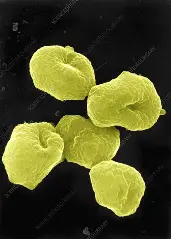
Sulfolobus
0.5 μm
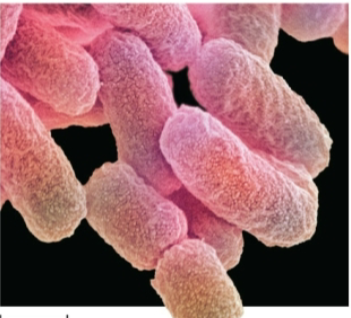
Escherichia coli
0.6 μm
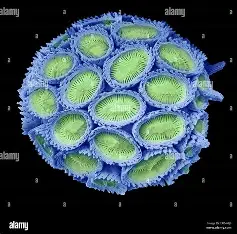
Coronosphaera mediterranea
4 μm
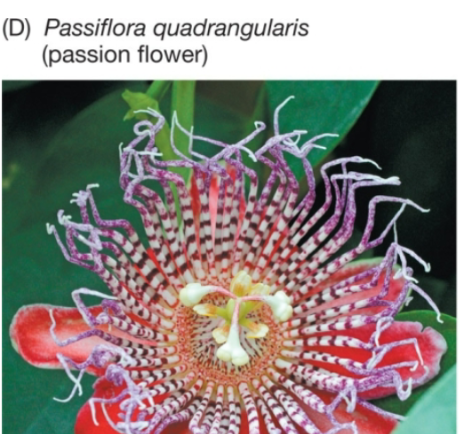
Phallus indusiatus (stinkhorn mushrooms)

Passiflora quadrangularis (passion flower)
Characteristics of living organisms 1:
chemical components such as carbohydrates, fatty acids,
nucleic acids, amino acids
Characteristics of living organisms 2:
Most are made of cells enclosed by
plasma membrane
Characteristics of living organisms 3:
Convert molecules from their
environment into new biological
molecules and refers to the synthesis of molecules
Example: building glucose from carbon dioxide and water during photosynthesis
Characteristics of living organisms 4:
Extract energy from the environment
and use it to do biological work and refers to the breakdown of molecules to release stored energy Example: glucose is broken down in the presence of oxygen to produce carbon dioxide, water, and usable energy in the form of ATP
Characteristics of living organisms 5:
Contain genetic information that uses
a universal code to specify proteins
Characteristics of living organisms 6:
Share similarities among a
fundamental set of genes, and
replicate this genetic information when
reproducing
Characteristics of living organisms 7:
Exist in populations that evolve through
changes in frequencies of genetic
variants over time
Characteristics of living organisms 8:
Self-regulate their internal environment,
maintaining conditions that allow them
to survive
Earth formed how long ago
Earth formed 4.6 to 4.5 billion years ago
but it was 600 million years or more before
life evolved
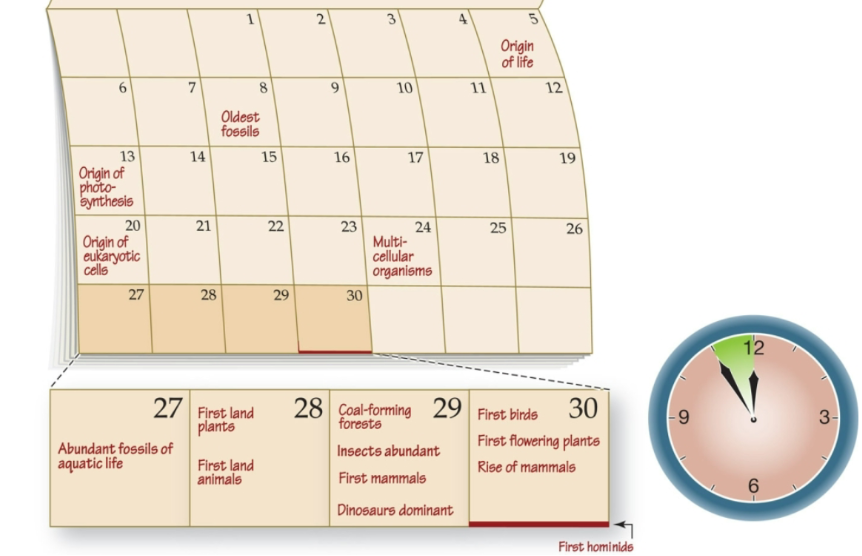
The history of Earth can be pictured as a
30-day month….?
Origin of life 2. Oldest fossils 3. Origin of photosynthesis 4. Origin of eukaryotic cells 5. Multicellular organisms 6. Abundant fossils of aquatic life 7. First plant/land animals 8. Coal-forming forests, insects abundant, first mammals, dinosaurs dominant 9. first birds, first flowering plants, rise of mammals.
Pics of Cell membrane, membrane of nucleolus, and mitochondria
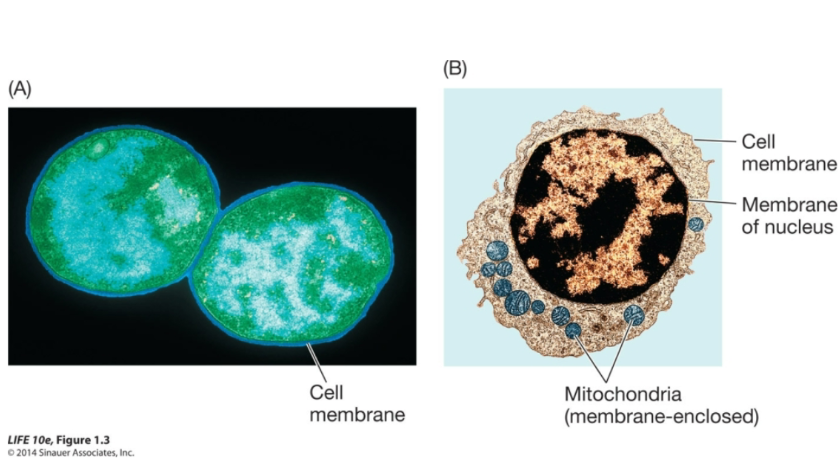
2 billion years ago, life consisted of single
cells
prokaryotes
The two main groups of prokaryotes
emerged early
bacteria and archaea
An organism consisting of one or more cells in which the genetic material is DNA, organized into chromosomes, contained within a distinct nucleus. Eukaryotes include all living organisms other than the eubacteria and archaea
eukaryotes
Eukaryotic cells
internal membranes
that enclose specialized organelles
within their cells, including the nucleus,
which contains the genetic material
photosynthesis
transforms sunlight energy
into biological energy.
About 2.5 billion years ago
photosynthesis changed the nature of
life on Earth
What does photosynthesis do for earth?
provides food
Early photosynthetic cells were probably
similar to
cyanobacteria (which are a type of prokaryotes)
The atmosphere of early Earth had no O2,
but it began to increase as
photosynthetic prokaryotes increased.
O2
in the atmosphere allowed life to move to land
O3 layer (ozone layer)
which absorbs
damaging UV radiation.
By 500 million years ago
there was enough ozone to leave the protection of water
Genome
: the sum total of all the DNA
in a cell (is the complete set of genetic material in a living organism.)
DNA consists of repeating subunits
called
nucleotides (there are 4 billion in a human body) and is the basic building block of DNA and RNA.
Gene
a specific segment of DNA that
contains information for making a
protein.
Evolution
is the major unifying principle of biology, the strongest change and continue to live
Charles Darwin
Compiled factual evidence for evolution.
differential survival and
reproduction
among individuals in a
population (natural selection) could
account for much of the evolution of life.
Natural selection leads to
adaptations: structural, physiological, or
behavioral traits that enhance an
organism’s chances of survival and
reproduction.
Adaptations to the Environments
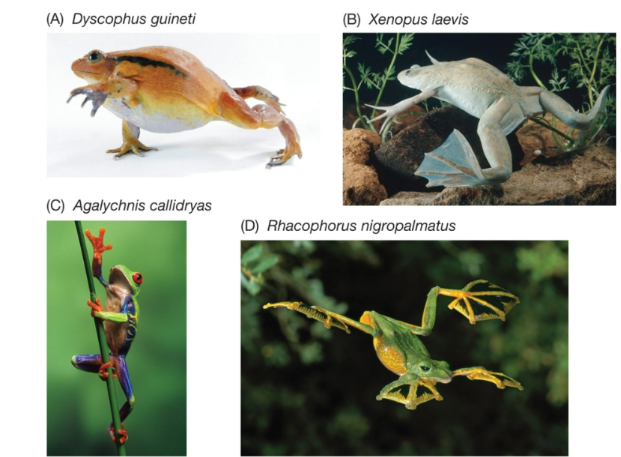
Each species has a distinct scientific
name, a binomial:
Genus name – species name
Example: Homo sapien
genus
is a group of species that share
a recent common ancestor.
evolutionary
relationships
describe the connections between different species through shared ancestors, revealing how all life forms are interconnected through common descent.
molecular techniques
Molecular techniques are laboratory methods used to manipulate, analyze, and study biological molecules such as DNA, RNA, proteins, and lipids at the molecular level. (such as the ability to sequence genomes.)
phylogenetic tree

biological hierarchy
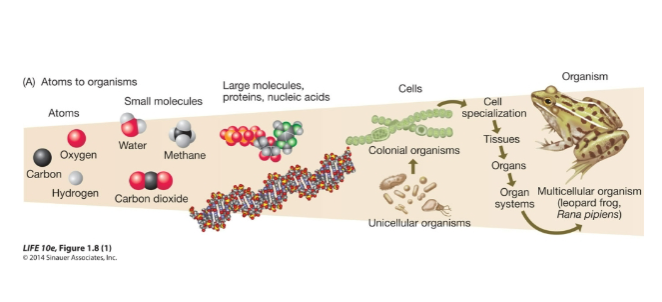
Movement (cellular work)
of molecules or the
whole organism
Synthesis (cellular work)
Synthesis—building new complex
molecules from smaller chemical
unit
information
processing (cellular work)
Electrical work of information
processing in nervous systems
homeostasis
Maintenance of the narrow range of
conditions that support survival/ regulating their internal environment of extracellular fluid (example: shivering to generate heat)
hypothesis–prediction
Making observations
2. Asking questions
3. Forming hypotheses, or tentative
answers
4. Making predictions based on the
hypotheses
5. Testing the predictions
Controlled experiments
the whole test where you control the other factors
experimental
receives the change or treatment you're testing.
independent variable
the variable
being manipulated
Dependent variable
the response that
is measured.
Statistical methods
Are used to see if difference are significant
Statistical tests
start with a null
hypothesis: that no differences
exist + analyzes the data to see if there is a significant difference or relationship.
Religious or spiritual
explanations of
a natural phenomenon are not
testable and therefore are not
science
Knowledge of plant biology
has
increased food production, which
has allowed the planet to support a
larger human population.
New strains of crop plants
are
developed to resist pests or tolerate
drought. (peanuts, sweet potatoes, fig)
medical practice.
Biological research explains how
organisms work and why they develop
problems and diseases
genetic variation
That raises ethical and policy questions because changing DNA can affect people, future generations, and society.
Human activities
Make unprecedented rates of change in Earth
systems.
Increasing atmospheric CO2
is
responsible for climate warming which is
contributing to species extinctions and
spread of diseases.
Applicant of results
Are an important part of science example: Molecular mechanisms of atrazine’s
effects are similar in amphibians, fish, reptiles, and human cell cultures