Exam 3 (4.4, 4,7
 Call Kai
 Learn
Learn Practice Test
 Spaced Repetition
 Match
Match Flashcards
 Knowt Play
1/36

There's no tags or description
Looks like no tags are added yet.
Name | Mastery | Learn | Test | Matching | Spaced | Call with Kai | Chat |
|---|
No analytics yet
Send a link to your students to track their progress
37 Terms
All indeterminate forms
1) 0/0 & ∞/∞ (L’H rule)
2) 0 * ∞ (Rewrite into fraction)
3) ∞ - ∞ (factor)
4) 1^∞ , ∞0 , 00 (Take limit adding ln to both sides, log rules, test limit, adjust, exponentiate to get rid of ln)
L’H rule

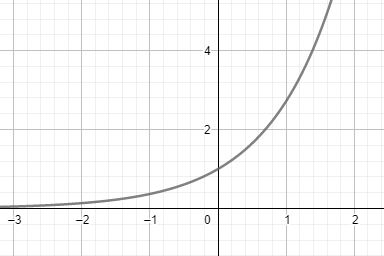
-e^x graph
-e^∞
-e^-∞
-e^∞ = ∞
-e^-∞ = 0
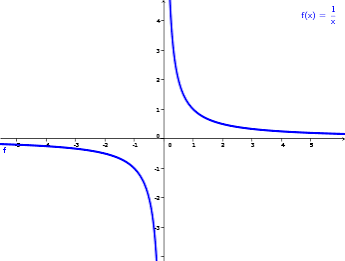
lim x→0+ (1/x)
lim x→0- (1/x)
is ∞ bc of the graph
-∞ bc of the graph
Steps for L’H rule
1) plug in limit to see if you get 0/0 or ∞/∞
2) take each individual derivative and check the limit plugging in again
- if you get 0/0 or ∞/∞
3) repeat 1 & 2 until you find a true limit
steps for “ 0 * ∞”
1) plug in limit to see if you get “0 * ∞”
2) rewrite function as a fraction then plug in again to see what you get
3) follow whatever steps depending on what you get
steps for “ ∞- ∞”
1) plug in limit to see if you get “∞ - ∞”
2) factor something out to make new function
3) plug in limit to see what you get
4) follow whatever steps depending on what you get
steps for 1^∞ , ∞0 , 00
1) plug in limit to see if you get “1^∞ , ∞0 , 00”
2) set up as “ln(L) = lim (ln(function))
3) use log rules to simplify
4) plug in limit to see what you get
5) follow whatever steps depending on what you get
6) once you use L’H rule and get a real limit add “e” to both sides to find answer
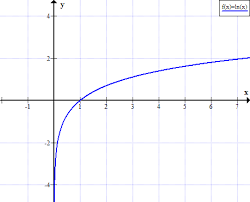
-ln(x) graph
-ln(1) =
-ln(e) =
-ln(x) cannot be
-ln(1) = 0
-ln(e) = 1
-ln(x) cannot be 0 or negative
-objective equation
-Constraint equation
-whats being Maxed or minimized
-the one you set equal to a number given in the problem
steps to solve optimization problems
1) draw picture
2) find constraint & objective equations
3) solve for a variable using constraint equation
4) plug what that variable equals into objective equation & simplify
5) take the derivative of new objective equation
6) set derivative equal to 0 and solve (possible max/min)
7) do 2nd derivative test to verify if its truly a max or min
8) plug that max or min for its variable into the solved constraint equation (optimal values)
9) state answer clearly with units
-Area of a rectangle
-Perimeter of a rectangle
-Volume of a rectangle
-Surface area of a rectangle
-A = Base * length
-P = 2(base + length)
-V = x²h
-sA = x² +x² + 4xh
What’s the Anti-derivative of these functions
1/x or x^-1
e^x
c
1/x = ln|x|
e^x = e^x
c = cx
What’s the Anti-derivative of these functions (pg393)
cos(x)
sin(x)
sec²(x)
cos(x) = sin(x)
sin(x) = -cos(x)
sec²(x) = tan(x)
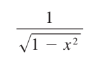
Anti derivative of this
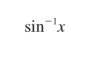
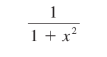
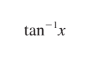
anti derivative of this
How to turn a fraction into multiplication
Power of reciprocals rule
-dividing by a fraction is the same as multiplying by its reciprocal
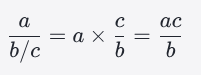
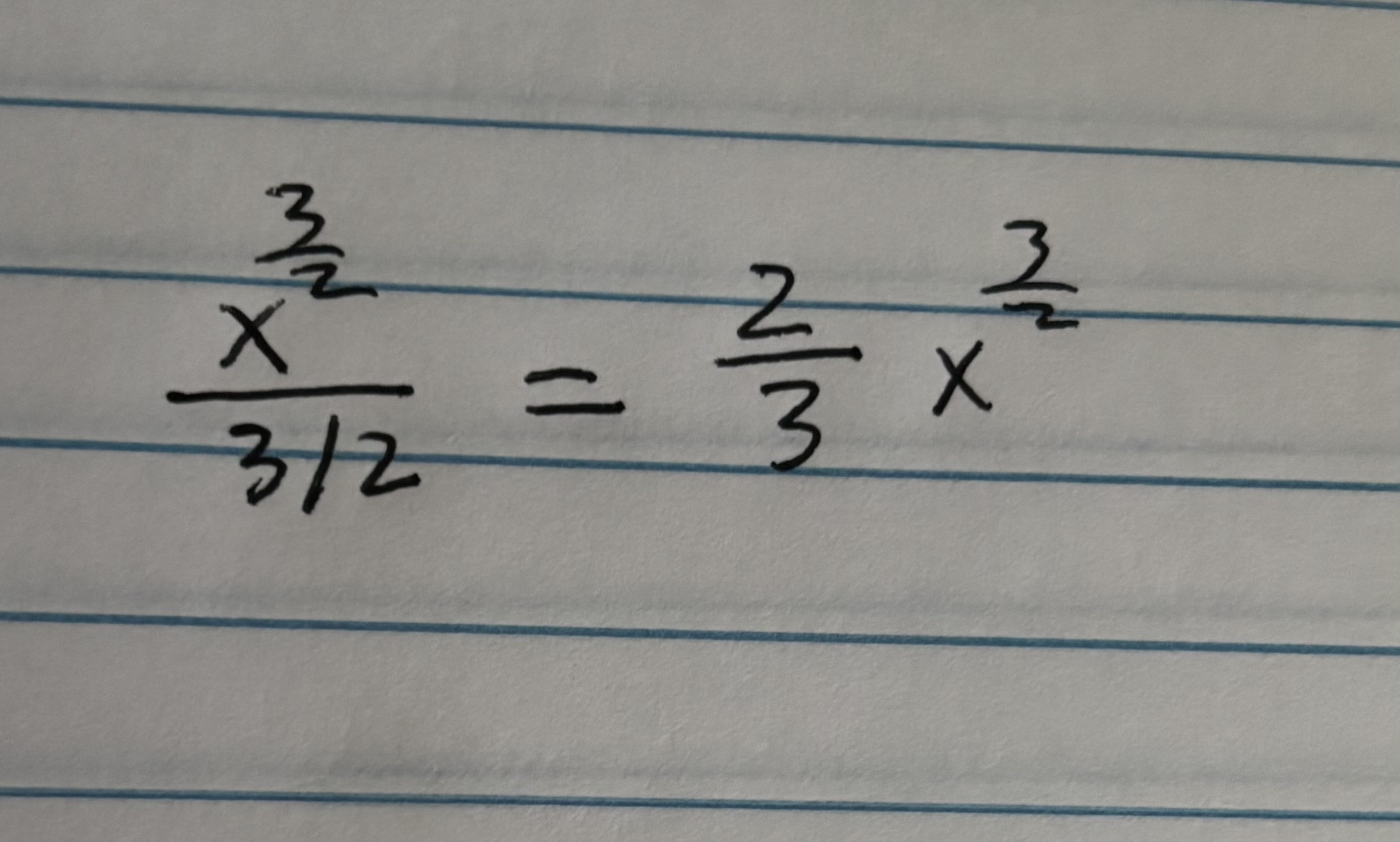
When taking a anti derivative and you have a 1x^anything on top and a fraction on the bottom
Flip the bottom fraction so you can make it a normal fraction
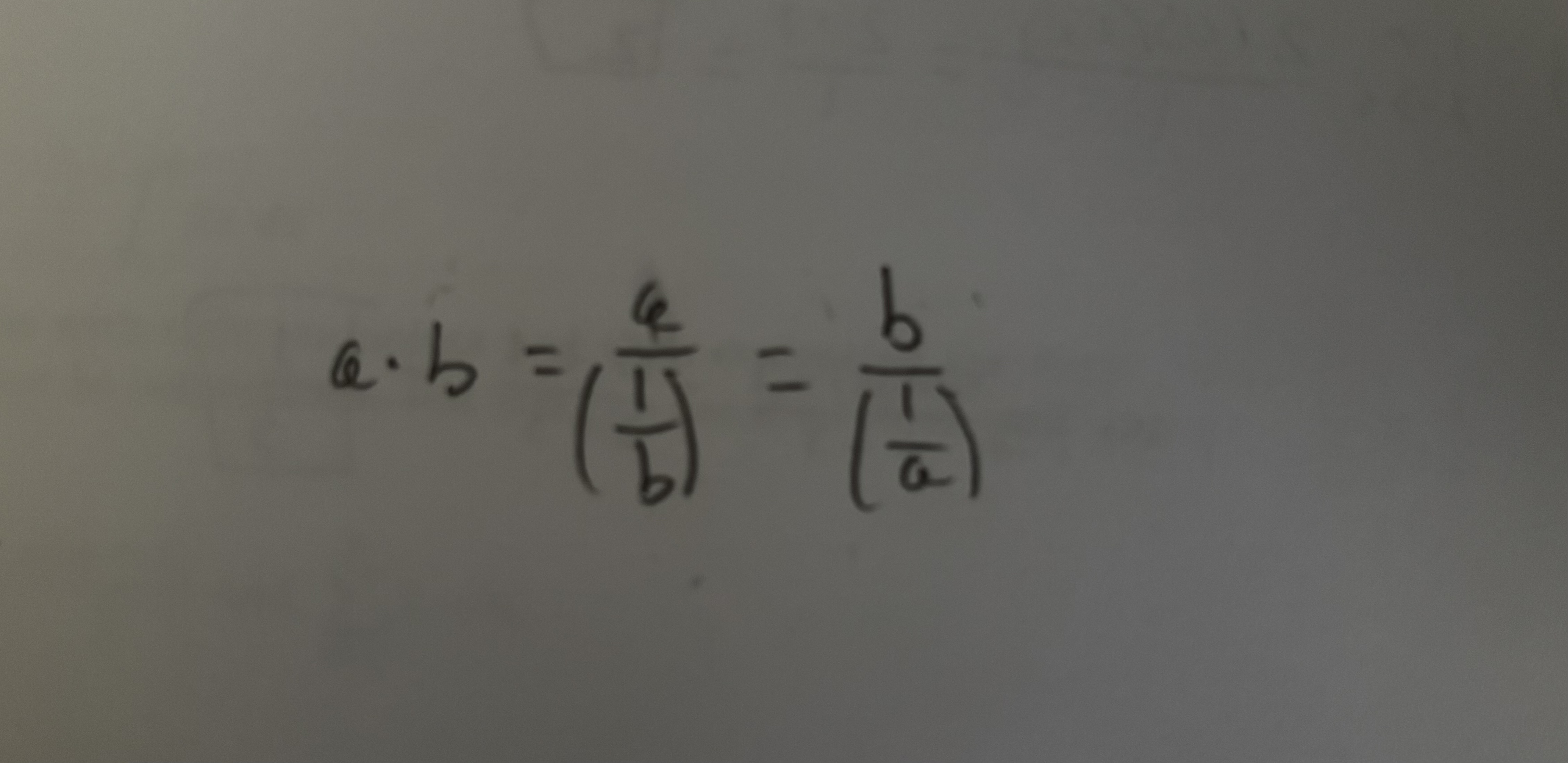
How to turn multiplication into a fraction
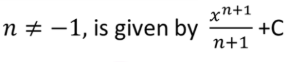
Anti power rule for anti derivatives
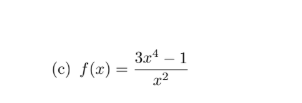
When taking anti derivative and the function starts as a fraction
1) split up fraction then find F(x)

When taking anti derivative and the function starts as a power rule
1) distribute them find F(x)

steps to solve this
1) find f’(x) & f(x)
2) plug in given value for f’(x) to find value of variable
3) plug in given value for f(x) to find value of other variable
4) rewrite found f(x) with the value of each variable as answer
Mean value theorem formula
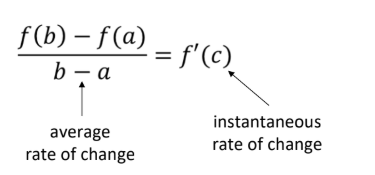
Steps to solve mean value theorem problems
1) check if its continuous (if theres a fraction its no continous where bottom becomes 0)
2) check if its differentiable by taking the derivative
3) find what f(a) & f(b) both equal by plugging in ends of interval
4) use MVT formula see what it equals
5) set that equal to the derivative and solve for x
6) check x values to see if they fit in interval and if they do that’s your answer

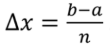
b = last given x
a = first given x
n = how many sub intervals(rectangles)
-How to draw right end points
-How to draw left end points
-start at furthest right end point, draw a vertical line till you touch the curve, then draw a horizontal line to the Left till you reach the next end point
-start at furthest left end point, draw a vertical line till you touch the curve, then draw a horizontal line to the Right till you reach the next end point
steps on how to solve Riemann sum
1) draw graph
2) find Δx
3) pick right or left end points & their values
4) draw rectangles
5) find sum of area
Δx( f(xi) + f(xi) + f(xi) …) =
plug in value for Δx and * by the sum of f(xi)… = answer
How to solve anti derivatives when function has radicals or is a radical in a fraction
Turn the radicals into a power and same with the radical fraction
definite integral definition
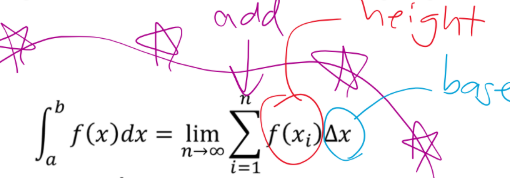
dx =
Xi =
dx = (b-a)/n
Xi = a + i*dx

How to find f(Xi)
1) everywhere where you see “x” in original function replace with “Xi”
2) then replace “Xi” with the value of “Xi”
Step on using the definite integral definition
1) Find dx & Xi
2) Use definition
3) find f(Xi)
4) start taking limit and plug in found values for f(Xi) & Δx(dx)
5) distribute the values of f(Xi) & Δx(dx)
6) then split into 2 separate summations
7) find the matching summation formula for each summation ( if there’s an i or i² factor it out when rewriting )
8) substitute the summation formula for what they equal and simplify
9) distribute, split up fraction, and simplify again
10) then find the limit by plugging in
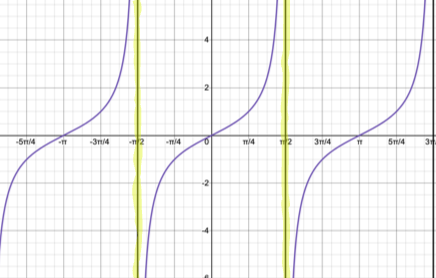
tan(x) graph
when taking a limt
-limx→0 (1/x) =
-limx→0+ (1/x) =
-limx→0- (1/x) =
∞-limx→0 (1/x) = DNE
-limx→0+ (1/x) = + ∞
-limx→0- (1/x) = - ∞
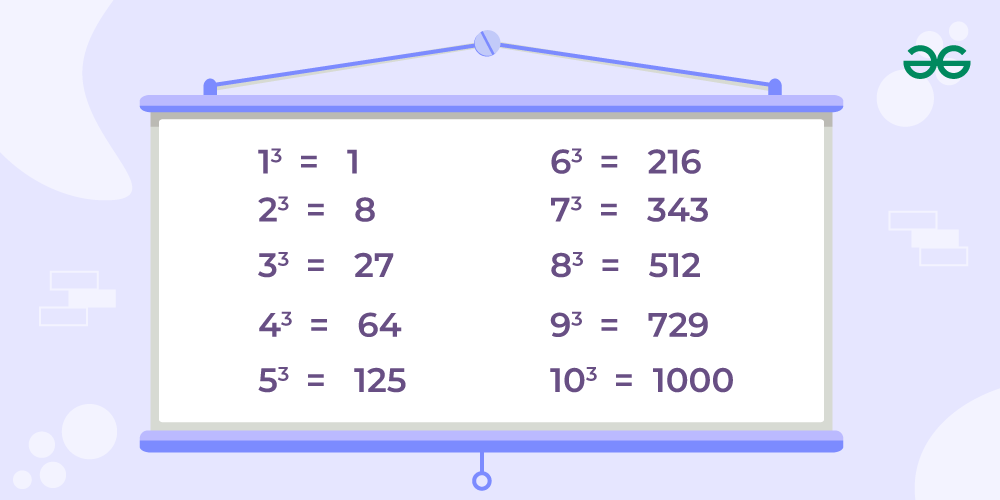
perfect cubes