Rad Procedures Ch 1 Powerpoint part 1
 Call Kai
 Learn
Learn Practice Test
 Spaced Repetition
 Match
Match Flashcards
 Knowt Play
1/76

There's no tags or description
Looks like no tags are added yet.
Name | Mastery | Learn | Test | Matching | Spaced | Call with Kai | Chat |
|---|
No analytics yet
Send a link to your students to track their progress
77 Terms
a radiographer is a
rad tech who administers ioninzing radiation to perform radiographic procedures
ALARA
as low as reasonably achieveable
radiographers perform or assist with
patient care activities
select radiographic procedures
initial image observations
advanced radiographer titles
radiologist assistant (RA)
radiology practicioner assistant (RPA)
Patient Care Bullet Points
communication
assessment
monitoring
support
patient consent to procedure
ensure patient safety
quality of care
scope of practice
ASRT stands for
american society of radiologic technologists
what does the ASRT do ?
defines the practice of radiography
describes education and certification
standards, quality, performance
ARRT stands for
american registry of radiologic technologists
what does the arrt dO?
creates and maintains standards of ethics for rad techs code and rules
what is ethics
moral responsibility and science of appropriate conduct toward others
ARRT code of ethics consists of ___ statements that serve as a ________________ for RTs
10
professional behavior guide
there are ____ rules of ethics
22
22 rules of ethics consist of
mandatory standards and enforceable
exam room
keep room clean and stocked- linens, contrast, ancillary equipment
standard control of pathogen contamination practices
hand hygiene
PPE
respiratory hygiene cough etiquette
appropriate placement
most effective and efficient method to control spread of microorganisms
handwashing
protect IR from
body fluids
clean IRs and equipment
regularly
how often should rad techs wash hands?
before and after each patient
in contact with blood / body fluids
before invasive procedures
radiographer patient care basic things
greet patient
introduct self
explain procedure
show caring
never rush patient
when touching patients be firm but gentle
make sure patient has fingers on table at all times- can pinch
always use two _____ after grabbing a patient
patient identifiers
if notice any abnormalities the rad tech should
note and relay to radiologist
3 types of motion
involuntary
voluntary
equipment
what does motion do to images
ruins quality
involuntary motion causes
heartbeat
chills
peristalsis
tremor
spasm
pain
primary control for involuntary motion
use short exposure time
voluntary motion causes
nervousness
discomfort
excitability
mental illness
fear
age
breathing
control voluntary motion
radiographer gives→
clear instructions
provides patient comfort
adjusts support devices
applies immobilization
when patients are not cooperating the best way to control voluntary motion is
decrease exposure time
image receptors definition
device that receives energy of the x ray beam and forms the image of the body part
types of image receptors
solid state digital detectors
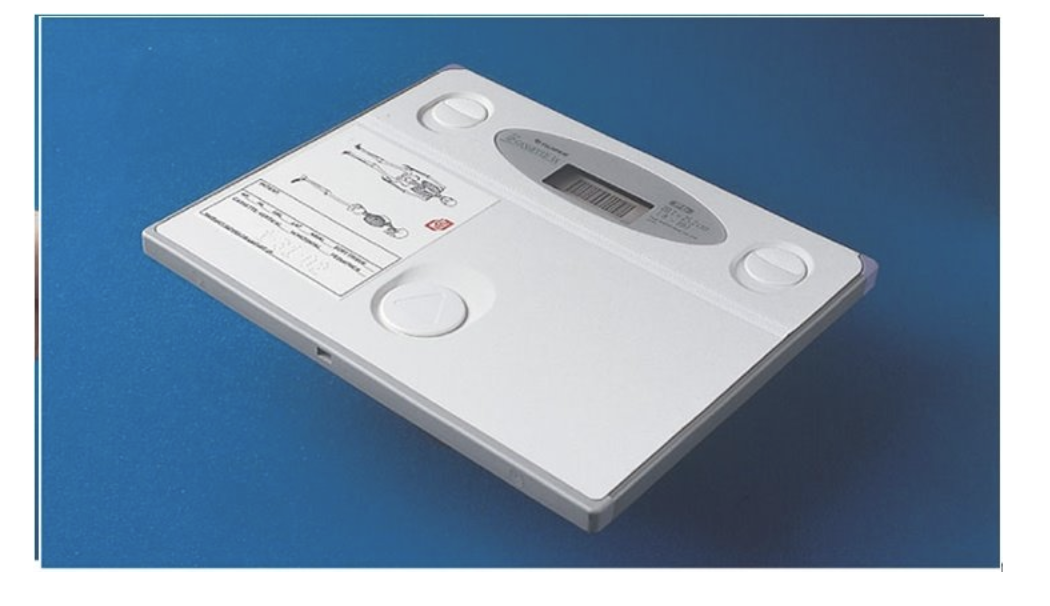
photostimulable storage phosphor image plate PSP or IP
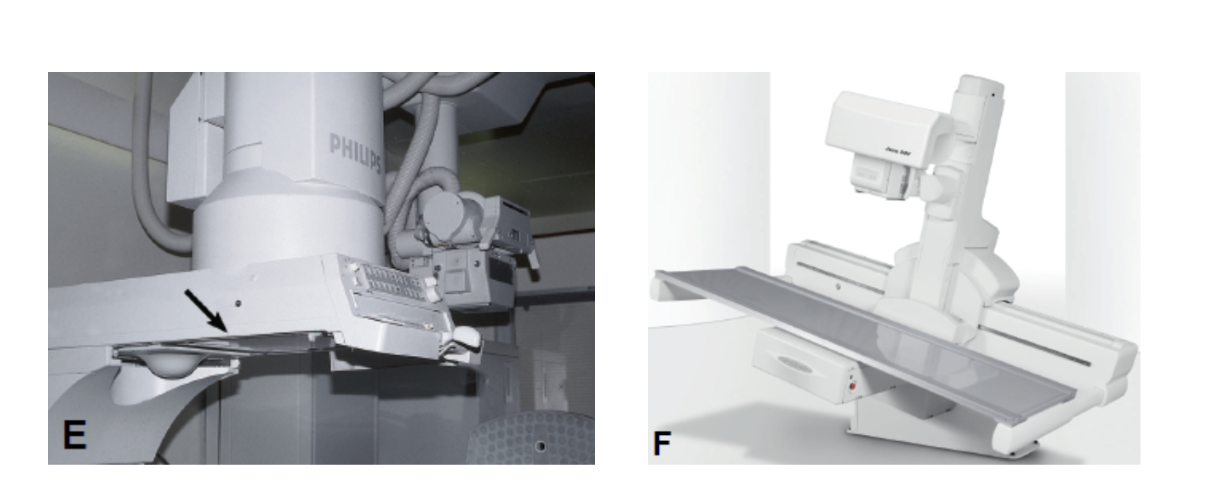
fluoroscopic image receptor
cassette with film
cassette with film

PSP image plate
solid state digital detector

tethered DR
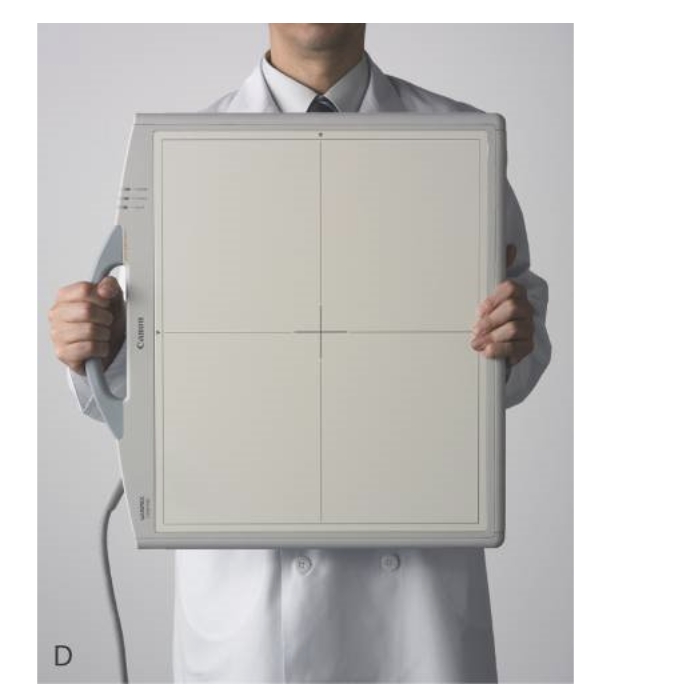
wireless DR

fluoroscopic IR
positioning aids are used to
ensure a body part remains in the appropriate posture during exposure
Grids reduce
scattered radiation to the IR
compensating filters make the image
have uniform brightness even though there is different thickness and density in the tissues
accessory equipment
positioning aids
grids
compensating filters
order of steps for a radiographic procedure vary by
anatomy of interest
patient condition
type of equipment available
department protocol
what is a compensating filter
attenuating device that produces images with even density when the structures vary in thickness
without using a compensating filter
images would require two exposures or be suboptimal quality
certain filters also
decrease skin entrance exposure by absorption of low energy photons
what is a photon?
tiny particle that makes up light and all other forms of electromagnetic energy - x rays
filter shapes
wedge
trough
ferlic
boomerang
wedge
most common
simple
used on body parts that vary in thickness along the axis
compensating filters
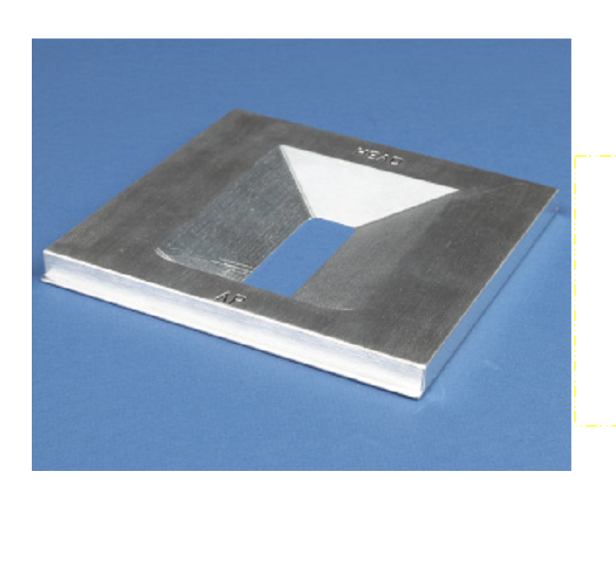
compensating filters
trough
collimator mounted aluminum filter
used for thoracic spine AP
boomerang contact filter
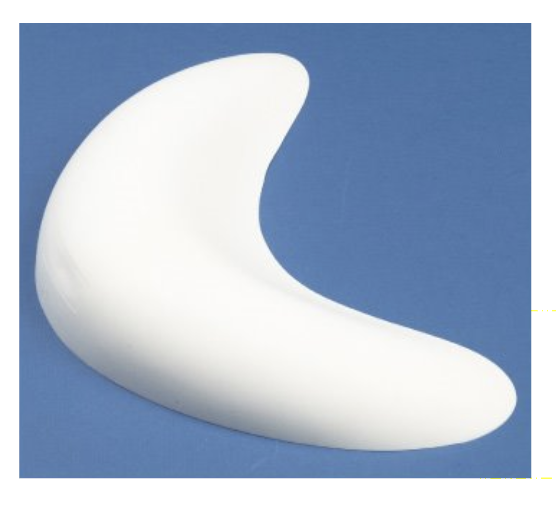
boomerang contact filter is used for
shoulder and facial bone AP projections
ferlic compensating filter
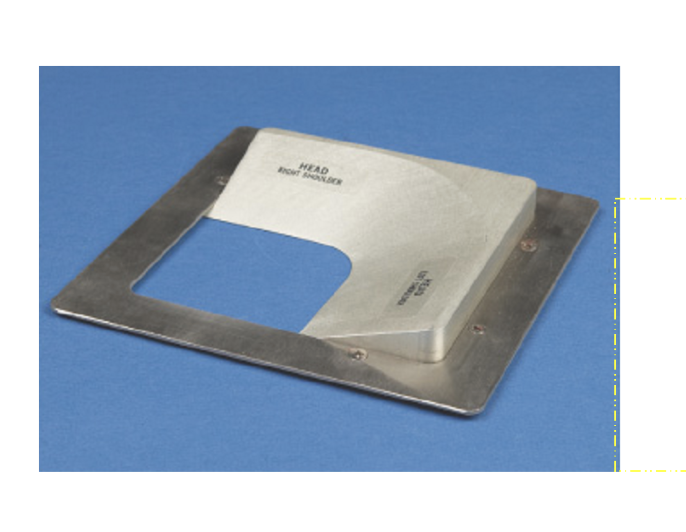
ferlic compensating filter is used for
AP and PA oblique scapular Y shoulder projections
physical principles of a filter
shape
composition
placement
what are filters made of
aluminum+high density plastics are most common
Clear-Pb
silicone rubber
aluminum filters
block light when placed between tube and patient
make positioning more challenging
must complete positioning before mounting filter to collimator
clear-Pb
clear leaded plastic allows light to shine through
heavy
filter placement categories
collimator mounted
contact
contact filters may be placed
on patient or between patient and IR
when a contact filter is placed on a patient the filter
decreases skin entrance exposure
what do filters do?
reduce extra exposures to image body parts of varying thickness
when to use a wedge filter
t-spine
foot
upright ap abdomen
when to use a trough filter
parts that are thick on the edges and thinner in the center
PA AP chest
ferlic swimmers filter improves
quality of lateral projection of cervicothoracic spine and axiolateral hip
what filters are used with digital fluoroscopy ?
convex and concave cone shaped filters
what filters are used with CT ?
bow tie shaped filters
cautions when using filters
extra care x ray tube is over the patient
use both hands
compensating filters improve _______ ______ by providing ____ ____ on body parts of varying tissue thickness
image quality
even density (brightness)
2 ways exposure is reduced
eliminate need for 2 separate images
many absorb low energy radiation
kVp
kilovolt peak
mA
millimaperage
mA x Time =
mAs
conditions that require a decrease in exposure technique
old age
pneumothorax
emphysema
emaciation
degenerative arthritis
atrophy
technique charts
in every room+ mobile machine
specify projections performed
include exposure factor for each projection
primary factors in exposure technique
mAs
kVp
AECs
SID
patient or part thickness
grid
CR/DR exposure indicators
IR/collimated field dimensions
electrical supply characteristics
recent research has concluded that gonadal shielding can
negatively impact exam efficacy