Microbio: Module 6 - Bacterial Diseases
 Call Kai
 Learn
Learn Practice Test
 Spaced Repetition
 Match
Match Flashcards
 Knowt Play
1/109

There's no tags or description
Looks like no tags are added yet.
Name | Mastery | Learn | Test | Matching | Spaced | Call with Kai | Chat |
|---|
No analytics yet
Send a link to your students to track their progress
110 Terms
Healthcare Associated Infection (HAI)
Infections that patients acquire while they are receiving health care for another illness
Catheters, Surgeries, Injections, Antibiotic use/abuse, Infections and Diseases from healthcare workers, Improper cleaning and disinfection of healthcare facilities
Identify factors that raise a patient’s risk of developing HAI
Bloodstream infections, C.diff infections, Methicillin-resistant Staphylococcus aureus (MRSA) infections, Surgical site infections, Urinary tract infections
List the common HAIs that patients develop most
S. maltophilia, P. aeruginosa, a. baumanii, b. cepacia, and c. enterobacteroaceae
The gram (-) bacteria causing the most HAIs include:
Environmental microbe commonly found in water
Reservoir in Stenotrophomonas maltophilia
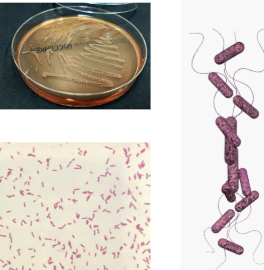
Causes a variety of infections, but most commonly causes pneumonia in patients with chronic lung diseases
Infection Type in Stenotrophomonas maltophilia
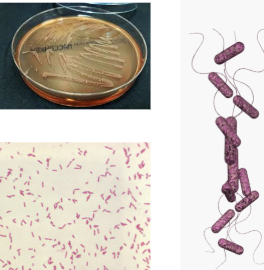
Leads to death in 14% to 69% of patients
Statistics in Stenotrophomonas maltophilia
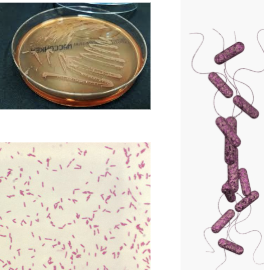
Naturally resistant (intrinsic) to many broad spectrum antibiotics and forms biofilms (especially on plastics)
What are the unique characteristics of Stenotrophomonas maltophilia?
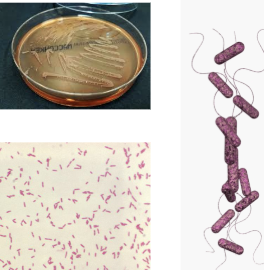
Hospital water sources, tap water, sinks, drains, toilets, showers
Reservoir in Psuedomonas aeruginosa or P. aeruginosa
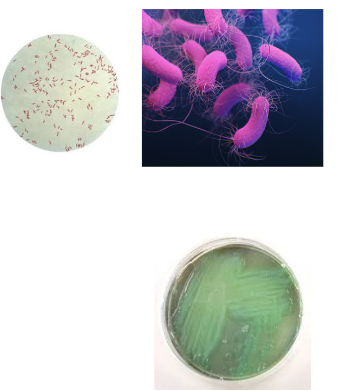
Exposure to contaminated water or soil and contaminated hands, equipments, or surfaces in hospital setting
How is it spread in Psuedomonas aeruginosa
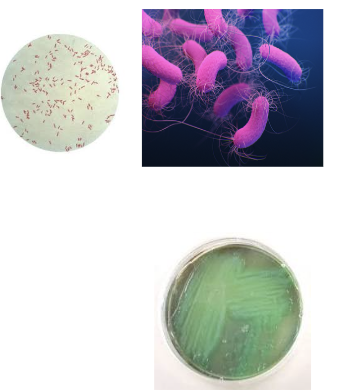
Blood, lungs, (pneumonia), or other parts of the body
Infection type in Pseudomonas aeruginosa
Caused 32,600 infections in hospitalized patients and 2,700 deaths in the US in 2017
Statistics in Pseudomonas aeruginosa
Environment like soil and water
Reservoir in Acinetobacter Baumanii
Person to person via contact with contaminated surfaces or equipment and direct person to person spread via contaminated hands
How is it spread in Acinetobacter Baumanii or A. baumanii
Blood, lungs (pneumonia), wounds, urinary tract, soft tissue
Infection Type in Acinetobacter Baumanii
Patients in healthcare settings, especially with those on breathing machines, with catheters, with wounds from surgery/burns, are in ICU, and have prolonged hospital stays
Who’s at risk in Acinetobacter Baumanii
Worldwide - 20% of ICU infections and caused an estimated 8,500 infections in hospitalized patients and 700 estimated deaths in the US in 2017
Statistics in Acinetobacter Baumanii
Normal flora of human intestine, human stool
Reservoir in Klebsiella pneumoniae
Person to person via contaminated hands of healthcare personnel or other persons, less commonly by contamination of the environment/equipment, not spread through the air
How is it spread in Klebsiella pneumoniae
Pneumonia, bloodstream infections, wound/surgical site infections, meningitis
Infection Type in Klebsiella pneumoniae
Patients in healthcare settings, especially those on breathing machines (ventilators), with intravenous catheters, on long courses of antbiotics
Who’s at risk in Klebsiella pneumoniae
Carbapenem-resistant Enterobacteriaceae
Klebsiella pneumonia is an example of which HAI?
Who’s at risk in Staphylococcus aureus?
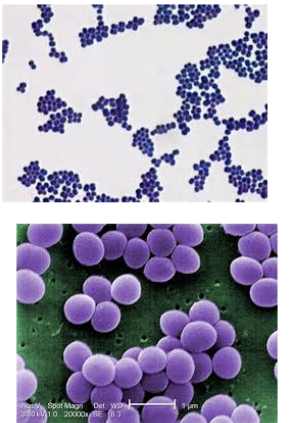
Normal flora of human nose and skin
Reservoir in Staphylococcus aureus or S. aureus
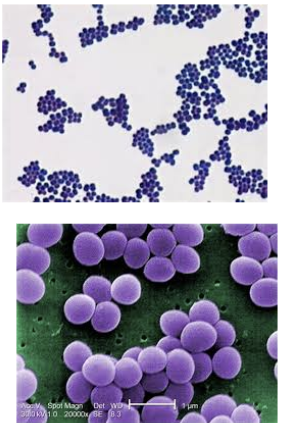
Sepsis when it spread to the bloodstream, pneumonia, endocarditis, osteomyelitis, localized skin infections (pimples, abscesses), impetigo
Infection type in Staphylococcus aureus
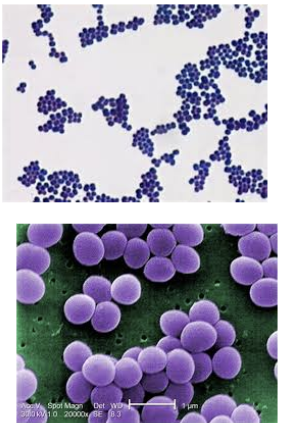
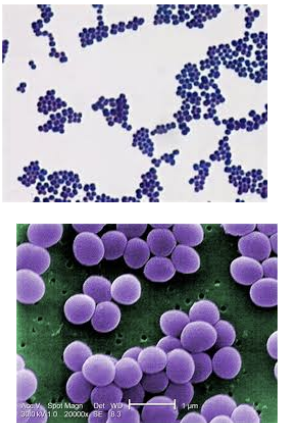
119,247 S. aureus bloodstream infections with 19,832 associated deaths occurred
Statistics in Staphylococcus aureus
Human immune system and system of surveillance
What are the two types of protection we have against food/waterborne infections?
Wash hands frequently
Cook raw beef and poultry products thoroughly
Avoid unpasteurized milk and juices, any food from unpasteurized milk
Properly wash food utensils, cutting boards, and raw fruits and vegetables (including kitchen sponges)
Beware of “double dippers”
Avoid eating at disreputable joints
Do not eat raw shellfish
Avoid food and drinks sold by street vendors (especially abroad)
Do not share eating utensils, water bottles, etc.
Do not swim in contaminated waters
What are the “10 Commandments” for reducing foodborne illness. (Understand these)
Food intoxication is ingestion of already-produced bacterial toxins, bacteria may no longer be present, and enterotoxin is responsible for food poisoning symptoms whereas foodborne infection is a result of the ingestion of bactera-contaminated foods and subsequent bacterial growth in the intestinal tract, secretion of toxins and possible invasion of intestinal tract
Differentiate between food intoxication and foodborne infection.
Intoxication as it is the most common type of food poisoning
Infection type (Intoxication vs. Infection) in Staphylococcus aureus: Foodborne
Normal flora of human nose and skin
Source of contamination/Reservoir in Staphylococcus aureus
Transmitted from people infected with S. aureus (usually via infected skin source) into food
How it’s spread in Staphylococcus aureus: Foodborne Illness
Foodborne infection that causes salmonellosis
Infection type (Infection vs. intoxication) in Salmonella
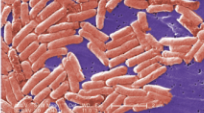
Animals
Source of contamination/Reservoir in Salmonella
Infection
Infection type in Vibrio Cholerae (Infection vs. Intoxication)
By air droplets or fomites
How are bacterial respiratory infections generally transmitted?
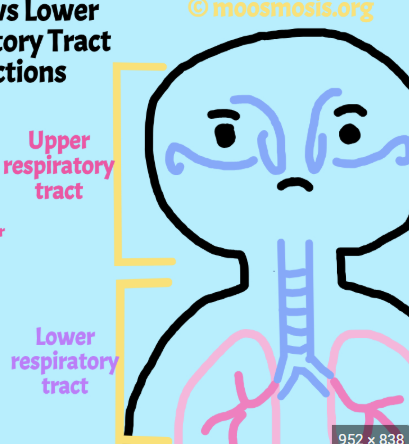
Upper respiratory infections affect the airways above the vocal cords, including the nose, sinuses and throat whereas lower respiratory infections involve the trachea, airways and lungs; URIs are generally mild and viral whereas LRIs are deeper, more severe, and can be caused by bacteria, viruses or fungi
Distinguish between upper vs. lower respiratory infections.
Whooping cough (pertussis)
Airborne Bacterial Diseases: Infection type in Bordetella Pertussis
18,975 cases in US in 2017 and 24.1 million cases worldwide/160,700 death in children younger than 5
Airborne Bacterial Diseases: Statistics in Bordetella Pertussis
Infected children, no non human reservoir
Airborne Bacterial Diseases: Reservoir in Bordetella Pertussis
Infants and children younger than 4 years of age
Airborne Bacterial Diseases: Who’s at risk in Bordetella Pertussis
Coughing, talking, sneezing, laughing
Airborne Bacterial Diseases: How it spreads in Bordetella Pertussis
Strep throat, scarlet fever, toxic shock syndrome, necrotizing fasciitis
Airborne Bacterial Diseases: Infection type in Streptococcal Infections
650-850 cases of necrotizing fasciitis per year in US (1 in 5 die)
Airborne Bacterial Diseases: Statistics in Streptococcal Infections
Human nose and throat
Airborne Bacterial Diseases: Reservoir in Streptococcal Infections or Streptococcus Sp.
Infants and children younger than 4 years of age
Airborne Bacterial Diseases: Who’s at risk in Streptococcal Infections
Respiratory droplets, contact with wounds/sores on skin
Airborne Bacterial Diseases: How it spreads in Streptococcal Infections
Inflammation of the meninges
Airborne Bacterial Diseases: Infection Type in Bacterial Meningitis
Between 2003-2007 - 4,100 cases and 500 deaths in the US
Airborne Bacterial Diseases: Statistics in Bacterial Meningitis
Human nose and throat, no animal reservoir
Airborne Bacterial Diseases: Reservoir in Bacterial Meningitis or N.meningitides and HiB
Infants and children younger than 4 years of age and college students living in dorms
Airborne Bacterial Diseases: Who’s at risk in N.meningitides and HiB (Bacterial Meningitis)
Respiratory droplets from carriers and infected individuals
Airborne Bacterial Diseases: How it spreads in Bacterial Meningitis or N. meningitides and HiB
Sexually Transmitted Infection
Refers to any infection passed from one person to another through sexual contact, including vaginal, oral, or anal sex
Vaginal or anal intercourse, oral sex, semen and vaginal discharges major sources
Identify factors that raise a patient’s risk of developing an STI
Bacterial infection
STIs: Infection Type for Treponema Pallidum or Syphillis
in 2016, more than 27,814 cases if primary/secondary syphilis and 628 cases of congenital syphilis
STIs: Statistics for Treponema Pallidum or Syphillis
Humans
STIs: Reservoir for Treponema Pallidum or Syphillis
Sexual contact, mother to child via placenta, rarely via saliva
STIs: How it spreads for Treponema Pallidum or Syphillis
Frequently coinfects with other STIs, including HIV/Aids and has three stages
STIs: Unique characteristics for Treponema Pallidum or Syphillis
Primary, Secondary Tertiary
What are the 3 stages Syphilis?
Primary (Syphilis)
Manifested by appearance of painless chancres on penis or cervix
Secondary (Syphilis)
Appearance and disappearance of rash over 5 year period and is systemic
Tertiary (Syphilis)
Organs and tissues (especially cardiovascular and nervous system) degenerate
Bacterial sexually transmitted infection
STIs: Infection Type for Neisseria Gonorrhoeae or Gonorrhea
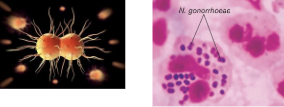
Second most common STI in US after Chlamydia; in 2015-2016 rate of reported gonorrhea cases increased by 22.2% among men and 13.8% among women
STIs: Statistics for Neisseria Gonorrhoeae or Gonorrhea
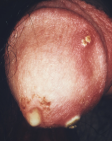
Pili enable bacteria to attach to lining of urethra and can hang on during passage of urine; carriers can often remain without symptoms; on list of superbugs
STIs: Unique Characteristics for Neisseria Gonorrhoeae or Gonorrhea
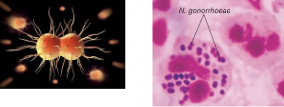
Humans
STIs: Reservoir for Neisseria Gonorrhoeae or Gonorrhea
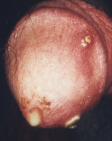
Sexual contact and mother to child during delivery
STIs: Transmission/Spread for Neisseria Gonorrhoeae or Gonorrhea
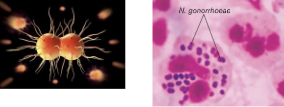
Bacterial sexually transmitted infection
STIs: Infection Type for Chlamydia Trachomatis
Most common STI; in 2016, 1,598,354 reported cases in US
STIs: Statistics for Chlamydia Trachomatis
People often are unaware that they are infected: 70% of females and 30% of males lack symptoms and it is an obligate intracellular parasite
STIs: Unique Characteristics for Chlamydia Trachomatis
Humans
STIs: Reservoir in Chlamydia Trachomatis
Sexual contact and mother to child
STIs: Transmission/Spread for Chlamydia Trachomatis
Bacteria infection of the gastrointestinal tract
Infection Type for Helicobacter pylori (H. Pylori)
Common, 70% of population in developing countries, 30 to 40% of population of US and other developing countries, and only 10% develop ulcers
Statistics for Helicobacter pylori (H. Pylori)
Suspected to be oral cavity of humans
Reservoir for Helicobacter pylori (H. Pylori)
Unknown but likely person to person and possible food or water contamination
Transmission/Spread for Helicobacter pylori (H. Pylori)
Produces the enzyme urease which breaks down urea into ammonia and CO2, ammonia neutralizes stomach acid and it allows bacteria to survive acidic environment in stomach; it can be diagnosed with breath test (detects urease) and can be cured in 2-3 weeks with appropriate antibiotics
Unique Characteristics for Helicobacter pylori (H. Pylori)
Non-communicable bacterial infection
Infection Type for Clostridium Tetani or Tetanus
30 cases per year in US, 5 deaths and nearly all cases in people who haven’t received a vaccine or booster
Statistics for Clostridium Tetani or Tetanus
Soil, manure, dust and normal inhabitants of intestinal tracts in horses and cattle
Reservoir for Clostridium Tetani or Tetanus
Exposure to endospore of C.tetani through open wound; usually puncture wounds that do not tend to bleed a lot
Transmission/Spread for Clostridium Tetani or Tetanus
Produces tetanospasmin which is a neurotoxin that interferes with muscle contract and there are several vaccines available: DT, DTaP, Td, and Tdap
Unique Characteristics for Clostridium Tetani or Tetanus
Contact Disease
Is an infectious illness spread through the transfer of pathogens (like bacteria, viruses or fungi) from an infected person, animal, or contaminated surface to a healthy individual
Soilborne Disease
Is any illness in plants or humans caused by pathogens (like fungi, bacteria, viruses, or parasites) that naturally persist, survive, or travel within the soil
Arthropod Borne Bacterial Disease
Is an illness caused by pathogenic bacteria that are transmitted to humans or animals through the bites of infected arthropods, such as mosquitoes, ticks, fleas, and lice
Environmental exposure, human behavior, vector biology, and individual susceptibility
Identify factors that raise a patient’s risk of developing an arthropod borne disease
Severe bacterial infection and is a reemerging infectious disease
Arthropod-Borne disease: Infection Type for Yersinia Pestis or the Plague
Average of 7 cases reported annually in US and in 2010 - 2015, 3,248 cases with 584 deaths worldwide and the mortality rate in untreated cases is 50%
Arthropod-Borne disease: Statistics for Yersinia Pestis or the Plague
Highly virulent and it only takes a single bacterium to establish an infection
Arthropod-Borne Disease: Unique Characteristics for Yersinia Pestis or the Plague
Zoonotic, 200 species of mammals such as gophers, ground squirrels, mice, wild rats
Arthropod-Borne Disease: Reservoir for Yersinia Pestis or the Plague
Flea bite, pneumonic (respiratory droplets and saliva), septicemic (direct contact of contaminated hands, food, or objects with mucous membranes of nose/throat)
Arthropod-Borne Disease: Transmission/Spread for Yersinia Pestis or the Plague
Bacterial infection
Arthropod-Borne Disease: Infection Type for Borrelia Borgdorferi or Lyme Disease
Most common vector-born disease in US and 30,000 cases reported to CDC but estimated that there are closer to 300,000
Arthropod-Borne Disease: Statistics for Borrelia Borgdorferi or Lyme Disease
Complicated life cycle and vector is deer tick
Arthropod-Borne Disease: Unique Characteristics for Borrelia Borgdorferi or Lyme Disease
Zoonotic, squirrels and white-footed mouse
Arthropod-Borne Disease: Reservoir for Borrelia Borgdorferi or Lyme Disease
Arthropod - Tick bite
Arthropod-Borne Disease: Transmission/Spread for Borrelia Borgdorferi or Lyme Disease
Vector-borne zoonotic infection
Arthropod-Borne Disease: Infection Type for Rickettsia Rickettsii or R.rickettsiae
In 2017, there were 6,248 cases and 5-10% were fatal
Arthropod-Borne Disease: Statistics for Rickettsia Rickettsii or R.rickettsiae
Early treatment with Doxycycline is key and prevent illness by preventing tick bites
Arthropod-Borne Disease: Unique Characteristics for Rickettsia Rickettsii or R.rickettsiae