SCI131 MIDTERM EXAMINATIONS
 Call Kai
 Learn
Learn Practice Test
 Spaced Repetition
 Match
Match Flashcards
 Knowt Play
1/155

There's no tags or description
Looks like no tags are added yet.
Name | Mastery | Learn | Test | Matching | Spaced | Call with Kai | Chat |
|---|
No analytics yet
Send a link to your students to track their progress
156 Terms
Element
A pure substance that cannot be separated into simpler substances by physical or chemical means.
Atom
The smallest piece of matter that still retains the property of the element.
Nucleus
Protons and neutrons are found in a small, positively-charged center of the atom; surrounded by a cloud containing electrons.
Scaled-down models,
Allow you to see something too large to see all at once or something that has not been built yet
Scaled-up models
Often used to visualize things that are too small to see.
Atomos
The ancient Greek philosophers Leucippus and Democritus proposed that elements consist of tiny, solid particles that cannot be subdivided.
Solid Sphere Model
Each element has unique atoms. Atoms of a particular element are identical, but different in another element.
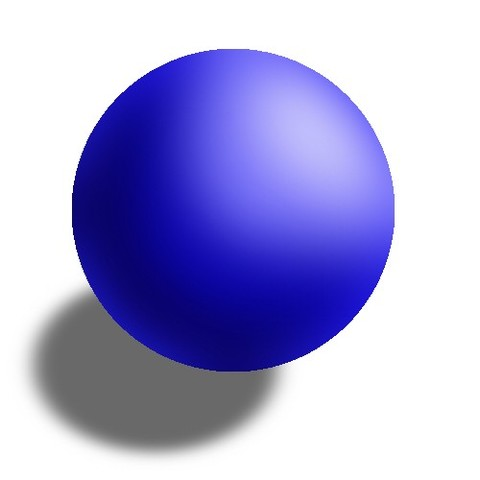
John Dalton
Proposed the solid sphere model and the father of atomic theory.
Law of conservation of mass
There is no detectable change in mass during an ordinary chemical reaction.
Law of constant composition
A chemical compound always contains the same elements in the same proportion by mass.
Law of multiple proportions
If two elements can be combined to form several possible compounds, then
The ratios of the masses of the second element, which combine with a fixed mass of the first element, will be ratios of small whole numbers.
Revisions to Dalton’s Atomic Theory
Atoms are not indestructible, as they still consist of smaller particles
Atoms in one element may differ in mass. They are identical only in some basic respects
Plum Pudding Model
Atoms were composed primarily of a very massive, positively charged blob. Embedded in this blob were negatively-charged electrons.
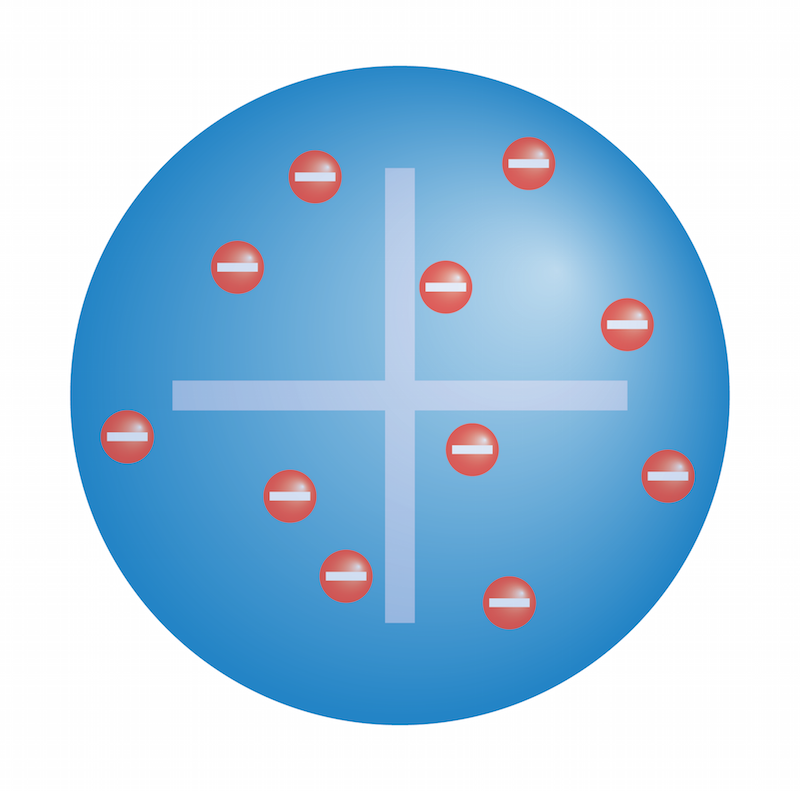
Joseph John Thompson
Proponent of Plum Pudding Model, discovered electrons
Nuclear Model
An atom is made up of a very dense, positively charged nucleus surrounded primarily by empty space in which electrons could be found.
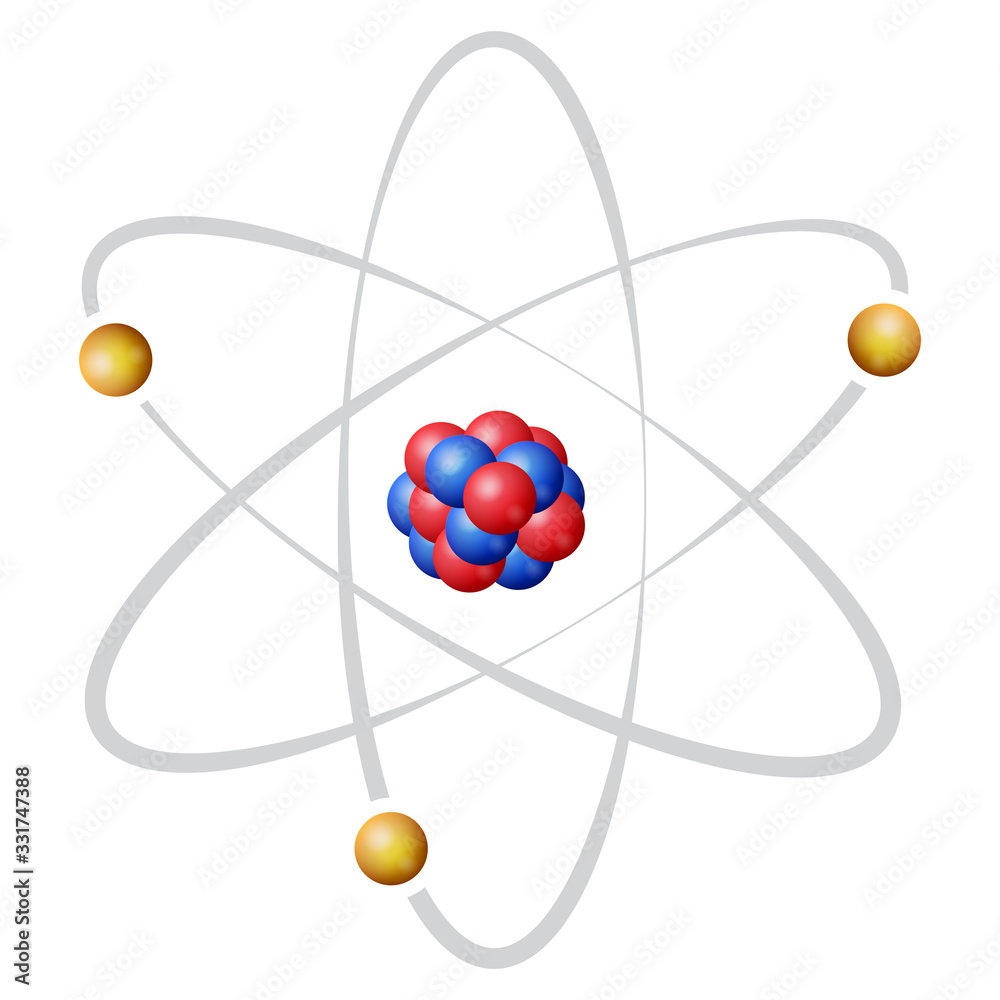
Ernest Rutherford
Proponent of Nuclear Model; discovered protons
Gold foil experiment
Proved that an atom consists of nucleus and electrons for the Plum Pudding Model
Bohr’s Model
The electron to be rotating in orbits around the nucleus and that an electron had to be in one specific orbit of another (planetary model)
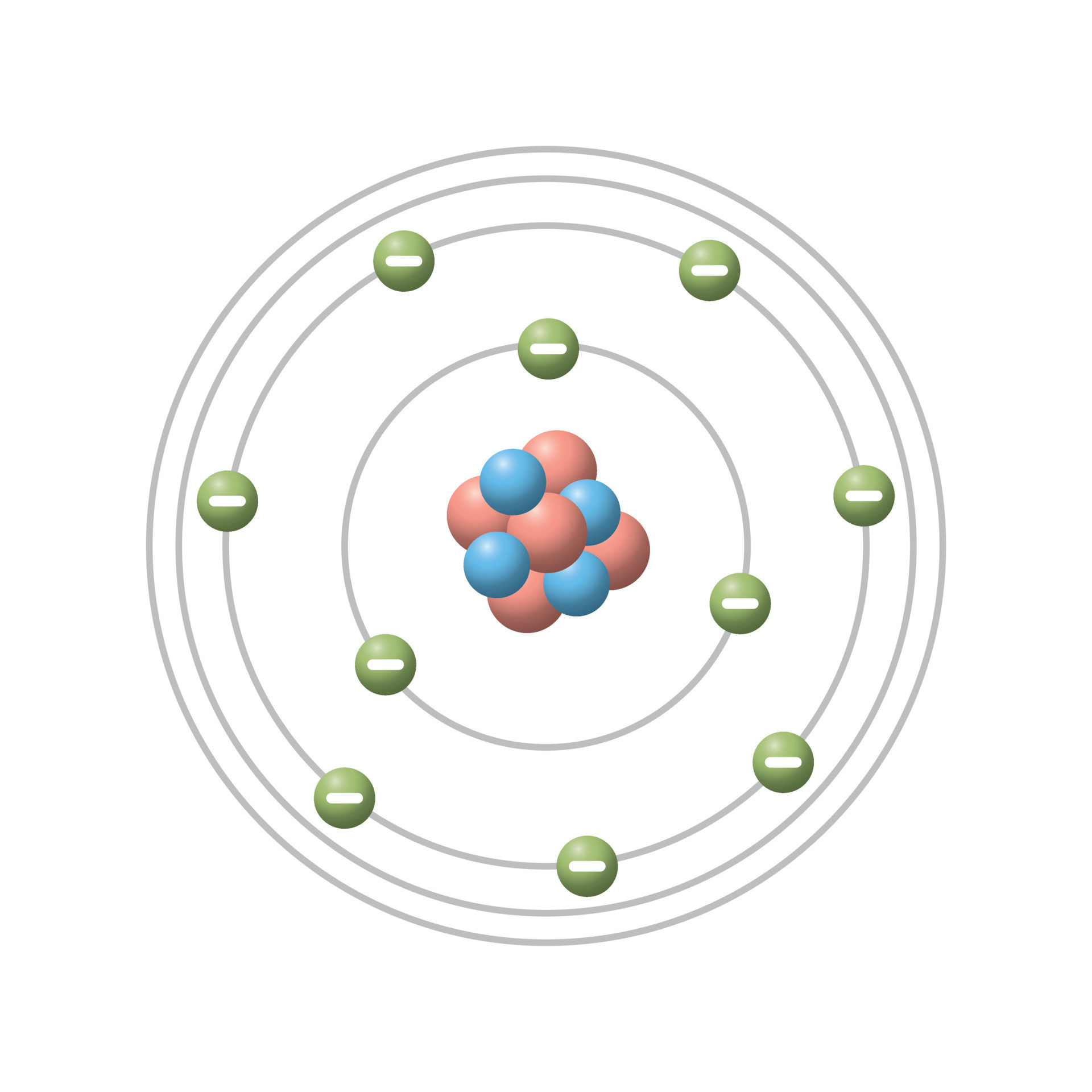
Neils Bohr
Proponent of Bohr’s model
Quantum Mechanics Model
Different electrons have different amounts of energy and thus occupy different regions within the atom. Furthermore, the energies of electrons are quantized, or restricted to having only certain values.
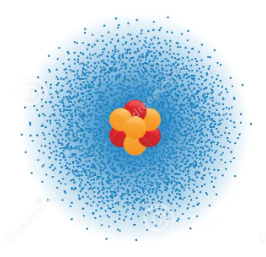
Erwin Schrödinger
Proponent of Quantum Mechanics Model
Electron
Negative charged particle
Proton
Positively charged particle
Neutron
Subatomic particle that bears no electric charge
James Chadwick
Discovered the neutron
Atomic number
Describes the number of protons in an atom, denoted as Z

Atomic mass or mass number
Describes the number of protons and neutrons in an atom, denoted as A

Nuclear Reaction
A reaction that involves a change in an atom’s nucleus, which may lead to the formation of a new element
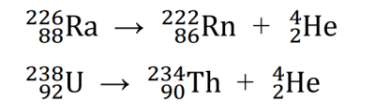
Radioactive decay
Unstable nuclei lose energy by emitting radiation in a spontaneous process
Alpha Radiation
Consists of a stream of helium-4 nuclei known as alpha particles, denoted as 4|2 He or a
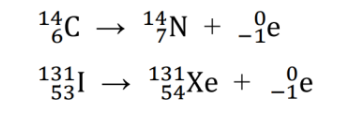
Beta Radiation
Consists of streams of beta particles, which are high-speed electrons emiited by an unstable nucleus
Gamma Radiation
Consists of high-energy photons. Neither changes

Positron Emission
Emits a positron.

Electron Capture
Capture by the nucleus of an electron from the electron cloud surrounding the nucleus

Hydrogen Fusion
Fundamental nuclaer reaction in stars
Main sequence star
Any star that is fusing hydrogen in its core
Proton-proton chain
From two protons to helium-4 which releases two hydrogen atoms from the protons before
Carbon-Nitrogen-Oxygen-Cycle
A nuclear reaction by which stars produce helium from a hydrogen using carbon, nitrogen, and oxygen as catalysts.
Triple Alpha Process
Once all hydrogen has been converted into helium, carbon forms via the ________
Two helium-4 nuclei come together and form beryllium-8
Beryllium-8 is further attacked by a helium-4 and forms a stable carbon-12
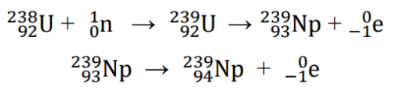
Nuclear Transmutations
A nucleus can change identity if it is struck by a neutron or by another nucleus
Process of changing one element into anotherby altering the number of protons in its nucleus
Transuranium Elements
Used to produce the elements with atomic number above 92
Chemical bonding
Attractive force holding atoms or ions together to make a more stable state for the whole system compared to individual atoms
Stability
Results to a more stable state, atoms bond because they want _____
Electronegativity
Measure of the tendency of an atom to attract a bonding pair of electrons, which chemical bonding is dependent here.
Octet Rule
Atoms are stable if they have 8 valence electrons
Ionic Bonding
Transfer of electrons from the metal to the nonmetal, due to electrostatic attractions between oppositely charged ions
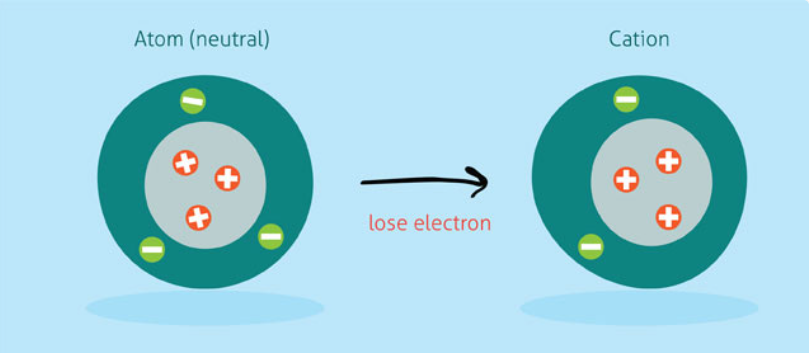
Cation
Atom that loses one or more electrons to become a positively charged ion
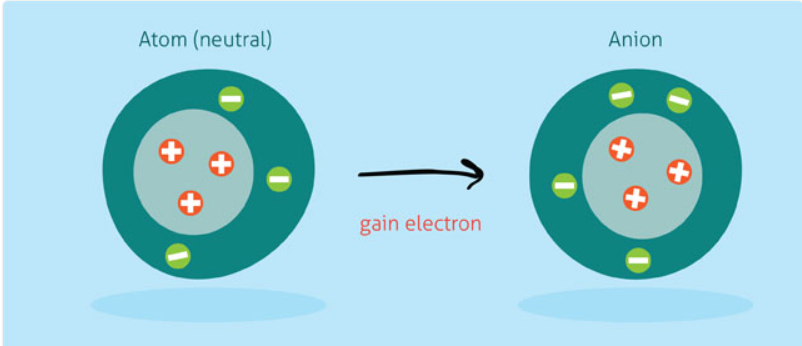
Anions
Molecules are formed by the sharing of electrons between nonmetals.
Covalent Bond
Molecules are formed by the sharing the electrons between nonmetals, atom involved in covalent bonding arrange themselves to achieve the greatest energetic stability.
Nonpolar covalent bond
Valence electrons are shared equally
Polar covalent bond
Valance electron are shared unequally
Bond polarity
Measure of how equally the electrons in a bond are shared between the two atoms of bonds.
Dipole moment
a measure of the amount of charge separation in the molecule
Bond dipole
Refers to the dipole moment due only to the two atoms in that bond.
Intermolecular Forces
Forces that exist between separate molecules that influence the physical properties of substances
London Dispersion Forces
Attracted between an instantaneous dipole and induced dipole (nonpolar)
Weakest IMF because it is sudden
More electron = strong LD force (polarizability)
Dipole-dipole Forces
Electrostatic attractions between the partially positive end of one molecule and the partially negative end of another molecule.
Presence of a permenant dipole moment in polar molecules, as it exists in all polar molecules
Hydrogen bond
Special kind of dipole-dipole and the strongest
H (hydrogen) atom attracts to a non-binding electron of a nearby atom / molecule
Usually F, O, N
Ion-Dipole Forces
Ion (changed atom) bonded to a polar molecule
Cations attracted to negative end of the dipole
Anion attracted to positive end of the dipole
Always metal or ionic elements
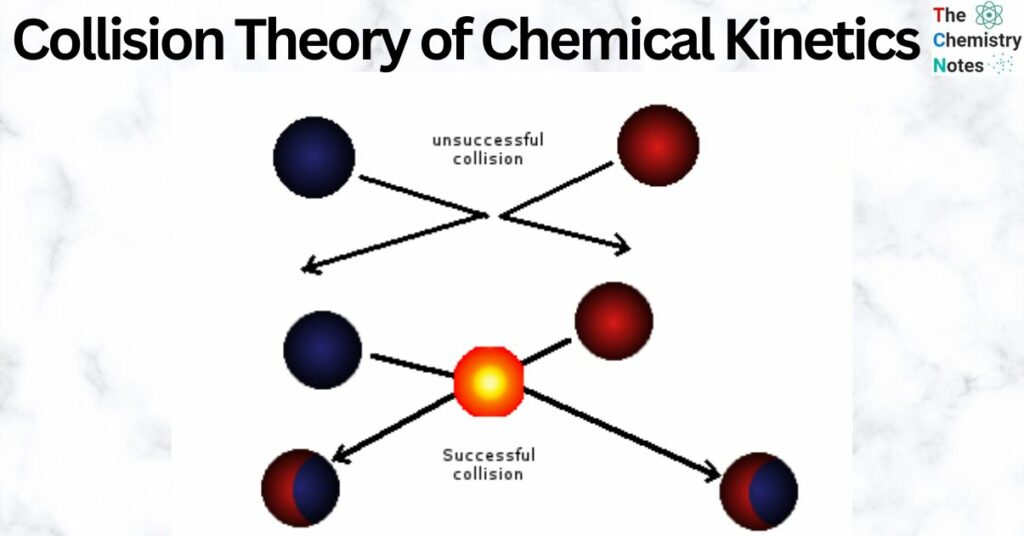
Collision Theory
Atoms must collide with enough energy to react to:
Form new product
React & Produce molecule
Reaction Rate
The more often reactant molecules colide, the more often they react with one another, and the faster the _____
(1) collide
(2) sufficient energy
(3) with the proper orientation
Steps for Collision Theory
Activated complex
Temporary, unstable arrangement of atoms where old bonds are breaking and new bonds are forming (also called transition state)
Activation energy
Minimum amount of energy that reacting particles must have to form the activated complex and lead to a recation
Exothermic reactions
May occur spontaneously and result in higher randomness or entropy. Produces heat or may even be explosive (heat is released)
Endothermic reactions
Cannot occur spontaneously, as work must be done in order to get these reactions to occur (heat is absorbed)
Nature of Reactant
The more readily the reactants collude, the more rapidly they react.
Homogenous reactions are often fast, while heterogenous that have solids are fast if surface area is increased
Concentration
Increasing the reactant concentration generally increases the reaction rate since there are more molecules that can have more collisions.
Temperature
Increasing temperature increases reaction rate due to kinetic energy; molecules more quietly.
Catalysts
Speed up reactions w/o being overall balanced equation
Affects kind of collision, changes mechanism and lowering action energy.
Energy Sources
Refers to means by which we generate power to meet our needs
Fossils Fuels
Formed from ancient plants & animals
Converts organic matter into carbon-rich substance and when burned, generates energy (can also produce pollution)
often caled dirty energy sources because using them comes at a high—and often irreversible cost to the environment.
Petroleum
crude oil refined into gasoline, diesel, etc.
naturally occurring flammable liquid
made up of carbon; extracted through driling, hydraulic fracture or fracturing
Coal
rock found near the Earth’s surface and most abundant
made up of carbon from living organisms
extracted through surface mining and undergrund mining
combustibe block sediments
Natural Gas
Mixture of gases trapped under the Earth’s rock ayers
Mass amounts of methane (CH4)
Carbon emissions
The amount of carbon dioxide these fuels release into the atmosphere add up over generations and cannot be taken back.
Alternative Energy
Broadly refers to any energy that is not extracted from a fossil fuel, but not necessarily only from a renewable source.
Renewable energy
Includes sources such as sun and wind that occur naturally and continuously
Wind power
Created when wind spins a turbine, or a windmill, which can be located on land or offshore
Solar power
Harnesses the sun’s energy in two ways
converting the sun’s light directly into electricity (when sun is out)
solar thermal energy to create electricity (even when sun is down)
Hydropower
Created when rapidly flowing water turns turbines inside a dam, generating electricity
Geothermal Energy
Heat energy from the Earth; reservoirsof hot water that exist or are human-made at varying temperatures & depths below Earth’s surface
Nuclear Energy
Produced at power plants by the process of nuclear fission. The enegry created during nuclear reactions is harnessed to produced electricity
Biofuels
Produced by organic materials that contains stored energy
Burn wood for fire / liquid biofuel
Disinfectant
A chemical that destroys all disease-causing organisms (pathogens).
Destroys 99.999% of pathogens within 5 to 10 minutes
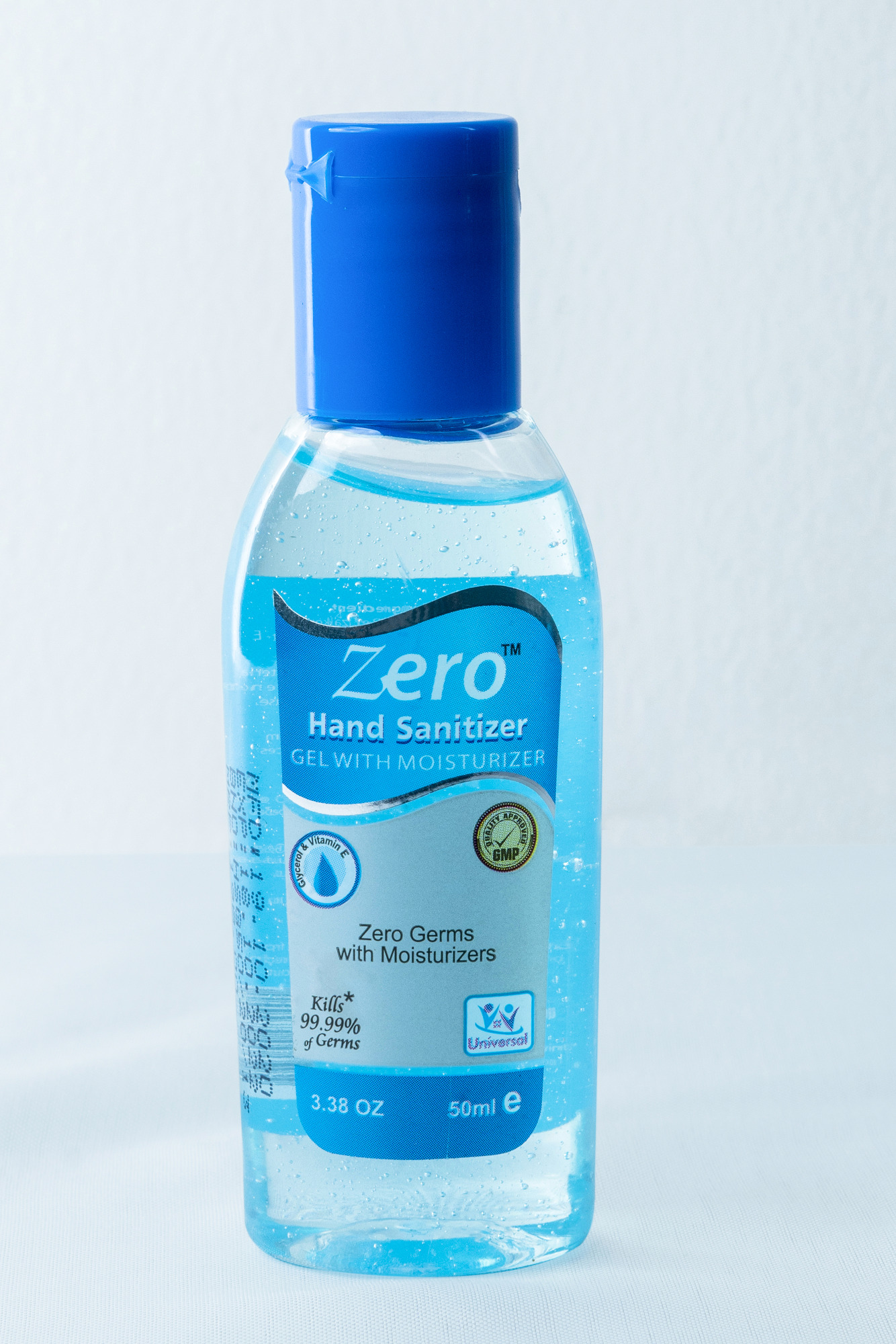
Sanitizer
A product that reduces germs on surfaces to levels considered safe by public health codes or regulations.
Destroy 99.999% of pathogens within 30 seconds
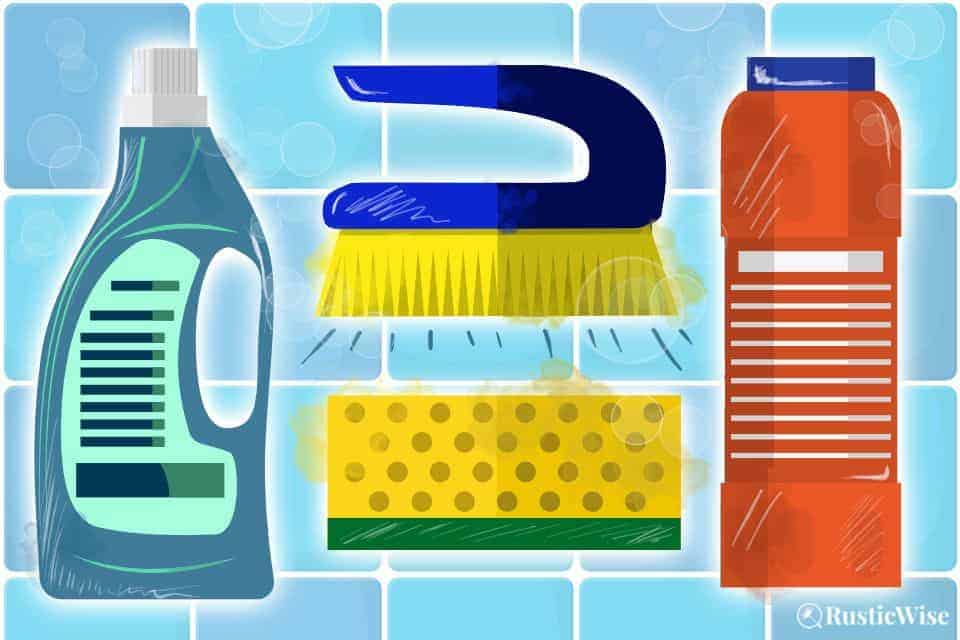
Abrasives
Rough or gritty, they clean surfaces by creating friction that lifts off spots and stains from a surface.
Physical abrasives
Includes sandpaper, plastic, and nylon meshes, scrubbing pads, and steel wool

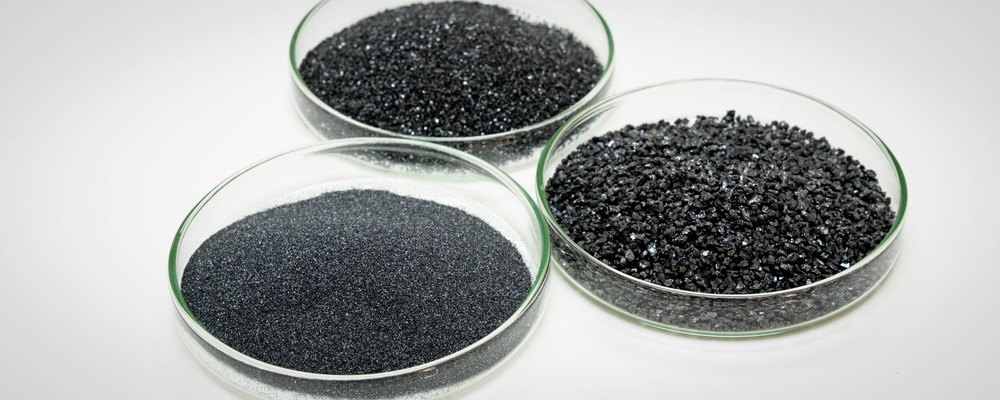
Mineral abrasives
Composed of particles like baking soda, powdered borax, and salt, which are considered natural cleaners
Chemical abrasives
Often referred to as scouring powders and are used to kill bacteria in addition to general surface cleaning.
dichloros-triazinetrione
Common chemicals used in commercial products that contain bleach
Acid
Used to remove mineral deposits, rust stains, and hard water deposits. They can remove discoloration from some metals and effective in both cleaning and disinfecting surfaces.
Acetic acid
Acid in clear white vineger and is a natural all-purpose cleaning agent. It is best for general household cleaning on surfaces that can tolerate a strong, acidic product.
Citric acid
a natural substance found in lemons, limes, oranges, and grapefruits. It is nontoxic, antibacterial, and antiseptic. Some commercial products that contain citric acid are waterbased and may cause corrosion or rust on metals.
Cream of tartar
a very mild acid salt. Made into a paste with water, it can be used to clean brass and copper, brighten aluminum, remove rust, and freshen coffee makers.
Phosphoric acid
a clear, colorless, odorless liquid. It is very mild, yet more acidic than vinegar or lemon juice. Commonly used for rust removal, it works quite well on most types of bathroom stains.
Hydrochloric acid
a mixture of common table salt and sulfuric acid. Concentrated solutions of hydrochloric acid are extremely corrosive.
Diluted solutions are commonly found in household cleaning products.
Very dilute solutions are only mildly corrosive.
Hydrofluoric acid
a commercial rust remover that will burn the skin. Keep this one away from glass windows or glass products.
Oxalic acid
a bleaching agent that is an effective rust remover. It is poisonous and corrosive.
Sodium bisulfate
can be found in toilet bowl cleaners. It is a compound made by combining sodium, hydrogen, sulfur, and oxygen ions. It is a poison and should be used with extreme caution.