Ultimate 3rd year set
 Call Kai
 Learn
Learn Practice Test
 Spaced Repetition
 Match
Match Flashcards
 Knowt Play
1/1252

There's no tags or description
Looks like no tags are added yet.
Name | Mastery | Learn | Test | Matching | Spaced | Call with Kai | Chat |
|---|
No analytics yet
Send a link to your students to track their progress
1253 Terms
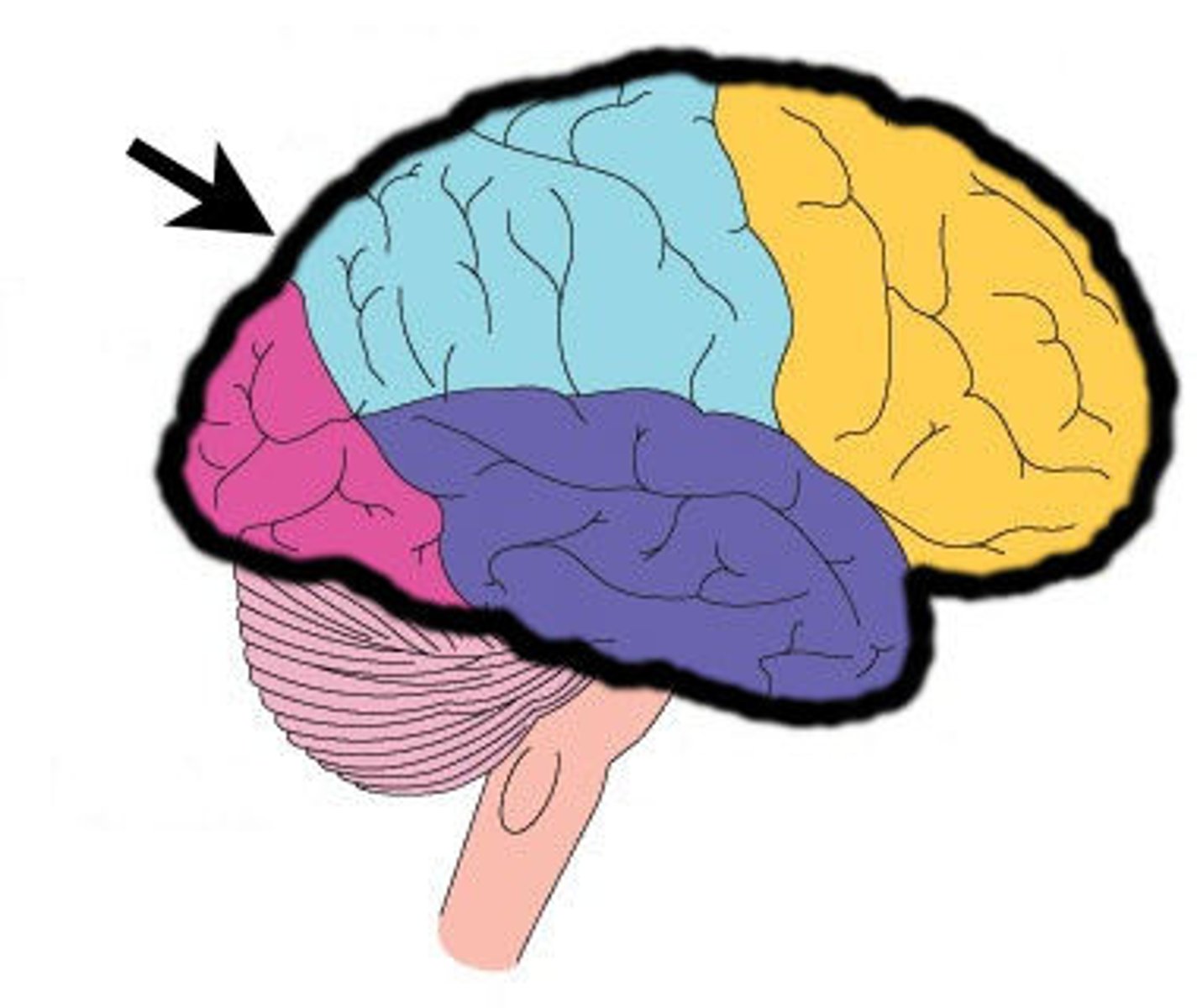
Cerebrum
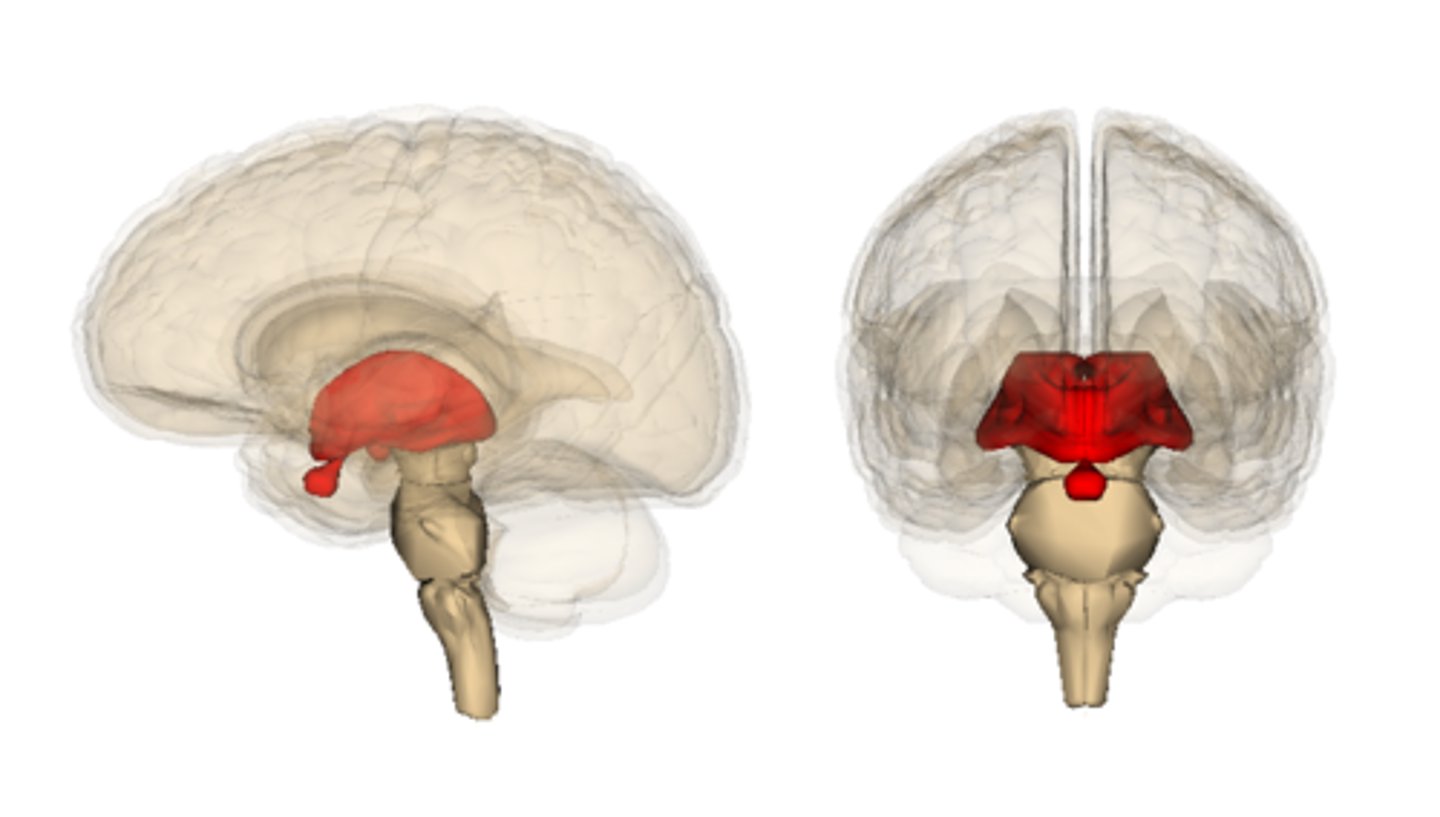
Diencephalon
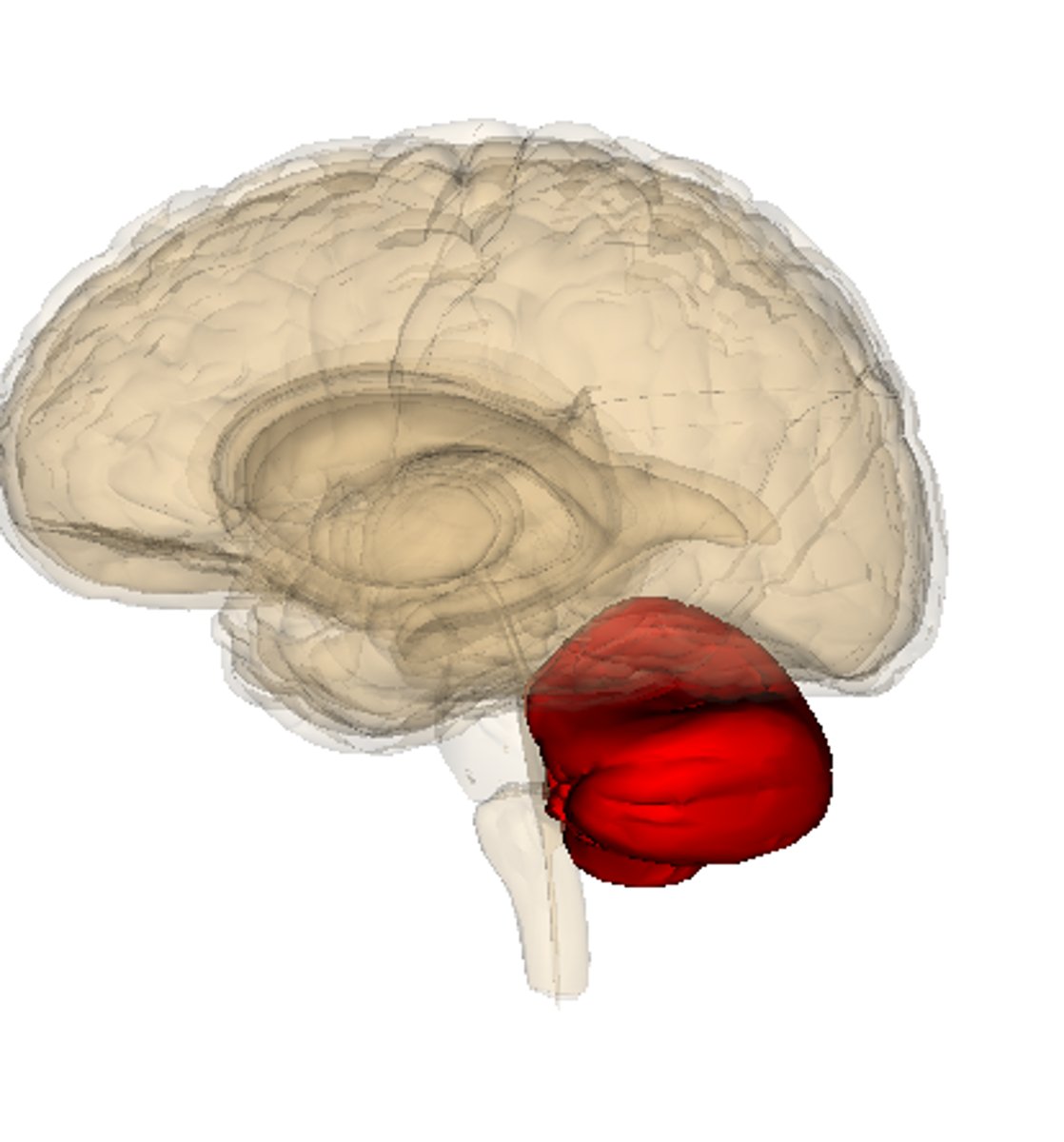
Cerebellum
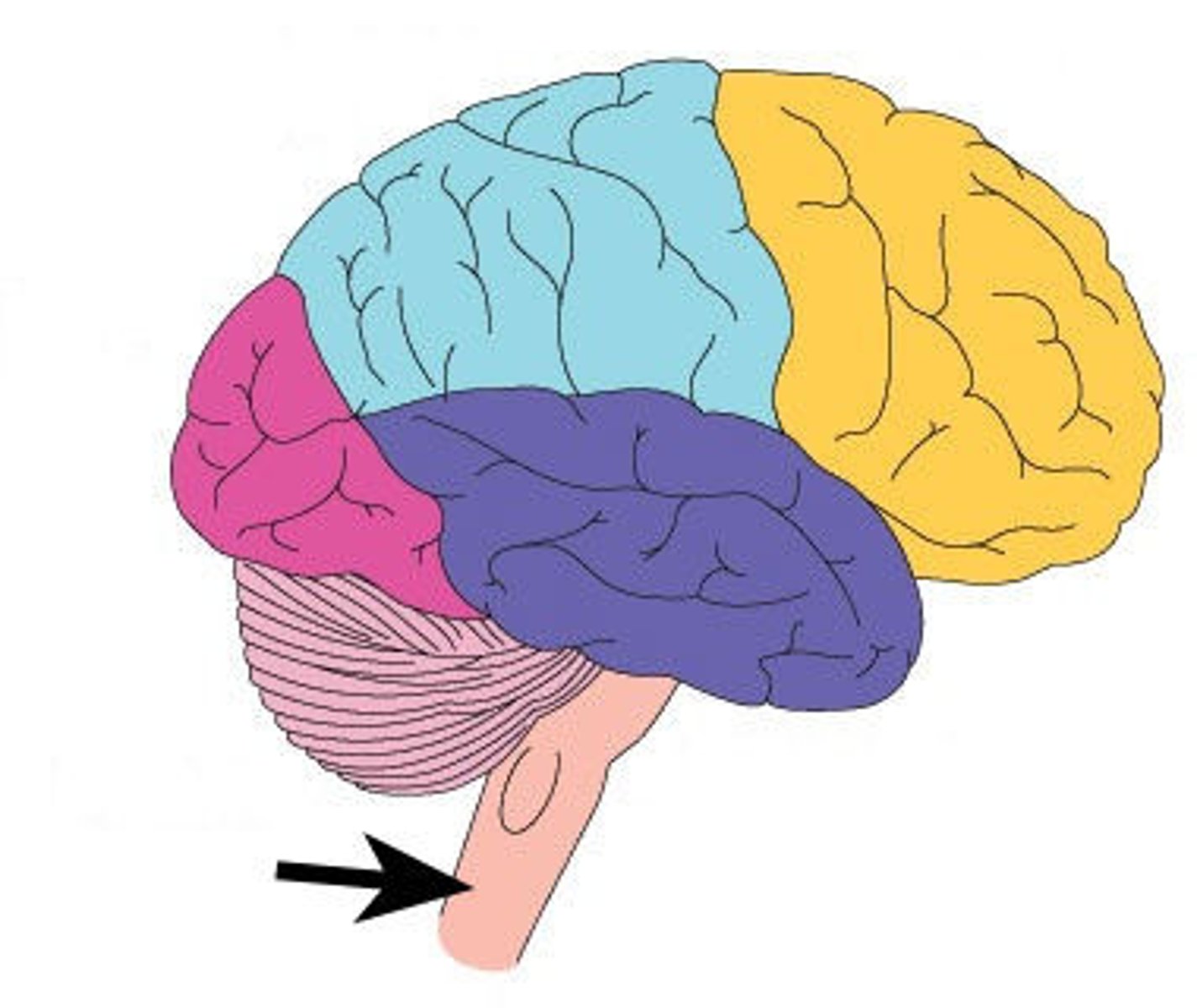
Brain stem
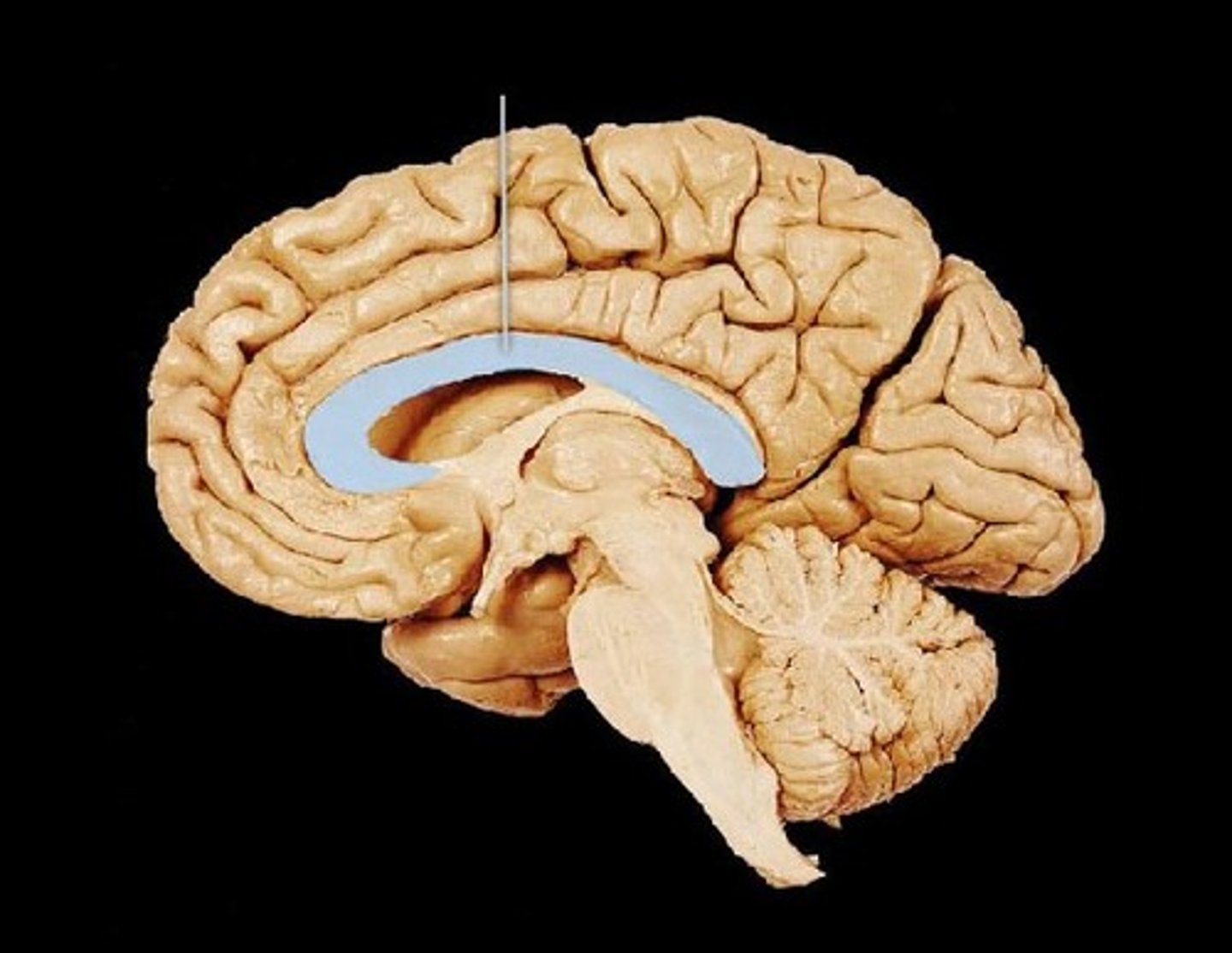
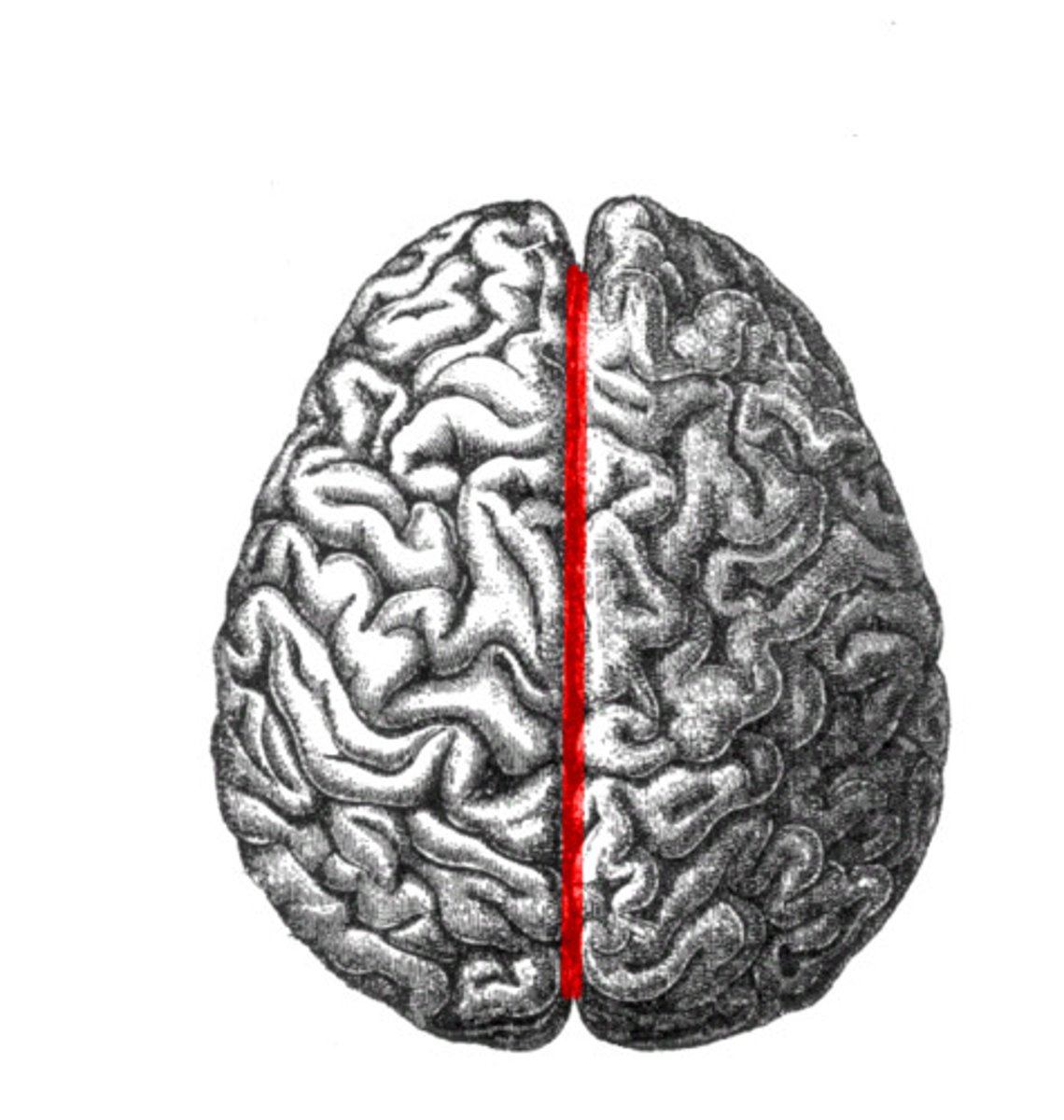
Corpus callosum
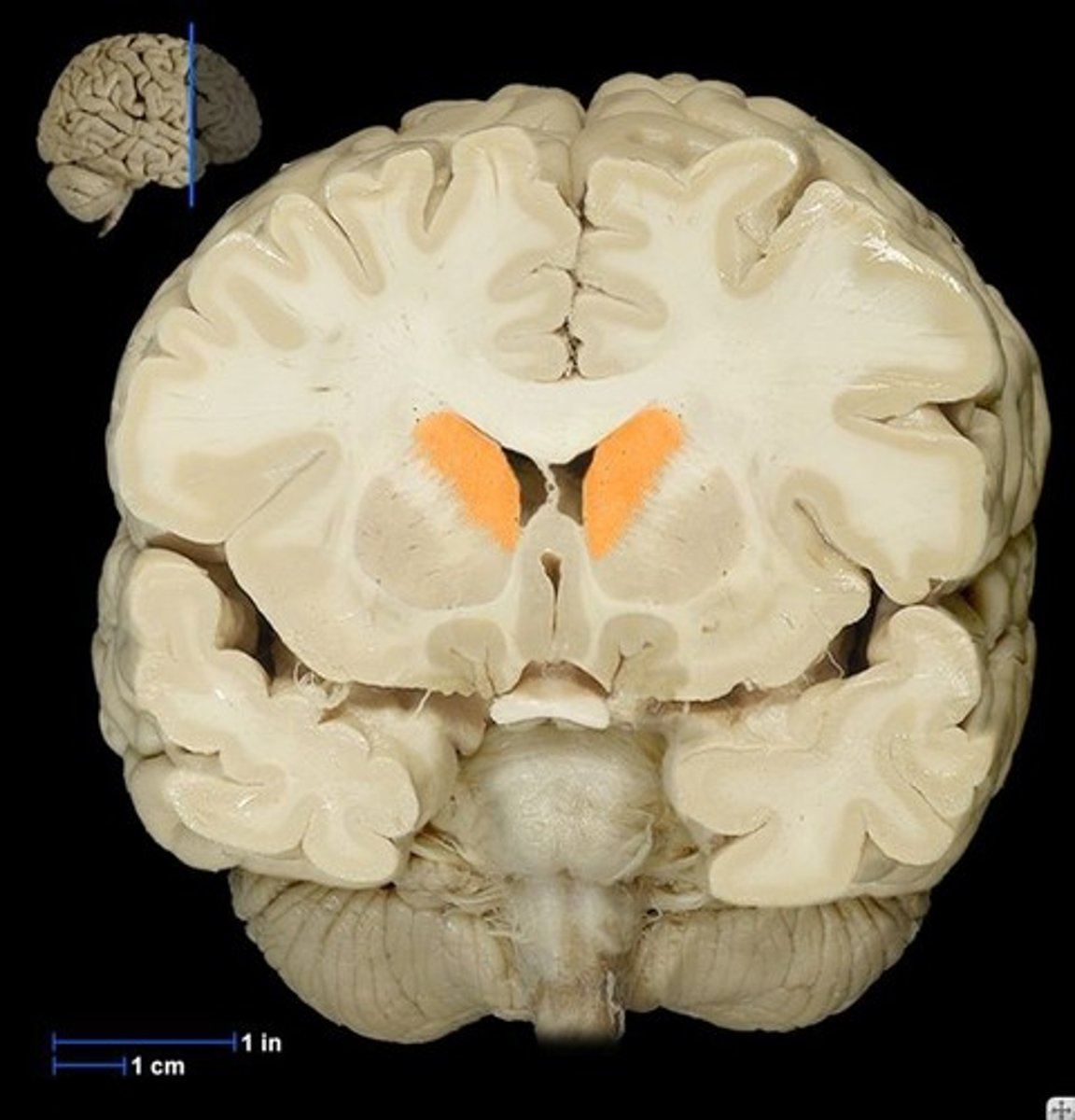
Basal nuclei
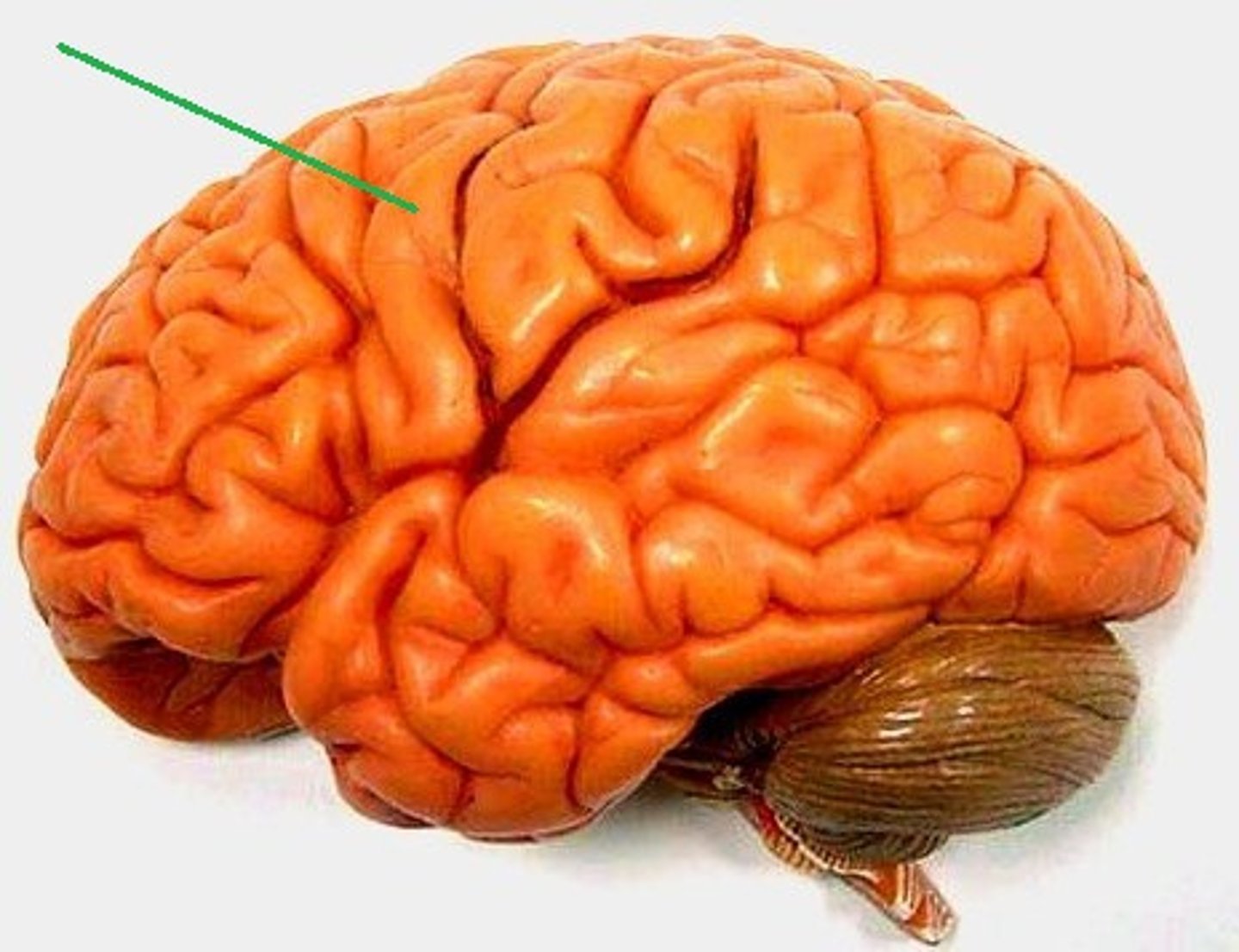
Gyrus
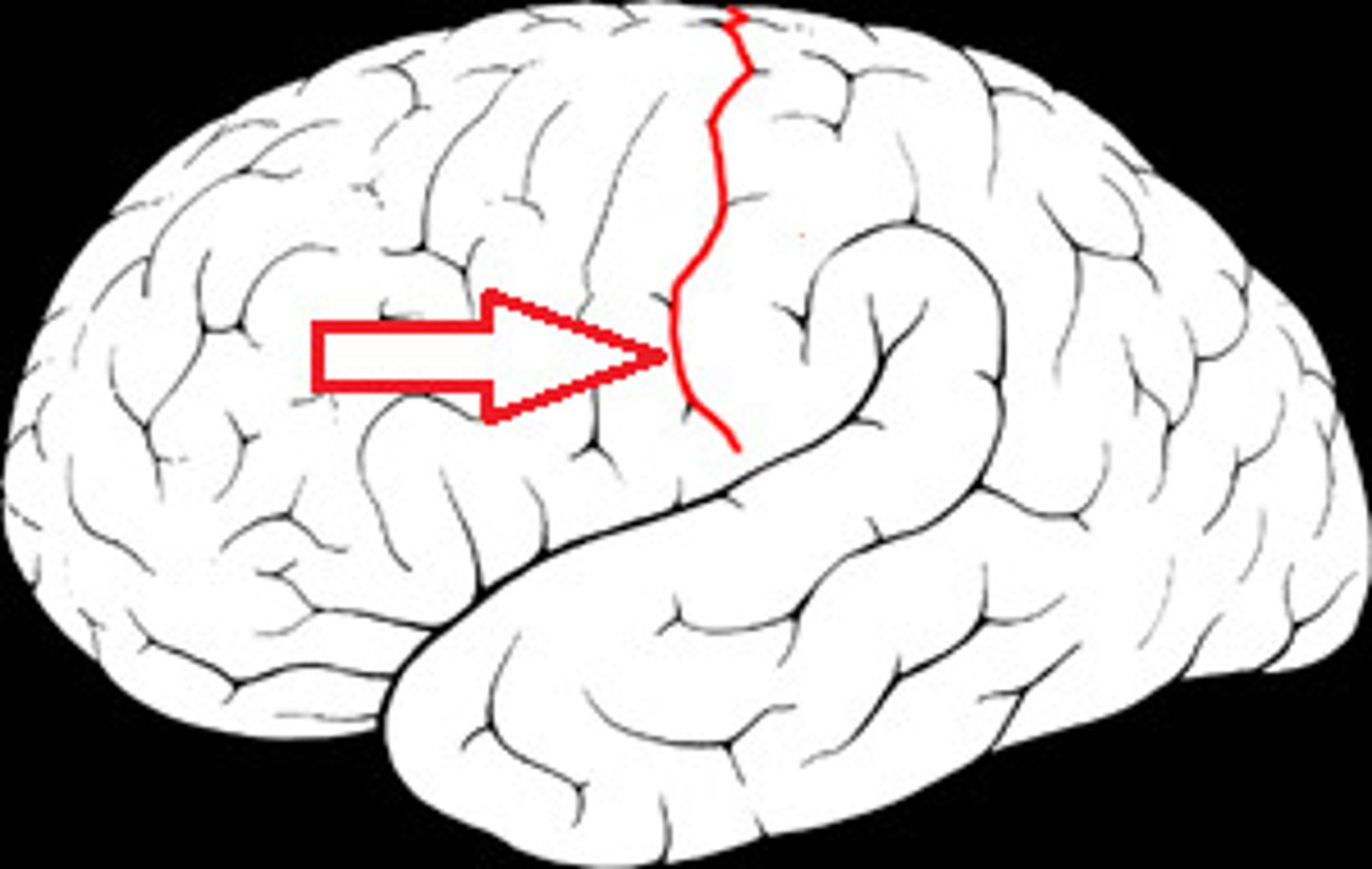
Sulcus
Fissures
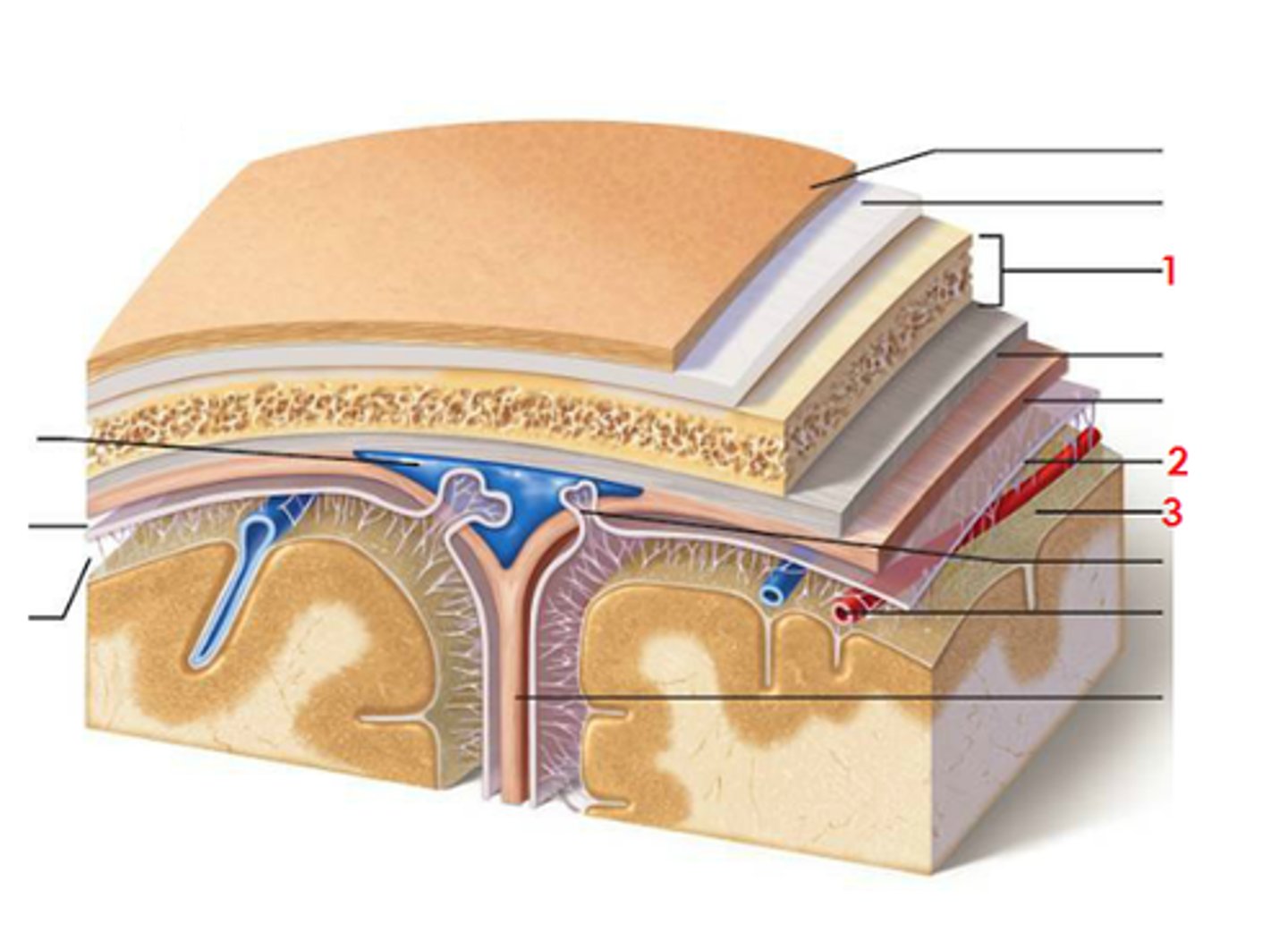
Dura Mater
Grey part under 1
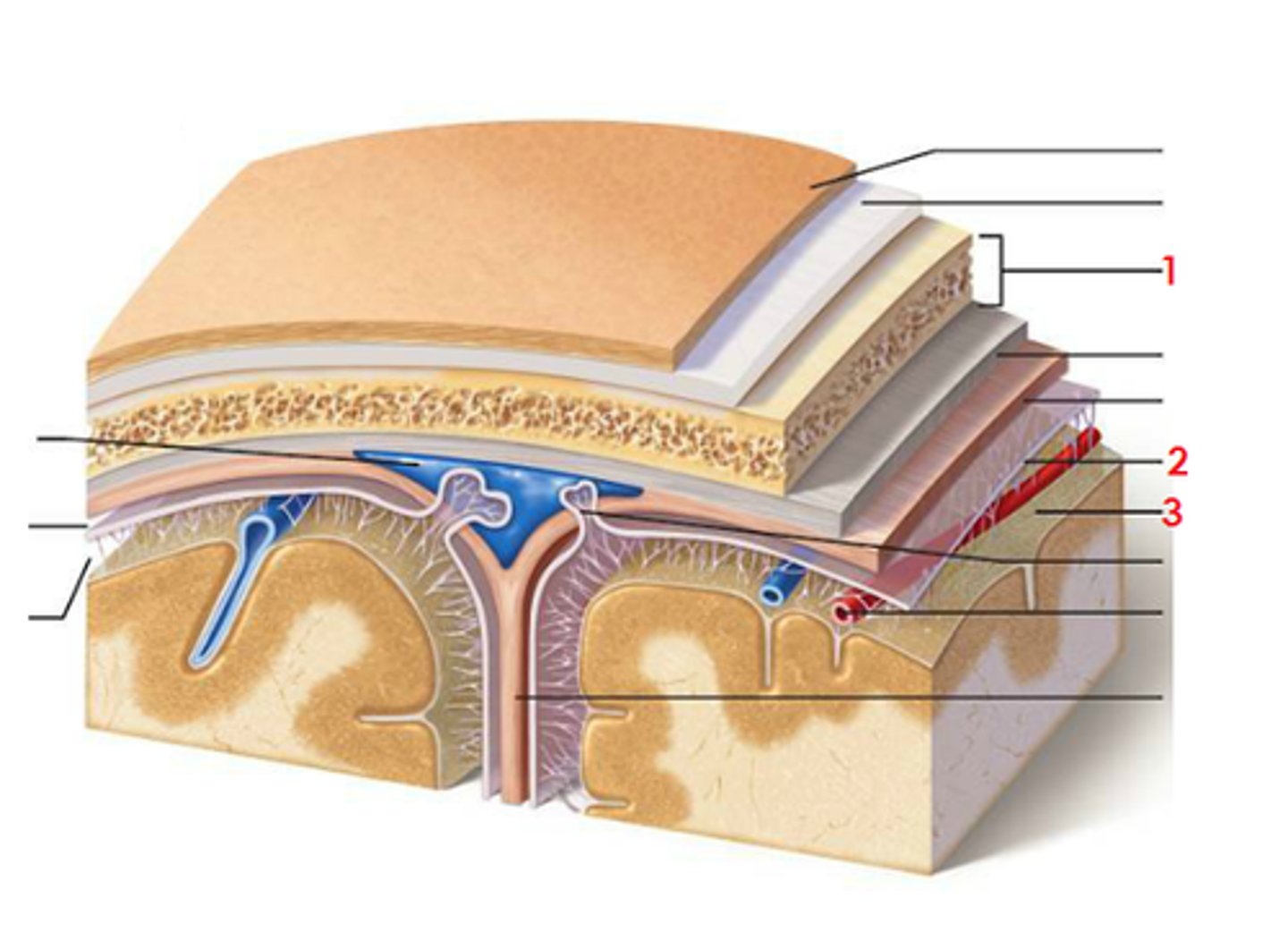
Arachnoid
light red
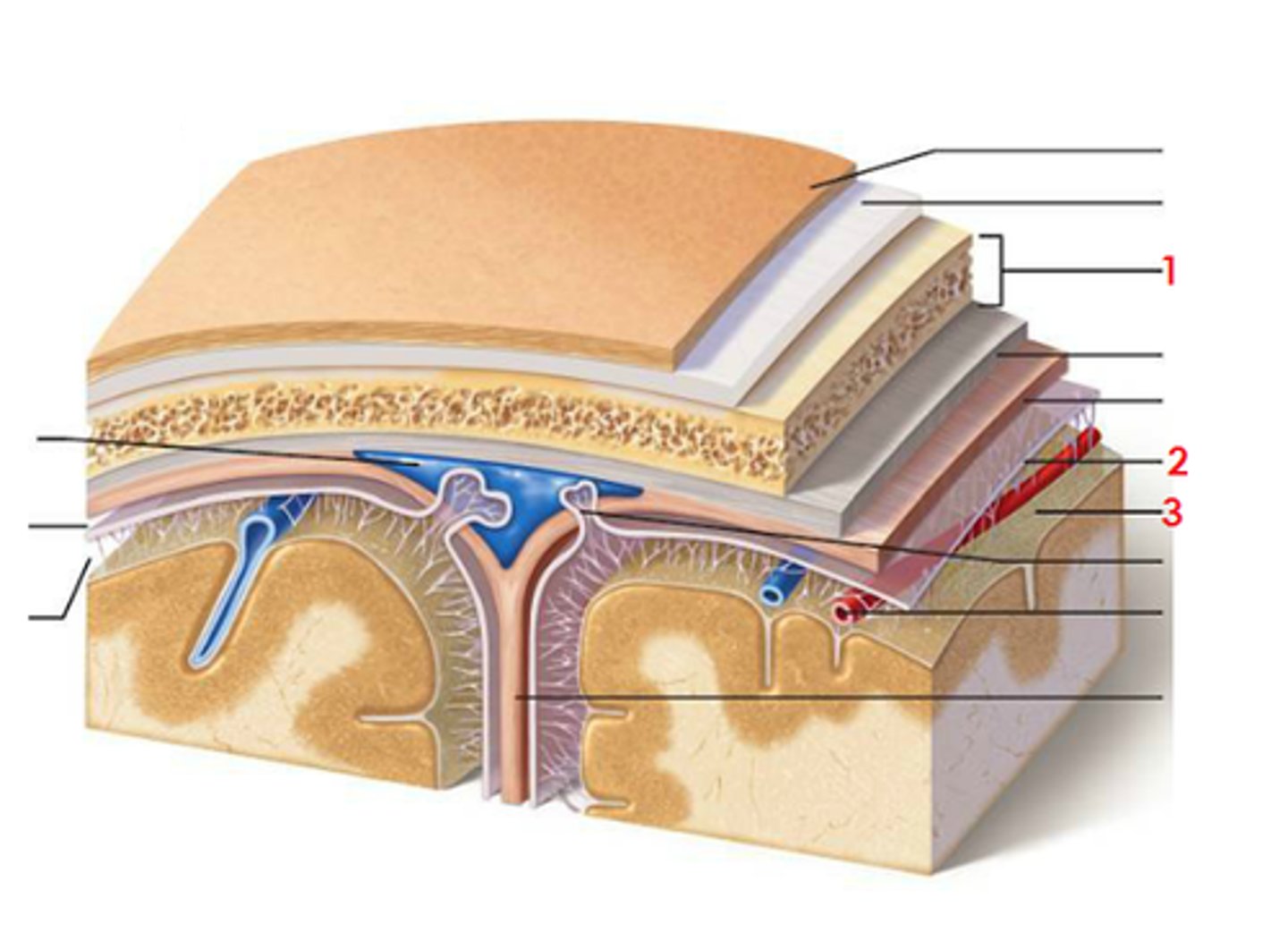
Pia Mater
2
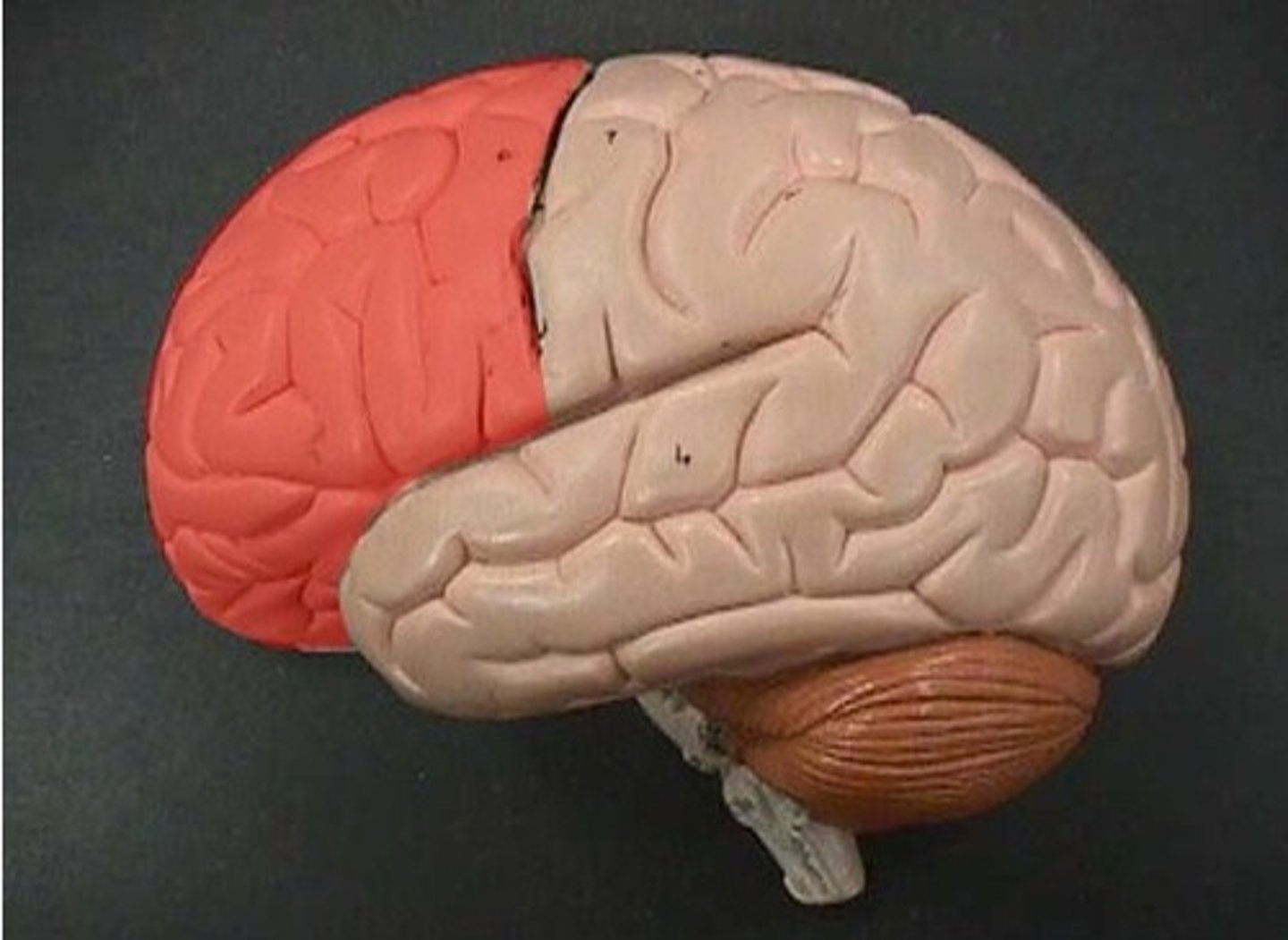
Frontal Lobe
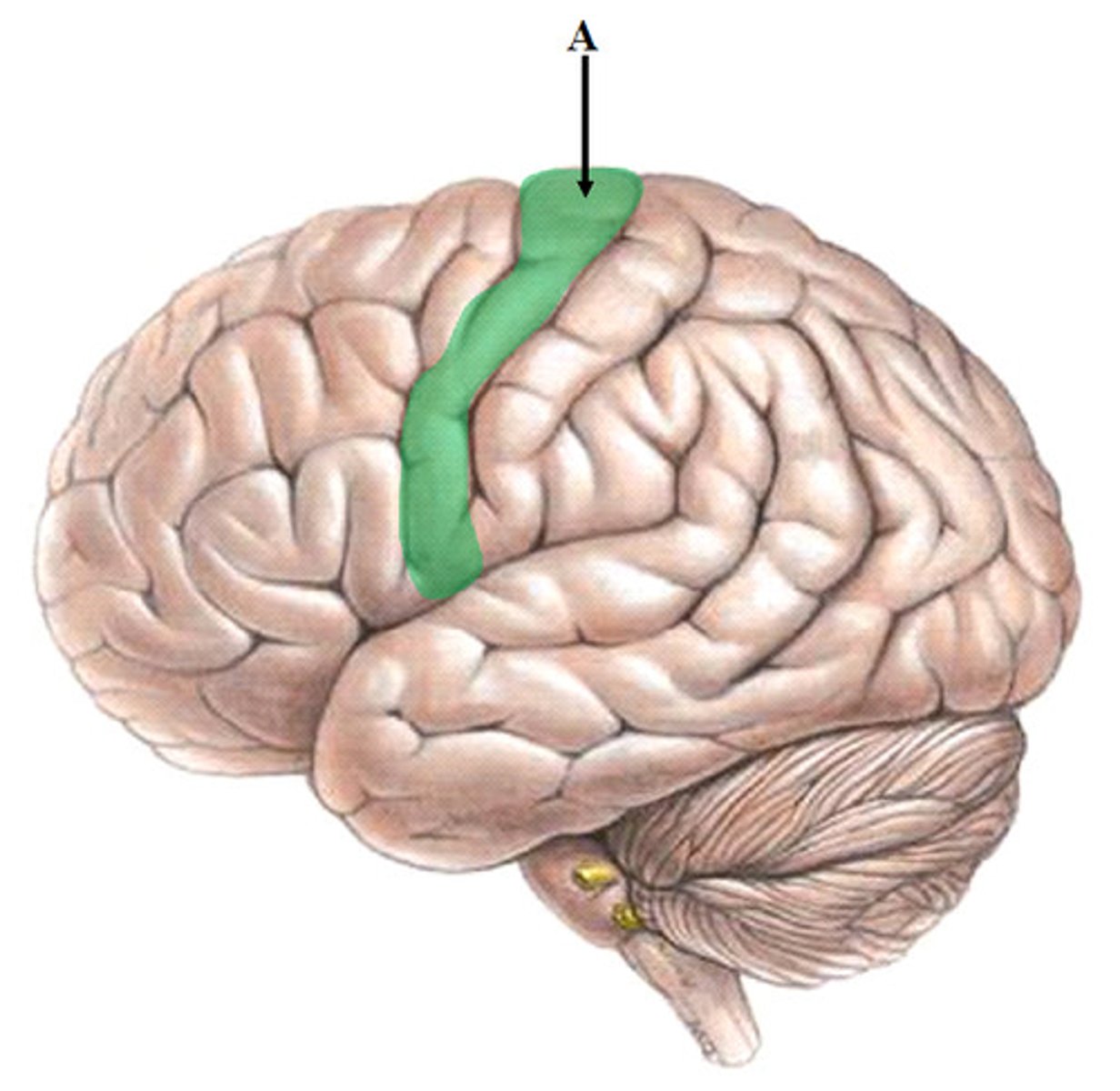
precentral gyrus
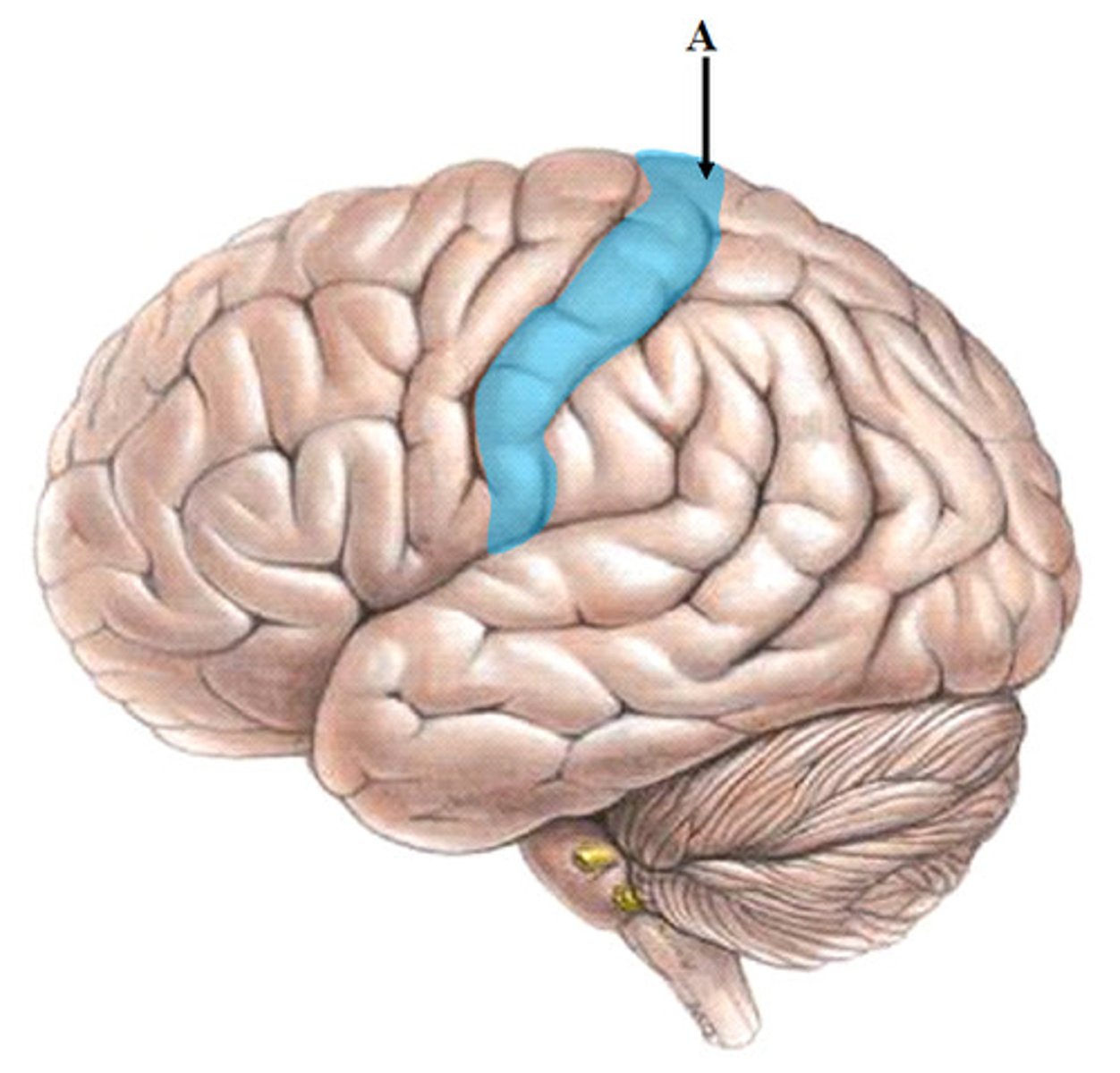
postcentral gyrus
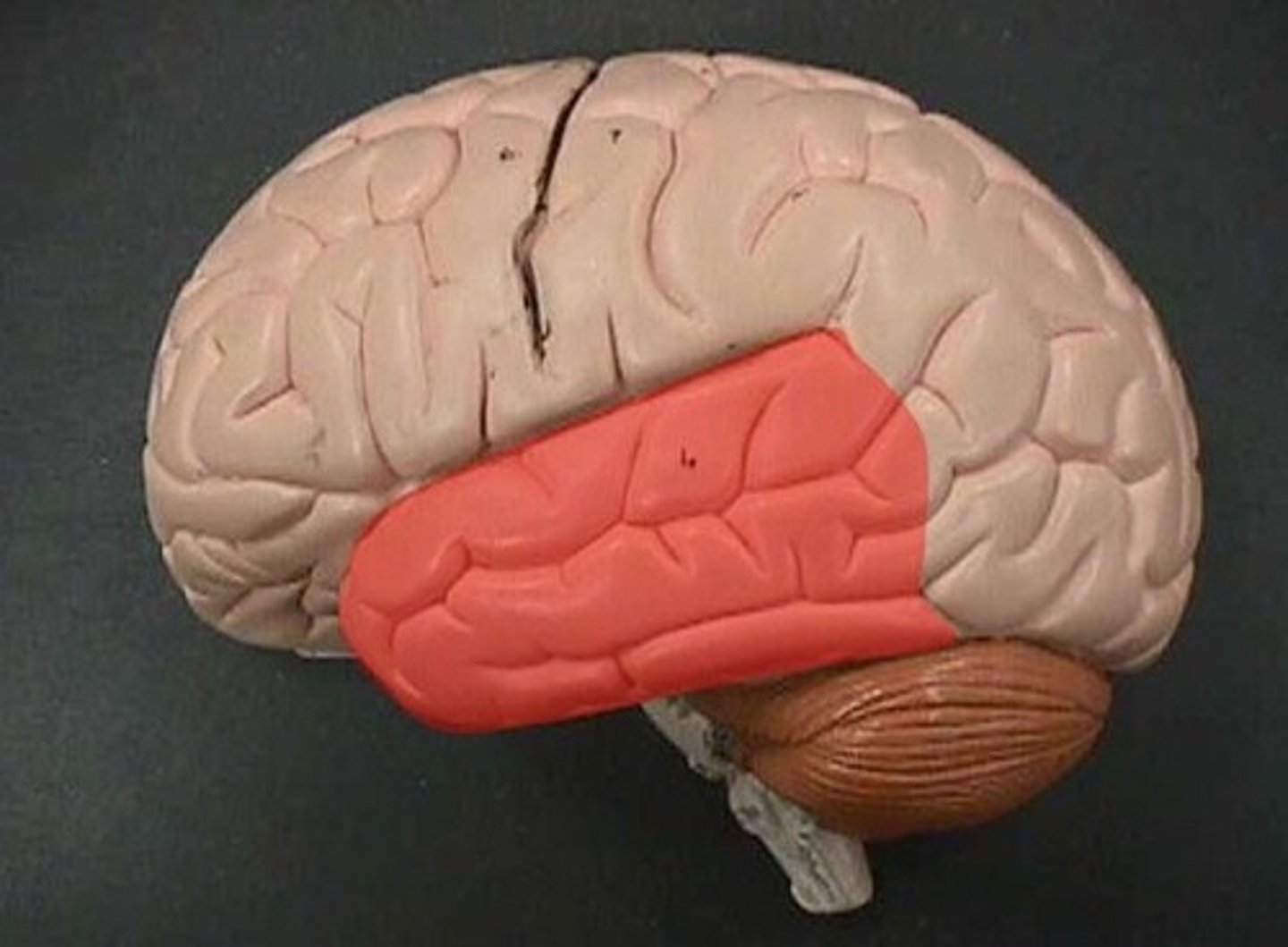
temporal lobe
parietal lobe
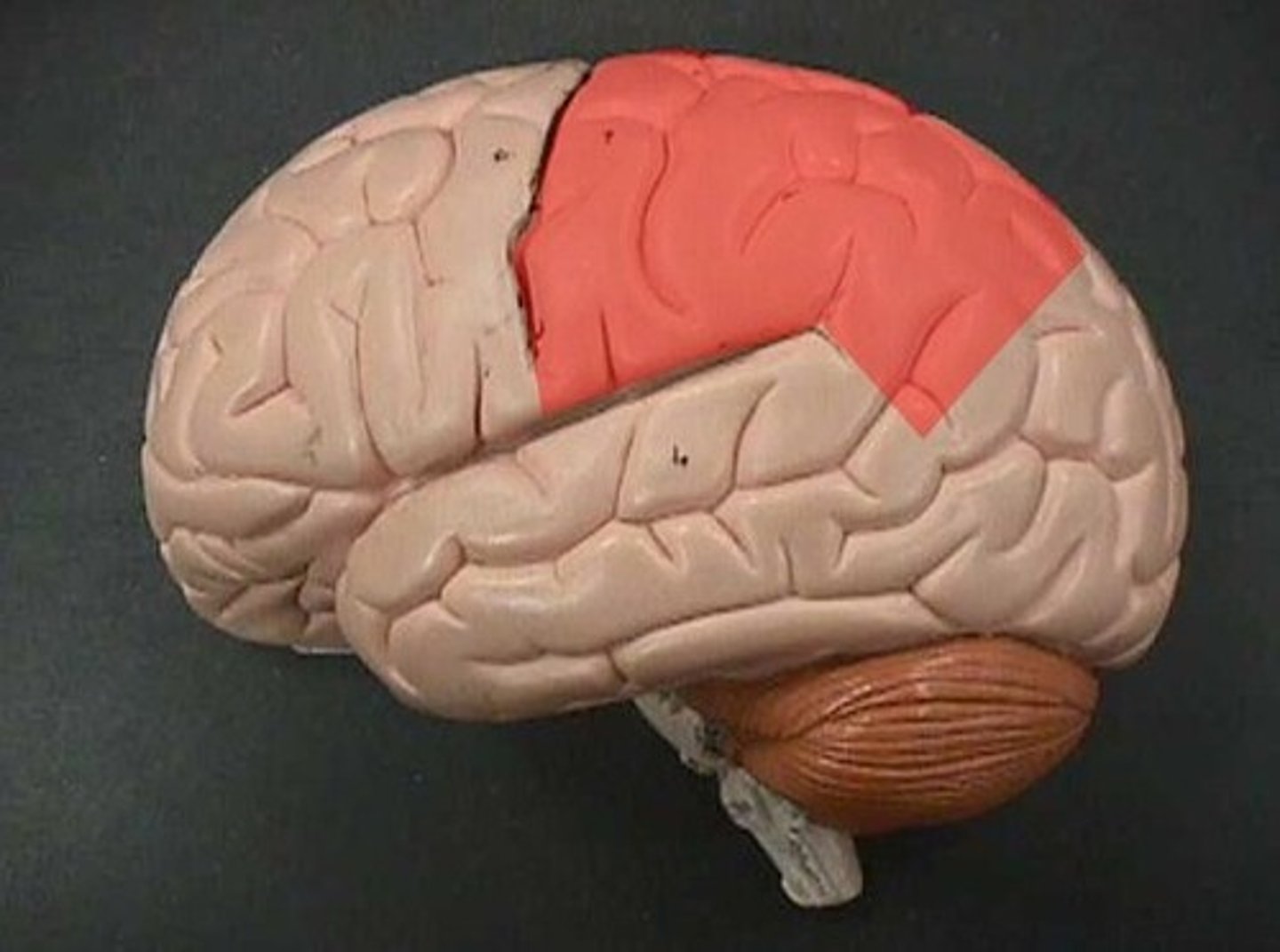
occipital lobe
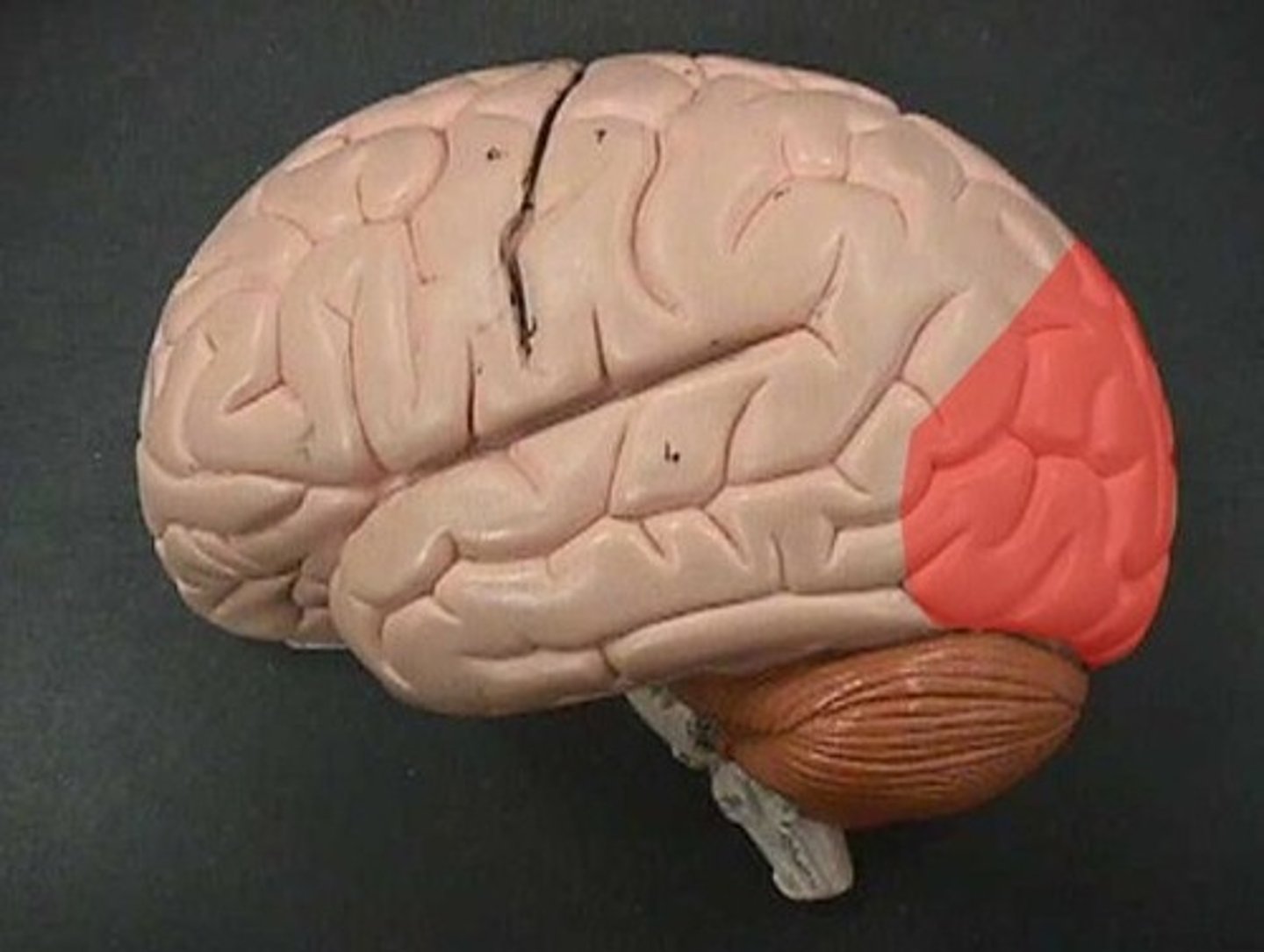
insula
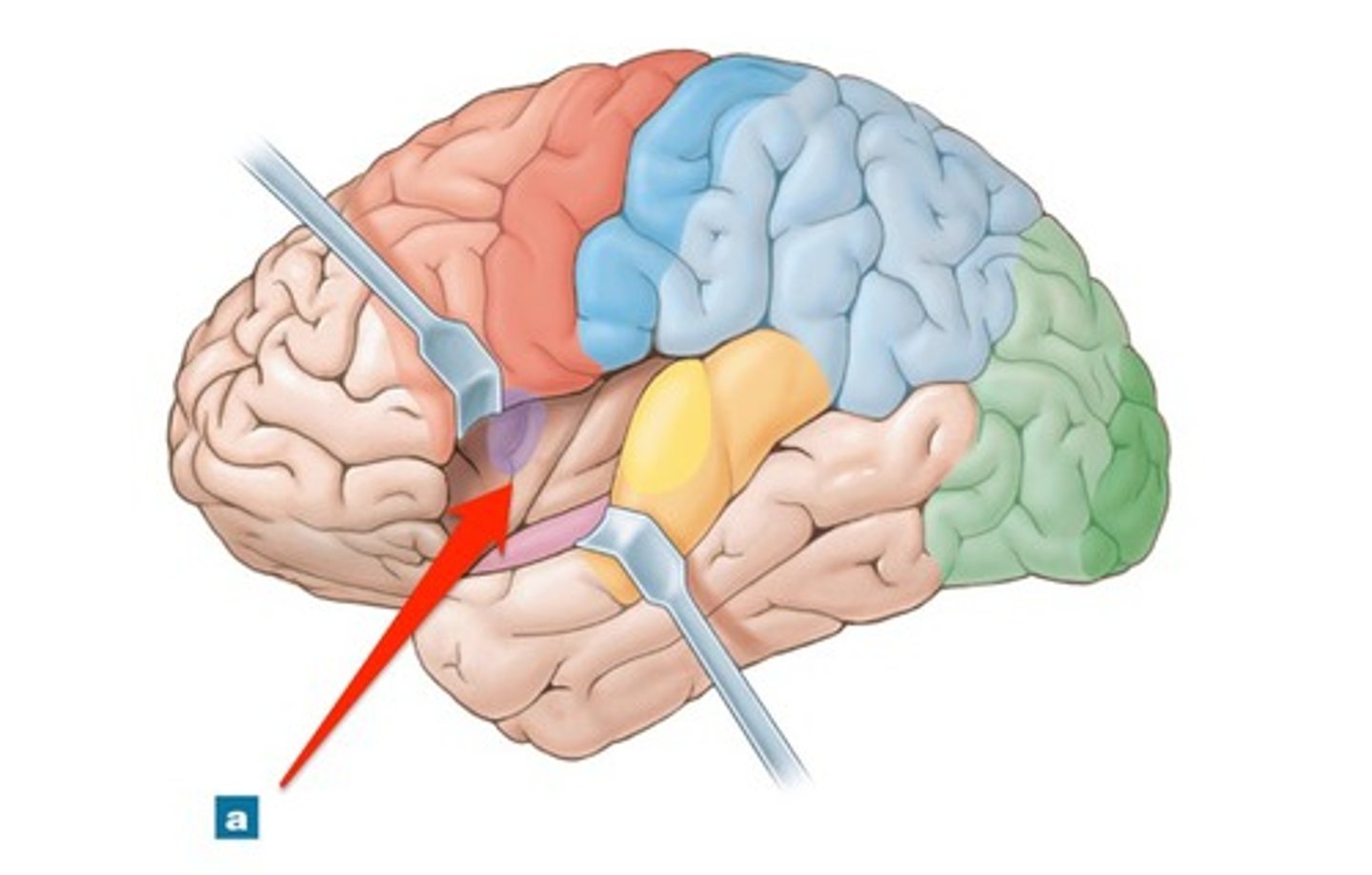
thalamus
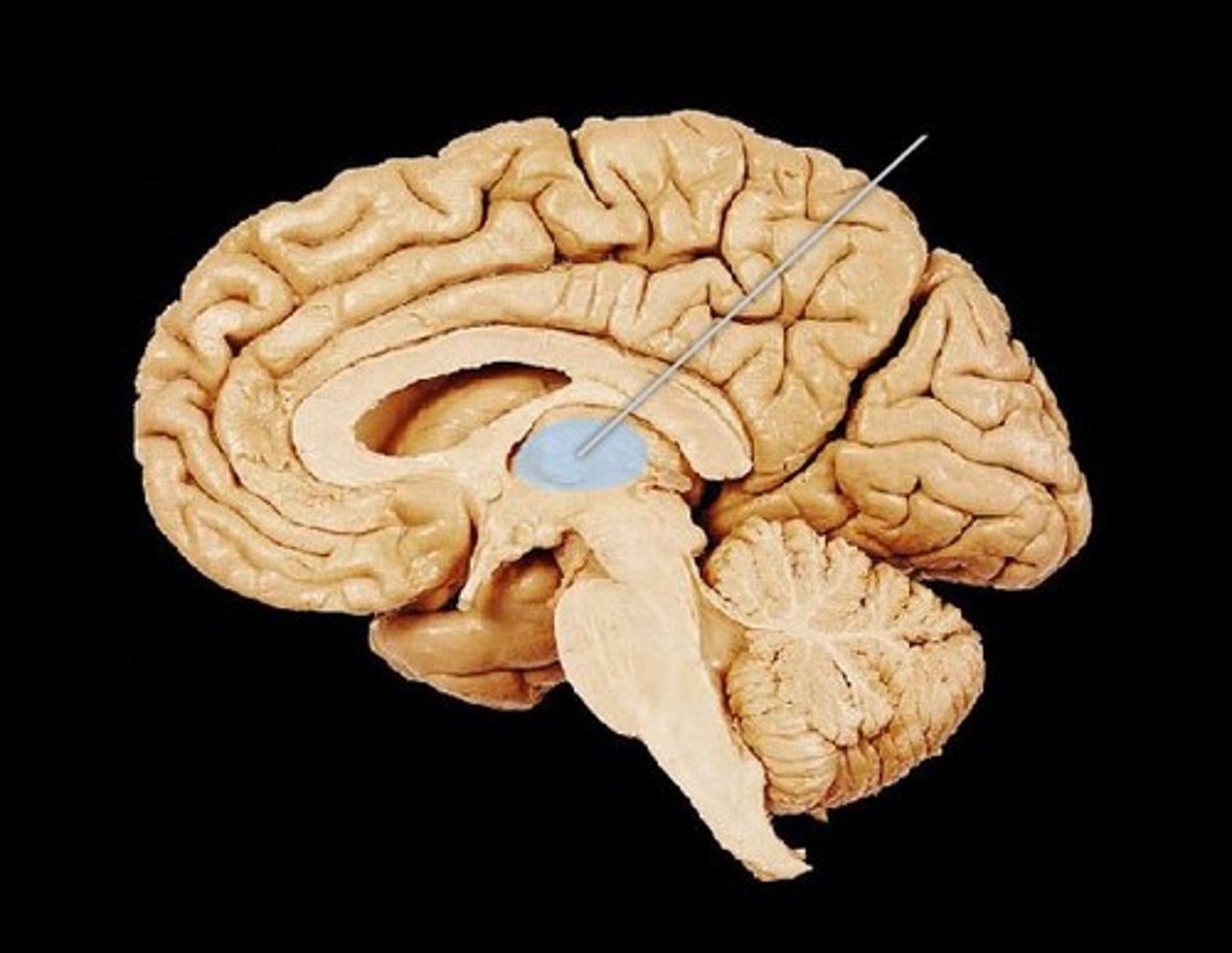
hypothalamus
21
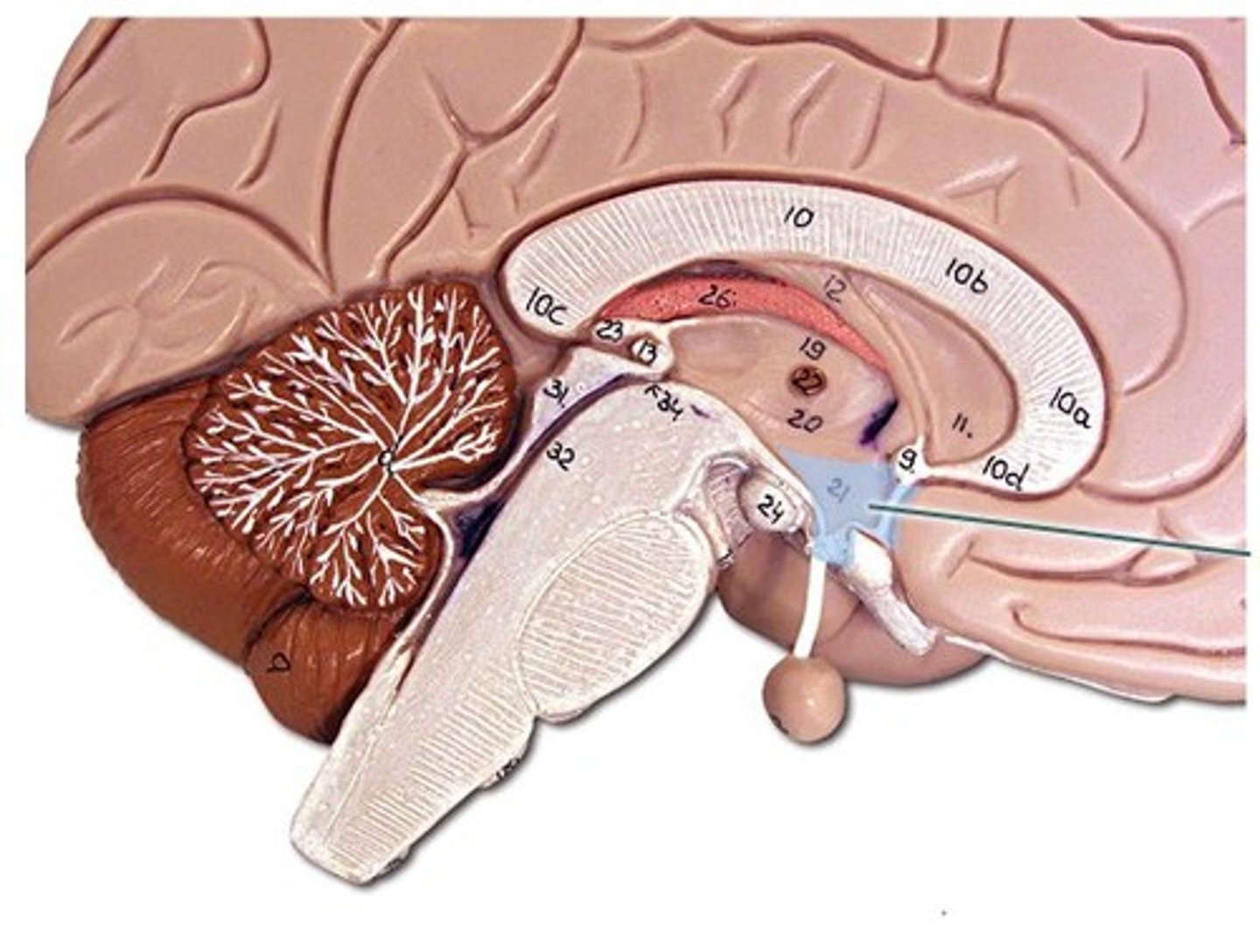
pineal gland
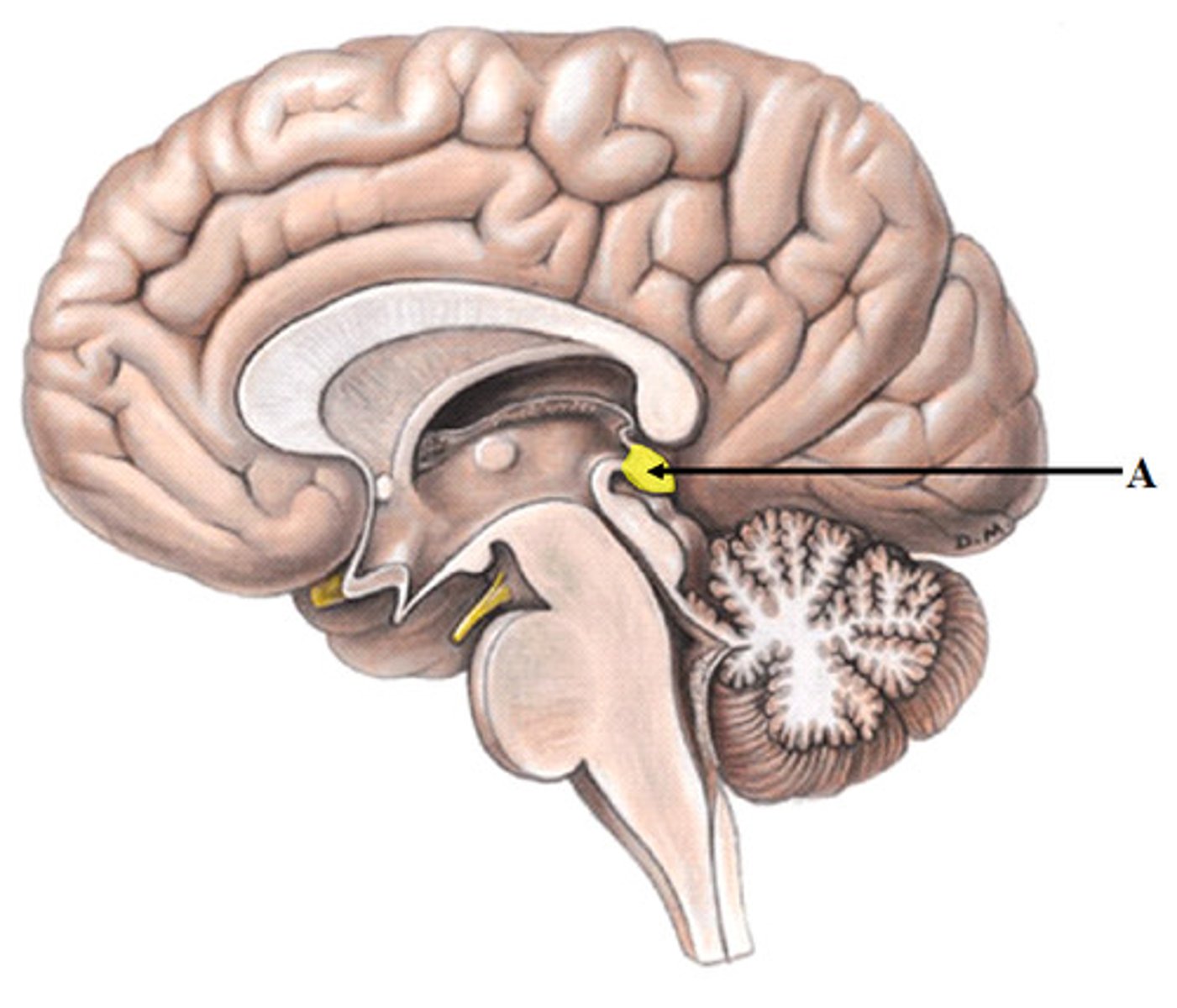
midbrain
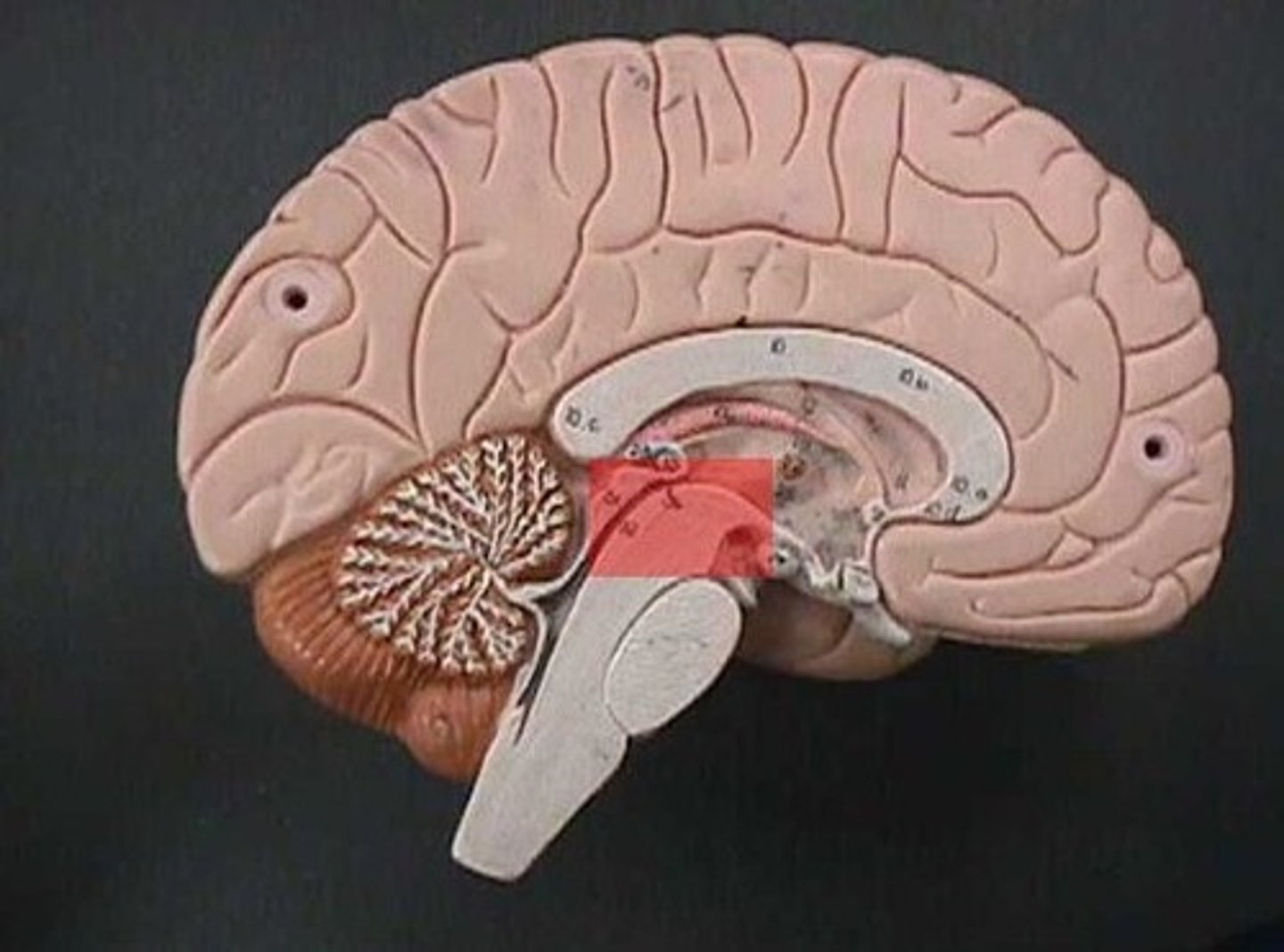
pons
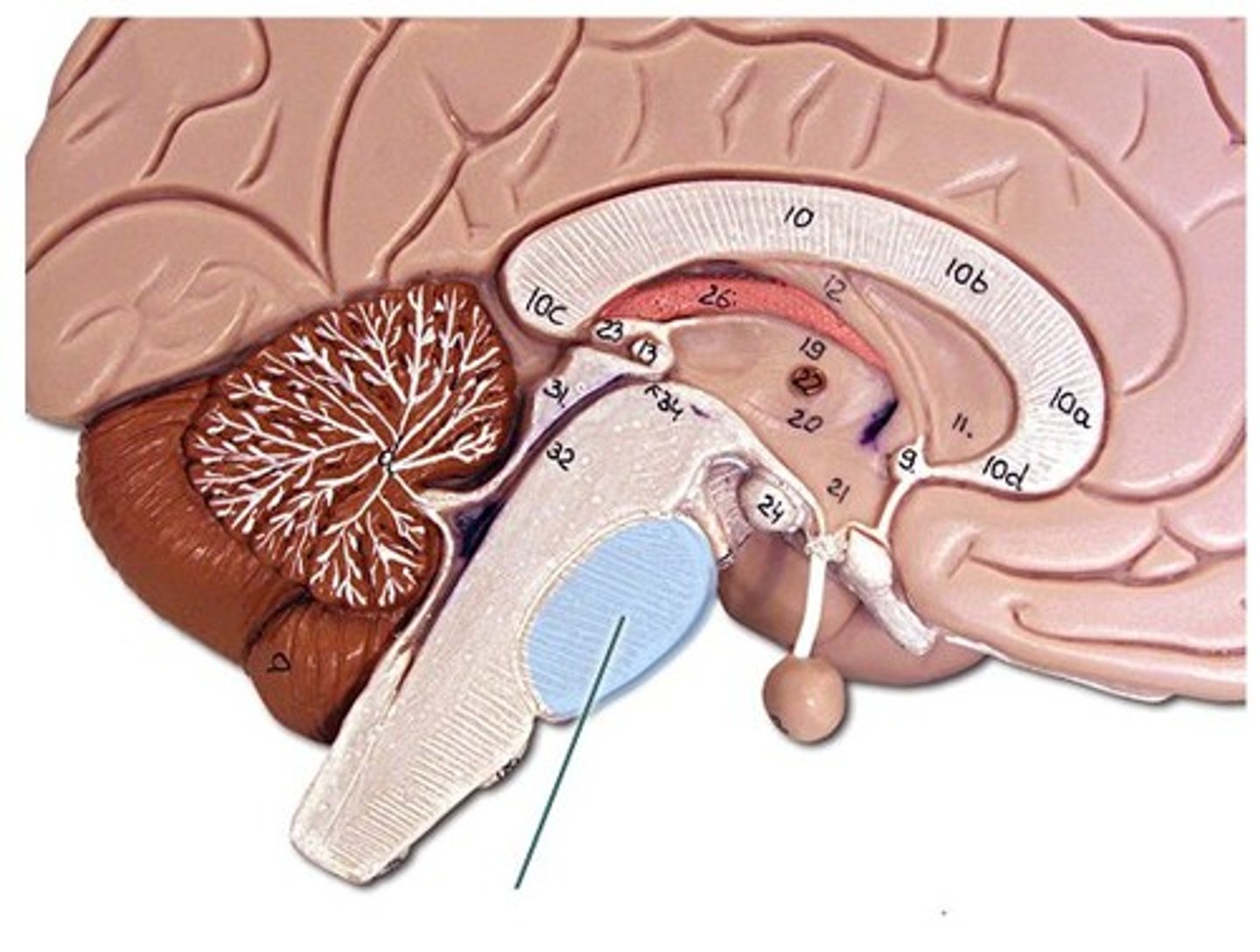
medulla oblongata
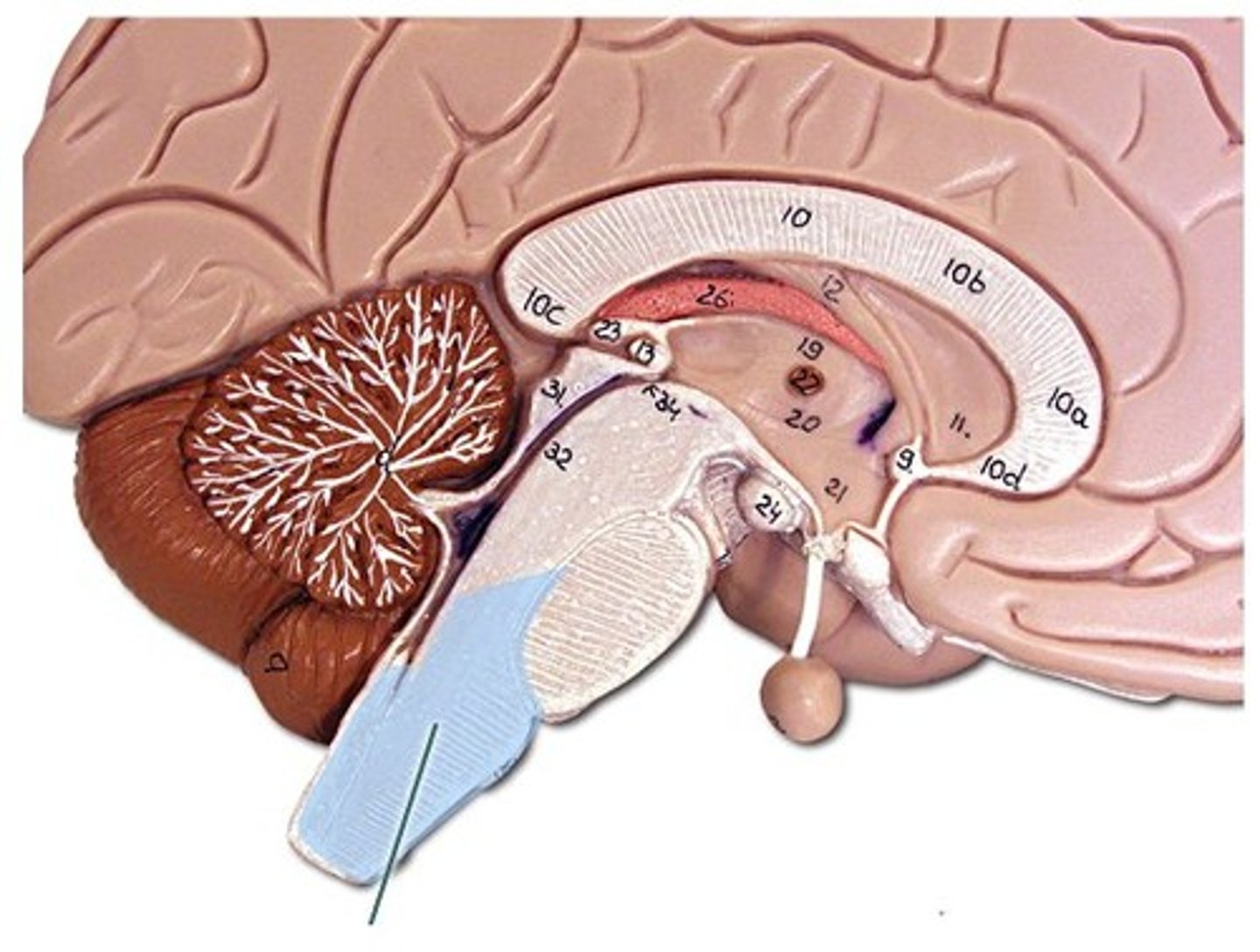
reticular formation
blue line
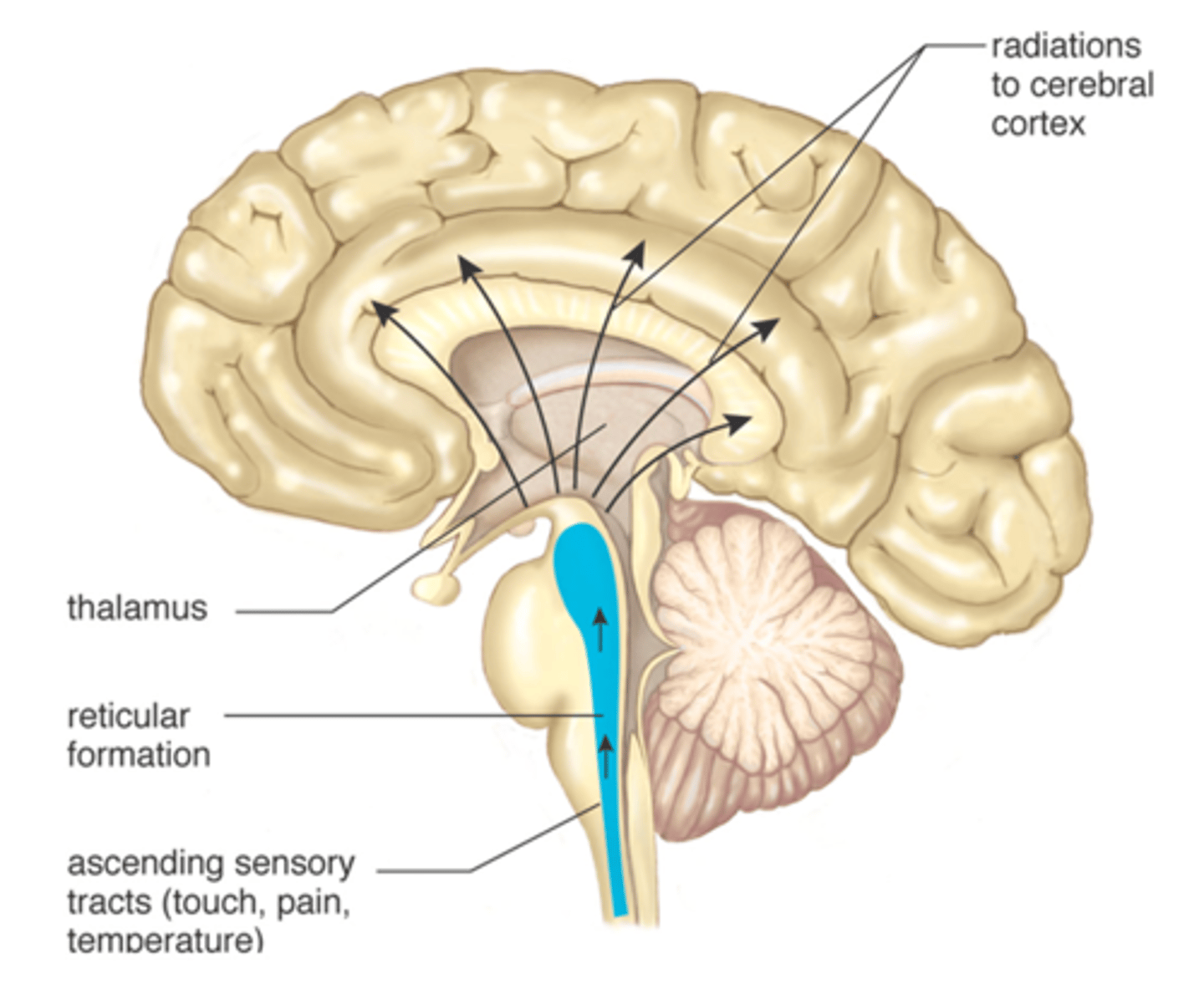
Amygdala
yellow dots
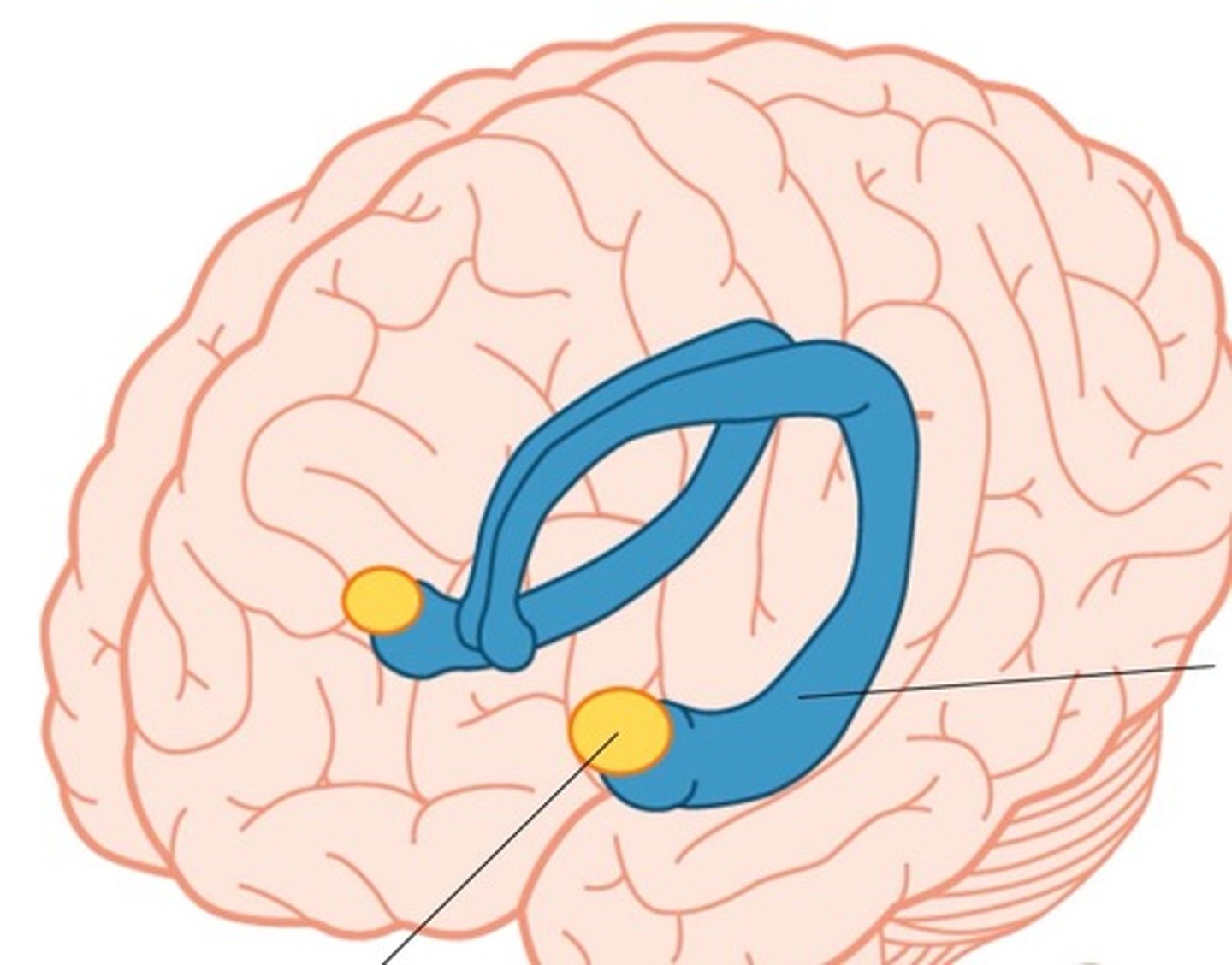
Hippocampus
Blue
What is a double dissociation and why is it important?
A pattern where damage to region A impairs function X but not Y, and damage to region B impairs Y but not X; it demonstrates functional independence of cognitive processes.
What is reverse inference in neuroimaging?
Inferring a specific cognitive process from activation in a brain region that is involved in multiple functions.
Why does fMRI not prove necessity?
Because it measures correlation between activation and behaviour, not whether the region is required for the function.
What does the BOLD signal measure?
Changes in oxygenated vs deoxygenated haemoglobin as an indirect marker of neural activity.
Why is EEG superior to fMRI for studying timing of cognition?
EEG has millisecond temporal resolution, allowing precise tracking of when processes occur.
What is long-term potentiation (LTP)?
A long-lasting increase in synaptic strength following repeated stimulation, considered a neural basis of learning.
Why does hippocampal damage impair episodic but not procedural memory?
Episodic memory requires contextual binding by the hippocampus, whereas procedural memory relies on basal ganglia and cerebellar systems.
What is the role of the dorsolateral prefrontal cortex (DLPFC)?
Working memory manipulation, cognitive control, and goal-directed behaviour.
What is the role of the ventromedial prefrontal cortex (VMPFC)?
Emotion regulation and value-based decision-making.
Why do frontal lobe lesions impair recall more than recognition?
Recall requires strategic search and monitoring processes mediated by the frontal lobes.
What is confabulation and what causes it?
False memories produced with confidence due to impaired monitoring and executive dysfunction, often from frontal damage.
What is cognitive reserve?
The brain’s capacity to compensate for pathology due to higher education, intelligence, or enriched environments.
Why does Alzheimer’s disease typically affect episodic memory first?
Early degeneration of the medial temporal lobes, especially the hippocampus.
What neuropathological features define Alzheimer’s disease?
Beta-amyloid plaques and neurofibrillary tangles.
Why might FDG-PET detect Alzheimer’s before structural MRI?
Functional hypometabolism often precedes visible atrophy.
How does chronic stress affect the hippocampus?
Prolonged cortisol exposure can damage hippocampal neurons and impair memory.
Why is the amygdala important in emotional memory?
It enhances consolidation of emotionally salient events via interaction with the hippocampus.
What is the role of the basal ganglia in learning?
Procedural learning and habit formation through dopaminergic reinforcement pathways.
Why does dopamine loss in the substantia nigra cause Parkinson’s disease?
It disrupts basal ganglia motor circuits, impairing movement initiation.
What is hemispatial neglect and what causes it?
Failure to attend to one side of space, typically caused by right parietal lobe damage.
What is the difference between necessary and sufficient brain regions?
Necessary regions are required for a function; sufficient regions can produce a function when activated.
Why are multiple comparison corrections necessary in fMRI?
Thousands of voxel tests increase the risk of false positives.
What is the difference between structural and functional neuroimaging?
Structural imaging measures anatomy; functional imaging measures activity or metabolism.
Why is working memory capacity now estimated closer to 4 chunks rather than 7 ± 2?
Modern research shows limits reflect meaningful chunks rather than raw item count.
What is the HPA axis and why is it important?
The hypothalamic-pituitary-adrenal axis regulates stress responses via cortisol release.
Why is schizophrenia linked to both increased and decreased dopamine activity?
Hyperdopaminergic mesolimbic pathways contribute to positive symptoms, while hypodopaminergic mesocortical pathways contribute to negative symptoms.
What is the difference between episodic and semantic memory?
Episodic memory involves personally experienced events; semantic memory involves general knowledge independent of context.
Why is the medial temporal lobe critical for memory consolidation?
It binds distributed cortical representations into cohesive episodic memories.
What is conduction aphasia and what causes it?
Impaired repetition due to damage to the arcuate fasciculus connecting language regions.
Why are lesion studies powerful in cognitive neuroscience?
They help determine whether a brain region is necessary for a function.
What is synaptic plasticity?
The ability of synapses to strengthen or weaken over time based on activity.
Why does left hemisphere damage often affect language?
Language functions are typically lateralised to the left hemisphere.
What is the function of the anterior cingulate cortex?
Conflict monitoring, error detection, and integrating emotion with cognition.
Why is the cerebellum now considered involved in cognition as well as movement?
It contributes to timing, prediction, and coordination of cognitive processes.
What is systems consolidation?
The gradual reorganisation of memory traces from hippocampus-dependent storage to distributed cortical networks.
What is reconsolidation?
The process by which retrieved memories become temporarily labile and can be modified before being stored again.
Why does temporally graded retrograde amnesia support systems consolidation theory?
Older memories are spared because they have become less dependent on the hippocampus.
What is pattern separation?
The hippocampal process of distinguishing similar inputs into distinct memory representations.
What is pattern completion?
Retrieval of a complete memory from partial cues via hippocampal networks.
What is the difference between recollection and familiarity?
Recollection involves contextual details; familiarity is a sense of knowing without context.
Which medial temporal structure is most associated with familiarity?
The perirhinal cortex.
What is source memory?
Memory for the origin or context in which information was acquired.
Why are frontal lobes important for source monitoring?
They evaluate and verify retrieved information.
What is prospective memory?
Remembering to perform actions in the future.
What is the difference between event-based and time-based prospective memory?
Event-based is triggered by cues; time-based requires self-monitoring of time.
What is the default mode network (DMN)?
A network active during rest and self-referential thought.
Why is the DMN relevant to Alzheimer’s disease?
It overlaps with regions that show early amyloid deposition.
What is functional connectivity?
Statistical correlation of activity between brain regions.
What is effective connectivity?
The causal influence one brain region exerts over another.
What is resting-state fMRI used for?
Examining intrinsic brain network organisation without task demands.
What is the salience network?
A network that detects and prioritises relevant stimuli.
What is the central executive network?
A network involved in working memory and goal-directed cognition.
What is voxel-based morphometry (VBM)?
A technique measuring grey matter volume differences across the brain.
What is fractional anisotropy in DTI?
A measure of directional water diffusion reflecting white matter integrity.
What does reduced white matter integrity often indicate?
Axonal damage or demyelination.
What is neuroplasticity?
The brain’s ability to reorganise structurally and functionally in response to experience.
What is experience-dependent plasticity?
Neural changes resulting from learning and environment.
What is critical period plasticity?
Time-limited windows when certain abilities develop optimally.
What is Hebb’s rule?
Neurons that fire together wire together.
What is excitotoxicity?
Neuronal damage caused by excessive glutamate activation.
What neurotransmitter is primarily excitatory in the brain?
Glutamate.
What neurotransmitter is primarily inhibitory in the brain?
GABA.
How does GABA dysfunction relate to anxiety?
Reduced inhibition leads to excessive neural excitability.
What is the role of serotonin in mood regulation?
Modulates emotional processing and behavioural inhibition.
Why are SSRIs used to treat depression?
They increase serotonin availability in synapses.
What is the mesolimbic dopamine pathway associated with?
Reward and positive symptoms of schizophrenia.
What is the mesocortical dopamine pathway associated with?
Executive function and negative symptoms in schizophrenia.
What is neurogenesis and where does it occur in adults?
Creation of new neurons, primarily in the hippocampus.
How does stress affect neurogenesis?
Chronic stress reduces hippocampal neurogenesis.
What is the role of the anterior insula?
Awareness of internal bodily states.
What is interoception?
Perception of internal physiological states.
What is hemispheric lateralisation?
Specialisation of functions in one hemisphere.