Sys Med 1: Cardiovascular Disorders
 Call Kai
 Learn
Learn Practice Test
 Spaced Repetition
 Match
Match Flashcards
 Knowt Play
1/76

There's no tags or description
Looks like no tags are added yet.
Name | Mastery | Learn | Test | Matching | Spaced | Call with Kai | Chat |
|---|
No analytics yet
Send a link to your students to track their progress
77 Terms
Heart is pumping against
- gravity
- pressure of arteries leading away from it
pumping requires
1. energy/oxygen (supplied by blood vessels to heart)
2. organized filling and contraction
The pressure the heart is pumping against is
blood pressure
Describe the relationship between heart and blood pressure
as blood pressure increases, the heart needs to get larger, needs more blood supply
decreasing lumen size, increases resistance
who gets high blood pressure?
- 1 out of 3 adults
- Men > women
who do we screen for HTN
al adults
If we have a higher risk patient, but they have overall good long term prognosis, the the systole goal is
systole should be less than 130
If we have a lower risk patient and they have overall good long term prognosis, the the systole goal is
systole less than 140 or 130
If we have a patient with poor long term prognosis, the the systole goal is
systole less than 150
in 95% of patients, the cause of HTN is
essential --> there no anatomical or physiological case --> its just bound to happen
4 causes of HTN
1. obstructive sleep apnea
2. anxiety
3. alcohol
4. stenosis
HTN is secondary to two other issues
1. Renal Artery Stenosis
2. Hyperaldosteronism
6 things that make HTN worse
1. obesity
2. sodium intake
3. alcohol use
4. smoking
5. sleep apnea
6. lack of exercise
what are 3 non-pharmalogical ways to make HTN better
1. DIET: decrease sodium intake
2. EXERCISE: 30 min daily, 5x a week
3. STOP SMOKING
4. REDUCE ALCOHOL -->
- 2 drinks a day for men under 65
- 1 drink a day for men over 65
- 1 drink a day for women any age
1 drink = 12 oz of beer, 5 oz of wine, 1.5 oz of distilled spirits
3 main medicine categories for treating HTN
1. DIURETICS --> HCTZ or chlorthalidone
2. ACE/ARBS --> ACE: end in "pril"; ARBS end in "-sartan"
3. CALCIUM CHANNEL BLOCKERS: amlodipine
3 main cardiovascular complications that occur due to HTN
1. Atherosclerosis
2. Aortic aneurysms & dissection
3. Peripheral artery disease
what cerebrovascular complication can HTN cause
stroke and TIA
what renal complication can HTN cause
Nephropathy
what ocular complication can HTN cause
Hypertensive retinopathy
what is Dyslipidemia
unhealthy balance of fats in blood
- high LDL (bad cholesterol )
- low HDL (good cholesterol )
- high triglycerides
where do LDL do
accumulate in vessel walls and promotes an inflammatory response
what do HDL do
"pull" lipids out of the blood stream
what is atherosclerosis
cholesterol build up in vessels and make them hard and narrowed
With Dyslipidemia, how do we determine who needs to be treated?
we treat those with LDL greater than 160, use 10 year ASCVD risk calculation
how do we treat Dyslipidemia
- diet and exercise
- STATINS
what causes Coronary Artery Disease (CAD)
atherosclerosis --> which is caused by untreated hypertension and dyslipidemia
who does CAD affect?
#1 killer since 1900
7 risk factors of CAD
1. Hypertension
2. Dyslipidemia
3. Diabetes
4. Tobacco use
5. Chronic Kidney Disease
6. Increasing Age
7. Male gender
symptoms associated with CAD
- narrow arteries --> decreased perfusion
- low grade ischemia --> chest pain and shortness of breath with exertion
how do symptoms present in woman and diabetics
asymptomatic
3 diagnostic tests for CAD
1. Stress Test --> put pt on treadmill and have them walk fast, check to see any symptoms and look at ECG to see if heart isnt getting enough oxygen
2. CAT scan
3. Cardiac Catheterization & angiography
what is the best test to find narrowed arteries
Cardiac Catheterization & angiography
how is CAD treated
- treat HTN and hyperlipidemia as previously mentioned (STATINS)
- Stop smoking
- exercise, diet, weight loss
- Aspirin? --> not really helpful
- Questionable role for stenting
If CAD is not treated, it can progress to
Acute MI
Symptoms of Acute Mi
- unstable angina
- chest pain at rest
- acute heart failure
3 ways to diagnose Acute MI
1. ECG --> looking for ST segment elevation
2. Troponin --> this is a marker, indicating damage to heart
3. Cardiac Catheterization --> we are looking for blocked/narrowed vessels
how to treat Acute Mi
1. Stents --> opening up artery
2. Plavix --> blood thinner, prevents blood clots
what are complications of chronic MI
- Heart Failure
- Most arrythmias
what is the most common diagnosis in hospitalized elderly?
Heart Failure
what causes Heart Failure
1. HTN
2. MI
how does Heart Failure happen
Heart is a pump, pump fails
bc muscle is damaged, the heart cant pump --> there is decreased contractility, increased preload, increased afterload --> leads to circulatory congestion
what is congestive heart failure (CHF)
circulatory congestion secondary to heart failure
- there is volume overload
1 type is Left Sided Heart Failure
what occurs in Left Heart Failure
- Blood to the left side of the heart is returning from the lungs
- if left heart stops working --> blood moves backward and goes into lungs first, then right heart next
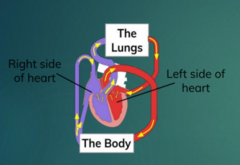
Symptoms of Left Sided HF
- Fatigue: lungs cant get enough oxygen to lungs
- Dyspnea: shortness of breath with activity
- Orthopnea: shortness of breath laying down (they are drowning in their own blood)
- Paroxysmal Nocturnal Dyspnea
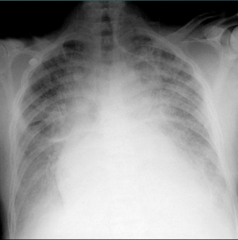
5 ways to diagnose Left Sided Heart Failure
1. Chest X-ray
2. Echocardiogram
3. BNP levels
4.. Nuclear Medicine studies
5. CT and MRI
What occurs in Right heart failure?
- the right ventricle loses its ability to pump blood efficiently to the lungs
- this causes blood to back up into the systemic veins
Signs and Symptoms of Right HF
- Pedal/ankle edema
- Jugular Venous Distention
- Hepatomegaly
- Pitting Edema
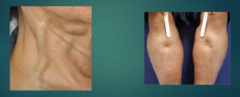
Non-Pharm treatment of HF
1. Diet and Lifestyle
- Fluid restriction
- Salt restriction
- Daily weights
- Alcohol and smoking cessation
2. Treat underlying disorders (HTN, CAD, obstructive sleep apnea, Pulm HTN)
5 Pharm treatment of HF
1. Aldosterone antagonist
2. SGLT2 inhibitors --> Gliflozins
3. Diuretics --> Furosemide
4. Beta blockers --> Carvedilol
5. ACE/ARBs and ARNIs --> Losartan and Entresto
Clinical manifestations of Cardiac Dysrhythmias
1. Palpitations
2. Dizziness
3. Syncope
4. Sudden death
Main cause behind Cardiac Dysrhythmias
Ischemia: CAD, AMI
how are Cardiac Dysrhythmias diagnosed
1. ECG: 12 lead with 2 minute rhythm
2. Holter Monitor &/or Event Recorder
what is most common Cardiac Dysrhythmias
Atrial Fibrillation (A-Fib)
what is Atrial Fibrillation (A-Fib)
- fast and irregular from atria
- caused by HF or Pulm Disease
- risk is for stroke
what is the most dangerous Cardiac Dysrhythmias
Ventricular tachycardia
Describe Ventricular tachycardia
- very very fast
- discoordinated activity
- can be fatal
2 types of valvular heart disease (VHD)
1. Stenosis
2. Insufficiency
Describe Aortic Stenosis
- most common
- caused by aging
- aortic valve connects left ventricle to aorta
- valve gets less compliant and becomes harder and narrows, reducing blood flow, making heart work harder
- signs and symptoms: angina and syncope
Describe Mitral Regurgitation
- mitral valve sits between left atrium and left ventricle
- mitral valve doesnt close tightly, causing blood to leak backward into the upper chamber (left atrium)
- less symptomatic than aortic stenosis
how do we diagnose VHD
listen for murmur (abnormal blood flow)
treatment for VHD
- valve replacement surgery
what is Abdominal Aortic Aneurysm/ AAA
aorta wall weakens and expands forming a "balloon"
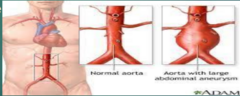
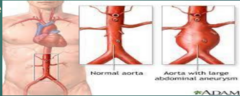
risk factors of Abdominal Aortic Aneurysm/ AAA
HTN, hyperlipidemia, smoking, Marfans
how is Abdominal Aortic Aneurysm/ AAA screened?
with ultrasound
what is main complication associated with Abdominal Aortic Aneurysm/ AAA
rupture
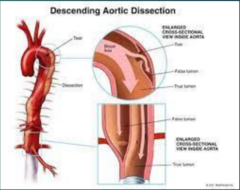
what is Aortic Dissection
tear in the wall of the vessel creates false lumen
- caused by HTN
- presents with terrible chest pain
- treat with surgery
what is Giant Cell Arteritis
immune system is attacking linking of temporal artery
what autoimmune disease is associated with GCA
polymyalgia rheumatica
signs and symptoms of GCA
Headache, visual disturbance, jaw claudication
how do we diagnose GCA
temporal artery biopsy
what is Peripheral Artery Disease/ PAD
hardening of arteries that go to calf --> results in reduced blood flow to limbs (specifically legs)
how is Peripheral Artery Disease/ PAD diagnosed
ultrasound
complication associated with Peripheral Artery Disease/ PAD
Poor wound healing, ulcers, and gangrene
what are varicose veins
enlarged, bulging, twisting blood vessels on legs
- occur when weak or damaged valves in the veins allow blood to pool
what is venous insufficiency
long term condition where legs veins fail to return blood back to heart, blood pools in the legs --> legs swell
what is deep vein thrombosis
A blood clot in a deep vein, usually in the legs
- presents with unilateral leg swelling
complication associated with DVT
clot can break and go to lungs --> Pulmonary embolus