Mr Bramer's Gilded Age & Progressive Era Review
 Call Kai
 Learn
Learn Practice Test
 Spaced Repetition
 Match
Match Flashcards
 Knowt Play
1/55

There's no tags or description
Looks like no tags are added yet.
Name | Mastery | Learn | Test | Matching | Spaced | Call with Kai | Chat |
|---|
No analytics yet
Send a link to your students to track their progress
56 Terms
Gilded Age
Time period 1865-1896. Period of American expansion and industrialism also known for over-the-top displays of wealth.
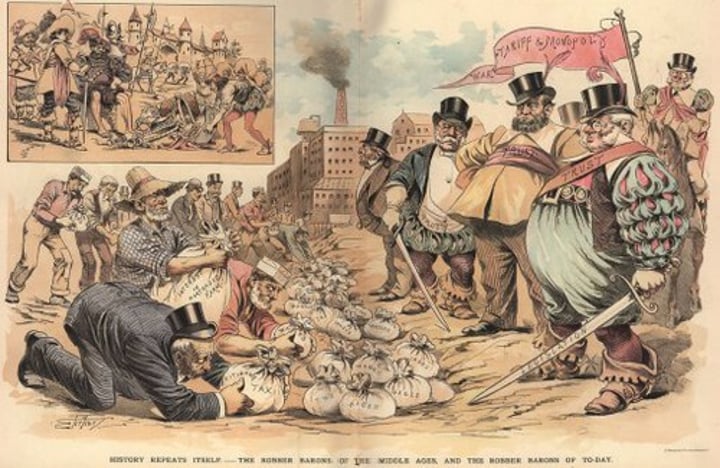
Andrew Carnegie
American industrialist who made his money in the steel industry; used strategy of vertical integration to create a monopoly
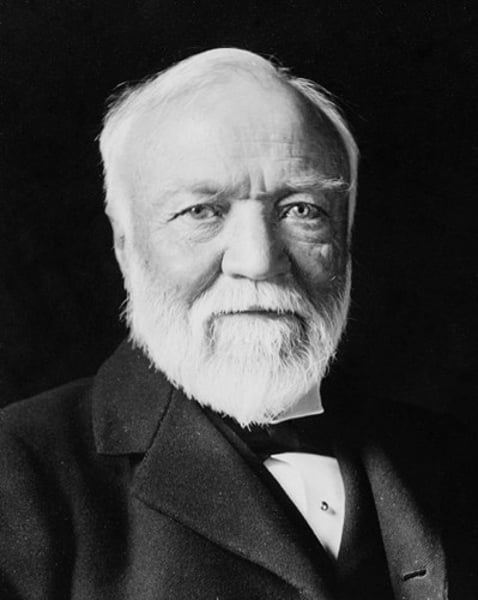
Gospel of Wealth
Book written by Andrew Carnegie, spoke of the responsibility of the rich to share their money with the needy.
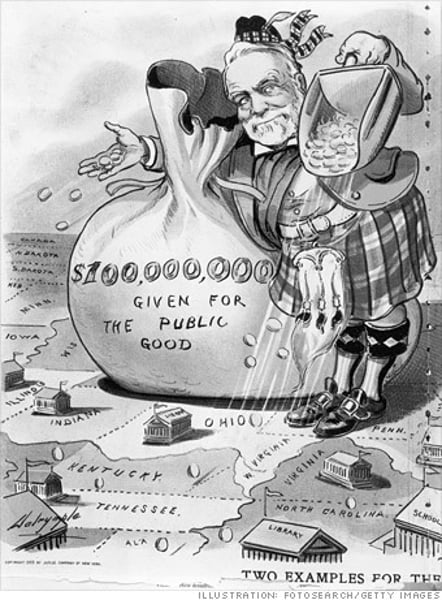
J.P. Morgan
American banker and financier; created U.S. Steel company.
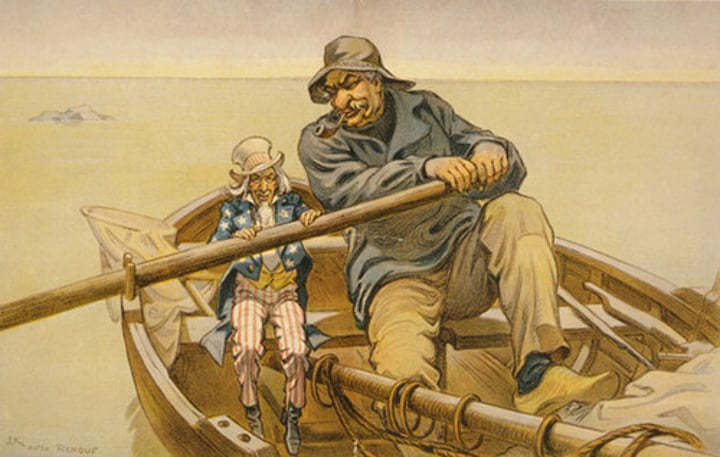
John D. Rockefeller
American industrialist who made his money in the oil industry; created Standard Oil Company; used strategy of horizontal consolidation to create a monopoly.
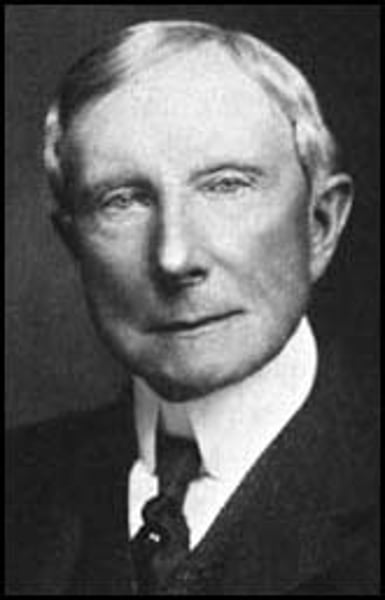
Vanderbilts
Leading American family of the Gilded Age that made their money in the railroad and shipping industries
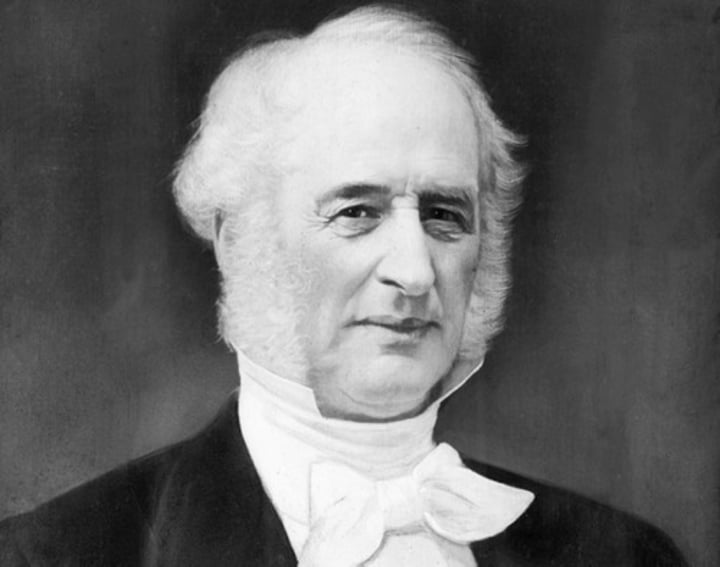
Horatio Alger
Author of novels that all had the same "rags to riches" plot - that anyone could succeed in America if they worked hard enough.
Herbert Spencer
Man who coined the phrase "Survival of the fittest" and related Darwin's theory of evolution to human society.
Robber Barons
Negative side/interpretation of big businessmen during the Gilded Age (treated workers unfairly and took advantage of others on their path to wealth)
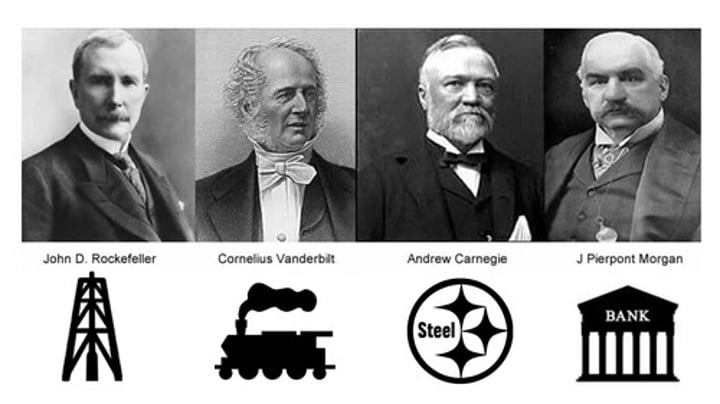
Captains of Industry
Positive side/interpretation of big businessmen during the Gilded Age (successful businessmen who also supported their communities).
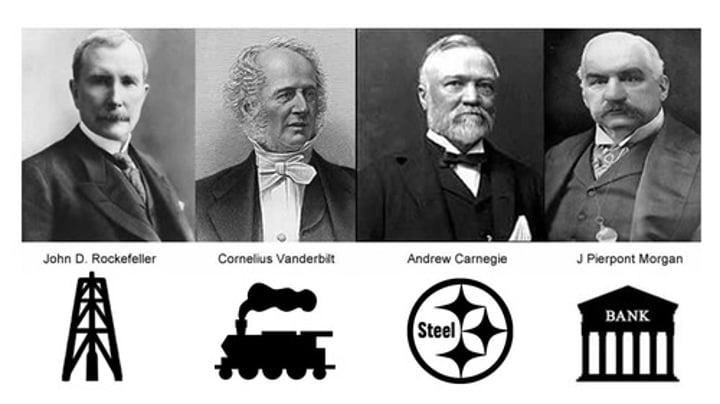
Social Darwinism
The idea that certain people in human society worked harder, adapted better and deserved to be more successful than others.
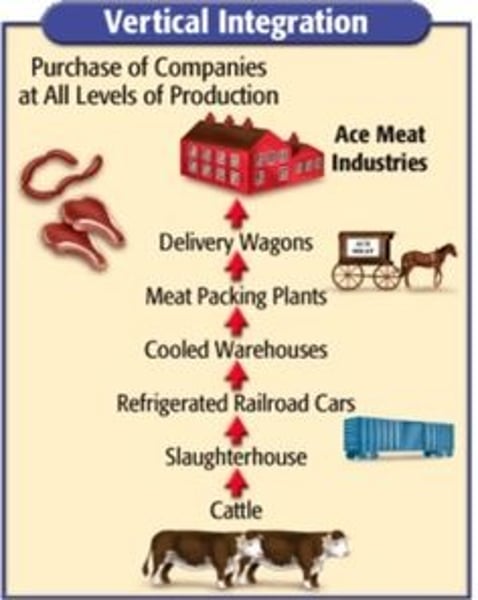
Vertical Integration
Path to monopoly where you try to control every step of the supply and production process of your product.
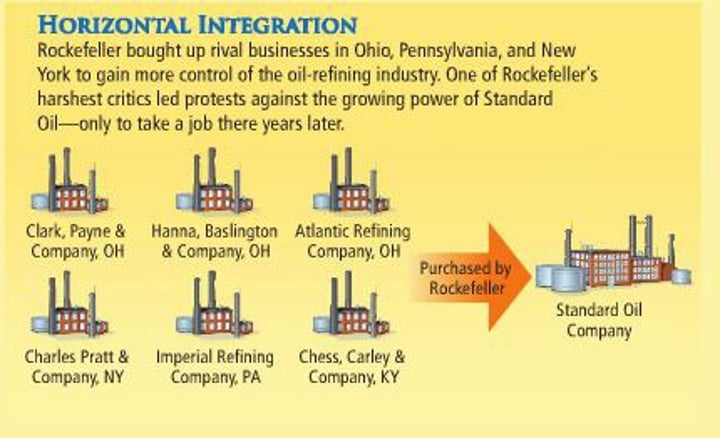
Horizontal Integration
Path to monopoly where you try to buy out all of your competitors.
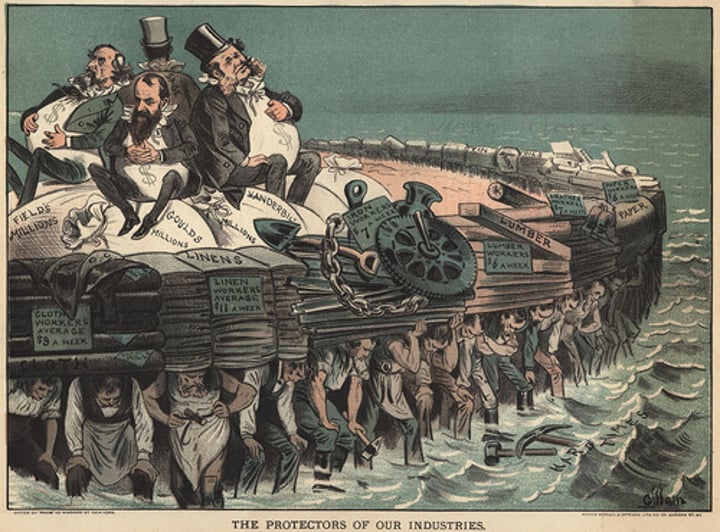
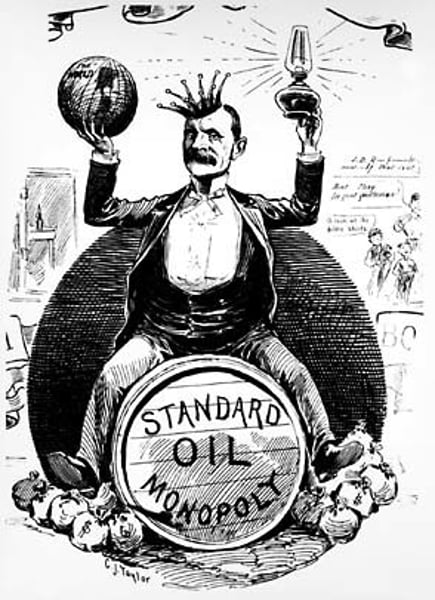
Monopoly
Having total control of an industry and being the only/main producer of your product.
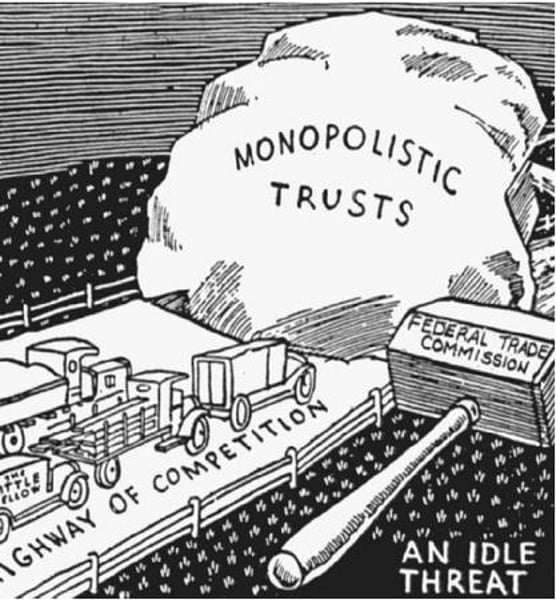
Trust
To have a monopoly in their industry, many big businessmen of the late 1800s created this first; what looks like competing companies but they are controlled by virtually the same boards of directors
cartel
companies in the same business that agree to fix prices at a particular rate so as not to compete

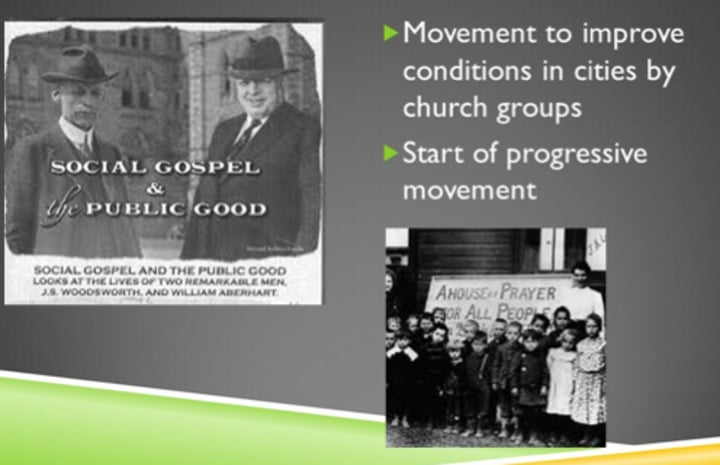
Social Gospel
idea the wealthy have a responsibility to give back to society
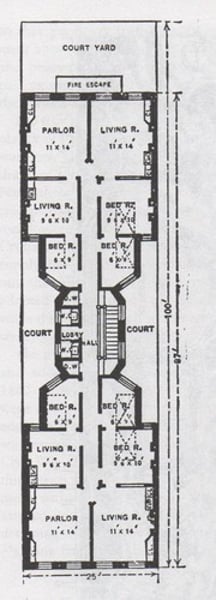
dumbbell tenement
type of building where poor immigrants lived
political machine
a political organization in which an authoritative boss or small group commands the support of a corps of supporters and businesses receive rewards for their efforts.
socialism
a political and economic theory of social organization that advocates that the means of production, distribution, and exchange should be owned or regulated by the community as a whole.
collective bargaining
negotiation of wages and other conditions of employment by an organized body of employees
lockout
the exclusion of employees by their employer from their place of work until certain terms are agreed to
scab
a person who refuses to strike or to join a labor union or who takes over the job responsibilities of a striking worker
labor union
an organized association of workers, often in a trade or profession, formed to protect and further their rights and interests
strike
refuse to work as a form of organized protest, typically in an attempt to obtain a particular concession or concessions from their employer
Sherman Anti-trust Act
first attempt by the US government to limit the power of monopolies
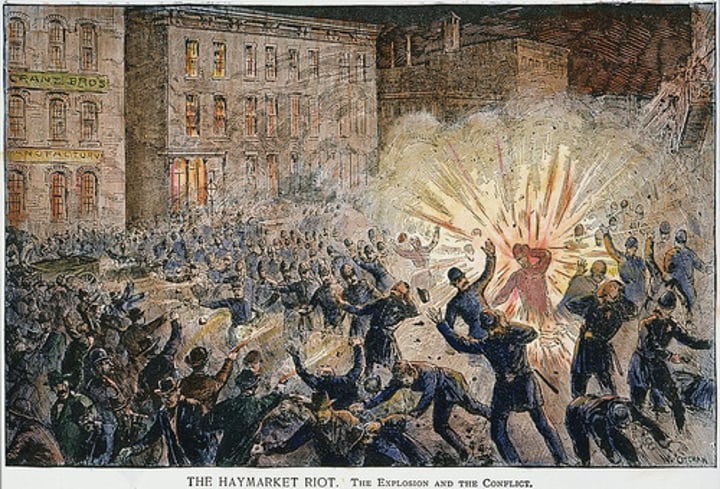
Haymarket Square Riot
a labor protest rally that turned into deadly after someone, thought to be an anarchist, threw a bomb at police; brought an end to the Knights of Labor
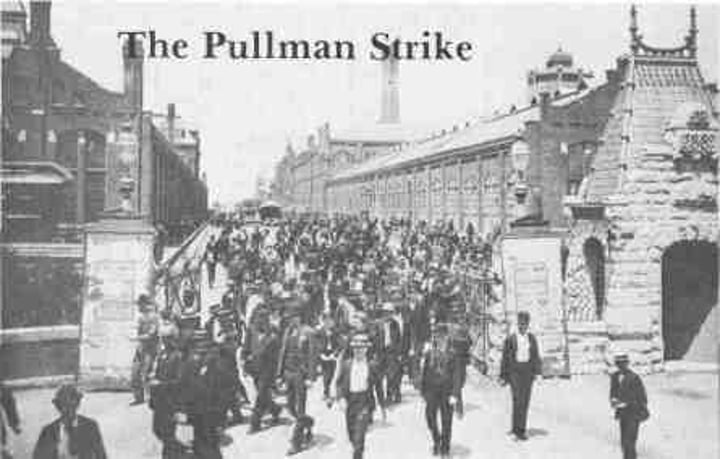
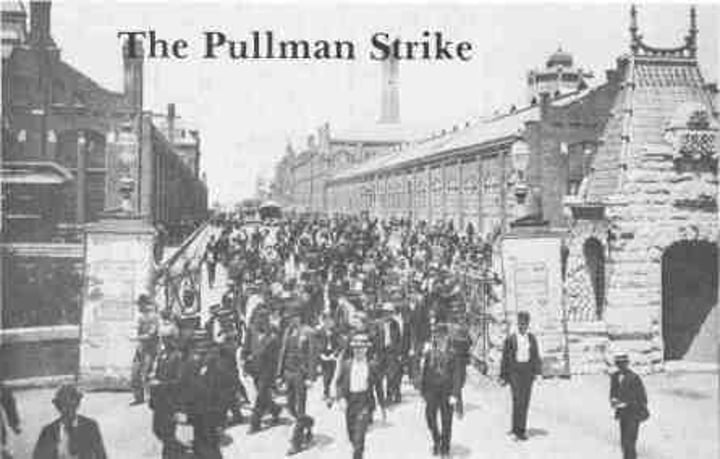
Pullman Strike
railroad labor protest that ended when the federal government got involved on the side of the railroad
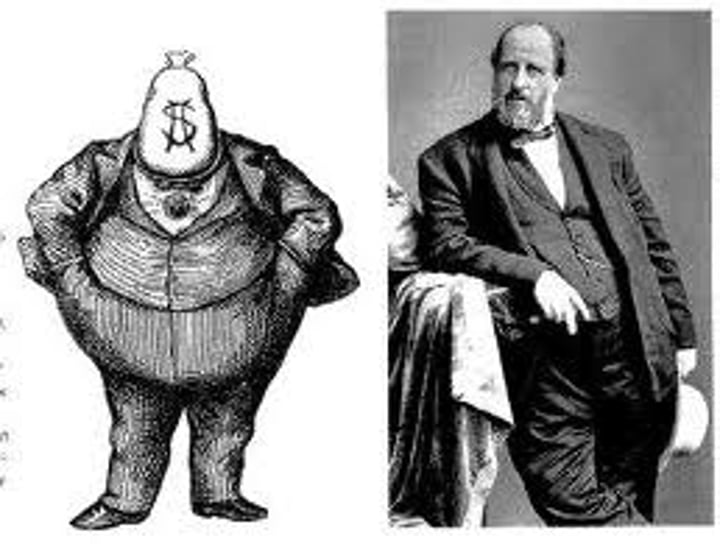
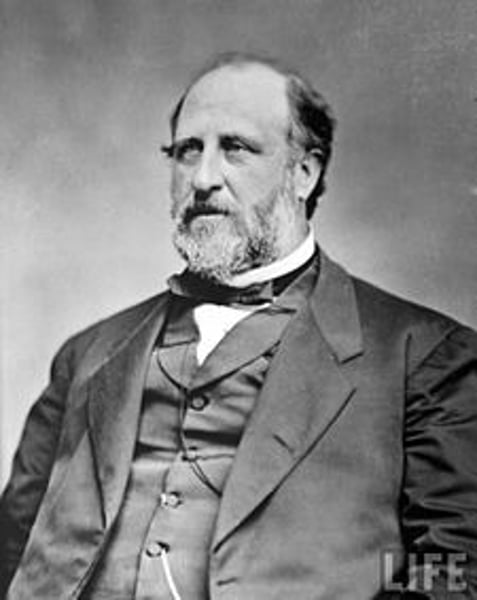
Boss Tweed
Leader of the Tammany Hall political machine
Civil Service System
a system or method of appointing government employees on the basis of competitive examinations, rather than by political patronage...Pendleton Act
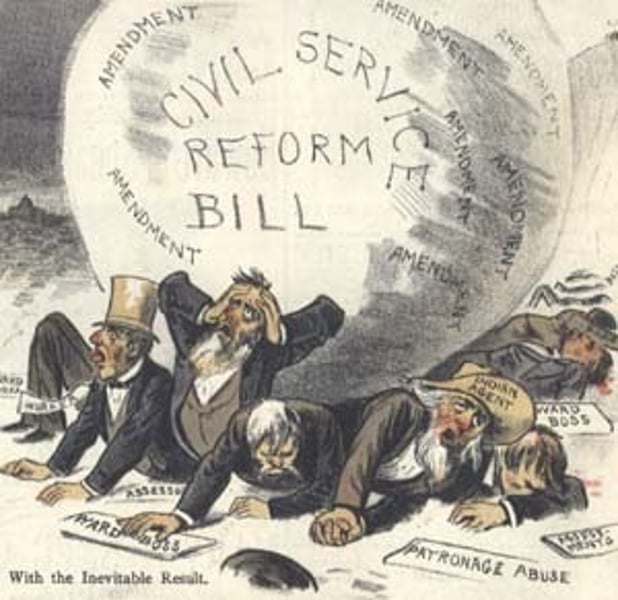
Credit Mobilier Scandal
stockholders of the Union Pacific Railroad formed a company to build railroads and sold shares to Congressmen who pushed for the Union Pacific to build railroads
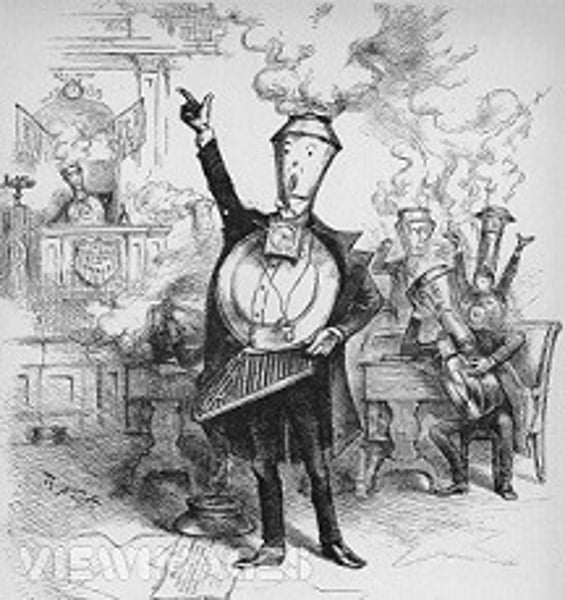
graft
illegal use of one's position to gain something of value (ex. money, political power
initiative
public petition that proposes legislation
Mugwumps
Republican that switched from the Republican Party to the Democratic Party to support Grover Cleveland in the election of 1884
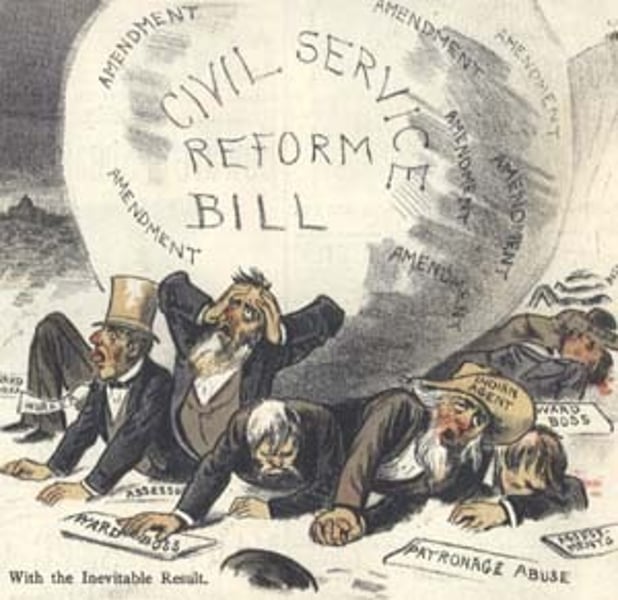
Pendleton Act
law that created the Civil Service System
recall
a special election to try and remove a public official from office before the end of their term
referendum
an issue that is decided by popular vote
secret ballot/Australian ballot
voting method where a voter's choice of candidate stays confidential
Tammany Hall
New York City's Democratic political machine in the late 1800s
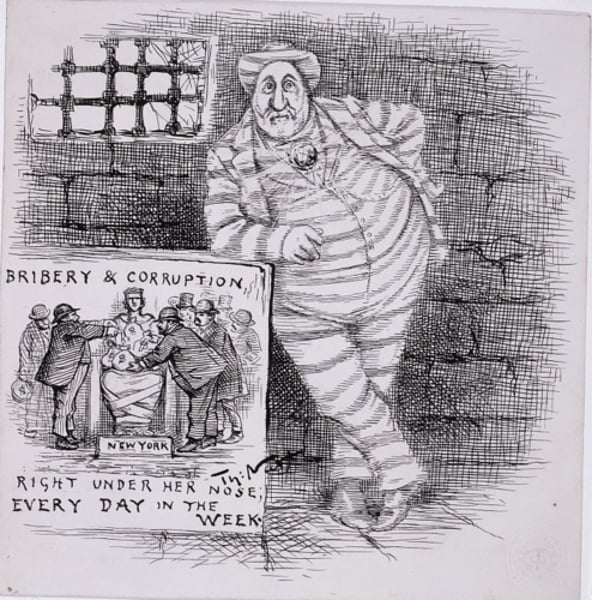
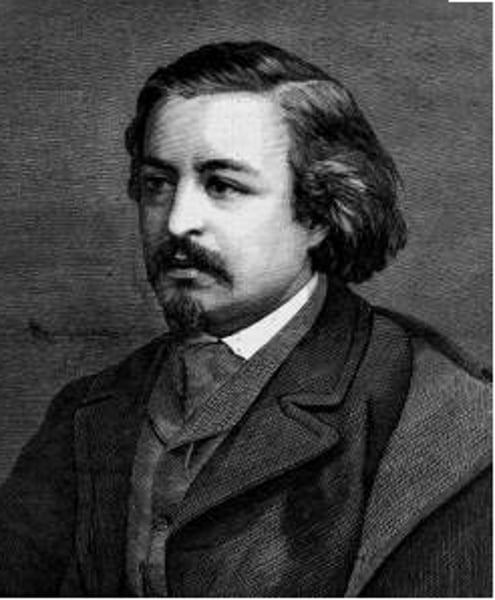
Thomas Nast
created political cartoons and may of America's most well-known political symbols; many of his cartoons were on the subject of Tammany Hall and political corruption
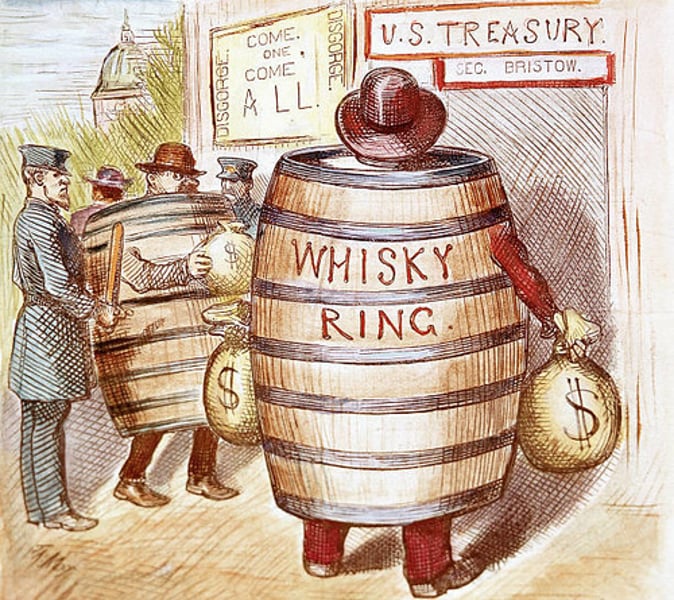
Whiskey Ring Scandal
over 100 government officials were bribed by distillers to allow illegal breaks on extremely high liquor taxes
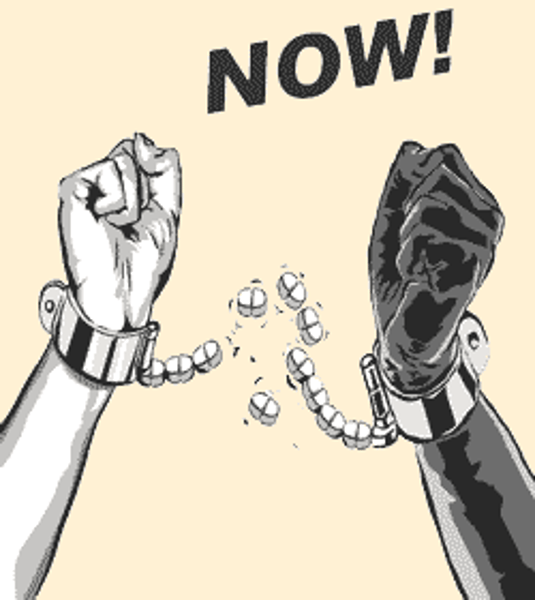
13th Amendment (1865)
Abolishes and prohibits slavery
14th Amendment (1868)
Grants citizenship to "all persons born or naturalized in the US"; it forbids any state to deny any person "life, liberty or property, without due process of law" or to "deny to any person within its jurisdiction the equal protection of its laws." Most important law ever passed besides original Constitution and Bill of Rights. It has been the vehicle for the expansion of civil rights, women's rights, gay rights among other movements. It also allowed for the "incorporation doctrine" which means the application of the national Bill of Rights to the states.
15th Amendment (1870)
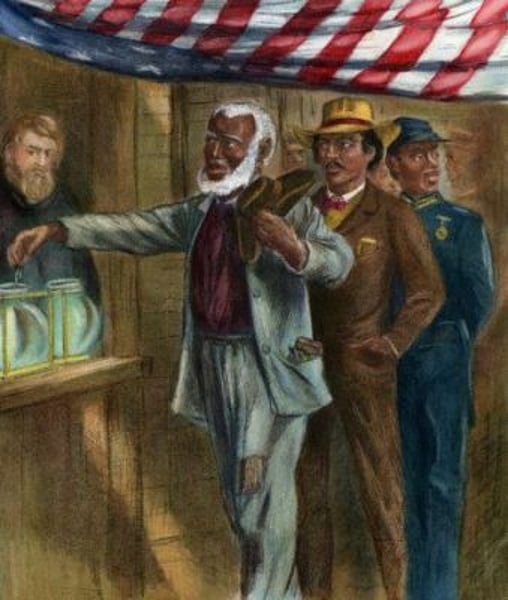
States cannot deny any person the right to vote because of race.
Segregation
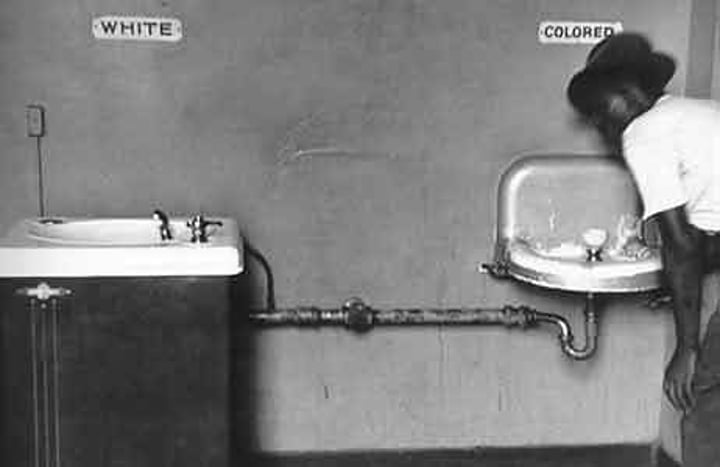
Separation of people based on racial, ethnic, or other differences
Plessy v. Ferguson (1896)
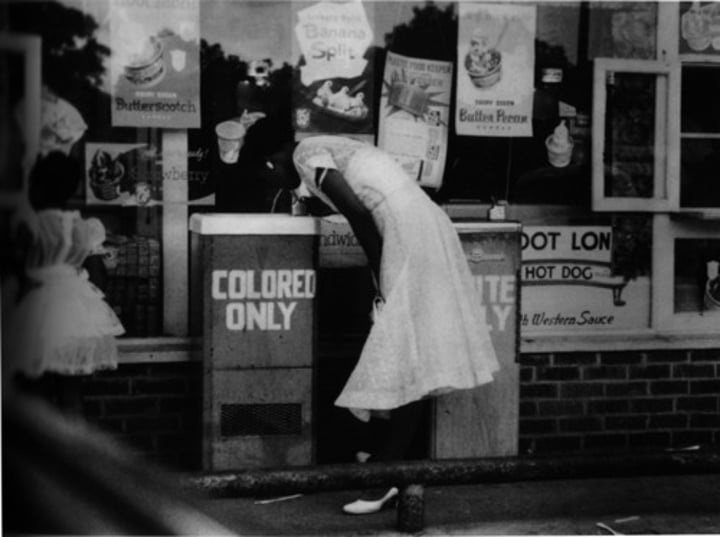
Established separate but equal, legalized segregation
NACW
National Association of Colored Women; founded in 1896 to improve living and working conditions for African-American women
Susan B. Anthony and Elizabeth Cady Stanton
Leaders of the women's suffrage movement
Suffrage
the right to vote
NAWSA
National American Woman Suffrage Association; founded in 1890 to help women win the right to vote
The Progressive Movement
an early 20th century reform movement seeking to return control of the government to the people, to restore economic opportunities, and to correct injustices in American life
Muckrakers
Journalists who attempted to find corruption or wrongdoing in industries and expose it to the public
The seventeeth amendment
established direct election of U.S. senators
Robert M. La Follette
A proponent of Progressivism and a vocal opponent of railroad trusts, bossism, WWI, and the League of Nations. He ran for President as the nominee of his own Progressive Party in 1924.
intiative
a procedure by which citizens can propose new laws or state constitutional amendments
Florence Kelley
An advocate for improving the lives of women and children. (Social Welfare). She was appointed chief inspector of factories in Illinois. She helped win passage of the Illinois factory act in 1893 which prohibited child labor and limited women's working hours.