IB HL Biology - A2.3: Viruses
 Call Kai
 Learn
Learn Practice Test
 Spaced Repetition
 Match
Match Flashcards
 Knowt Play
1/45

There's no tags or description
Looks like no tags are added yet.
Name | Mastery | Learn | Test | Matching | Spaced | Call with Kai |
|---|
No analytics yet
Send a link to your students to track their progress
46 Terms
What are viruses?
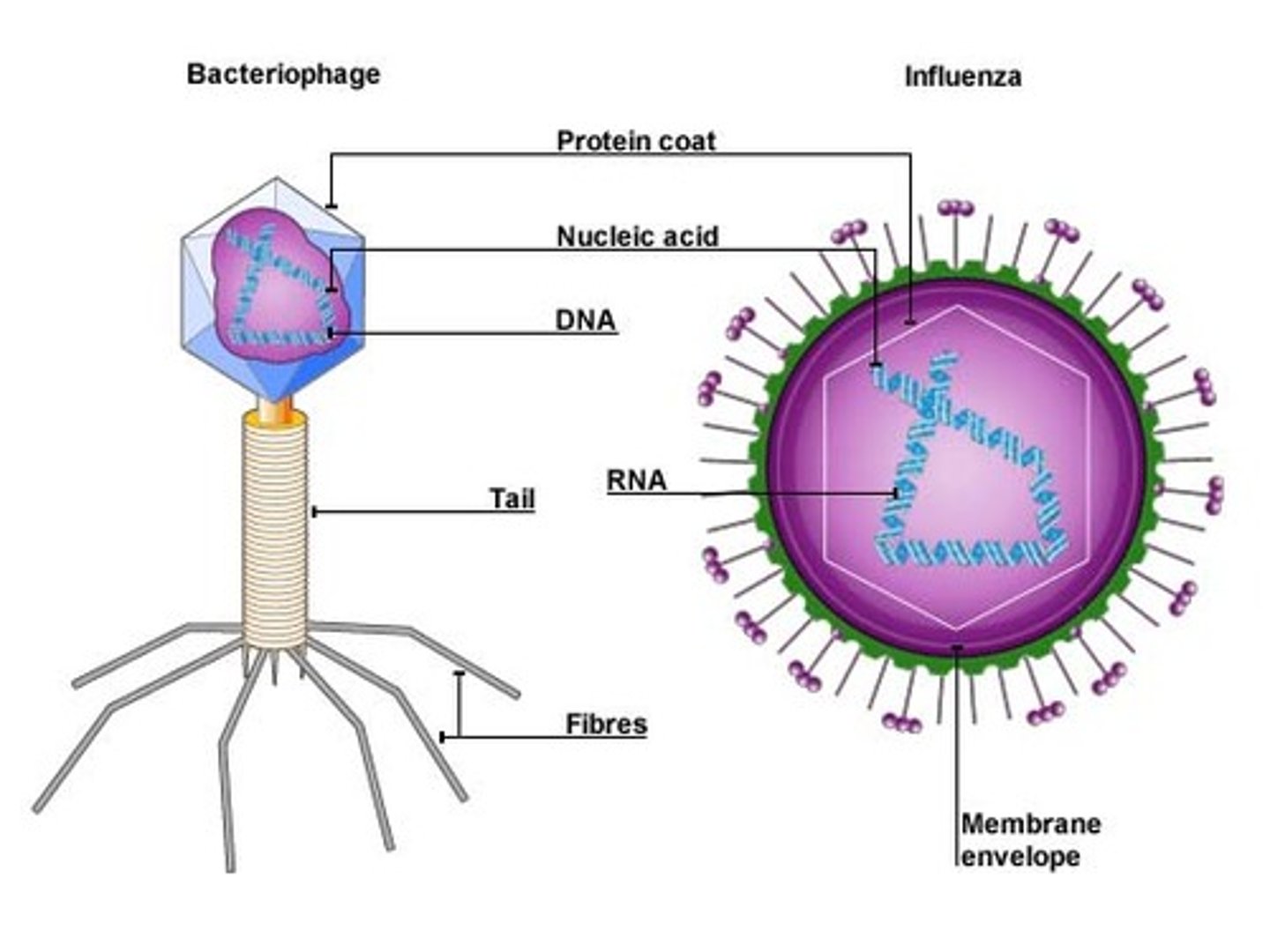
They are acellular and non-living structures which require a host cell to survive: 'intracellular obligatory parasites'. Viruses are essentially genetic material surrounded by a protein coat.
What does it mean to say that viruses are intracellular obligatory parasites?
It means that to survive they need to enter living cells. As they cannot replicate or perform metabolic functions on their own, they require another cell to do this for them.
What are the structural features common to all viruses?
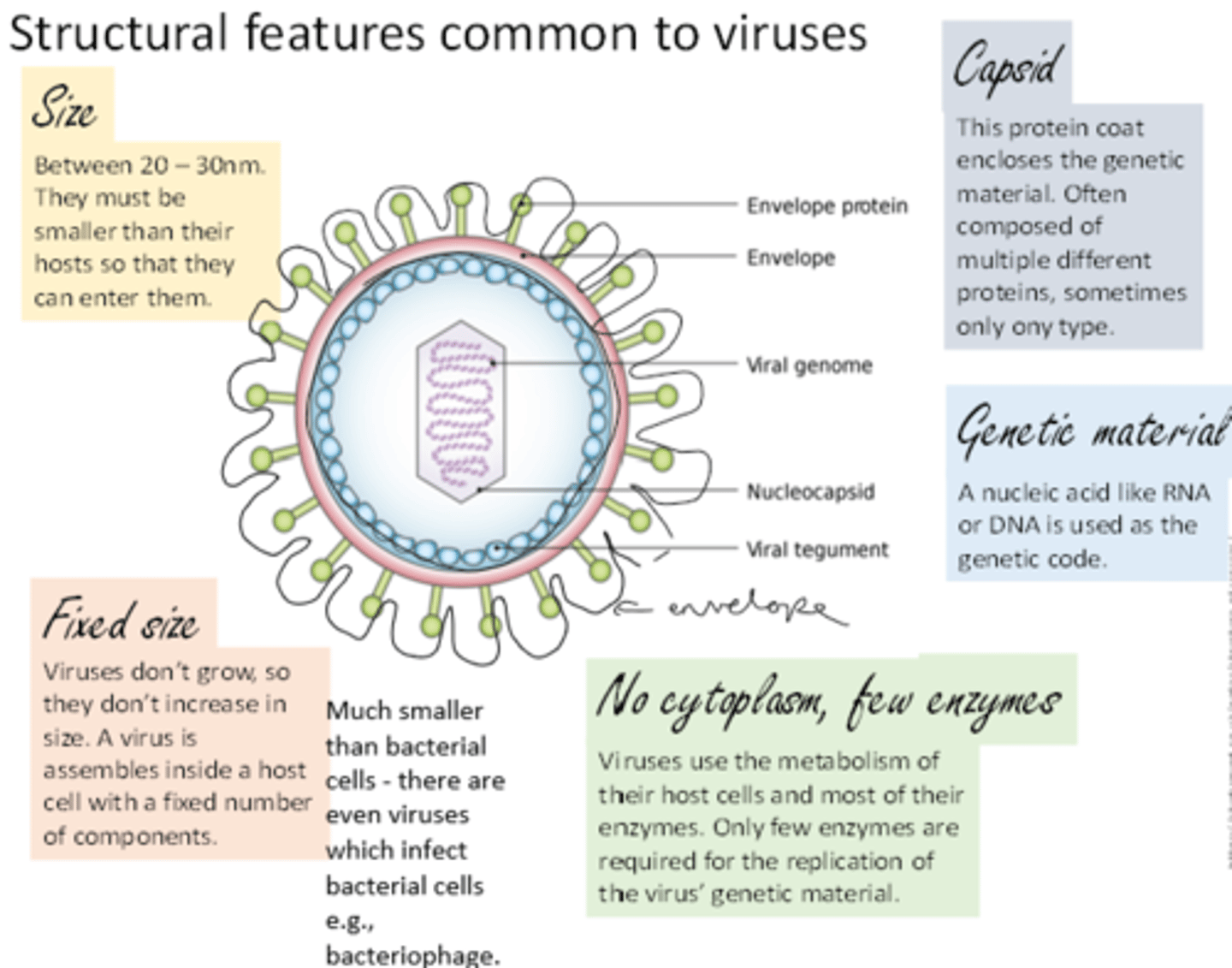
- Genetic material (RNA or DNA, single-stranded or double-stranded)
- Capsid
- No cytoplasm
- Very few enzymes
- No organelles
- Very small, fixed size
What is a capsid?
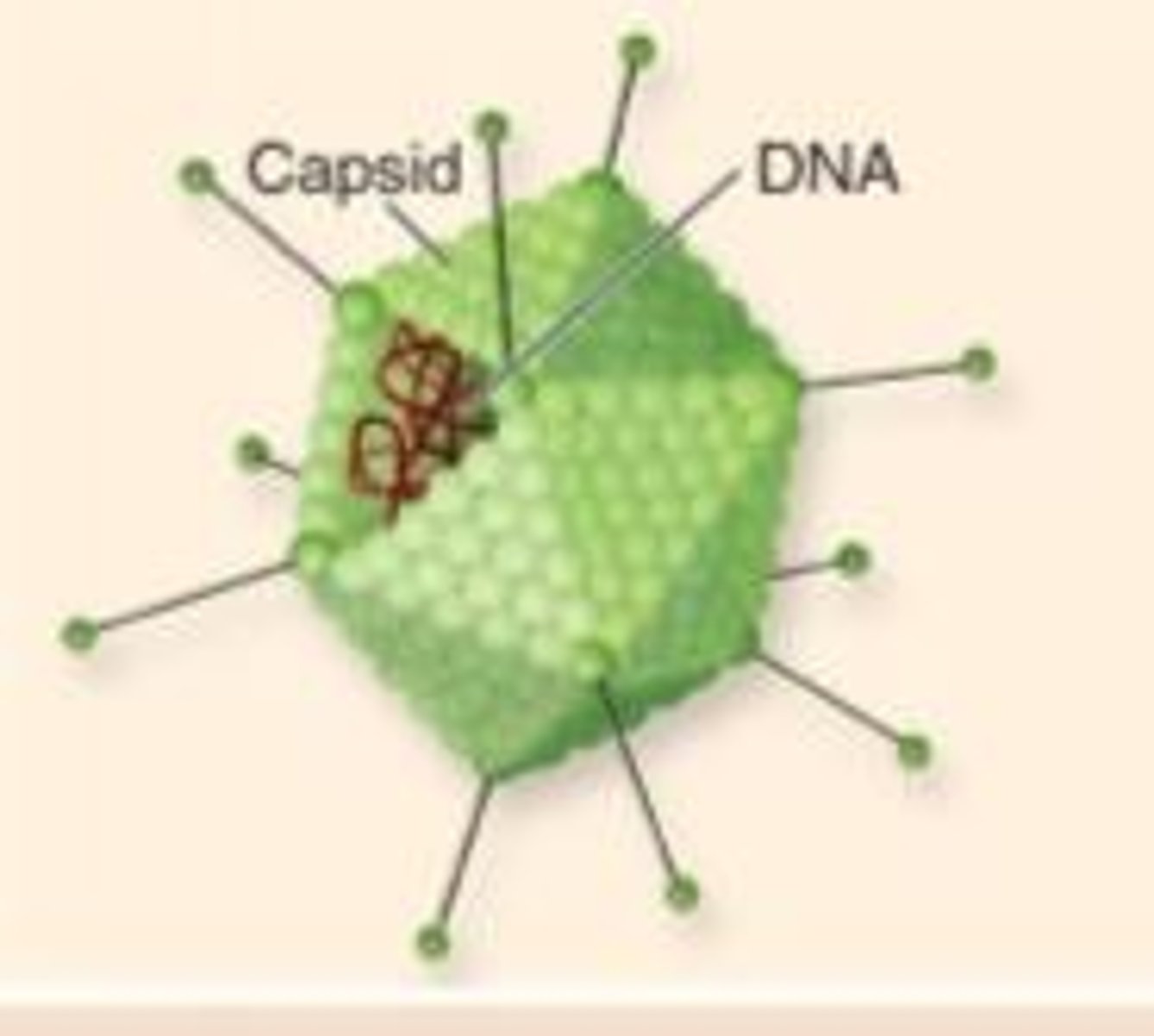
A protein coat enclosing the genetic material of a virus. They are unique to each virus with specialised sites that allow attachment to specific host cells.
Why do viruses lack enzymes and a cytoplasm?
They use the metabolism of their host cells and most of their enzymes to reproduce. They only contain a few enzymes for replicating their genetic material. This also means that they are inert when not in living cells.
Why are viruses so small?
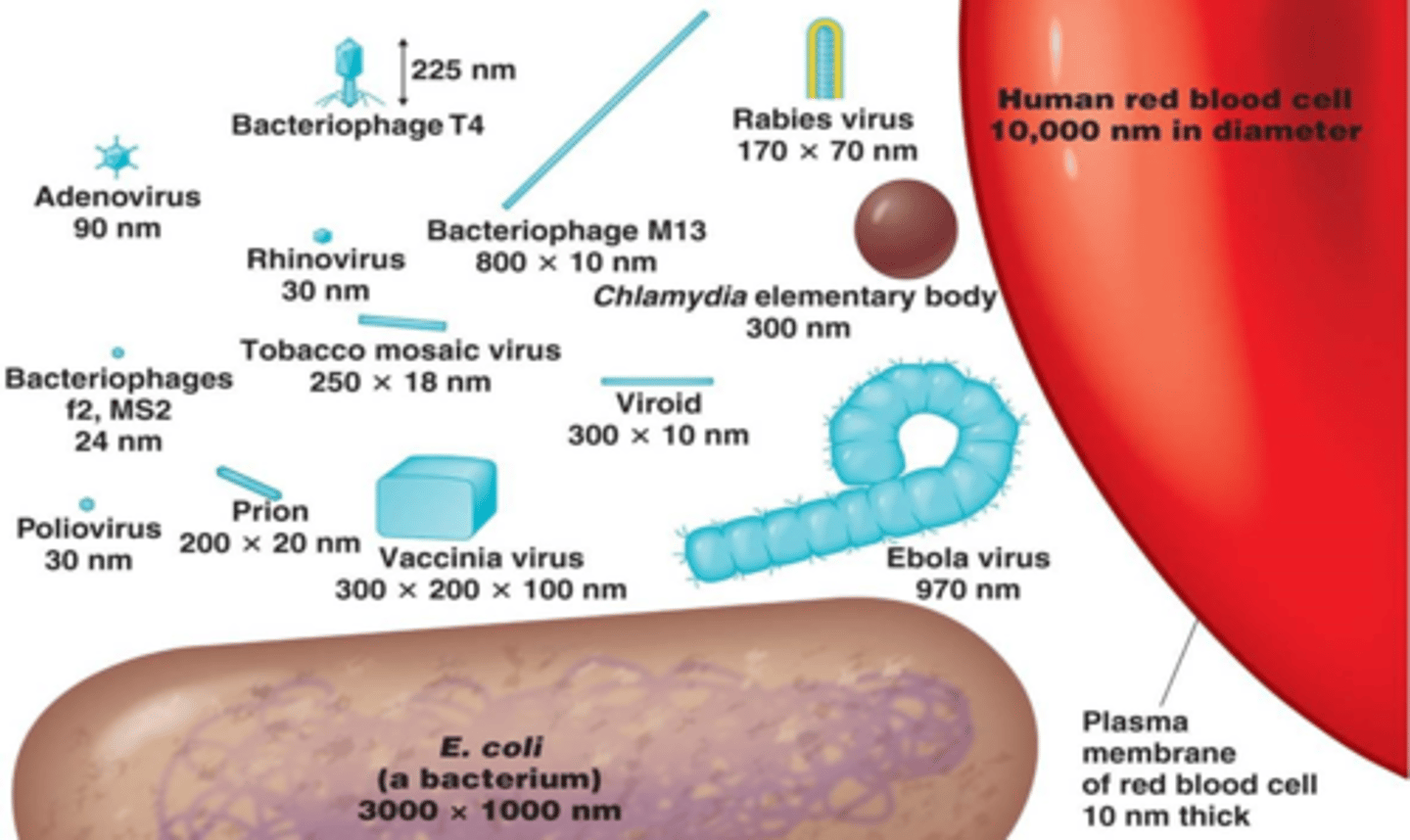
They are between 20 and 30 nm so that they can be smaller than their hosts to infect them. There are even viruses that infect bacteria.
Why do viruses have a fixed size?
They don't grow and don't increase in size like typical cells. Viruses also don't divide by mitosis, meiosis, or binary fission. Instead, they go into their host cells and many many copies of their genetic material and protein coat which they assemble to make the new viral particles in the host cell.
What is another feature that many viruses have?
An envelope surrounding the capsid within which there are often envelope proteins e.g., spike proteins in the SARS-CoV-2 virus. This is involved in host cell recognition and attachment.
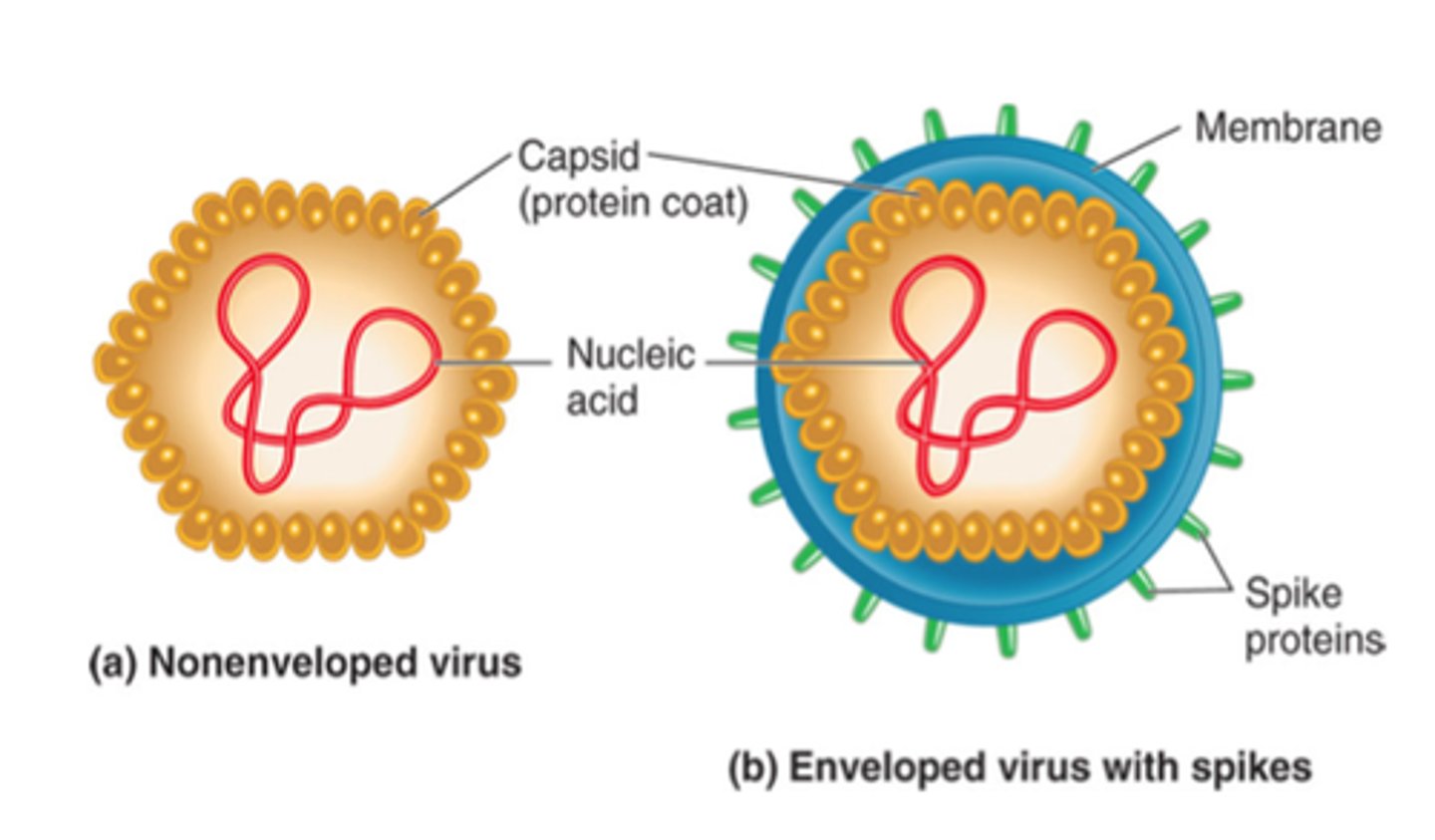
What is the difference between viruses that are enveloped and non-enveloped?
Non-enveloped viruses infect plants or bacteria whereas enveloped viruses infect animals.
Where does the envelope of the virus originate from?
The phospholipid membrane originates from the host cell while the proteins located in it come from the virus itself.
Why do enveloped viruses not infect bacterial or plant cells?
The presence of the cell wall means that cell bursting is different so the virus cannot obtain the phospholipids from the host cell membrane.
Why is it difficult to describe a 'common' virus structure?
There is huge diversity in the shape, size, and genetic material of viruses.
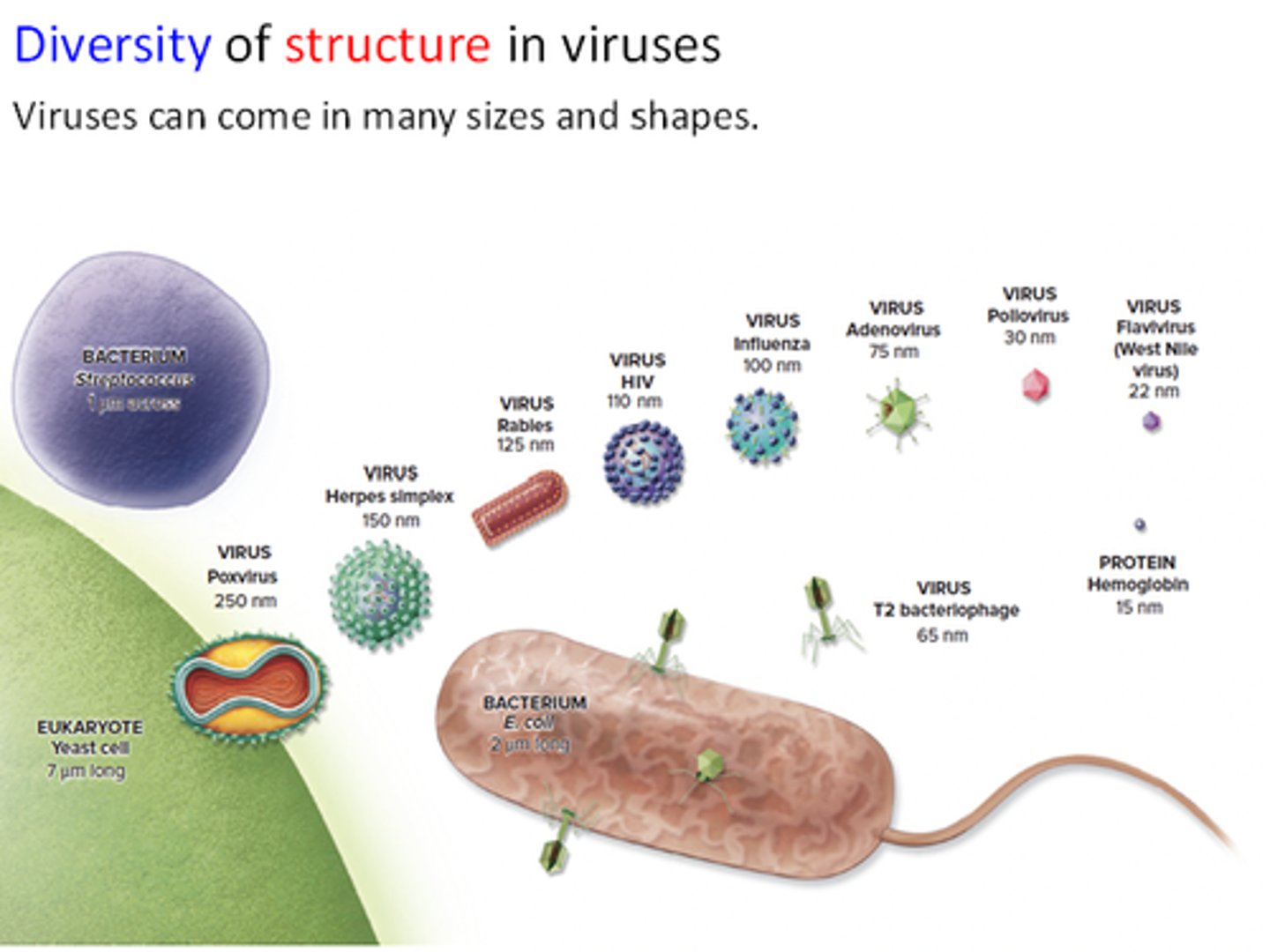
What are some examples of features that can differ greatly between viruses?
- Shape (most commonly polyhedral, spherical, helical, and complex)
- Size
- Genetic material (RNA, DNA, single-stranded, double-stranded)
- The presence of an envelope or its lack
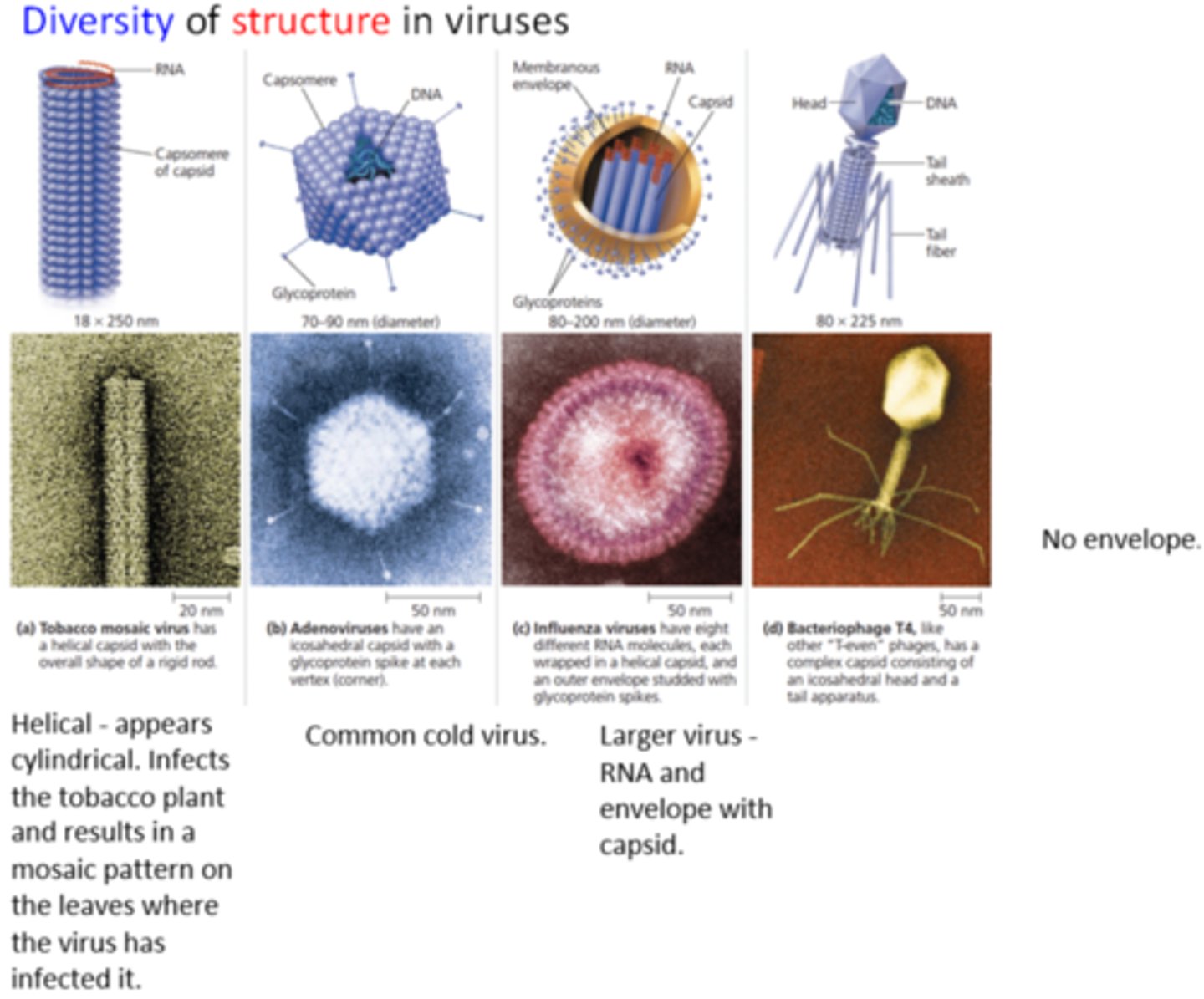
What are 3 examples of viruses?
- Bacteriophage lambda
- Coronaviruses
- Human immunodeficiency virus (HIV)
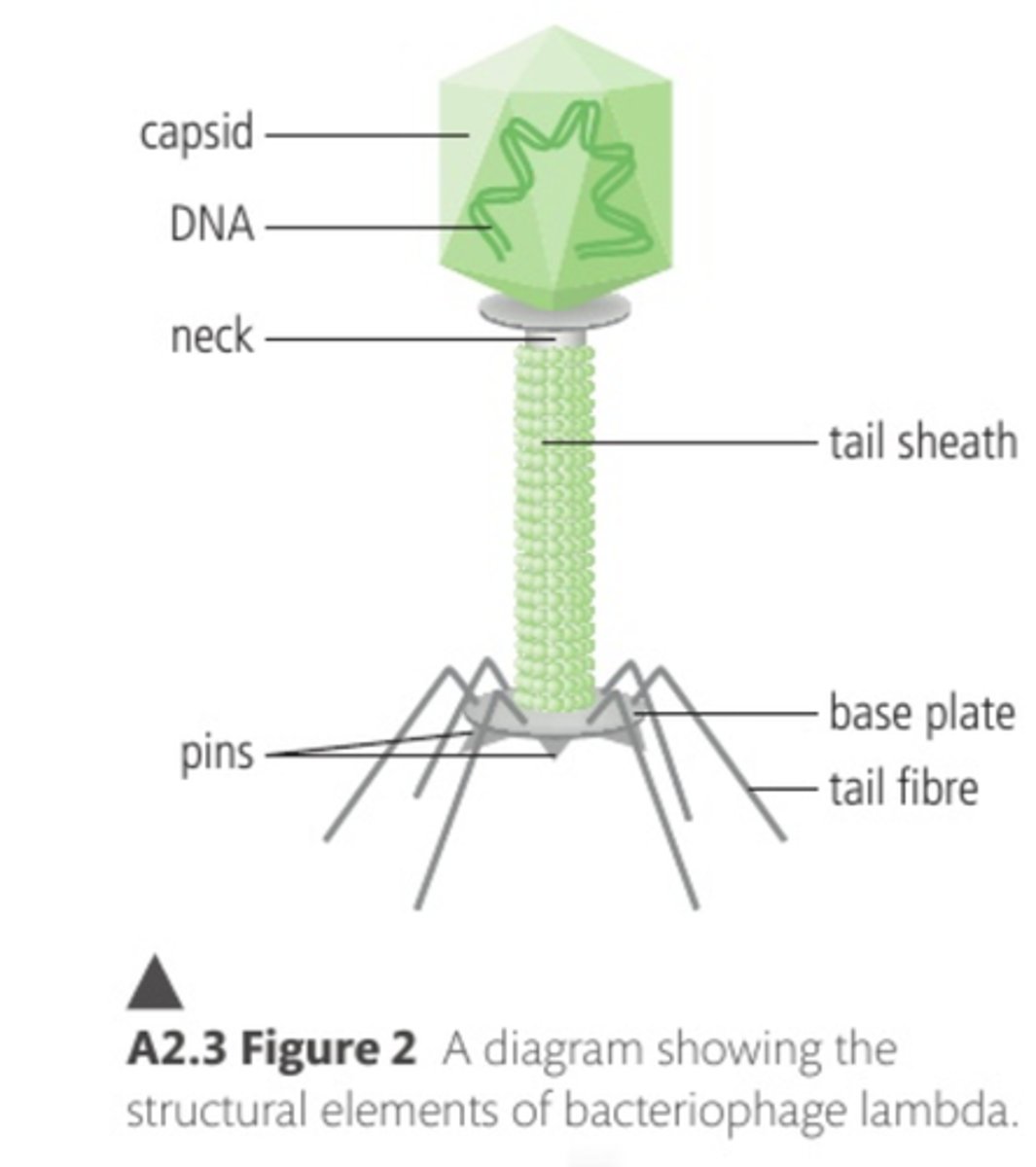
What are the features of a bacteriophage lambda virus?
It is a non-enveloped virus with DNA as its genetic material. It infects bacteria such as E-coli and can cause lysis or remain dormant in the bacteria.
Distinguishing features include:
- A capsid head that protects the double stranded DNA core.
- Tail fibres that attach the virus to the host cell.
- A tail sheath consisting of proteins that contract to drive the tail through the host cell's outer membrane.
- DNA that is injected through the tail into the membrane.
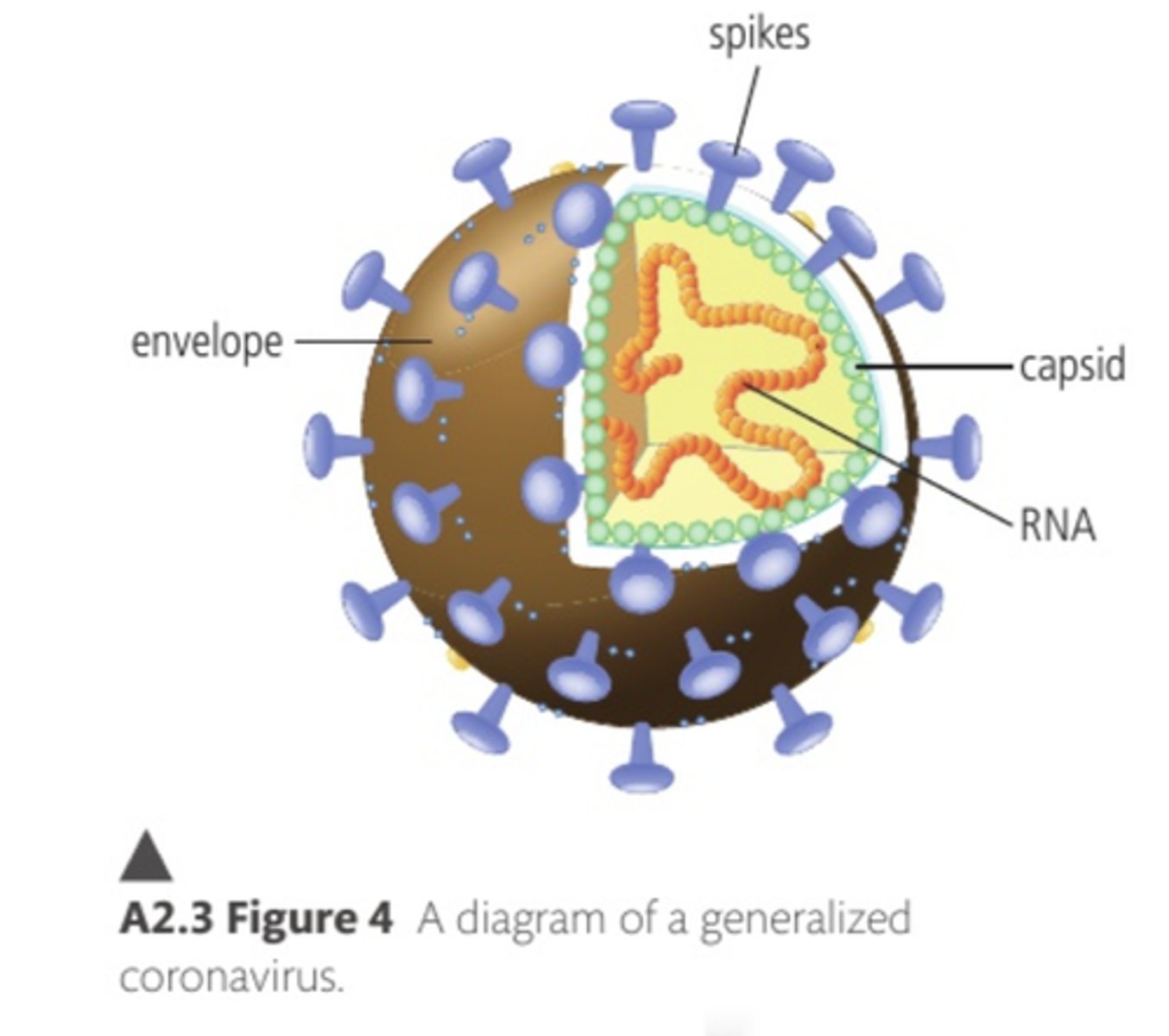
What are the features of a coronavirus?
It is an enveloped virus with RNA as its genetic material. It infects animal cells, including humans, and causes the disease COVID-19.
Distinguishing features include:
- A spherical shape.
- Single stranded RNA.
- Envelope outside capsid.
- Projections of spike proteins on the envelope creating a corona.
- To infect its host it latches onto receptors on cells in the respiratory tract. The viral envelope then merges with the cell membrane, releasing its RNA into the host cell.
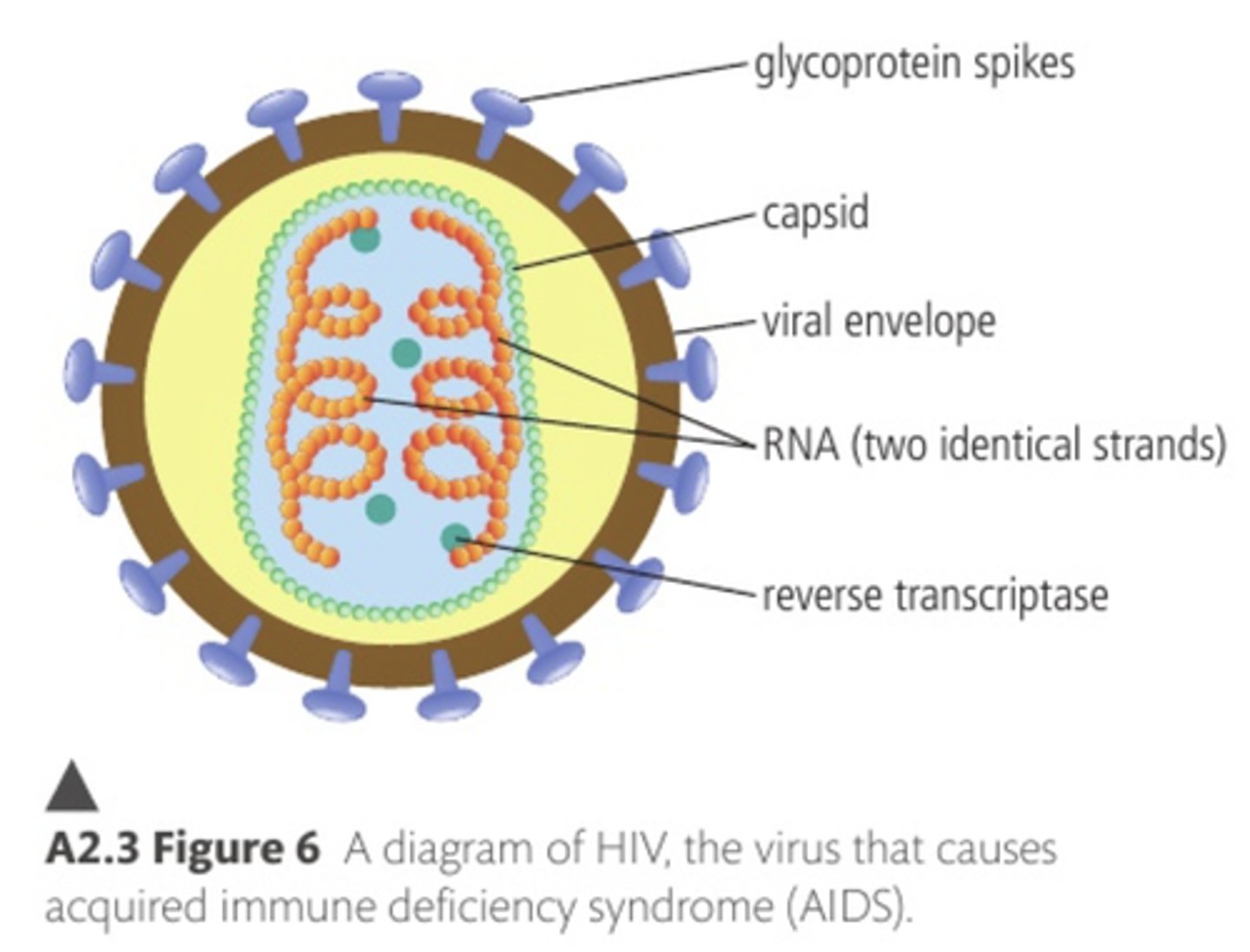
What are the features of the HIV virus?
It is a retrovirus that is enveloped and has 2 RNA strands as its genetic material. It infects animal cells, including humans, and causes the disease AIDS.
Distinguishing features include:
- Envelope outside the capsid.
- 2 identical strands of RNA protected by the capsid.
- Within the viral RNA, reverse transcriptase is encoded (makes DNA from RNA). This allows for the production of DNA using the viral RNA as a model.
- It is known as a retrovirus because it makes a DNA copy of its RNA code.
- The envelope spikes of HIV are made of protein and carbohydrate.
What type of host cells does the HIV virus infect?
White blood cells (specifically CD4 cells).
What type of host cell does coronavirus infect?
Cells in the respiratory tract.
What type of host cell does norovirus infect?
Cells of the intestinal system.
What are the 2 reproductive cycles of bacteria?
1. Lytic cycle
2. Lysogenic cycle
What is the lytic cycle of a virus?
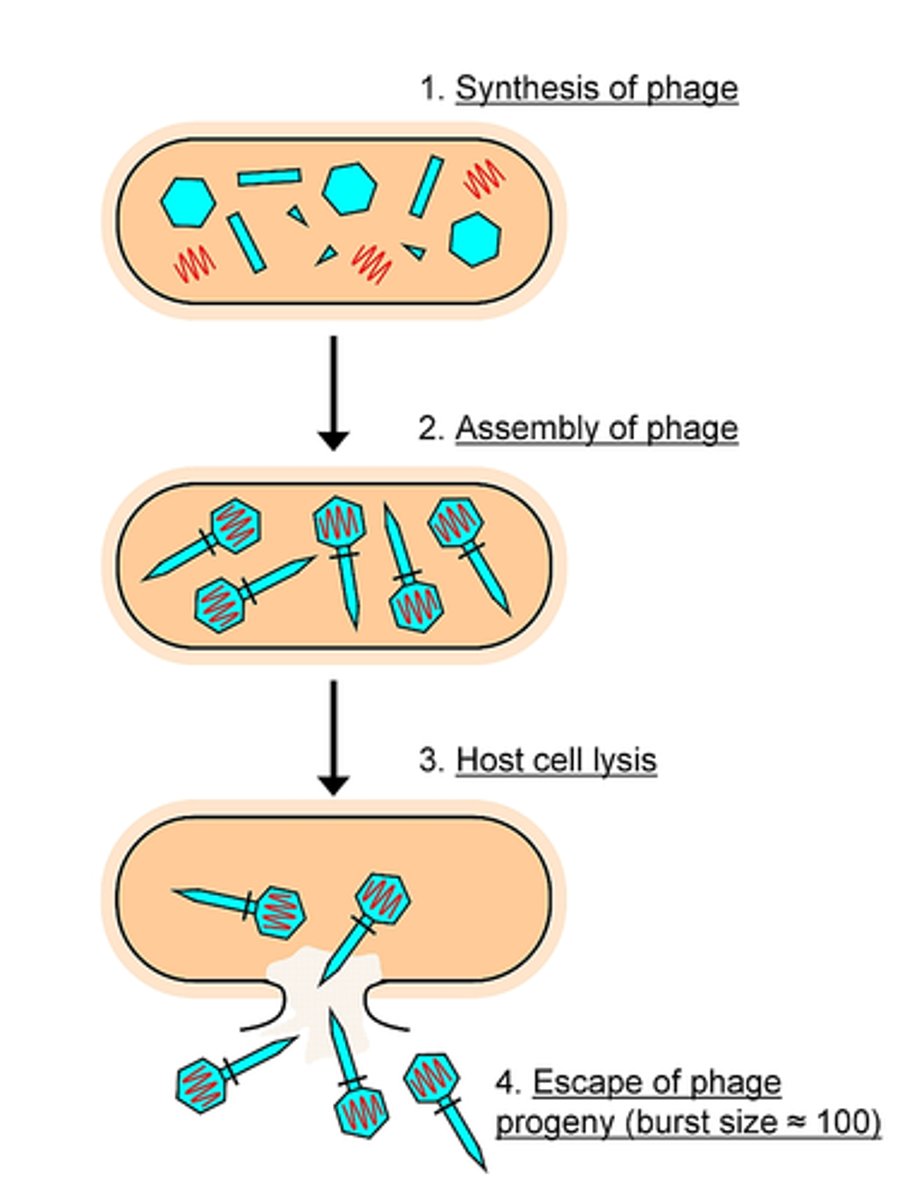
This is when the virus reproduces and then bursts out of the host cell, killing it.
What are the 4 stages of the lytic cycle?
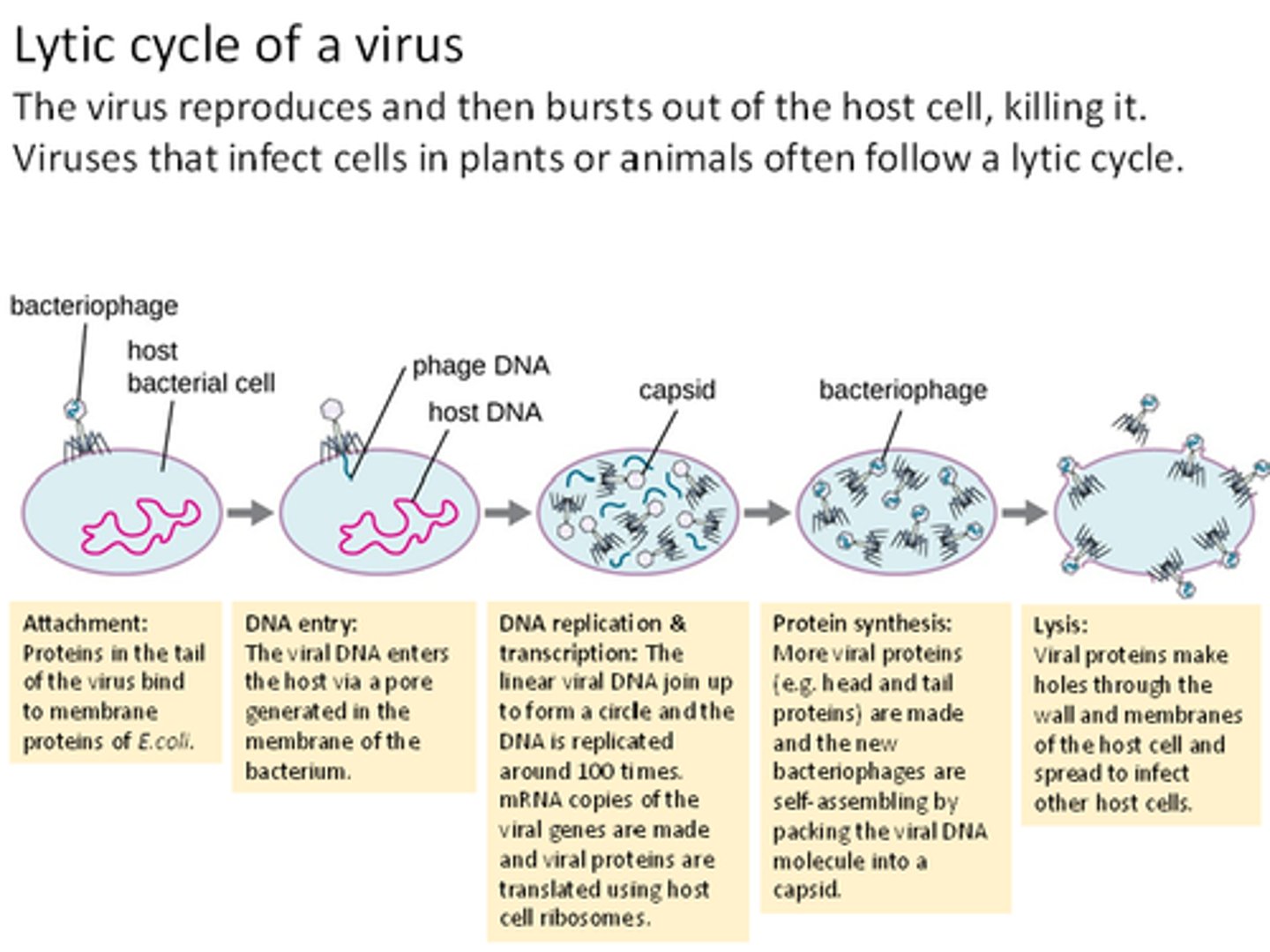
1. Attachment: if the virus can't attach, it can't harm the host. Therefore, our immune system tries to inhibit this with antibodies.
2. Injection of DNA/RNA through the membrane.
3. DNA replication then transcription of viral DNA by the host cell - using the RNA polymerase, organelles, and enzymes of the host cell.
4. The viral proteins will be translated at the ribosomes and assembled into virions - protein synthesis.
5. The virus will burst out of the host cell - lysis, killing the host cell. The viral particles can then go on to infect more host cells.
What is a named example of the lytic cycle?
Bacteriophage lambda infecting E.coli

What is the lysogenic cycle of a virus?
This is where the virus enters the host cell and replicates its DNA but doesn't form viral particles.
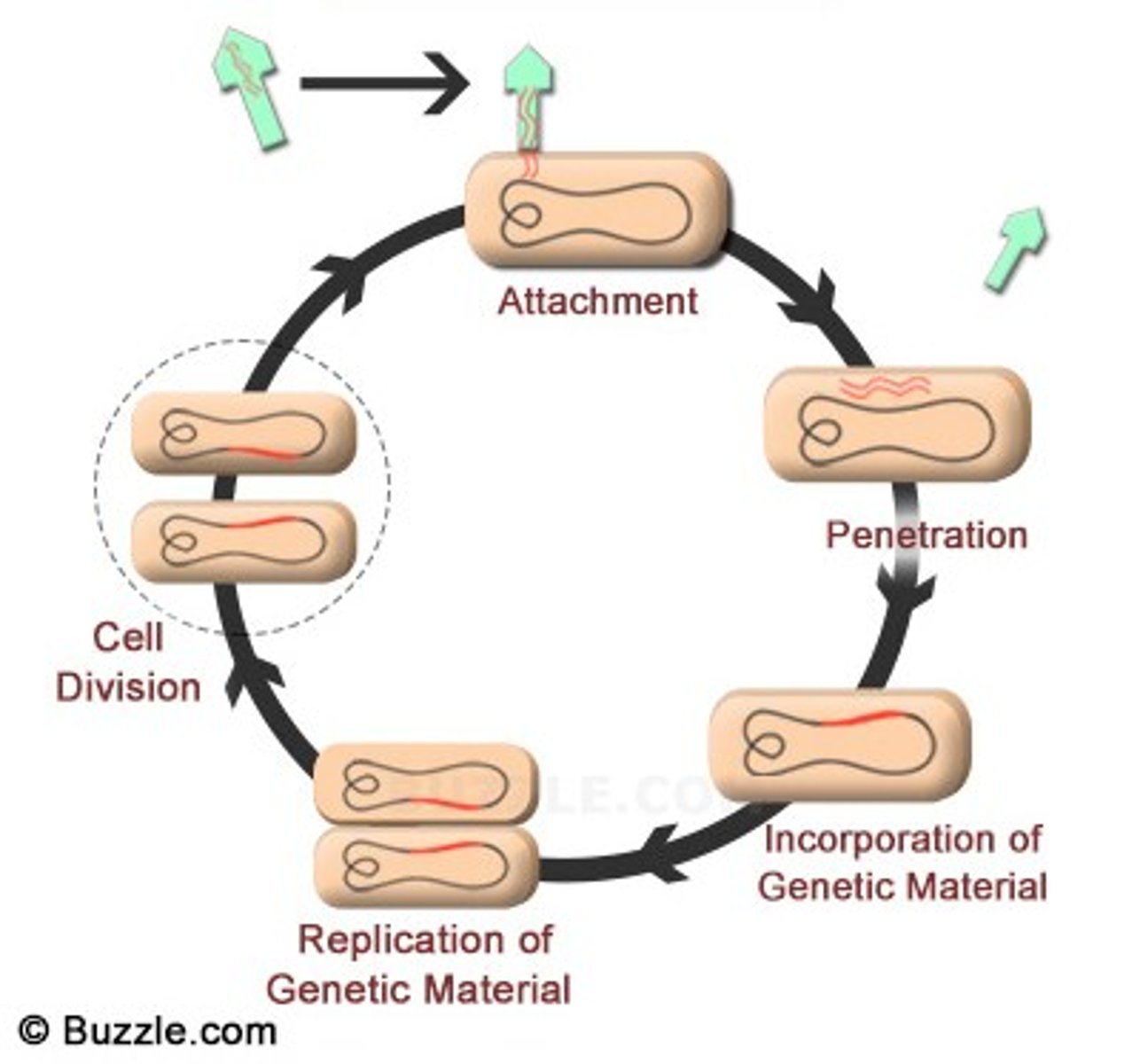
What is a prophage?
When the viral DNA is incorporated into bacterial DNA.
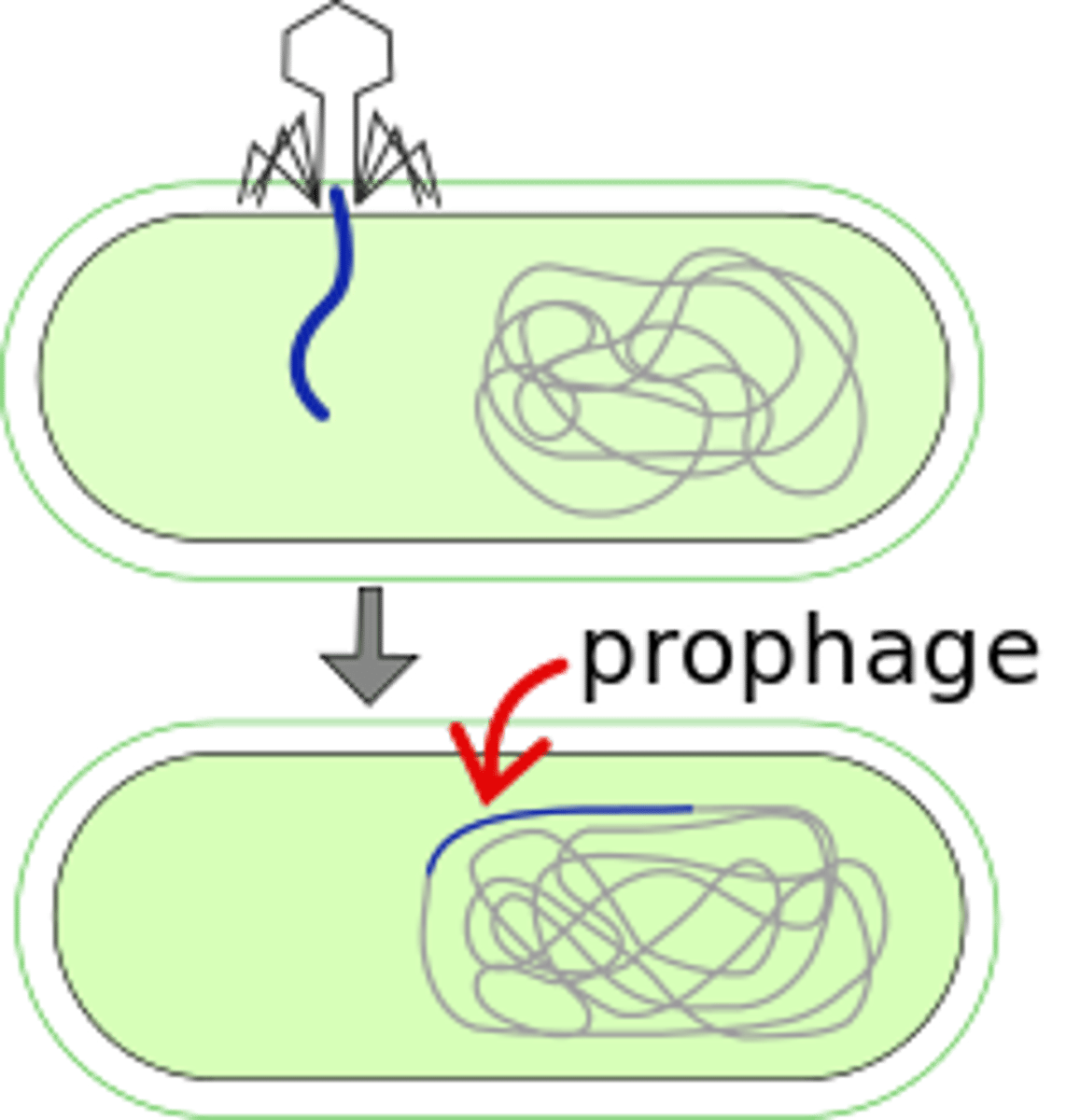
What are the 4 stages of the lysogenic cycle using bacteriophage lambda as an example?
1. Attachment: the bacteriophage attaches to the host cell via proteins in its tail.
2. Injection of DNA: the bacteriophage injects its DNA into the host cell.
3. Integration: the viral DNA becomes circular and enters the lysogenic cycle. It integrates within the bacterial chromosome by recombination, forming a prophage.
4. Cell division: the E.coli cell will divide normally and replicate the viral DNA together with its own meaning that both daughter cells will also contain the prophage.
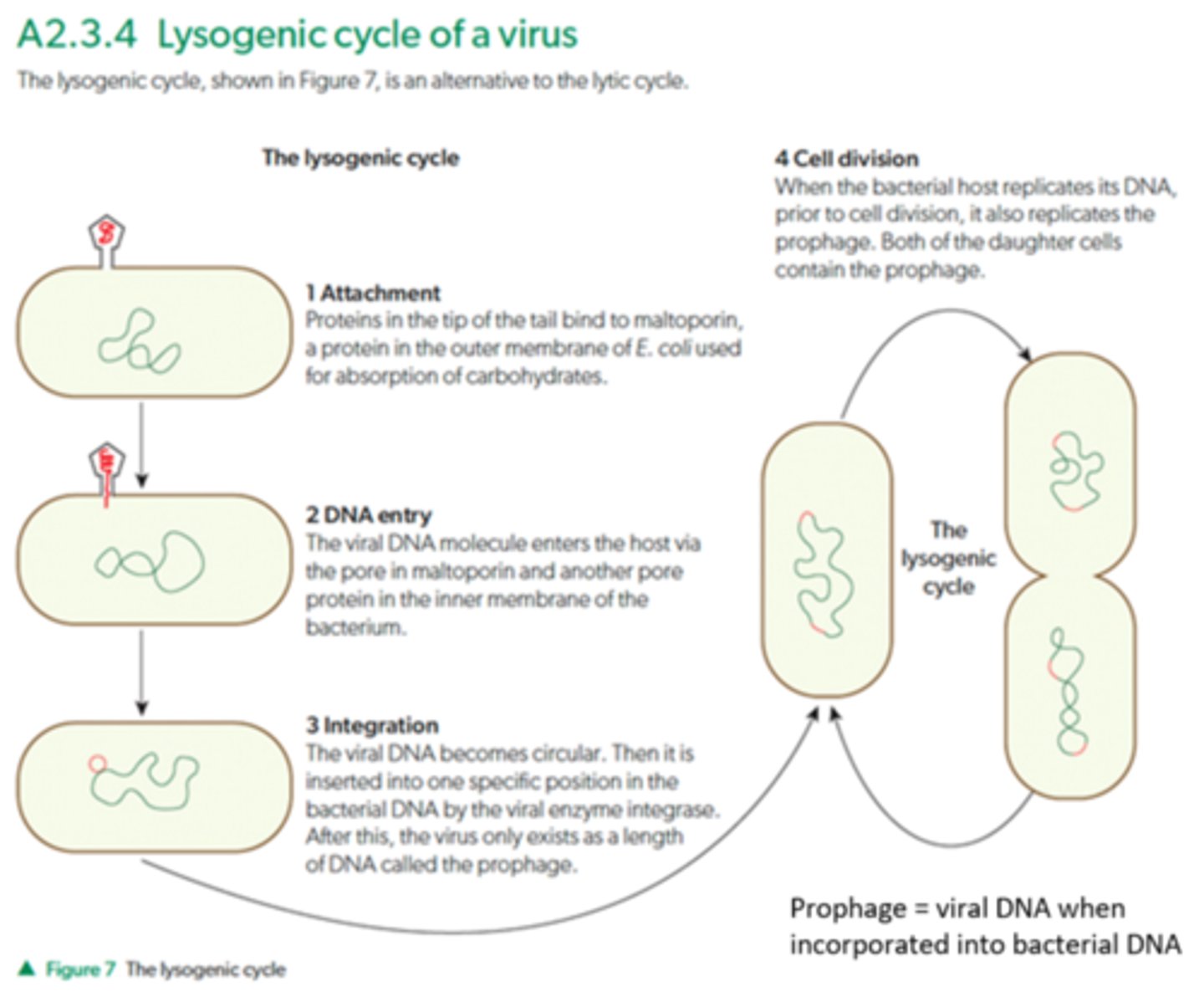
What can trigger the lytic cycle of a latent prophage?
Environmental changes such as UV light and certain chemicals.
What is advantage of the lysogenic cycle to the host and virus?
- The advantage of this to the host is that they are not infected by the virus - it merely remains in their DNA.
- The advantage of this to the host is the propagation of viral DNA in the host cell population. This means that when the lytic phase happens, the virus can quickly overpower the host.
- Moreover, if a mistake is made during replication of the bacterium, resulting in a mutation, this could be beneficial to the virus and its evolution e.g., a change in the capsid proteins so antibodies don't recognise it.
What are the 3 leading hypotheses for the evolution of viruses?
1. Virus first hypothesis
2. Regressive hypothesis
3. Escape hypothesis
What is the virus first hypothesis?
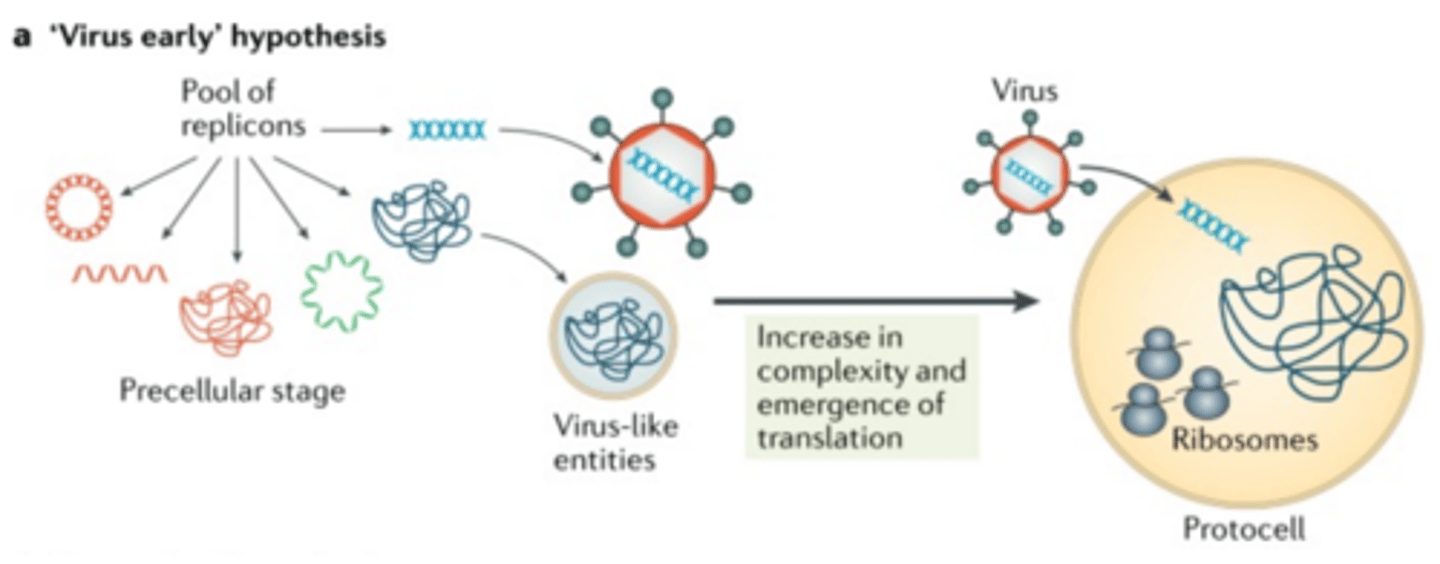
This hypothesis suggests that viruses originated before cells. This is based on their simplicity compared to ordinary cells as evolution usually proceeds from simple to more complex.
What is the regressive hypothesis?
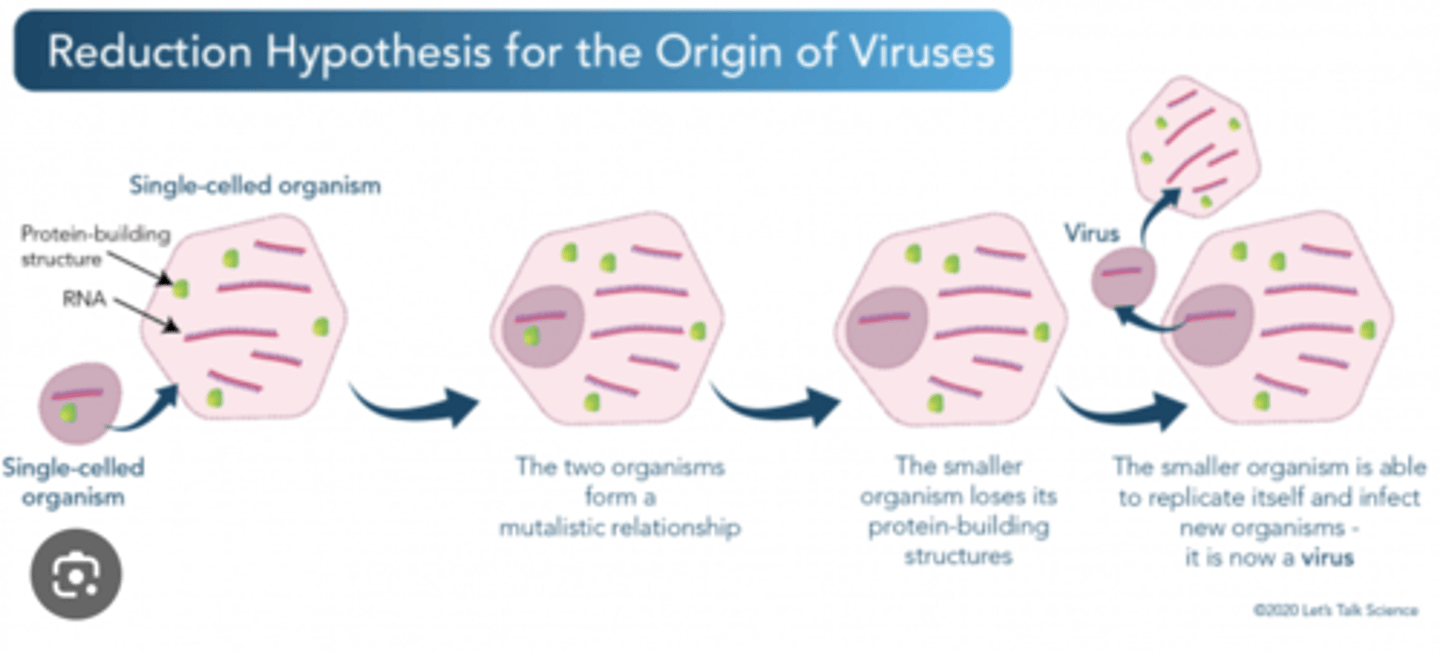
This suggests that viruses originated from cells - that they were once small cells that became parasites of larger cells and lost their cell components, simplifying via gene reduction. This hypothesis is based on the idea that viruses need living cells to survive so likely co-evolved with them.
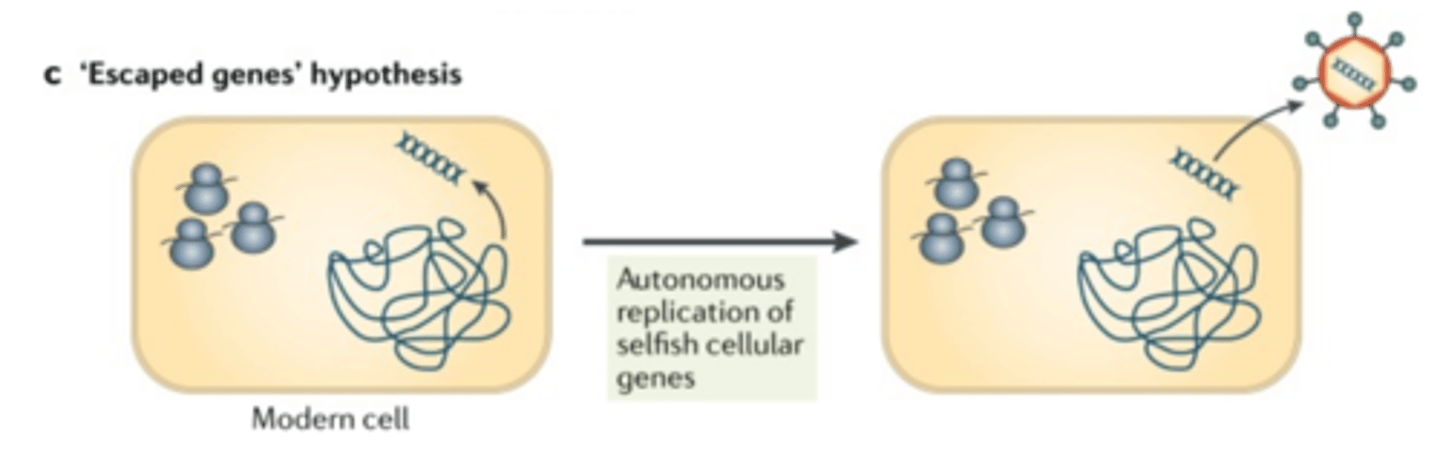
What is the escape hypothesis?
This suggests that portions of genetic material escaped from larger cells and became surrounded by an outer protein coat.
What could explain the diversity of viruses?
That they originated in different ways and at different times. However, their common structural features suggest that convergent evolution may have taken place - they had the same selection pressures so evolved similarly regardless of not sharing a common ancestor.
What features of viruses are evidence of convergent evolution?
Viruses:
- Are obligate parasites - none can replicate or carry out the functions of life individually.
- Have a protein outer boundary (capsid) with no cytoplasm.
- Have genetic material (DNA or RNA) inside the capsid and the code of this is shared between viruses and all of Earth's organisms.
What is the problem with studying the origins of viruses?
They do not form viral particles.
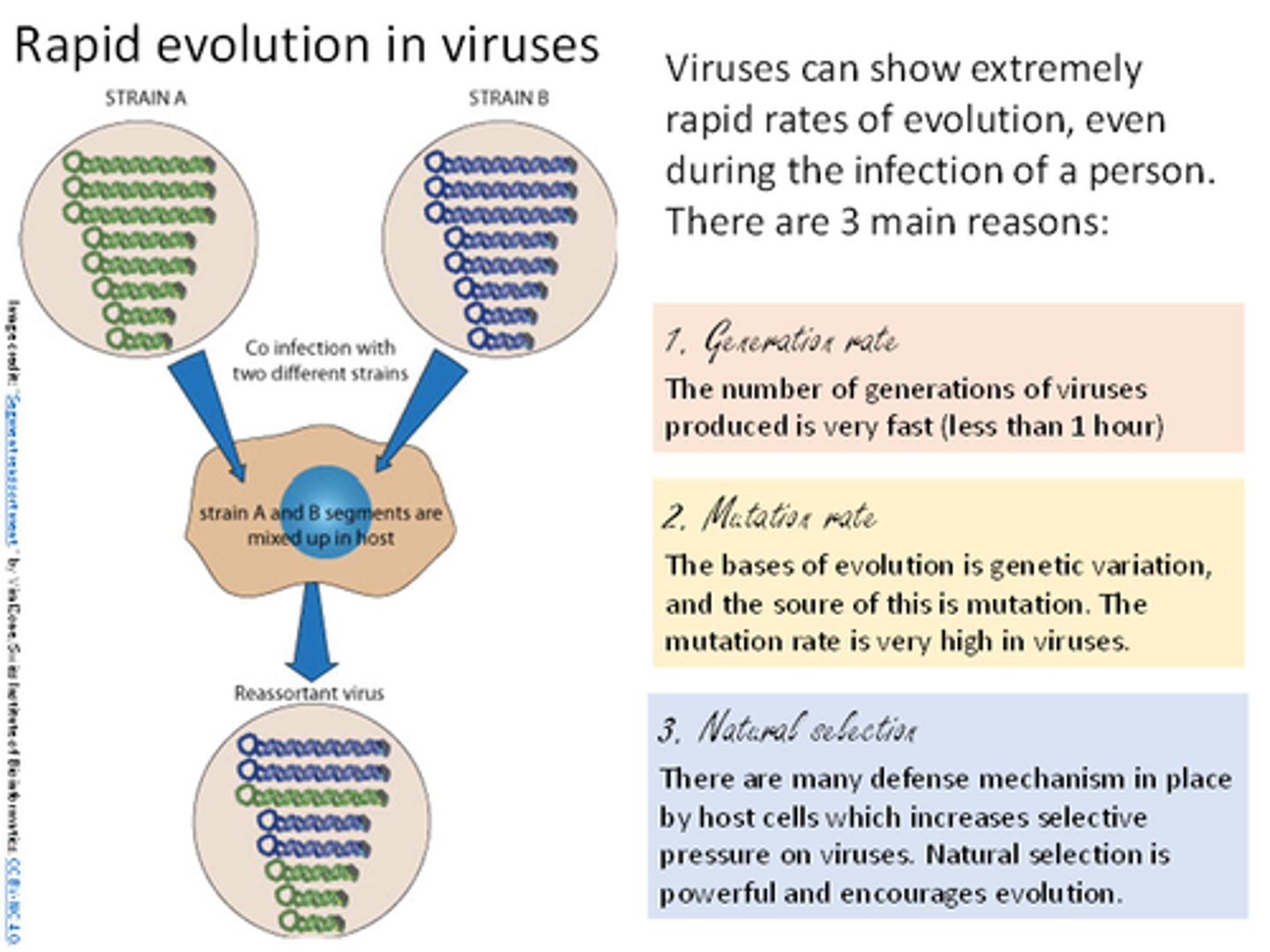
Why can viruses show such high mutation rates in the infection of a person?
1. A very fast generation rate
2. A very high mutation rate
3. Natural selection mechanisms put in place by host cells, driving the more rapid evolution of resistant, successful viral strains.
What contributes to higher rates of viral mutation for viruses with RNA as their genetic material?
Viruses that have RNA as their genetic material mutate faster because there is an extra step in their replication process involving the production of DNA from RNA using reverse transcriptase.
What are the features of rapidly evolving viruses?
- High mutation rates
- RNA as the genetic material
- Large population sizes
- Short generation times
What are the 2 methods with which genetic changes can occur in viruses?
1. Antigenic drift
2. Antigenic shift
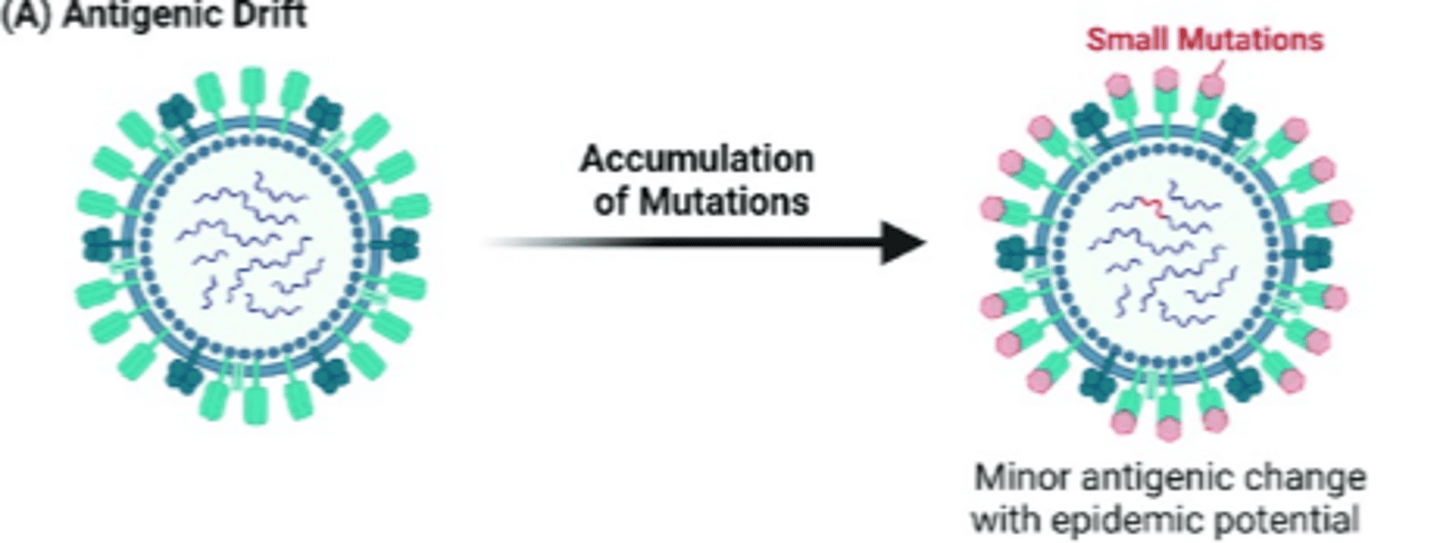
What is antigenic drift and an example of a virus that uses it to evolve?
It produces small changes in the viral genetic material over longer periods of time, slowly producing variation in surface proteins and accumulated changes which eventually preventing the immune system from recognising the virus.
E.g., The HIV virus undergoes rapid antigenic drift, even within a single individual, making it difficult for the immune system to control the virus.
What is the consequence for treatment of HIV?
As it undergoes antigenic drift so rapidly, a successful vaccine has not yet been developed to prevent its spread.

What is antigenic shift and an example of a virus that uses it to evolve?
This is when 2 or more strains or viruses infect the same cell and recombine genetic material to produce major changes. This occurs in a short time and the changes in surface proteins are rapid and major. A totally new virus is essentially created which the immune system does not recognise.
E.g., The influenza virus undergoes antigenic shift, creating seemingly new viruses which the immune system cannot recognise.
What is the consequence for treatment of influenza?
If antigenic shift has occurred, tweaks in the influenza vaccine will not successfully treat it; however, with antigenic drift, yearly changes in the vaccine can help to keep it effective.
What is the major problem faced when treating HIV and influenza viruses?
It is not possible to completely inhibit the growth of all variants of the virus as some strains may be resistant to the treatment because of genetic variation while others are not. This resistant variant could then thrive, leading to the continuing occurrence of infection.
How can viruses be controlled?
- The organism's own immune system.
- Antiviral drugs.
- Isolation to prevent transmission.