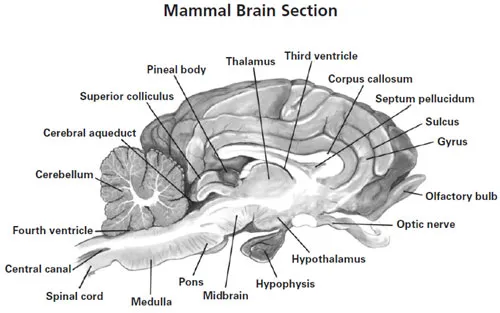
Anatomy Brain Dissection + Brain Functions
 Studied by 3 people
 Call Kai
 Learn
Learn Practice Test
 Spaced Repetition
 Match
Match Flashcards
 Knowt Play
1/46

There's no tags or description
Looks like no tags are added yet.
Name | Mastery | Learn | Test | Matching | Spaced |
|---|
No study sessions yet.
47 Terms
cerebellum
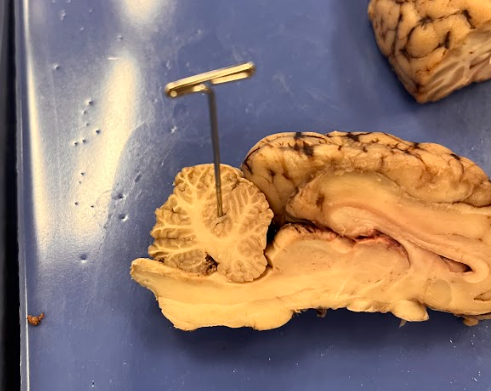
cerebral aqueduct (between 3rd+4th ventricle)
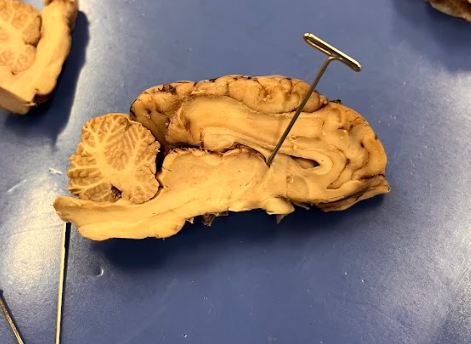
corpus callosum
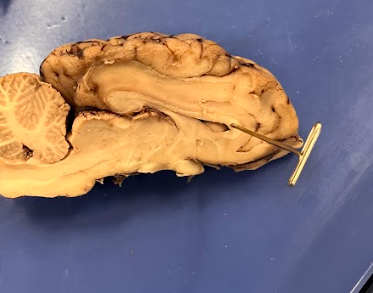
dura mater
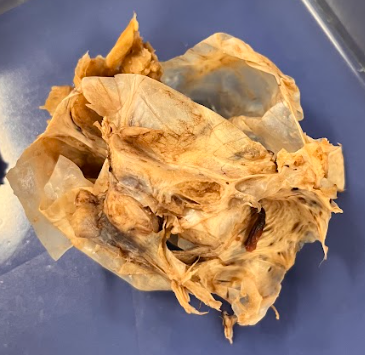
fourth ventricle
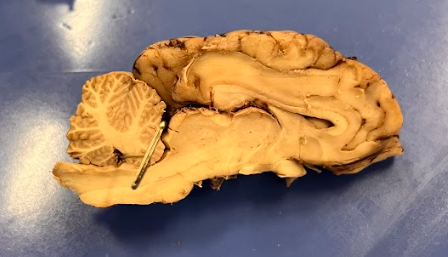
third ventricle
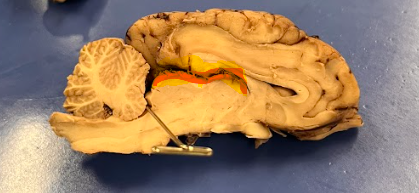
frontal lobe
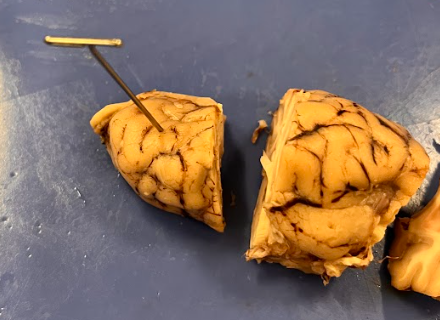
gray matter
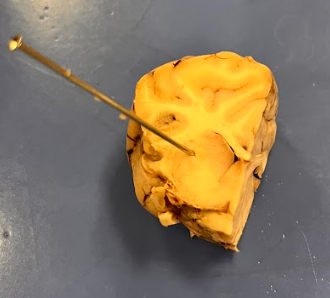
gyrus
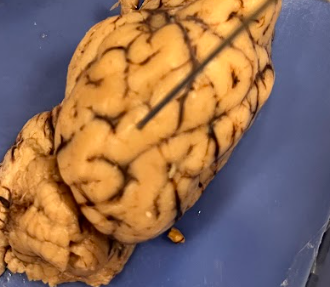
hippocampal gyrus
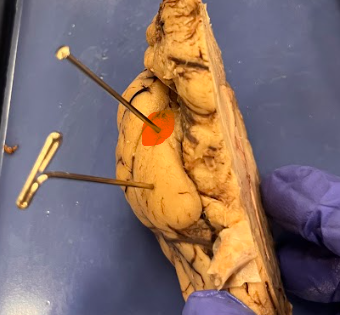
hippocampus
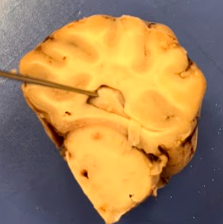
lateral ventricle
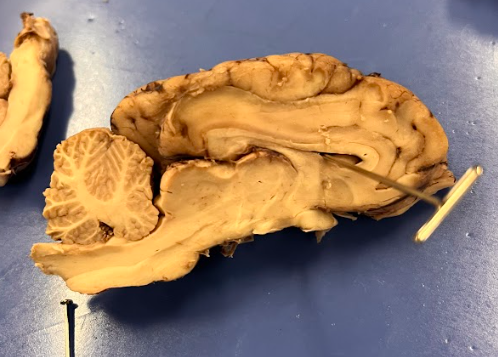
medulla
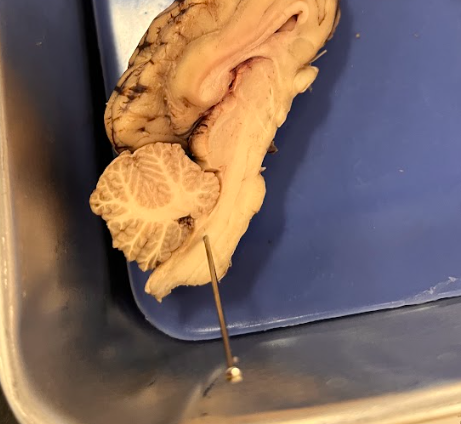
midbrain
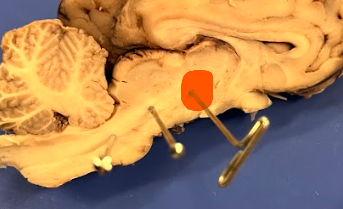
occipital lobe
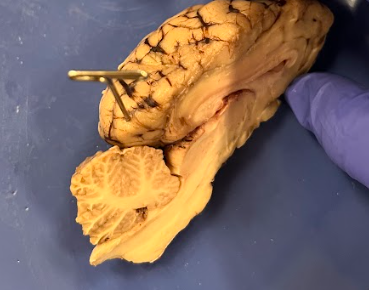
olfactory bulb
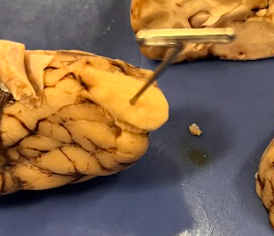
optic chiasm
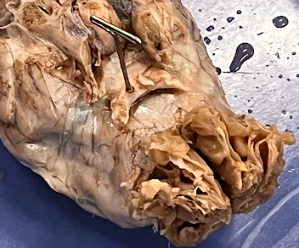
parietal lobe
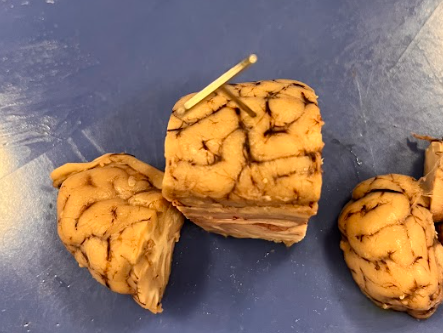
pituitary gland
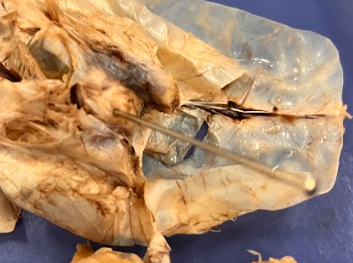
pons
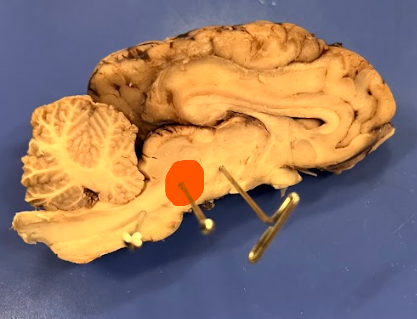
sulcus
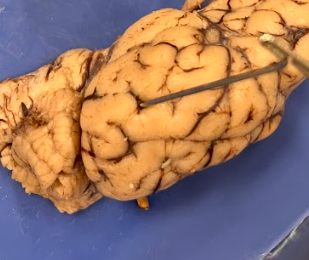
temporal lobe
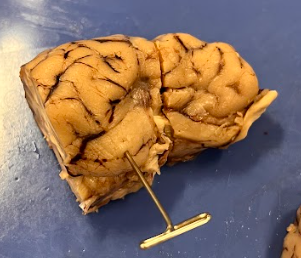
thalamus
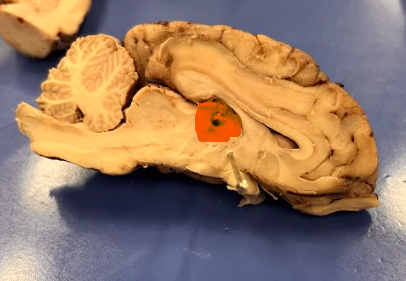
transverse fissure
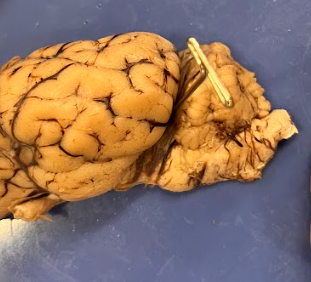
longitudinal fissure
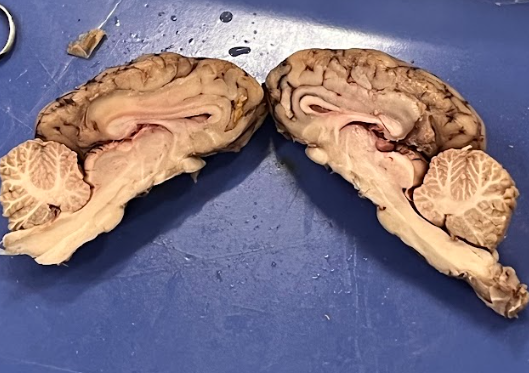
uncus
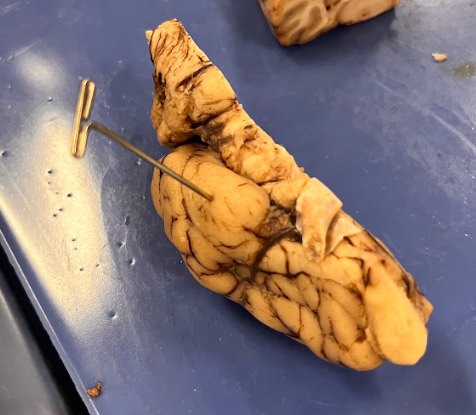
white matter
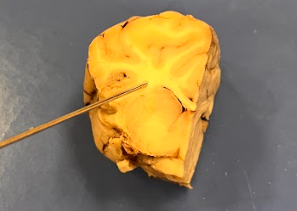
arachnoid mater
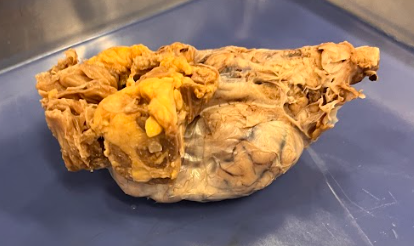
optic nerve
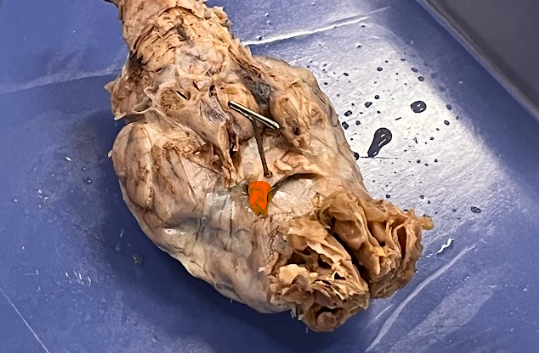
corpus callosum
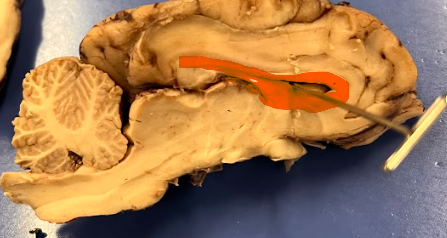
hypothalamus
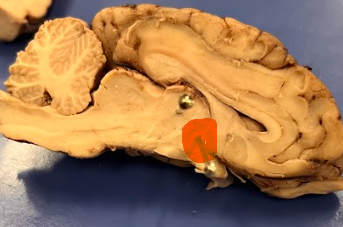
occipital lobe
the area of the brain that allows us to interpret what we are seeing
frontal cortex
where the frontal eye field used to scan stationary objects is found
reticular activating system
the area of the brainstem that plays a role in consciousness and the awake/sleep cycles
parietal lobe (postcentral gyrus)
the area of the brain responsible for primary somatosensory information such as touch and proprioception
temporal lobe (auditory cortex)
the area that determines if sound is speech, music, or noise
corpus callosum
this area allows for communication between both hemispheres
hippocampus
the specific area damaged by the character in 50 First Dates that is responsible for converting short-term memory into long-term memory
frontal lobe
the specific area of the brain that should be protected to preserve higher intellectual activities such as concentration, planning, and problem-solving
cerebellum
the area responsible for storing muscle memory
medulla
center for coughing, sneezing, swallowing, vomiting
hypothalamus
the area that helps maintain homeostasis
wernicke’s area
damage to this area would prevent a person from being able to comprehend verbal and written language
amygdala
the area important in decoding emotions
cerebellum/precentral gyrus
the region used to track moving objects and maintain posture
broca’s area
if someone has lost the ability to speak, but can understand, they probably have damaged this area
whole brain