Hick's Soul-Making theodicy: Evil and Suffering
 Studied by 0 people
 Call with Kai
 Learn
Learn Practice Test
 Spaced Repetition
 Match
Match Flashcards
 Knowt Play
1/30

There's no tags or description
Looks like no tags are added yet.
Name | Mastery | Learn | Test | Matching | Spaced | Call with Kai |
|---|
No study sessions yet.
31 Terms
John Hick
English philosopher of religion
What did Hick label Augustinian theodicy ?
"Utterly unacceptable"
What did Hick say about Hell ?
"Part of religious imagination"

Scientific flaws in Augustine's theodicy
- Genesis is a mythological account (based on Babylonian Epics of Creation and Flood).
- Natural evils, such as floods and disease, existed before Adam and Eve, as it also existed in the animal world.

Moral flaw in Augustine's theodicy
Punishing the entire human race for the sins of the first parents is unjust.

Logical flaw in Augustine's theodicy
Augustine's view that wholly good beings in a wholly good world could become sinful is incoherent because if any created being malfunctions from its design, then the only possible reason is that the design was flawed.
If Augustine is right, then God is a flawed designer.

What views from Irenean theodicy did Hick support ?
Humans did not "fall" from perfection but were instead created by God as imperfect beings, with the capacity to become "children of God".
What does Hick compare humans' relationship with God to ?
A relationship between parents and their children

How are humans made for a love relationship with God ?
Like with parents, humans must learn to love God and respond constructively to the harshness of the physical world as a means for character development.

Hick's two-step process
The are two parts to God's creation & development of the human race
Evidence supporting Hick's two-step process
"God made mankind in his own image and likeness" - Genesis 1:26
What part of the two-step process is linked to image ?
Bios
What part of the two-step process is linked to likeness ?
Zoe
Bios
Biological life of humans
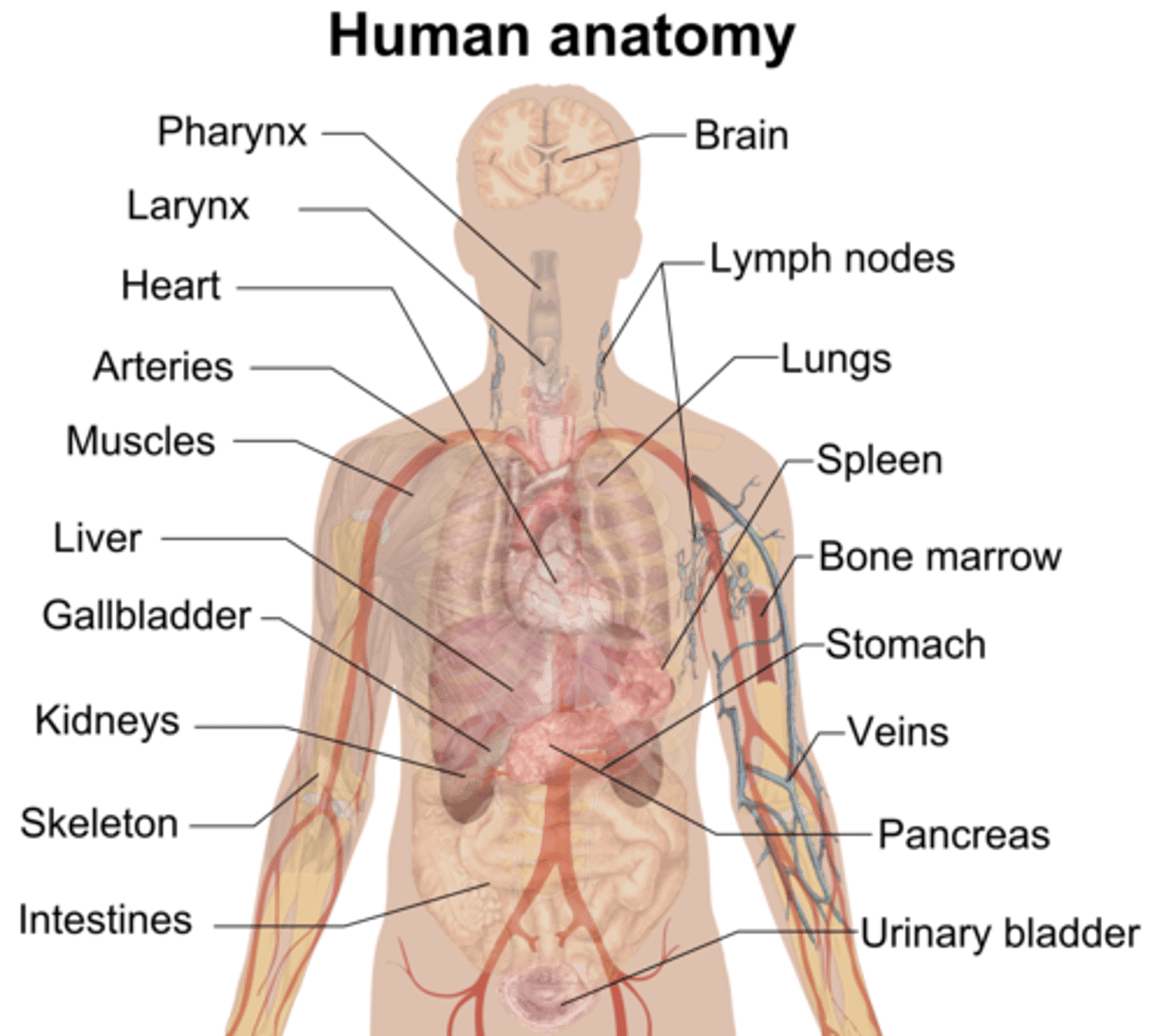
Zoe
Perfect personal life of humans (as seen through Jesus)

What is the purpose of the two-step process ?
God created the human race through biology and allows it to continue to develop its character until we all become "Christ-like".
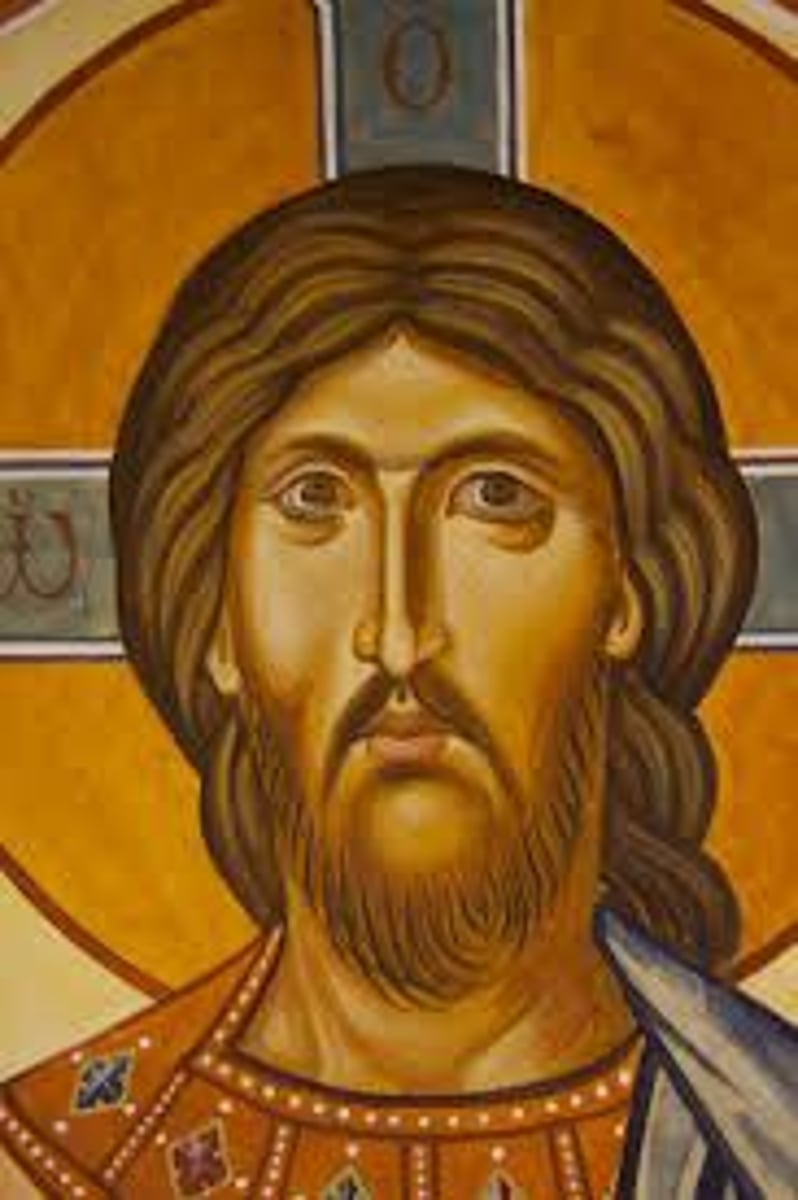
Quote from Hick about two-step process
"Represents the perfecting of man, the fulfilment of God's purpose for humanity”
Two-step process quote meaning
Eventually, similarly to how children mature and respond to their parents in freedom and love, the human race will mature and respond to its creator in freedom and love.

Why does Hick believe all will be saved and enter Heaven ?
God is infinitely persuasive.
As a result, every individual will eventually be brought into a moral and spiritual relationship with God, which can occur over many lifetimes, in different levels of existence.

Hick's soul making theodicy vs Augustine's soul-deciding theodicy
Everyone will enter heaven eventually - this can be achieved over many lifetimes as these are multiple "chances" given by God.
In contrast, Augustine believes individuals are given one chance to live morally and make good decisions; they are then sent to Heaven or Hell accordingly.
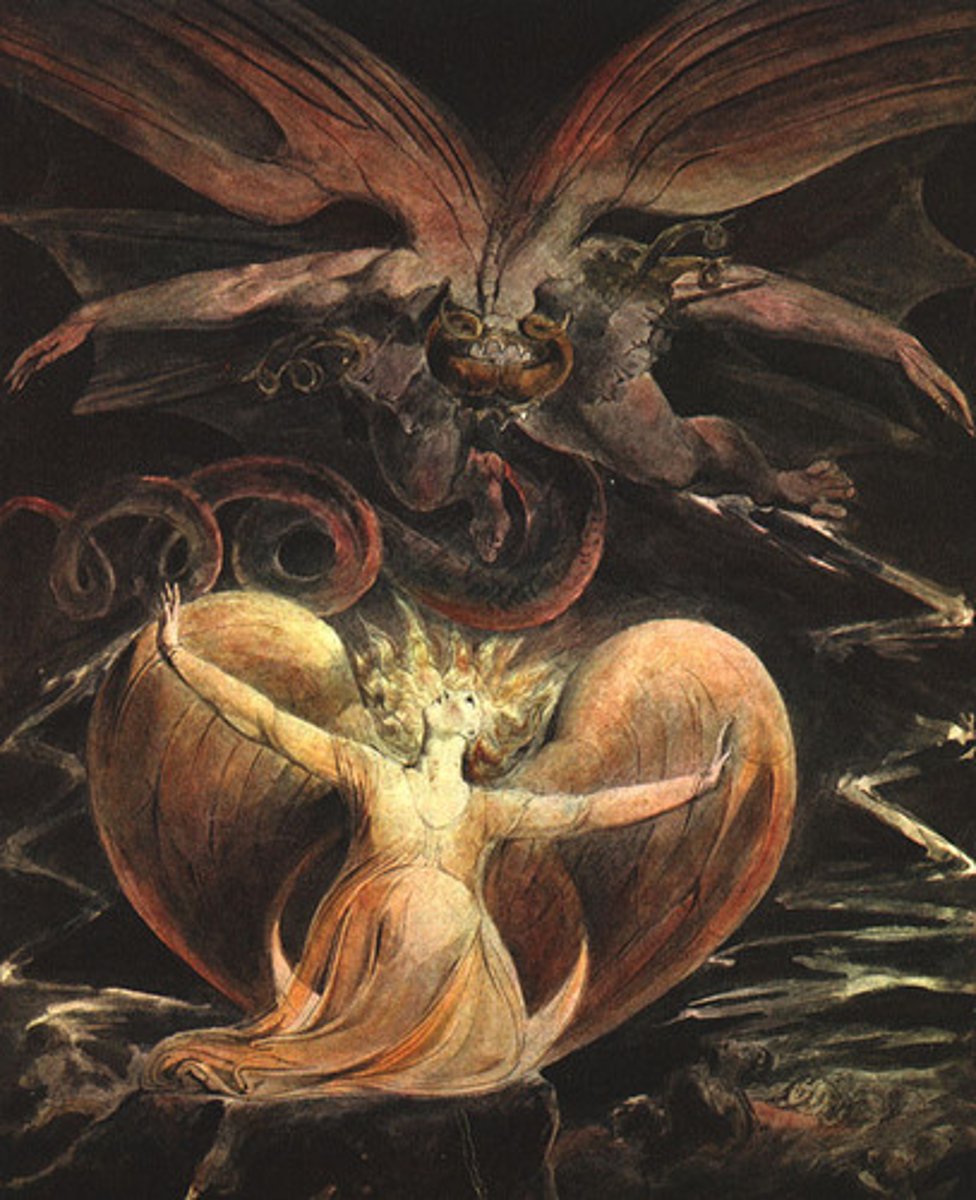
How can a relationship with God can be accomplished ?
Only if each individual is free to choose between good and evil, so they can freely come to love God and the good.

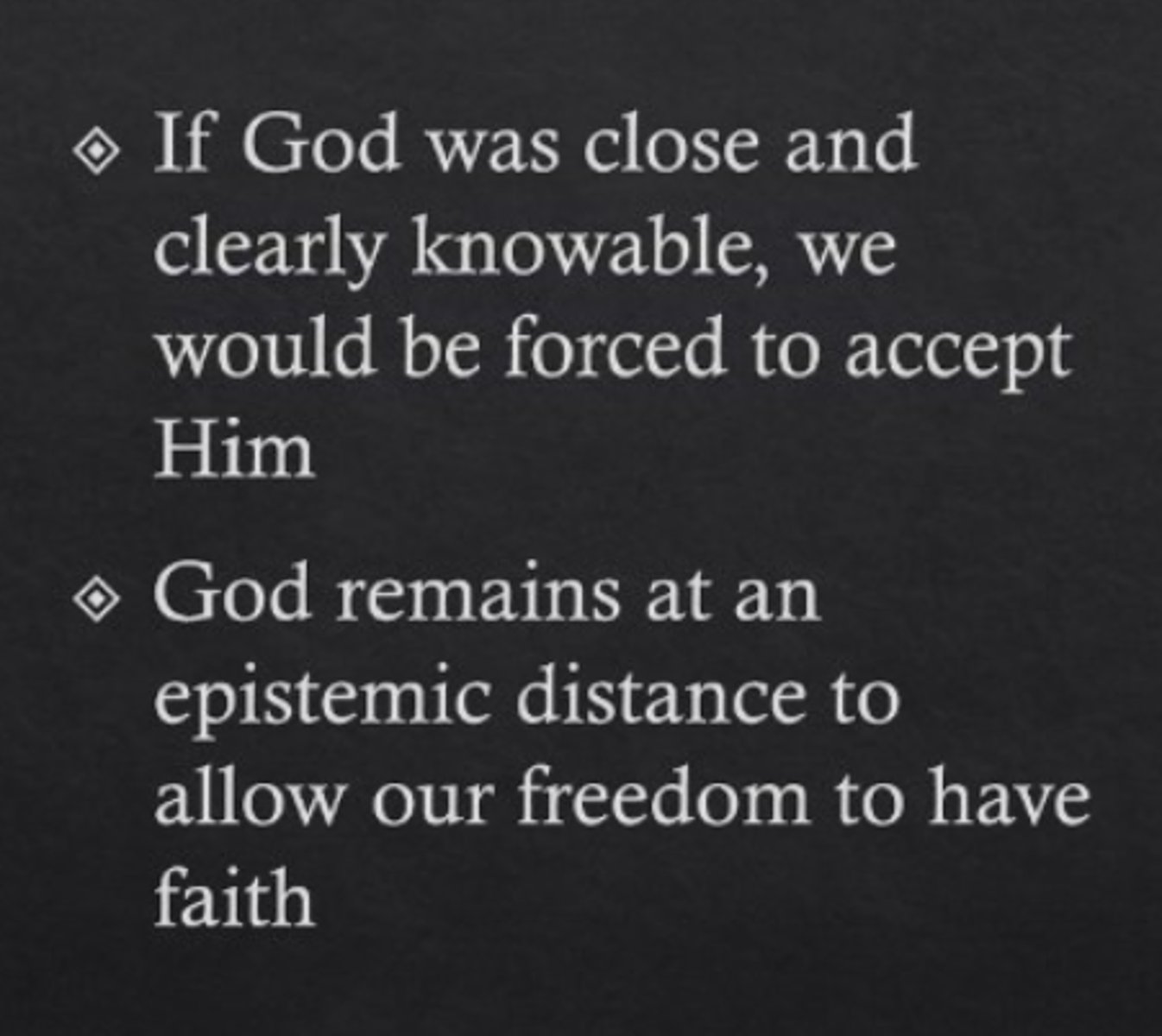
Why must humans exist at an epistemic distance from God ?
If humans knew undoubtedly that God existed, their freedom to choose between good and evil would be lost.
What must exist for God to maintain a true epistemic distance ?
A full range of moral and natural evils
Why else must a full range of moral and natural evils exist ?
So humans can develop second-order virtues (proposed by Mackie) of courage/sympathy/empathy/compassion - these are qualities by which we become children of God.
"Counterfactual hypothesis" = Challenges/hardships aid our development.

Which of argument proposed by Mackie does Hick reject + why ?
God could've created humans who always freely choose the good.
Hick rejects this because this response to God would not be authentic, it would be compelled.

Criticisms of Hicks's theodicy
It does not justify animal suffering
There are pointless evils in the world
The theodicy doesn't justify the worst evils
It does not justify animal suffering: Hick's response
- Animals have no fear of death/future evils
- Pain warns animals of danger, so it has to exist.
- If humans were the only species, this would remove epistemic distance from God.
There are pointless evils in the world: Hick's response
- If there were no irrational evils in the world, our epistemic freedom would be lost.
- Unexplained evil also helps aid our personal development

The theodicy doesn't justify the worst evils: Hick's response
- All evils are a matter of degree, removing the worst kind of evil makes the next worst kind of evil seem the worst.
- More evil removed = Less moral freedom and responsibility humans have.

Strengths of Hick's theodicy
- Epistemic distance justifies animal and pointless suffering.
- Solves the problem of Hell alongside the omnibenevolent God as it proposes that there is no Hell, and that Heaven is a process that can be achieved over many lifetimes.

Weaknesses of Hick's theodicy
- Justification of animal suffering using epistemic distance fails as animals gain no benefit from it; what makes humans so different from other animals?
- What is the point of the pilgrimage if there is universal salvation ?