ARTH 151 Midterm 1
 Call Kai
 Learn
Learn Practice Test
 Spaced Repetition
 Match
Match Flashcards
 Knowt Play
1/149

There's no tags or description
Looks like no tags are added yet.
Name | Mastery | Learn | Test | Matching | Spaced | Call with Kai | Chat |
|---|
No analytics yet
Send a link to your students to track their progress
150 Terms

Title?
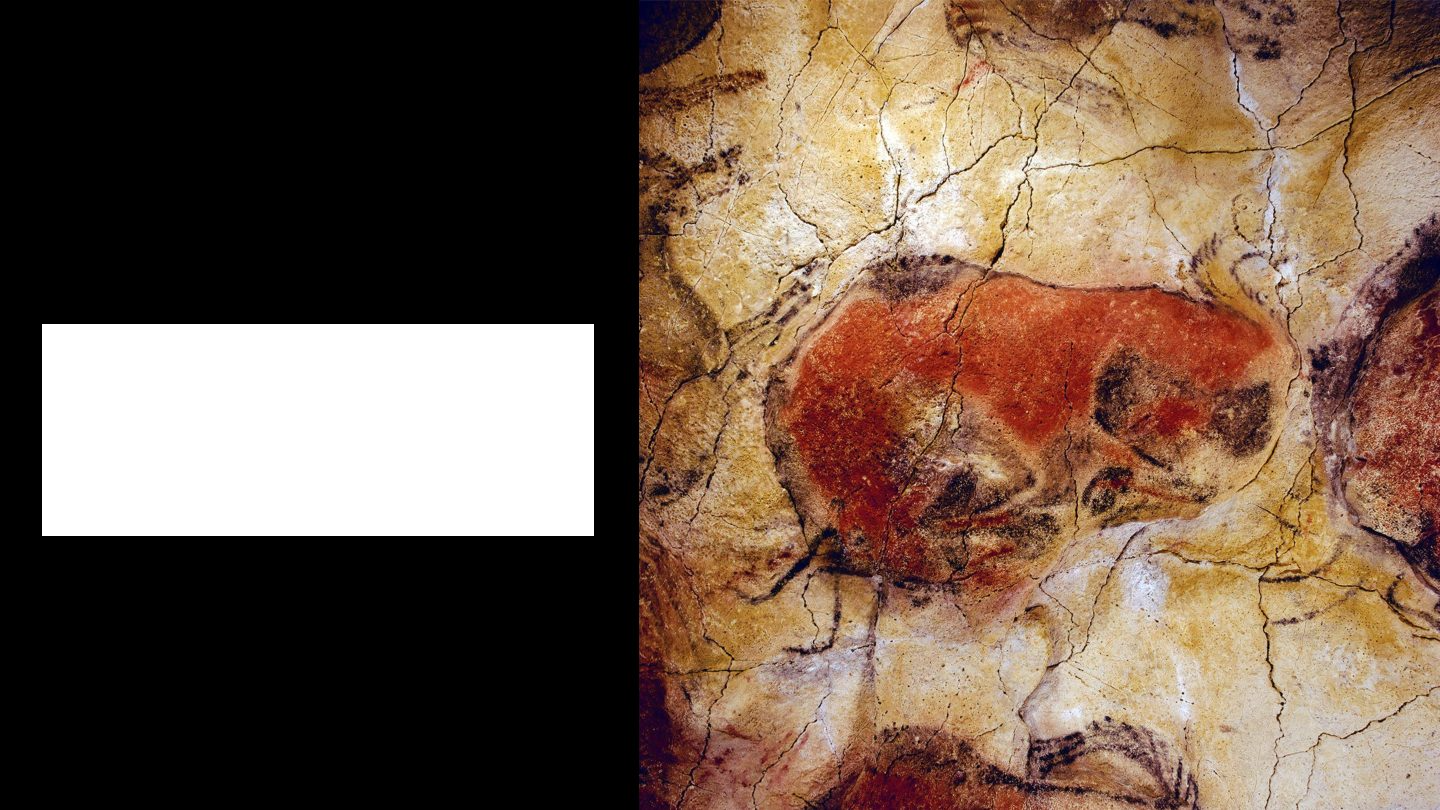
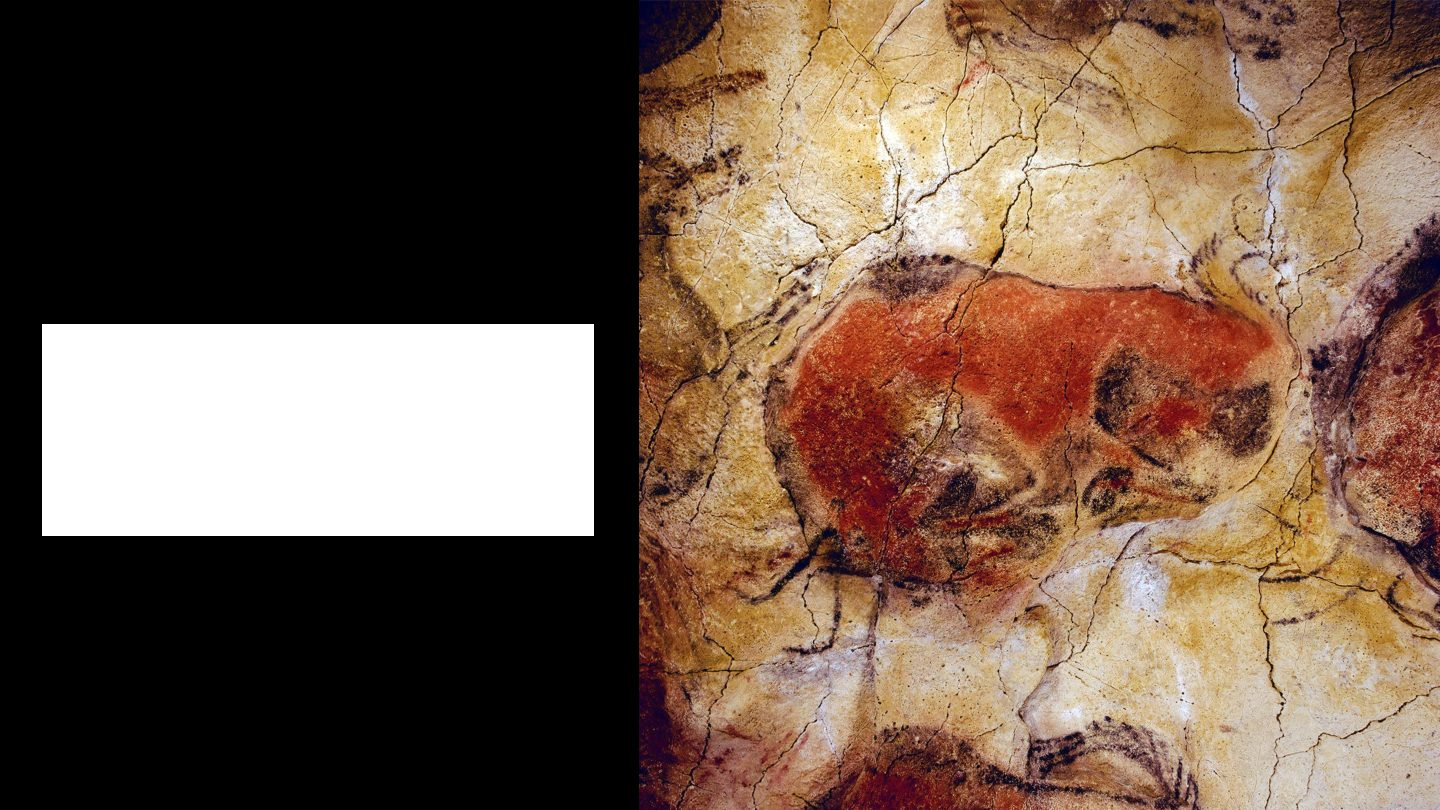
Bison
Culture?
Paleolithic (cave art)

Location?
Cueva de Altamira, Spain

Date?
22,000–13,000 BCE
Significance?
One of the most famous painted ceilings in the world; polychrome bison exploit the natural bulges of the cave rock to create volume.

Title?
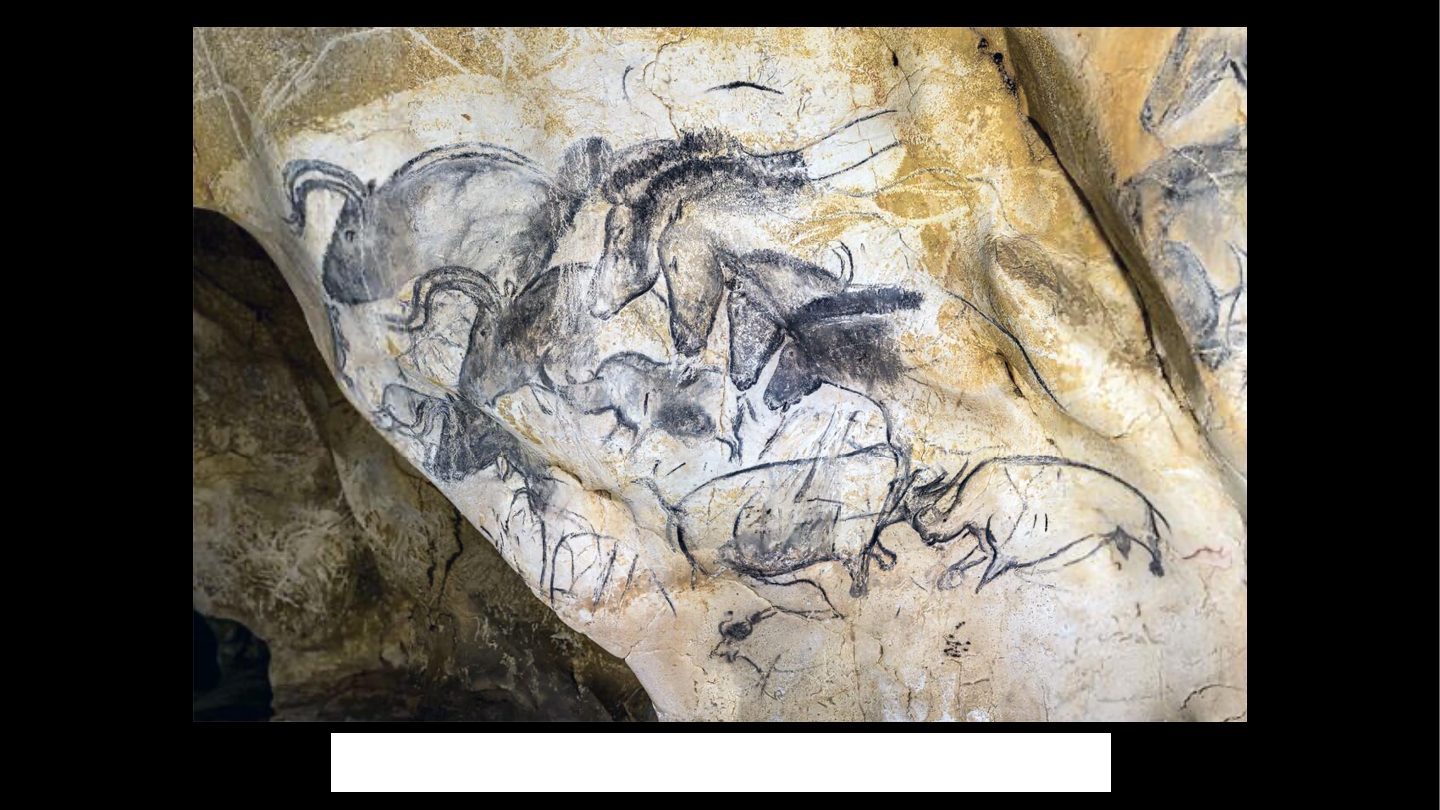
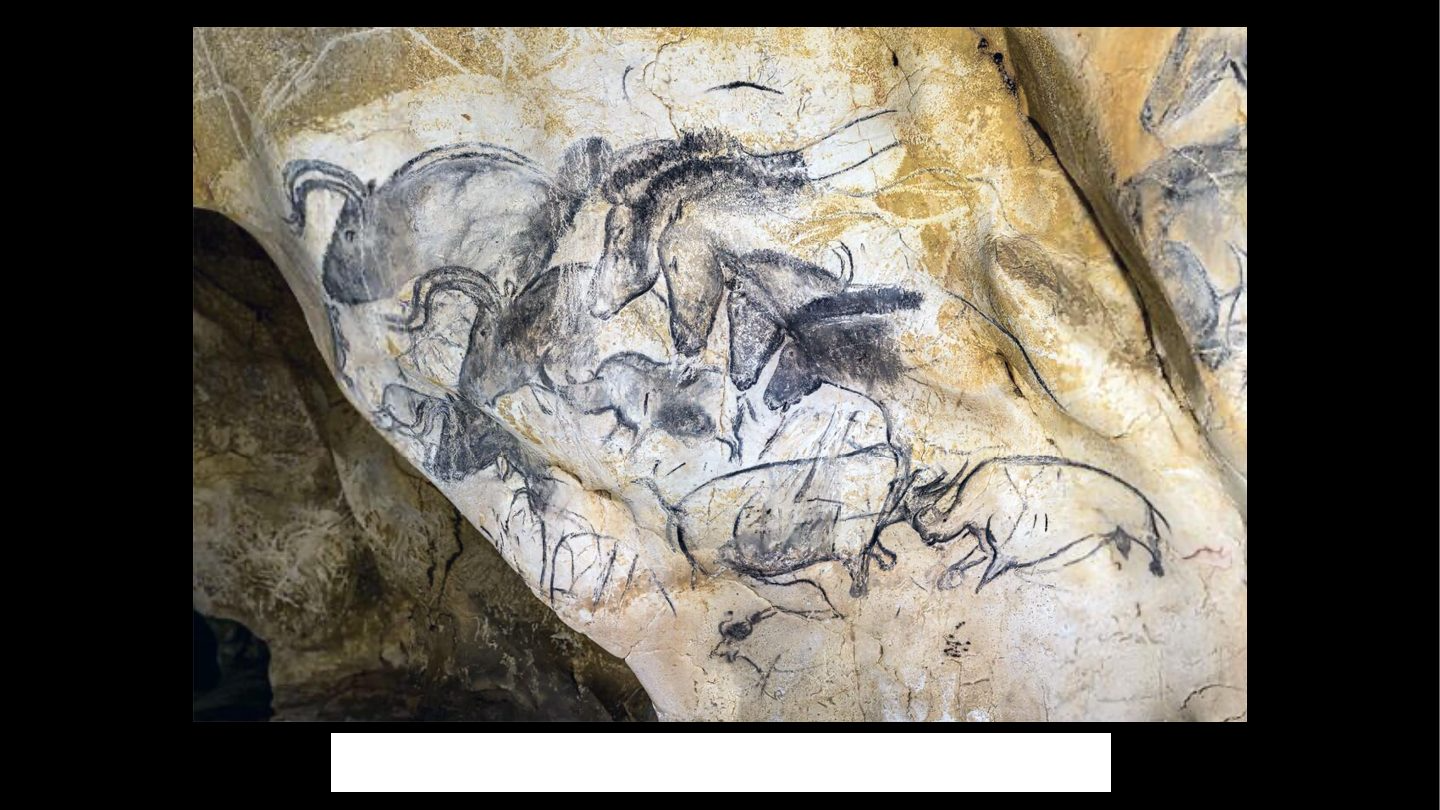
Aurochs, Horses, and Rhinoceroses

Culture?
Paleolithic (cave art)
Location?
Chauvet Pont d'Arc Cave, France

Date?
ca. 30,000 BCE
Significance?
Among the oldest known cave paintings; shows overlapping animals and early use of shading/perspective (twisted perspective on horns).
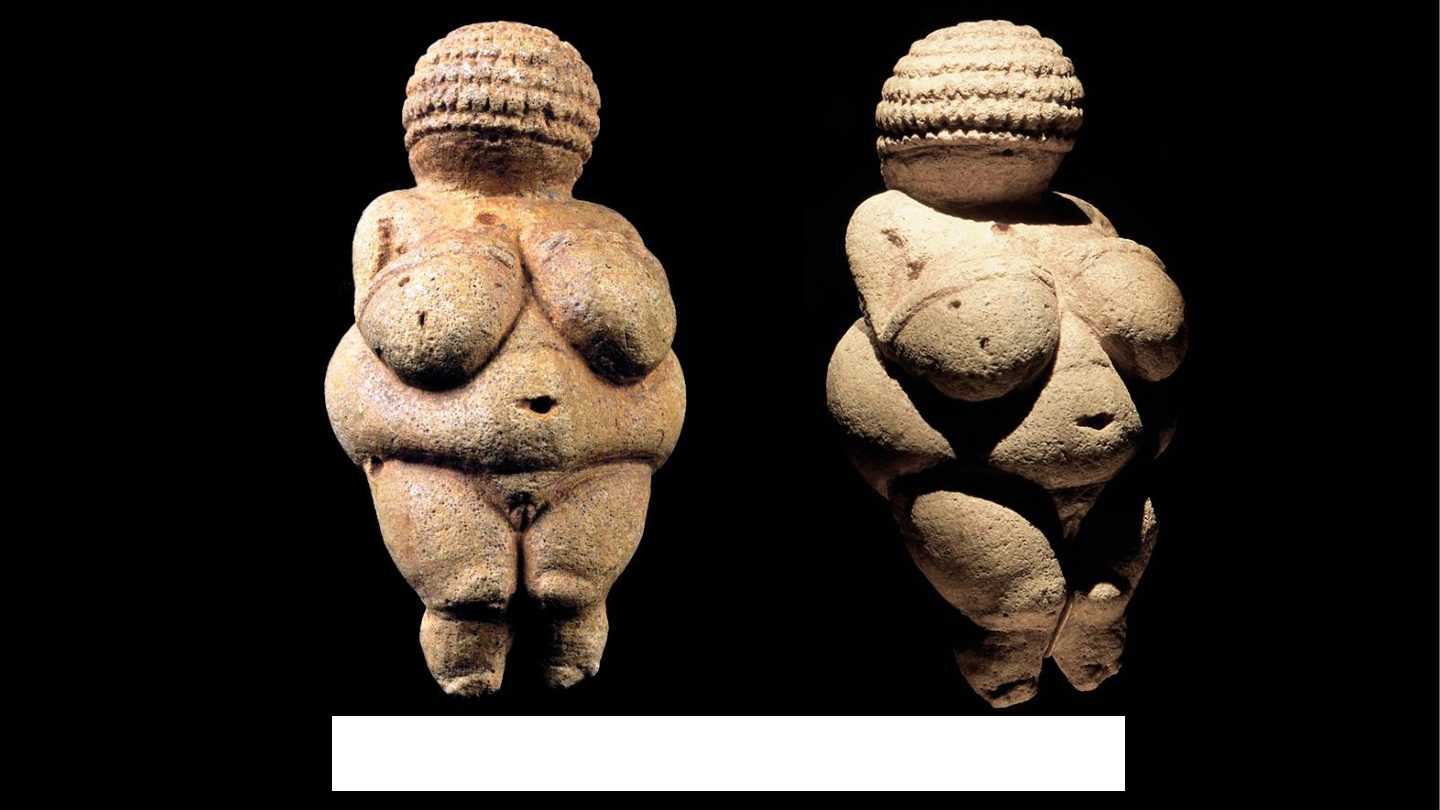
Title?
Nude Woman ("Venus of Willendorf")
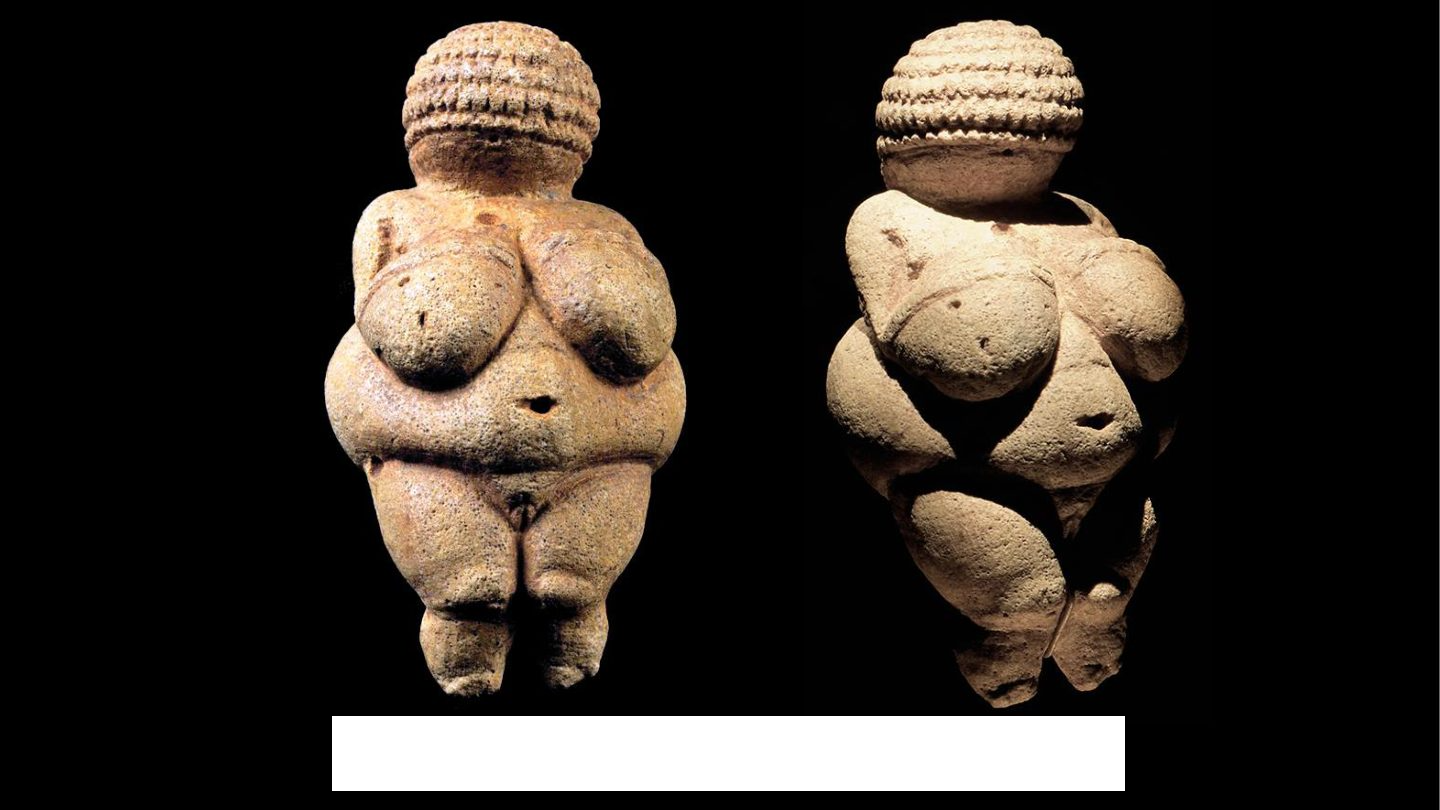
Culture?
Paleolithic

Location?
Willendorf, Austria
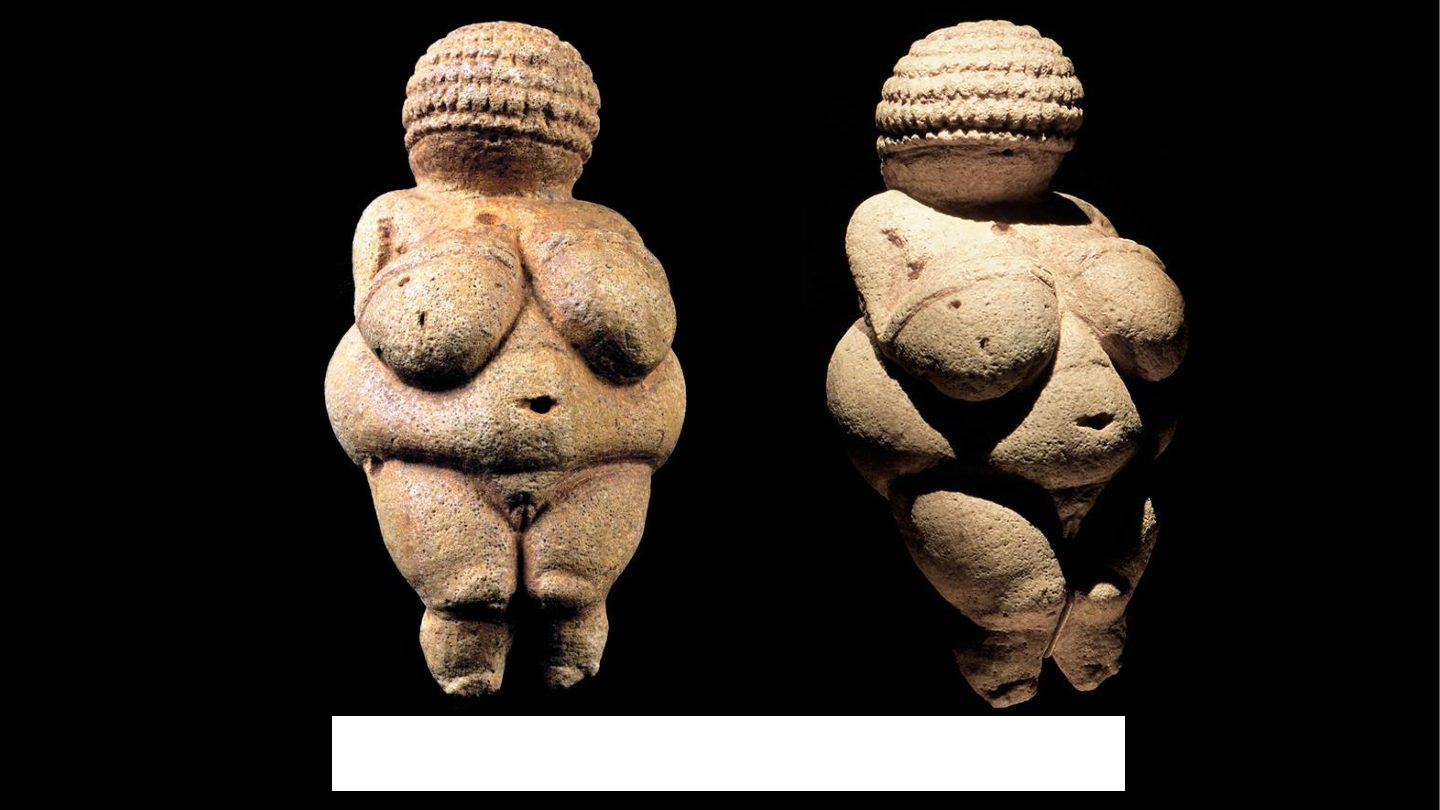
Date?
ca. 28,000–25,000 BCE

Significance?
Small portable figurine; exaggerated body forms (breasts, belly), no facial features, patterned 'hat' or braided hair — likely fertility/abundance symbolism.

Title?
Standing Lion Man

Culture?
Paleolithic

Location?
Stadel Cave, Baden-Württemberg, Germany

Date?
ca. 40,000 BP
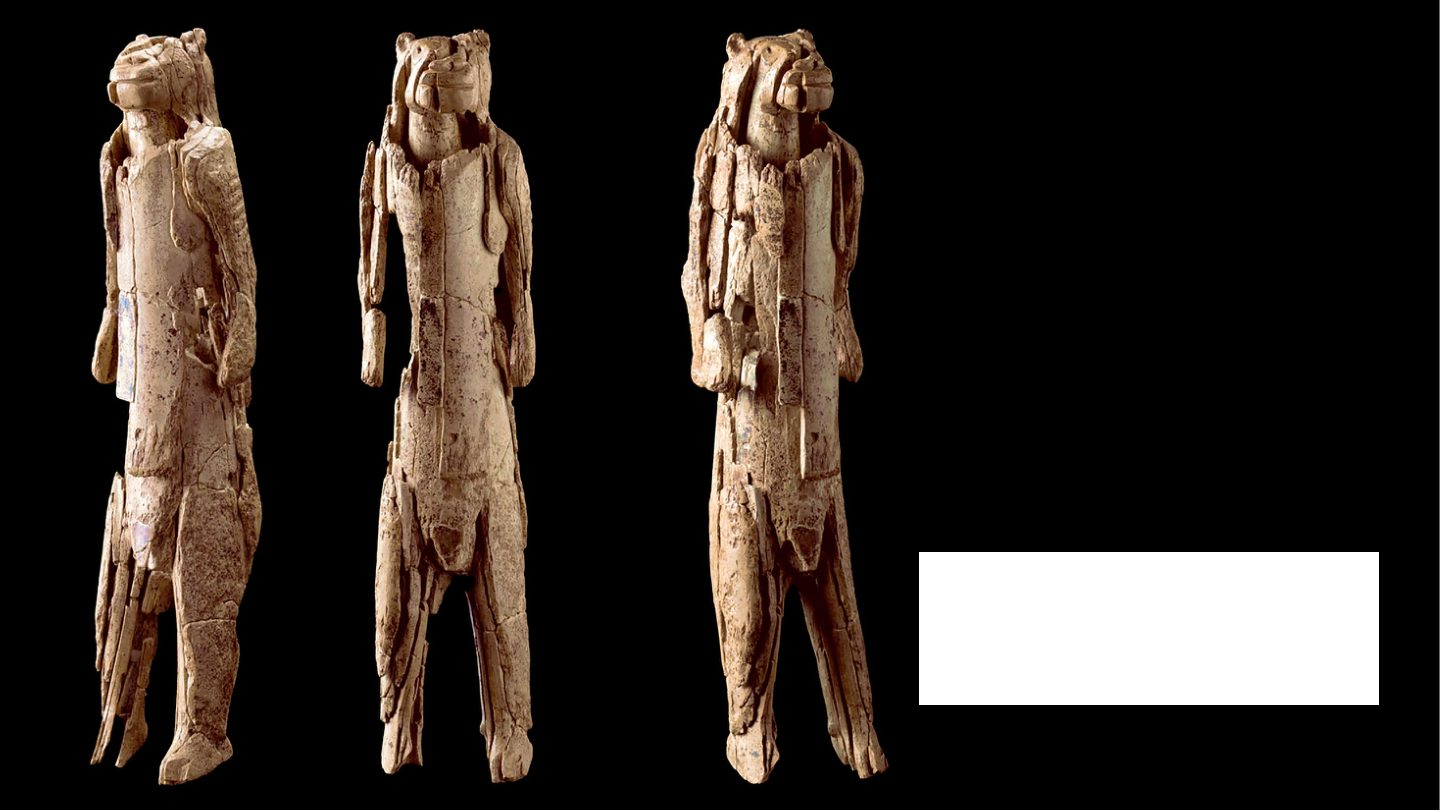
Significance?
One of the oldest known sculptures of a fantastical/imagined being (human body + lion head) — evidence of early symbolic/spiritual thought.
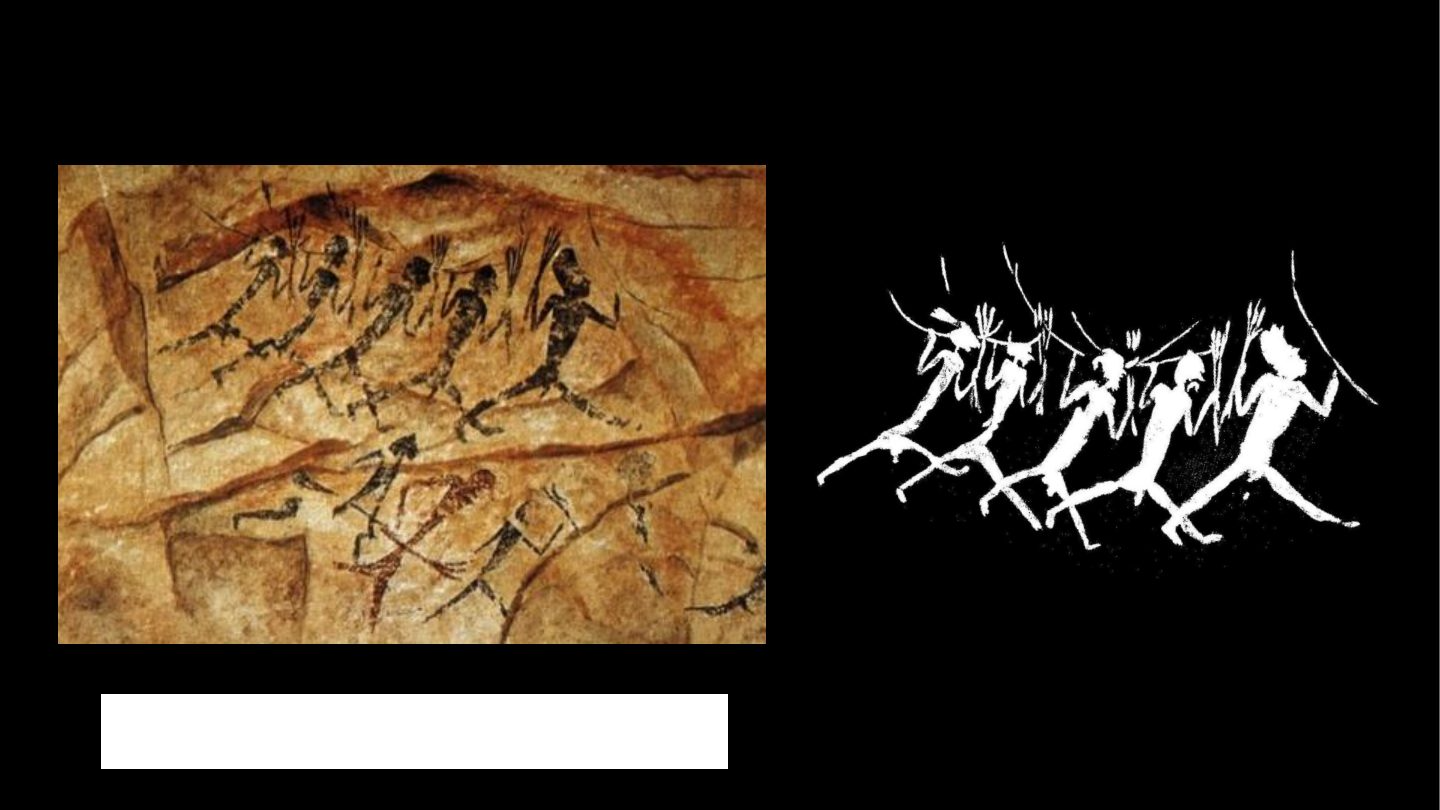
Title?
Marching Warriors
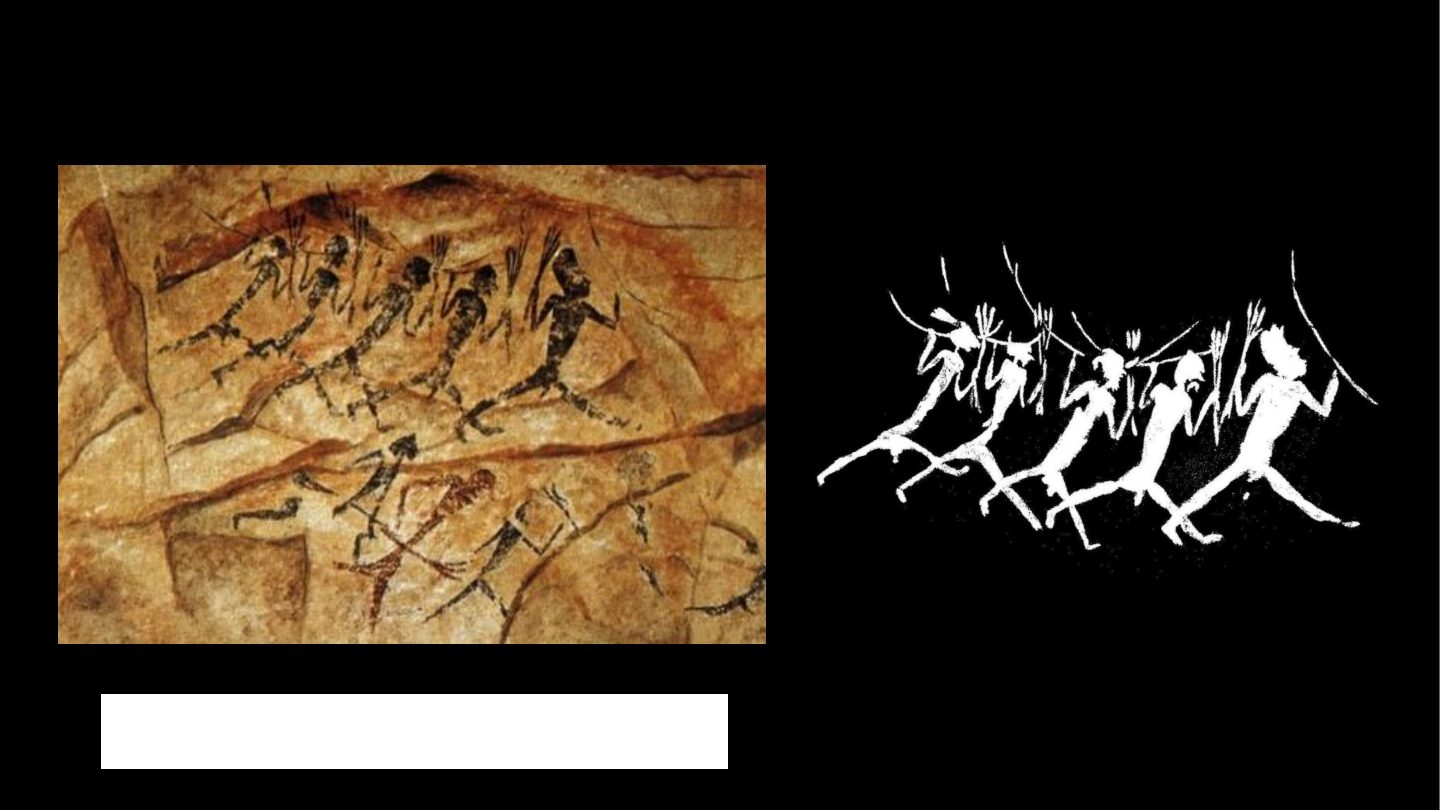
Culture?
Mesolithic (rock shelter art)

Location?
Cingle de Mola rock shelter, Castellon, Spain

Date?
7,000–4,000 BCE

Significance?
Unlike Paleolithic animal-focused art, Mesolithic art shows narrative human action scenes (hunting, fighting, group activity) in silhouette.

Title?
Ancestor Image

Culture?
Neolithic

Location?
Jericho / Tell es-Sultan, West Bank, Palestine
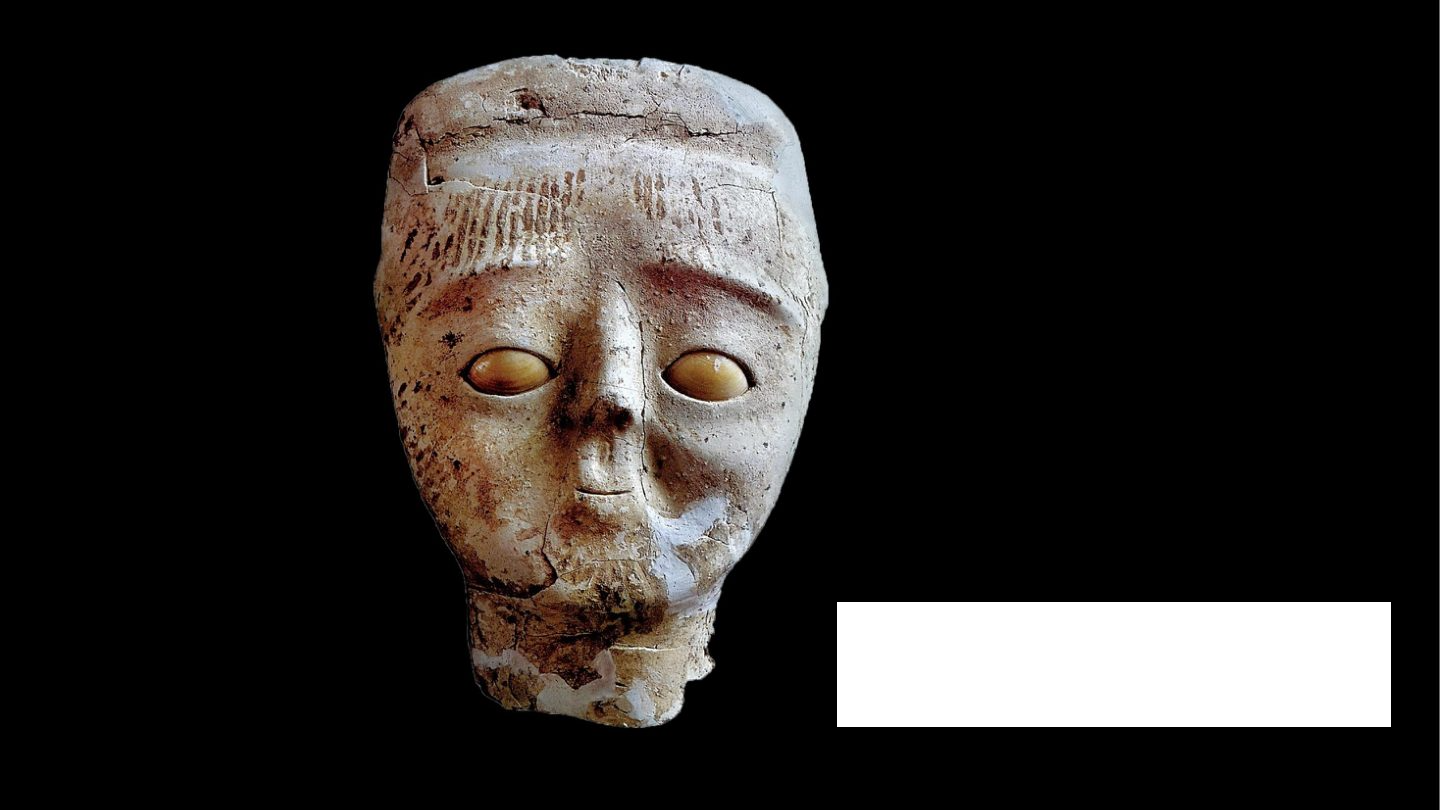
Date?
ca. 7,500 BCE
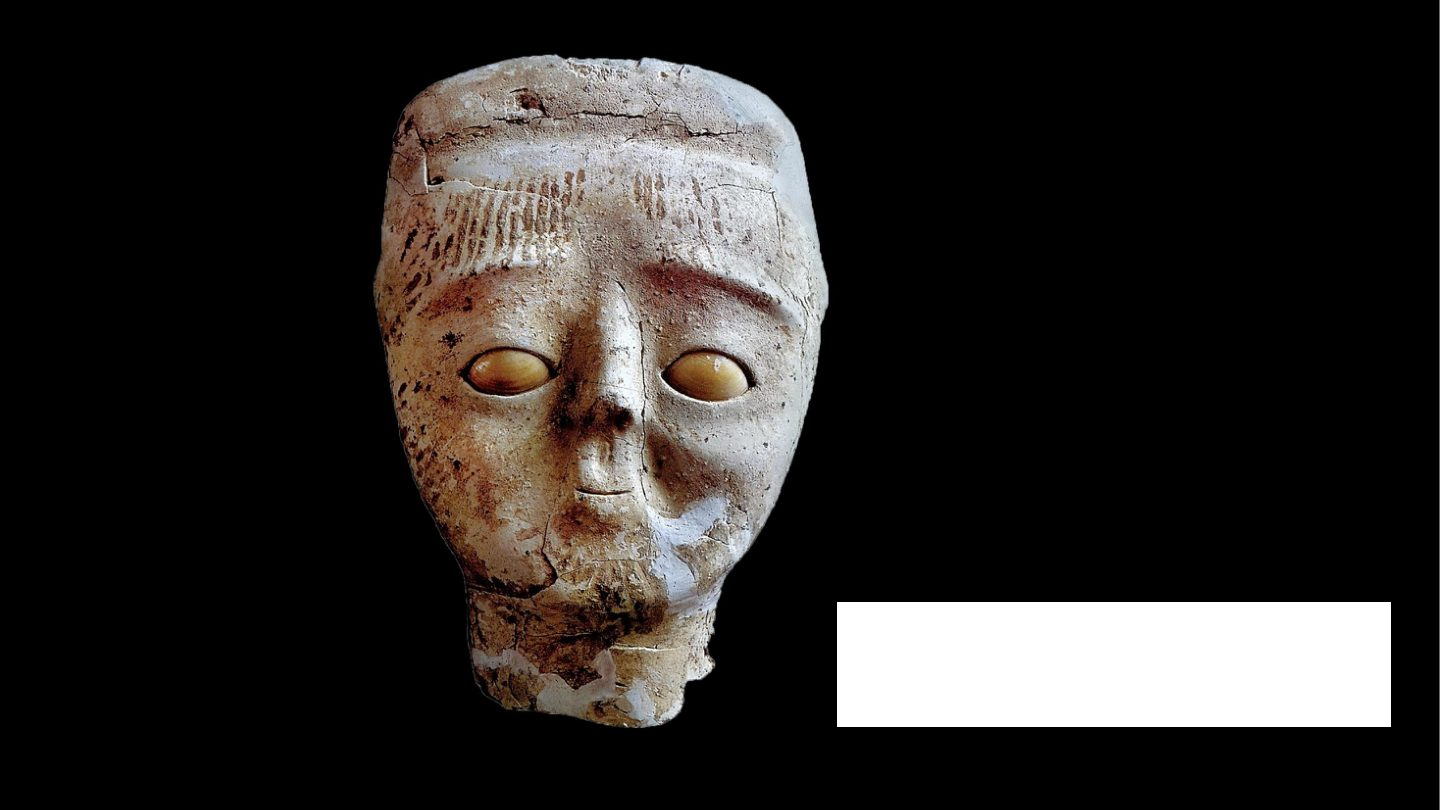
Significance?
Plastered skulls with modeled facial features and shell eyes; reflects Neolithic ancestor veneration practices tied to settled village life.

Title?
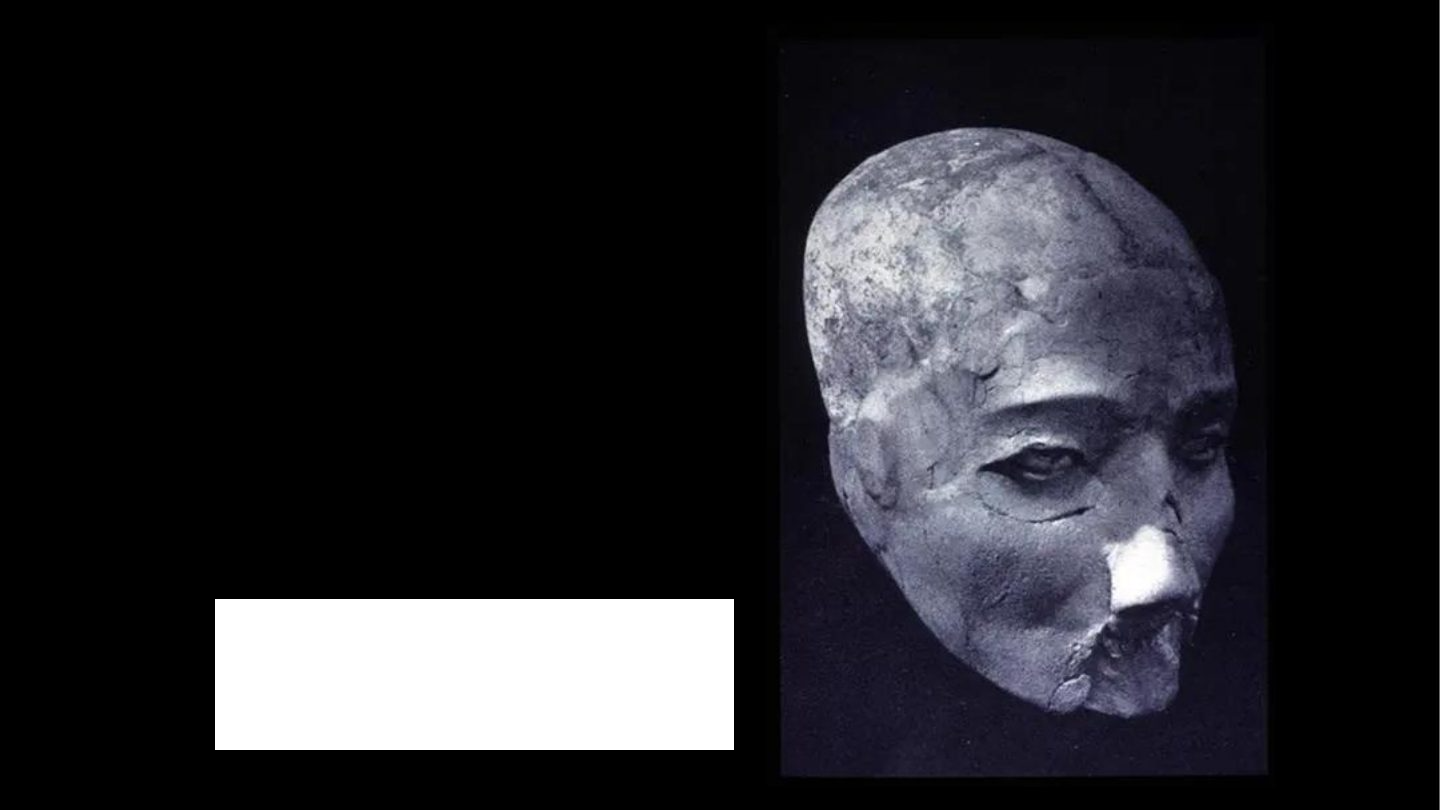
Plastered Human Skull

Culture?
Neolithic
Location?
Jericho / Tell es-Sultan, West Bank, Palestine

Date?
ca. 7,500 BCE

Significance?
Companion category to the Ancestor Image; underlying human skull rebuilt with plaster features — an early form of portraiture.

Title?
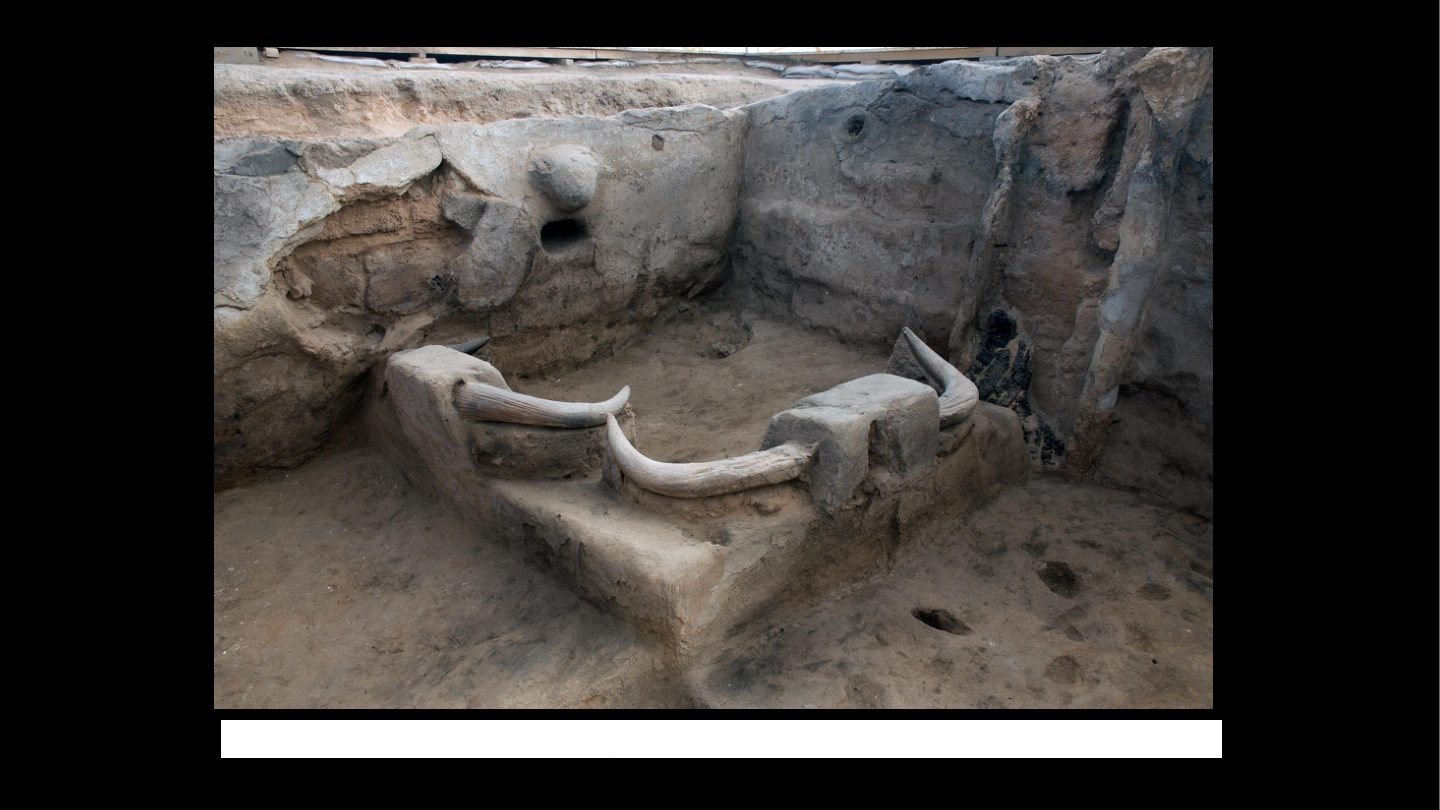
Bucrania Altar

Culture?
Neolithic (Çatalhöyük)
Location?
Çatalhöyük, Turkey

Date?
ca. 7,000 BCE

Significance?
Auroch (wild cattle) skulls and horns embedded in plaster benches inside houses — evidence of domestic ritual and animal symbolism at Çatalhöyük.

Title?
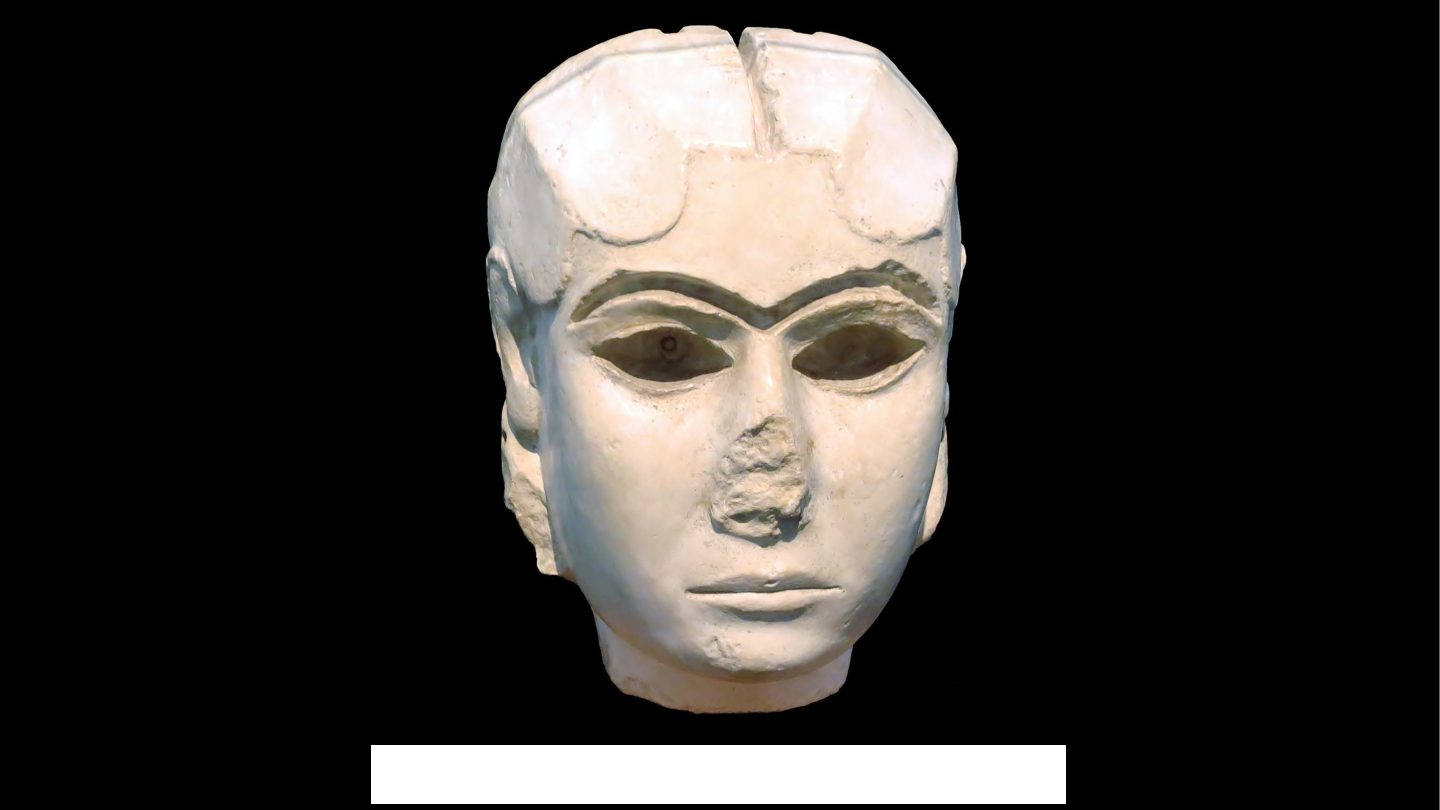
Female Head (Inanna?)

Culture?
Sumerian

Location?
Uruk (modern Warka), Iraq

Date?
ca. 3300–3000 BCE
Significance?
Naturalistic marble face, likely once attached to a wooden body and adorned with inlaid eyes/eyebrows, a wig, and jewelry; possibly represents the goddess Inanna.
Title?
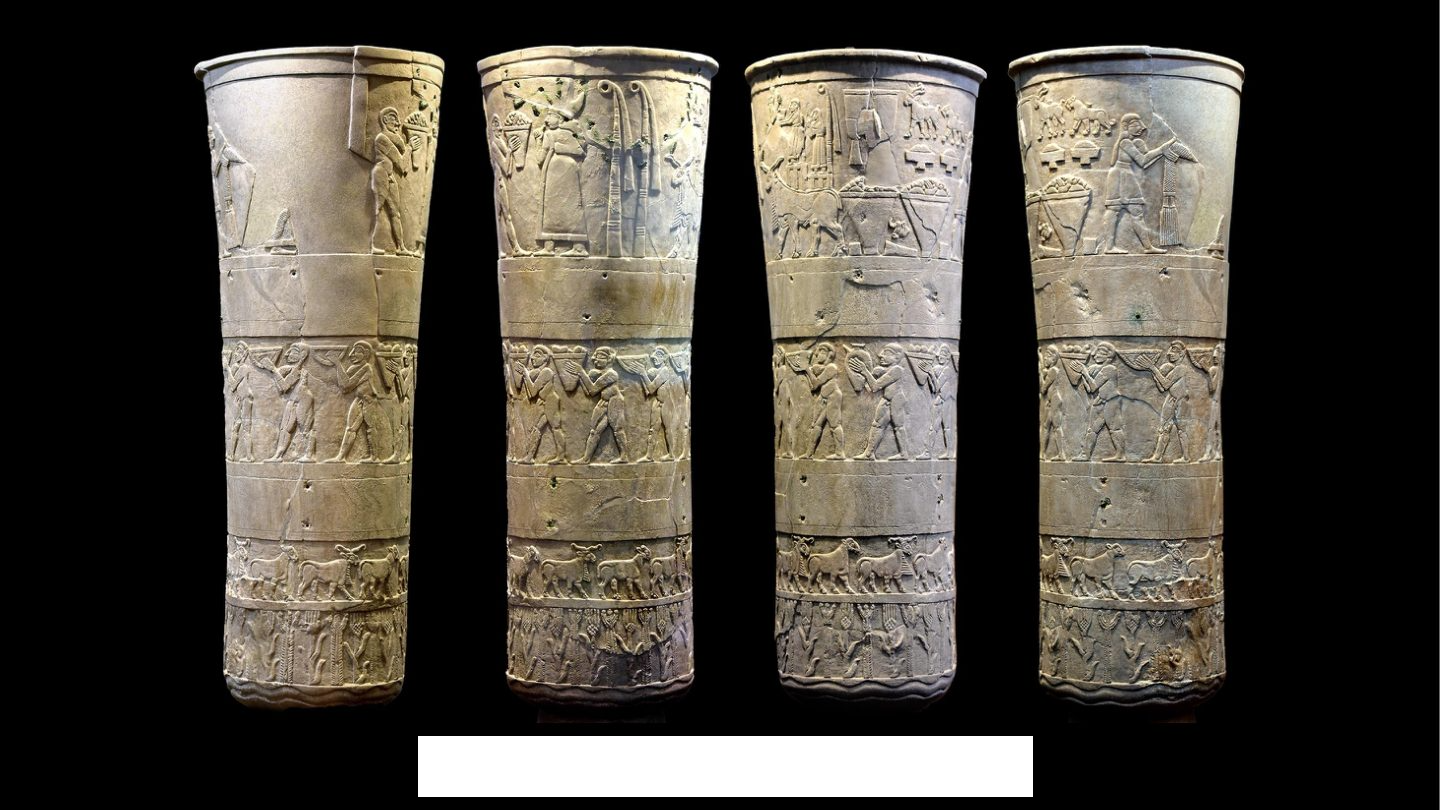
Warka Vase

Culture?
Sumerian
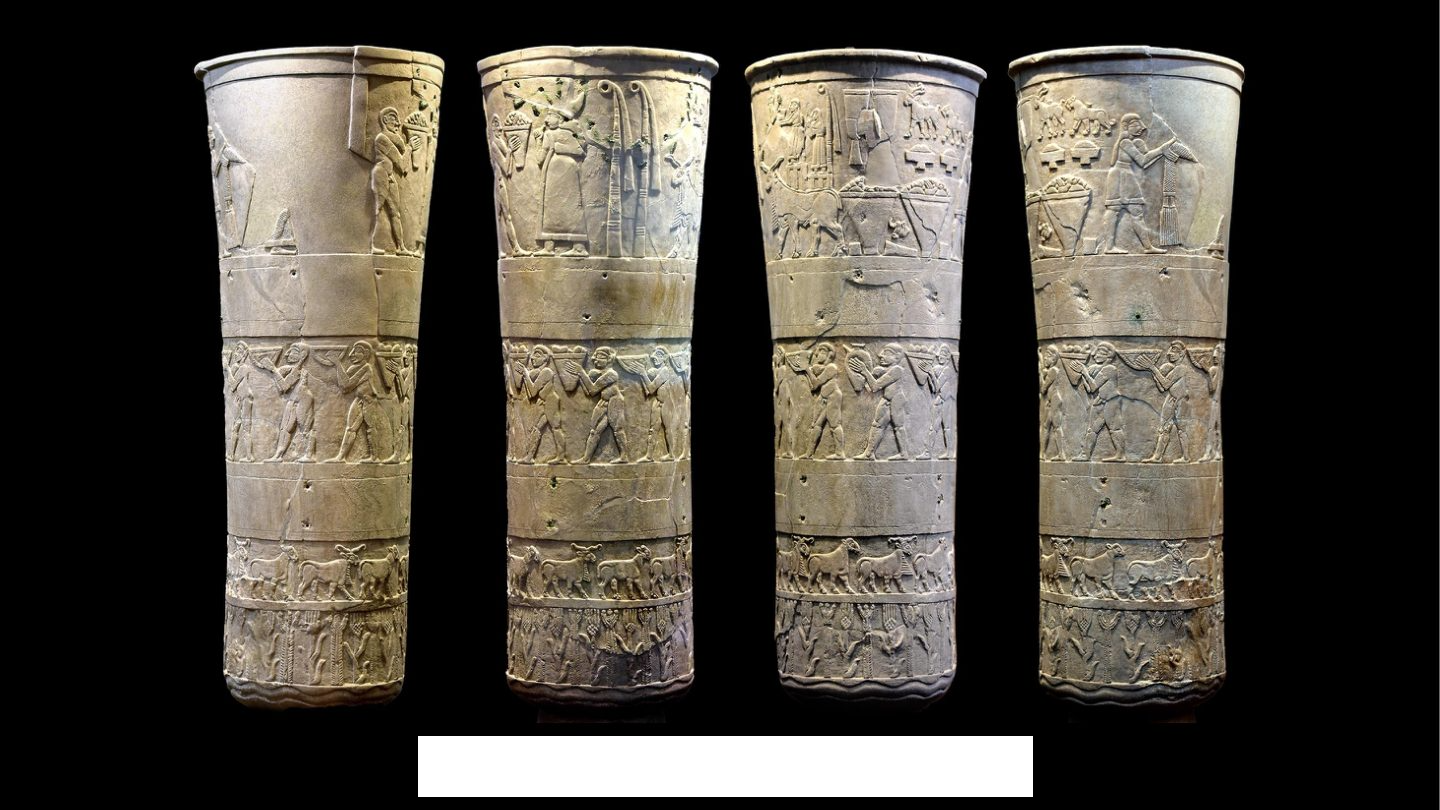
Location?
Uruk (modern Warka), Iraq

Date?
ca. 3300–3000 BCE

Significance?
Tallest registers show offerings brought to the goddess Inanna (or her priestess); one of the earliest examples of narrative relief organized in horizontal registers.
Title?
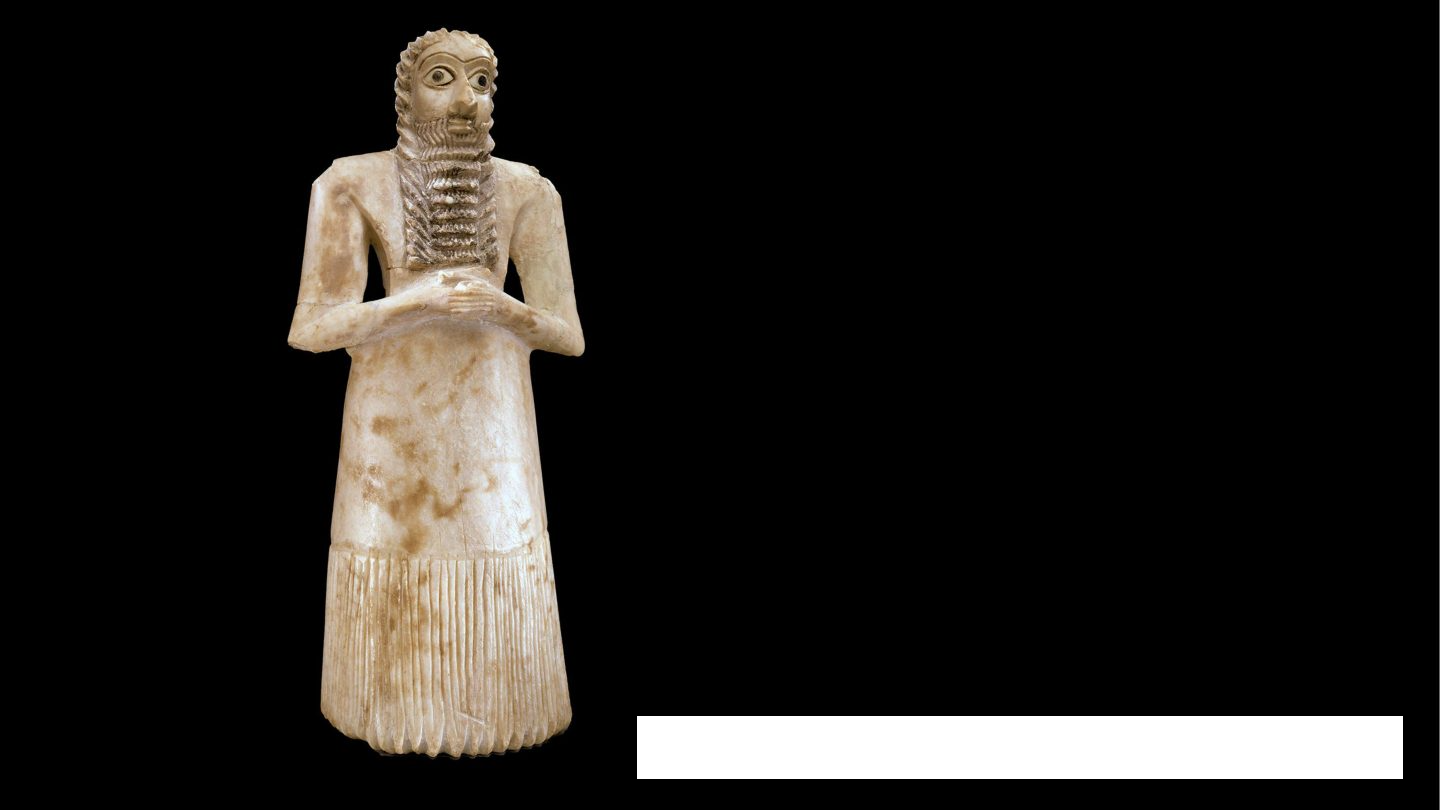
Votive Sculpture

Culture?
Sumerian

Location?
Eshnunna, Iraq

Date?
ca. 2900–2600 BCE
Significance?
Large inlaid eyes and clasped hands are typical of Sumerian votive statues left in temples to pray perpetually on behalf of the donor.
Title?
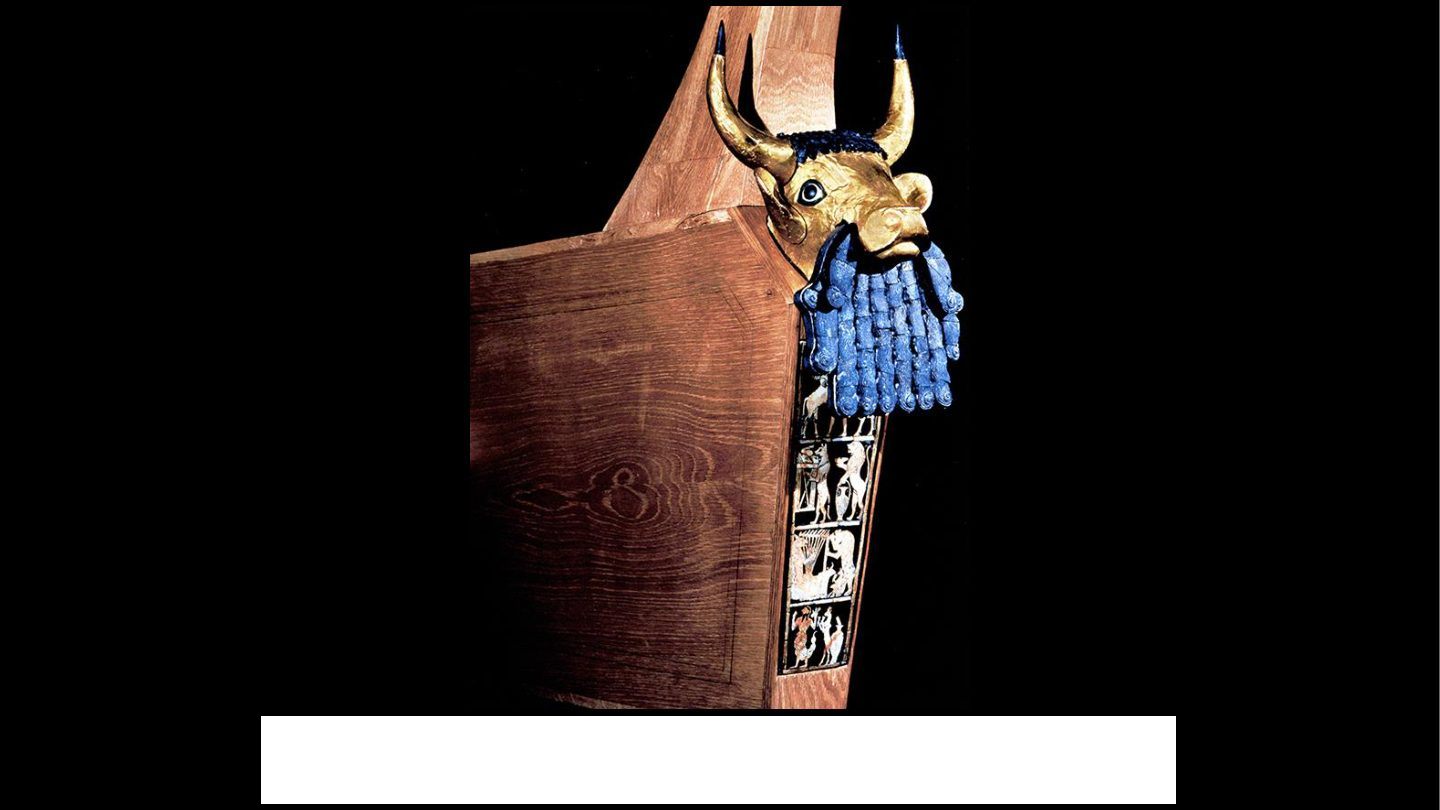
The Great Lyre with Bull's Head
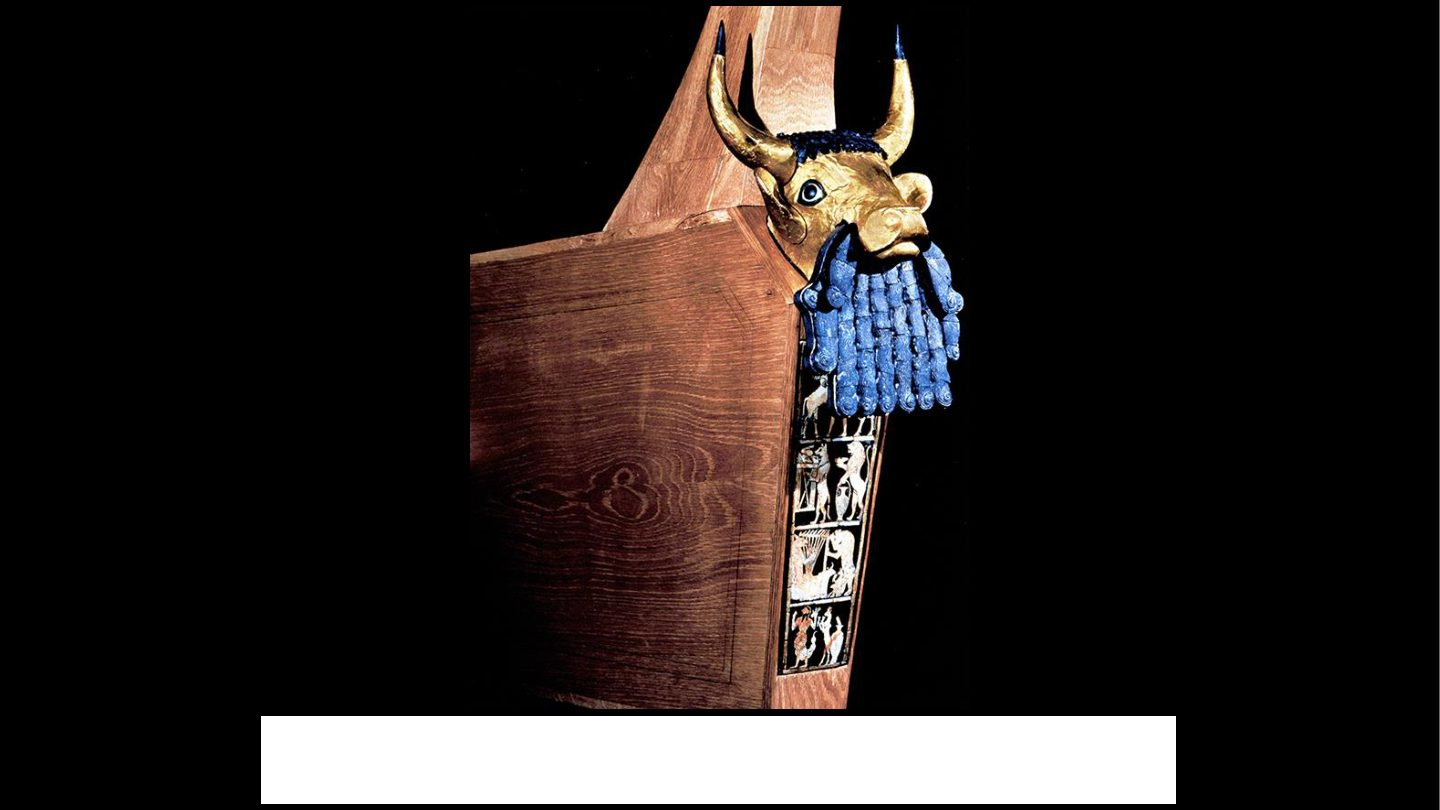
Culture?
Sumerian
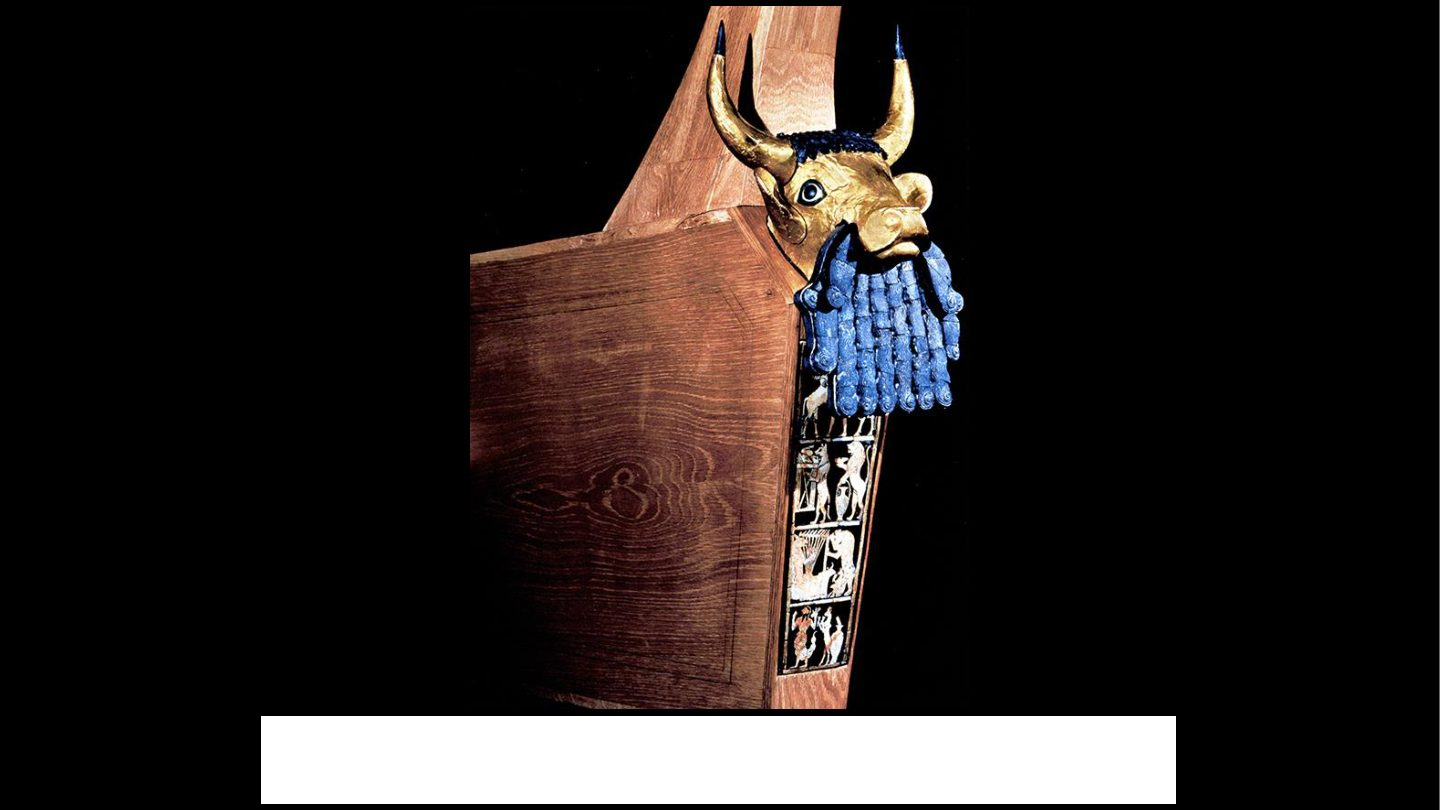
Location?
Tomb 789 ("King's Grave"), Royal Cemetery, Ur (modern Tell Muqaiyir), Iraq

Date?
ca. 2600–2500 BCE

Significance?
From the royal tombs of Ur; bearded bull head symbolizes power/virility; the inlaid front panel shows mythic/fantastical animal scenes in registers.
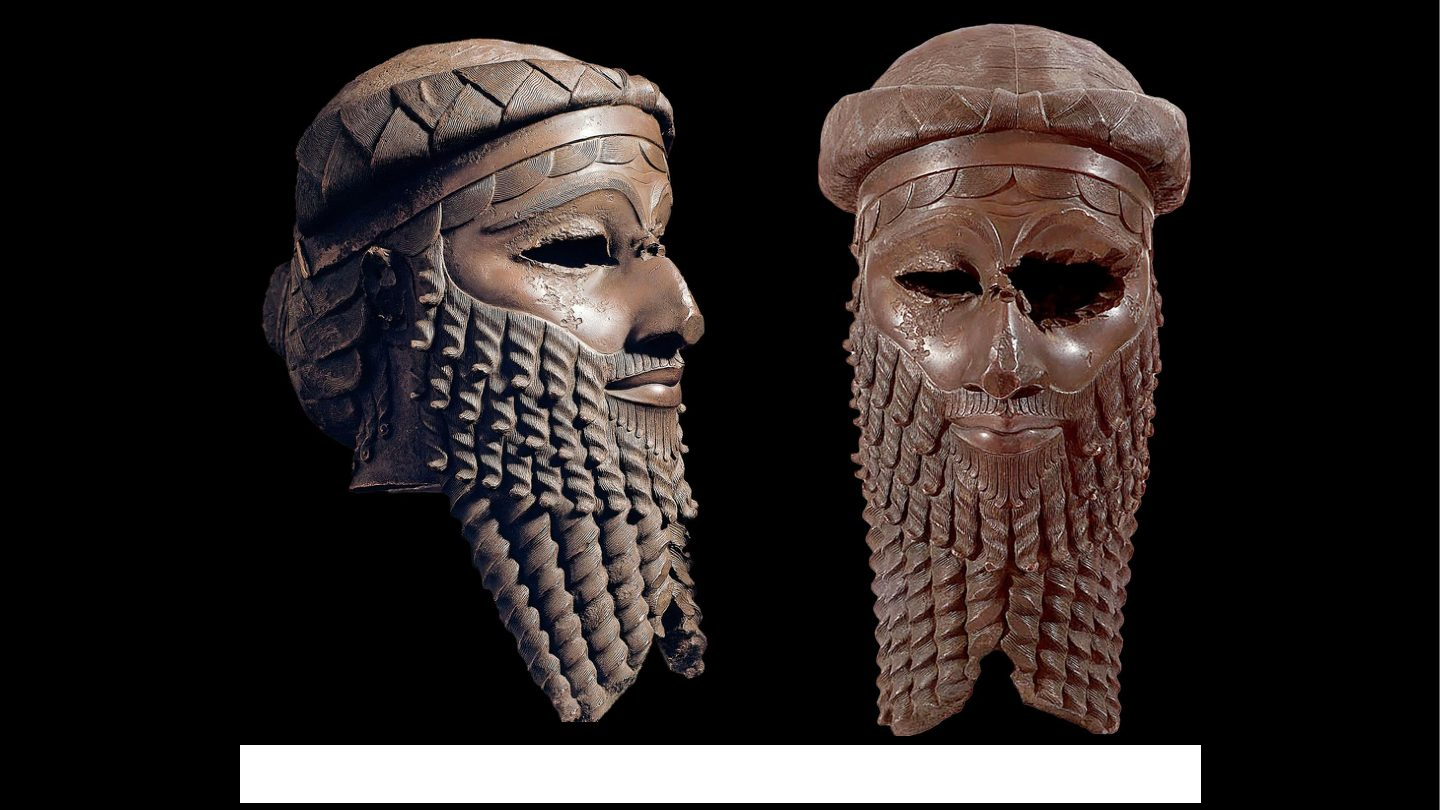
Image 13 — Title?
Head of a Man ("Akkadian Ruler")

Culture?
Akkadian
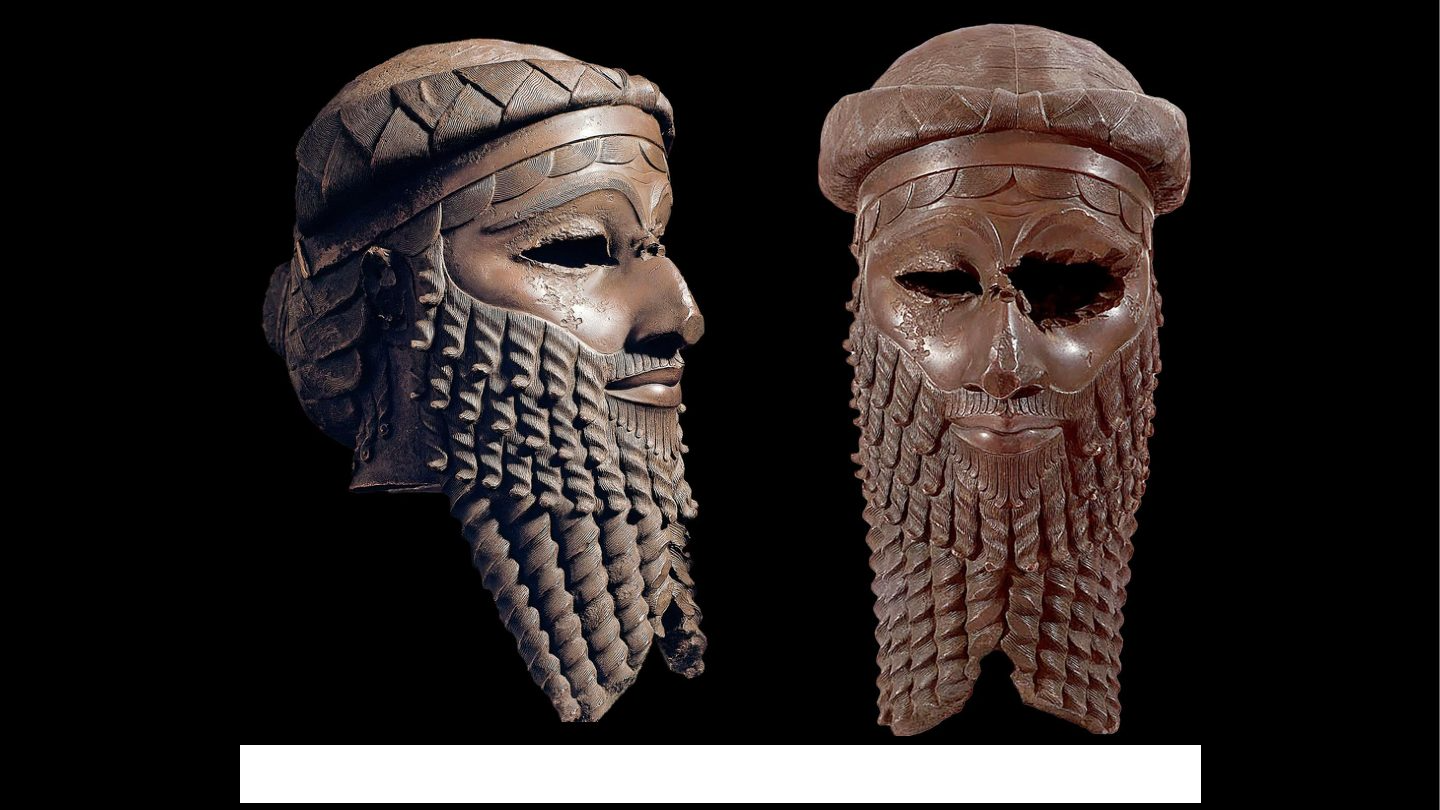
Location?
Nineveh (modern Ninua), Iraq

Date?
ca. 2300–2200 BCE

Significance?
Likely a Sargon-dynasty king; lost-wax cast bronze — a major technical achievement; deliberately damaged (eyes gouged out, ears/beard chipped), possibly during a later conquest.
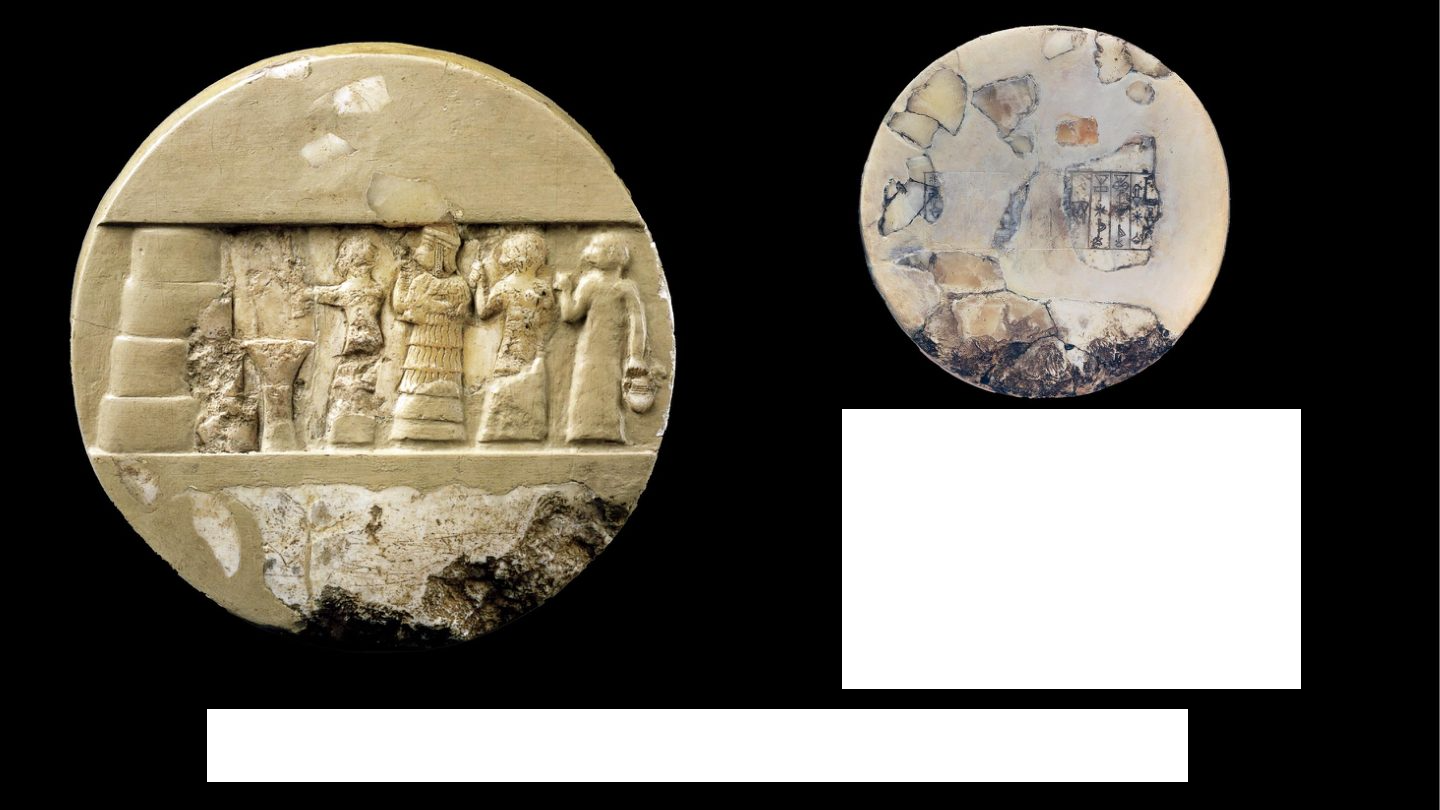
Title?
Enheduanna Disk

Culture?
Akkadian

Location?
Ur (modern Tell Muqaiyir), Iraq

Date?
ca. 2350–2300 BCE

Significance?
Enheduanna, daughter of Sargon and high priestess of Nanna, is the earliest author known by name in world history; the disk records her dedication of an altar.

Title?
Victory Stele of Naram-Sin

Culture?
Akkadian

Location?
Found at Susa (modern Shush), Iran; originally Sippar, Iraq

Date?
2254–2218 BCE

Significance?
Naram-Sin shown larger than all other figures, wearing a horned crown of divinity, climbing toward astral symbols — breaks with earlier register format to show him ascending a mountain.
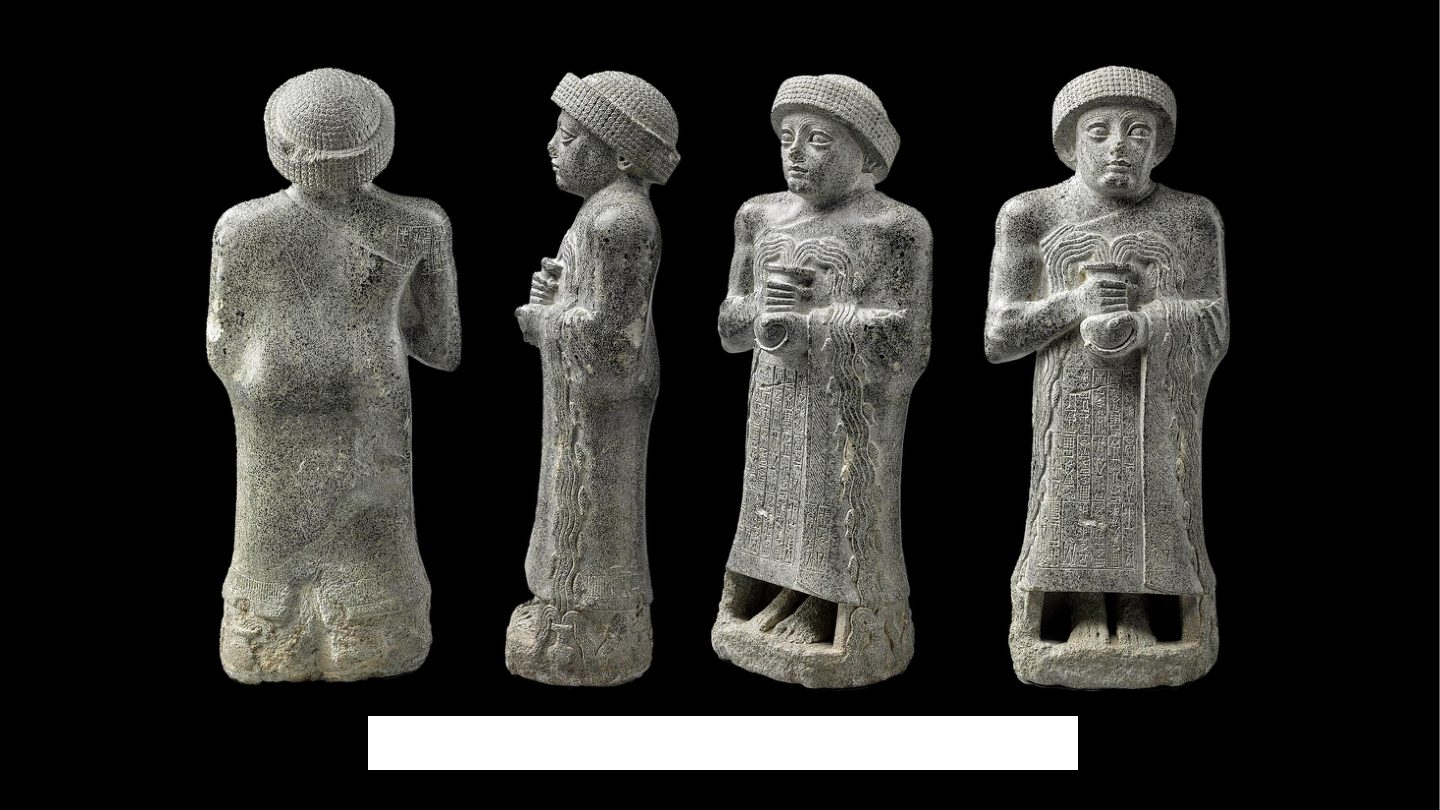
Title?
Votive Statue of Gudea
Culture?
Sumerian (Neo-Sumerian)
Location?
Girsu (modern Telloh), Iraq
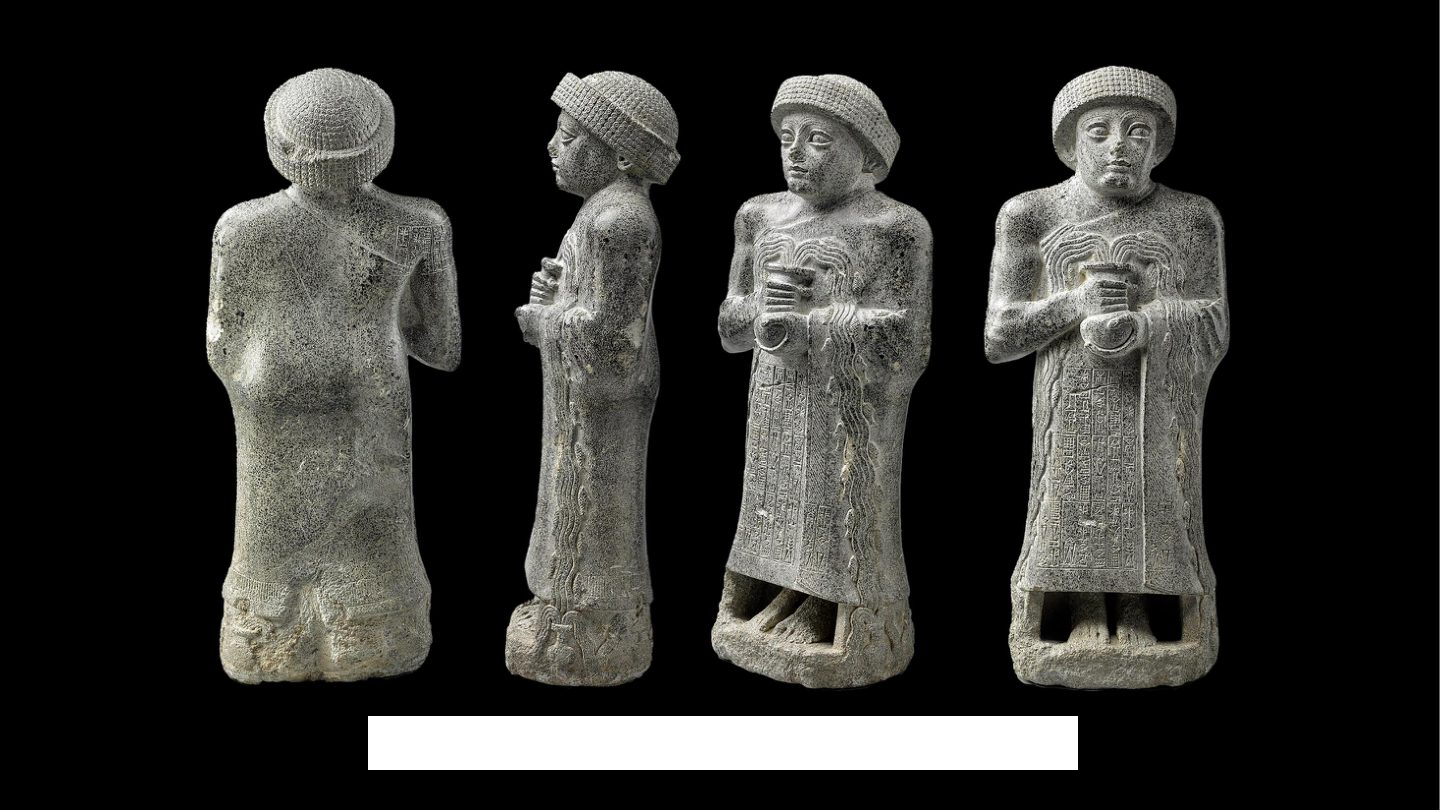
Date?
ca. 2090 BCE

Significance?
Gudea, ruler of Lagash, commissioned many statues of himself in hard imported diorite, often inscribed with dedicatory texts, placed in temples for eternal prayer.
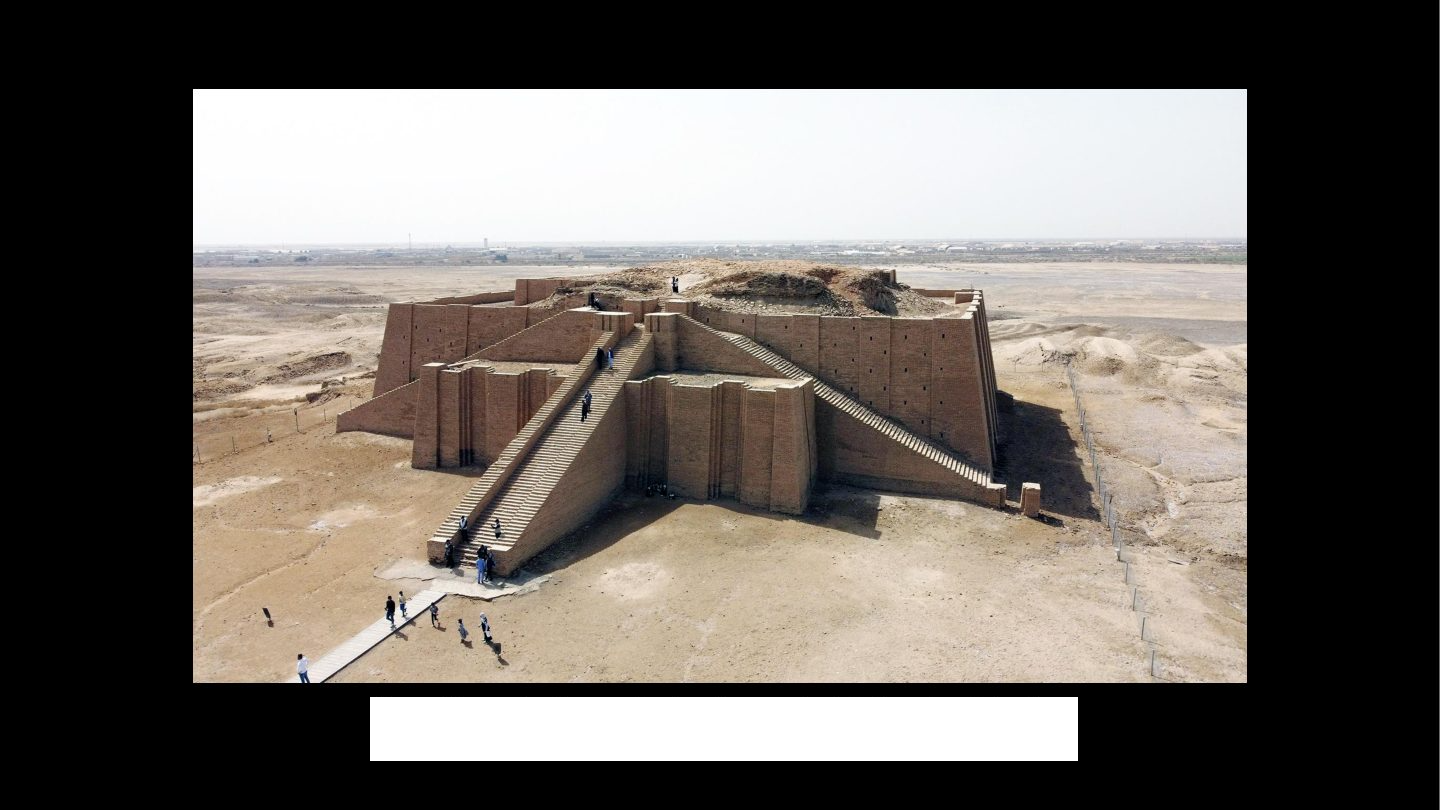
Title?
Nanna Ziggurat

Culture?
Sumerian (Neo-Sumerian)

Location?
Ur (modern Tell Muqaiyir), Iraq

Date?
ca. 2100–2050 BCE
Significance?
Massive stepped temple platform dedicated to the moon god Nanna; monumental staircases lead to a temple on top, elevating ritual above the city.

Title?
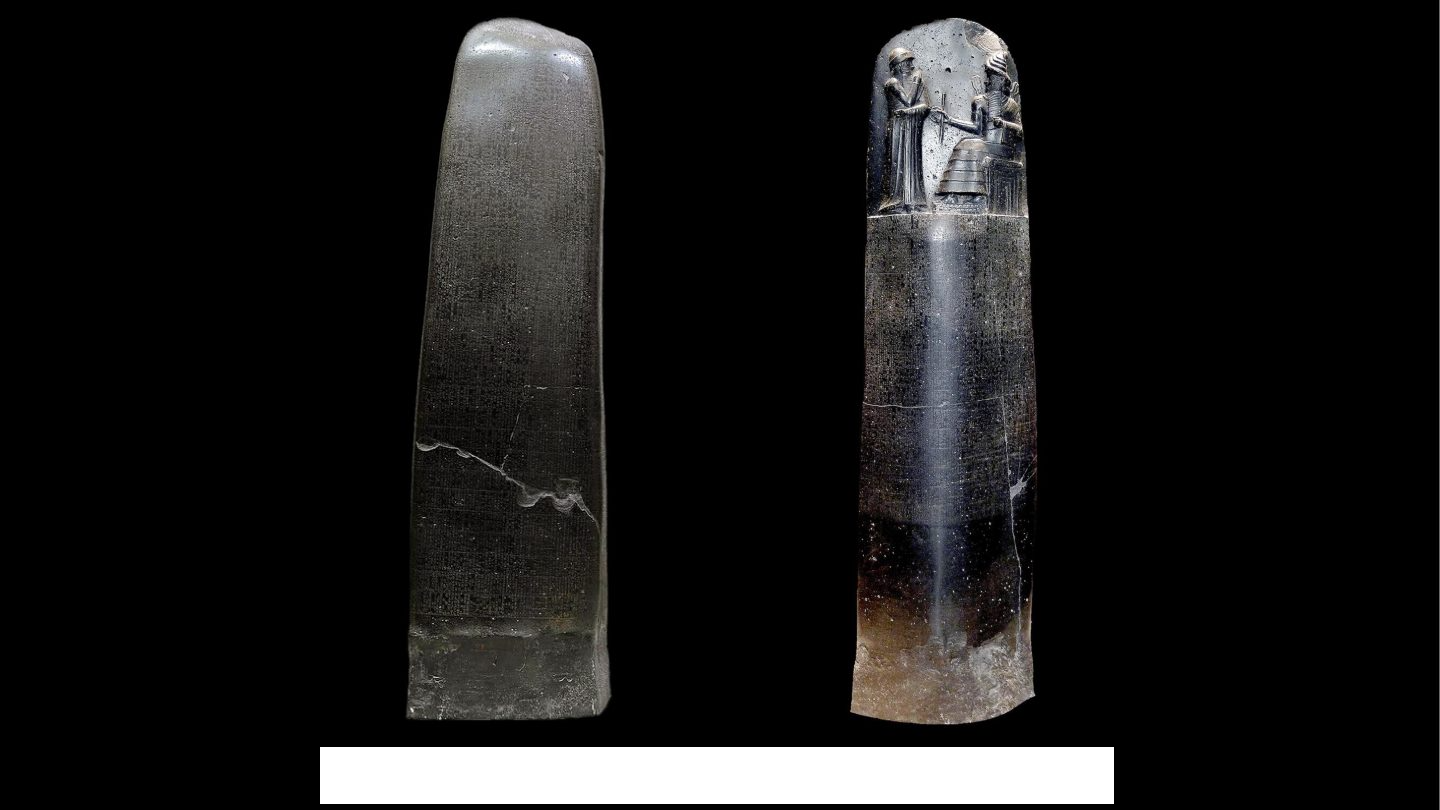
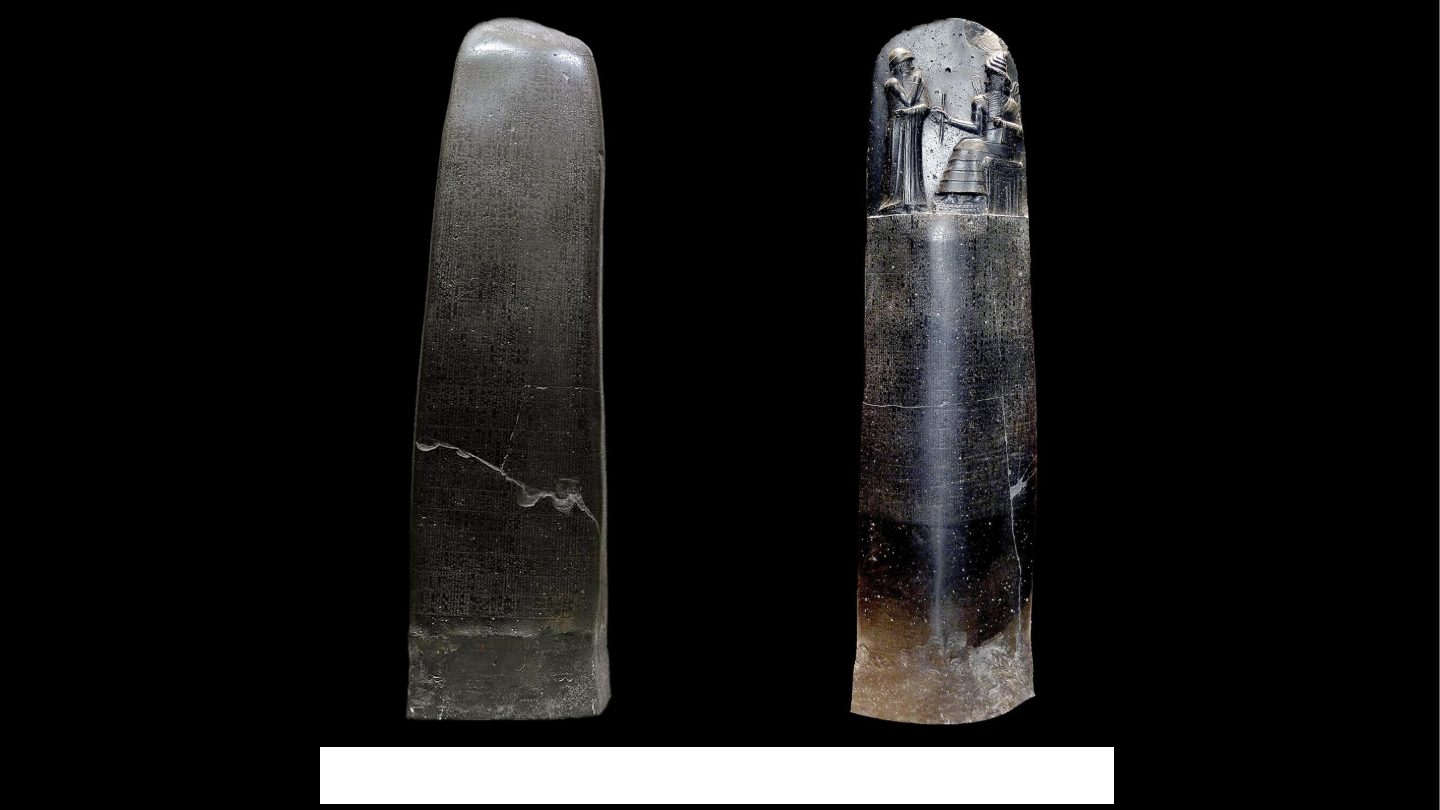
Stele of Hammurabi
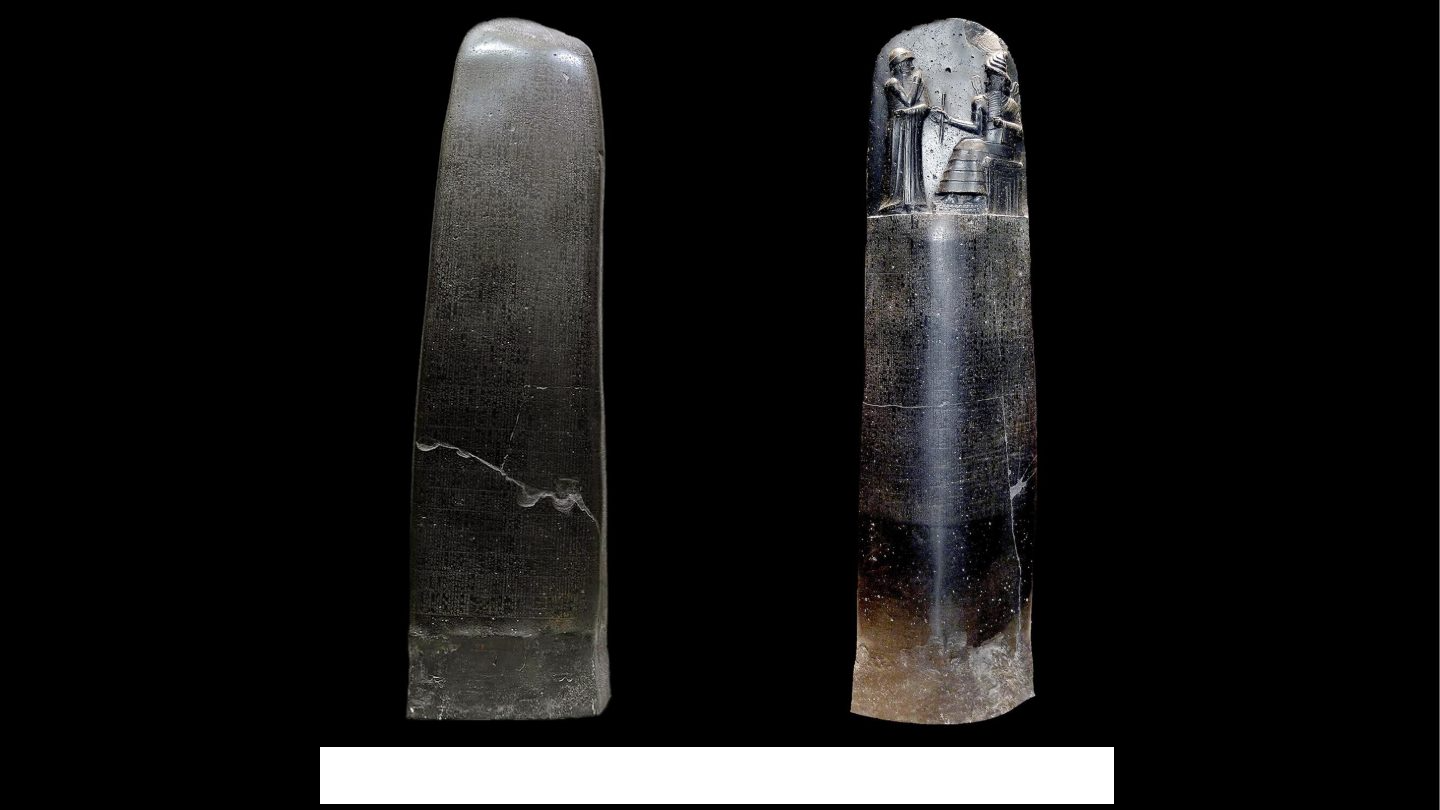
Culture?
Babylonian
Location?
Found at Susa (modern Shush), Iran; probably from Sippar, Iraq
Date?
ca. 1792–1750 BCE

Significance?
Inscribed with one of the earliest and most complete law codes; relief at top shows Hammurabi receiving authority (a rod and ring) from the sun/justice god Shamash.

Title?
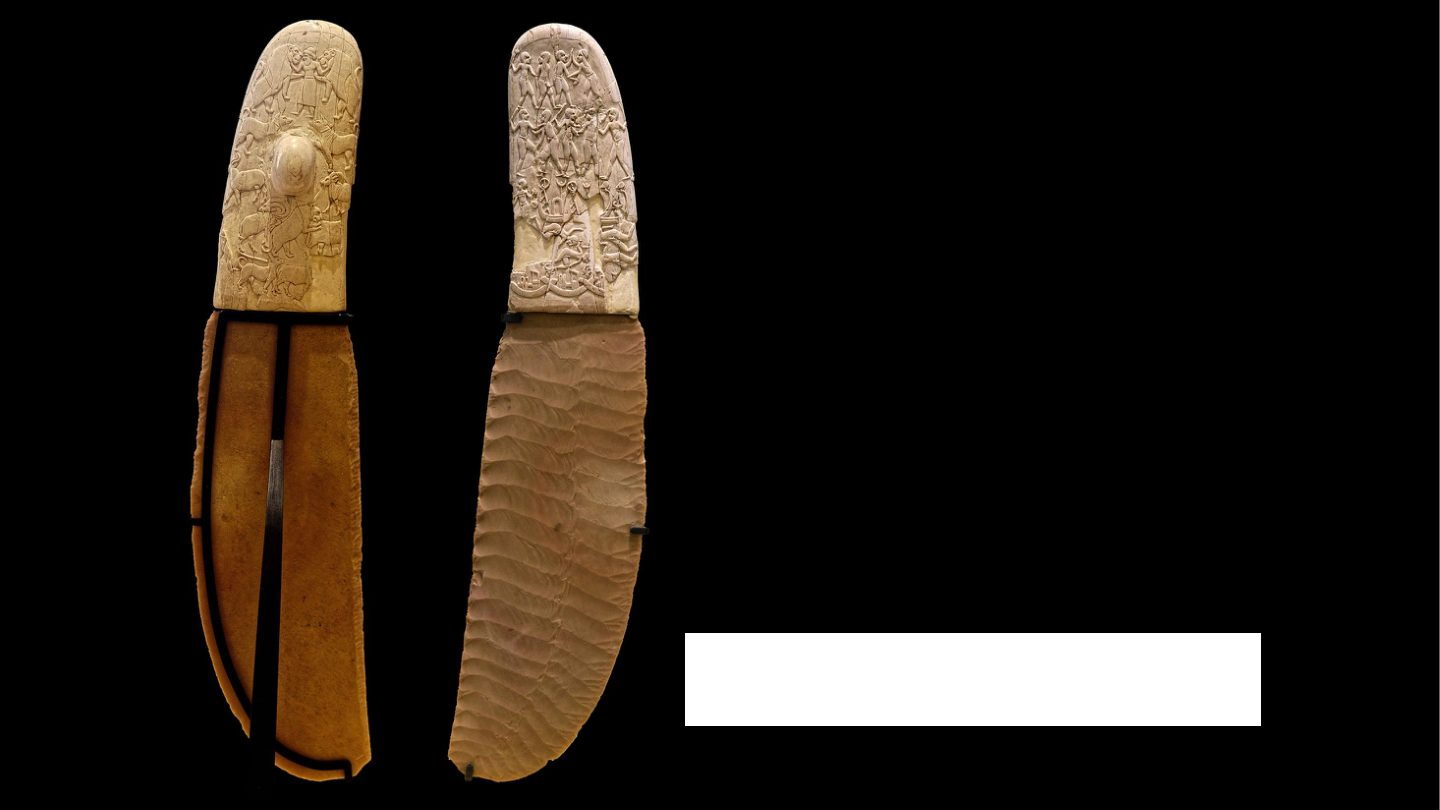
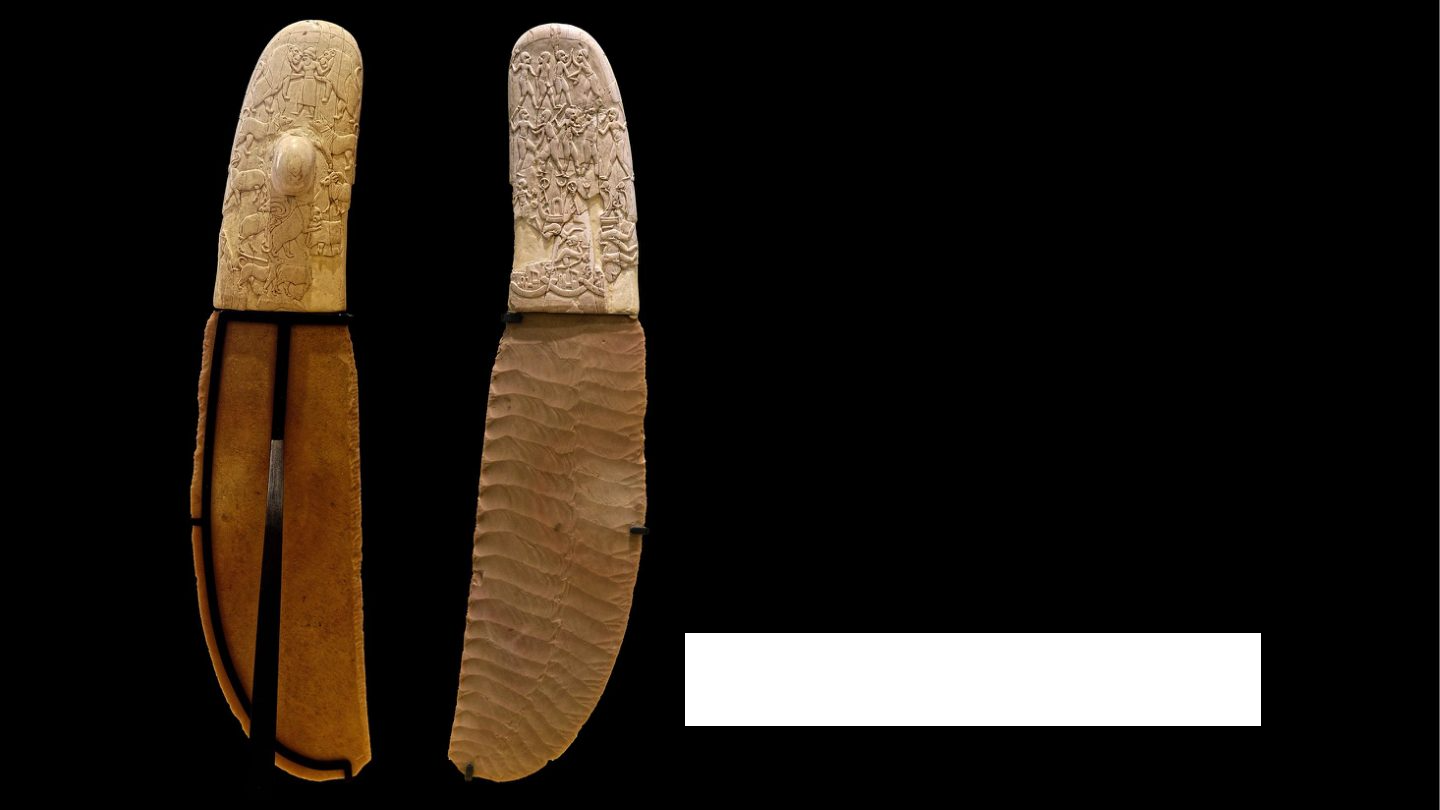
Gebel el-Arak Knife
Culture?
Egyptian (Pre-Dynastic)

Location?
Abydos, Egypt
Date?
ca. 3600–3300 BCE
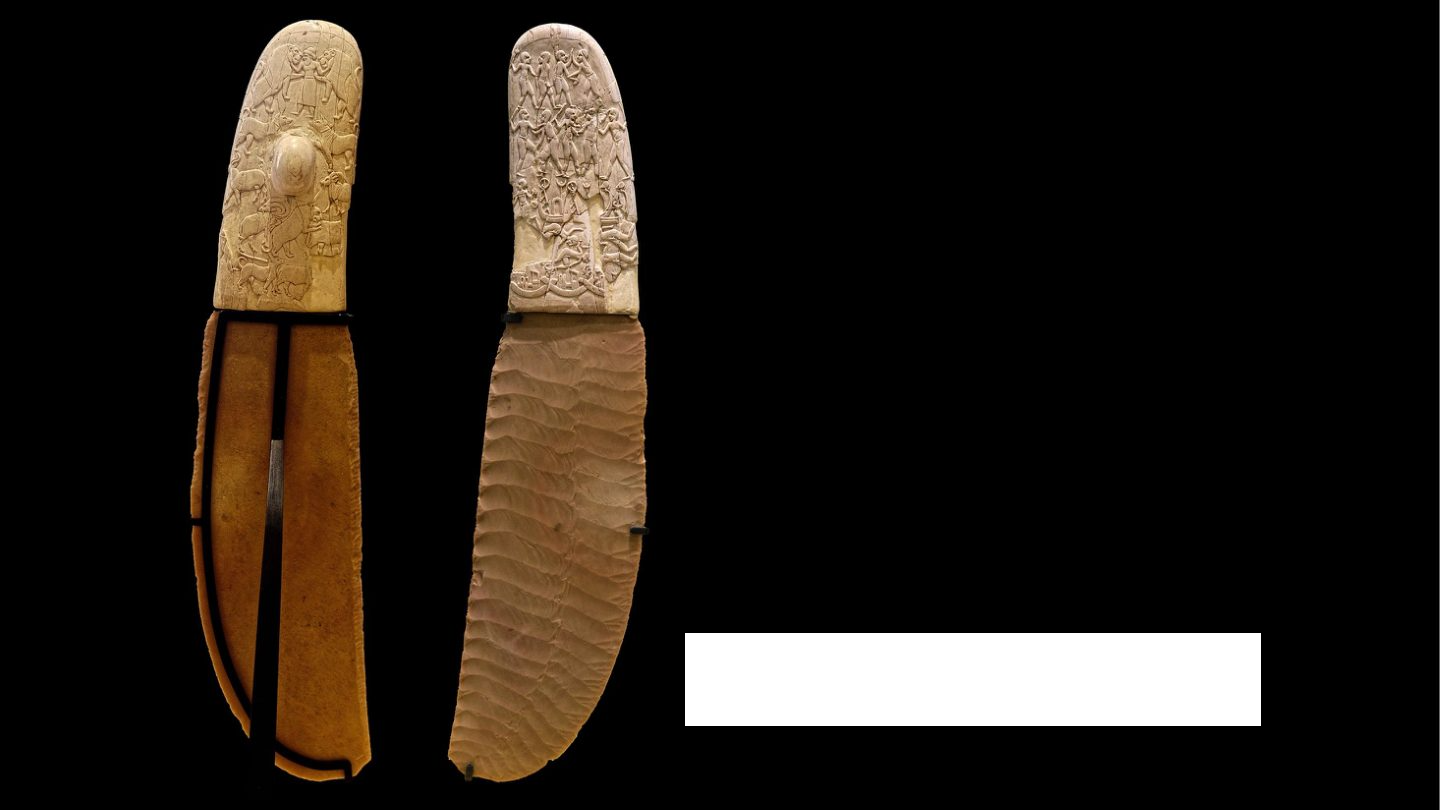
Significance?
Flint blade (still showing knapping skill) paired with a carved ivory handle showing a Mesopotamian-style 'master of animals' figure and a battle scene — evidence of early Egypt–Mesopotamia contact.

Title?
Gebel el-Arak Knife (handle detail)

Culture?
Egyptian (Pre-Dynastic)
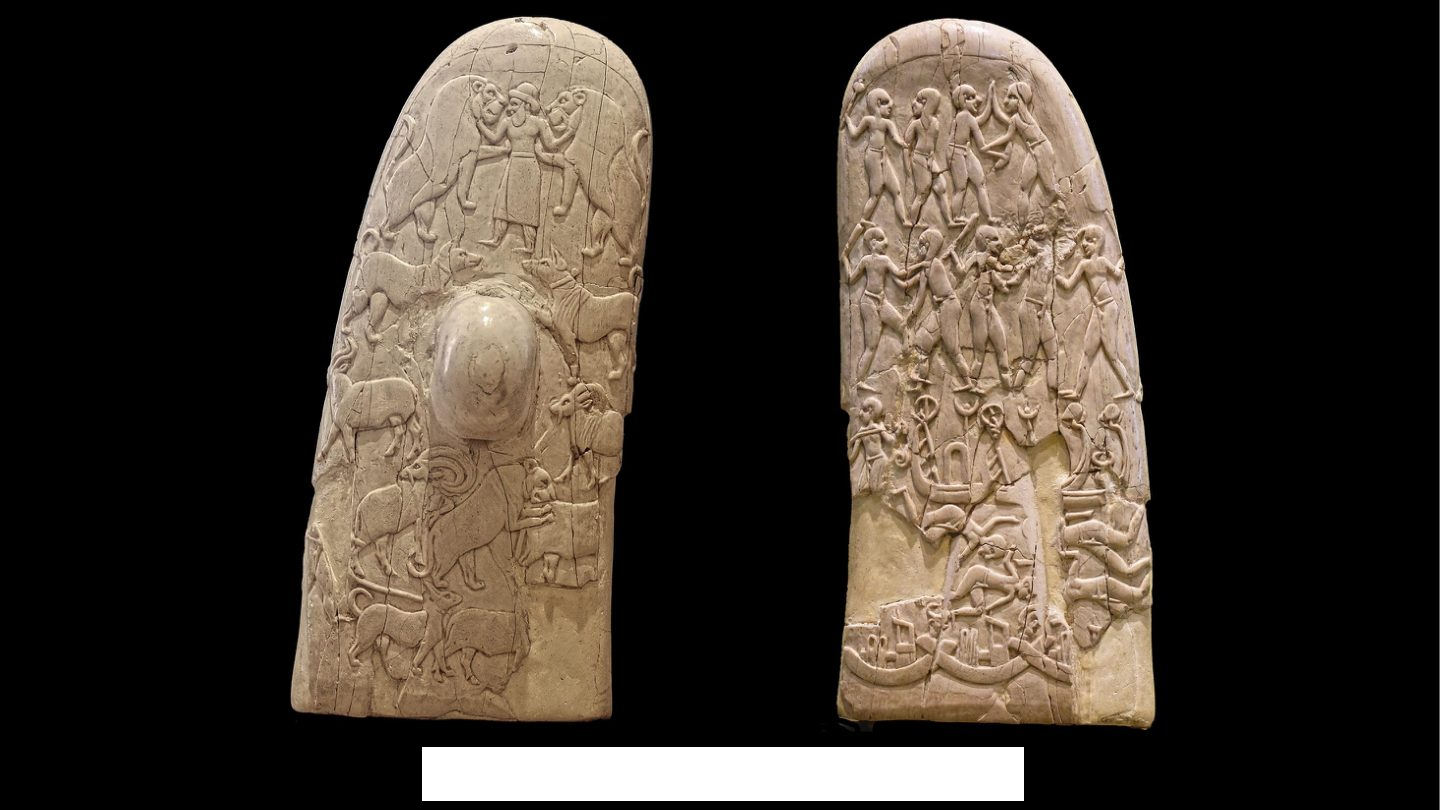
Location?
Abydos, Egypt

Date?
ca. 3600–3300 BCE

Significance?
Detail of the carved handle: one side shows a hero grasping two lions (Mesopotamian iconography); the other shows a river battle with boats — a possible narrative of conquest or unification.