APEX: MOCK EXAM 6
 Call Kai
 Learn
Learn Practice Test
 Spaced Repetition
 Match
Match Flashcards
 Knowt Play
1/103

There's no tags or description
Looks like no tags are added yet.
Name | Mastery | Learn | Test | Matching | Spaced | Call with Kai | Chat |
|---|
No analytics yet
Send a link to your students to track their progress
104 Terms
Permissive hypercapnia is best suited for a patient with:
A. Pulmonary hypertension.
B. ARDS.
C. Cor pulmonale.
D. Cerebral trauma.
B. ARDS
Permissive hypercapnia is a ventilatory strategy that trades off strict control of PaCO2 in exchange for minimizing mean airway pressure. This is grounded in the basis that most patients tolerate some degree of hypercapnia without complications.
This technique has been used with success in the patients with ARDS, where increased mean airway pressure contributes to airway trauma. These patients also benefit from low tidal volumes (
Identify the theoretical basis, that best explains the clinical benefit of recruitment maneuvers during one lung ventilation:
A. Improves oxygenation
B. Preserves hypoxic pulmonary vasoconstriction.
C. Facilitates carbon dioxide clearance.
D. Minimizes volutrauma.
A. Improves oxygenation
Alveolar recruitment maneuvers are a technique that aims to improve oxygenation by converting zone 3 alveoli zone 2 alveoli; said another way, ARMs reduce shunt fraction by reversing Anesthesia-induced atelectasis.
Glossopharyngeal nerve block:
To perform a glossopharyngeal block, the needle is inserted at the base of the Palatoglossal arch (anterior tonsillar pillar) at depth of 0.25-0.5cm. Next you must aspirate the syringe; If you get air, the needle is too deep. if you get blood, then the needle should be withdrawn and redirected medically (the carotid artery is very close and intravascular injection can produce a seizure). Once correct needle position is establish 1-2 mL of LA is injected on both sides of the mouth.
THIS BLOCK ANESTHETIZES THE FOLLOWING STRUCTURES :
Soft palate
Oropharynx
Tonsils
Posterior 1/3 of tongue
Vallecula
Anterior side of epiglottis
** recall that the glossopharyngeal nerve serves as the AFFERENT limb of the gag reflex **
Identify the best diagnostic test for pulmonary gas exchange.
A. Forced vital capacity.
B. Maximum voluntary ventilation.
C. Diffusing capacity of carbon monoxide.
D. Forced exploratory volume in 1 second.
C. Diffusing capacity of carbon monoxide.
The lungs' ability to transfer gas from the Alveoli to the blood is measured by the diffusing capacity of carbon monoxide (DLCO). As such, it is useful in the diagnosis of intrinsic lung diseases that affect the alveolar capillary membrane such pulmonary fibrosis.
The normal value is 17-25ml/min/mmhg and a value 40% below normal is associated with increased risk. This test is useful for predicting complications following lung resection.
All the other answer choices are test of pulmonary airflow (how quickly air can be moved in and out of the lungs over time).
Choose the best oxygen sources for transtracheal jet ventilation through a large bore IV catheter placed through the cricothyroid membrane. Select 2
Reservoir bag in the circle system
Oxygen flush valve on the Anesthesia workstation
Self resuscitation bag with oxygen flow at 10 L
Oxygen tank with the pressure regulator
Oxygen flush valve on the Anesthesia workstation
Oxygen tank with the pressure regulator
During a Nissan fundoduplication, crepitus is observed around the patient's neck and face. Identify the most important anesthetic considerations for this complication. Select 2
Consider postoperative mechanical ventilation
Perform Durant maneuver
Auscultate the chest
Reduce TV
Consider postoperative mechanical ventilation
Auscultate the chest
During laparoscopic surgery, a misplaced trocar can result in subcutaneous absorption of carbon dioxide. CO2 that accumulates under the skin is called crepitus, and a Nissan fundoplication carries a higher risk of this complication.
Additionally, excess CO2 in the body produces hypercarbia, which activates the SNS, which may manifest his tachycardia, hypertension and cardiac dysrhythmias.
Ask the surgeon to reduce intra-abdominal pressure or stop pneumoperitoneum if possible. the patient should be placed 100% oxygen, discontinue N2O immediately and then assess the patient for pneumothorax by auscultating the lungs. Increase ventilation to foster CO2 elimination lung and chest wall compliance may be reduced .
Airway may be compromised; may require post op mech vent
During left pneumonectomy and the lateral decubitus position, the SPO2 declined from 94% to 88% which factors are most likely responsible for this finding. Select 2.
Hypothermia
Nitroglycerin
Ketamine
Tv 6ml/kg
Hypothermia & nitroglycerin
This question asks which factors inhibit or oppose the efficacy of hypoxic pulmonary vasoconstriction. here they are:
Volatile anesthetics > 1.5 MAC
Vasodilators (NTG, nitroprusside, PDE inhibitors, some CCBs)
Vasoconstrictors (neo, Epi, dopamine)
Phosphodiesterase inhibitors
Hypervolemia (LAP > 25mmhg)
Hemodilution
Excessive PEEP
Large tidal volume
Alkalosis (Hypocapnia)
Hypothermia
IV anesthetics do not affect HPV
Compared to the healthy lung, which lung volume undergoes the greatest increase in the patient with emphysema?
A. Residual volume
B. Tidal volume
C. Expiratory reserve volume
D. Inspiratory reserve volume
A. Residual volume
And a patient with emphysema gas trapping due to premature airway closure increases the residual volume. This also explains why the FRC is increased in this patient population.
What is the maximum volume of air that can be injected into an LMA that is appropriate for 15 kg patient?
10ml
LMA SIZE:
1 (
1.5 (5-10kg) —> 7ml
2 (10-20kg) —> 10ml
2.5 (20-30kg) —> 14ml
3 (30-50kg) —> 20ml
4 (50-70kg) —> 30ml
5 (70-100kg) —> 40ml
6 (>100kg) —> 50ml
Match each etiology of postoperative hypoxemia with its BEST example
Shunt
Diffusion limitation
Hypoventilation
Excessive fluid administration
Excessive oxygen administration
Excessive opioid administration
Shunt- excessive oxygen administration (100%) can cause shunt as a function of absorption atelectasis
Diffusion limitation- excessive fluid administration can cause pulmonary edema, which produces a diffusion limitation.
Hypoventilation- excessive opioid admin can cause hypoventilation as a function of respiratory depression.
Match each receptor with its physiologic effect.
Alpha-2
Alpha-1
Beta-1
Beta-2
Increased renin release
Reduced serum potassium
Arterial vasoconstriction
Decreased insulin secretion
Alpha-2: decreased insulin secretion
Alpha-1: arterial vasoconstriction
Beta-1: increased renin release
Beta-2: reduced serum potassium
For the pt on ACE inhibitor therapy, which drugs are indicated in the setting of vasoplegic syndrome unresponsive to first-line interventions? Select 2
Ondansetron
Methergine
Vasopressin
Methylene blue
Vasopressin
Methylene blue
There are three systems that regulate blood pressure, the sympathetic nervous system, the renin angiotensin aldosterone system, and the vasopressin system
It's well recognized that anesthetic agents attenuate sympathetic activity, so there's a greater reliance on the RAAS and the vasopressin system to support blood pressure during general anesthesia. And the patient on an ace inhibitor or angiotensin receptor blocker that RAAS pathway is also also attenuated thus there is an even greater reliance on the vasopressin system and instances this is not enough to maintain hemodynamics stability, and this helps to explain why vasoplegia (severe hypotension unresponsive to conventional therapy) is a fear, complication and surgical patients who continue ace inhibitor or ARB Preoperatively
Which component of the sympathetic nervous system forms, the white rami?
A. Stellate ganglion.
B. Postganglionic bouton
C. Pre-ganglionic neuron
D. Dorsal nerve root.
C. Pre-ganglionic neuron
In the sympathetic nervous system system, the preganglionic fibers exit the spinal cord via the ventral nerve roots. These fibers enter the sympathetic chain (T1-L2) by way of the white rami. They're called white rami because they're myelinated.
Expected consequences of an interscalene block include all of the following, except:
A. Anhydrosis
B. Diaphragmatic hemiparesis
C. Upper eyelid drooping
D. Pupillary dilation
D. Pupillary dilation
Stellate ganglion blockage is often an unintended consequence of a brachial plexus block where it can manifest as Horner's syndrome on the ipsilateral side
Signs include:
Miosis ( pupillary constriction)
Ptosis (upper eyelid, drooping)
Anhydrosis (inability to sweat)
Enopthalamos (an eyeball that appears sunken into the orbit)
Other etiologies of Horners syndrome include:
CVA
Dissection or aneurysm of the internal carotid artery
Demyelinating disease
Idiopathic
Trauma
Tumor
Diaphragmatic hemi paresis occurs nearly 100% of the time following interscalene blockade. Keep this in mind w/ the patient with severe COPD.
Which receptor participates in a presynaptic negative feedback mechanism?
A. Alpha-1
B. Beta-2
C. Alpha-2
D. Beta-1
C. Alpha-2
The pre-synaptic, alpha to receptor creates a negative feedback mechanism, where receptor stimulation reduces nor epinephrine release
Step 1: NE is released into the synaptic cleft
Step 2: NE stimulates the presynaptic, alpha-2 receptor (decreased cAMP)
Step 3: less NE is released into the synaptic cleft as a result of Alpha-2 stimulation
Presynaptic alpha-2 stimulation and the CNS explains how alpha-2 agonist produce analgesia (dorsal horn), sedation (locus coerulus), and decreased SNS output (medulla).
What is the primary action of acetylcholine in the sympathetic ganglia?
A. Decreased inositol triphosphate synthesis
B. Increased sodium conductance
C. Increased cAMP production
D. Decreased potassium influx
B. Increased sodium conductance
The autonomic ganglion is where the pre-and postganglionic neurons meet
The pre-ganglionic neuron releases acetylcholine onto a nicotinic type N receptors on the cell body of the postganglionic neuron. Stimulation of the nicotinic receptor increases sodium conductance, which allows the action potential to propagate along the postganglionic nerve.
This physiology is the same for the SNS and PNS ganglia. The adrenal medulla is the exception, because the preganglionic fibers bypass the sympathetic chain to directly innervate adrenal medulla.
Match each cardiovascular reflex to the event, most likely to precipitate it.
Bainbridge
Celiac
Bezold-Jarisch
Cushing
Spinal Anesthesia
Head trauma
Pneumoperitoneum
Childbirth
Bainbridge: increases HR in the setting of venous congestion (preload is too high). This can occur during childbirth.
Celiac: initiated by traction to the mesentery or other abdominal organs. This reflex is mediated by the vagus nerve and causes bradycardia and hypotension. It can occur during laparoscopy when gas is insufflated into the abdomen or thorax.
Bezold-Jarisch: slows the HR in the setting of profound hypovolemia (preload is too low). This can occurred during spinal anesthesia, where it can cause cardiac arrest.
Cushing: a sign of intracranial HTN. this reflex presents with HTN, bradycardia and irregular respirations. HTN is the body's attempt to restore CPP, bradycardia is from the baroreceptor reflexes response to HTN, and irregular respirations are the result of brainstem compression; can occur following severe head trauma.
Nitroglycerin produces venodilation by altering the concentration of what second messenger?
A. Adenylate Cyclase
B. Calcium.
C. Cyclic guanosine monophosphate
D. Inositol phosphate
C. Cyclic guanosine monophosphate
Nitric oxide pathway :
Nitric oxide synthesis produces nitric oxide from arginine and oxygen.
Nitric oxide diffuses into the muscle cell where activates cGMP (2nd messenger). Next, cGMP activates protein kinase G, which produces smooth muscle relaxation.
Nitroglycerin and nitroprusside increase the concentration of NO, which explains the vasodilating effects of these agents. Nitroglycerin primarily affect the venous arterioles; nitro affects BOTH the arterial and venous arterioles.
What does the "a wave" on CVO tracing correspond to on the cardiac cycle (wiggers diagram) on the area of the ventricular pressure waveform?
The a wave corresponds with atrial contraction; Mitral valve closure.
What is the most common etiology of constrictive pericarditis?
A. Cardiac surgery.
B. SLE
C. Viral infection
D. Dressler syndrome
A. cardiac surgery
Constrictive pericarditis, most common causes : idiopathic, radiation, or previous cardiac surgery
Which of the following are most likely to reduce stroke volume and the patient with hypertrophic cardiomyopathy? Select 3
Phenylephrine
Reverse Trendelenburg position
Intrathecal Anesthesia
Desflurane
500ml 0.9% NACL bolus
Cisatracurium
Reverse Trendelenburg position
Intrathecal Anesthesia
Desflurane
In the patient with hypertrophic cardiomyopathy we are always concerned about left ventricular outflow tract obstruction.
There are four conditions that increase the risk of LVOT obstruction: decreased preload, decreased afterload, increased heart rate, increased contractility.
1. Conditions that decrease preload:
Vasodilators
Neuraxial Anesthesia
Hypovolemia
Postural changes (RT)
Positive pressure ventilation
Valsalva maneuver
2. Conditions that decrease afterload:
Vasodilators
Neuraxial Anesthesia
Oxytocin
3. Conditions increase heart rate:
Beta agonists
Ketamine
Pancuronium
Desflurane
Oxytocin
Light Anesthesia
Histamine, releasing drugs (morphine, meperidine, thiopental, atracurium)
4. Conditions that increase contractility:
Beta agonists
Digoxin
Light anesthesia
Thrombosis of the artery of Adamkiewicz will most likely present with:
A. Spastic paralysis of lower extremities
B. Lower extremity pain.
C. Impaired neurotransmission along the dorsal column.
D. Urinary incontinence
D. Urinary incontinence
The spinal cord blood supply consists of :
2 posterior spinal arteries (dorsal cord= sensory)
1 anterior spinal artery (anterior cord=motor)
The anterior spinal artery is supplied by the vertebral arteries, as well as 6-8 radicular arteries that arise from the aorta. Collateralization is poor, making much of the anterior spinal cord dependent on a single blood supply.
the artery of Adamkiewicz perfuses much of the thoracolumbar cord, making it the most important radicular artery. It arises between T8-T12 in 75% of the population.
Aortic cross-clamping can impair flow through this artery, there is an increased risk of spinal cord ischemia or infarction. This can cause anterior spinal artery syndrome (Becks syndrome).
S/S:
Flaccid paralysis of the lower extremities (impaired motor tracts)
Bowel and bladder dysfunction (impaired motor tracts)
Loss of temperature and pain sensation (impaired spinothalamic tract)
Touch & proprioception preserved
An increase in which parameters contributes to hemodynamic stability in the patient with aortic stenosis? Select 2
Afterload
Heart rate
Preload
Contractility
Afterload & preload
Anesthetic goals for the patient with aortic stenosis :
Preload : increase
Contractility: normal
Afterload: normal/ slight increase
Heart rate : normal/low
Heart rhythm : NSR
Which region of the pressure volume loop corresponds with the S3 heart sound?
Left lower corner
The S3 heart sound is best heard during the middle 1/3 of diastole after S2 .
It creates a gallop rhythm suggestive of heart failure, although it is often a normal, finding in children and teens
Remember, the pressure loop does not express time. The correct answer is based on the fact that S3 occurs just after S2 (aortic valve closure)
Match each Debakey aortic aneurysm classification type with its best descriptor:
Type 1
Type II
Type. III
Ascending aorta only
Ascending and descending aorta
Descending aorta only
Type I: ascending & descending aorta
Type II: ascending aorta only
Type III: descending aorta only
Pneumonic BAD
Type I: Both
Type II: Ascending
Type III: Descending
Which arteries arise from the left coronary artery? Select 2
Circumflex
Right marginal
Anterior interventricular
Posterior descending
Circumflex
Anterior interventricular
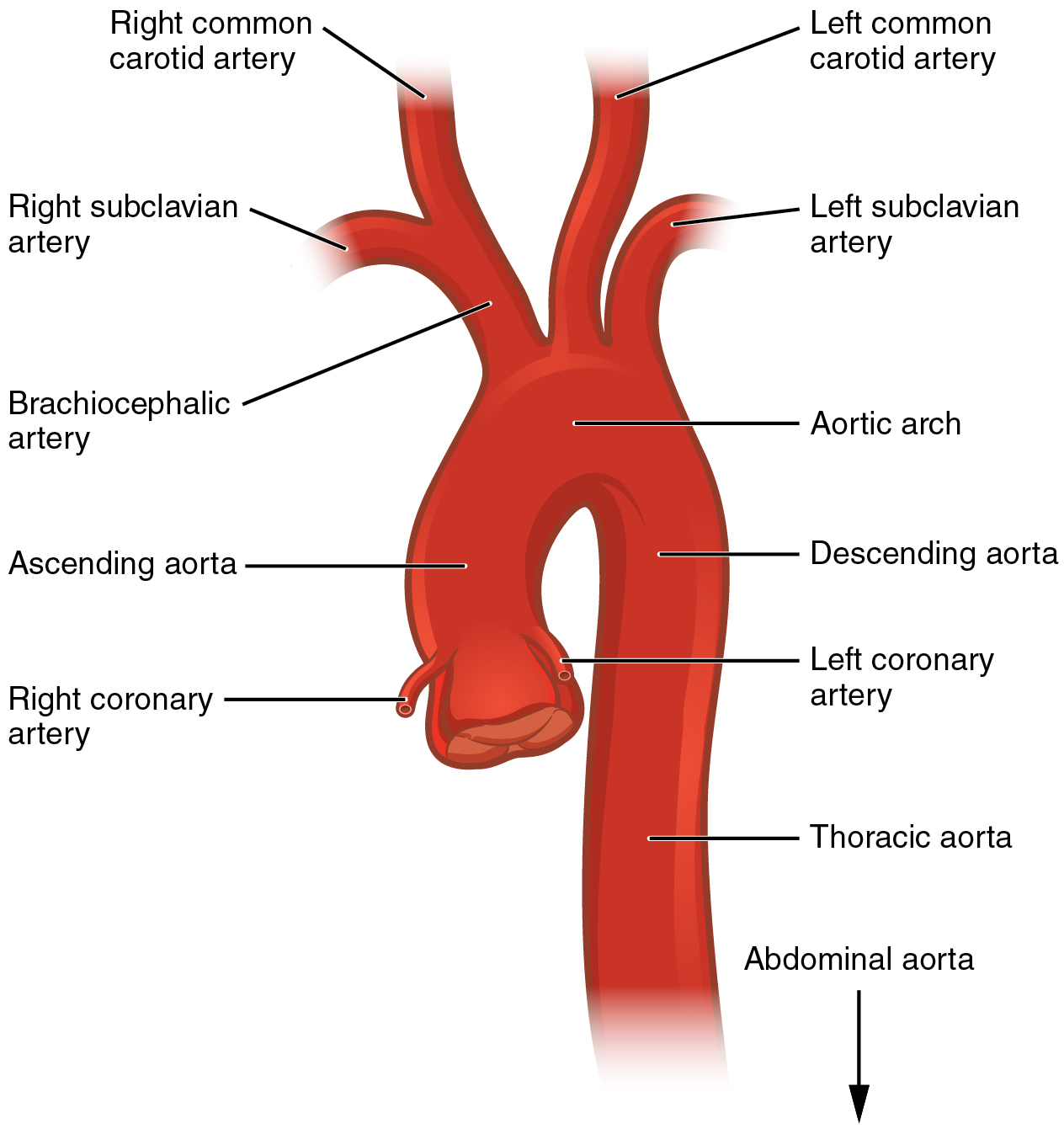
The left and right coronary arteries are the first branches of the aorta.
The left coronary artery gives rise to the circumflex and anterior interventricular arteries
The right coronary artery gives rise to the posterior, descending and right marginal arteries
Place the arteries in the correct order as they arise from the aorta.
(1 is most proximal to the aortic valve, and 4 is the most distal from the aortic valve).
Innominate
Left common carotid
Left subclavian
Left coronary
1. Left coronary.
2. Innominate “Brachiocephalic”
3. Left common carotid.
4. Left subclavian.
After 3 half-times, 12.5mg of an IV drug remains in the patient circulation. What was the original dose that was administered?
100mg
Elimination half-time (t1/2) is the time required for a drugs plasma. Concentration to decline by 1/2 after a rapid IV bolus.
After 1 half-time: 50% of the drug is eliminated and 50% remains
After 2 half-times: 75% of the drug is eliminated in 25% remains
After 3 half-times: 87.5% of the drug is eliminated and 12.5% remains
After 4 half-times: 93.75% of the drug is eliminated and 6.25% remains
After 5 half-times: 96.875% of the drug is eliminated and 3.125% remains
Match each drug with its pharmacodynamic effect:
Buprenorphine
Glycopyrrolate
Propofol
Aspirin
Partial agonist
Full agonist
Competitive antagonist
Noncompetitive antagonist
Buprenorphine: partial agonist
Glycopyrrolate: competitive antagonist
Propofol: full agonist
Aspirin: non-competitive antagonist
Propofol is a full agonist at the GABA-A receptor, increasing chloride conductance, hyperpolarizes neurons
Buprenorphine is a partial mu agonist it binds to the mu receptor, but it is only capable of partially turning on a cellular response. It is less efficacious than a full mu agonist.
When an acetylcholinesterase inhibitor is given to antagonize a nondepolarizing, neuromuscular blocker, an anticholinergic, such as glycopyrrolate, is given to antagonize the muscuranic effects of the acetylcholinesterase inhibitor . The quality of this effect is a function of the relative balance between acetylcholine and Glycopyrrolate.
Match each drug interaction with its best example:
Synergism
Addition
Antagonism
Potentiation
Fentanyl plus naloxone
Lorazepam plus diazepam
Propofol plus midazolam
Penicillin plus probenecid
Synergism: midazolam plus propofol
Addition: lorazepam plus diazepam
Antagonism: fentanyl plus naloxone
Potentiation: penicillin, plus probenecid
Addition (1+1 = 2)
Effect of two drugs, given at the same time, or added to each other
Synergism (1+1 = 3)
Effective two drugs at the same time is greater than the sum of their individual effects
Potentiation (1+0=3)
Effect of one drug is enhanced by a drug that has no effect of its own
Antagonism (1+1=0)
Simultaneous administration of one drug cancels out the effect of a second drug
Which concept is most useful and predicting the time to recovery following a six hour infusion of fentanyl?
A. Loading dose.
B. Elimination half-life
C. Volume of distribution.
D. Context, sensitive half-life
D. Context, sensitive half-life
The context, sensitive halftime for a fentanyl infusion, increases as a function of how long it was infused. A longer infusion allows for more time to fill up the peripheral compartments. Therefore, more fentanyl has to be eliminated and it will have a longer elimination halftime. This is also true for alfentanil and sufentanil.
Remifentanil is an exception, even though it is highly lipophilic. It is quickly metabolized by plasma esterases and has a similar context, sensitive halftime, regardless of how long it is infused.
The problem with elimination half-life is that it does not take context of "time" into account
What is the MAC of Desflurane at an elevation of 10,000 ft
(Atmospheric pressure =534)
MAC is established by the partial pressure (not vol %) of a volatile anesthetic in the brain and spinal cord. Therefore, MAC is variable as a function of atmospheric pressure.
1. Convert vol% to mmhg at sea level
6.6% x760mmhg = 50.16mmhg
2. Convert mmhg to vol% at new altitude
50.16mmhg/534mmhg = 9.4%
Identify risk factors for cobalamin deficiency. Select 3
Chronic ETOH
pernicious anemia
Youth
Frequent consumption of energy drinks
Obesity
Vegan diet
Chronic ETOH
pernicious anemia
Vegan diet
Cobalamin is another word for vitamin B12
Nitrous oxide irreversibly inhibits B12, which inhibits methionine synthase (enzyme required for folate metabolism and myelin production). This has several potential side effects:
Megaloblastic anemia (bone marrow suppression)
Neuropathy
Immunocompromise
Impaired DNA synthesis
Concern for teratogenicity
Possible risk of spontaneous abortion
Homocysteine accumulation
The risk of complications is increased by prolonged exposure to N20 and in pts with pre-existing B12 deficiency: pernicious anemia, alcoholism, strict vegan diet, & recreational use N2O
A disorder of which electrolyte is MOST likely to affect the MAC of the isoflurane?
A. Potassium
B. Sodium
C. Magnesium
D. Chloride
B. Sodium
Increased Na increases MAC
Decreased Na decreases MAC
What is the most sensitive anesthetic endpoint?
A. Unconsciousness
B. Immobility
C. Cv depression
D. Amnesia
D. Amnesia
Another way to ask this question could've have been, which effect is most likely to occur at the lowest MAC fraction?
Values to remember:
MAC awake during emergence 0.2 MAC
Awareness prevented 0.4-0.5 MAC
MAC bar 1.5 MAC
Which drugs undergo phase 1 hydrolysis in the plasma? Select 3
Cocaine
Succinylcholine
Fospropofol
Sodium nitroprusside
Remifentanil
Codeine
Cocaine
Succinylcholine
Remifentanil
Hydrolysis is the chemical breakdown by the addition of water. In the plasma, drugs tend to undergo hydrolysis either by pseudocholinesterase or nonspecific esterases.
Drugs that undergo plasma hydrolysis by pseudocholinesterase:
NMBs: sux, mivacurium
Ester LA: cocaine, Tetracaine, procaine, chloroprocaine
Drugs that undergo plasma hydrolysis by nonspecific esterases:
Remifentanil
Atracurium (+ Hoffman)
Esmolol (RBC esterases)
Which drugs increase the plasma concentration of fentanyl at a given dose? Select 3
Ketoconazole
Ethanol
St. John wort
Erythromycin
Carbamazepine
Grapefruit juice
Ketoconazole
Erythromycin
Grapefruit juice
Fentanyl is metabolized by CYP3A4 in the liver
So whatever drugs inhibit hepatic CYP3A4
Would increase the plasma concentration of fentanyl
The other answer choices are CYP3A4 inducers—they would reduce fentanyls plasma concentration at a given dose
Which drugs antagonize the NMDA receptor? Select 3
Desflurane
Ketamine
Etomidate
Dexmedetomidine
N2O
Methadone
Ketamine
N2O
Methadone
The NMDA receptor (stimulated by glutamate) is an excitatory receptor in the central nervous system
Drugs with NMDA antagonistic properties include:
N2O
Xenon
Ketamine
Dextromethorphan (cough suppressant)
Methadone
Magnesium
An ICU pt has new onset metabolic acidosis, an increased CPK level, a Brugada-like pattern on the EKG. For the past 3 days, he's received a propofol infusion at 80mcg/kg/min. Identify the definitive tx for this condition.
A. D/C propofol
B. Vasopressin
C. Activated charcoal
D. Methylene blue
A. D/C propofol
Propofol contains long-chain triglycerides, and an increased LCT load impairs oxidative phosphorylation and fatty acid metabolism. This starves cells of oxygen, particularly in cardiac and skeletal muscle. Propofol related infusion syndrome is associated with a high mortality rate.
D/Cing the propofol infusion is the definitive tx for PRIS. Additionally, the patient may require supportive therapy inclusive of maximizing gas exchange, cardiac pacing, PDE inhibitors, glucagon, ECMO, and/or renal replacement therapy.
To reduce risk of PRIS, the infusion should be limited to
What is the BEST induction agent for the pt without IV access?
A. Etomidate
B. Fentanyl
C. Propofol
D. Ketamine
D. Ketamine
Ketamine is unique amongst induction agents, as its only one that can be given via the IM and/or PO routes
IM: 4-6mg/kg
PO: 10mg/kg (not for emergent intubation)
Which enzyme is induced by Etomidate?
A. ALA synthase
B. Tyrosine hydroxylase
C. 11-beta-hydroxylase
D. Alkaline phosphatase
A. ALA synthase
C choice is inhibited by Etomidate not induced by.
Porphyrias can be classified as acute or cutaneous.
Acute intermittent porphyria is the most common (and dangerous) type.
Porphyria is caused by a defect in gene synthesis that promotes the accumulation of heme precursors.
Heme is a key component of hemoglobin, myoglobin, and the cytochrome p450 enzymes.
Succinyl-CoA + Glycine—> ALA synthase—>Precursors—> Heme
Any drug that induces ALA synthase will accelerate the production of heme precursors and therefore must be avoided in the pt with acute intermittent porphyria.
Drugs to avoid: barbiturates, Etomidate, glucocorticoids, & hydralazine
Characteristics of mu-1 stimulation include: select 3
Urinary retention
Supraspinal analgesia
Physical dependence
Immune suppression
Bradycardia
Respiratory depression
Urinary retention
Supraspinal analgesia
Bradycardia
Mu-1:
Analgesia (Supraspinal and spinal)
Bradycardia
Euphoria
Low abuse potential
Miosis
Hypothermia
Urinary retention
Mu-2:
Analgesia (spinal only)
Respiratory depression
Constipation
Physical dependence
Mu-3: immune suppression
Excitatory pain-modulating receptor systems include: select 2
GABA-A
Alpha-2
NK-1
AMPA
NK-1
AMPA
Pain modulation primarily occurs in the substantial gelatinosa of the dorsal horn of the spinal cord.
Excitatory systems:
Substance P + NK-1 & NK-2
Glutamate + NMDA, AMPA
Inhibitory systems:
NE + Alpha-2
Glycine + chloride linked (GlyR)
Serotonin + 5-HT3
Enkephalin + Mu, delta
Which factors are MOST likely to extend the DOA of lidocaine? Select 2
HF
AKI
Cirrhosis
Ethanol intoxication
HF & Cirrhosis
Hepatic fxn is the most important factor that determines the elimination half-life of amide LA such a lidocaine. Therefore, cirrhosis is expected to prolong its elimination half-life.
Bc lidocaine has a high extraction ratio (flow limited elimination) and reduction of liver blood flow (HF) will also prolong lidocaine's elimination half-life.
Ethanol induces enzymes that metabolize lidocaine; & lidocaine is not meaningfully eliminated by kidneys.
An elderly man who received atropine is disoriented and confused. What intervention should be performed NEXT?
A. Reduce environmental stimulation
B. Midazolam
C. Physostigmine
D. Physical restraints
C. Physostigmine
Anticholinergic agents (atropine & scopolamine, not glyco) can diffuse thru blood brain barrier. These agents can produce CNS effects such as amnesia, sedation, confusion, and disorientation. The elderly are more susceptible to these effects.
Anticholinergic toxicity can be reversed with physostigmine—an acetylcholinesterase inhibitor that can diffuse thru BBB.
Clinical benefits of metoclopramide include an increased: select 2
Lower esophageal sphincter tone
Small intestinal motility
Gastric emptying time
Gastric acidity
Lower esophageal sphincter tone
Small intestinal motility
Metoclopramide is a GI prokinetic agent with following effects:
Increased LES tone
Increased motility of upper GI tract (stomach & small intestine)
Decreased gastric emptying time (food and liquids spend less time in the stomach).
*** it does not affect gastric acid secretion
Which drugs should be avoided in the pt with a dibucaine number of 20? Select 3.
Isocarboxazid
Estrogen containing oral contraceptives
Mivacurium
Cocaine
Metoclopramide
Succinylcholine
Mivacurium
Cocaine
Succinylcholine
A dibucaine number of 20 suggests homozygous pseudocholinesterase deficiency. Drugs metabolized by Apache should be avoided in this pt:
Sux, mivacurium, ester-type LAs
The other drugs reduce the activity of functional pseudocholinesterase. In the pt with normal PchE, coadministration of these drugs can theoretically prolong the DOA of drugs metabolized by PchE.
Which of the following drugs when injected into intrathecal space remain there and achieve a higher level block? Select 2.
Fentanyl
0.2% Tetracaine in water
Morphine
2% Lidocaine in saline
0.2% Tetracaine in water
Morphine
In the context of opioids, the lipid solubility determines how a drug moves in the intrathecal space.
—hydrophilic opioids injected into the CSF, tends to remain there and achieve a higher level of block. This is called rostral spread because it's towards the head. Examples include morphine, meperidine, & hydromorphone.
—lipophillic opioids and into the CSF are more likely to diffuse across lipid membranes, and enter the systemic circulation. This limits the height of the block. Examples include fentanyl, sufentanil, & alfentanil.
In the context of local anesthetics, the baracity of the solution determines how the drug moves and the intrathecal space.
An isobaric solution describes the local anesthetic solution, whose baracity is similar to CSF.
A higher density solution is hyperbaric, and a lesser density solution is hypobaric.
Hyperbaric solution will sink, a hypobaric solution will rise, an isobaric solution will remain in place. We can manipulate the patient's position to get the truck to go where we want.
After receiving an intraoperative, neuromuscular blocker a patient in the PACU complains of diplopia and dyspnea. Which assessment of neuromuscular function was most likely to give falsely reassuring data regarding the degree of neuromuscular recovery?
A. Double burst stimulation without fade
B. Holding tongue blade in mouth against force
C. Inspiratory force better than -40cm
D. Train of Four 4/4 without fade
D. Train of Four 4/4 without fade
4/4 twitches without fade are possible when no more than 70-75% of the receptors are blocked. Compared to the others listed, this is the least sensitive monitor for the degree of recovery.
Double burst stimulation without fade is possible when no more than 60% of the receptors are blocked.
An inspiratory force better than -40cmh2o is possible when no more than 50% of the receptors are blocked.
Holding a tongue blade in the mouth against force is possible when no more than 50% of receptors are blocked. Some tests say it is the best qualitative bedside exam of recovery, but keep in mind it requires a cooperative pt.
Which adverse effects of sux are MOST likely to be attenuated by pretreatment with a nondepolarizing NMB? Select 2
ICP
Myalgia
Serum potassium
Massager spasm
ICP & myalgia
Which factors increase the risk of local anesthetic systemic toxicity? Select 2.
Hypokalemia
Hypercarbia
High lipid solubility
Choosing an ester instead of amide
Hypercarbia
High lipid solubility
The plasma, concentration of local anesthetic is the net balance of vascular, uptake relative to redistribution and metabolism. High plasma, concentrations of local anesthetic quickly overwhelmed the bodies, buffering capacity, allowing toxicity to occur in the heart and the brain.
The risk of local anesthetic systemic toxicity is directly related to local anesthetic, lipid solubility (measure of potency)
Hypercarbia increases cerebral blood flow and increases drug delivery to the brain. It also decreases protein binding and increases the free fraction available to enter the brain.
Hyperkalemia, not hypo, increases risk of toxicity.
What are the most likely explanations for the capnograph not returning to zero? Select 2
MH
inadequate minute ventilation
Exhausted soda lime
Mapleson A with insufficient FGF
Exhausted soda lime
Mapleson A with insufficient FGF
A baseline that fails to return to zero is caused by one of two things :
Exhausted soda lime, or insufficient fresh gas flow in a non-rebreathing circuit.
Increasing FGF in excess of MV will convert the circle system to a semi-open system; this will wash out the excess CO2 inside the breathing circuit and return the baseline of the capnograph to zero. You can also change out the soda lime canister.
Match each cerebral monitor with its monitoring fxn:
Electroencephalogram
Near infrared spectroscopy
Jugular oximetry
Transcranial Doppler
Local oxygenation in the brain
Global oxygenation in the brain
Cerebral electrical activity
Cerebral blood flow velocity
Electroencephalogram: cerebral electrical activity (global-noninvasive)
Near infrared spectroscopy: local oxygenation (noninvasive)
Jugular oximetry: global oxygenation (invasive)
Transcranial Doppler: regional cerebral blood flow velocity (noninvasive)
In a pt with hyperkalemia, which EKG change would be expected to appear FIRST?
A. Peaked T waves
B. QRS prolongation
C. P waves disappear
D. Sine wave pattern
A. Peaked T waves
The EKG related changes that accompany. Hyperkalemia, manifest in a way thats consistent with the serum potassium concentration.
>5.5-6.5: peaked T waves
>6.5-7.5: p waves become flat or disappear
>7.0-8.0: QRS prolongation
>8.5: QRS turns into sine wave pattern then VF and cardiac arrest.
Match each Tx for hyperkalemia with its primary MOA:
Calcium chloride
Furosemide
D50 & insulin
Sodium polystyrene
Enhances GI potassium excretion
Membrane stabilization
Promotes renal potassium excretion
Shifts potassium into cells
Sodium polystyrene(Kaexelate): Enhances GI potassium excretion
Calcium chloride: Membrane stabilization
— any patient with impending EKG signs of cardiac arrest, suggested of hyperkalemia, should immediately be treated with IV calcium. This drug raises threshold potential (TP) which provides membrane stabilization in the heart.
Furosemide: Promotes renal potassium excretion
D50 & insulin: Shifts potassium into cells
(Hyperventilation & sodium bicarbonate produce same benefit).
Calculate the FiO2 when oxygen is administered through NC at a flow rate of 4L/min
36%
RA= 21%
1L= 24%
2L = 28%
3L = 32%
4L = 36%
5L = 40%
6L= 44% (máximum)
During anesthetic induction, a leak is noted when attempting to provide mask ventilation to a morbidly obese male with a beard. What corrective action should be performed FIRST?
A. Turn APL valve counterclockwise
B. Use 2 hand technique
C. Turn APL valve clockwise
D. Place OPA
C. Turn APL valve clockwise
The APL well determines how much pressure can be generated inside the breathing circuit. You can think of the APL has a pop off valve where gas is diverted to the scavenger when the circuit pressure exceeds the value set on the valve.
Turning the valve, clockwise allows for a higher pressure in the circuit, while turning it counterclockwise allows for a lower pressure inside the circuit. When the APL is completely closed, all of the gas remains inside the breathing circuit, regardless of pressure.
It is recommended that the APL be completely open during spontaneous ventilation; it may be partially closed when providing assisted or manually controlled ventilation. Closing the APL valve during mask ventilation is useful when there's a leak around the mask.
Which condition represents the strongest indication for a low-flow anesthesia technique?
A. MH
B. Neonatal sx
C. Rigid bronchoscopy
D. Smoke inhalation injury
B. Neonatal sx
Low flow anesthesia is defined as FGF
What area of the capnograph is expected to change in the setting of a linked ETT?
Alpha angle
Conditions that impede exhalation of alveolar gas tend to increase alpha angle. Other ways to say same thing include: upsloping of the plateau, phase III, or phase C-D.
Common causes of increased alpha angle:
Bronchospasm
Kinked ETT
COPD
V/Q mismatch
According to OSHAs recommended standards, what is the maximum accepted level of exposure to Desflurane when N2O is co-administered?
0.5ppm
When halogenated agents are used alone, max acceptable level of exposure is 2ppm
When halogenated agents are used in conjunction with N2O, the maximum acceptable level is 0.5ppm
N2O alone 25ppm
What characteristic was eliminated by the modern variable bypass vaporizer design?
A. Agent specific
B. Temperature compensation
C. In-circuit placement
D. Flow-over design
C. In-circuit placement
The modern variable bypass vaporizer (iso/sevo) has following characteristics:
Variable bypass- FGF goes in 2 directions after it enters vaporizer. Some goes to the vaporizing chamber and the rest if it bypasses the vaporizing chamber (determined by splitting ratio). The fractions mix before the FGF exits vaporizer.
Flow-over- FGF flows over the anesthetic liquid and picks up the anesthetic vapor in the process.
Temperature compensation- vaporizer output is NOT affected by changes in ambient temperature
Agent specific- the vaporizer is calibrated for a specific agent, and a dosing error will result if the wrong agent is placed into a particular vaporizer.
Out of circuit placement (not in-circuit).
Match each valve on anesthesia machine with its best example:
Check valve
Unidirectional valve
Failsafe valve
Pop-off valve
Adjustable pressure limiting valve
Stops flow of N2O when O2 pressure falls
Prevents rebreathing of exhaled gas
Prevents retrograde flow into an empty cylinder.
Pop-off valve: Adjustable pressure limiting valve
Failsafe valve: Stops flow of N2O when O2 pressure falls
Unidirectional valve: Prevents rebreathing of exhaled gas
Check valve: Prevents retrograde flow into an empty cylinder.
Maplesons best for spontaneous vs controlled breathing?
Mapleson A—best for spontaneous ventilation (A>DFE>CB) (APL valve close to mask)
Mapleson D—best for controlled ventilation (DFE>BC>A) (APL valve back by resoivior bag)
Mapleson E-spontaneous ventilation only (only Mapleson circuit with a resovoir bag)
How is fresh gas affected when anesthesia is provided in a hyperbaric oxygen chamber?
A. FiO2 will be higher than expected
B. FiO2 will be lower than expected
C. FGF will be less than indicated
D. FGF will be more than indicated
C. FGF will be less than indicated
The flow meter tube is calibrated to an atmospheric pressure of 760mmhg (1atm) and 20 degrees C. Changes and ambient pressure and temperature will reduce the accuracy of the measurement by impacting gas viscosity (more important for laminar flow) and density (more important for turbulent flow).
In a hyperbaric oxygen chamber (where atmospheric pressure is high) the FGF will be lower than what is indicated by the float. Conversely, if you are delivering Anesthesia at high elevation, the FGF will be higher than what is indicated by the float.
The FiO2 inside the breathing circuit is not affected by ambient oxygen concentration
According to ASA preAnesthesia checkout procedures, which actions must be performed before each case? Select 3
Conduct low pressure check
Verify gas flows through circuit on inspiration & expiration
Evaluate fxn of scavenger
Check the vaporizer fill level
Perform a high pressure check
Verify the pipeline pressure is at least 50psi
Check the vaporizer fill level
Perform a high pressure check
Verify gas flows through circuit on inspiration & expiration
Before each case:
Verify suction is strong enough to clear airway
Verify availability of all monitors and alarms
Make sure vaporizers are full
Make sure CO2 absorbent is not exhausted
Perform breathing system and leak testing. This includes high pressure check.
Verify that gas flows through circuit during inspiration and expiration
Document that you completed the checkout procedures
Calculate FiO2 for a gas mixture of air at 3L/min & O2 at 1L/min
(0.21 x3) + (1x1)/total L (4)
0.4075 x100
41%
What is the most likely diagnosis in the pt with an elevated peak inspiratory pressure and a normal plateau pressure?
A. Bronchspasm
B. Pulmonary edema
C. Atelectasis
D. Endobronchial intubation
A. Bronchospasm
An elevated PIP in the setting of normal plateau pressure is highly suggestive of increased airway resistance (decreased dynamic compliance).
An elevated PIP along with elevated plateau pressure are highly suggestive of decreased pulmonary compliance: pulmonary edema, atelectasis, endobronchial intubation
The onset of ventricular systole begins between which two events on the CVP waveform?
A. A wave & V wave
B. C wave & V wave
C. A wave & C wave
D. V wave & C wave
C. A wave & C wave
A wave corresponds with atrial contraction (before ventricular systole)
The C wave corresponds with the bulging of the tricuspid valve into the right atrium (just after the beginning of ventricular systole)
Which findings suggest an under-damped arterial blood pressure tracing? Select 3
SBP underestimated
SBP overestimated
DBP underestimated
DBP overestimated
Pulse pressure decreased
MAP is accurate
SBP overestimated
DBP underestimated
MAP is accurate
Under-dampened waveform appears sharp & exaggerated.
SBP overestimated
DBP underestimated
Pulse pressure increased
MAP accurate
Overdampened waveform appears compressed.
SBP underestimated
DBP overestimated
Pulse pressure decreased
MAP accurate
What is the anticipated response when a magnet is placed on a combined PM and internal cardiac defibrillator?
A. Shock disabled
B. Default to asynchronous pacing
C. Default to asynchronous pacing & shock disabled.
D. Completion of interrogation
A. Shock disabled
PM: defaults to asynchronous pacing
ICD: shock disabled
PM + ICD: shock disabled
Symptoms of MS are made worse by:
A. Epidural anesthesia
B. Hyperthermia
C. Hydroxyl starches
D. Dexamethasone
B. Hyperthermia
MS is demyelinatung ds of CNS. S/S can be exacerbated by stress and increased body temp
Epidural anesthesia is safe, spinal may exacerbate.
Corticosteroids are first line tx for acute relapses of MS
Hydroxyl starches are ok
*** reminder sux can cause life-threatening hyperkalemia
Which anesthetic agent increases cerebral consumption of adenosine triphosphate?
A. Propofol
B. Desflurane
C. Ketamine
D. Dexmeeetomidine
C. Ketamine
Increases cerebral metabolism, increasing CMRO2. Since ATP is consumed during metabolism, a higher CMRO2 is associated with an increased ATP consumption
Which condition is MOST likely to precipitate skeletal muscle weakness in the pt with hypokalemic periodic paralysis?
A. Hyperthermia
B. Hyperglycemia
C. Sympathectomy
D. Metabolic acidosis
B. Hyperglycemia
Familial periodic paralysis is characterized by acute episodes of skeletal muscle weakness, accompanied by changes in the serum, potassium concentration. There are two variants of this disease, hypokalemic, and hyperkalemic.
Skeletal muscle weakness may be caused by hyperglycemia, hypothermia or drugs that reduce serum potassium (beta-2 agonists or potassium wasting diuretics). Therefore, avoiding glucose containing solutions, maintain normothermia at all cost avoid drugs that reduce serum, potassium and replace serum potassium as needed.
A Mild non-gap metabolic acidosis is protective against skeletal muscle weakness, which explains why acetazolamide is beneficial for this patient.
Select the most appropriate intervention for the patient with an acute traumatic brain injury and intracranial hypertension
A. N2O
B. Sustained hyperventilation
C.Dexamethasone
D. Hypertonic saline
D. Hypertonic saline
Hypertonic saline restores intravascular volume and reduces brain water, making it an excellent choice in the patient with TBI and increased ICP .
Hyperventilation can worsen, cerebral ischemia in patients with TBI. Hyperventilation is only indicated as a temporary measure to acutely reduced ICP.
In the trauma patient other injuries such as pneumothorax may only become evident after anesthetic induction and positive pressure ventilation. N20 can rapidly expand a pneumothorax and cause pneumocephalus. Do not use it on the pt with TBI.
Steroids are not indicated for the treatment of TBI
A 6month with a Chiari II malformation presents for surgery. Which region of the skull is the target of this procedure?
A. Alveolar process
B. Foremen magnum
C. Infraorbital foramen
D. Cristi galli
B. Foremen magnum
All chiari malformations are asssociated with displacement of the cerebellum.
Surgical correction involves removing adhesions and increasing the size of the foreman magnum in the posterior fossa .
Match each MH tx with its expected outcome:
Hyperventilation
Sodium bicarbonate
Calcium chloride
Reduces renal injury
Reduced cardiac membrane potential.
Increases cardiac membrane threshold potential
Sodium bicarbonate :Reduces renal injury
Hyperventilation: Reduced cardiac membrane resting potential.
Calcium chloride : Increases cardiac membrane threshold potential
The risk of dysrhythmias is reduced by decreasing RMP or increasing threshold potential
Sodium bicarbonate, addresses, acidosis and improves serum pH. It also alkalizes the urine to facilitate myoglobin excretion.
Match each approach to the brachial plexus with its primary anatomic target
Infraclavicular
Interscalene
Supraclavicular
Axillary
Divisions
Roots
Cords
Terminal branches
Interscalene —> roots
Supraclavicular—> trunks or divisions
Infraclavicular—> cords
Axillary—> terminal branches
How many mL of 0.9% NS should be added to 1mL of 1:1,000 epi to create an epinephrine solution of 2.5mcg/mL?
399
1:1000 is 1g in 1L or 1mg/ml
How does epidural anesthesia affect glucose metabolism? Select 2
Reduced glucose sensitivity
Impaired postal glucose tolerance
Improved glucose utilization
Decreases gluconeogenesis
Improved glucose utilization
Decreases gluconeogenesis
Surgical stress produces a catabolic state that is mediated by inflammation and neuroendocrine response. These affects are often implicated in poor postoperative outcomes.
The magnitude of intra and postoperative hyperglycemia is a function of surgical insult but serum glucose typically increases between 7-10. Following cardiac sx it can increase 15-20.
Epidural anesthesia impairs the surgical stress response by reducing endogenous epi release (potential trigger for increasing serum glucose). Benefits of epidural anesthesia include decreased gluconeogenesis, increased glucose sensitivity, improved glucose utilization, & improved postoperative glucose tolerance
Which antiemetic agent is efficacious in the prevention of spinal-induced hypotension
A. Droperidol
B. Scopolamine
C. Dexamethasone
D. Ondansetron
D. Ondansetron
Spinal-induced hypotension (SIH) can be minimized by volume loading, vasopressors, & pelvic tilting.
Additionally, Ondansetron is efficacious in the tx of SIH. 4-8mv just prior to injecting the local anesthetic
Ondansetron is believed to inhibit the reflexive drop in heart rate as a function of ventricular unloading following sympathectomy (think Bezold-Jarisch reflex).
Which condition has the GREATEST effect on block height following intrathecal admin of LA?
A. Obesity
B. Addition of vasoconstrictor
C. Pt position
D. Barbotage
C. Pt position
There are 4 modifiable factors that significantly affect the spread of LA:
Baracity of LA
pt position during & shortly after
Dose
Site of injection
Factors that DONT significantly affect spread include:
Barbotage
Increased intraabdominal pressure
Speed of injection
Bevel orientation
Addition of vasoconstrictor
Pt wt
Pt gender
A patient presents for hemoiroidectimy. Which combo of LA and pt position during block placement will provide the best result?
A. 0.75% Bupivicaine in dextrose + sitting position
B. 0.2% Tetracaine in water + prone position
C. 2% lidocaine in saline + sitting position
D. 0.5% bupivicaine in saline + jackknife position
A. 0.75% Bupivicaine in dextrose + sitting position
The pt presenting for hemorrhoidectomy under spinal anesthesia should receive a saddle block. This is best executed with a hyperbaric local anesthetic solution while in the sitting position. This will cause it to sink into the subarachnoid space which is beneficial for anesthetizing the sacral nerve roots.
A 65 yo pt received epidural catheter to provide pistol pain relief following right hemicolectomt. Four days later, he complains of worsening backache, pain that radiates along the sciatic distribution of left leg, & incontinence. What is the MOST likely diagnosis?
A. Anterior spinal syndrome
B. Epidural hematoma
C. Transient hypoacusis
D. Epidural abscess
D. Epidural abscess
They tend to present with localized back pain, radicular pain, sensory and/or motor deficits including bowel & bladder dysfunction and ultimately paralysis. MRI is helpful for dx.
Most hematomas develop shortly after insertion or removal making this complication at day 4 less likely.
Which nerves arise from the lumbar plexus? Select 3
Iliohypogastric
Obturator
Common peroneal
Tibial
Sciatic
Lateral femoral cutaneous
Iliohypogastric
Obturator
Lateral femoral cutaneous
The lumbar plexus arises from the anterior rami of L1-L4 with occasional contribution from T12
There are 6 nerves that arise from lumbar plexus. This mnemonic will help:
I Invariably Get Lazy On Fridays
Iliohypogastric
Ilioinguinal
Genitofemoral
Lateral femoral cutaneous
Obturator
Femoral
Which nerve blocks can be combined to provide coverage for knee arthroscopy? Select 2
Popliteal
Sciatic
Femoral
Obturator
Sciatic & femoral
Provides complete anesthesia for knee arthroscopy; approach is useful when Neuraxial anesthesia contraindicated
Match each anticoagulant with its MOA:
Clopidogrel
Rivaroxaban
ASA
Dabigatran
Direct factor Xa inhibitor
P2Y12 ADP receptor antagonist
Cyclooxygenase inhibitor
Direct thrombin inhibitor
Rivaroxaban: Direct factor Xa inhibitor
Clopidogrel: P2Y12 ADP receptor antagonist
ASA: Cyclooxygenase inhibitor
Dabigatran: Direct thrombin inhibitor
The ventilator is inadvertently set to minute ventilation exceeds the pts carbon dioxide production. What are the MOST likely consequences of this situation? Select 2
Improved tissue oxygenation
Neural quiescence
Reduced cerebral blood flow
Hypocalcemia
Reduced cerebral blood flow
Hypocalcemia
Respiratory alkalosis ensues
Consequences from iatrogenic hyperventilation:
Cerebral blood flow reduced d/t cerebral vasoconstriction; ICP also reduced.
Plasma proteins such as albumin buffer hydrogen ions in the blood. In setting of alkalosis, these proteins release H+ (to buffer blood) and Ca+2 binds to the proteins to take hydrogens place. This process reduces the plasma concentration of ionized calcium. Hypocalcemia can produce tetany.
Tissue oxygenation can suffer bc alkalosis shifts curve to the left so less O2 released at tissues.
A Hct level above what value is a threat to life?
60%
Polycythemia increases blood viscosity. This can reduce blood flow and predispose pt to arterial & venous thrombosis.
Pts are typically asymptomatic when Hct less than 55-60%
Hct > 60% threat to life d/t organ perfusion
TXA produces its antifibrinolytic effect by blocking the conversion of:
A. Plasminogen to plasmin
B. Fibrin stabilizing factor to fibrin degradation products
C. Lysinogen to lysine
D. Factor VII to activated factor VII
A. Plasminogen to plasmin
Identify the expected findings in a pt with Hashimoto thyroiditis. Select 4.
Hypoglycemia
Increased MV
Airway compromise
Bradycardia
Cold intolerance
Increased MAC
Exophthalmos
Hypercalcemia
Airway compromise
Bradycardia
Cold intolerance
Hypoglycemia
Identify the absolute contraindications of extra corporeal shock wave lithotripsy.
Select 2.
Afib with warfarin therapy
ICD
Pregnancy
Calcified aneurysm of aorta
Afib with warfarin therapy
Pregnancy
Absolute:
Pregnancy
Risk of bleeding (disorder or anticoagulant)
Relative:
PM/ICD
Calcified aneurysm of aorta or renal artery
UTI
obstruction beyond renal stone
Morbid obesity
Select the BEST agent for tx of chriniccorthostatic hypotension secondary to hypoaldosteronism
A. Hydrocortisone
B. Fludrocortisone
C. Methylprednisolone
D. Dexamethasone
B. Fludrocortisone
Has mineralcortucoid potency 125x that of cortisol.
Hypocalcemia secondary to inadvertent removal of parathyroid glands during thyroid sx is MOST likely to present how many hours after sx?
24-48hrs
Presents with circumoral numbness, parasthesia fingertips, muscle cramps, Chvostek sign, Trousseaus sign, dyspnea, inspiratory stridor, & laryngospasm. IV calcium is definitive tx
Which drug will augment the s/s of thyroid storm?
A. Propanolol
B. Hydrocortisone
C. ASA
D. Acetaminophen
C. ASA
The pt with thyroid storm may present with fever, but know ASA is contra in this pt. It can dislodge T4 from plasma proteins—> increasing free fraction of T4-> making bad situation worse
4 Bs in tx if thyroid storm:
Block synthesis (methimazole, carbimazole, PTU, potassium iodide)
Block release (radioactive iodine, potassium iodide)
Block T4->T3 conversion (PTU, propanolol)
Beta blocker (propanolol, Esmolol)
Match each region of the adrenal gland with the hormone it produces:
Zona glomerulosa
Chromaffin cells
Zona reticularis
Zona fasciculata
Epinephrine
Dehydroepiandrosterone
Cortisol
Aldosterone
Chromaffin cells: Epinephrine
Zona reticularis: Dehydroepiandrosterone
Zona fasciculata: Cortisol
Zona glomerulosa: Aldosterone
G SALT
F SUGAR
R SEX
Match each pediatric airway pathology with the anatomic site MOST GREATLY affected.
Cervical spine
Tongue
Nasopharynx
Mandible
Klippel-Fiel
Beckwith syndrome
Choanal atresia
Cri du chat
Klippel-Fiel: cervical spine
Beckwith syndrome: tongue
Choanal atresia: nasopharynx
Cri du chat : mandible
"Big Tongue"
Beckwith syndrome
Trisomy 21
Small/underdeveloped mandible
"Please Get That Chin"
Pierre Robin
Goldenhar
Treacher Collins
Cri du chat
Cervical spine
"Kids Try Goldfish"
Klippel-Fiel
Trisomy 21
Goldenhar
Choanal atresia is a part of CHARGE association
On a weight adjusted basis, what respiratory values are larger in the newborn compared to the adult? Select 3
Alveolar ventilation
Oxygen consumption
Vital capacity
FRC
Tidal volume
Closing capacity
Alveolar ventilation
Oxygen consumption
Closing capacity
When compared to adult, the newborn has:
Greater alveolar ventilation, closing capacity, & O2 consumption
Smaller FRC & vital capacity
Similar TV
Match each drug with its MOST appropriate dose in pediatric population
Midazolam
Ketamine
Dexmedetomidine
2-5mcg/kg PO
5-10mcg/kg PO
0.25-1mg/kg PO
2-5mcg/kg PO—> Dexmedetomidine
5-10mcg/kg PO—>ketamine
0.25-1mg/kg PO—>midazolam
What is the most significant risk factor for cardiac arrest in the pediatric population?
A. Med overdose
B. Equipment malfunction
C. Heart disease
D. Laryngospasm
C. Heart disease
An arterial blood gas from a pediatric pt says the PaO2 is lower than expected for a given FiO2. What conditions are MOST likely to account for this finding? Select 2
Tetralogy of Fallot
Transposition of great vessels
VSD
PDA
Tetralogy of Fallot
Transposition of great vessels
This Q presumes it's R to L shunt (cyanotic defect) this occurs when blood bypasses the pulmonary circulation. Bc shunted blood does not bind O2 in the lungs, this fraction of blood dilutes the final PaO2 of the blood ejected by the left ventricle, & this contributes to a wide A-a gradient
Use the 5 Ts to remember R to L shunts:
TOF
Transposition of great arteries
Tricuspid valve abnormality (Ebsteins)
Truancy's arteriosis
Total anomalous pulmonary venous connection
VSD is most common L to R shunt