RLE 1M - Urine Testing (Part 2)
 Call Kai
 Learn
Learn Practice Test
 Spaced Repetition
 Match
Match Flashcards
 Knowt Play
1/62

There's no tags or description
Looks like no tags are added yet.
Name | Mastery | Learn | Test | Matching | Spaced | Call with Kai | Chat |
|---|
No analytics yet
Send a link to your students to track their progress
63 Terms
Urine
a fluid waste produced by your kidneys to eliminate excess fluids and waste materials from your system
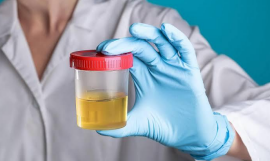
Urine testing/ Urinalysis
a series of tests performed on urine. It looks at the physical, chemical, and microscopic characteristics of urine

Enuresis
The condition is characterized by involuntary urination during sleep for 3 months in children older than 5 and is commonly known as bedwetting

Diuretics
or water pills is a medication designed to pit or increase extra salt and water expelled from the body as urine

Ketone Bodies
Are substances produced by the liver and used peripherally as an energy source when glucose is not readily available.
Hematuria
refers to the existence of blood in urine

Uric acid
A waste product formed when the body breaks down purines. The kidney normally removes uric acid through urine. When the body produces too much uric acid or does not remove a substantial amount, hyperuricemia occurs.

Slightly aromatic
Normal Odor:
Fruity
Abnormal Odor:
Fruity Odor:
Diabetic ketoacidosis
starvation/fasting
ketogenic diet
alcoholic ketoacidosis
Possible Causes of Abnormality in Odor:
Pale yellow to Deep gold
Normal Color:
Dark red to Bright red
Abnormal Color:
Dark red to bright red:
Hematuria (UTI, kidney/bladder stones, glomerulonephritis, trauma, tumors), foods (beets, blackberries), medications (rifampin, phenazopyridine, senna)
Possible Cause of Abnormality in Color:
pH 4.5-8.0
Normal pH Value:
pH lower than 4.5 and higher than 8.0
Abnormal pH Value:
High pH (>7.5)
UTI, vegetarian/vegan diet, metabolic alkalosis, renal tubular acidosis, medications
Low pH (<5.5)
High-protein diet, metabolic acidosis , diarrhea, dehydration, COPD/respiratory acidosis
Possible Cause of Abnormality in pH Value:
Clear
Normal Clarity:
Cloudy, Foamy or Milky
Abnormal Clarity:
Foamy
Rapid urination, dehydration, toilet cleaners, proteinuria, UTI
Possible Cause of Abnormality in Clarity:
1.005 - 1.030
Normal Specific Gravity:
< 1.005
> 1.030
Abnormal Specific Gravity:
High specific gravity (>1.030)
Dehydration, SIADH, heart failure, glycosuria, proteinuria, adrenal insufficiency
Low specific gravity (<1.005)
Diabetes insipidus, chronic kidney disease, excessive fluid intake, acute tubular necrosis, diuretics
Possible Cause of Abnormality in Specific Gravity:
Dysuria
Painful, burning urination usually associated with bacterial infection, inflammation, or obstruction of the urinary tract
Glycosuria
Presence of glucose in urine, caused by excessive intake of sugary foods or diabetes mellitus
Hematuria
Presence of blood in the urine, caused by urinary tract trauma, kidney stones, and infections
Oliguria
Abnormally low urinary output, between 100 – 400mL, caused by dehydration or renal failure
Polyuria
Voiding of large amounts of urine, caused by excessive water intake or diuretics usage
Retention
Excessive urination at night, caused by excessive fluid intake before bed, renal disease, and prostate enlargement
Kidney stones
When urine becomes highly concentrated, substances such as calcium, oxalate, uric acid, or phosphate can crystallize. The crystals grow and form stone
Urinary tract infections
Occurs when bacteria enter the urinary tract through the urethra, multiplying in the bladder
Urine color and odor
Can be affected by Fluid intake, diet, medicines, and medical conditions
Frequency
Urinary frequency means urinating more often than usual, often with only small amounts being voided each time
Incontinence
The bladder, urethra, pelvic floor muscles, or nervous system may fail to properly control the storage and release of urine, resulting in involuntary urine leakage
Hesitancy
means difficulty starting the urine stream, even when the person feels the need to urinate. Urine needs to pass through the urethra
Routine Urinalysis
Clean-Catch Midstream Urine Specimen
Sterile Technique
Timed Specimen Or 24-Hour Urine Specimen
First Morning Specimen
Random Specimen
Ways of Specimen Collection:
Routine Urinalysis
To detect the number of microorganisms present in the urine and to detect disease and manage various health conditions
When: Usually any time, but preferably a fresh, clean specimen; first-morning urine may be preferred when a more concentrated sample is needed.
Clean-Catch Midstream Urine Specimen
Most common method of obtaining urine specimens from adults, particularly men. This method allows a specimen, which is not contaminated from external sources, to be obtained without catheterization
When: Any time, preferably when the patient has a reasonably full bladder. For culture, collect before antibiotics when possible.
Sterile Technique
Used in insertion of indwelling urinary catheters to remove sterile urine, which must be performed to minimize the risk of introducing bacteria to the urinary bladder
When: Collected when specifically ordered or when a sterile urine sample is required
Timed Specimen Or 24-Hour Urine Specimen
Always begins with an empty bladder so that the urine collected is not "left over" from previous hours. This specimen shows the total amounts of wastes the kidneys are eliminating and the amount of each
When: At the designated starting time, usually after the patient empties the bladder first. The starting urine is discarded, then all urine for the next 24 hours is collected, including the final specimen at the exact end time.
First Morning Specimen
This sample is collected the first time the patient urinates in the morning. This specimen is the most concentrated and is the preferred specimen for pregnancy testing, bacterial cultures and microscopic examinations
When: Immediately after waking, before significant fluid intake or activity.
Random Specimen
Collected anytime during the day. Usually used only for routine screening because the composition of urine changes throughout the day
When: Any convenient time of day.
Clinitest
Benedict’s Test
Acetest
Methods of Urine Testing:
Clinitest
uses a tablet that is dropped into a test tube containing urine. It contains copper sulfate, sodium carbonate, sodium citrate, and sodium hydroxide

Acetest
tablet reagent that contains sodium nitroprusside, glycine, disodium phosphate, and lactose. It detects ketones in urine; and the lactose present in the tablet provides better color differentiation which gives a clearer result when comparing the color of the tablet with the color chart

Benedict’s Test
test to determine glucose in urine

Blue
Clinitest Color:
indicates negative result
Orange
Clinitest Color:
indicates highly positive test
Dark greenish-brown
Clinitest Color:
indicates urine glucose level above 2%
tablet color unchanged/ turns cream colored from wetting
Acetest (Ketone Test):
Negative result
change from lavender to deep purple
Acetest (Ketone Test):
Positive result
Blue
Benedict’s Test Color:
negative
Green
Benedict’s Test Color:
(+)
Yellow
Benedict’s Test Color:
(++)
Yellow orange
Benedict’s Test Color:
(+++)
Red
Benedict’s Test Color:
(++++)
Health Supervision
Ante-Partum
Post-Partum
Morbid
Case finding
Geriatric
Mental health
Urine testing with high-risk population groups in the community:
Health Supervision
Regular urine testing among children and adolescents to detect possible diabetes, urinary tract infection and other health or metabolic conditions
Ante-Partum
Urine testing of pregnant women to monitor glucose and protein levels and identify possible gestational diabetes or preeclampsia
Post-Partum
Screening after childbirth to identify protein in the urine or possible urinary tract infections and help promote proper maternal recovery
Morbid
Testing high-risk individuals with chronic illnesses (e.g., diabetes, hypertension, kidney disease)
Case finding
To detect if an individual have a specific illness or health risk in order to prevent it
Geriatric
Older adults may require urine testing for incontinence, infections, or renal function monitoring to maintain overall health
Mental health
For individuals with mental health or substance-use concerns may help monitor certain health conditions, hydration, or detect substances when clinically indicated